
HazMat Training Requirements: Complete Guide to Getting Your Hazardous Materials Endorsement
Master hazmat training requirements for your CDL hazardous materials endorsement. TSA background check, ELDT, knowledge test tips. ✅

Meeting hazmat training requirements is one of the most involved processes in the commercial trucking industry, and for good reason — drivers who transport hazardous materials carry enormous responsibility for public safety. The hazardous materials endorsement added to your commercial driver's license (CDL) authorizes you to haul everything from flammable liquids and explosives to radioactive materials and corrosive chemicals. Unlike standard CDL endorsements, the HazMat endorsement requires a federal background check administered by the Transportation Security Administration, making it uniquely rigorous among all trucking credentials.
The full approval process involves multiple agencies, several distinct steps, and fees that vary by state. Before you ever sit down for the hazardous materials endorsement test, you must complete Entry-Level Driver Training (ELDT) from an approved provider, pass a TSA threat assessment including fingerprinting, and satisfy your state's specific knowledge test requirements. Understanding each requirement up front prevents costly delays and helps you plan realistically for how long the entire endorsement process will take — typically two to four months from start to finish.
The cdl hazardous materials endorsement is not just a formality. Federal regulations under 49 CFR Parts 172, 177, and 383 set the baseline requirements that every state must meet or exceed. These rules govern how hazardous materials are classified, packaged, labeled, placarded, and transported. Drivers must demonstrate knowledge of all nine DOT hazard classes, emergency response procedures, shipping paper requirements, and the proper steps to take when an incident or spill occurs. Review the full hazmat training requirements for placarding rules to understand exactly what visual compliance looks like on the road.
One of the most common misconceptions about the HazMat endorsement is that it is a one-time credential. In reality, it must be renewed every five years, and each renewal cycle requires a fresh TSA background check. Some states require the knowledge test to be retaken as well. This means that maintaining your hazardous material endorsement is an ongoing commitment, not a box you check once at the beginning of your career. Drivers who let their endorsement lapse face disruption to their employment and must restart portions of the process from scratch.
From a career standpoint, the HazMat endorsement is one of the highest-value additions you can make to your CDL. Carriers that move fuel, chemicals, propane, and regulated waste consistently pay a premium to drivers who hold this credential. Industry salary data shows that HazMat-endorsed drivers can earn 10–20 percent more than comparable drivers without the endorsement. In markets where HazMat carriers face driver shortages, the wage premium can climb even higher, especially for drivers who also hold a tanker or doubles/triples endorsement alongside their HazMat credential.
Preparing effectively for the hazardous materials endorsement test requires more than casually reading through the CDL handbook. The knowledge exam covers a wide range of technical material including hazard class definitions, compatibility rules for loading mixed cargo, documentation requirements, and emergency response actions. Many candidates underestimate the depth of the material and fail on their first attempt. Using a structured hazardous materials endorsement study guide alongside targeted practice tests is the most reliable approach to passing on the first try and avoiding costly retest fees.
This guide walks you through every stage of the HazMat endorsement process — from ELDT requirements and TSA background checks to the state knowledge test, renewal procedures, and practical study strategies. Whether you are pursuing your first HazMat endorsement or navigating a renewal, you will find actionable, up-to-date guidance here to move through the process confidently and efficiently.
HazMat Endorsement by the Numbers

Step-by-Step HazMat Endorsement Process
Complete ELDT HazMat Theory Training
Submit TSA Threat Assessment Application
Get Fingerprinted at an IdentoGO Center
Study and Pass the State Knowledge Test
Pay State Fees and Receive Endorsement
The TSA HazMat Threat Assessment Program is the single most distinctive element of the tsa hazardous materials endorsement process. No other CDL endorsement requires a federal security review of this scope. The program was created by the USA PATRIOT Act in response to concerns that commercial HazMat transport could be exploited for terrorist purposes. TSA reviews each applicant's criminal history, checks against terrorism watch lists, and verifies immigration status before issuing an approval or determination of disqualification.
Understanding which convictions lead to automatic disqualification is critical before you invest time and money in the application. Federal law permanently disqualifies any person convicted of specific offenses including improper transportation of hazardous materials, federal crimes of terrorism, murder, kidnapping, rape, and felonies involving explosive devices. A separate list of disqualifying offenses applies to crimes committed within the past seven years, covering items like unlawful possession of a firearm, extortion, robbery, dishonesty or fraud, and bribery of a public official. Review the full hazardous materials endorsement requirements to understand the complete disqualification criteria before applying.
Applicants who have disqualifying convictions but believe they are eligible for a waiver may apply for an appeal through TSA's waiver process. Waivers are considered on a case-by-case basis and are not guaranteed. The process is time-consuming and requires detailed documentation, but it does provide a pathway for some applicants who would otherwise be denied. If you plan to pursue a waiver, consulting with a transportation attorney before filing can improve your chances of a successful outcome.
The fee structure for the TSA application deserves careful attention because costs have changed over the years and vary depending on your state. The federal TSA fee is currently $86.50, but your state may charge additional administrative fees on top of that. Some states bundle the TSA fee into the overall endorsement application cost, while others collect them separately. Always verify the current fee schedule with your state DMV and the TSA enrollment portal before applying to avoid surprises.
Once TSA issues an approval, that determination is tied to your Social Security Number and remains valid for the duration of your endorsement cycle. However, if you move to a different state and transfer your CDL, your new state DMV may require you to resubmit TSA documentation as part of the transfer process. The rules differ by state, so contact both your old and new state DMV offices when relocating to ensure a smooth transition and avoid gaps in your endorsement status.
The fingerprinting appointment itself is straightforward but requires preparation. You must bring a valid, unexpired government-issued photo ID such as a passport or state driver's license. The appointment typically takes 15 to 30 minutes, and the fingerprint capture is electronic — no ink is involved. IdentoGO centers are located throughout the country, and appointments can often be scheduled online within one to two weeks. If you live in a rural area, plan for potential travel to a larger city where enrollment centers are more common.
After your fingerprints are submitted, TSA's review timeline depends on the complexity of your background. Applicants with no criminal history often receive determinations within two to four weeks. Those with more complex records may wait 60 to 90 days or longer. If TSA has not issued a determination within 90 days, you can contact the program directly for a status update. During the waiting period, continue studying for your knowledge test so you are ready to schedule it immediately upon receiving your approval letter.
Hazardous Materials Endorsement Study Guide: What the Test Covers
The HazMat knowledge test requires you to identify all nine DOT hazard classes and their associated labels, placards, and compatibility rules. Class 1 covers explosives divided into six divisions based on blast hazard; Class 2 covers gases including flammable, non-flammable, and toxic gases; Classes 3 through 9 cover flammable liquids, flammable solids, oxidizers, poisons, radioactive materials, corrosives, and miscellaneous hazardous materials. You must know which classes require placards at specific quantity thresholds.
Label and placard identification questions are among the most frequently tested items on the HazMat exam. You should be able to match a diamond-shaped label color and number to its hazard class without hesitation. For example, a red diamond with a flame symbol indicates Class 3 flammable liquids, while a yellow diamond with a propeller symbol indicates Class 7 radioactive materials. Knowing these visuals cold — without having to reason through them — gives you a significant speed advantage during the timed exam.

Is Pursuing the HazMat Endorsement Worth It?
- +Earns 10–20% higher average pay compared to non-HazMat CDL drivers
- +Opens doors to specialized carriers hauling fuel, chemicals, and propane
- +Strong nationwide demand — HazMat-endorsed drivers face less job competition
- +Pairs powerfully with tanker endorsement for maximum earning potential
- +Demonstrates professionalism and commitment that impresses employers
- +Allows drivers to haul a wider variety of loads and stay fully loaded more often
- −TSA background check adds 30–90 days to the overall process
- −Federal application fee of $86.50 plus state fees add up-front cost
- −Permanent disqualification applies for certain felony convictions
- −Endorsement must be renewed every five years including another TSA check
- −Carrying HazMat loads requires greater attention to compliance details on every trip
- −Some states require the knowledge test to be retaken at each renewal cycle
HazMat Endorsement Requirements Checklist
- ✓Hold a valid CDL (Class A, B, or C) or be in the process of obtaining one.
- ✓Enroll with an FMCSA-registered ELDT provider and complete the HazMat theory curriculum.
- ✓Confirm your ELDT completion record appears in the FMCSA Training Provider Registry database.
- ✓Create an account on universalenroll.dhs.gov and submit your TSA HTAP application.
- ✓Pay the $86.50 federal TSA threat assessment fee through the enrollment portal.
- ✓Schedule and attend a fingerprinting appointment at an authorized IdentoGO enrollment center.
- ✓Wait for TSA determination letter — approval is required before testing at most state DMVs.
- ✓Study the HazMat section of your state's CDL manual and complete multiple practice tests.
- ✓Schedule your state HazMat knowledge test and bring TSA approval letter and valid ID.
- ✓Pay the state endorsement fee after passing the test to receive your updated CDL with 'H' code.
Start the TSA Application Before You Finish ELDT
The TSA background check is almost always the longest step in the HazMat endorsement process, sometimes taking 60 to 90 days. Submit your TSA application as early as possible — ideally while you are completing your ELDT training — so both processes run in parallel. This strategy can cut your total endorsement timeline by six to eight weeks compared to doing them sequentially.
Hazardous material endorsement renewal is a process that many experienced drivers underestimate until they are facing a tight deadline. Unlike a standard driver's license renewal that involves little more than a vision test and a fee payment, renewing your HazMat endorsement requires going through a fresh TSA threat assessment every five years. This means another federal application, another fingerprinting appointment, and another waiting period that can extend to 90 days or more. Planning ahead by initiating the renewal process at least four to six months before your current endorsement expiration date is strongly recommended.
State rules for renewal vary significantly and it is essential to know what your specific state requires. Some states mandate only the TSA background check and a fee payment at renewal, treating the knowledge test as a one-time requirement. Other states require you to retake and pass the HazMat knowledge test at every renewal cycle. A handful of states also require updated ELDT documentation if your original training occurred before certain regulatory effective dates. Contact your state DMV well in advance of your renewal date to confirm the exact requirements so you are not caught off guard.
If your HazMat endorsement expires before you complete the renewal process, you lose your authorization to transport hazardous materials immediately. Carriers are not permitted to dispatch drivers on HazMat loads with an expired endorsement, and doing so exposes both the driver and the carrier to significant civil penalties. Drivers who experience a lapse must complete the full renewal process — including a new TSA check — before transporting HazMat again. There is no grace period or provisional authorization during the renewal gap, which underscores the importance of starting well ahead of your expiration date.
The cost of renewal is comparable to the initial application. The TSA fee remains the same ($86.50 at current rates), state fees apply as they did originally, and if you need to retake the knowledge test, there may be a testing fee as well. Some carriers reimburse drivers for endorsement renewal costs as part of their benefits package — check your employment contract or ask your HR department before paying out of pocket. A small number of carriers cover the entire renewal cost as a retention incentive for drivers with strong safety records.
Technology is gradually simplifying the renewal process. The FMCSA's Drug and Alcohol Clearinghouse and the TPR database have already reduced paperwork for drivers in some areas, and there are ongoing federal discussions about streamlining the TSA renewal submission for drivers with clean records. However, as of 2026, there is no expedited renewal pathway — every applicant goes through the same process regardless of how many times they have previously been approved. Staying organized with a personal calendar reminder set two years before your expiration date gives you the most comfortable runway.
For drivers who hold multiple endorsements including HazMat, the renewal process provides a natural opportunity to audit all credentials at once. Check the expiration dates on your tanker, double/triple, and passenger endorsements at the same time. Renewing multiple endorsements during the same DMV visit can save both time and fees in states that charge per-visit administrative costs. Some states even offer a bundled fee structure for drivers renewing multiple endorsements simultaneously, which can make the process more cost-effective overall.
One often-overlooked aspect of the renewal cycle is the impact on your employment status if you drive for a carrier that requires continuous HazMat authorization. Some employment contracts include a clause stating that failure to maintain required endorsements is grounds for reassignment or termination. Review your contract language carefully and communicate proactively with your dispatcher and safety manager as your renewal date approaches. Giving your employer adequate notice allows them to plan around potential temporary reassignments during your waiting period.

Once your HazMat endorsement expires, you cannot legally transport hazardous materials — not even for a single trip. There is no grace period under federal regulations. Carriers face fines up to $87,117 per violation for dispatching an unendorsed driver on a HazMat load. Begin the TSA renewal application at least four months before your endorsement expiration date to account for the background check waiting period.
The career trajectory for drivers who hold the cdl hazardous materials endorsement is notably stronger than for those without it. Entry-level HazMat drivers typically earn between $55,000 and $65,000 annually, but experienced drivers working for major chemical carriers, petroleum distributors, or specialized waste haulers regularly earn $80,000 to over $100,000 per year. The premium is driven by the additional compliance responsibilities, the liability exposure carriers take on, and the genuine shortage of qualified, TSA-approved drivers in the market.
Industry sectors that actively recruit HazMat-endorsed drivers include petroleum product distribution (gasoline, diesel, jet fuel), liquefied petroleum gas (propane), industrial chemical supply chains, municipal and industrial hazardous waste management, and military contract logistics. Each of these sectors has its own nuances in terms of required equipment, regulatory overlays, and compensation structures. Petroleum drivers, for example, often work on tight delivery schedules to fuel stations and airports, while chemical haulers may spend more time at industrial sites with complex material handling requirements.
Pairing the HazMat endorsement with other CDL endorsements dramatically expands your earning potential and career options. The most valuable combination is HazMat plus Tanker (N endorsement), which qualifies you to haul bulk liquid chemicals and petroleum products — among the highest-paying freight categories in trucking. Drivers who hold HazMat, Tanker, and TWIC (Transportation Worker Identification Credential) can access restricted port and terminal environments, opening up additional opportunities in marine and intermodal logistics. Review the hazardous material endorsement requirements tied to ELDT to understand how the federal training framework supports this career ladder.
The regulatory landscape for HazMat transport continues to evolve. The FMCSA regularly updates the Hazardous Materials Regulations (HMR) in coordination with the Pipeline and Hazardous Materials Safety Administration (PHMSA). These updates can change placard thresholds, modify packing group assignments, introduce new UN numbers, or alter emergency response procedures for specific materials. Drivers with the HazMat endorsement are expected to stay current with these changes, which is one reason why ongoing study — not just one-time preparation for the initial test — is part of professional HazMat driving.
Carriers that specialize in HazMat transport typically provide robust ongoing training to their drivers, covering annual regulatory updates, incident response drills, and equipment inspection procedures. However, independent owner-operators and drivers at smaller carriers may need to self-direct their continuing education. The DOT's PHMSA website publishes regulatory updates and guidance documents free of charge. Subscribing to industry publications and trade associations such as the National Tank Truck Carriers (NTTC) or the Chlorine Institute is another effective way to stay informed about changes that affect your daily work.
Safety record is paramount in the HazMat sector. Carriers monitor driver safety scores through the FMCSA's Safety Measurement System (SMS), and HazMat-specific violations — such as placarding errors, improper shipping paper completion, or bulk package handling violations — carry elevated inspection weights compared to standard CDL violations. A pattern of HazMat violations can jeopardize your ability to secure or retain employment at top-tier carriers. Treating every aspect of compliance as genuinely important, not just a bureaucratic formality, is the mindset that distinguishes the best HazMat drivers from the average ones.
For drivers new to the HazMat world, mentorship from experienced HazMat drivers can be invaluable. Many carriers operate formal mentoring programs that pair new HazMat drivers with seasoned veterans for the first 90 days of HazMat hauling. These programs accelerate the practical learning curve — covering site-specific procedures, customer expectations, emergency contact protocols, and the subtle judgment calls that regulations cannot fully anticipate.
If your carrier does not offer a formal program, seek out informal mentors at your terminal and ask questions proactively. The HazMat community, while demanding, is generally supportive of drivers who demonstrate genuine commitment to doing the job right.
Effective preparation for the hazardous material endorsement practice test involves more than simply reading the CDL manual once. Research on adult learning consistently shows that active recall — testing yourself on material rather than passively reviewing it — produces dramatically better retention and exam performance. The most successful HazMat candidates combine a structured study plan with frequent practice tests, using wrong answers as targeted feedback to identify gaps rather than treating them as failures. Starting your practice test routine at least three weeks before your scheduled exam date gives you enough cycles to reinforce weak areas.
When selecting a study approach, begin with the HazMat chapter of your state's CDL manual to establish the foundational framework. Federal regulations form the backbone of every state exam, but your state may test additional state-specific rules around routing restrictions, fee structures, or permit requirements for oversized HazMat loads. After reading the manual, layer in the Emergency Response Guidebook (ERG), which is also tested on many state exams. Knowing how to navigate the ERG's color-coded sections under simulated time pressure is a skill worth practicing before exam day.
The texas hazardous materials endorsement test and exams in other large states like California, Florida, and New York draw from the same federal regulatory base but may weight certain topic areas differently. Texas, for example, has historically emphasized shipping paper requirements and proper name identification in its exam pool. Reviewing your specific state's exam guide — usually available on the DMV website — gives you insight into which topics receive the heaviest emphasis. Some state DMVs even publish the exact number of questions per topic area, allowing you to focus proportional study time accordingly.
Time management during the actual exam matters more than many candidates realize. The HazMat knowledge test is typically 30 questions with a time limit that allows roughly two to three minutes per question. Most candidates find the time limit comfortable for straightforward questions but feel pressed on complex scenario questions that require multi-step reasoning. Practice answering questions under realistic time constraints rather than taking as long as you want during your study sessions. This builds the mental fluency that allows you to work efficiently under exam conditions without second-guessing yourself.
Process of elimination is one of the most powerful test-taking strategies for the HazMat exam. When you are uncertain about an answer, identify any options that are clearly inconsistent with federal regulations and eliminate them first. This often narrows a four-choice question down to two plausible answers, improving your odds significantly. Combined with your regulatory knowledge, this approach allows you to answer many questions confidently even when the exact figure or threshold is not immediately at the front of your memory. Practice applying this technique during your mock test sessions so it becomes automatic.
Hands-on exposure to hazardous materials documentation and equipment — even in a training context — reinforces classroom and online learning in a way that reading alone cannot match. If your ELDT provider offers in-person lab components, take full advantage of them. Handling actual shipping papers, reading placard requirements on sample loads, and practicing emergency response scenarios creates muscle memory and pattern recognition that translates directly to exam performance and real-world competence. Many candidates who struggle with certain exam topics find that a single hands-on practice session resolves the confusion more effectively than hours of additional reading.
After passing your exam and receiving your HazMat endorsement, do not let your study materials gather dust. The regulations you studied are the same ones you will apply every working day. Building a quick-reference folder — either physical or digital — that contains the ERG, key placard thresholds, shipping paper completion samples, and your state's HazMat routing restrictions gives you a reliable resource to consult when an unusual situation arises on the road. Experienced HazMat drivers who reference materials proactively, rather than relying on memory for edge cases, consistently maintain stronger compliance records and safer outcomes throughout their careers.
HazMat Questions and Answers

TSA HazMat Endorsement: Complete Guide to the Threat Assessment, Fingerprinting, and Approval Process
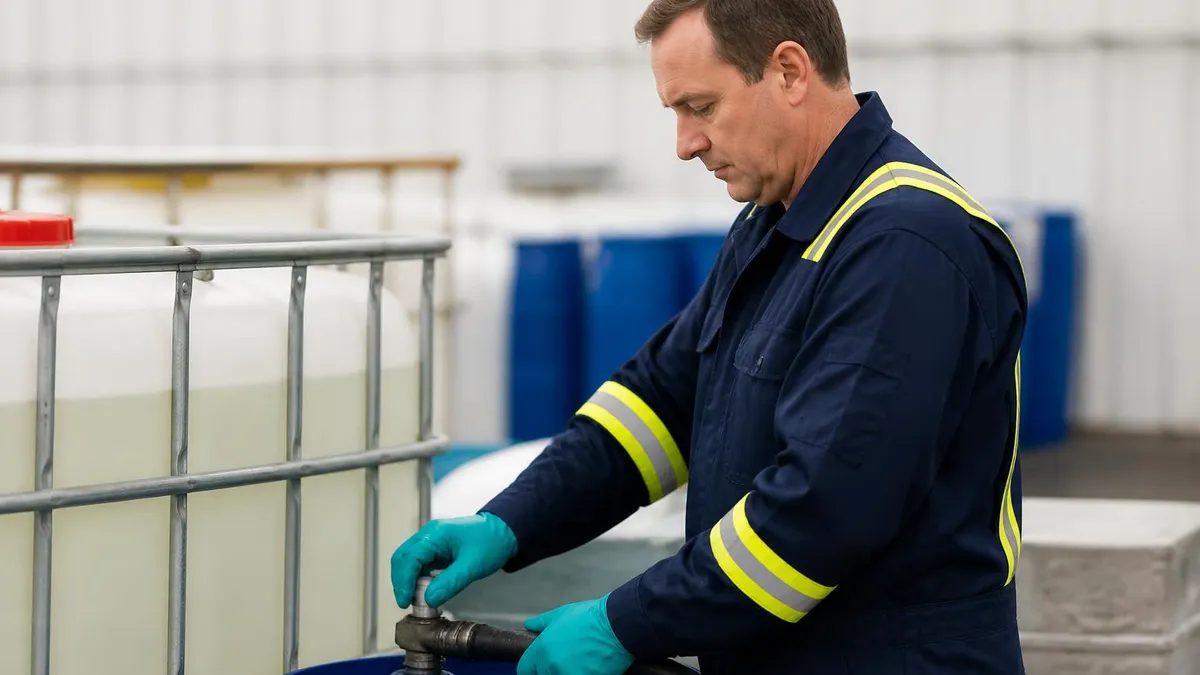
ELDT HazMat Training: Complete 2026 Federal Requirements, Theory Curriculum & Endorsement Path

Hazmat Placards: The 9 Hazard Classes and DOT Placarding Rules

TSA HazMat Background Check Locations: Complete Guide to Finding a Site, What to Expect, and How to Prepare

HazMat Levels: Understanding the Hazardous Materials Endorsement, DOT Classes, and CDL Requirements
About the Author

Educational Psychologist & Academic Test Preparation Expert
Columbia University Teachers CollegeDr. Lisa Patel holds a Doctorate in Education from Columbia University Teachers College and has spent 17 years researching standardized test design and academic assessment. She has developed preparation programs for SAT, ACT, GRE, LSAT, UCAT, and numerous professional licensing exams, helping students of all backgrounds achieve their target scores.
Join the Discussion
Connect with other students preparing for this exam. Share tips, ask questions, and get advice from people who have been there.
View discussion (8 replies)