

GTS Practice Test
Updated for September 2026The Graston Technique Specialist Certification (GTS) is a prestigious credential for healthcare professionals specializing in instrument-assisted soft tissue mobilization (IASTM). This certification validates expertise in using specialized tools to treat musculoskeletal conditions, improve mobility, and enhance patient recovery. With the growing demand for non-invasive treatment methods, becoming a Graston Technique Specialist can significantly advance your clinical practice.
GTS Practice Test Questions
Prepare for the GTS - Graston Technique Specialist exam with our free practice test modules. Each quiz covers key topics to help you pass on your first try.
GTS Clinical Assessment & Treatment Planning
GTS Exam Questions covering Clinical Assessment & Treatment Planning. Master GTS Test concepts for certification prep.
GTS Evidence-Based Practice & Patient Safety
Free GTS Practice Test featuring Evidence-Based Practice & Patient Safety. Improve your GTS Exam score with mock test prep.
GTS Graston Technique Principles & Applica...
GTS Mock Exam on Graston Technique Principles & Applications. GTS Study Guide questions to pass on your first try.
GTS Instrument-Assisted Soft Tissue Mobili...
GTS Test Prep for Instrument-Assisted Soft Tissue Mobilization (IASTM). Practice GTS Quiz questions and boost your score.
GTS Client Assessment & Goal Setting
GTS Questions and Answers on Client Assessment & Goal Setting. Free GTS practice for exam readiness.
GTS Exercise Physiology & Kinesiology
GTS Mock Test covering Exercise Physiology & Kinesiology. Online GTS Test practice with instant feedback.
GTS Fascial System & Connective Tissue Ana...
Free GTS Quiz on Fascial System & Connective Tissue Anatomy. GTS Exam prep questions with detailed explanations.
GTS Instrument Design & Treatment Protocols
GTS Practice Questions for GTS Instrument Design & Treatment Protocols. Build confidence for your GTS certification exam.
GTS Soft Tissue Pathology & Fibrosis
GTS Test Online for GTS Soft Tissue Pathology & Fibrosis. Free practice with instant results and feedback.
GTS Injury Prevention & Recovery
GTS Study Material on Injury Prevention & Recovery. Prepare effectively with real exam-style questions.
GTS Motivational Techniques & Coaching
Free GTS Test covering Motivational Techniques & Coaching. Practice and track your GTS exam readiness.
GTS Nutrition & Dietary Guidance
GTS Exam Questions covering Nutrition & Dietary Guidance. Master GTS Test concepts for certification prep.
GTS Program Design & Periodization
Free GTS Practice Test featuring Program Design & Periodization. Improve your GTS Exam score with mock test prep.
Key Takeaways
Free Graston Technique Practice Test Online
The Graston Technique Specialist Certification (GTS) focuses on instrument-assisted soft tissue mobilization (IASTM).
Healthcare professionals like physical therapists, chiropractors, and athletic trainers benefit from this certification.
The GTS exam assesses knowledge of treatment protocols, tool applications, and patient safety.
Hands-on training is essential for mastering the Graston Technique before certification.
Certified specialists often see increased job opportunities and higher earning potential.
Continuing education is required to maintain the GTS certification.
Employers in spor
What Is the Graston Technique Specialist Certification (GTS)?
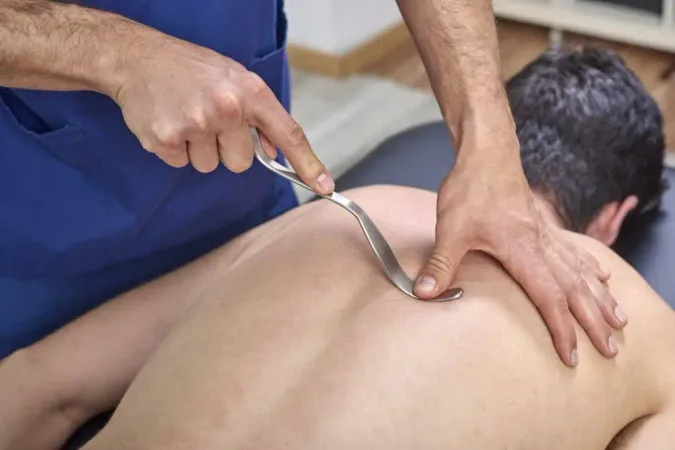
The Graston Technique Specialist Certification (GTS) is a professional credential for practitioners trained in using stainless steel instruments to detect and treat soft tissue dysfunction. This method helps break down scar tissue, reduce inflammation, and promote healing in patients with chronic pain or mobility issues. The GTS certification ensures that practitioners meet standardized competency levels in applying this technique safely and effectively.
Unlike general manual therapy certifications, the Graston Technique requires specialized training in tool handling, stroke techniques, and patient assessment. Certification demonstrates a practitioner’s ability to integrate IASTM into clinical practice, making them more competitive in the healthcare industry.
GTS Key Concepts
What is the passing score for the GTS exam?
Most GTS exams require 70-75% to pass. Check the official exam guide for exact requirements.
How long is the GTS exam?
The GTS exam typically allows 2-3 hours. Time management is critical for success.
How should I prepare for the GTS exam?
Start with a diagnostic test, create a 4-8 week study plan, and take at least 3 full practice exams.
What topics does the GTS exam cover?
The GTS exam covers multiple domains. Review the official content outline for the complete list.
- ✓Review the official GTS exam content outline
- ✓Take a diagnostic practice test to identify weak areas
- ✓Create a study schedule (4-8 weeks recommended)
- ✓Focus on your weakest domains first
- ✓Complete at least 3 full-length practice exams
- ✓Review all incorrect answers with detailed explanations
- ✓Take a final practice test 1 week before exam day
Eligibility Requirements for the GTS Certification
To qualify for the Graston Technique Specialist Certification (GTS), candidates must meet specific educational and professional criteria. Typically, applicants must hold an active license in a healthcare field such as physical therapy, chiropractic care, or occupational therapy. Some certifying bodies may also require prior experience in manual therapy or sports medicine.
Additionally, candidates must complete a Graston Technique training course, which includes both theoretical instruction and hands-on practice. Proof of attendance and competency assessments may be required before taking the GTS exam. Meeting these prerequisites ensures that only qualified professionals earn the certification.
How to Prepare for the GTS Exam
Passing the GTS exam requires a combination of theoretical knowledge and practical skills. The exam typically covers topics such as instrument selection, treatment protocols, contraindications, and patient communication. To prepare effectively, candidates should review official study materials, attend workshops, and practice the technique under supervision.
Mock exams and case study analyses can also help reinforce key concepts. Since the Graston Technique relies heavily on hands-on application, practicing on real patients or peers is crucial for mastering the required skills. Proper preparation increases confidence and improves the likelihood of passing the GTS certification exam.
Career Benefits of Earning the GTS Certification
Earning the Graston Technique Specialist Certification (GTS) opens doors to advanced career opportunities in healthcare. Certified professionals often secure roles in sports medicine clinics, rehabilitation centers, and multidisciplinary pain management teams. Many employers prefer hiring GTS-certified practitioners due to their specialized skill set in treating soft tissue injuries.
Beyond job prospects, the certification enhances earning potential, as patients are willing to pay more for evidence-based, non-invasive treatments. Networking opportunities through professional associations and conferences further support career growth for GTS-certified specialists.
Industries That Value GTS-Certified Professionals
The GTS certification is highly regarded in fields where soft tissue therapy is essential. Sports medicine clinics rely on Graston Technique Specialists to treat athletes with repetitive strain injuries. Physical therapy practices use certified professionals to enhance post-surgical recovery and chronic pain management.
Chiropractic offices and occupational therapy centers also benefit from hiring GTS-certified practitioners to improve patient outcomes. The versatility of this certification makes it valuable across various healthcare settings, ensuring steady demand for qualified specialists.

Maintaining Your GTS Certification
Once obtained, the Graston Technique Specialist Certification (GTS) requires ongoing professional development. Most certifying bodies mandate continuing education units (CEUs) to ensure practitioners stay updated on the latest research and techniques.
Renewal may involve attending advanced training sessions, completing online courses, or participating in case study discussions. Staying current with the GTS certification not only maintains its validity but also ensures practitioners deliver the highest standard of care to their patients.
Conclusion
The Graston Technique Specialist Certification (GTS) is a valuable credential for healthcare professionals seeking to specialize in soft tissue mobilization. It provides a competitive edge in the job market, enhances clinical skills, and improves patient outcomes. By meeting eligibility requirements and passing the exam, practitioners can unlock new career opportunities in high-demand healthcare fields.
Preparing for the GTS certification requires dedication, but the long-term benefits make it a worthwhile investment. Employers and patients alike recognize the expertise of Graston Technique Specialists, making this certification a key differentiator in clinical practice.
Ultimately, earning the GTS certification positions healthcare providers as leaders in non-invasive treatment methods. Whether you aim to expand your practice or specialize in sports medicine, this certification can help you achieve your professional goals.
- +Industry-recognized credential boosts your resume
- +Higher earning potential (10-20% salary increase on average)
- +Demonstrates commitment to professional development
- +Opens doors to advanced career opportunities
- −Exam preparation requires significant time investment (4-8 weeks)
- −Certification fees can be $100-$400+
- −May require continuing education to maintain
- −Some employers may not require certification
(GTS) Graston Technique Specialist Questions and Answers
About the Author

Certified Professional Development Expert & Niche Certification Advisor
University of Pennsylvania Graduate School of EducationDr. Alexandra Kim holds a PhD in Professional Studies from the University of Pennsylvania and is a Certified Professional in Learning and Performance (CPLP) and Certified Professional in Talent Development (CPTD). With 17 years of corporate training and professional certification advisory experience, she helps professionals navigate specialized, emerging, and cross-industry certification programs.
Join the Discussion
Connect with other students preparing for this exam. Share tips, ask questions, and get advice from people who have been there.
View discussion (8 replies)