
First Aid Refresher Course: Everything You Need to Know About Certification, Training, and Emergency Preparedness
Master your first aid refresher course in 2026 October. Covers certification, mental health first aid, wilderness first aid, and first aid kits. ✅

A first aid refresher course is one of the most practical investments you can make in your personal safety and the safety of everyone around you. Whether you completed your original certification two years ago or five years ago, skills fade without practice — and emergency situations do not wait for you to remember what to do. Refresher training rebuilds muscle memory, introduces updated protocols, and ensures your knowledge reflects current American Heart Association and Red Cross guidelines. If you have been wondering when to re-certify, the answer is almost always: now.
The landscape of first aid training has expanded dramatically in recent years. Beyond traditional CPR and bleeding control, modern programs now include mental health first aid modules that teach responders how to support someone experiencing a psychological crisis. These additions reflect a growing recognition that emergencies are not always physical — panic attacks, suicidal ideation, and acute psychotic episodes are situations that trained bystanders encounter regularly, and a refresher course equips you to respond to all of them confidently.
One common misconception is that a refresher course is simply a shorter version of the original certification class. In reality, a quality refresher does much more. Instructors identify gaps in your technique — improper hand placement during chest compressions, incorrect tourniquet positioning, or failing to check for scene safety before approaching a victim. These corrections can be the difference between an intervention that saves a life and one that inadvertently causes additional harm. Hands-on skill stations and scenario simulations are a hallmark of accredited programs.
Cost is another factor that keeps people from re-certifying on schedule. The good news is that refresher courses are significantly shorter and less expensive than initial certification. Most run between two and four hours, with fees ranging from $25 to $75 depending on the provider and whether the session is in-person or blended online. Many employers, community centers, and fire departments offer free or subsidized refresher training — particularly for staff in healthcare, education, childcare, and construction where first aid certification is often a regulatory requirement.
Keeping your first aid kits stocked and your skills current go hand in hand. A refresher course will often include a review of the contents of a well-stocked kit — from adhesive bandages and sterile gauze to CPR face shields and epinephrine auto-injectors — so you know exactly what to reach for in an emergency. Instructors frequently use realistic kit scenarios to bridge the gap between classroom knowledge and real-world application, walking through exactly how to use each item under pressure.
For those working or recreating in remote environments, wilderness first aid refresher training addresses challenges that urban courses do not cover: improvising splints from trekking poles, managing hypothermia with limited resources, and making evacuation decisions when professional help is hours away. These specialized programs are increasingly popular among hiking guides, camp counselors, search-and-rescue volunteers, and adventure travelers who need skills that hold up far from the nearest hospital.
Regardless of which track is right for you, the core message is consistent: emergency skills require regular reinforcement. Studies show that CPR technique degrades measurably within three to six months of initial training without practice. A structured first aid refresher course, taken every one to two years, keeps your responses automatic and accurate when seconds matter most. This guide covers everything you need to choose the right program, prepare effectively, and walk out of your next refresher session ready to act.
First Aid Refresher Courses by the Numbers

Types of First Aid Refresher Courses Available in 2026
The most common format, covering adult, child, and infant CPR, AED operation, choking response, and basic wound management. Usually completed in two to three hours at a local Red Cross chapter, hospital, or community center. Required annually or biannually by many employers.
An eight-hour recertification program teaching updated ALGEE action plan skills for depression, anxiety, psychosis, and substance use crises. Youth Mental Health First Aid variants are tailored for educators and parents working with adolescents and children in school or community settings.
Designed for outdoor professionals, guides, and backcountry travelers, this two-day course reviews patient assessment, improvised rescue techniques, and remote evacuation decision-making. Offered by NOLS, REI, and Wilderness Medical Associates across the United States.
Specialized recertification for childcare workers, teachers, and parents covering infant CPR, febrile seizure response, allergic reaction management, and safe administration of epinephrine via auto-injector. Required for daycare licensing in most U.S. states.
Complete the knowledge review modules online at your own pace, then attend a one-hour in-person skills check with a certified instructor. This hybrid format is the fastest growing option in 2026, accepted by most employers and recognized by the American Heart Association.
Understanding what a first aid refresher course actually covers helps you arrive prepared and get the most out of every minute of instruction. Most accredited programs open with a brief knowledge review — a short written or digital assessment that identifies which topics you remember well and which areas have faded since your initial certification. This targeted approach means instructors can spend less time on concepts you already know and more time drilling the skills that genuinely need work, making the session far more efficient than simply repeating the full original course from scratch.
Cardiopulmonary resuscitation remains the centerpiece of virtually every refresher program. Compression depth, rate, and recoil — the three technical pillars of effective CPR — all degrade without regular practice. Most adults remember to push hard and push fast, but research published in the journal Resuscitation found that a majority of people deliver inadequate compression depth within one year of training. Instructors use feedback manikins during refresher courses to give real-time data on compression quality, allowing participants to self-correct immediately rather than practicing poor technique repeatedly.
Automated external defibrillators represent another critical skill area reviewed in every refresher. AED technology has improved, and new devices come with different voice prompts, pad placement guides, and post-shock protocols than older models. Knowing how to operate a device you have never seen before — under the stress of a real cardiac arrest — is a skill that only hands-on practice can build. Refresher courses rotate through several different AED models so that participants gain confidence with unfamiliar equipment.
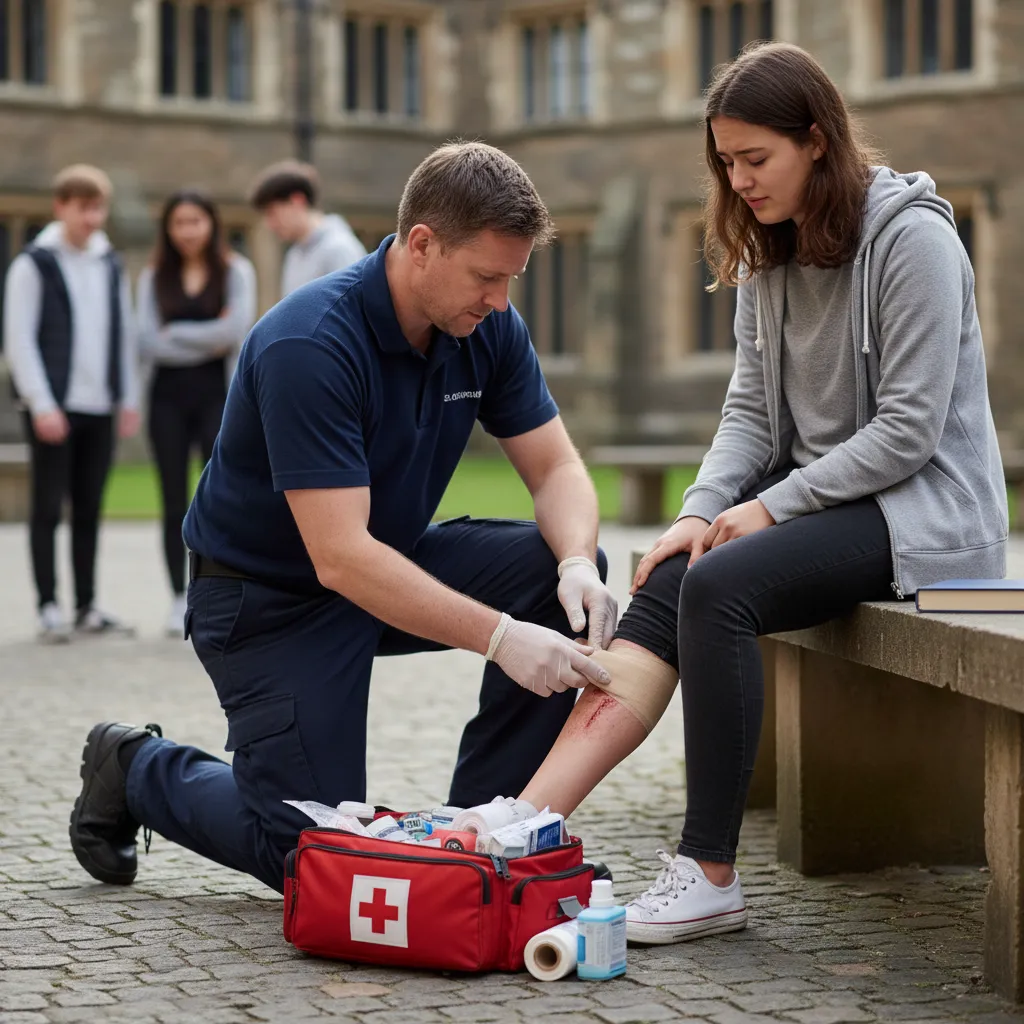
Hemorrhage control has moved from an advanced skill to a core competency in mainstream first aid training, largely driven by the Stop the Bleed campaign that followed the 2012 Sandy Hook shooting. Modern refresher courses include a dedicated hands-on station for tourniquet application, wound packing with hemostatic gauze, and pressure dressing techniques. These are not abstract concepts — instructors use realistic wound simulation trainers so that participants experience the physical sensation of applying a tourniquet tightly enough to actually stop arterial bleeding, which requires significantly more force than most people expect.
Choking response — the Heimlich maneuver for conscious adults and back blows plus chest thrusts for infants — is another skill that benefits enormously from practice. The mechanics differ between adults, children, and infants, and the panic that accompanies a real choking emergency makes clear-headed recall difficult. Refresher courses walk through each variation with practice manikins, emphasizing the transition from the Heimlich to CPR when a victim becomes unresponsive, a sequence that is frequently confused under pressure.
Many refresher programs now include a module on opioid overdose recognition and naloxone administration, reflecting the ongoing public health crisis in the United States. If your previous certification predated widespread naloxone access, a refresher course is an excellent opportunity to learn the signs of opioid overdose — slow or absent breathing, pinpoint pupils, blue lips — and practice using an intranasal naloxone device, which is now available without a prescription at most pharmacies.
This addition alone can make a refresher course the most life-saving investment you make this year. For more on managing psychological emergencies, see the guide on first aid beauty face moisturizer recall and related psychological first aid topics.
Environmental emergencies round out a comprehensive refresher curriculum. Heat exhaustion and heat stroke, hypothermia, frostbite, and lightning strike response are covered with updated recognition criteria and treatment protocols. The distinction between heat exhaustion — which responds well to cooling and oral hydration — and heat stroke, which is a life-threatening emergency requiring immediate 911 activation, is a critical clinical judgment that refresher training reinforces clearly and memorably through scenario-based learning exercises that challenge participants to make the correct call under time pressure.
Mental Health First Aid, Wilderness First Aid, and Specialized Refresher Training
Mental health first aid training teaches everyday people to recognize the warning signs of mental health crises and provide initial support while connecting individuals to professional help. The eight-hour certification course uses the ALGEE action plan: Assess for risk, Listen non-judgmentally, Give reassurance and information, Encourage professional help, and Encourage self-help strategies. Refresher courses update participants on revised diagnostic criteria, new crisis resources, and changes to the ALGEE framework since their original certification.
Youth mental health first aid is a specialized variant designed for adults who work or live with young people between ages 12 and 18. Teachers, coaches, school counselors, and parents make up the majority of participants. The refresher curriculum emphasizes adolescent-specific presentations of depression, anxiety, eating disorders, and substance use, and provides updated guidance on school-based crisis response protocols. With teen mental health declining nationally, this training has never been more valuable or more urgently needed.

Is a First Aid Refresher Course Worth It? Pros and Cons
- +Restores skill confidence and muscle memory that fades within 6–12 months of initial training
- +Updates your knowledge with the latest CPR, AED, and hemorrhage control protocols from AHA and Red Cross
- +Shorter and cheaper than full recertification — typically 2–4 hours and under $75
- +Satisfies employer, licensing, and regulatory requirements for healthcare, childcare, and construction workers
- +Introduces new skills not covered in your original course, such as naloxone administration and mental health first aid
- +Builds community resilience — trained bystanders double survival rates in out-of-hospital cardiac arrests
- −Requires carving out time from a busy schedule, even for a 2–4 hour commitment
- −Some refresher formats (blended online) may not satisfy all employer or state licensing requirements
- −Quality varies significantly between providers — poorly run courses may not improve actual skill performance
- −Skills still fade without ongoing practice between refresher sessions, requiring personal commitment
- −Not all course providers offer convenient scheduling or nearby locations in rural areas
- −Fees, while modest, are an out-of-pocket expense if your employer does not offer reimbursement or on-site training
Pros and Cons at a Glance
| Pros | Cons |
|---|---|
| Updates your knowledge with the latest CPR, AED, and hemorrhage control protocols from AHA and Red Cross | Some refresher formats (blended online) may not satisfy all employer or state licensing requirements |
| Satisfies employer, licensing, and regulatory requirements for healthcare, childcare, and construction workers | Quality varies significantly between providers — poorly run courses may not improve actual skill performance |
| Introduces new skills not covered in your original course, such as naloxone administration and mental health first aid | Skills still fade without ongoing practice between refresher sessions, requiring personal commitment |
| Builds community resilience — trained bystanders double survival rates in out-of-hospital cardiac arrests | Not all course providers offer convenient scheduling or nearby locations in rural areas |
First Aid Refresher Readiness Checklist: 10 Steps Before You Re-Certify
- ✓Locate your original certification card and note your expiration date before registering for a refresher course.
- ✓Confirm that your chosen provider is accredited by the American Heart Association, American Red Cross, or AAOS.
- ✓Review the ALGEE action plan for mental health first aid to arrive at your refresher with foundational knowledge refreshed.
- ✓Practice proper CPR hand placement and compression depth on a cushion or pillow before attending skills stations.
- ✓Check and restock your home and car first aid kits so you can apply newly refreshed skills immediately after class.
- ✓Bring a list of specific scenarios or skill gaps you want to focus on during hands-on station time.
- ✓Wear comfortable, flexible clothing that allows you to kneel and perform chest compressions without restriction.
- ✓Download your provider's pre-course reading materials or videos and complete them at least two days before class.
- ✓Arrange for your employer or HR department to receive a copy of your updated certification card upon completion.
- ✓Schedule a practice session with a family member or colleague within one week of completing your refresher to lock in new skills.
Bystander CPR Doubles Survival Rates — But Only If Skills Are Current
The American Heart Association reports that bystander CPR can double or even triple survival rates for out-of-hospital cardiac arrests. However, a 2023 study in Circulation found that CPR quality degrades to below-therapeutic levels in 45% of trained individuals within just six months of certification. Regular refresher training — not just a one-time course — is the only reliable way to keep your response effective when it matters most.
Choosing the right first aid refresher program requires evaluating several factors beyond price and convenience. Accreditation is the single most important criterion. Programs offered by the American Heart Association, American Red Cross, National Safety Council, and AAOS (American Academy of Orthopaedic Surgeons) are universally recognized by employers, licensing boards, and regulatory agencies. Some third-party providers offer certificates that look legitimate but are not accepted for occupational licensing or OSHA compliance — always verify accreditation before enrolling, especially if your certification is required for your job.
Instructor quality varies considerably even within accredited programs. A skilled first aid instructor creates realistic scenario pressure that forces participants to practice decision-making, not just technique. Look for programs where the instructor-to-student ratio is no greater than 1:6 for hands-on skills stations, and where the course dedicates at least 50% of total time to practical exercises rather than lecture or video presentation. If you are evaluating a course for your organization, ask the provider for a sample lesson plan and skills station breakdown before committing to a bulk booking.
The format — in-person, blended, or fully online — should be matched carefully to your needs and employer requirements. Fully in-person programs provide the most immersive skills practice but require scheduling flexibility. Blended programs split the knowledge component online (typically one to two hours) and the skills component in person (typically one hour), offering a time-efficient middle ground. Note that fully online first aid certifications are not accepted by most healthcare licensing boards or childcare regulators — these professions require demonstrated hands-on competency, not just knowledge assessment.
Group enrollment is an excellent option for teams, schools, and businesses. Many providers offer on-site refresher training where a certified instructor comes to your location, delivers a customized curriculum for your industry's specific hazards, and certifies all participants in a single session. Per-person costs drop significantly with group bookings — often to $15 to $30 per participant — and the convenience of on-site training dramatically improves participation rates compared to asking employees to arrange their own recertification independently.
Pediatric-specific refresher courses deserve special mention for parents, grandparents, teachers, and anyone who regularly cares for children. The differences between adult and pediatric emergency response — compression depth, rescue breath volume, choking management techniques, and recognition of infant versus child respiratory distress — are significant enough that a generic adult-focused refresher may leave important gaps. If your household or workplace includes children under twelve, seek out a program that dedicates explicit time to pediatric scenarios using age-appropriate manikins.
First aid beauty facial radiance pads and other skincare products from the First Aid Beauty brand have no connection to emergency first aid training, despite sharing a brand name that generates search confusion. If you arrived at this article looking for information about the first aid beauty ultra repair cream product recall or skincare questions, please note that this guide is entirely dedicated to emergency first aid skills training and certification refresher programs for US audiences.
Once you have identified a provider and format, the final step before enrolling is to check whether your state or employer offers any financial incentives. Many state health departments fund free first aid refresher training for residents, particularly in underserved communities. The American Red Cross offers fee waivers for income-qualifying individuals. FEMA's Community Emergency Response Team (CERT) program provides free emergency skills training, including first aid refreshers, through local fire departments and emergency management agencies. Exploring these options before paying out of pocket can make recertification completely free.
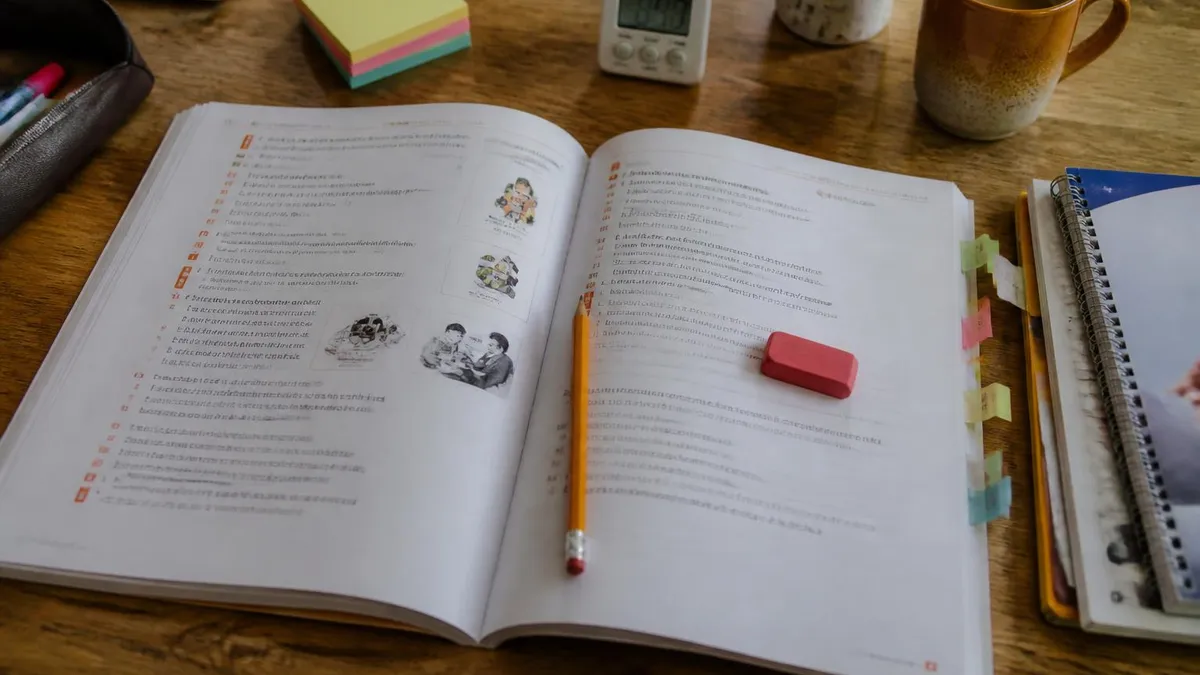
Most first aid and CPR certifications expire after two years. Many employers and licensing boards require a valid, unexpired card at all times — a lapsed certification, even by one day, may disqualify you from working in regulated settings such as healthcare, childcare, or lifeguarding. Check your expiration date today and schedule your refresher at least 30 days before your current certification expires to avoid a compliance gap.
Preparing for a first aid written knowledge assessment is an important part of any refresher experience, particularly for courses that include a certification exam. While refresher exams are generally shorter and less comprehensive than initial certification tests — typically 25 to 50 multiple choice questions rather than 100 or more — they still require genuine understanding of emergency protocols, not just surface familiarity. The most effective preparation strategy combines active recall practice with scenario-based problem solving rather than passive re-reading of a textbook or handbook.
Practice tests are the single most powerful study tool available for first aid certification refreshers. Research on the testing effect consistently shows that retrieving information from memory — rather than simply reviewing it — produces far superior long-term retention and transfer to novel situations. Taking a realistic practice exam under timed conditions, reviewing every missed question carefully, and retaking the test two or three days later to measure retention is significantly more effective than spending the same amount of time reading the course manual cover to cover.
Key knowledge areas that appear most frequently on first aid certification assessments include: the chain of survival for cardiac arrest (early recognition, early CPR, early defibrillation, post-resuscitation care), the signs and treatment of shock (pale/cool/clammy skin, rapid weak pulse, altered consciousness), the difference between arterial and venous bleeding and appropriate interventions for each, the recovery position for unconscious breathing patients, and the correct sequence for managing a conscious choking adult versus an unresponsive patient. Knowing these cold — without having to think — is the standard a refresher course aims to restore.
Anatomy and physiology questions appear on most intermediate and advanced refresher assessments. Understanding why certain interventions work — why elevating an injured limb reduces swelling, why you tilt the head and lift the chin to open an airway, why you position a shock patient flat rather than seated — allows you to reason through novel scenarios you have never encountered before rather than relying purely on rote memorization. This conceptual understanding is what separates a trained responder who can adapt to unusual situations from one who freezes when the scenario does not match a memorized script exactly.
Legal and ethical considerations — Good Samaritan laws, consent and implied consent for unconscious patients, duty to act for professional rescuers versus bystanders, and documentation requirements in occupational settings — appear on many refresher exams and are frequently underestimated by participants who focus exclusively on clinical skills. Good Samaritan statutes protect lay rescuers who act in good faith and within their training in all 50 U.S. states, but the specifics vary by state and by whether the rescuer has a professional duty to respond. Your refresher course will cover the laws applicable in your state.
For comprehensive study resources that complement your refresher course preparation, the mental health first aid study guide provides detailed coverage of both physical emergency response and psychological crisis intervention. Combining structured practice test sessions with the full study guide creates a preparation system that addresses both the knowledge and skill dimensions of first aid certification, giving you the highest possible confidence going into your refresher assessment.
Group study is another underutilized preparation strategy. Partnering with a colleague or family member who is also re-certifying allows you to quiz each other, practice physical skills together, and talk through scenarios aloud — a powerful learning technique called elaborative interrogation that forces deeper processing of the material. If you cannot find a study partner, consider joining a free community preparedness group or CERT team where ongoing skills practice is built into regular meetings, creating the repetition needed to maintain competency between formal refresher courses.
On the day of your first aid refresher course, arriving well-rested and mentally prepared makes a measurable difference in how much you retain. Emergency skills training is cognitively and physically demanding — you will be kneeling on the floor performing chest compressions, rapidly applying tourniquets under simulated time pressure, and making clinical decisions in noisy, distracting scenario environments. Getting a full night of sleep, eating a solid meal beforehand, and arriving five to ten minutes early to review the day's agenda sets you up to absorb and retain far more than if you roll in rushed and hungry.
During skills stations, resist the urge to perform for the instructor. The purpose of a refresher skills station is to identify and correct technique errors, not to demonstrate competence you already have. If you apply a tourniquet and the instructor says your placement is two inches too high, that correction is the most valuable moment of the entire course — it fixes a real gap that could cause a real intervention to fail. Approach every station with genuine curiosity about whether your technique is actually correct, not defensive confidence that it already is.
Ask questions generously. Experienced first aid instructors have encountered virtually every edge case scenario and misconception that students bring to class, and a well-phrased question — "what do I do if the patient regains consciousness during CPR?" or "how do I manage a chest wound that is sucking air?" — often sparks a valuable discussion that benefits the entire group. The refresher classroom is one of the few environments where asking a basic question about emergency response is actively encouraged rather than embarrassing.
After completing your refresher, build a maintenance practice schedule. The AHA recommends at least monthly hands-on CPR practice to maintain skill at therapeutic levels — far more frequent than most people achieve. Apps like PulsePoint Respond, which alerts CPR-trained individuals when a cardiac arrest occurs nearby, provide real-world application opportunities while simultaneously helping community members in crisis. Signing up for a CERT volunteer team, organizing quarterly practice sessions with neighbors, or keeping a CPR feedback device at home are all practical ways to maintain the skills your refresher rebuilds.
Document your certification immediately after completing the refresher. Photograph your certification card, save the digital copy to cloud storage, and send a copy to your employer's HR department or the relevant licensing board within 48 hours while it is still top of mind. Many professionals lose credit for valid certifications simply because they fail to submit documentation in a timely manner, creating a compliance gap that requires unnecessary additional training to resolve.
Consider building a personal emergency response kit at home and at work that reflects your refreshed skills. A home kit should go beyond basic bandages to include a quality CPR mask, a pair of nitrile gloves, a commercial tourniquet (such as a CAT or SOFTT-W), hemostatic gauze, a blood pressure cuff if you are medically trained, and naloxone if opioid emergencies are a realistic risk in your community. Knowing exactly where these supplies are and how to use them — because you just practiced in your refresher — transforms preparedness from an abstract commitment into a concrete, actionable reality.
Finally, share what you have learned. Teaching a skill is one of the most powerful ways to deepen your own mastery of it. Walk a family member through the steps of calling 911, starting CPR, and using an AED. Show a coworker where the first aid kit and AED are located in your building.
Explain the signs of a stroke — Face drooping, Arm weakness, Speech difficulty, Time to call — to someone who does not know them. Every person you reach multiplies the community benefit of your individual refresher training, creating a network of prepared, confident bystanders ready to act when emergencies strike.
First Aid Questions and Answers

About the Author

Registered Nurse & Healthcare Educator
Johns Hopkins University School of NursingDr. Sarah Mitchell is a board-certified registered nurse with over 15 years of clinical and academic experience. She completed her PhD in Nursing Science at Johns Hopkins University and has taught NCLEX preparation and clinical skills courses for nursing students across the United States. Her research focuses on evidence-based exam preparation strategies for healthcare certification candidates.
Join the Discussion
Connect with other students preparing for this exam. Share tips, ask questions, and get advice from people who have been there.
View discussion (5 replies)