
FDNY Probie: The Complete Training Guide for New York City Firefighter Recruits
Everything about the FDNY probie experience — training requirements, probationary period, tips to succeed. ✅ Complete guide for aspiring NYC firefighters.

Becoming an fdny probie is one of the most demanding and rewarding transitions a person can make in their professional life. The term "probie" — short for probationary firefighter — refers to the men and women who have passed the grueling FDNY entrance process and are now working their way through the Fire Academy and their first months assigned to an active firehouse.
This period typically lasts about two years and determines whether a recruit will earn the full title of New York City firefighter. Understanding what the probationary period involves is essential for anyone seriously pursuing a career with the FDNY.
The FDNY is the largest municipal fire department in the United States, protecting more than 8.3 million residents across five boroughs and responding to over 500,000 calls per year. The standards for becoming a firefighter reflect that enormous responsibility. Probies must demonstrate physical toughness, classroom competency, technical skill, and the mental resilience to perform under extreme pressure. Every phase of the probationary experience is designed to weed out candidates who are not fully prepared for the realities of the job.
The journey to becoming an FDNY probie begins long before the first day at the Fire Academy. Candidates must pass a written civil service exam, a Candidate Physical Ability Test (CPAT), a medical evaluation, a psychological screening, and a thorough background investigation. Each step narrows the candidate pool significantly. By the time a recruit enters the Academy as a probie, they have already demonstrated they have the baseline qualifications to pursue one of the most competitive public service roles in the country.
Once accepted into the Academy, probationary firefighters begin a training program that covers everything from hose operations and ladder techniques to building construction, hazardous materials response, emergency medical services, and fire behavior. The classroom instruction is paired with intense hands-on training in simulated fire environments. Recruits do not simply memorize information — they are expected to apply it in real-time scenarios that mimic the unpredictability of actual emergency calls in New York City's densely packed neighborhoods.
The physical demands of FDNY probie training cannot be overstated. Recruits train in full turnout gear, which adds roughly 75 pounds of weight to the body. They climb ladders, carry hoses, drag mannequins simulating downed victims, and navigate smoke-filled structures. Physical fitness standards are enforced throughout the Academy program, and recruits who fall below expectations may be placed on remediation or, in more serious cases, separated from the program entirely. Staying in excellent physical condition before and during the Academy is not optional — it is a survival requirement.
Beyond the physical and technical components, the FDNY probationary experience is deeply cultural. New probies enter firehouses with decades of tradition, hierarchy, and institutional knowledge embedded into daily operations. Learning how to fit into a firehouse culture — showing respect for senior firefighters, being proactive about tasks, and demonstrating genuine commitment to the team — is just as important as passing written exams. Many experienced firefighters describe the cultural integration as one of the most challenging aspects of the early career, particularly for recruits coming from very different professional backgrounds.
This guide is designed to give aspiring FDNY probies a comprehensive, realistic picture of what to expect at every stage of the probationary process. Whether you are still preparing for the civil service exam, waiting for an Academy class date, or currently enrolled as a probie, the information here will help you prepare strategically, train effectively, and build the mindset you need to succeed in one of the world's most demanding professions.
FDNY Probie Training by the Numbers

FDNY Probie Training Timeline: From Application to Graduation
Civil Service Exam & List Placement
Medical, Psychological & Background Screening
Candidate Physical Ability Test (CPAT)
FDNY Fire Academy — Probationary Training
Firehouse Assignment & On-the-Job Evaluation
Probationary Period Completion
The FDNY Fire Academy is located on Randalls Island, a piece of land in the East River that sits between Manhattan, the Bronx, and Queens. The facility is purpose-built for training firefighters and includes burn buildings, drill towers, rescue props, and classroom facilities that together create one of the most comprehensive training environments of any fire department in the world. Every FDNY probie passes through these gates, and the experience is both physically and intellectually demanding in ways that few civilian careers can match.
Academic training at the Fire Academy covers a broad and technically deep curriculum. Probies study fire behavior and combustion chemistry to understand how fires spread, intensify, and are controlled. They learn building construction because the structural differences between a pre-war tenement in the Bronx, a steel-frame high-rise in Midtown, and a wooden-frame home in Staten Island fundamentally affect how fires behave and how firefighters must respond. Misunderstanding building construction in the field can be lethal, which is why this subject receives significant classroom and exam time throughout the probationary period.
Hydraulics and water supply is another critical academic subject. Probies must understand how to calculate flow rates, pressure losses in hose lines, and the water supply capabilities of hydrants in different neighborhoods. New York City's water infrastructure is aging and uneven — what works in one block may not work in another. Understanding hydraulics allows probies to make fast, accurate decisions about hose selection and water supply strategies during active fire operations, which directly affects firefighter safety and fire control effectiveness.
Emergency Medical Services (EMS) training is also integrated into the Academy curriculum. FDNY responds to a large volume of medical emergencies in addition to fires, and probies are trained to provide basic life support as first responders. Cardiopulmonary resuscitation, hemorrhage control, airway management, and the use of automated external defibrillators are all part of the core curriculum. Many probies also pursue EMT certification during the early stages of their career, which further expands their capability to help New Yorkers in medical crisis situations.
Hazardous materials awareness training prepares probies for the reality that New York City's industrial history, dense infrastructure, and commercial activity mean hazmat incidents occur regularly. From gas leaks in residential buildings to chemical spills in commercial facilities, FDNY responds to hazmat calls constantly. Probies learn how to recognize hazmat indicators, implement isolation and denial-of-entry procedures, and coordinate with specialized hazmat units who handle advanced mitigation operations requiring full protective equipment and specialized technical training.
Ladder operations represent a substantial portion of practical drill training. New York City's building stock includes countless structures where aerial ladder access to upper floors or rooftops is the only viable entry or rescue route. Probies practice raising ground ladders, operating aerial devices, performing ventilation on rooftops, and executing rescues from upper-floor windows. These drills are conducted repeatedly until muscle memory replaces conscious thought — because in a real emergency, hesitation on a ladder can be fatal for both the probie and the person waiting for rescue inside the building.
Throughout the Academy program, probies are expected to maintain a rigorous study schedule outside of class hours. Exams are frequent, standards are high, and there is no shortcut to mastery of the material. Many successful FDNY firefighters describe the Academy as similar to an intensive college program compressed into a shorter timeframe, with the added challenge of simultaneous physical training demands. Building effective study habits, forming study groups with fellow probies, and using available practice resources are strategies that consistently distinguish those who thrive from those who struggle.
FDNY Probie Physical, Mental, and Technical Demands
Physical conditioning for FDNY probies begins before the Academy and never truly stops. Recruits work in full turnout gear — including helmet, coat, pants, boots, gloves, and Self-Contained Breathing Apparatus (SCBA) — which adds approximately 50 to 75 pounds of equipment to the body. Drill sessions involve stair climbs, hose advances, forcible entry simulations, victim drags, and high-rise operations conducted under time pressure in realistic training environments that simulate the heat and disorientation of actual fires.
To prepare effectively, candidates and current probies should focus on cardiovascular endurance, functional strength, and grip training. Running with a weighted vest, stair climbing with a loaded backpack, and exercises like deadlifts, farmer carries, and sled pushes directly translate to fire ground performance. Recovery is equally important — probies who neglect sleep and nutrition find their performance degrading rapidly under the compounding stress of Academy training, and physical injury is one of the most common reasons recruits fall behind or are removed from the program during probationary training.

FDNY Probie Career: Rewards and Realities
- +Stable civil service employment with strong job security after the probationary period
- +Competitive salary with regular step increases under the UFA collective bargaining agreement
- +Comprehensive health insurance and pension benefits among the best in public service
- +Deep sense of purpose and community impact serving 8.3 million New York City residents
- +Strong brotherhood and camaraderie within firehouse culture that lasts an entire career
- +Clear promotional pathway from firefighter to lieutenant, captain, battalion chief, and beyond
- −Probationary period lasts approximately two years with no full job security during that time
- −Starting salary of roughly $45,000 during Academy training is below New York City's cost of living
- −Physical demands and injury risk are significantly higher than most civilian career paths
- −Shift work — including nights, weekends, and holidays — disrupts normal family and social routines
- −Exposure to traumatic incidents including severe injuries, deaths, and building collapses affects mental health
- −Firehouse hierarchy and tradition can create a difficult adjustment period for probies in their first assignment
FDNY Probie Preparation Checklist: What to Do Before and During the Academy
- ✓Begin structured cardiovascular training at least six months before your expected Academy start date.
- ✓Practice the exact CPAT tasks repeatedly using timed runs to simulate real testing conditions.
- ✓Study FDNY building construction materials and fire behavior fundamentals before your first Academy day.
- ✓Obtain a copy of the FDNY study materials and complete all assigned readings in advance when possible.
- ✓Establish a sleep schedule of 7-8 hours per night to support physical recovery and memory consolidation.
- ✓Prepare a study group with fellow probies and meet regularly outside of Academy class hours.
- ✓Research your assigned firehouse's history, location, call volume, and unit type before your first shift.
- ✓Learn the layout of your firehouse apparatus and the location of all equipment within the first week of assignment.
- ✓Show initiative with housework, cooking, and maintenance tasks to demonstrate commitment to the team.
- ✓Seek out mentorship from experienced firefighters who are willing to answer questions and explain traditions.
Your Attitude Matters as Much as Your Ability
Veteran FDNY firefighters consistently report that the probies who succeed long-term are not always the strongest or the most academically gifted — they are the ones who show up early, ask smart questions, volunteer for extra tasks, and treat every day of the probationary period as an opportunity to earn trust. Technical skills can be taught; work ethic and character are evaluated from your very first day in the firehouse.
Firehouse life as an FDNY probie is an immersive experience that shapes firefighters in ways that go far beyond formal training. When a probie first walks into their assigned firehouse, they enter a world governed by decades of institutional culture, unwritten rules, and traditions that have been passed down through generations of firefighters. Understanding these dynamics — and navigating them with humility and situational awareness — is one of the most important skills any probie can develop in their first year on the job.
The firehouse kitchen table is often described as the heart of firehouse life. Meals are shared communally, and the kitchen is where relationships are built, stories are exchanged, and institutional knowledge is transmitted informally.
Probies are typically expected to contribute to cooking and cleaning duties, and doing so without being asked — and doing it well — sends a clear signal about character and work ethic. Senior firefighters pay close attention to how probies carry themselves in the firehouse during quiet times, not just on the fire ground, because these behaviors reveal who a person really is under no pressure at all.
Apparatus knowledge is a non-negotiable expectation for probies from the very first day of their firehouse assignment. Every piece of equipment on the truck or engine — every tool, hose, fitting, and appliance — must be located, retrieved, and deployed from memory. Senior firefighters will test probies by asking them to retrieve specific tools quickly, and probies who hesitate or need to search create dangerous uncertainty on the fire ground. The standard expectation is that a probie can operate blindfolded in their own apparatus compartments, which means deliberate, repeated practice during every available moment at the firehouse.
Radio communications represent another area where probies must develop proficiency early. FDNY operates on a complex radio system with specific protocols for transmitting information clearly and concisely under extreme noise and stress. Probies listen to radio traffic constantly to learn patterns, terminology, and the rhythm of FDNY communications. When it becomes their turn to transmit — whether reporting conditions from a floor, calling a mayday, or relaying information to incoming units — hesitation or unclear communication can have life-or-death consequences. Practicing radio terminology and mentally rehearsing transmissions helps probies perform effectively when the moment arrives.
The emotional dimension of firehouse life involves exposure to incidents that no amount of classroom training can fully prepare a person for. FDNY probies respond to structure fires, cardiac arrests, drownings, motor vehicle accidents, industrial injuries, and the full spectrum of human crisis. The cumulative effect of these exposures, particularly in high-volume firehouses in busy neighborhoods, creates psychological stress that accumulates over time. FDNY provides peer support programs and access to mental health resources, and probies who use these resources early — rather than waiting until stress has become overwhelming — build more sustainable careers.
Informal mentorship from experienced firefighters is perhaps the most valuable resource available to a probie, and it is not assigned — it must be earned. Firefighters with decades of experience and deep institutional knowledge generally respect probies who demonstrate genuine curiosity, ask thoughtful questions, and show that they are serious about learning. Probies who approach senior colleagues with respect, listen more than they talk in their early months, and apply the feedback they receive build mentoring relationships that accelerate professional growth far beyond what any formal training program can deliver on its own.
Shift structure in the FDNY follows a schedule of 9-hour day tours and 15-hour night tours, with firefighters typically working two days, two nights, and then having four days off in a cycle known as the platoon rotation.
This schedule means that probies work alongside different people depending on the tour, which requires them to adapt their communication style, learn different officers' expectations, and integrate into slightly different team dynamics regularly. Adaptability and consistency in effort across all tours — regardless of whether a probie's favorite officer is on duty — is a key marker of professional maturity that supervisors notice and remember.

Unlike permanent civil service employees who have strong protections against termination, FDNY probies can be separated from the department during the probationary period without the full due process protections that apply later. Poor performance evaluations, disciplinary incidents, medical issues, or failure to meet conduct standards can all result in removal. This is not meant to create fear, but to emphasize that probies must treat every single day as an opportunity to demonstrate they deserve a permanent place on the job.
Excelling as an FDNY probie requires a deliberate approach that goes beyond simply meeting the minimum standards set by the Academy and the firehouse. The firefighters who build the strongest reputations during their probationary period — and who carry those reputations into long, decorated careers — share a set of habits and attitudes that distinguish them from peers who are merely getting by. Understanding these patterns and intentionally adopting them from day one is the most effective strategy for a new recruit.
Preparation is the foundation of probie excellence. Before every shift, reviewing the apparatus, checking assigned equipment, and mentally rehearsing potential emergency scenarios puts a probie in an active, alert mindset rather than a passive, reactive one. Senior firefighters can immediately distinguish a probie who has done their homework from one who is waiting to be told what to do. In the FDNY culture, initiative in preparation is seen as a sign of respect for the job and for colleagues whose safety depends on every team member being ready to perform at a high level the moment an alarm sounds.
Communication skills are equally important both on and off the fire ground. Probies who can clearly and concisely describe conditions they observe, report progress on assignments, and escalate concerns appropriately to officers contribute to more effective and safer fire ground operations. Off the fire ground, the ability to have respectful, direct conversations with senior firefighters — asking for clarification, seeking feedback, and acknowledging mistakes without defensiveness — accelerates learning and builds the kind of trust that senior firefighters extend to probies they believe in.
Academic performance during the Academy sets the foundation for technical credibility within a firehouse. Probies who score well on exams, demonstrate strong understanding of fire behavior and building construction, and can articulate the reasoning behind tactical decisions earn respect from senior firefighters who value professional competence. Many experienced FDNY firefighters are deeply knowledgeable and intellectually engaged with their craft, and probies who bring intellectual seriousness to the job find it easier to build meaningful professional relationships built on mutual respect and shared commitment to excellence.
Physical readiness beyond the minimum standard is another differentiator. A probie who can operate effectively deep into a prolonged fire operation — maintaining composure, conserving air supply in the SCBA, and executing assignments without physical breakdown — is immediately identified as a reliable partner. This requires fitness levels that go beyond passing the CPAT. Elite probies train consistently throughout the Academy and probationary period, treating physical preparation as a professional obligation rather than a personal preference. The FDNY has lost firefighters to physical incapacitation during operations, and the entire culture treats physical readiness as a matter of life and death.
Studying FDNY operational bulletins, multi-unit operation reports, and training materials published by the department provides probies with context and depth that goes beyond the core Academy curriculum. Understanding how the FDNY has learned from past incidents — including tragedies — deepens a probie's appreciation for the reasoning behind tactical protocols and makes them more thoughtful responders. Many experienced officers actively test probies on their knowledge of operational bulletins, and probies who can engage these conversations substantively make a strong impression that endures well beyond the probationary period.
Finally, building a positive reputation takes years but can be damaged in moments. Probies who cut corners, fail to follow through on commitments, speak poorly of colleagues, or exhibit attitudes of entitlement quickly develop reputations that follow them throughout their careers. The FDNY is a tightly networked organization where officers and firefighters transfer between units, work together at major incidents, and maintain relationships across the entire department. A probie who consistently behaves with integrity, humility, and dedication builds a reputation that opens doors throughout a career that can span thirty or more years of service to New York City.
Practical preparation strategies for the FDNY probie period start with mindset. The candidates who succeed are those who view every challenge — a difficult exam, a grueling drill, a tense moment in the firehouse — as information about where they need to grow, rather than as evidence that they don't belong. The probationary period is specifically designed to be difficult because the job itself is difficult, and the department needs to be certain that every firefighter it trusts with a community's safety has genuinely earned that trust through sustained effort and demonstrated competency.
Time management is a practical skill that becomes critically important during Academy training. Probies are given large volumes of material to study while also recovering from physically demanding training days. Creating a structured daily schedule that allocates specific time blocks for studying, physical recovery, meal preparation, and sleep — and adhering to that schedule with discipline — is a practice that high-performing probies consistently report as essential. Trying to cram the night before exams, while common in college settings, is a losing strategy in a training environment where the material accumulates rapidly and builds on prior learning.
Practice tests and study resources for FDNY subject matter — particularly building construction, fire behavior, and operational procedures — are available through multiple channels. Using these resources strategically, identifying knowledge gaps, and focusing additional study time on areas of weakness rather than re-reading already-mastered material produces the most efficient preparation outcomes. The FDNY building construction subject area, in particular, is one where early investment in practice testing pays consistent dividends on both Academy exams and practical evaluations in the firehouse.
Physical recovery protocols deserve the same strategic attention as study schedules. During Academy training, the body is under significant stress from both the physical conditioning activities and the cognitive demands of absorbing complex information under pressure. Prioritizing sleep, maintaining adequate protein intake to support muscle recovery, staying hydrated, and managing minor injuries before they become major setbacks are practices that separate probies who finish the Academy strong from those who struggle in the final weeks when cumulative fatigue peaks.
Networking with probies who are one or two Academy classes ahead can provide invaluable insider perspective on what to expect at different stages of the program. These conversations reveal practical information that official curricula don't capture — which drills are most physically demanding, which exam topics need extra study attention, how specific firehouses approach probie integration, and what senior officers are most looking for in evaluations. Building these informal networks proactively is a mark of strategic intelligence that serves probies well throughout their careers.
Documentation habits matter even in the early stages of a probie's career. Keeping personal notes on key lessons learned from each training day, recording feedback received from officers, and tracking areas that need additional practice creates a learning log that compounds in value over time. When a probie faces a difficult evaluation or receives critical feedback, having a documented history of deliberate improvement efforts demonstrates seriousness and growth orientation in a way that benefits from the tangible record that personal notes provide.
The FDNY probie experience is ultimately a rite of passage that connects every current firefighter to every person who has worn the uniform before them. The Academy, the firehouse traditions, the demanding standards, and the rigorous evaluation process are not arbitrary obstacles — they are the mechanism by which the FDNY ensures that every person it sends into a burning building has the knowledge, skill, physical capability, and character to protect both the public and their fellow firefighters.
Embracing this process with full commitment, rather than trying to navigate around its demands, is the truest definition of what it means to be an FDNY probie.
FDNY Questions and Answers
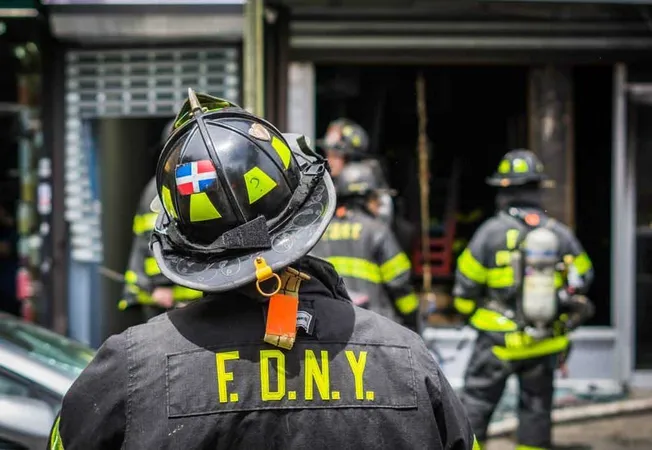
FDNY (Fire Department New York) Test: Your Guide
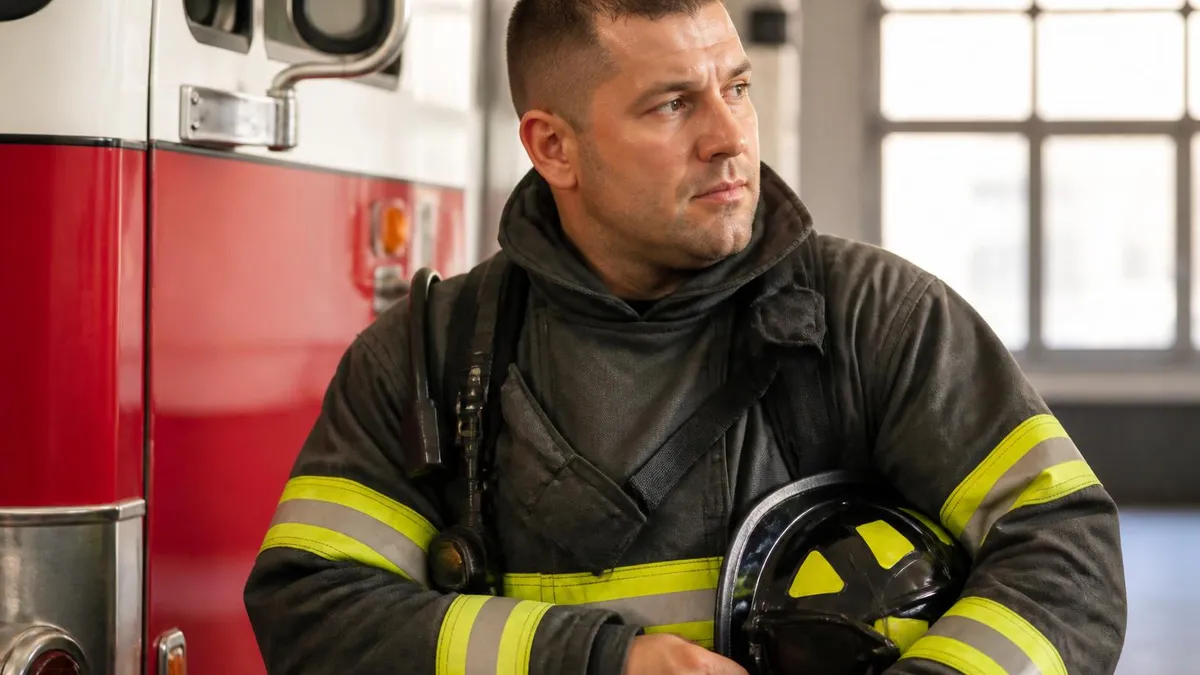
FDNY vs NYPD Hockey Game: Inside New York's Bravest vs Finest Heroes on Ice Rivalry
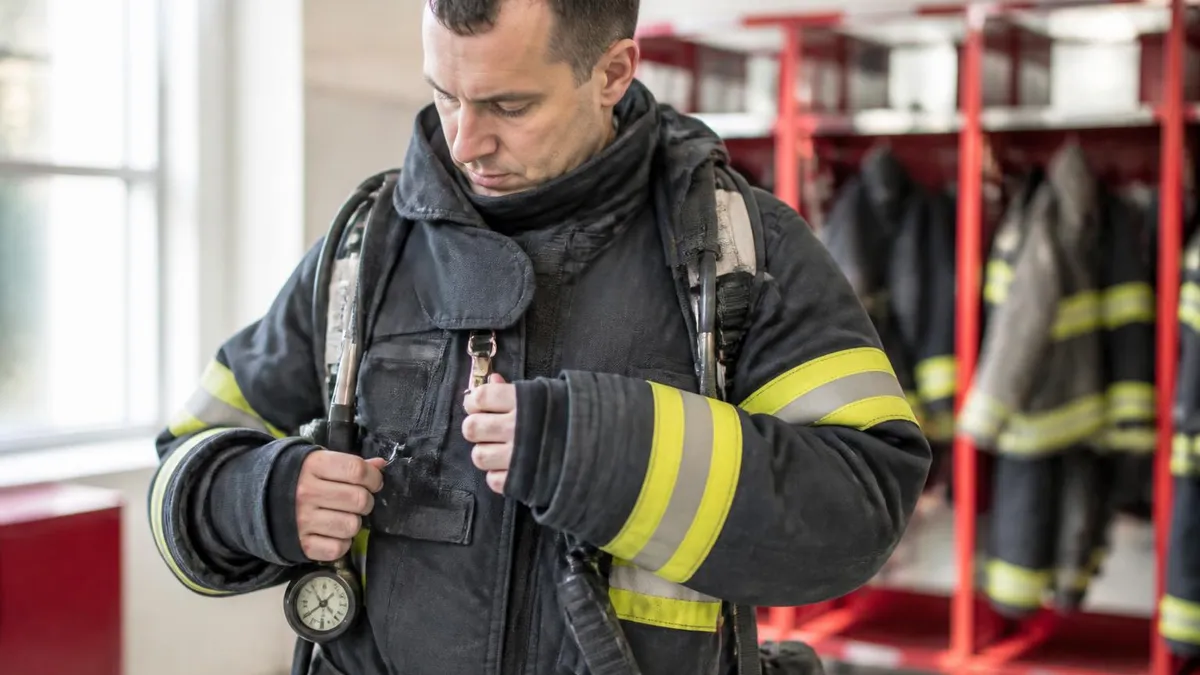
FDNY Runs and Workers: What the Numbers Really Mean

FDNY Podcast September 2025: Your Complete Guide to the Department's Audio Content

FDNY Battalion: Structure, Roles, and What Every Aspiring Firefighter Should Know
About the Author

Law Enforcement Trainer & Civil Service Exam Specialist
John Jay College of Criminal JusticeMarcus B. Thompson earned his Master of Arts in Criminal Justice from John Jay College of Criminal Justice and served 12 years as a law enforcement officer before transitioning to full-time academy instruction. He is a POST-certified instructor who has prepared candidates for police entrance exams, firefighter assessments, and civil service examinations across dozens of agencies.
Join the Discussion
Connect with other students preparing for this exam. Share tips, ask questions, and get advice from people who have been there.
View discussion (9 replies)