
Qwik Products EPA 608: Complete Study Guide & Certification Prep 2026 September
Master qwik epa 608 certification with our complete study guide. Practice tests, study tips & exam strategies. ✅ Start prepping today!

If you are preparing for the EPA Section 608 certification exam, understanding qwik epa 608 study resources and Qwik Products training materials can give you a serious edge over the competition. The EPA 608 exam is administered under the authority of the U.S. Environmental Protection Agency and is required for any technician who purchases, handles, or works with regulated refrigerants. Passing this exam is not optional — it is a federal legal requirement, and failure to comply can result in significant fines and career setbacks for HVACR professionals.
Qwik Products is a well-known brand in the HVACR industry, offering a range of tools, refrigerant identifiers, and training support materials that technicians use every day in the field. Their study aids and practice resources specifically designed for the EPA 608 exam have helped thousands of technicians pass on their first attempt. These resources cover all four certification types: Type I (small appliances), Type II (high-pressure systems), Type III (low-pressure systems), and Universal certification, which covers all three categories combined.
The EPA 608 exam tests your knowledge of refrigerant safety, environmental regulations under the Clean Air Act, proper recovery and recycling techniques, leak detection protocols, and record-keeping requirements. Many test-takers underestimate the breadth of topics covered, which is why structured preparation using targeted study resources — like those from Qwik Products — is so valuable. A focused study plan dramatically increases your probability of passing on the first try rather than spending time and money on retakes.
One of the most important aspects of preparing for this exam is understanding the regulatory framework behind it. The Clean Air Act Section 608 was established specifically to reduce refrigerant emissions that contribute to ozone depletion and climate change. As a certified technician, you will be expected not only to understand safe handling procedures but also to demonstrate knowledge of why those procedures exist at a regulatory and environmental level. This dual focus on practical skill and regulatory knowledge is what makes the EPA 608 exam challenging for many candidates.
Effective study strategies for the EPA 608 go beyond simply reading through a manual. The most successful candidates combine multiple learning methods: reading comprehensive study guides, taking timed practice tests, reviewing real-world scenarios, and focusing extra attention on their weakest subject areas. If you want to see how others have performed and what score benchmarks to target, exploring resources on qwik products epa 608 certification outcomes can help you calibrate your preparation timeline and expectations accordingly.
Throughout this guide, we will walk you through everything you need to know about the EPA 608 exam structure, the key topics tested, proven study strategies, and how to make the most of available preparation tools. Whether you are a first-time test taker or returning to expand your certification from Type I or II to Universal, this comprehensive resource is designed to help you walk into exam day with confidence. The investment you make in thorough preparation now pays dividends throughout your entire career as a certified HVACR technician.
By the end of this article, you will have a clear roadmap for your EPA 608 preparation, understand exactly what the exam tests, know how to avoid the most common mistakes candidates make, and have access to targeted practice tools that mirror the real exam experience. Let's get started building the knowledge base you need to achieve your EPA 608 certification and advance your professional standing in the HVACR industry.
EPA 608 Certification by the Numbers

EPA 608 Study Schedule: 4-Week Prep Plan
- ▸Read Clean Air Act Section 608 overview and EPA regulations
- ▸Study refrigerant types: CFCs, HCFCs, HFCs, and natural refrigerants
- ▸Review ozone depletion and global warming potential concepts
- ▸Take a diagnostic practice test to identify weak areas
- ▸Study small appliance definitions and recovery requirements for Type I
- ▸Review high-pressure refrigerant systems and safe handling for Type II
- ▸Learn leak detection methods, rates, and required repair timelines
- ▸Practice 25-question timed quizzes for Type I and Type II sections
- ▸Study low-pressure centrifugal chiller systems for Type III
- ▸Review recovery, recycling, and reclaiming definitions and procedures
- ▸Learn recovery equipment certification and testing requirements
- ▸Study record-keeping and reporting obligations for technicians
- ▸Complete two full Universal (100-question) timed practice exams
- ▸Review all incorrect answers and re-read relevant study sections
- ▸Focus extra time on safety, handling, and venting prohibition rules
- ▸Confirm testing location, ID requirements, and exam day logistics
The EPA 608 exam is divided into multiple sections, and understanding the specific content areas tested in each section is the foundation of effective preparation. The Core section, which every candidate must pass regardless of which certification type they are pursuing, covers general knowledge about refrigerants, the regulatory environment, safety practices, and the environmental impact of improper refrigerant handling. This section alone accounts for a significant portion of your overall score, so mastering these fundamentals is non-negotiable for anyone seeking certification.
Refrigerant identification is one of the most heavily tested topic areas across all sections. You need to know the difference between Class I and Class II substances under the Clean Air Act, understand the phase-out schedules for ozone-depleting substances like R-22, and recognize the properties of common refrigerants including R-410A, R-134a, R-407C, and CO2 systems. Many candidates lose points in this area simply because they have not memorized the specific refrigerant designations and their associated system applications, pressure ranges, and environmental classifications.
Leak detection is another critical topic area that appears across all certification types. The EPA has established specific leak rate thresholds that trigger mandatory repair obligations: 15% for commercial refrigeration equipment and 10% for industrial process refrigeration systems. Industrial process and comfort cooling equipment must be repaired within 30 days of detecting a leak. Technicians who cannot correctly recall these thresholds and their corresponding equipment categories frequently fail questions that many others find straightforward after adequate preparation.
Recovery requirements differ significantly depending on the system type and the vintage of the recovery equipment being used. For high-pressure refrigerants in systems with less than 200 pounds of charge, recovery efficiency standards differ from systems with larger charges. Understanding these graduated requirements — and how they apply to systems manufactured before and after November 15, 1993 — is essential for passing the Type II section. These date-based distinctions trip up many candidates who have not carefully reviewed the regulatory timeline embedded in Section 608 rules.
The proper use and maintenance of recovery equipment is a topic area that Qwik Products training resources address particularly well, given the company's strong background in refrigerant management tools. Recovery machines must be tested and certified by an EPA-approved equipment testing organization, and technicians need to understand the difference between system-dependent and self-contained recovery equipment. Knowing when each type is appropriate and what efficiency standards apply helps you answer scenario-based questions on the exam with confidence rather than guessing.
Refrigerant sales restrictions represent another frequently tested regulatory topic. Since November 1995, refrigerants in containers smaller than 20 pounds may only be sold to certified technicians. Knowing this restriction — and understanding the specific container size threshold — is the kind of detail that differentiates candidates who pass comfortably from those who fall just short of the 70% requirement. These regulatory details may seem minor during study, but they appear on the actual exam with surprising frequency and must be committed to memory.
Beyond regulatory knowledge, the exam tests your practical understanding of refrigeration system components and their function. Knowing how compressors, condensers, evaporators, and metering devices work together in a refrigeration cycle is important context for answering questions about proper service procedures, pressure readings, and diagnostic scenarios. While the EPA 608 exam is not as deeply technical as the NATE certification exams, it does require solid foundational knowledge of how refrigeration systems operate to answer the applied-scenario questions correctly.
EPA 608 Study Strategies by Certification Type
Type I certification covers small appliances containing five pounds or less of refrigerant, such as window air conditioners, refrigerators, freezers, and water coolers. The key concept for Type I is the use of system-dependent recovery equipment, which relies on the appliance's own compressor to remove refrigerant. Candidates must know the recovery efficiency standards — 80% for systems with a working compressor and 90% for systems without — as well as the rule that technicians can release de minimis amounts during good-faith efforts to recover refrigerant.
Studying for Type I requires focusing on small appliance definitions, the specific refrigerants used (primarily R-12 in older units and HFC blends in newer ones), and the unique recovery procedures that apply to this equipment category. Many HVACR professionals pursue Type I as a starting point because its scope is narrower and the pass rate tends to be slightly higher than Type II or III. Reviewing 25-question timed practice sets specifically focused on Type I content is the most efficient preparation approach for this section.
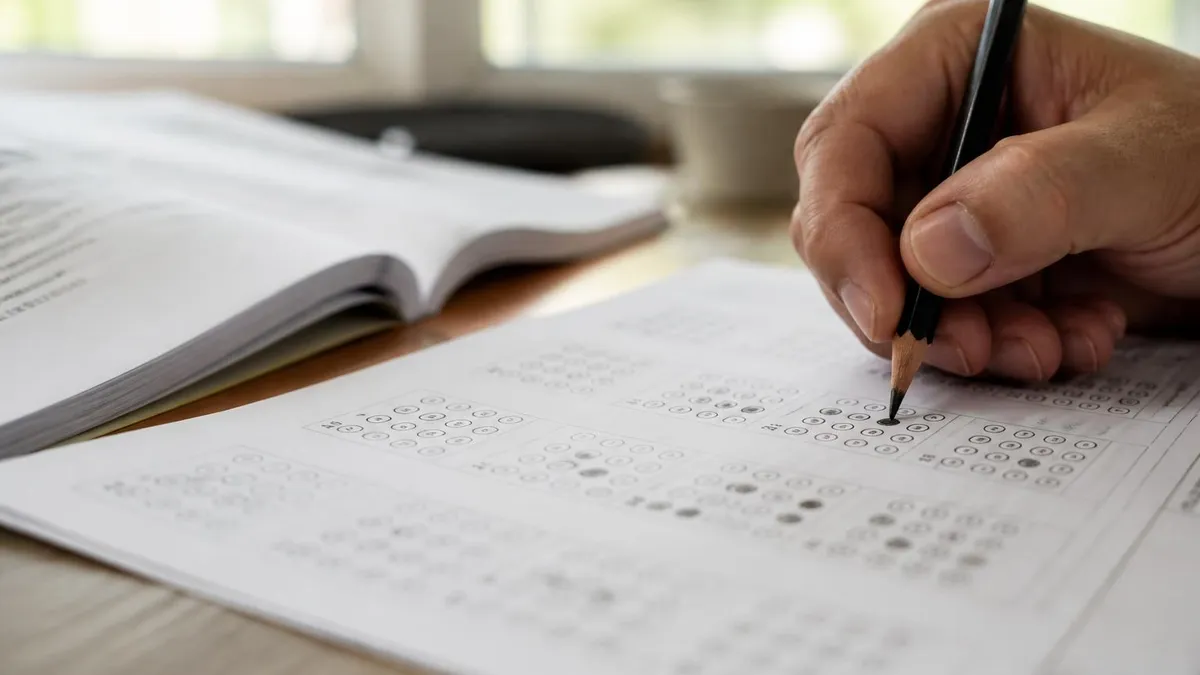
Universal vs. Single-Type EPA 608 Certification: Which Should You Pursue?
- +Universal certification covers all three equipment types, maximizing your employment opportunities
- +One exam sitting earns all four certifications simultaneously, saving time and money
- +Universal-certified technicians command higher average salaries in the HVACR market
- +Employers strongly prefer Universal certification for full-service technician positions
- +Demonstrates broad technical knowledge and commitment to professional development
- +Eliminates the need to return for additional testing as your career scope expands
- −The Universal exam (100 questions) requires significantly more study time than a single-type exam
- −Type III content (low-pressure systems) is highly specialized and may not apply to your daily work
- −Higher upfront study investment may discourage candidates who need certification quickly
- −Some entry-level positions only require Type I or Type II, making Universal over-qualification
- −The volume of material increases the risk of information overload without a structured study plan
- −Universal exam fees may be higher than single-type exam fees at some testing providers
EPA 608 Exam Day Preparation Checklist
- ✓Confirm your testing location, date, and start time at least 48 hours before the exam
- ✓Bring two forms of valid government-issued photo identification to the testing site
- ✓Review all four certification type outlines the evening before — do not cram new material
- ✓Memorize the key leak rate thresholds: 15% commercial, 10% industrial process refrigeration
- ✓Know the refrigerant sales restriction: containers under 20 lbs sold only to certified technicians
- ✓Review recovery efficiency standards for systems with and without working compressors
- ✓Confirm that recovery equipment must be certified by an EPA-approved testing organization
- ✓Practice the pressure-temperature relationship for at least three common refrigerants
- ✓Arrive at the testing center at least 15 minutes early to complete any check-in procedures
- ✓Get a full night of sleep — fatigue significantly impairs recall on regulatory detail questions

The 70% Rule Applies to Each Section Separately
Many candidates do not realize that for Universal certification, you must score at least 70% on the Core section AND on each individual Type section (I, II, and III) separately. Scoring 85% overall but only 65% on one Type section means you must retake that section. Always allocate study time proportionally across all four sections rather than over-investing in your strongest area.
One of the most common mistakes candidates make when preparing for the EPA 608 exam is focusing exclusively on refrigerant technical knowledge while neglecting the regulatory and record-keeping sections. The exam is administered under the authority of the Clean Air Act, and a substantial portion of questions directly test your knowledge of legal obligations, not just technical procedures. Technicians who come from hands-on field backgrounds often have strong technical skills but weaker knowledge of the regulatory framework — and those regulatory questions can make the difference between passing and failing.
Record-keeping is a specific area where many candidates lose avoidable points. EPA regulations require that technicians who purchase refrigerant maintain records of the equipment serviced, the type and amount of refrigerant added, and the leak rate calculations where applicable. For large commercial and industrial equipment, these records must be retained for at least three years and must be available for inspection by EPA representatives upon request. Understanding these retention periods and what information must be documented is tested directly on the exam.
Venting prohibitions are another critical knowledge area. Under Section 608, it is illegal to knowingly vent refrigerants into the atmosphere during the maintenance, service, repair, or disposal of refrigeration and air conditioning equipment. This prohibition applies to all refrigerants covered under Section 608, and technicians who knowingly vent refrigerants face civil penalties of up to $44,539 per day per violation under current EPA enforcement guidelines. Knowing the penalty structure and understanding what constitutes a knowing violation is important exam content that is often underemphasized in study guides.
The safe disposal of refrigerant-containing appliances is a frequently overlooked topic area. When appliances like refrigerators, window air conditioners, or dehumidifiers are disposed of, the refrigerant must be recovered before the appliance is sent to a scrap facility. The entity responsible for ensuring proper refrigerant recovery during disposal depends on the specific scenario: retail stores, scrap metal recyclers, and final consumers all have different obligations under the regulations. The exam tests these distinctions directly, and candidates who have not studied appliance disposal rules are often caught off-guard by these questions.
Refrigerant containers and cylinder handling is another topic that deserves dedicated study time. The exam tests knowledge of cylinder markings, the prohibition on transferring refrigerant to non-DOT-approved containers, pressure relief valve requirements, and the rules governing the sale of recovered refrigerant that has not been reclaimed to ARI-700 purity standards. Understanding that recovered refrigerant cannot be resold unless it has been reclaimed by an EPA-certified reclaimer is a key regulatory concept that appears in various forms throughout the exam.
Many candidates benefit significantly from taking multiple full-length timed practice exams in the weeks leading up to their scheduled test date. Timed practice does more than test your knowledge — it also builds the cognitive stamina needed to maintain focus and accuracy through 100 questions, trains you to manage your time effectively, and helps you develop the habit of eliminating obviously wrong answers before selecting your final response. The elimination strategy is particularly valuable on regulatory questions where two answers may seem similar but one is definitively correct under the specific language of the regulation.
If you find yourself consistently missing questions in a particular topic area after multiple practice sessions, consider going back to primary source material rather than relying solely on practice questions. The EPA's own published guidance documents, the ASHRAE 15 Safety Standard, and the specific text of Clean Air Act Section 608 are all publicly available and provide authoritative answers to regulatory questions. Cross-referencing practice question explanations with primary source documents is a study technique used by the highest-scoring candidates across all professional certification exams.
EPA refrigerant regulations have changed significantly over the past decade, with new rules affecting HFC phase-downs, updated penalty amounts, and revised leak rate requirements. Study materials published before 2020 may contain outdated information that could lead you to answer exam questions incorrectly. Always verify that your Qwik Products study guide and any other preparation materials reflect the current regulatory requirements under the AIM Act and updated Section 608 enforcement guidelines.
After passing your EPA 608 exam, your certification card is typically mailed to you within two to four weeks of your test date, though processing times can vary by testing provider. Unlike many professional licenses, EPA 608 certification does not expire and does not require continuing education or renewal fees. Once you are certified, you maintain that credential for life — which makes the upfront investment in thorough preparation even more worthwhile, since you will never need to repeat the process for the same certification type.
If you pursued individual Type I or Type II certification and are now considering upgrading to Universal, you will need to pass the sections you have not yet completed. Your previously passed sections do not need to be retaken — you only need to pass the remaining type sections plus any you did not take in your initial exam session. This pathway makes Universal certification highly accessible for technicians who started with a single-type certification earlier in their careers and are now expanding their professional scope.
For technicians who did not pass on their first attempt, most testing providers allow retakes after a waiting period, though policies vary. Rather than immediately scheduling a retake, take time to do a thorough post-exam analysis. Identify the specific sections or topic areas where you scored below 70%, and design a targeted remediation study plan focused exclusively on those areas. Broad re-studying of material you already know is an inefficient use of your preparation time before a retake.
EPA 608 certification is often the gateway credential that opens doors to other HVACR certifications and career advancement opportunities. Many technicians use their Section 608 certification as a foundation before pursuing NATE (North American Technician Excellence) certification, state-specific refrigeration licenses, or manufacturer-specific training programs. The regulatory knowledge gained while preparing for EPA 608 directly supports success in these follow-on certifications, making the EPA 608 one of the highest-value credentials a technician can earn early in their career.
Employers across the residential, commercial, and industrial HVACR sectors require EPA 608 certification as a baseline hiring requirement. According to industry salary surveys, Universal-certified technicians earn an average of 15-20% more annually than non-certified workers in comparable roles. In many states, working on refrigeration equipment without the required EPA certification also constitutes a federal regulatory violation, creating legal exposure for both the technician and their employer. This regulatory enforcement environment makes timely certification not just a career advantage but a legal necessity.
If you are interested in benchmarking your performance against other test-takers or understanding what scores are typical for first-time candidates, reviewing data on EPA 608 certification test results can provide useful context. Understanding average pass rates and typical scoring patterns helps you set realistic preparation targets and identify how much study time is genuinely needed to reach the 70% threshold with a comfortable margin. Most certification advisors recommend targeting 80%+ on practice exams before scheduling your actual test date to account for exam-day stress and unfamiliar question phrasing.
The HVACR industry continues to evolve rapidly with the ongoing transition away from high-GWP refrigerants toward lower-GWP alternatives under the AIM Act phase-down schedule. Staying informed about these regulatory changes is part of professional responsibility as a certified technician. While EPA 608 certification itself does not expire, the knowledge required to work safely and legally with new refrigerant chemistries is constantly expanding, and proactive technicians who stay current on regulatory updates are consistently the most valuable members of any HVACR service team.
Building an effective final review strategy in the last week before your exam can make a measurable difference in your score. At this stage, your goal is consolidation and confidence-building rather than learning new material. Work through one complete 100-question practice exam under timed conditions — 90 minutes is a reasonable target — and then spend the remaining review time analyzing every question you missed rather than re-reading content you already understand. This targeted error-analysis approach consistently produces higher score improvements than broad content review in the final days before an exam.
One practical technique used by high-scoring candidates is creating a personal error log throughout their preparation period. Each time you miss a practice question, write down the topic area, why you got it wrong (didn't know the rule, misread the question, confused two similar concepts), and the correct answer with a brief explanation. Reviewing this error log in the final days before your exam provides a highly personalized study session focused precisely on your individual weak spots rather than following a generic review curriculum.
Flashcards remain one of the most effective memorization tools for regulatory detail questions, which make up a large portion of the EPA 608 exam. Create cards for specific numerical thresholds (leak rates, container sizes, penalty amounts, retention periods), refrigerant classifications, and the specific conditions under which various rules apply. Digital flashcard platforms allow you to set spaced repetition schedules that automatically prioritize cards you are getting wrong, making your review sessions significantly more efficient than manually shuffling through a static deck.
Test anxiety is a real factor that affects performance on professional certification exams, and developing strategies to manage it is as important as content preparation. Controlled breathing techniques, adequate sleep in the nights leading up to the exam, and a light but nutritious meal before the test can all meaningfully support cognitive performance. Arriving early at the testing site to allow time for check-in procedures without rushing also reduces the stress that can impair recall during the first portion of the exam when your anxiety level is typically highest.
During the exam itself, use a consistent question-answering strategy: read each question carefully, eliminate obviously wrong answers first, then evaluate the remaining choices. If you are genuinely unsure, mark the question for review and move on rather than spending disproportionate time on a single item. The EPA 608 exam is designed to be completable within the allotted time for well-prepared candidates, so running out of time is usually a sign of test anxiety or poor time management rather than insufficient content knowledge.
Pay particular attention to questions that use absolute language like always, never, must, or only — these words often signal a regulatory requirement that has no exceptions. Conversely, watch for qualifiers like generally, typically, or may — these signal rules that have important exceptions worth knowing. The EPA's regulatory language is precise, and exam questions are written to test whether you have internalized that precision rather than just a general understanding of the rules. This linguistic sensitivity is a skill that develops through consistent exposure to practice questions written in regulatory style.
Finally, remember that earning your EPA 608 certification is not just about passing a test — it is about joining a community of professionals who take their environmental and legal responsibilities seriously. The regulations you are studying exist because improper refrigerant handling genuinely damages the ozone layer and accelerates climate change. Approaching your preparation with that sense of professional purpose — rather than treating it as a bureaucratic hurdle to clear — tends to produce both better exam scores and better long-term professional habits in the field.
EPA 608 Questions and Answers

EPA 608 Certification Test Results: What to Expect, Passing Scores & Next Steps

EPA 608 Test Flashcards: The Complete Study System for Section 608 Certification
EPA 608 Practice Test 2026 — Free Questions

ESCO EPA 608 Study Guide: Master the Manual and Pass Section 608 Certification

EPA 608 Universal Practice Test: Master All Refrigerant Sections Before Exam Day
About the Author

NATE Certified HVAC Technician & Licensing Exam Trainer
Universal Technical InstituteMike Johnson is a NATE-certified HVAC technician and EPA 608 universal-certified refrigerant handler with a Bachelor of Science in HVAC/R Technology. He has 19 years of commercial and residential HVAC installation and service experience and specializes in preparing technicians for NATE certification, EPA 608, A2L refrigerant safety, and state HVAC contractor licensing examinations.
Join the Discussion
Connect with other students preparing for this exam. Share tips, ask questions, and get advice from people who have been there.
View discussion (8 replies)