
Road Signs Interpretation: Everything You Need to Know in 2026 September
Prepare for the Road Signs Interpretation: Everything certification. Practice questions with answer explanations covering all exam domains. 📝

Road signs interpretation is the process of understanding traffic signs through their standardized shapes, colors, and symbols. These signs fall into three main categories: regulatory (commands), warning (hazards), and guide (information). Correctly interpreting these visual cues is essential for driver safety and ensuring the orderly flow of traffic.

DKT Requirements and Preparation
Passing the Driver Knowledge Test (DKT) is your first major hurdle on the road to getting your license, and a significant portion of this exam is dedicated to road signs interpretation. While the exact format varies by state, the core focus remains consistent: ensuring you understand the language of the road. Success on the DKT demonstrates that you can safely navigate traffic, respond to warnings, and follow regulations, all of which are communicated through signs.
To prepare effectively, start with your state's official driver's handbook. This manual is the definitive source for traffic laws and sign meanings. However, simply reading isn't enough; active practice is essential. This is where simulated exams become invaluable. Taking practice tests helps you gauge your current knowledge, identify weak spots, and get comfortable with the question format. You'll encounter questions on a wide range of topics, from regulatory signs to complex intersection rules. A deep understanding of how signs relate to specific situations, such as pedestrian right-of-way, is critical. You can sharpen these skills with our driver knowledge test.
Mastering road signs interpretation is a visual skill. Supplement your handbook studies with flashcards or online tools that allow you to quickly associate shapes, colors, and symbols with their meanings. Remember, the DKT often includes questions that test your ability to react to a scenario based on a sign, not just rote memorization. Although the Manual on Uniform Traffic Control Devices (MUTCD) standardizes most signs across all 50 states, the number of questions and the required passing score on the DKT can differ. Always confirm the specific requirements with your local DMV or licensing agency.
Ultimately, confident road signs interpretation is crucial not only for passing the DKT but for a lifetime of safe driving. Consistent study and practice are the keys to acing the test and hitting the road with confidence.
Cost Breakdown and Funding Options
How much does the Driver Knowledge Test (DKT) cost?: The DKT fee varies by state and territory in Australia. As of 2026, you can expect to pay between $45 and $60 for your first attempt. Always check with your local transport authority for the most current and exact fee.
What happens if I fail the DKT?: If you fail, you will need to pay the test fee again for each subsequent attempt. This makes thorough preparation, especially on topics like road signs interpretation, very cost-effective in the long run.
Does the fee cover both the knowledge test and the practical driving test?: No, the DKT fee only covers the computer-based theory test. The practical driving test has a separate, and typically higher, fee that you will need to pay when you are ready to book it.
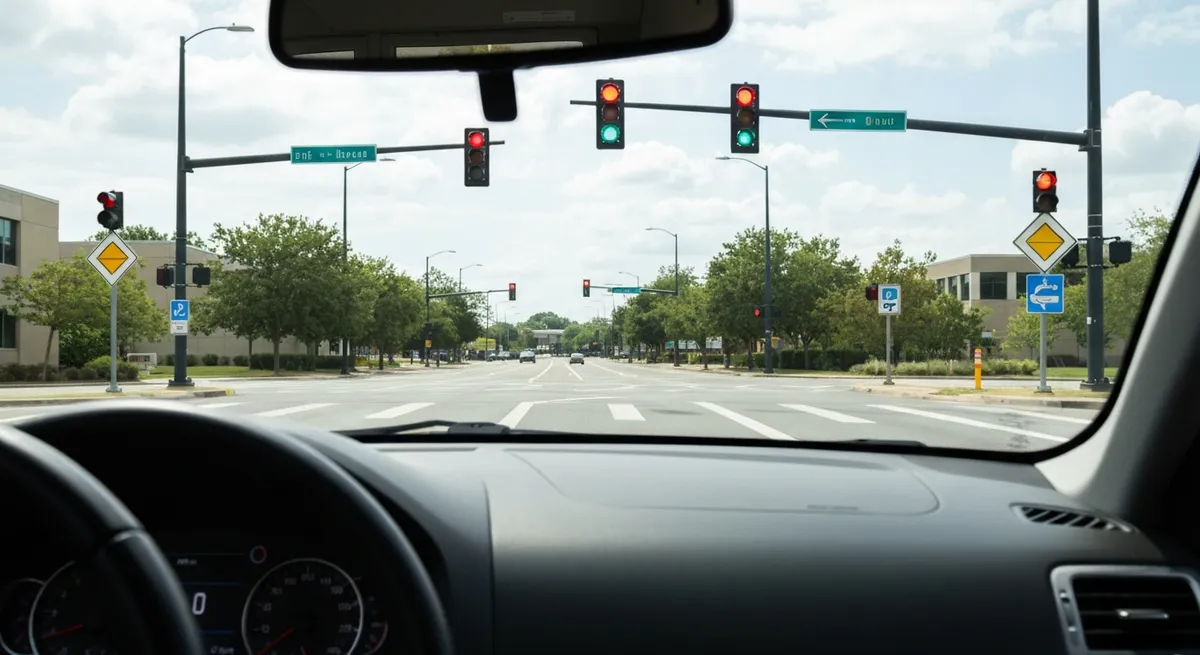
Effective road signs interpretation is fundamental to passing your DKT. Follow this checklist to ensure your study methods are comprehensive and targeted for success.
Preparation Tips and Resources
- ✓📚 Thoroughly review the traffic signs section in your state's official driver's handbook.
- ✓🎨 Categorize signs by shape and color to quickly understand their general meaning (e.g., octagon for stop, triangle for yield).
- ✓🧠 Use flashcards or mobile apps to memorize regulatory, warning, and informational signs.
- ✓🚗 Actively identify and interpret signs while you are a passenger in a vehicle to build real-world recognition skills.
- ✓💻 Complete multiple practice tests that focus specifically on road signs interpretation to gauge your knowledge.
Road Signs Pros and Cons
- +DKT exam content is organized around a published blueprint, making targeted preparation efficient and systematic
- +Official and third-party practice materials provide realistic exposure to question types before the actual exam
- +Score reporting after practice tests and the actual exam provides detailed feedback for focused improvement
- +Study communities (forums, Discord groups, Reddit) share current insights about tested content and effective strategies
- +Multiple registration windows and retake policies give candidates flexibility in timing and recovery from suboptimal first attempts
- −High-quality preparation materials require financial investment that not all candidates can easily access
- −Time required for thorough preparation is often underestimated, leading to rushed review of critical content
- −DKT preparation resources vary widely in quality and accuracy — not all published guides are aligned with current exam content
- −Self-study without external accountability increases the risk of avoiding weak subjects and over-studying familiar ones
- −Performance under actual exam conditions often differs from practice performance due to time pressure and stress factors
DKT Questions and Answers
More DKT - Driver Knowledge Test Resources

About the Author

Licensed Driving Instructor & DMV Test Specialist
Penn State UniversityRobert J. Williams graduated from Penn State University with a degree in Transportation Management and has spent 20 years as a certified driving instructor and DMV examiner consultant. He has personally coached thousands of applicants through written knowledge tests, skills assessments, and commercial driver licensing programs across more than 30 states.
Join the Discussion
Connect with other students preparing for this exam. Share tips, ask questions, and get advice from people who have been there.
View discussion (8 replies)