

DKT Practice Test
Updated October 2026Facts verified Oct 26, 2026 against Transport for NSW / Service NSW
The DKT test assesses your understanding of road rules and safety. To pass the RMS DKT (now Service NSW), you must answer 45 questions, including 15 general knowledge questions and 30 road safety questions. Also explore our florida boating license.
PrepL DKT Practice Test: What to Expect
PrepL is one of the most widely used platforms for DKT preparation in Victoria, offering timed mock tests that mirror the official 32-question format with a 78% pass threshold. The PrepL DKT practice test covers road rules, traffic signs, and hazard awareness drawn directly from the Victorian Road Safety Road Rules 2017.
How PrepL Questions Compare to the Real DKT
PrepL questions are modeled on VicRoads' official question bank, using the same multiple-choice structure and scenario-based format you'll face at the test centre. Students who complete at least three full PrepL mock tests with scores above 90% typically pass the real DKT on their first attempt.
You can continue preparing with the dkt practice test, which includes answer explanations for every question.
DKT: upcoming dates and official changes
- Jul 1, 2026: New Transport for NSW licence and test fees took effect on 1 July 2026, with the Driver Knowledge Test at A$58 (unlimited attempts online, per attempt in person). (Transport for NSW / Service NSW)
Facts verified Oct 26, 2026 against Transport for NSW / Service NSW. Dates that have passed are removed automatically.
- The NSW Driver Knowledge Test in-person costs A$58 for each attempt at a Service NSW centre. (Transport for NSW / Service NSW)
- The NSW Driver Knowledge Test online costs A$58 for unlimited attempts, under the fees that took effect on 1 July 2026. (Transport for NSW / Service NSW)
- Retake policy (DKT in-person): Re-sit the same day if a booking is free. (Transport for NSW / Service NSW)
- If you fail the NSW Driver Knowledge Test online, you can review the modules and take the test again after 12 hours, with no extra fee. (Transport for NSW / Service NSW)
- A NSW learner licence, gained after passing the Driver Knowledge Test, is valid for 5 years, and each renewal needs another DKT pass plus test and licence fees. (Transport for NSW / Service NSW)
- The NSW Driver Knowledge Test can be done online at home as an interactive course and test, or in person as a multiple-choice computer test at a Service NSW centre. (Transport for NSW / Service NSW)
- To take the NSW Driver Knowledge Test in-person, you must be 16 or over, live in NSW, pass an eyesight test and be medically fit to drive. (Transport for NSW / Service NSW)
- You can enrol in the NSW Driver Knowledge Test online from 15 years and 11 months, but you can only apply for a learner licence once you are 16. (Transport for NSW / Service NSW)
Facts verified Oct 26, 2026 against Transport for NSW / Service NSW. Dates that have passed are removed automatically.
DKT Exam at a Glance
| Item | Detail | Official source |
|---|---|---|
| Exam fee (DKT in-person) | A$58 each attempt | Transport for NSW / Service NSW |
| Exam fee (DKT online) | A$58, unlimited attempts | Transport for NSW / Service NSW |
| Retake policy (DKT in-person) | Re-sit the same day if a booking is free | Transport for NSW / Service NSW |
| Retake policy (DKT online) | Unlimited retakes; wait 12 hours between attempts | Transport for NSW / Service NSW |
| Validity | Learner licence valid 5 years; renewing needs a new DKT pass | Transport for NSW / Service NSW |
| Delivery | Online at home or in person at a Service NSW centre (multiple-choice computer test) | Transport for NSW / Service NSW |
| Eligibility (DKT in-person) | 16+, NSW resident, eyesight test, medically fit | Transport for NSW / Service NSW |
| Eligibility (DKT online) | Enrol from 15 years 11 months; licence from 16 | Transport for NSW / Service NSW |
| Registration opens (DKT in-person) | Book and pay online at Service NSW; choose your centre | Transport for NSW / Service NSW |
Facts verified Oct 26, 2026 against Transport for NSW / Service NSW. Dates that have passed are removed automatically.
DKT Practice Test Questions
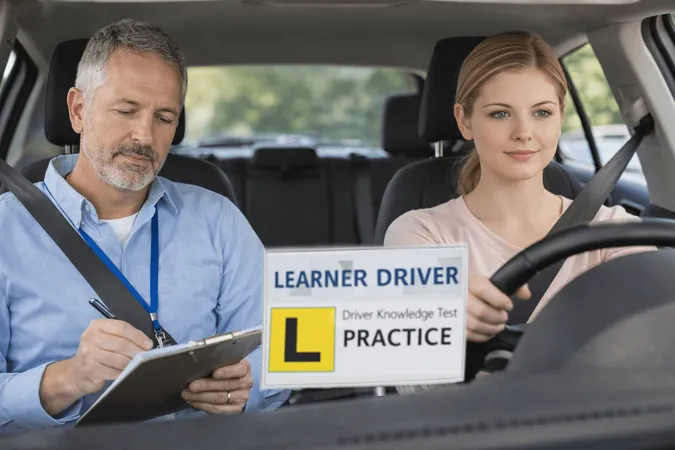
Prepare for the DKT - Driver Knowledge Test exam with our free practice test modules. Each quiz covers key topics to help you pass on your first try.
DKT Car Driver Knowledge Test – Alcohol an...
DKT Mock Exam on Car Driver Knowledge Test – Alcohol and Drugs. DKT Study Guide questions to pass on your first try.
DKT Car Driver Knowledge Test – Core
DKT Test Prep for Car Driver Knowledge Test – Core. Practice DKT Quiz questions and boost your score.
DKT Car Driver Knowledge Test – Defensive ...
DKT Questions and Answers on Car Driver Knowledge Test – Defensive Driving. Free DKT practice for exam readiness.
DKT Car Driver Knowledge Test – General Kn...
DKT Mock Test covering Car Driver Knowledge Test – General Knowledge. Online DKT Test practice with instant feedback.
DKT Car Driver Knowledge Test – Intersections
Free DKT Quiz on Car Driver Knowledge Test – Intersections. DKT Exam prep questions with detailed explanations.
DKT Car Driver Knowledge Test – Lanes
DKT Practice Questions for Car Driver Knowledge Test – Lanes. Build confidence for your DKT certification exam.
DKT Car Driver Knowledge Test – Negligent ...
DKT Test Online for Car Driver Knowledge Test – Negligent Driving. Free practice with instant results and feedback.
DKT Car Driver Knowledge Test – Pedestrians
DKT Study Material on Car Driver Knowledge Test – Pedestrians. Prepare effectively with real exam-style questions.
DKT Car Driver Knowledge Test – Seat Belt ...
Free DKT Test covering Car Driver Knowledge Test – Seat Belt and Restraint Rules. Practice and track your DKT exam readiness.
DKT Car Driver Knowledge Test – Speed Limits
DKT Exam Questions covering Car Driver Knowledge Test – Speed Limits. Master DKT Test concepts for certification prep.
DKT Car Driver Knowledge Test – Traffic Signs
Free DKT Practice Test featuring Car Driver Knowledge Test – Traffic Signs. Improve your DKT Exam score with mock test prep.
DKT Test (Defensive Driving)
DKT Practice Questions for Test (Defensive Driving). Build confidence for your DKT certification exam.
DKT Test (Drug and Alcohol)
DKT Test Online for Test (Drug and Alcohol). Free practice with instant results and feedback.
DKT Test (General Knowledge)
DKT Study Material on Test (General Knowledge). Prepare effectively with real exam-style questions.
DKT Test ( Intersection)
Free DKT Test covering Test ( Intersection). Practice and track your DKT exam readiness.
DKT Test ( Negligent Driving)
DKT Exam Questions covering Test ( Negligent Driving). Master DKT Test concepts for certification prep.
DKT Test (Pedestrians)
Free DKT Practice Test featuring Test (Pedestrians). Improve your DKT Exam score with mock test prep.
DKT Test (Seat Belts/Restraints)
DKT Mock Exam on Test (Seat Belts/Restraints). DKT Study Guide questions to pass on your first try.
DKT Test (Speed Limits)
DKT Test Prep for Test (Speed Limits). Practice DKT Quiz questions and boost your score.
DKT Flashcards & Quick Review
Memorize key DKT concepts instantly with these flashcards.
🍷What is the BAC limit for learners?
The Blood Alcohol Concentration limit for Learner and Provisional drivers is 0.00.
START DKT PRACTICE TEST🚗What is the max speed for L-platers?
Learner drivers in NSW must not exceed 90 km/h even in higher zones.
↔️What is the safe following distance?
You must maintain a minimum 3-second gap from the vehicle in front.
REVIEW DKT QUESTIONS🛑What must you do at a STOP sign?
You must come to a complete stop at the line before proceeding.
TRY DKT MOCK EXAM⚠️Who gives way at a T-intersection?
The driver on the road that ends must give way to all crossing traffic.
ACCESS DKT STUDY GUIDE📱Can learners use mobile phones?
No, learner drivers are banned from using mobile phones while driving.
PRACTICE DKT TEST NOWDKT Exam Study Guide
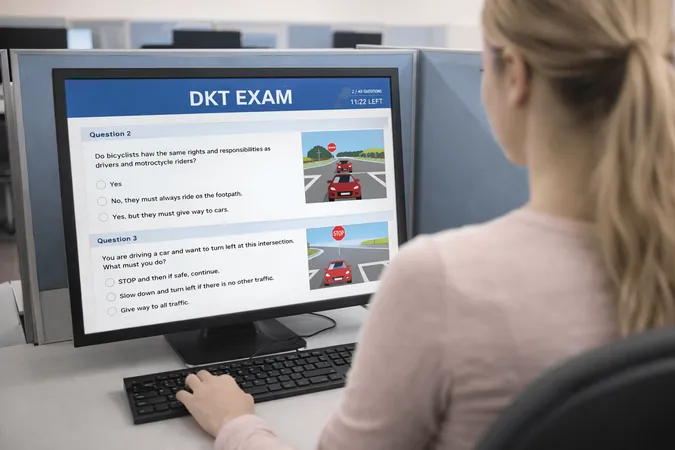
Our DKT exam study guide breaks down the essential components of the Driver Knowledge Test. Use the tabs below to explore registration, format, and tips for passing your DKT online.
DKT Score Calculator
The total cost to get from learner to provisional license is approximately $200-$300 in government fees, excluding driving lessons. DKT practice can save you money by preventing re-test fees.
DKT Test Day Checklist
- ✓Booking confirmation for DKT exam
- ✓Completed license application form
- ✓Proof of identity (e.g., Passport)
- ✓Proof of residency/address
- ✓Payment method for DKT cost
- ✓Review DKT practice questions
- ✓Glasses or contacts (if required)
- ✓Arrive 15 minutes early
Start Your DKT Preparation
Don't risk failing your DKT exam. Use our free practice DKT test resources to build confidence and ensure you pass on your first attempt.
DKT Renewal Requirements
Validity
5 Years
Renewal Re
-Test
Fee
$26
If your learner license expires, you may need to re-sit the Driver Knowledge Test DKT to renew it. Keep track of your expiry date to avoid re-taking the DKT exam.
Related Driving Practice Tests
If you are preparing for a career in driving, you may also find these related practice tests helpful:
Prepare for the DMV - Department of Motor Vehicles — the Department of Motor Vehicles written knowledge test for obtaining a US driving permit or license.
Prepare for the CDL - Commercial Driver's License — the Commercial Driver License exam for professional truck and bus drivers in the United States.
Prepare for the G1 - Ontario G1 Driver's License — the Ontario G1 knowledge test for new drivers in Ontario, covering road signs and traffic rules.
Prepare for the DVSA - UK Driving Theory Test — the UK DVSA driving theory test covering highway code, hazard perception, and road safety.
Prepare for the UK Car Theory Test — the UK car driving theory test covering road signs, rules, and hazard perception.
- +Industry-recognized credential boosts your resume
- +Higher earning potential (10-20% salary increase on average)
- +Demonstrates commitment to professional development
- +Opens doors to advanced career opportunities
- −Exam preparation requires significant time investment (4-8 weeks)
- −Certification fees can be $100-$400+
- −May require continuing education to maintain
- −Some employers may not require certification
DKT Questions and Answers
How this page was made: written with AI tools and published by Nathan Beja, founder of Practice Test Geeks, who is responsible for its content. Exam facts are checked against the official sources listed below. Not reviewed by a subject-matter expert. Editorial policy
Sources & references
Exam facts on this page (fees, format, dates, passing scores) are checked against these official sources; the date is our last check. Editorial policy
- nsw.gov.au — Fees, score validity, test delivery, eligibility, retake policy, registration, exam information · verified Oct 2026
- service.nsw.gov.au — Eligibility, retake policy · verified Oct 2026