
CRCST Certification Cost: Complete Breakdown of Fees, Renewal Costs & How to Save
🎓 Learn the exact CRCST certification cost including exam fees, renewal costs, and money-saving tips for aspiring central service technicians.
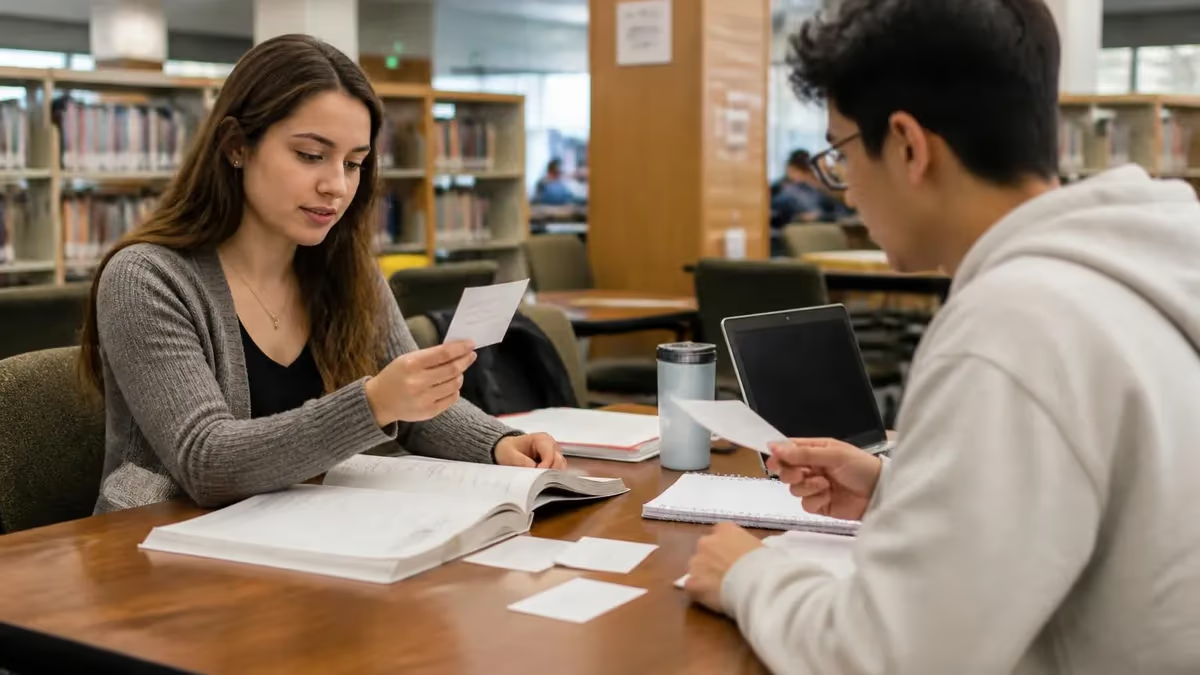
The crcst certification cost is one of the first questions prospective central service technicians ask when considering this career path, and for good reason — understanding every fee upfront helps you budget accurately and avoid surprises before, during, and after the exam. The CRCST credential, issued by the Healthcare Sterile Processing Association (HSPA, formerly IAHCSMM), is the gold standard for sterile processing professionals in the United States, and the investment required to earn it pays dividends throughout your healthcare career.
Breaking down the total cost requires looking at several distinct expense categories. The HSPA membership fee, the exam application fee, any required educational courses, study materials, and ongoing renewal costs all contribute to your overall investment. For most candidates, the total out-of-pocket cost before employer reimbursement ranges from approximately $300 to $600 for a non-member first-time test taker, and slightly less for HSPA members who receive discounted exam pricing. These numbers may seem significant, but they pale in comparison to the salary gains that a CRCST credential typically delivers over the course of a career.
Many candidates are pleasantly surprised to learn that their hospital or healthcare employer will cover some or all of these costs. Sterile processing departments rely heavily on certified technicians to maintain regulatory compliance and patient safety standards, which means many facilities actively incentivize certification by reimbursing exam fees, paying for study materials, or offering paid study time. If you are currently employed in a sterile processing role, speaking with your manager or HR department about certification assistance is an essential first step before spending any of your own money.
The HSPA membership itself represents one of the most strategically valuable expenditures in your CRCST journey. Annual membership costs approximately $135 for individual technicians, and that membership unlocks discounted exam fees, access to continuing education resources, and a professional community of peers who can support your preparation and ongoing development. When you run the math, the membership fee often pays for itself through the reduced exam application cost alone, making it the smart financial choice for the vast majority of candidates.
Beyond the exam itself, test-takers should budget for preparation resources. High-quality study guides, practice exams, and online question banks vary widely in price, from free resources available through sites like PracticeTestGeeks to comprehensive paid courses offered by HSPA and third-party providers. Smart candidates mix both free and paid resources to maximize their preparation without overspending, focusing their paid purchases on structured curriculum that covers all seven content domains tested on the CRCST examination.
It is also worth understanding the cost implications of failing the exam on the first attempt. While no one plans to retake the test, understanding the retake fee structure — and how to minimize the risk of needing a retake through thorough preparation — is a financially responsible part of your planning process. Candidates who invest adequately in preparation tend to pass on their first attempt, making the upfront study investment one of the most cost-effective decisions of their certification journey.
This guide walks you through every component of the CRCST certification cost, explains how to find employer reimbursement programs, compares the cost relative to the career benefits, and shows you exactly how to maximize your return on this professional investment. Whether you are brand-new to sterile processing or a seasoned technician finally pursuing your credential, the information here will help you plan, budget, and succeed.
CRCST Certification Cost by the Numbers

Complete CRCST Certification Cost Breakdown
Understanding the HSPA membership and exam fee structure is the foundation of smart CRCST cost planning. The Healthcare Sterile Processing Association charges different exam application fees depending on whether you are a current member or a non-member. As of 2026, HSPA members pay $169 to apply for the CRCST examination, while non-members pay $299 — a difference of $130. Annual individual HSPA membership costs approximately $135, which means that joining HSPA before applying for the exam actually saves you money even in the first year, since the $130 savings on the exam more than offsets the membership cost.
Membership benefits extend well beyond the discounted exam fee. HSPA members receive access to the association's continuing education library, the Communiqué journal, networking opportunities at the annual conference, and discounts on additional certifications such as the CIS (Certified Instrument Specialist) and CHL (Certified Healthcare Leader) credentials. For technicians who plan to invest in their career long-term, the annual $135 membership fee is almost universally worthwhile. Many members find that their employer pays the HSPA membership fee as part of their professional development budget, making the decision even easier.
The exam application process through HSPA requires candidates to meet specific eligibility requirements before fees are collected. You must document either one year of full-time sterile processing experience (for the experiential pathway) or completion of an approved educational program. HSPA reviews your eligibility documentation before approving your application, so gathering your employment verification or educational transcripts well in advance prevents delays that could push back your testing date and affect your financial planning timeline.
Exam fees are paid during the online application process through the HSPA website. Once your application is approved, you receive authorization to schedule your exam at a Pearson VUE testing center, which is the exclusive testing vendor for the CRCST examination. Pearson VUE has hundreds of locations across the United States, so travel costs are typically minimal for most candidates. However, if you live in a rural area, you may need to factor in transportation, lodging, or meal costs for a testing center visit, adding $50 to $200 to your total investment depending on your location.
One important financial consideration is the application window. After HSPA approves your application and you pay the exam fee, you typically have 90 days to schedule and sit for the exam. If you fail to test within that window, you may need to reapply and repay the fee. Building a clear study schedule before you apply ensures you are ready to test promptly after approval, protecting both your application fee and your timeline. Candidates who apply before they are adequately prepared often find themselves scrambling or losing their application window entirely.
For candidates enrolled in a formal sterile processing technician program at a community college or vocational school, some institutions negotiate group exam rates or include the exam fee in program costs. If you are considering enrolling in a formal educational program, ask the program coordinator specifically whether exam fees are bundled into tuition, as this can significantly reduce your total out-of-pocket expense and simplify your financial planning considerably.
Group discount pricing through hospital systems is another avenue worth exploring. Large healthcare networks sometimes negotiate institutional membership rates with HSPA that extend to all employees in the sterile processing department. Under these arrangements, each technician's membership and sometimes even their exam fee is covered under a facility-level contract. Ask your sterile processing supervisor or department director whether your facility has any institutional HSPA agreement in place before calculating your individual costs, since this single conversation could save you $300 or more.
Study Material Costs by Type
Free study resources for the CRCST exam are more plentiful than many candidates realize. PracticeTestGeeks offers free CRCST practice questions covering all major content domains, including decontamination, sterilization, distribution, and microbiology. HSPA also publishes a free candidate handbook that outlines the exam content blueprint, which should be your first study document regardless of budget. YouTube channels from working sterile processing technicians and educators provide supplemental video content at no cost.
Online forums and study groups on Facebook and Reddit host communities of CRCST candidates who share notes, mnemonics, and study strategies freely. While peer-generated content should be cross-referenced against official HSPA materials for accuracy, these communities provide real-world insight into exam difficulty and frequently tested topics. Many candidates who pass on the first attempt credit a combination of free practice exams, the HSPA handbook, and peer study groups as their primary preparation strategy — proving that a generous budget is not a prerequisite for exam success.

Is the CRCST Certification Cost Worth It?
- +Average CRCST-certified technician earns $5,000–$10,000 more annually than uncertified peers
- +Many employers fully reimburse exam and membership fees as part of professional development benefits
- +Certification opens doors to leadership roles including lead tech, supervisor, and manager positions
- +CRCST credential is recognized and required by most major hospital systems across the United States
- +One-time investment with manageable $99/year renewal keeps you credentialed for your entire career
- +Credential signals commitment to patient safety, strengthening your professional reputation significantly
- −Total initial cost of $300–$600 can be a financial burden for entry-level workers in lower-wage markets
- −Annual renewal fees and CEU requirements add ongoing costs that accumulate over a multi-decade career
- −Exam retake fees apply if you do not pass on the first attempt, adding $169 or more to your total
- −Study time investment is significant — most candidates spend 60–120 hours preparing for the exam
- −HSPA membership fee is an ongoing annual expense even after certification is earned
- −Travel costs to Pearson VUE testing centers can be substantial for candidates in rural areas
CRCST Certification Cost Preparation Checklist
- ✓Ask your employer's HR department about CRCST exam fee reimbursement programs before spending any personal funds.
- ✓Verify your HSPA eligibility requirements are met before paying any application fees to avoid delays.
- ✓Join HSPA as a member ($135/year) to unlock the $130 exam fee discount and maximize your savings.
- ✓Download the free HSPA CRCST Candidate Handbook and study the content blueprint before purchasing any materials.
- ✓Set a target test date 8–12 weeks out and build a weekly study schedule before applying.
- ✓Purchase the current edition of the HSPA Central Service Technical Manual as your primary study reference.
- ✓Supplement paid materials with free CRCST practice questions from PracticeTestGeeks across all content domains.
- ✓Join a CRCST study group on Facebook or Reddit to share notes and quiz each other on key concepts.
- ✓Budget for travel and lodging costs to your nearest Pearson VUE testing center if applicable.
- ✓Set a calendar reminder for your annual recertification deadline and begin tracking CEUs from day one.
Join HSPA Before Applying — It Pays for Itself
HSPA membership costs $135/year but reduces the exam fee from $299 to $169 — a $130 savings. That means your membership effectively costs only $5 net in year one. Add discounted continuing education, access to the Communiqué journal, and networking benefits, and HSPA membership is one of the best financial decisions a CRCST candidate can make.
CRCST renewal costs are an often-overlooked component of the total lifetime investment in your certification. Once you earn your CRCST credential, maintaining it requires annual recertification through HSPA. The current annual renewal fee is $99 for HSPA members, which covers a rolling 12-month certification period. This fee must be paid on time to maintain your active certification status — a lapsed certification requires additional steps to reinstate and can create professional complications if your employer requires proof of current certification for your role.
In addition to the $99 renewal fee, certified technicians must earn 14 continuing education units (CEUs) each year to maintain their credential. These CEUs can be earned through a variety of approved activities, including HSPA-approved courses, attendance at sterile processing conferences, completion of online modules, and participation in in-service training programs that meet HSPA's educational standards. The cost of CEUs varies enormously depending on the source — HSPA members have access to some free CEU opportunities through the association, while other continuing education providers charge $10 to $50 per CEU or more for specialized courses.
Over a 30-year career as a certified sterile processing technician, the cumulative cost of annual renewal fees alone amounts to approximately $2,970 — an average of less than $100 per year. Adding typical CEU costs of $0 to $200 per year depending on the source, total career maintenance costs range from $2,970 to roughly $8,970 over three decades. Measured against the estimated additional lifetime earnings of $150,000 to $300,000 that CRCST-certified technicians typically accumulate over uncertified peers, the renewal cost represents an extraordinarily favorable return on investment that justifies continued certification throughout your career.
Some technicians pursue additional HSPA certifications after earning their CRCST, including the CIS (Certified Instrument Specialist) and CHL (Certified Healthcare Leader) credentials. The CIS exam costs $129 for HSPA members and $229 for non-members, while the CHL examination is priced similarly. These additional credentials require separate renewal fees, meaning that a fully credentialed senior sterile processing professional might pay $200 to $300 per year in combined renewal fees. Employers who require multiple credentials often reimburse these costs, making it essential to negotiate credential support into your employment terms when you advance to senior or supervisory roles.
CEU acquisition strategies deserve careful attention from a cost-management perspective. The most budget-conscious approach is to maximize free CEU opportunities first. HSPA provides members with access to online CEU-eligible content throughout the year, and facility-based in-service training often qualifies for CEU credit when properly documented. Attending the HSPA annual conference is another efficient CEU strategy — the conference typically offers 10 or more CEU opportunities in a single multiday event, and many employers cover conference attendance costs as a professional development expense for their certified technicians.
Third-party CEU providers such as sterile processing educational companies and healthcare associations offer approved continuing education modules at varying price points. When evaluating these programs, verify that they are specifically approved by HSPA for CRCST CEU credit before purchasing, as not all healthcare continuing education content qualifies. HSPA maintains a current list of approved CEU providers on its website, which should be your reference point when shopping for continuing education to ensure you are spending money on content that actually counts toward your annual requirement.
For technicians who hold their CRCST and aspire to advance into department leadership, investing in the CHL credential adds roughly $250 to $350 to your initial certification costs but dramatically expands your career options. CHL holders are positioned for management and director-level roles that command salaries $15,000 to $30,000 higher than frontline technician positions, making the additional credential cost a compelling investment for ambitious professionals. Many candidates pursue the CRCST first, gain two to three years of experience, and then pursue the CHL when their employer often covers the cost as part of a leadership development initiative.

If your CRCST certification lapses due to missed renewal fees or insufficient CEUs, reinstatement requires additional paperwork, possible re-examination, and fees that exceed standard renewal costs. Set an annual calendar reminder at least 60 days before your renewal deadline and track CEUs throughout the year rather than scrambling in December to meet your 14-unit requirement.
The return on investment for CRCST certification is compelling by any financial measure. According to Bureau of Labor Statistics and industry salary data, CRCST-certified sterile processing technicians earn a median annual salary of approximately $48,000 to $64,000 depending on geographic location, years of experience, and facility type.
Uncertified technicians in the same field typically earn $35,000 to $45,000, placing the salary premium for certification at roughly $5,000 to $20,000 per year in many markets. Over a 30-year career, this salary difference accumulates to $150,000 to $600,000 in additional earnings — a staggering return on an initial investment of $300 to $600.
Geographic variation in salary is significant and should factor into your personal ROI calculation. CRCST-certified technicians in high-cost-of-living markets such as California, New York, Massachusetts, and Washington State command some of the highest wages in the field, with experienced certified technicians at major academic medical centers earning $70,000 to $85,000 or more annually. In lower-cost markets across the Southeast and Midwest, certified technician salaries typically range from $45,000 to $58,000. Even in lower-wage markets, however, the $5,000 to $10,000 annual premium for certification makes the credential financially worthwhile within the first year of earned pay increase alone.
Beyond base salary, CRCST certification frequently unlocks shift differentials, sign-on bonuses, and advancement opportunities that further enhance total compensation. Many hospital systems offer certified technicians preferential scheduling for higher-paying evening and weekend shifts, additional per-hour differentials for certified status, and priority consideration for lead technician positions that carry supervisory pay. These supplementary compensation elements can add $3,000 to $10,000 to annual total compensation beyond the base salary premium, accelerating the payback period for your certification investment to less than 90 days in many cases.
Employer reimbursement programs represent one of the most powerful tools for reducing your net CRCST certification cost to near zero. A significant majority of major hospital systems and large healthcare networks offer full or partial reimbursement for certification exam fees, study materials, and even HSPA membership for employees who commit to remaining with the organization for a specified period after earning their credential — typically one to two years. If you are already employed in a sterile processing role, securing this reimbursement before spending any personal money on certification is the single highest-value financial move available to you.
Job security represents another dimension of CRCST ROI that is difficult to quantify in dollar terms but is practically significant. The Joint Commission, CMS, and state health departments increasingly expect sterile processing staff to hold recognized credentials as evidence of competency. Facilities that fail to maintain adequately credentialed sterile processing teams face compliance risks that hospital administrators take seriously. This regulatory environment means that CRCST-certified technicians enjoy a measure of job security that uncertified colleagues do not, as certified staff are viewed as lower compliance risk and are therefore more likely to be retained during staffing restructuring events.
For technicians weighing the CRCST against other healthcare certifications, the cost-to-benefit ratio of the CRCST is consistently favorable compared to credentials in adjacent fields. The CRCST costs several hundred dollars less than many nursing and allied health certifications while delivering salary premiums comparable to similar-level credentials in other healthcare specialties. This favorable cost profile, combined with growing demand for sterile processing professionals as healthcare continues to expand, makes the CRCST one of the most financially efficient professional investments available to healthcare workers at the technician level.
For those who want to begin preparing right now without spending any money, the best starting point is taking free practice questions aligned to every CRCST content domain. Understanding the exam's structure and which topics carry the most weight helps you allocate your study time and materials budget more intelligently, reducing the risk of overspending on resources that don't match your weak areas. Smart, targeted preparation not only saves money on study materials — it significantly increases your first-attempt pass probability, eliminating the costly and demoralizing experience of paying a retake fee.
Building a cost-effective CRCST study plan requires matching your resource spending to the specific content domains where you are weakest. The CRCST examination covers seven primary content areas: cleaning and decontamination, preparation and packaging, sterilization, storage and distribution, quality and regulatory compliance, anatomy and physiology relevant to sterile processing, and microbiology and infection control. Before purchasing any study materials, take a diagnostic practice test across all domains to identify your knowledge gaps, then direct your spending toward resources that address those specific weaknesses rather than buying broad-coverage materials you may only partially need.
Time investment is often underestimated by first-time CRCST candidates. Most successful candidates report studying 60 to 120 hours before sitting for the exam, spread across 8 to 12 weeks of structured preparation. Treating your study schedule like a part-time job — dedicating 8 to 12 hours per week to focused, active study rather than passive reading — is the approach most consistently associated with first-attempt success.
Active study techniques such as practice questions, flashcards, and self-quizzing are substantially more effective per hour than passive re-reading of notes or the technical manual, so prioritize active recall methods even when they feel harder in the moment.
Setting up a dedicated study environment and gathering all your materials before you begin studying prevents the common trap of scattered, inefficient preparation. Reserve the current HSPA Central Service Technical Manual, download the candidate handbook, bookmark free practice question sites, and organize your notes by content domain from day one.
Having all resources organized and ready to use eliminates decision fatigue during study sessions, keeping your limited preparation time focused on actual learning rather than logistics. Many candidates create a simple spreadsheet tracking their study hours and practice test scores by domain, which helps them identify progress and redirect effort dynamically.
Practice exams deserve special emphasis as a cost-effective preparation strategy. Repeatedly completing full-length, timed practice exams under realistic conditions does more to prepare you for the actual 170-question, three-hour CRCST examination than almost any other study activity. Each practice exam reveals both knowledge gaps and test-taking strategy weaknesses, giving you actionable data to guide your remaining preparation. The combination of content review after each practice exam — returning to the technical manual to understand why you missed specific questions — is the preparation loop that most reliably produces first-attempt passes.
Scheduling your exam strategically minimizes both financial and psychological stress. Avoid scheduling your exam when major personal or professional demands are competing for your attention. Booking your exam for a morning time slot on a Tuesday, Wednesday, or Thursday tends to reduce logistical complications compared to Monday morning or Friday afternoon slots. Arrive at the Pearson VUE testing center at least 20 to 30 minutes early to complete check-in procedures without rushing, as arriving stressed or late can measurably impair your performance and potentially cost you an otherwise successful first attempt.
Financial planning for the CRCST should include a contingency buffer for a potential retake. While no candidate wants to plan for failure, building a $170 to $300 retake buffer into your certification budget is responsible financial planning that removes anxiety from the equation. Candidates who know they have budgeted for a retake if needed tend to approach the exam with less performance anxiety, which paradoxically improves their likelihood of passing on the first attempt. Anxiety about the financial consequences of failure is one of the less-discussed but real factors in exam performance among candidates who are financially stretched.
Finally, remember that the CRCST certification is not a static achievement but the beginning of a professional development journey that compounds in value over time. As you earn CEUs, attend HSPA events, pursue advanced credentials, and take on greater responsibility in your sterile processing department, each additional investment in your professional growth builds on the foundation the CRCST establishes.
The technicians who achieve the highest career earnings and the most satisfying professional trajectories are those who view the CRCST cost not as an expense to minimize but as the first chapter in a lifelong commitment to excellence in patient safety and sterile processing science.
CRCST Questions and Answers


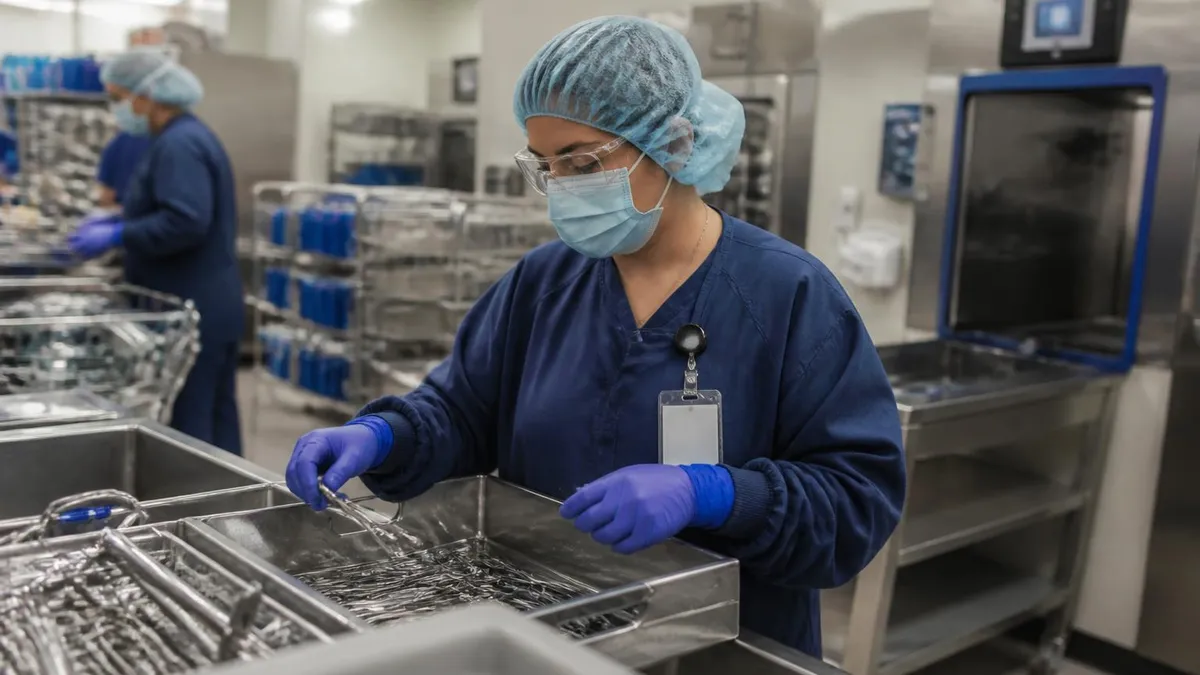
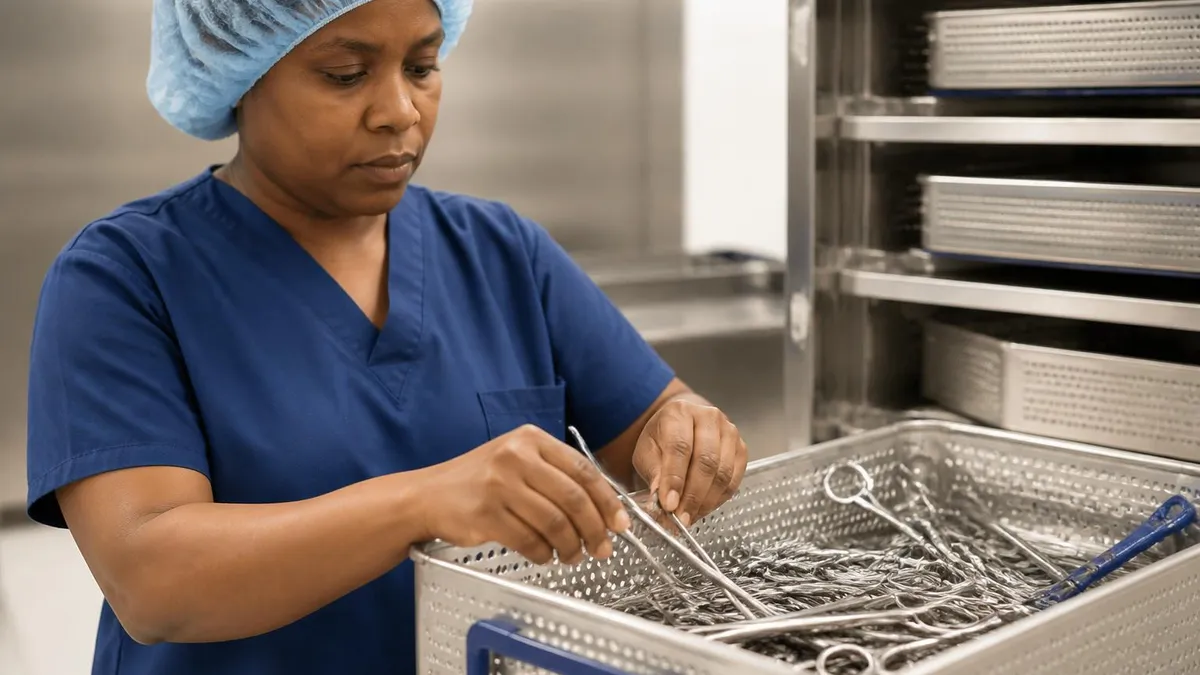
About the Author

Educational Psychologist & Academic Test Preparation Expert
Columbia University Teachers CollegeDr. Lisa Patel holds a Doctorate in Education from Columbia University Teachers College and has spent 17 years researching standardized test design and academic assessment. She has developed preparation programs for SAT, ACT, GRE, LSAT, UCAT, and numerous professional licensing exams, helping students of all backgrounds achieve their target scores.