
AHA CPR Online: The Complete Guide to ACLS Algorithm Training, PALS Certification, and Life Support Courses in 2026
🗨️ Master the ACLS algorithm through AHA CPR online courses. Complete 2026 guide to BLS, PALS certification, infant CPR, AED training, and life support.
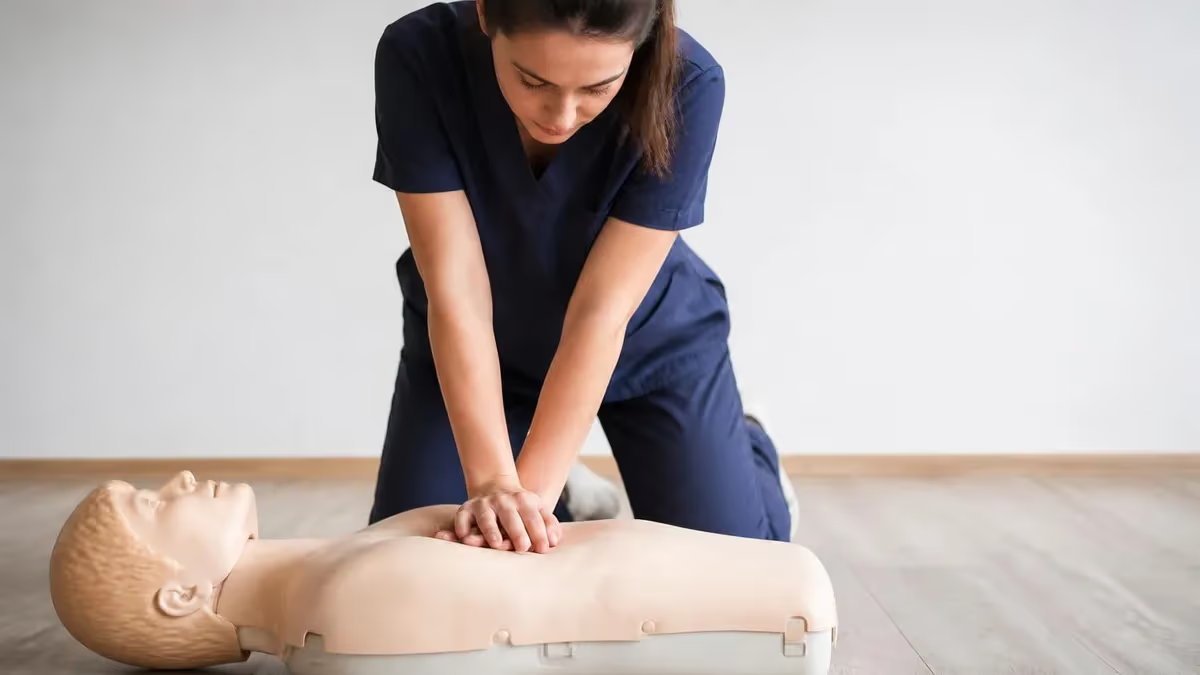
The ACLS algorithm represents the cornerstone of advanced cardiac life support training, and mastering it begins with foundational CPR skills available through AHA CPR online courses. Whether you are a healthcare professional pursuing recertification or a concerned citizen wanting to learn lifesaving techniques, the American Heart Association offers comprehensive digital training programs tailored to every skill level. These courses cover everything from adult CPR and infant CPR to AED operation and first aid fundamentals that can make the critical difference between life and death during cardiac emergencies. Practice with the free CPR practice test on PracticeTestGeeks (7 questions with answer explanations).
Demand for accessible CPR training has surged in recent years, with the American Heart Association and organizations like the National CPR Foundation expanding their online course catalogs to meet growing public interest. AHA CPR online programs deliver the convenience of self-paced learning while maintaining the rigorous instructional standards that employers, hospitals, and regulatory agencies require. Every course follows the most current evidence-based guidelines published by the AHA, ensuring students receive accurate instruction on proper chest compression techniques, ventilation methods, and emergency response protocols used across the country.
One of the first concepts every CPR student encounters is understanding what does AED stand for. An automated external defibrillator is a portable, user-friendly device designed to analyze a victim's heart rhythm and deliver a controlled electrical shock when ventricular fibrillation or pulseless ventricular tachycardia is detected. AHA CPR online modules teach students how to operate an AED effectively alongside high-quality chest compressions and rescue breaths, creating an integrated emergency response approach proven to dramatically improve cardiac arrest survival rates in community settings nationwide.
PALS certification, standing for Pediatric Advanced Life Support, represents a critical specialty within the AHA training ecosystem focusing entirely on pediatric emergency care. Healthcare professionals who regularly treat children, including pediatricians, emergency nurses, and paramedics, must maintain current PALS certification to demonstrate clinical competency. The online component of PALS coursework allows students to study complex pediatric algorithms, weight-based medication dosages, and systematic assessment techniques before attending mandatory hands-on skills sessions at authorized training centers across the United States.
Monitoring respiratory rate is a fundamental assessment skill emphasized throughout all levels of AHA CPR training programs. During any emergency situation, evaluating whether a victim is breathing normally is the very first step in determining the correct course of action for rescuers. AHA CPR online modules provide detailed instruction on assessing respiratory rate, recognizing abnormal breathing patterns such as agonal gasps, and responding with appropriate interventions. Students learn through video demonstrations and interactive clinical scenarios that replicate realistic emergency environments within the platform.
Life support training through the AHA is structured across multiple certification levels, each designed for specific audiences and professional requirements. Basic Life Support covers high-quality CPR for adults, children, and infants along with AED usage and foreign body airway obstruction management. Advanced Cardiovascular Life Support builds substantially on these foundations, incorporating the full ACLS algorithm suite, emergency pharmacology, and team-based resuscitation dynamics. Each level serves a distinct clinical purpose and the AHA online platform guides students through proper certification progression.
The position recovery technique, widely known as the recovery position, is another essential skill taught within AHA CPR online training modules. After successful resuscitation or when managing an unconscious victim who is breathing adequately, placing the person into the recovery position helps maintain a patent airway and prevents aspiration of fluids. This deceptively simple maneuver is demonstrated thoroughly in online coursework through multiple camera angles, providing students with the visual understanding necessary before practicing during in-person skills verification sessions at authorized centers.
Free CPR Study Tools
Interactive CPR resources on PracticeTestGeeks, free to start:
- CPR Airway Management and Rescue Breathing 1 — 7 questions with answer explanations
- CPR flashcards — review key terms and concepts card by card
- CPR study guide — topic-by-topic overview of what the exam covers
- CPR cheat sheet — one-page printable summary for last-minute review
AHA CPR Online Training by the Numbers
Key Facts at a Glance
| Item | Value | Details |
|---|---|---|
| Course Cost Range | $35–$250 | Varies by certification level |
| Online Study Time | 2–14 hrs | Depends on course type |
| Certification Validity | 2 Years | Standard renewal cycle |
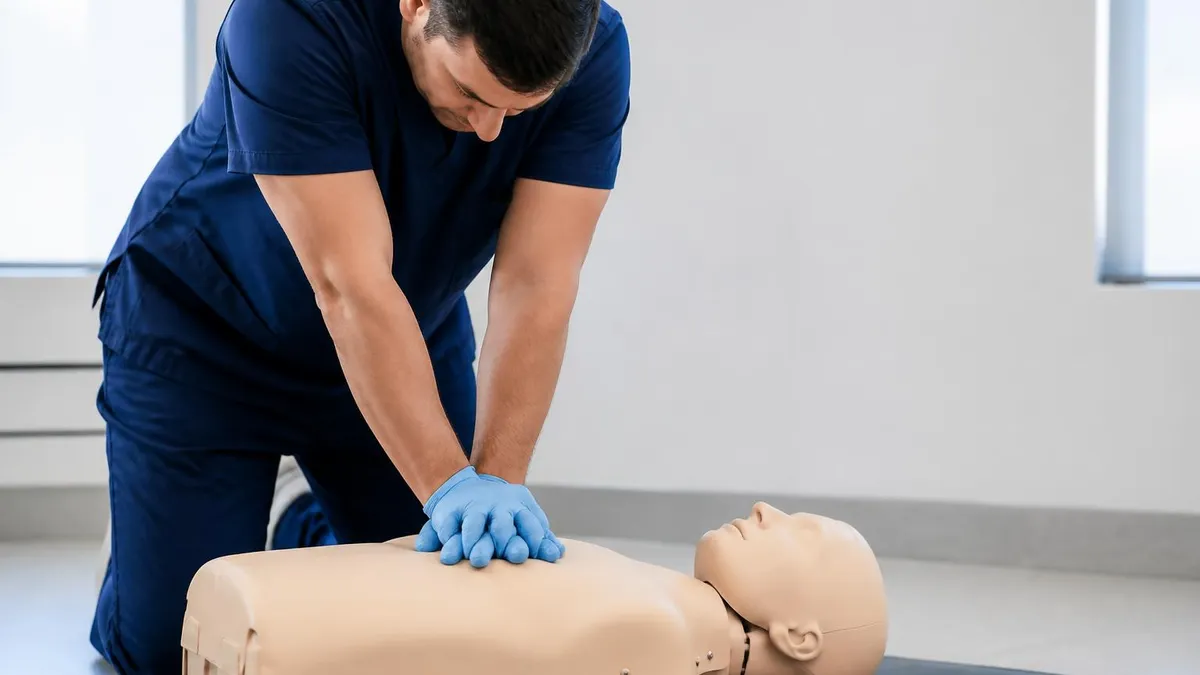
How to Complete AHA CPR Online Certification
Choose Your Certification Level
Register and Complete Payment
Complete Online Learning Modules
Pass the Knowledge Assessment
Attend In-Person Skills Session
Receive Your Certification eCard
Enrolling in an AHA CPR online course begins with navigating to the American Heart Association's official training website and selecting the certification program that matches your professional needs or personal goals. The registration process is intuitive, requiring students to create a secure account, choose their desired course level, and complete payment electronically. Course fees vary by certification type and training center location, with Basic Life Support programs typically ranging from forty to eighty dollars and ACLS algorithm training courses costing between one hundred fifty and two hundred fifty dollars depending on the center.
Once enrolled, students gain immediate access to the online learning management system where course materials are organized into clearly structured educational modules. Each module features professionally produced video demonstrations, interactive clinical scenarios, embedded knowledge checks, and downloadable reference materials that reinforce critical concepts throughout the experience. The self-paced format allows learners to complete coursework over several days or finish everything in a single focused session depending on schedule constraints and learning preferences. Most students achieve better retention by dedicating concentrated study time to each module.
The infant CPR module within AHA online training requires particular attention due to the specialized techniques needed for resuscitating newborns and infants under twelve months of age. Unlike adult CPR, which relies on two-handed chest compressions over the lower half of the sternum, infant CPR employs the two-finger compression technique for single rescuers or the two-thumb encircling hands method when two rescuers are available. Compression depth for infants is approximately one and a half inches, roughly one-third the anterior-posterior chest diameter, while maintaining the standard rate of one hundred to one hundred twenty compressions per minute.
The ACLS certification online coursework provides extensive coverage of cardiac arrest algorithms, including ventricular fibrillation, pulseless ventricular tachycardia, asystole, and pulseless electrical activity management pathways. Students study each ACLS algorithm in granular detail, learning the precise sequence of interventions, recommended medication dosages, energy levels for defibrillation, and critical decision points that direct clinical management during life-threatening emergencies. The digital format enables learners to pause instruction, rewind complex algorithm flowcharts, and review material as many times as necessary before attempting the written assessment.
After completing the online portion of any AHA CPR course, students must attend an in-person skills evaluation session conducted by an authorized AHA training center instructor. During this session, a certified evaluator assesses each student's ability to perform high-quality CPR with proper hand placement and adequate depth, operate an AED correctly, manage choking emergencies across all age groups, and demonstrate skills specific to their certification level. Skills sessions typically last two to four hours for BLS and four to eight hours for ACLS courses depending on class size.
Successfully completing both the online educational component and in-person skills evaluation results in issuance of an official AHA certification eCard, valid for two years from the completion date. The digital certification card is available immediately through the AHA online verification portal, while physical cards can be requested through your training center. Many healthcare employers now accept digital eCard verification, streamlining the process of providing certification proof during job applications, hospital credentialing procedures, and state regulatory compliance audits throughout the healthcare industry.
While the National CPR Foundation and other organizations also offer legitimate CPR certification programs, the AHA remains the most universally recognized and widely accepted provider within healthcare settings across the United States. When evaluating training providers, carefully consider your employer's specific certification requirements, applicable state regulations, and credentialing standards mandated by your profession. Most hospitals, emergency medical services agencies, and large healthcare systems specifically mandate AHA certification, making their online programs the preferred and often required choice for healthcare professionals.
CPR Practice Test Questions
Prepare for the CPR - Cardiopulmonary Resuscitation exam with our free practice test modules. Each quiz covers key topics to help you pass on your first try.
CPR Adult CPR
CPR Exam Questions covering Adult CPR. Master CPR Test concepts for certification prep.
CPR AED Use
Free CPR Practice Test featuring AED Use. Improve your CPR Exam score with mock test prep.
CPR Basic CPR Principles
CPR Mock Exam on Basic CPR Principles. CPR Study Guide questions to pass on your first try.
CPR Child and Infant CPR
CPR Test Prep for Child and Infant CPR. Practice CPR Quiz questions and boost your score.
AHA Life Support Certification Levels Explained
The BLS Provider Course serves as the foundational AHA CPR online certification designed for healthcare professionals and trained first responders who must demonstrate proficiency in basic life support techniques. This course covers high-quality CPR for adult, child, and infant patients, including proper chest compression depth, rate, and full recoil standards. Students also learn single-rescuer and team-based approaches to CPR, effective bag-mask ventilation techniques, and the critical importance of minimizing interruptions during chest compressions throughout resuscitation.
The online component of the BLS Provider Course typically requires three to four hours, followed by an in-person skills session lasting approximately two hours at an authorized training center. Content includes detailed instruction on using automated external defibrillators across all age groups, managing foreign body airway obstructions in conscious and unconscious victims, and understanding each team member's role during coordinated multi-rescuer resuscitation response. Upon successful completion, participants receive a BLS Provider eCard valid for twenty-four months from the date of issue.
Is AHA CPR Online Training Right for You?
- +Study at your own pace from any location with internet access
- +Access course materials twenty-four hours a day on any device
- +Most widely recognized CPR certification in healthcare settings
- +Significantly reduced in-person classroom time versus traditional courses
- +Immediate digital eCard issued upon successful completion
- +Cost-effective pricing compared to fully in-person training programs
- −Still requires a mandatory in-person skills evaluation session
- −Demands strong self-discipline to complete online modules independently
- −Limited real-time interaction with instructors during online coursework
- −Internet connectivity disruptions can interrupt module progress
- −In-person skills session scheduling may have limited availability
- −No fully online option accepted by most healthcare employers
AHA CPR Online Enrollment and Completion Checklist
- ✓Verify your employer's specific AHA certification level requirements before enrolling
- ✓Create a secure account on the official American Heart Association training website
- ✓Select the correct certification course matching your profession and career stage
- ✓Complete all assigned online learning modules in the recommended sequential order
- ✓Pass the online written knowledge assessment with the required minimum passing score
- ✓Locate and schedule your in-person skills session at an authorized AHA training center
- ✓Review compression depths and ventilation ratios for adult, child, and infant patients
- ✓Practice AED operation sequences and algorithm decision points before your evaluation
- ✓Bring your online course completion certificate and photo identification to the skills session
- ✓Download and securely store your official digital eCard immediately after successful completion
Timing Your Skills Session for Maximum Success
Students who complete AHA CPR online modules within two weeks of their scheduled in-person skills session consistently score higher on practical evaluations. The AHA recommends finishing online coursework no more than sixty days before your hands-on testing date to ensure maximum knowledge retention and confident skill demonstration during your evaluation.
Choosing between fully online CPR certification programs and blended learning courses that combine online instruction with in-person skills evaluation is an important decision depending on your specific certification goals and professional requirements. The AHA exclusively offers blended learning programs, meaning every certification includes both a self-paced online educational component and a mandatory hands-on skills session evaluated by a certified instructor. This approach ensures students not only understand the theoretical knowledge behind CPR and life support but can also physically demonstrate proper technique under direct supervised conditions at an authorized training facility.
Some third-party providers advertise completely online CPR certification with no in-person skills requirement, which raises legitimate concerns about training quality and employer acceptance. While these programs may be suitable for personal knowledge enrichment, most healthcare employers, state licensing boards, and regulatory agencies do not recognize certifications lacking a hands-on evaluation component. Before investing time and money in any CPR certification program, thoroughly research your employer's specific acceptance policies and verify the provider meets accreditation standards required in your particular professional field and geographic region.
The AHA CPR online platform has undergone significant technological improvements in recent years, making the digital learning experience more engaging and educationally effective than previous versions of their coursework. Current course modules feature high-definition video demonstrations filmed from multiple camera angles, interactive clinical decision-making scenarios that adapt based on student responses, and embedded knowledge assessments providing immediate feedback with detailed explanations for incorrect answers. The platform is compatible with desktop computers, laptops, tablets, and smartphones, allowing students to access coursework from virtually any device with stable internet.
Group training options through AHA CPR online programs offer significant advantages for healthcare organizations, fire departments, EMS agencies, and corporate wellness programs seeking to certify multiple employees simultaneously. Training coordinators can register groups through a single administrative portal, track individual progress through online modules in real time, and schedule consolidated in-person skills sessions at convenient locations. Volume pricing is often available for groups of ten or more participants, providing meaningful cost savings compared to individual enrollment while maintaining the same rigorous certification standards and educational quality throughout.
The renewal process for AHA CPR certifications follows a streamlined pathway for students who previously completed the full provider course within the preceding two-year certification period. Renewal courses, sometimes called update courses, feature condensed online content focusing specifically on guideline changes, updated algorithms, and new evidence-based recommendations published since the previous certification date. Online renewal coursework typically takes two to four hours for BLS and six to eight hours for ACLS, followed by an abbreviated in-person skills evaluation confirming the student has maintained proficiency in all required skills.
Understanding differences between AHA certification levels helps students select the most appropriate course for their career stage and professional obligations. Emergency medical technicians typically require BLS Provider certification, while paramedics, registered nurses, and physicians commonly need both BLS and ACLS certifications. Those working in pediatric care settings often add PALS certification to their credentials. The AHA website includes a detailed course comparison tool helping prospective students identify exactly which certifications their specific job role requires, eliminating confusion and wasted enrollment expenses during the selection process.
International recognition of AHA CPR online certifications extends across numerous countries, making these credentials valuable for healthcare professionals who practice abroad or plan international career moves. The AHA maintains training center networks in more than one hundred thirty countries worldwide, and their certification standards are recognized by international medical organizations and accreditation bodies. Students completing AHA certifications in the United States can generally have their credentials accepted at healthcare facilities globally, though some countries may require additional local certification or verification steps.
For a fuller set of questions on this topic, see our cpr practice test resource.
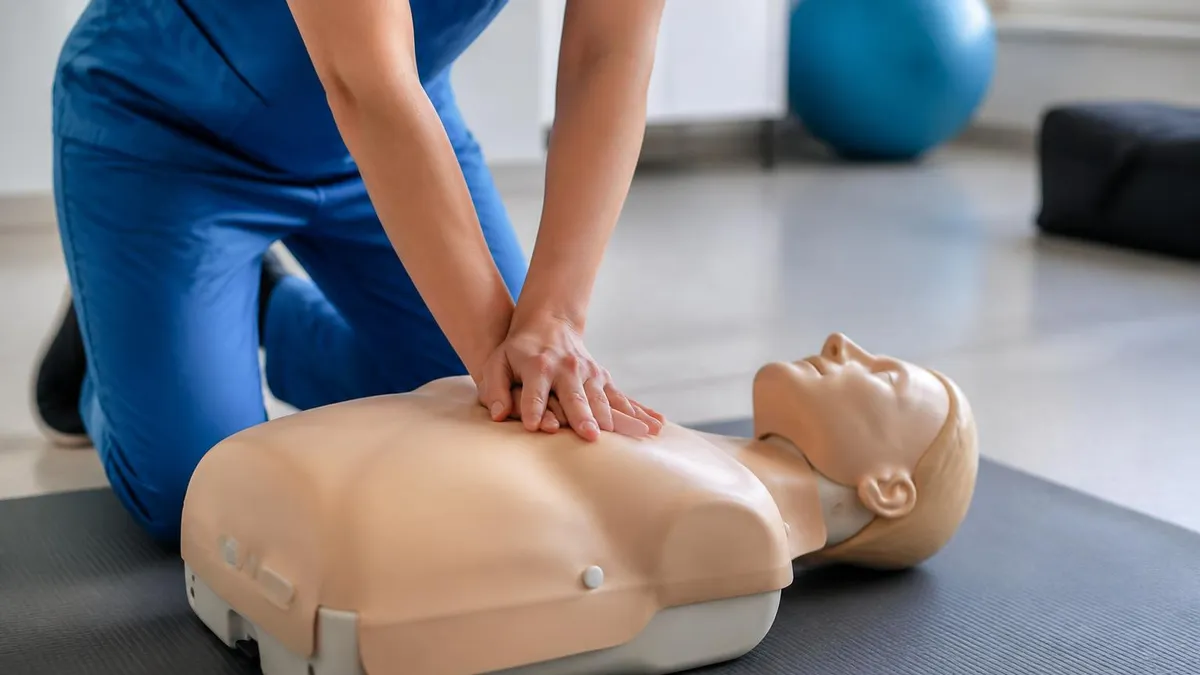
AHA CPR certifications expire exactly two years from the completion date with no automatic grace period. If your certification lapses, you must retake the full provider course rather than the shorter renewal course, costing significantly more time and money. Set calendar reminders at least three months before your expiration date to ensure uninterrupted certification status and continued employment eligibility.
Maintaining current AHA CPR certification requires strategic planning and awareness of renewal deadlines to avoid any gaps in credentials that could affect employment eligibility or clinical privileges at your healthcare facility. Each AHA certification expires exactly two years from the date printed on your completion card, and there is no automatic grace period for expired certifications under any circumstances. If your certification lapses, you must complete the full provider course again rather than the abbreviated renewal course, meaning additional time, expense, and scheduling challenges that are easily avoided with proper advance planning.
Many healthcare employers implement internal tracking systems that monitor employee certification status and generate automated reminders as expiration dates approach. However, relying solely on employer notifications is risky because system errors, staff transitions, or administrative oversights can result in missed renewal windows that leave you uncertified. Taking personal responsibility for tracking your certification expiration dates through calendar reminders, smartphone alerts, or the AHA's own notification system ensures you always have adequate time to complete the renewal process before current credentials expire and become invalid.
The financial investment required for AHA CPR online certifications varies considerably depending on the certification level, geographic location, and specific training center pricing policies. BLS Provider courses typically cost between forty and eighty dollars for the complete blended learning package including the skills session. ACLS Provider courses range from one hundred fifty to two hundred fifty dollars, while PALS certification programs fall within a similar price range. Some employers offer full or partial tuition reimbursement for required certifications, so always check your organization's professional development benefits before paying out of pocket.
Career advancement opportunities associated with AHA CPR certifications extend well beyond basic job qualification requirements in the healthcare field. Holding current ACLS and PALS certifications can strengthen your candidacy for promotions, specialized unit transfers, and leadership positions within hospitals and emergency departments. Many nursing specialties, including critical care, emergency medicine, and flight nursing, list ACLS certification as either required or strongly preferred. Investing in advanced certifications through AHA CPR online programs demonstrates professional commitment and clinical competency that hiring managers actively value during recruitment.
Continuing education credits are available through many AHA CPR online courses, providing additional professional value beyond the certification itself. BLS, ACLS, and PALS provider courses are approved for continuing education credits by various nursing boards, EMS certification agencies, and medical licensing organizations across the United States. The specific number of credits awarded varies by course level and state requirements, but having credits automatically applied to your professional development record simplifies the often complex process of maintaining multiple licensures and certifications throughout your healthcare career.
Technology requirements for completing AHA CPR online courses are intentionally modest to ensure broad accessibility across diverse student populations. Students need a reliable internet connection with sufficient bandwidth for streaming video content, a modern web browser updated to the current version, and either a desktop computer, laptop, tablet, or smartphone with audio capability. The AHA platform does not require special software downloads or plugins, and course progress is automatically saved, allowing students to log out and resume coursework exactly where they left off at any time.
Some students confuse CPR certification providers with unrelated businesses sharing similar names or acronyms. When searching online for AHA CPR training options, ensure you navigate directly to the official AHA website or verified training center pages to avoid accidentally visiting unrelated commercial websites that could cause confusion during your certification enrollment process.
Preparing effectively for your AHA CPR online course involves several practical strategies that can maximize learning outcomes and increase your confidence during the hands-on skills evaluation. Before beginning the online modules, familiarize yourself with course prerequisites and gather any recommended reference materials, such as the AHA provider manual for your specific certification level. While the provider manual is not strictly required for the online portion, having it available as a supplementary resource helps reinforce key concepts and provides a valuable study reference for the upcoming skills session.
Creating a distraction-free study environment significantly improves comprehension and retention of critical CPR concepts presented in the online modules. Close unnecessary browser tabs and applications, silence your phone, and allocate uninterrupted blocks of time for completing each module sequentially without multitasking. Attempting to multitask during CPR training leads to missed details that could affect your performance during the knowledge assessment and skills evaluation. Treat the online coursework with the same seriousness you would give to an in-person classroom experience to get the maximum educational value from your investment.
Taking detailed notes during AHA CPR online modules proves invaluable when preparing for both the written knowledge test and practical skills evaluation at your training center. Focus your notes on compression-to-ventilation ratios for different age groups, medication dosages and administration routes for ACLS algorithms, energy levels for defibrillation across patient populations, and the specific sequence of steps within each treatment algorithm. These handwritten or typed notes serve as personalized study guides that you can review immediately before your in-person skills session to refresh critical details quickly and efficiently.
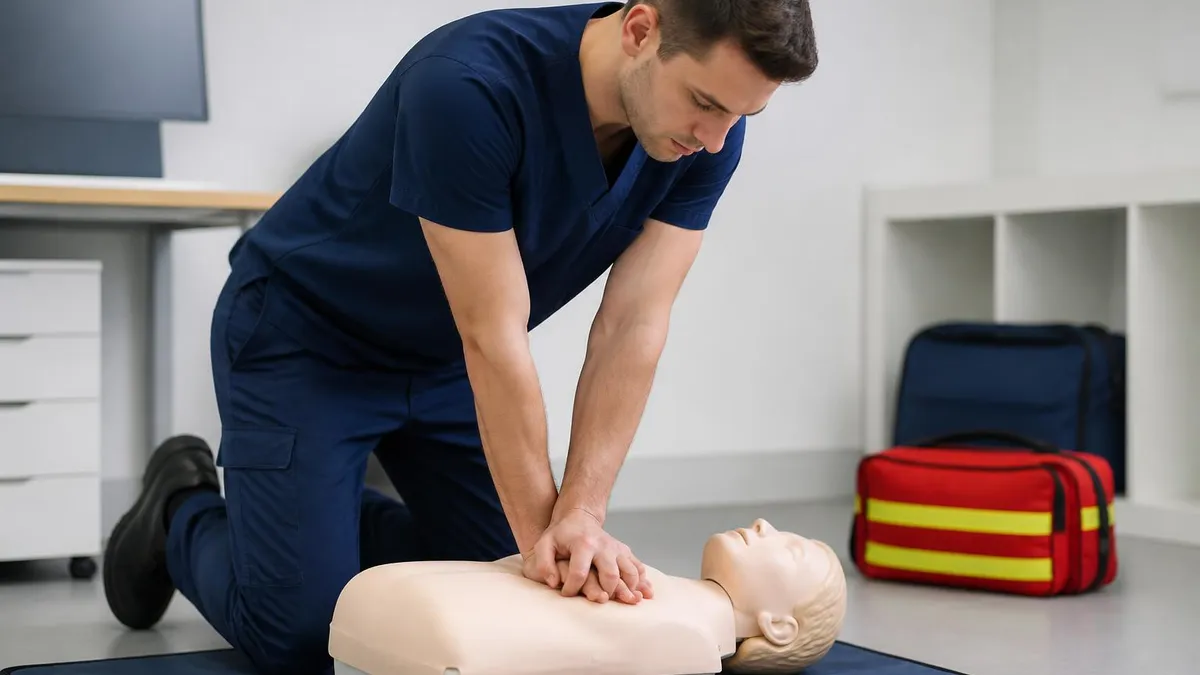
Practicing physical CPR skills at home before your scheduled evaluation session can significantly reduce test anxiety and improve your overall performance during testing. If you have access to a CPR training manikin, practice chest compressions focusing on achieving proper depth of at least two inches for adults, allowing complete chest recoil between compressions, and maintaining the recommended rate of one hundred to one hundred twenty compressions per minute. Even without a manikin, practicing hand positioning and counting compression rhythms helps build muscle memory that translates directly to demonstration success.
Understanding common reasons students fail the skills evaluation helps you avoid these pitfalls during your own testing session at the authorized training center. The most frequent errors include insufficient compression depth caused by inadequate force application, failure to allow complete chest recoil between compressions, excessive ventilation volumes causing gastric inflation, and not maintaining the correct compression-to-ventilation ratio throughout the testing scenario. Poor team communication and failure to follow the systematic approach during ACLS megacode testing also account for a significant percentage of unsuccessful attempts at advanced levels.
Arriving at your in-person skills session well-rested and having recently reviewed the online material positions you for success during the practical evaluation. Wear comfortable clothing that allows unrestricted movement, particularly for performing chest compressions on floor-level manikins, and bring your course completion certificate from the online portion along with valid photo identification. Most training centers recommend arriving ten to fifteen minutes early to complete registration paperwork and settle into the testing environment before the evaluation begins, reducing unnecessary stress on your testing day.
After earning your AHA CPR certification, consider expanding your emergency preparedness knowledge by exploring additional training opportunities that complement your new credentials effectively. First aid certification, Stop the Bleed courses, Mental Health First Aid training, and wilderness medicine programs all build upon the foundational skills learned through CPR training. Maintaining a broad base of emergency response capabilities makes you a more valuable asset in both professional healthcare settings and everyday community situations where bystander intervention can genuinely save lives before professional help arrives on scene.
CPR Questions and Answers
CPR Card Lookup: How to Verify, Replace, and Access Your CPR Certification in 2026
Animal CPR: How to Perform Lifesaving Resuscitation on Dogs, Cats, and Other Pets in 2026
CPR Classes American Heart Association: Complete 2026 Guide to AHA Certification, Courses, and Costs
Types of CPR Training: From Basic Life Support to ACLS Algorithm Mastery in 2026
Adult CPR: Complete Step-by-Step Guide to Hands-Only and Standard CPR in 2026
How this page was made: written with AI tools. We have not yet matched this exam's facts to an official source, so confirm fees, dates and rules with the exam body. Not reviewed by a subject-matter expert. Editorial policy