
CPC Training Programs by State: Dallas, Texas, and Beyond 2026 October
✍🏼 Find CPC training programs in Dallas, Texas, and by state — in-person classes, online options, costs, and how to choose the right program for the

CPC Training Programs: Finding the Right Path to Certification
Certified Professional Coder (CPC) certification from AAPC is the most widely recognized credential in medical billing and coding. Getting there requires mastering ICD-10-CM diagnosis coding, CPT procedure coding, HCPCS Level II codes, medical terminology, anatomy, and compliance regulations — a curriculum that's substantial enough that most successful candidates invest in structured training. Whether you're looking for in-person classes in Dallas or another state, fully online programs, or a hybrid approach, the options for CPC training have expanded significantly in recent years.
Training programs designed for the CPC exam are offered by AAPC directly, community colleges, vocational schools, and a growing number of online education platforms. The quality, cost, and time commitment vary considerably across these providers. Some programs include exam vouchers and job placement support; others focus narrowly on content delivery and leave the rest to you. Understanding the difference before you enroll saves you both money and time, particularly if you're balancing training with existing work or family commitments.
Location matters for some learners. In-person CPC training programs in major metropolitan areas — Dallas, Houston, Chicago, Los Angeles, New York — give students access to local instructors, networking opportunities with healthcare employers, and the accountability structure of a classroom. In Texas specifically, the demand for certified coders is driven by a large healthcare market centered on hospitals, physician practices, and the growing outpatient and ambulatory surgery center sector. Dallas-area programs typically schedule classes in the evenings or on weekends to accommodate working adults.
Online CPC training has largely democratized access to certification preparation regardless of location. A student in rural Montana has access to the same AAPC-approved curriculum as a student in Dallas, delivered asynchronously with recorded lectures, practice exams, and instructor-graded assignments. The main tradeoff with fully online programs is accountability — without scheduled class times and in-person instructors, some students struggle with the self-discipline required to stay on track through a comprehensive coding curriculum.
This guide covers CPC training options by state and format: what to look for in a training program, how Dallas and Texas programs compare to national options, cost ranges, time commitments, and how to identify programs that align well with the AAPC CPC exam content outline. Whether you're starting from scratch or already have a healthcare background, the right training program significantly improves your chances of passing the CPC exam on the first attempt.
CPC Training: Key Facts
Key Facts at a Glance
| Item | Value | Details |
|---|---|---|
| CPC Exam Sections | 100 questions | |
| Exam Time Limit | 5 hours 40 minutes | |
| Passing Score | 70% | |
| Typical Training Length | 4–12 months | |
| AAPC Membership Required | Yes (for exam) |

What CPC Training Programs Teach and What to Look For
A CPC training program aligned with the AAPC exam should cover the same content domains that appear on the test. The CPC exam tests coding across 17 content areas including evaluation and management, anesthesia, surgery, radiology, pathology, medicine, and all major body systems. Programs that don't cover the full range of these domains — or that focus too heavily on one specialty — leave gaps that show up as missed questions on exam day. When evaluating any program, ask for its content outline and map it against the AAPC's published exam blueprint.
Medical terminology and anatomy are foundational to CPC training. Coders must understand the language of clinical documentation to translate physician notes into correct codes. Programs that include dedicated anatomy and terminology modules — rather than assuming prior knowledge — are better suited for students coming from non-clinical backgrounds. Look for programs that include anatomy modules covering the major body systems: musculoskeletal, cardiovascular, respiratory, digestive, urinary, nervous, endocrine, and integumentary systems at minimum.
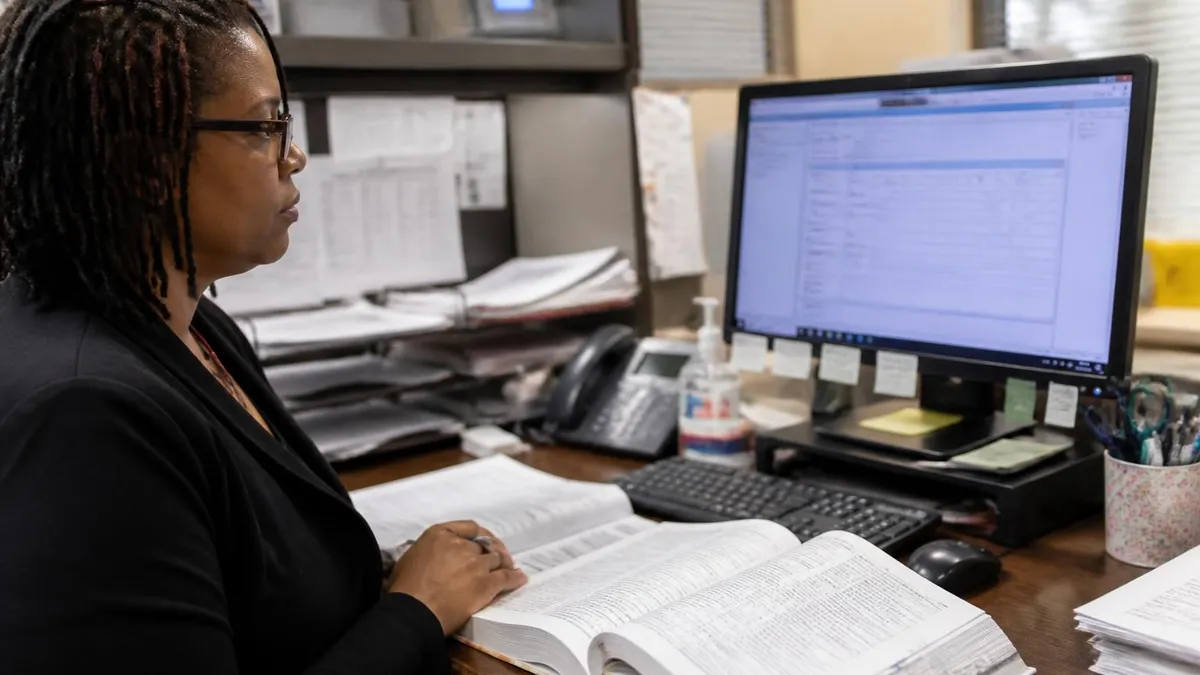
Coding books are a central part of the learning process and the exam itself. The CPC is an open-book exam — you're permitted to bring your ICD-10-CM, CPT, and HCPCS Level II code books into the testing room. Programs that include the cost of these books in tuition — or at minimum teach you how to use them efficiently under time pressure — add meaningful value.
Tabbing, annotating, and navigating coding books quickly is a learnable skill, but it requires deliberate practice. Programs that incorporate timed coding exercises build the exam-day speed you'll need. Most exam veterans recommend spending the last 4–6 weeks before the exam doing timed exercises exclusively, not reviewing new content.
Instructor credentials matter. Ideally, your CPC training instructors hold active CPC credentials and have practical coding experience in healthcare settings. AAPC-approved programs are reviewed for curriculum quality, but instructor quality varies even within approved programs. If a program allows you to review instructor credentials before enrolling, take the time to verify that your instructor has active coding credentials and recent coding experience — not just teaching credentials.
CPC Training Options: Formats Compared
Available in major markets including Dallas, Houston, and other metropolitan areas. Typically offered through community colleges or AAPC local chapters. Scheduled evenings or weekends for working adults. Instructor access, networking, and accountability are the main advantages. Higher cost and fixed schedule are the tradeoffs.
AAPC's own online CPC training is the benchmark. Recorded lectures, interactive exercises, and practice exams. Accessible from anywhere with flexible scheduling. Students who are disciplined self-learners or who have healthcare backgrounds often do well. Requires strong self-motivation without external structure.
Many community colleges in Texas and across the U.S. offer medical coding programs that prepare students for the CPC exam. Often more affordable than private programs, with financial aid options. Local instruction and often include externship or practicum components. Check whether the program is AAPC-aligned or includes exam prep.
Intensive programs designed to prepare existing coders or healthcare professionals for the CPC exam in 4–8 weeks. Higher pace, lower time commitment overall, but require a baseline of coding or clinical knowledge. Not recommended for complete beginners — best suited for experienced coders or billing professionals seeking formal certification.
CPC Training in Dallas and Texas
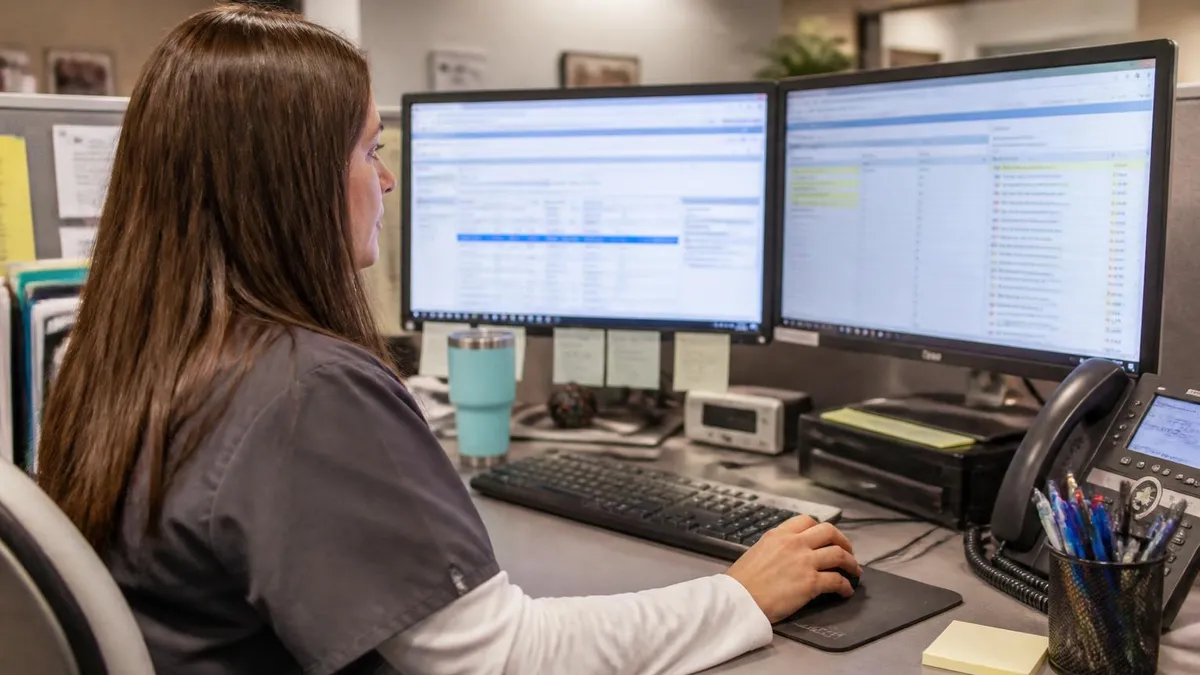
Dallas is one of the largest healthcare markets in the United States, with major health systems, hundreds of physician practices, and a strong ambulatory care sector driving consistent demand for certified professional coders. Several community colleges in the Dallas-Fort Worth area offer health information technology or medical coding programs that include CPC exam preparation — Richland College, El Centro College, and Brookhaven College among them. Program lengths vary from one semester to two years depending on whether you're pursuing a certificate or an associate degree, with shorter certificate programs focused specifically on coding.
AAPC operates local chapters throughout Texas, including active chapters in the Dallas area. AAPC local chapters host meetings, workshops, and networking events that connect students and working coders. Attending local chapter meetings before you've earned your certification is encouraged — it's one of the better ways to connect with experienced coders who can share study tips, recommend employers, and provide mentorship as you prepare for the exam. Chapter information is available on the AAPC website by searching for Texas chapters.
Texas has no state licensing requirement for medical coders separate from AAPC or AHIMA certification. Employers in the state set their own credential requirements, but the CPC is the de facto standard in physician practice and ambulatory settings. Hospital coders in Texas more often pursue the CCS credential from AHIMA, but many coders hold both to maximize their marketability in the state's large and diverse healthcare employment market.
Texas-based students also benefit from the state's active outpatient and surgical coding market. Specialties like orthopedics, cardiology, ophthalmology, and gastroenterology are particularly high-volume in the Dallas-Fort Worth area, and coding experience or training in these specialties can make candidates more attractive to local employers. If you're pursuing CPC training with a specific specialty in mind, look for programs that include specialty-specific coding modules or allow elective focus on high-demand specialties in your market.
For students outside the DFW metro area, online programs offer equivalent preparation without the commute. AAPC's own online medical coding program and approved online curricula from platforms like Coursera, edX, and specialty coding schools are available statewide. Texas students often also consider programs from neighboring states — Houston, San Antonio, and Austin each have their own active community college programs and AAPC chapters. The CPC exam itself is administered at Pearson VUE testing centers throughout Texas, with multiple locations in the DFW area.
State-by-State CPC Training: What You Need to Know
To find CPC training programs in your state, start with these resources:
AAPC's approved program search: The AAPC website lists schools whose medical coding programs have been approved under AAPC's Program Approval process. These programs meet AAPC's curriculum standards and are mapped to the CPC exam content. Use this as your baseline filter when comparing programs.
Community college catalog: Your state's community college system likely offers health information management or medical coding programs at most campuses. These are typically the most affordable options and may qualify for in-state financial aid. Search for programs that mention CPC exam preparation explicitly.
AAPC local chapters: Each state has one or more AAPC local chapters whose members can recommend training programs in the area. Chapter meeting attendees often know which programs in the local market are producing exam-ready students and which are not.
Online program directories: Sites like AlliedHealthWorld.com and the AAPC education portal list available programs by state and format. Filter for programs with exam pass rate data when available — programs that report their first-attempt CPC pass rates are more transparent about outcomes.
How to Evaluate CPC Training Programs Before You Enroll
Not all CPC training programs are equal, and the wrong program can cost you both money and time. Before enrolling, ask the program for its AAPC approval status, its curriculum outline, its instructor credentials, and — most critically — its CPC exam first-attempt pass rate. A program that can't or won't provide first-attempt pass rate data is one that should be treated with skepticism. AAPC's national average first-attempt pass rate for the CPC exam hovers around 50–60%; programs claiming rates significantly higher without evidence should be asked to substantiate those claims.
Instructor credentials are not uniform across programs. Some programs hire instructors based on teaching experience rather than coding experience — which can result in curriculum delivery that is technically correct but disconnected from the practical realities of coding in a healthcare setting. An instructor who has actively coded for physician practices, outpatient facilities, or hospitals will teach the curriculum with the kind of applied examples and shortcuts that translate directly to exam performance and real-world competence. Verify active CPC credentials for any instructor you're considering learning from.
The inclusion of practice exams in the training program is a significant differentiator. The CPC exam's time pressure is a major source of exam-day failure — 100 questions in under 6 hours means you have less than 3.5 minutes per question, and coding questions require looking up codes in books you're bringing to the test. Programs that include timed, full-length practice exams under conditions that simulate the real exam environment — with coding books in hand — are building the skills that determine first-attempt success.
A program that only provides content instruction without exam simulation leaves you unprepared for the most demanding aspect of the CPC exam: completing 100 questions with open code books in under six hours. Speed with books is a separate skill from content knowledge, and it must be practiced.
If you're comparing programs on cost, factor in what's included. A $2,000 program that includes all three coding books (ICD-10-CM, CPT, and HCPCS Level II), an exam voucher, and career placement support may be a better value than a $1,200 program that requires you to purchase books separately ($200+), pay your own exam registration ($300), and navigate job searching without assistance. Total cost to certification — not just program tuition — is the right comparison baseline.
CPC Certification: From Training to Credentialed Coder
Choose and Enroll in a Training Program
Complete Core Curriculum
Take Full-Length Practice Exams
Register and Sit for the CPC Exam
Earn CPC Credential and Gain Experience
Self-Study vs. Structured Programs: What the Data Says
Some candidates successfully self-study for the CPC exam using AAPC's coding books and online resources alone. The self-study pathway is realistic for candidates who already work in medical billing, have clinical backgrounds as nurses or medical assistants, or have strong academic learning skills. For complete beginners with no healthcare background, self-study alone is a difficult path — the volume and specificity of the content, combined with the exam's time pressure, creates a steep learning curve that structured programs are specifically designed to address.
AAPC's own data and industry surveys consistently show that candidates who complete formal training programs have higher first-attempt pass rates than self-study candidates. This makes intuitive sense: structured programs sequence content logically, include instructor feedback on practice work, provide community with other students, and build in the repeated practice with coding books that exam success requires. The cost of a training program — even at $2,000 — is typically recouped within the first few months of employment as a certified coder at the higher wages the CPC credential commands.
If cost is a barrier to formal training, a middle path is to supplement self-study with targeted preparation resources: AAPC's practice exams, specialty coding workshops through local AAPC chapters, and online forums where working coders discuss tricky coding scenarios. Study groups with other CPC candidates — whether in-person in Dallas or virtually through AAPC's online community — provide accountability and allow you to learn from others' coding questions in ways that solo self-study doesn't. See the CPC study materials guide for a curated list of preparation resources organized by content area.
Whichever preparation path you choose, consistent daily practice over several months outperforms cramming. CPC content is broad enough that sporadic, intensive study sessions rarely produce the code-book navigation fluency or the internalized coding logic that the exam requires. Students who study 30–60 minutes daily for 6 months typically outperform those who attempt to compress the same content into 6 weeks of intensive study. Build the habit early and let time work in your favor.
You must be an AAPC member to register for and take the CPC exam. Annual AAPC membership is approximately $160–$200 depending on membership type. Many training programs include AAPC membership in their enrollment package — verify whether yours does before paying separately. AAPC membership also provides access to networking resources, job boards, CEU content, and local chapter activities that are valuable throughout your career, not just during exam preparation.
The CPC exam is open book, but only AAPC-approved code books are permitted in the testing room. Approved books include the current-year ICD-10-CM, CPT (standard edition), and HCPCS Level II code books. Electronic devices, study guides, notes, and any books not on AAPC's approved list are not permitted. Prepare your books with tabs and highlights well before exam day — this is a skill that takes time to develop and can significantly affect your speed under time pressure.
Getting the Most From Your CPC Training Program
Active engagement with training materials — not passive consumption — is what separates candidates who pass on the first attempt from those who don't. Read the coding guidelines actively, not just the code descriptions. The Official Guidelines for Coding and Reporting (included in the ICD-10-CM code book) govern how codes are assigned in complex situations, and the CPC exam tests these guidelines extensively. Candidates who read and understand coding guidelines outperform those who only memorize code numbers.
Build the habit of coding from documentation during your training, not just from simplified exercises. Real medical documentation — operative reports, office visit notes, discharge summaries — is messier and more complex than textbook exercises, and the CPC exam uses realistic clinical documentation scenarios. If your program doesn't include coding from actual documentation, supplement it by accessing de-identified case studies from AAPC's publications or by coding along with coding scenarios posted in AAPC's online community forums.
Maintain a log of every coding scenario you find challenging — especially cases where you initially selected the wrong code and had to work through the correction. This personal log becomes one of your most valuable review resources in the weeks before your exam. Patterns in your errors reveal your weakest content areas, which should receive the most study time in your final preparation sprint. If evaluation and management coding or surgical coding is consistently challenging, those areas need more focused practice, not more general review time.
Bring your annotated error log to your final review sessions in the weeks before the exam — it's the most personalized study guide you'll have, and it's built directly from your own coding mistakes rather than a generic list. The patterns in that log tell you exactly where to focus your remaining prep time, which is far more efficient than reviewing chapters you've already mastered.
CPC Training Program Evaluation Checklist
- ✓Program is AAPC-approved or mapped to the AAPC CPC exam content outline
- ✓Curriculum covers all 17 CPC exam content areas including all major body systems
- ✓Instructors hold active CPC credentials and have practical healthcare coding experience
- ✓Program includes anatomy, medical terminology, and official coding guideline review
- ✓Timed practice exams with coding books are included in the curriculum
- ✓Program discloses its CPC exam first-attempt pass rate for recent graduates
- ✓ICD-10-CM, CPT, and HCPCS Level II coding books are included or available at reduced cost
- ✓Total cost calculation includes books, exam voucher, AAPC membership, and any other fees
- ✓Schedule (in-person, online, hybrid) matches your learning style and life commitments
- ✓Program includes job placement support or connections to local employer networks
In-Person CPC Training (Dallas) vs. Online Programs
- +In-person: structured schedule builds accountability and prevents procrastination
- +In-person: local instructor familiar with DFW healthcare market and employers
- +In-person: networking with classmates who may become future professional contacts
- +Online: accessible from anywhere in Texas or nationwide without commuting
- +Online: self-paced format works well for working adults with irregular schedules
- −In-person: fixed schedule may not work for full-time workers or caregivers
- −In-person: fewer program options in smaller Texas markets outside DFW and Houston
- −Online: requires strong self-discipline without external accountability
- −Online: less opportunity for real-time coding questions and instructor interaction
- −Online: networking opportunities are more limited without a local cohort
Ready to Start Practicing CPC Exam Content?
The best supplement to any CPC training program is consistent practice with exam-style questions. Our CPC practice test tools include questions organized by content area so you can target your weakest coding domains. Reviewing the cpc exam requirements before you enroll in a training program helps you understand what the credential requires and whether you meet the eligibility criteria before committing to program costs.
CPC Training Questions and Answers
About the Author

Certified Internal Auditor & Compliance Certification Expert
University of Illinois Gies College of BusinessBrian Henderson is a Certified Internal Auditor, Certified Information Systems Auditor, and Certified Fraud Examiner with an MBA from the University of Illinois. He has 19 years of internal audit and regulatory compliance experience across financial services and healthcare industries, and coaches professionals through CIA, CISA, CFE, and SOX compliance certification programs.
Join the Discussion
Connect with other students preparing for this exam. Share tips, ask questions, and get advice from people who have been there.
View discussion (8 replies)