
Why Are Communication Skills Important in Health and Social Care: A Complete Guide
Why are communication skills important in health and social care? Learn how effective communication improves patient outcomes, safety, and care quality. 🎯

Understanding why are communication skills important in health and social care is essential for every professional working in these fields. Whether you are a nurse, social worker, physician, or care assistant, the ability to convey information clearly and listen attentively can mean the difference between a patient receiving the correct treatment and experiencing a preventable medical error. Effective communication builds trust, reduces anxiety in vulnerable individuals, and ensures that care plans are understood and followed by patients, families, and interdisciplinary teams alike.
Health and social care environments are inherently high-stakes. Miscommunication between a nurse and a physician about medication dosages, for instance, has led to thousands of preventable hospitalizations each year in the United States. The Joint Commission consistently identifies communication failures as a leading root cause of sentinel events — serious, often life-threatening incidents that occur in hospitals. When care professionals communicate clearly, share information accurately, and verify understanding through techniques like teach-back, they create a safety net that protects the most vulnerable populations they serve.
Beyond patient safety, communication skills shape the entire therapeutic relationship. Patients who feel heard and respected are more likely to disclose symptoms honestly, adhere to prescribed treatment regimens, and return for follow-up care. Research from the Institute for Healthcare Communication shows that patients who perceive their providers as strong communicators report higher satisfaction scores and better health outcomes. This connection between communication quality and clinical results underscores why professional training programs in health and social care place such strong emphasis on developing these competencies.
Social care settings present their own unique communication challenges. A social worker supporting an elderly individual with dementia must adapt their language, pace, and tone continuously. A child protection specialist must ask open-ended questions in a way that does not lead or intimidate a young person. A community health educator must translate complex public health data into accessible language for diverse audiences with varying literacy levels. Each of these scenarios demands a different communication approach, yet all share the same foundational requirement: the ability to connect meaningfully with another human being.
The scope of communication in health and social care extends well beyond face-to-face conversations. Written documentation — including clinical notes, care plans, discharge summaries, and referral letters — must be precise, complete, and legible. Digital communication via electronic health records, telehealth platforms, and secure messaging apps has introduced new dimensions of complexity, requiring professionals to maintain clarity and confidentiality across multiple channels. The importance of communication skills in health and social care has only grown as these technologies become central to service delivery.
Nonverbal communication plays an equally critical role. Eye contact, body posture, facial expressions, and physical proximity all send powerful messages to patients and clients, often more powerfully than the words spoken. A clinician who maintains open body language and makes appropriate eye contact during a consultation signals respect, attentiveness, and professionalism. Conversely, a provider who appears distracted or dismissive — even unintentionally — can undermine a patient's confidence in their care and discourage them from sharing vital information about their symptoms or concerns.
This guide explores every dimension of communication in health and social care, from foundational principles and practical techniques to the specific challenges faced by different care settings. By understanding these dynamics deeply, practitioners can develop the skills needed to provide safer, more compassionate, and more effective care to every individual they serve. Whether you are a student preparing for licensure exams, an experienced clinician seeking a refresher, or a care manager building team training programs, the information that follows will offer concrete, actionable guidance grounded in real-world evidence and best practice standards.
Communication in Health and Social Care by the Numbers

Core Communication Skills Every Health and Social Care Professional Needs
Active listening means giving your full, undivided attention to a patient or client — reflecting back what you hear, asking clarifying questions, and resisting the urge to interrupt. This skill builds trust and ensures you capture complete, accurate information.
Using plain, jargon-free language helps patients understand diagnoses, treatment plans, and medication instructions. Checking comprehension with the teach-back method — asking patients to explain information in their own words — confirms understanding and prevents costly errors.
Empathetic communication acknowledges the emotional experience of patients and clients, not just the clinical facts. Naming emotions, validating concerns, and expressing genuine care reduces anxiety, encourages honest disclosure, and strengthens the therapeutic relationship significantly.
Accurate, complete clinical documentation is a cornerstone of safe care. Chart entries, referral notes, and care plans must be legible, timely, and free of ambiguity so every team member accessing the record has the same clear picture of the patient.
Body language, facial expressions, eye contact, and physical positioning communicate volumes in health and care settings. Professionals who read nonverbal cues — noticing when a patient seems confused, frightened, or withdrawn — can respond with appropriate support before issues escalate.
The impact of communication skills on patient safety is one of the most well-documented relationships in healthcare research. When clinicians fail to communicate clearly during handoffs — the moments when patient care transfers from one provider or team to another — the risk of adverse events rises sharply. Studies published in the British Medical Journal have found that ineffective handoff communication contributes to a substantial proportion of preventable in-hospital complications, including medication errors, missed diagnoses, and delayed interventions. Structured communication tools like SBAR (Situation, Background, Assessment, Recommendation) were developed specifically to standardize these high-risk moments and reduce variability.
Patient outcomes improve measurably when communication is prioritized as a clinical skill rather than treated as a soft or incidental competency. A meta-analysis published in Health Communication reviewed 106 studies and found that physician communication behaviors were significantly associated with patient adherence to treatment recommendations. Patients whose physicians used open-ended questions, provided clear explanations, and encouraged questions were nearly twice as likely to follow through with prescribed medications and lifestyle changes. For conditions that require long-term self-management — diabetes, hypertension, chronic heart failure — this adherence gap can mean the difference between stable health and repeated hospitalization.
In social care settings, the stakes around communication are equally high, though they often manifest differently. A social worker conducting a safeguarding assessment must establish enough rapport to encourage a vulnerable adult or child to disclose abuse or neglect honestly. This requires extraordinary skill: the professional must project warmth and safety while asking potentially frightening questions, all without introducing leading language that could compromise the integrity of the assessment. Communication failures in these contexts do not merely lead to dissatisfaction — they can result in individuals remaining in dangerous situations because their situation was not fully understood or documented.
Interdisciplinary team communication is another domain where skills development yields significant returns. Health and social care teams commonly include physicians, nurses, social workers, physical therapists, dietitians, pharmacists, and administrative staff who must coordinate complex care plans across different professional cultures and communication styles. Research from the Agency for Healthcare Research and Quality (AHRQ) has demonstrated that team-based communication training programs reduce medication errors by up to 30 percent in acute care settings. TeamSTEPPS, a widely used evidence-based program, focuses specifically on building shared mental models, mutual monitoring, and closed-loop communication among care teams.
The relationship between communication and health equity deserves particular attention. Patients from minority ethnic communities, those with limited English proficiency, and individuals with disabilities experience disproportionate rates of communication-related care failures. Language barriers, implicit bias, and inadequate use of interpreters or communication aids all contribute to these disparities. Health and social care organizations that invest in cultural humility training, professional interpreter services, and accessible communication formats — including easy-read materials, large print, and translated documents — make measurable progress in narrowing these gaps and ensuring equitable access to quality care.
Communication also plays a pivotal role in informed consent, one of the most fundamental ethical principles in health care. Before any procedure, treatment, or significant care decision, patients must receive complete, comprehensible information about the nature of the intervention, its risks and benefits, and available alternatives. Clinicians who rush through consent discussions, use technical jargon, or fail to check understanding compromise patient autonomy and expose their organizations to legal liability. Effective consent communication treats patients as partners in their own care — respecting their right to make informed decisions based on their own values and priorities.
Mental health and social care contexts highlight how communication quality can be literally life-saving. Crisis intervention practitioners who use de-escalation techniques rooted in active listening, calm tone, and validation of distress have been shown to reduce the incidence of physical restraint use in inpatient psychiatric settings by significant margins.
Motivational interviewing — a communication framework developed specifically for health behavior change — uses reflective listening and collaborative goal-setting to help individuals overcome ambivalence and take meaningful steps toward recovery. These specialized communication approaches require dedicated training and ongoing practice, reinforcing the case for treating communication as a core clinical skill throughout a professional's career.
Communication Skills Across Different Health and Social Care Settings
In hospital environments, communication operates at a relentless pace across multiple disciplines. Nurses conduct bedside assessments and must convey complex findings to physicians in time-critical situations. Pharmacists counsel patients on new medications before discharge. Surgeons obtain informed consent for procedures with significant risk profiles. Every one of these interactions demands precision, clarity, and the ability to adapt communication style to the patient's emotional state and health literacy level — all while managing competing demands on time and attention in a high-pressure setting.
Handoff communication represents the single highest-risk moment in acute care. When a nurse ends a shift or a patient transfers from the emergency department to an inpatient unit, critical details about allergies, recent test results, and pending orders must transfer flawlessly. Hospitals that implement structured handoff protocols — such as the I-PASS mnemonic (Illness severity, Patient summary, Action list, Situation awareness, Synthesis by receiver) — consistently report reductions in preventable adverse events. Training staff in these protocols requires deliberate practice through simulation, role play, and direct observation with constructive feedback from experienced mentors.
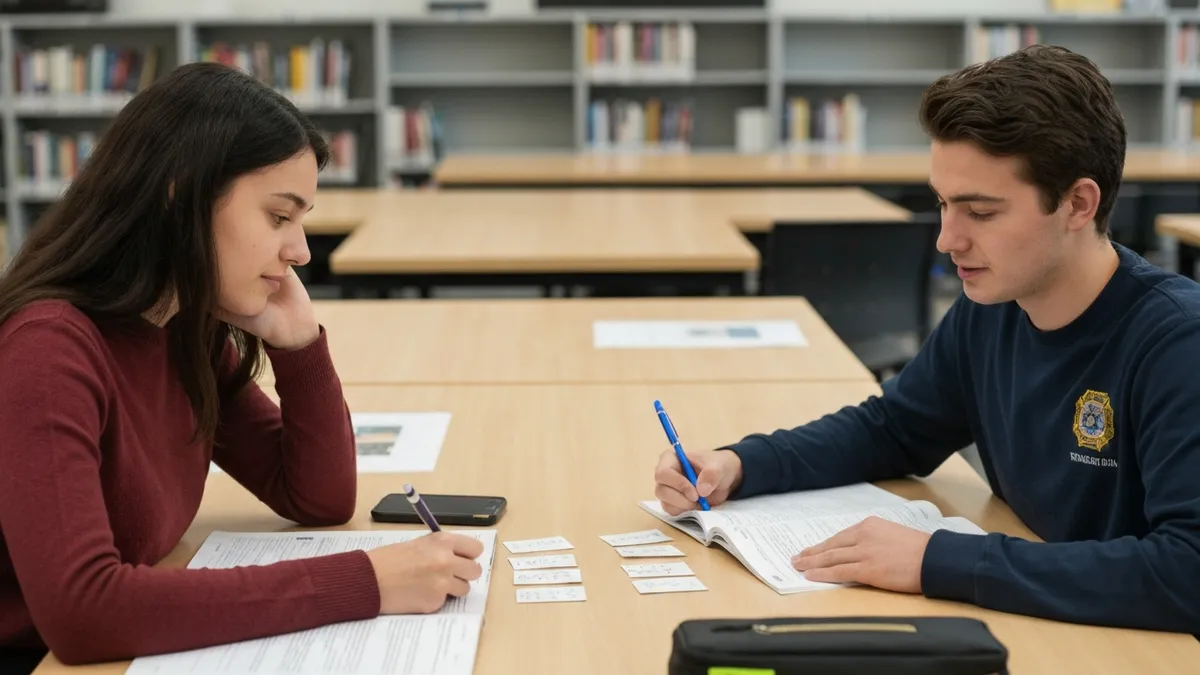
Strong vs. Weak Communication in Health and Social Care: What's the Real Difference?
- +Reduces medication errors and preventable adverse events through clear, verified information transfer
- +Increases patient and client trust, improving disclosure of sensitive symptoms and concerns
- +Improves treatment adherence rates by ensuring patients understand and accept their care plans
- +Strengthens interdisciplinary team coordination, reducing redundancy and gaps in care delivery
- +Supports informed consent processes that respect patient autonomy and reduce legal liability
- +Enables early identification of deteriorating conditions through attentive listening and observation
- −Poor communication creates dangerous information gaps during patient handoffs and care transitions
- −Jargon-heavy language leaves patients confused about diagnoses, medications, and self-care instructions
- −Dismissive or rushed communication erodes trust and discourages patients from reporting symptoms honestly
- −Inadequate documentation creates legal liability and compromises continuity of care across shifts
- −Communication failures in safeguarding assessments can leave vulnerable individuals in dangerous situations
- −Lack of interpreter services or accessible formats creates inequitable access to care for diverse populations
Pros and Cons at a Glance
| Pros | Cons |
|---|---|
| Reduces medication errors and preventable adverse events through clear, verified information transfer | Poor communication creates dangerous information gaps during patient handoffs and care transitions |
| Increases patient and client trust, improving disclosure of sensitive symptoms and concerns | Jargon-heavy language leaves patients confused about diagnoses, medications, and self-care instructions |
| Improves treatment adherence rates by ensuring patients understand and accept their care plans | Dismissive or rushed communication erodes trust and discourages patients from reporting symptoms honestly |
| Strengthens interdisciplinary team coordination, reducing redundancy and gaps in care delivery | Inadequate documentation creates legal liability and compromises continuity of care across shifts |
| Supports informed consent processes that respect patient autonomy and reduce legal liability | Communication failures in safeguarding assessments can leave vulnerable individuals in dangerous situations |
| Enables early identification of deteriorating conditions through attentive listening and observation | Lack of interpreter services or accessible formats creates inequitable access to care for diverse populations |
Essential Communication Competencies for Health and Social Care Professionals
- ✓Use plain, jargon-free language when explaining diagnoses, treatment plans, and care instructions to patients
- ✓Apply the teach-back method after every significant patient education interaction to verify comprehension
- ✓Practice active listening by maintaining eye contact, nodding, and paraphrasing what the patient has shared
- ✓Use SBAR or I-PASS structured communication tools during all patient handoffs and care transitions
- ✓Document all clinical interactions, assessments, and care decisions accurately and in a timely manner
- ✓Adapt communication style and pace to match the patient's health literacy, language, and cognitive ability
- ✓Request professional interpreter services for patients with limited English proficiency — never rely on family members
- ✓Demonstrate empathy explicitly by acknowledging patient emotions before pivoting to clinical information
- ✓Maintain professional boundaries in written and digital communications including email, text, and telehealth platforms
- ✓Participate in regular supervision and reflective practice sessions to identify and improve communication blind spots
The Teach-Back Method Reduces Readmissions by Up to 30%
The teach-back method — asking patients to explain their care instructions back to you in their own words — is one of the most evidence-supported communication techniques in healthcare. Organizations that implement teach-back systematically across discharge planning report readmission reductions of 20 to 30 percent. It takes less than two minutes per interaction and costs nothing to implement, yet it remains underused in many care settings despite overwhelming evidence of its effectiveness in improving patient understanding and safety outcomes.
Communication barriers in health and social care are more varied and pervasive than many professionals realize. The most obvious barriers are linguistic — patients who speak a different language than their provider cannot give or receive accurate information without interpreter support. Yet language is only one dimension of the challenge.
Health literacy, defined as an individual's ability to obtain, process, and understand basic health information to make appropriate health decisions, affects an estimated 36 percent of U.S. adults according to the National Assessment of Adult Literacy. Low health literacy is associated with poorer health outcomes, higher hospitalization rates, and reduced capacity to manage chronic conditions effectively.
Physical barriers to communication are also significant and frequently overlooked. Patients with hearing impairments need access to visual aids, written materials, or sign language interpreters — not simply louder speech from a provider speaking without facing them directly. Individuals with visual impairments benefit from large-print or audio-format materials and verbal descriptions of visual information. Patients in pain, those who are heavily medicated, or those experiencing acute psychological distress may have significant impairments to their capacity to process and retain verbal information, requiring repeated communication across multiple interactions and formats.
Cultural factors introduce additional complexity. Communication norms vary significantly across cultural groups in terms of directness, disclosure of personal information, attitudes toward authority, and the role of family in medical decision-making. In some cultural contexts, direct discussion of a terminal diagnosis is considered harmful and families expect to serve as intermediaries in breaking difficult news.
In others, patients expect complete transparency and make autonomous decisions without family input. Health and social care professionals who have not received training in cultural humility — the ongoing process of self-reflection and learning about diverse cultural perspectives — may inadvertently impose their own cultural assumptions in ways that compromise care.
Organizational barriers to effective communication are systemic rather than individual. High patient-to-nurse ratios leave clinicians with insufficient time to engage in the thorough, patient-centered conversations that safe care requires. Electronic health record systems designed primarily for billing rather than clinical communication can fragment the care narrative and bury critical information in administrative fields. Physical environments — noisy open bays, lack of private consultation spaces, constant interruptions — undermine the conditions needed for meaningful, confidential communication. Addressing these barriers requires leadership commitment and organizational investment, not merely individual skill development from frontline staff.
Power dynamics within health and social care teams create their own communication hazards. When junior staff members feel unable to speak up about concerns because of hierarchical culture or fear of professional consequences, patient safety suffers. The concept of psychological safety — described by Harvard researcher Amy Edmondson as a belief that one will not be punished or humiliated for speaking up — is a prerequisite for effective team communication. Organizations that deliberately cultivate psychological safety through leadership modeling, transparent incident reporting systems, and structured team debriefs see measurable improvements in error reporting rates and team communication quality.
Digital communication tools present an evolving set of opportunities and risks. Telehealth platforms have dramatically expanded access to care, particularly for patients in rural or underserved communities, but they also introduce new communication challenges. Reading nonverbal cues through a video screen is more difficult than in person.
Technical difficulties can interrupt the flow of a sensitive conversation at a critical moment. Patients who lack reliable internet access or digital literacy skills may be effectively excluded from care delivered primarily through digital channels. Professionals must develop new competencies — camera presence, digital empathy, platform navigation — to communicate effectively in virtual care environments.
Systemic approaches to overcoming communication barriers in health and social care settings are well-established and evidence-based. Communication training programs that include simulation, standardized patient encounters, and reflective practice consistently produce measurable improvements in professional communication competence. Organizations that conduct regular communication audits — reviewing patient complaints, incident reports, and satisfaction data through a communication lens — identify systemic failure points that individual training cannot address alone. The most effective organizational cultures treat every communication failure as a learning opportunity rather than an individual performance problem, creating the conditions for continuous, system-wide improvement in care quality and patient safety outcomes.

The Joint Commission reports that communication failures contribute to approximately 70 to 80 percent of serious medical errors in U.S. healthcare settings. This includes errors during patient handoffs, medication administration, informed consent, and discharge planning. Health and social care professionals at every level — from nursing assistants to attending physicians — have a professional and ethical responsibility to invest actively in developing and maintaining strong communication skills throughout their careers.
Building communication skills in health and social care is a career-long endeavor, not a one-time training event. The most effective approach combines formal education with deliberate practice, mentorship, reflective learning, and ongoing professional development. Healthcare programs in the United States increasingly embed communication skills training throughout their curricula rather than relegating it to a single introductory course. Standardized patient simulations — in which actors portray patients with scripted conditions and concerns — allow students to practice high-stakes conversations in a safe environment before entering clinical placements where real patients are affected by every interaction.
Active listening is the foundational skill that underpins virtually all other communication competencies in health and social care. Yet most professionals receive remarkably little formal training in how to listen effectively. Active listening involves not merely being quiet while another person speaks, but engaging fully — tracking the content of what is said, attending to how it is said, noticing what is not said, and reflecting understanding back to the speaker.
The SOLER model (Squarely face the person, Open posture, Lean slightly forward, Eye contact, Relax) provides a practical framework for nonverbal active listening that can be practiced consciously until it becomes habitual and natural.
Feedback is an indispensable accelerant for communication skills development. Professionals who receive specific, timely, and constructive feedback on their communication — from supervisors, peers, patients, or through video review of their own interactions — develop faster and more durably than those who practice without systematic feedback.
In clinical settings, this might involve having a supervisor observe an informed consent conversation and debrief afterward. In social care, it might mean reviewing audio recordings of assessment interviews during reflective supervision sessions. The discomfort of having one's communication observed and evaluated is far outweighed by the improvement that results from sustained, evidence-based feedback practices.
Interdisciplinary team communication training yields particularly strong returns in health and social care settings. Programs like TeamSTEPPS, CUS (Concerned, Uncomfortable, Safety Issue), and crew resource management training borrowed from aviation have demonstrated effectiveness in reducing adverse events and improving team climate in diverse care settings. These programs work by giving all team members — regardless of professional role or hierarchical position — a shared vocabulary and structured tools for raising concerns, confirming understanding, and collaborating around complex patient needs. When an entire team shares the same communication framework, misunderstandings decrease and safety increases measurably.
Self-awareness is a dimension of communication competence that formal training programs sometimes underemphasize. Professionals who understand their own communication tendencies — whether they tend to dominate conversations, avoid difficult topics, interrupt patients, or project false confidence — can target their development efforts more precisely. Reflective practice frameworks, including Gibbs' Reflective Cycle and Kolb's Experiential Learning model, provide structured approaches for examining communication experiences from multiple angles and extracting actionable learning. Regular journaling, peer supervision, and personal coaching with a communication-focused mentor are all practical tools for developing the self-awareness that makes intentional communication improvement possible.
Technology-assisted communication skills training is an emerging area with significant potential. Artificial intelligence tools can now analyze transcripts of clinical conversations and provide detailed feedback on communication behaviors — tracking question types, measuring time spent listening versus speaking, identifying interruptions, and flagging missed empathy opportunities.
Virtual reality simulations allow professionals to practice difficult conversations — breaking bad news, managing a patient in crisis, navigating a family conflict — in immersive environments that replicate the emotional pressure of real interactions without risk to actual patients. As these tools become more accessible and affordable, they offer promising pathways for scaling high-quality communication training across large healthcare organizations and underserved educational settings.
Ultimately, excellent communication in health and social care is rooted in genuine respect for the human dignity of every individual a professional serves. Techniques and frameworks are tools — valuable ones — but they only achieve their full effect when deployed by practitioners who genuinely care about understanding the experience of the person in front of them and communicating in ways that serve that person's best interests.
Organizations that cultivate cultures of respect, inclusion, and compassion create the conditions in which communication skills flourish, patient relationships deepen, and care quality continuously improves. Investing in communication is, at its most fundamental level, an investment in the people who depend on health and social care systems at their most vulnerable moments.
Practical strategies for improving communication skills in health and social care begin with a commitment to deliberate, intentional practice in real clinical and care interactions.
One of the most immediately actionable improvements any professional can make is simply to sit down during patient consultations — research shows that patients perceive physicians who sit as spending significantly more time with them than those who stand, and report higher satisfaction and understanding even when the actual time spent is identical. This small behavioral change signals attentiveness and respect, creating a more open environment for honest communication from the very start of an encounter.
Incorporating open-ended questions early in every patient encounter is another high-impact, low-cost communication improvement. Beginning with a question like "What brings you in today, and what matters most to you about this visit?" invites patients to set their own agenda rather than immediately responding to provider-directed questions. This approach, central to the "Agenda-Setting" technique used in patient-centered care models, surfaces concerns that patients may have hesitated to raise and ensures that the most important issues from the patient's perspective receive attention — not just the chief complaint that triggered the appointment in the administrative system.
For health and social care students and recent graduates, seeking out opportunities for supervised communication practice is essential. Many academic medical centers and social work programs offer simulated patient programs, communication skills workshops, and peer practice sessions specifically designed to build competence before clinical placement.
These environments allow learners to make mistakes, receive feedback, and try new approaches without the pressure of real patient care consequences. Recording practice sessions — with appropriate consent — and reviewing them independently or with a supervisor provides a level of objective self-assessment that is otherwise very difficult to achieve in real time during fast-paced clinical interactions.
Experienced professionals looking to refresh or expand their communication skills have access to a growing range of continuing education resources. The Institute for Healthcare Communication, the American Academy on Communication in Healthcare, and numerous professional associations offer workshops, online courses, and certification programs focused on patient-centered communication, health literacy, motivational interviewing, and culturally responsive care. Many of these programs qualify for continuing medical education or continuing professional development credit, making them relevant to licensure renewal requirements in most states and disciplines.
Peer observation and structured feedback is a practice still underutilized in most health and social care settings but with strong evidence supporting its effectiveness. When colleagues observe each other's patient interactions — with patient consent — and provide specific, behavior-focused feedback based on established communication frameworks, both parties benefit.
The observer reinforces their own understanding of effective communication principles, and the observed professional receives an outside perspective that self-reflection alone cannot provide. Some organizations have formalized this practice through communication coaching programs where trained coaches observe clinical interactions and provide individualized feedback and skill-building support to practitioners at every career stage.
For professionals working with specific populations — pediatric patients, elderly individuals, those with communication disorders, or people from culturally and linguistically diverse backgrounds — specialized training in population-specific communication approaches is invaluable. Augmentative and alternative communication (AAC) devices allow individuals with speech or language impairments to communicate with care providers through technology.
Picture-based communication boards help interaction with patients who have limited literacy or cognitive impairments. Cultural liaison services provide bridges between care providers and communities with distinct communication norms, expectations, and historical relationships with health institutions. Learning to use these specialized resources effectively is a mark of professional excellence in communication across the full diversity of individuals served by health and social care systems.
Measuring communication improvement is important for sustaining motivation and demonstrating value to organizations. Professionals can track their own development through regular reflection on specific communication interactions, soliciting patient feedback via structured surveys, and reviewing their performance against validated communication assessment tools like the Calgary-Cambridge Observation Guide or the Patient-Centered Communication Coding System.
Organizations can track communication-related metrics including patient satisfaction scores, complaint rates, informed consent documentation quality, and incident reports where communication failure is identified as a contributing factor. When these data are reviewed transparently and used to target improvement efforts, organizations build a culture of continuous development that improves communication quality across every team and care setting they encompass.
Sample Communication Skills Practice Questions
Try these questions from our free Communication Skills practice tests. The correct answer and an explanation follow each question.
Why are clarifying questions important in active listening?
- A. They demonstrate superior knowledge of the topic
- B. They challenge the speaker's viewpoint constructively
- C. They ensure accurate understanding and signal genuine interest
- D. They redirect the conversation to more important topics
Answer: C. They ensure accurate understanding and signal genuine interest
Clarifying questions confirm that the listener has accurately understood the speaker's meaning and show that the listener is engaged and values what is being communicated.
Which element is most important for maintaining credibility in professional communication?
- A. Using a formal tone in every message
- B. Consistently providing accurate and verifiable information
- C. Responding to all messages within one hour
- D. Avoiding any expression of personal opinion
Answer: B. Consistently providing accurate and verifiable information
Credibility is built on accuracy and consistency; providing reliable information establishes trust over time.
A social media influencer promotes a product without disclosing they received payment for the endorsement. Which regulatory body's guidelines does this violate?
- A. The Securities and Exchange Commission (SEC)
- B. The Federal Trade Commission (FTC)
- C. The Federal Communications Commission (FCC)
- D. The Consumer Product Safety Commission (CPSC)
Answer: B. The Federal Trade Commission (FTC)
The FTC's Endorsement Guides require influencers and endorsers to clearly and conspicuously disclose any material connection, including payment, to the brand they promote.
A healthcare provider uses a patient's name and photo in a marketing brochure without their consent. Under HIPAA, this communication violates which category of protected health information use?
- A. Treatment communications
- B. Marketing uses requiring written authorization
- C. Healthcare operations disclosures
- D. Permitted public interest disclosures
Answer: B. Marketing uses requiring written authorization
HIPAA requires covered entities to obtain a patient's written authorization before using their protected health information for marketing purposes.
Communication Skills Questions and Answers

How Cell Phones Affect Communication Skills: The Complete Guide to Understanding Digital Impact

Communication Skills for Children: How to Build Strong Communicators from the Start

Communication Skills Definition: What They Are and Why They Matter in 2026

How to Improve Your Written Communication Skills: A Complete Guide

How to Improve Verbal Communication Skills: A Complete Guide to Speaking with Clarity and Confidence
About the Author

Educational Psychologist & Academic Test Preparation Expert
Columbia University Teachers CollegeDr. Lisa Patel holds a Doctorate in Education from Columbia University Teachers College and has spent 17 years researching standardized test design and academic assessment. She has developed preparation programs for SAT, ACT, GRE, LSAT, UCAT, and numerous professional licensing exams, helping students of all backgrounds achieve their target scores.