
Support Correctional Officers: Resources, Community & Career Wellness Guide
Support correctional officers with career resources, wellness tools & community. collars and co professionals deserve better. 🎯 Real help inside.
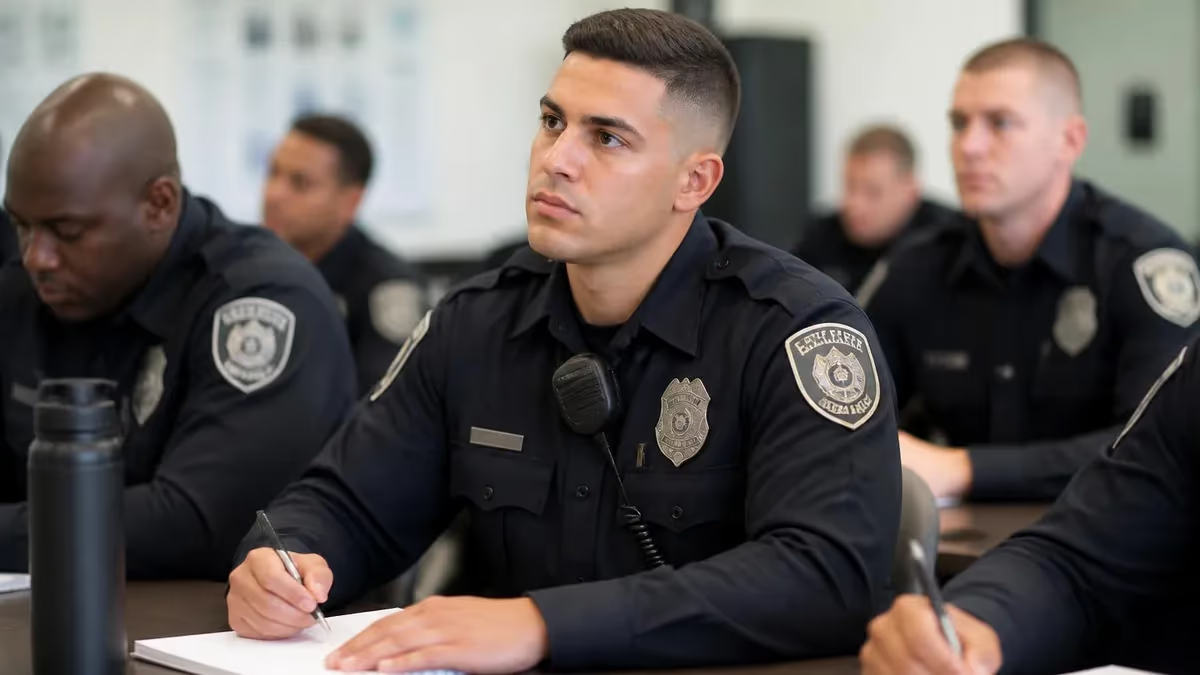
When people talk about law enforcement support, they rarely mention the men and women who work inside correctional facilities day after day. To truly support correctional officers, we need to understand the unique pressures they face — from managing volatile populations to navigating complex institutional hierarchies — and the resources available to help them thrive professionally and personally. Just as brands like collars and co have built communities around shared identities, COs deserve their own strong support networks.
Correctional officers in the United States work one of the most psychologically demanding jobs in public service. Unlike patrol officers who move through communities, COs are confined to a controlled environment for eight to twelve hours at a stretch, managing hundreds of incarcerated individuals with minimal backup in many facilities. The chronic stress, hypervigilance, and emotional labor involved take a measurable toll on physical and mental health over time, making structured support systems not just helpful but essential.
The correctional officer community has grown increasingly vocal about the need for better institutional support. Organizations, advocacy groups, and peer networks have emerged nationwide to address everything from officer wellness programs to legislative reform. Much like duluth trading co built its brand around the working-class identity of tradespeople, these emerging CO support structures honor the gritty, essential nature of correctional work while pushing for meaningful improvements in working conditions.
Financial wellness is another dimension of officer support that deserves attention. The average correctional officer earns between $45,000 and $75,000 annually depending on state and experience level, but compensation varies wildly. States like California and New York offer significantly higher pay and robust benefits, while rural facilities often struggle to retain officers. Understanding pay scales, union benefits, overtime rules, and pension structures is foundational to building long-term career stability in this field.
Mental health support for COs has improved dramatically over the past decade, partly due to advocacy from peer support groups and partly because facilities have begun to recognize the liability of ignoring officer burnout. Peer support teams — trained officers who help colleagues navigate crisis moments — operate in correctional systems across the country. These programs, similar in spirit to the community-building mission that drives organizations like ivy city co, create genuine bonds among officers navigating shared hardships.
Physical wellness is equally critical. Correctional work demands physical readiness — you may need to intervene in a fight, restrain a combative individual, or sprint across a yard with little warning. Facilities increasingly offer on-site fitness resources or wellness stipends, and national organizations publish fitness guidance tailored to shift workers. Building strength and cardiovascular fitness outside of work is one of the most direct ways officers can protect themselves and their colleagues during emergencies.
This guide compiles the most actionable support resources, career development tools, and wellness strategies available to correctional officers across the United States. Whether you are a new CO still in your first year or a veteran sergeant looking to mentor the next generation, you will find practical information here — from exam prep to burnout prevention — designed to help you build a long, healthy, and rewarding career in corrections.
Correctional Officer Support by the Numbers
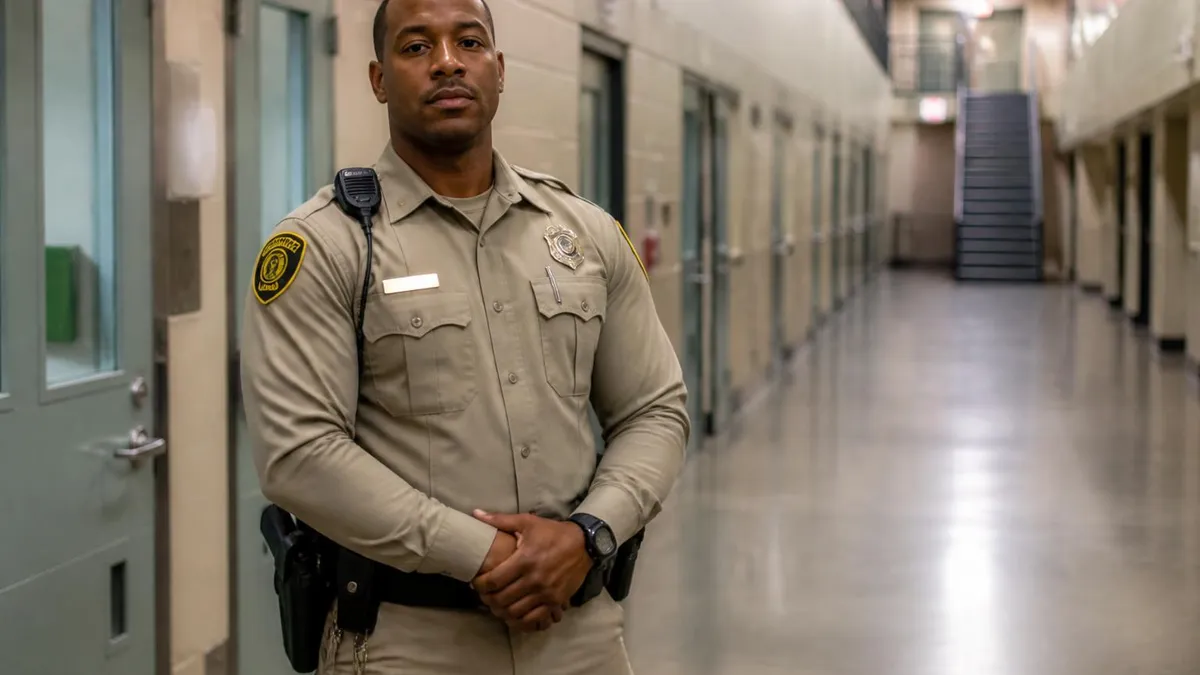
Key Support Resources for Correctional Officers
Most state correctional agencies offer EAPs that provide free, confidential counseling, financial advice, and legal consultation. These programs are underutilized but can be lifelines during personal or professional crises, offering up to six free therapy sessions per year.
Specially trained CO colleagues who provide first-response emotional support after critical incidents. Peer supporters are not mental health professionals but serve as trusted bridges between officers in distress and the formal care system, reducing stigma around help-seeking.
Unions like AFSCME and state-specific corrections unions negotiate contracts, defend officers in disciplinary proceedings, and lobby for better working conditions. Active union membership gives COs collective bargaining power and legal protection they cannot get individually.
Organizations such as the American Jail Association and the American Correctional Association offer professional development, credentialing, conferences, and legislative advocacy. Membership connects COs to a national community and career-advancing resources beyond their home facility.
Mental health remains the most urgent and least adequately addressed dimension of correctional officer support. Research consistently shows that COs experience rates of PTSD, depression, and anxiety comparable to combat veterans, yet the culture inside many facilities still treats help-seeking as a sign of weakness. Breaking that stigma requires systemic change — from leadership modeling vulnerability to building formal peer support infrastructure that normalizes mental health care as part of professional maintenance rather than crisis response.
The time in corrections accumulates in ways that are invisible from the outside. Officers absorb trauma passively — witnessing violence, managing mentally ill populations, hearing stories of abuse and suffering day after day. Vicarious trauma, sometimes called secondary traumatic stress, builds slowly and often goes unrecognized until an officer reaches a breaking point. Facilities that provide regular trauma-informed debriefings and mandatory wellness check-ins catch these warning signs earlier and retain experienced staff longer as a result.
Sleep disruption is among the most underappreciated health threats in corrections. Rotating shifts — common in facilities that operate around the clock — interfere with circadian rhythms, impair cognitive function, and increase the risk of metabolic disorders over time. Officers who work nights for extended periods report higher rates of weight gain, cardiovascular problems, and mood disorders. Facilities in places like Glenwood Springs, CO and other rural areas often have fewer officers available, forcing more frequent shift rotations that compound these risks.
Substance use disorders disproportionately affect first responders, and COs are not exempt. The combination of chronic stress, irregular sleep, and a culture that prizes toughness creates conditions where alcohol use in particular can escalate into dependence without the officer recognizing the pattern. Confidential substance use support — separate from disciplinary channels — is essential. Officers need to know they can seek help without automatically jeopardizing their careers, a distinction that many EAP programs now explicitly guarantee.
Family support is a dimension that facilities rarely address but that significantly affects officer retention and wellness. The demands of shift work, mandatory overtime, and the emotional weight COs bring home create substantial strain on relationships. Spouses and partners of COs report high rates of secondary stress, relationship conflict, and social isolation. Facilities that offer family support groups, couples counseling access through EAPs, and family education about the CO lifestyle see better outcomes for both officers and their households.
Nutrition and physical recovery matter as much as fitness training. Officers who work long shifts in high-stress environments are vulnerable to poor dietary habits — vending machine meals, fast food on the drive home, skipped meals during busy shifts. Facility wellness programs that provide healthy food options, nutrition education, and cooking resources for shift workers help officers maintain the energy and cognitive sharpness their jobs demand. Some progressive facilities have even begun offering meal prep workshops for officers and their families.
The bottom line on CO mental health support is that it requires a multi-layered approach: individual tools like therapy and mindfulness practices, peer support structures that reduce stigma, institutional policies that protect officers who seek help, and cultural change that redefines strength as the courage to ask for assistance. These layers reinforce each other, and facilities that invest in all of them see measurable reductions in turnover, use-of-force incidents, and sick day utilization.
Career Development: Time in CO Service
The first three years in corrections are the most critical — and the most dangerous — for officer retention. New COs face a steep learning curve: understanding facility culture, building rapport with incarcerated individuals, mastering use-of-force protocols, and navigating the social dynamics among staff. Mentorship from a veteran officer during this period dramatically improves retention. Facilities that assign formal field training officers (FTOs) to new hires see significantly lower first-year attrition than those that rely on informal on-the-job learning alone.
During this foundation period, officers should also begin documenting their training hours and certifications carefully. Whether you are in a state system like sourdough and co style cooperative structures or a large federal institution, these early credentials matter when promotion opportunities arise. Pursuing additional certifications in crisis intervention, mental health first aid, or de-escalation during your first three years signals ambition and initiative to supervisors, and positions you competitively when sergeant openings emerge.
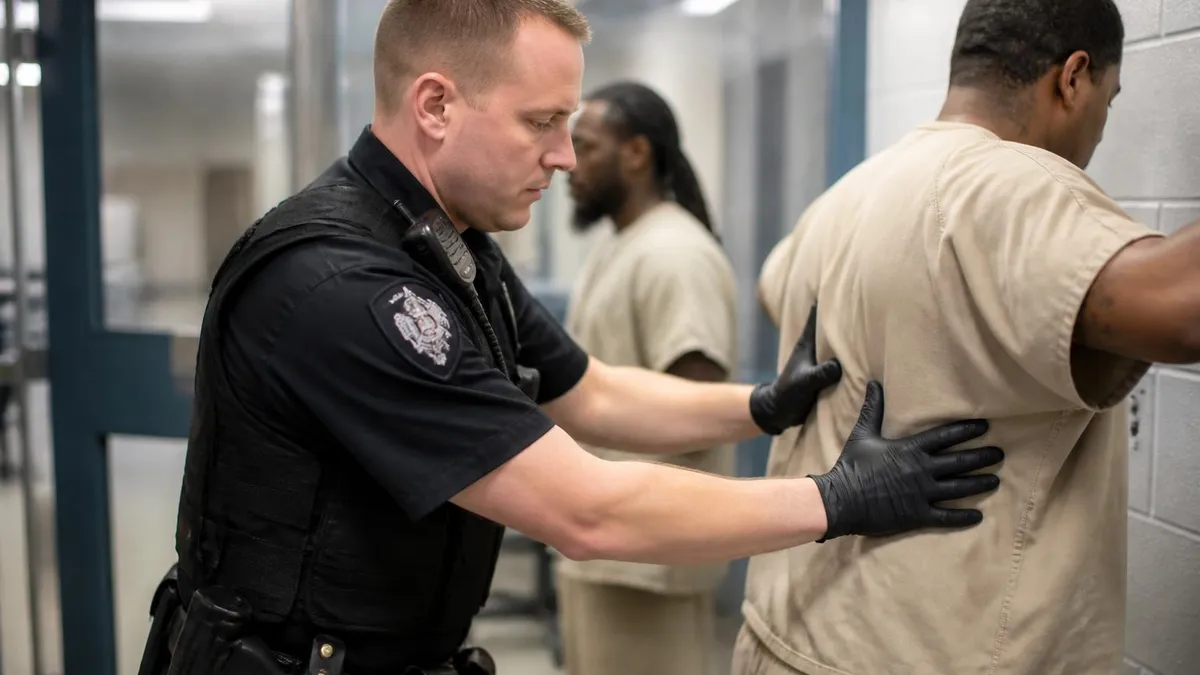
Is a Correctional Officer Career Worth It? Honest Assessment
- +Stable government employment with recession-resistant job security
- +Strong pension and retirement benefits in most state systems
- +Comprehensive health insurance for officer and family
- +Clear promotion pathways with structured rank advancement
- +Meaningful public safety work with tangible community impact
- +Opportunities for overtime pay that significantly boosts annual income
- −High psychological stress and elevated PTSD risk over career
- −Rotating shift work disrupts sleep, health, and family life
- −Exposure to violence and traumatic events as a routine occupational hazard
- −Physical injury risk remains elevated compared to most professions
- −Mandatory overtime common due to systemic understaffing at many facilities
- −Cultural stigma around mental health help-seeking still present in many departments
Correctional Officer Wellness & Support Action Checklist
- ✓Register with your facility's Employee Assistance Program and save the confidential hotline number.
- ✓Identify a peer support officer at your facility and introduce yourself before you need help.
- ✓Join your facility's union and attend at least one meeting per quarter to stay informed.
- ✓Schedule an annual physical examination — corrections work accelerates cardiovascular risk.
- ✓Establish a consistent sleep routine even during rotating shift periods using blackout curtains and a schedule.
- ✓Complete a crisis intervention training (CIT) certification if your facility offers it.
- ✓Document all training hours, certifications, and commendations in a personal career file.
- ✓Connect with a national correctional officers association for professional development resources.
- ✓Create a financial plan that includes your pension vesting timeline and retirement projections.
- ✓Build a decompression ritual for after shifts — exercise, journaling, or brief mindfulness practice.
Peer Support Works — But Only If Officers Use It
Studies show that correctional facilities with active peer support teams reduce officer sick day usage by up to 22% and see measurable declines in use-of-force incidents. The barrier is not availability but stigma — officers who normalize talking to peers early in their careers are far more likely to seek help before reaching crisis, making peer engagement the single highest-return wellness investment a CO can make.
Community and peer networks are the backbone of correctional officer support in ways that formal institutional programs simply cannot replicate. The bond between officers who have stood post together, managed crises side by side, and spent thousands of hours in the same controlled environment creates a form of trust that outsiders rarely understand. Nurturing these informal networks — through shift gatherings, informal mentorship, and organized officer associations — is one of the most powerful things a facility can do to retain experienced staff.
Online communities have expanded the reach of CO peer networks dramatically. Forums, Facebook groups, Reddit communities, and dedicated apps connect officers across state lines, allowing them to share experiences, ask questions, and access resources that might not exist in their home facilities. Officers working in isolated rural facilities — perhaps in small towns similar to the close-knit communities around rifle paper co's hometown of Oxford, Ohio — particularly benefit from these digital spaces, which reduce the isolation that can accelerate burnout.
Mentorship programs within facilities deserve more formal investment than most agencies currently provide. Matching new officers with experienced mentors — not just for tactical training but for navigating the cultural and psychological demands of the job — pays dividends in both retention and performance. The best mentors teach new COs how to decompress after difficult shifts, how to set emotional boundaries while remaining empathetic, and how to recognize when a colleague is struggling and needs support rather than judgment.
State and national correctional associations host annual conferences that serve as powerful community-building events. These gatherings bring together frontline officers, supervisors, administrators, and policy advocates to share best practices, hear from subject matter experts, and advocate collectively for better working conditions. Officers who attend these conferences consistently report feeling more connected to a larger professional community and more motivated in their day-to-day work, a finding that mirrors the community-commerce model behind brands like ivy city co and their loyal customer networks.
Family integration into CO support networks is a growing area of focus. Some facilities have begun hosting family orientation events that help spouses and children understand what correctional work involves — not the graphic details, but the emotional patterns, the schedule demands, and the ways the job can affect an officer's home behavior. Families who understand the occupational context of a CO's stress are better equipped to provide effective support at home, reducing relationship strain and improving officer stability outside of work.
Legislative advocacy is another form of community support that directly affects CO welfare. When officers organize collectively — through unions, professional associations, or community coalitions — they gain the political voice needed to push for better staffing ratios, higher pay, improved benefits, and stronger worker safety protections. States where corrections unions are most active tend to have higher CO salaries, better mental health benefits, and more robust worker compensation protections for job-related injuries and illnesses, demonstrating the tangible value of organized community action.
The correctional officer community also benefits from external allies — researchers, advocates, journalists, and policymakers who shine a light on CO welfare issues. Organizations working at the intersection of criminal justice reform and officer wellness argue compellingly that healthy, well-supported officers produce better outcomes for everyone inside correctional facilities, including incarcerated individuals. Building bridges between CO advocacy and broader criminal justice conversations creates more sustainable, politically durable support for officer welfare than isolated advocacy alone can achieve.
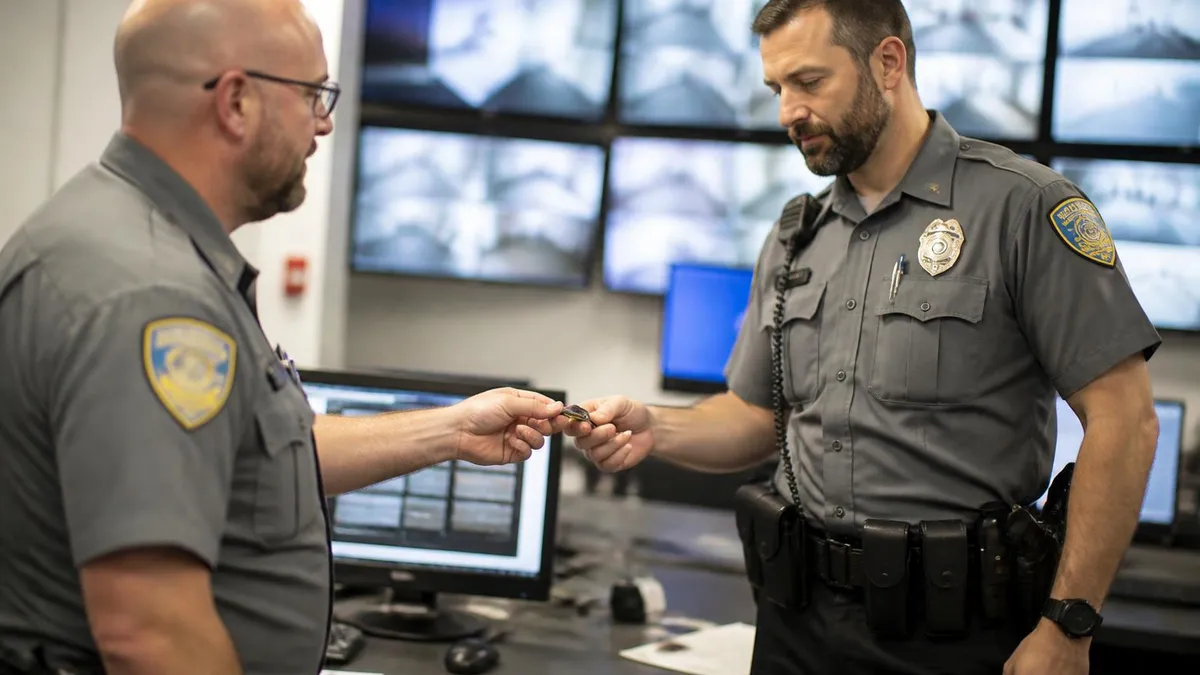
Chronic irritability at work or home, emotional numbness after traumatic incidents, increasing use of alcohol to decompress, persistent difficulty sleeping even on days off, and a sense that your work is meaningless are all early warning signs of burnout or PTSD. Do not wait until these symptoms become severe — contact your EAP or peer support officer at the first sign. Early intervention is far more effective than crisis treatment and will not automatically affect your employment status.
Career advancement in corrections is a structured process that rewards preparation and persistence. Unlike some fields where advancement depends heavily on subjective evaluation, CO promotions to sergeant, lieutenant, captain, and beyond typically involve written examinations, practical assessments, and formal interview panels. This means that officers who invest time in studying promotion materials, understanding facility policies, and developing their leadership communication skills have a genuine, measurable advantage over less-prepared competitors. The work you put in before a promotion exam directly determines your score and your rank on the eligibility list.
Specialty assignments represent an often-overlooked pathway for career development and job satisfaction within corrections. Classification officers, programs officers, K-9 handlers, crisis negotiators, and intelligence officers all fill roles that draw on specific skills and offer different daily experiences than floor supervision. Many of these assignments come with pay differentials and provide valuable resume material for future promotions. Exploring specialty assignments during your mid-career years diversifies your experience and reduces the monotony that contributes to burnout on standard posts.
Educational advancement is increasingly valued in corrections management. While a high school diploma or GED remains the minimum requirement for entry-level CO positions, officers pursuing associate's or bachelor's degrees in criminal justice, psychology, or public administration position themselves strongly for promotion into administrative and leadership roles. Many states offer tuition reimbursement programs for corrections employees, making higher education financially accessible for officers willing to invest the time. Some agencies actively fast-track officers with college degrees to supervisory positions.
Federal corrections offers a distinct career pathway worth serious consideration. The Federal Bureau of Prisons (BOP) employs thousands of officers across dozens of institutions nationwide, offering pay scales that typically exceed state counterparts, along with the Federal Employees Retirement System (FERS) pension — one of the most generous public retirement packages available. The application and hiring process for federal positions is more rigorous, but officers with two or more years of state experience generally find the transition manageable and the long-term compensation significantly superior.
Credentialing through professional organizations adds demonstrable value to a CO's career profile. The American Correctional Association offers the Certified Correctional Officer (CCO) designation, while the American Jail Association provides the Certified Jail Officer (CJO) credential. These certifications require meeting experience and training benchmarks, but they signal professional commitment in a field where formal credentialing remains relatively uncommon — making certified officers stand out noticeably on promotion eligibility lists and hiring applications at other facilities.
Networking across agencies and facilities is a career-building strategy that many COs underutilize. Attending training sessions, regional conferences, and professional association events puts officers in contact with peers, supervisors, and administrators from other systems who can provide perspective on different approaches to corrections work, alert officers to job openings, and serve as professional references. The correctional community is smaller than it appears, and a strong professional reputation built through consistent performance and active networking can open doors that pure seniority cannot.
For officers considering how to advance while also maintaining wellness, the key insight is that these two goals are complementary, not competing. Officers who are physically fit, emotionally stable, and professionally engaged tend to perform better on promotion exams, score higher in interview panels, and get stronger performance evaluations from supervisors. Investing in your own wellness is not a distraction from career advancement — it is one of the most direct investments you can make in your professional future as a correctional officer.
Practical, day-to-day habits separate officers who thrive over a 20-year career from those who burn out in five. The most important habit is decompression — a deliberate transition ritual between work mode and home mode. Whether it is a 20-minute drive with specific music, a brief workout before going inside, or a few minutes of intentional breathing in the parking lot before entering your home, building a psychological airlock between your professional identity and your personal life dramatically reduces the amount of job stress that bleeds into family time and sleep quality.
Physical fitness is non-negotiable for career longevity in corrections. Officers who maintain cardiovascular fitness and functional strength throughout their careers suffer fewer on-the-job injuries, recover faster when injuries do occur, and report significantly better mental health outcomes than sedentary colleagues. You do not need an elaborate gym routine — three to four sessions per week of moderate-intensity cardio and basic strength training are sufficient to maintain the fitness levels corrections work demands. Many facilities offer fitness facilities on-site, and some provide financial incentives for officers who document regular training.
Financial planning deserves as much attention as physical fitness. Understanding your pension vesting schedule, calculating projected retirement benefits under different scenarios, and building personal savings beyond your pension creates financial resilience that reduces work-related stress considerably. Officers who know they are on track financially feel less trapped in difficult working conditions, which paradoxically makes them more effective and more likely to stay in the profession. Consider consulting a financial advisor familiar with public safety employees — the tax treatment of pension income and disability benefits involves nuances that generic financial advice often misses.
Documentation habits protect your career in ways that become apparent only in retrospect. Maintaining accurate, detailed incident reports; keeping personal copies of use-of-force reports; documenting injuries immediately; and saving emails or communications related to significant workplace events creates a record that can be invaluable if you face a disciplinary inquiry, worker compensation dispute, or promotional challenge. Your union representative can advise on what to document and how, and their guidance is worth seeking before you need it rather than after an incident has already occurred.
Continuing education does not have to mean formal degree programs. Short online courses in trauma-informed care, motivational interviewing, mental health first aid, and de-escalation techniques are widely available and often free or low-cost through state corrections training academies or national associations. Completing two or three of these annually keeps your skills current, demonstrates professional initiative, and directly improves your daily effectiveness in managing complex populations with fewer conflicts and better outcomes for everyone involved.
Building authentic relationships with a small number of trusted colleagues inside your facility is perhaps the single most protective factor against the psychological hazards of corrections work. These are the people you can talk honestly with about the difficult moments of the job, who will notice if you are not acting like yourself, and who will step up if you need backup — on the floor and off it.
Investing in these relationships, checking in on colleagues after difficult incidents, and being the kind of officer others can rely on creates the reciprocal safety net that the institutional support system alone cannot provide.
Finally, remember that seeking support is a demonstration of professional competence, not weakness. The most effective correctional officers are self-aware professionals who understand their own stress responses, maintain their physical and mental health proactively, and know when to ask for help. The same commitment to preparation that drives officers to study for promotion exams, train physically, and pursue professional development should extend to their inner lives — because an officer who is well-supported is an officer who is safe, effective, and capable of doing this essential work for the long haul.
CO Questions and Answers
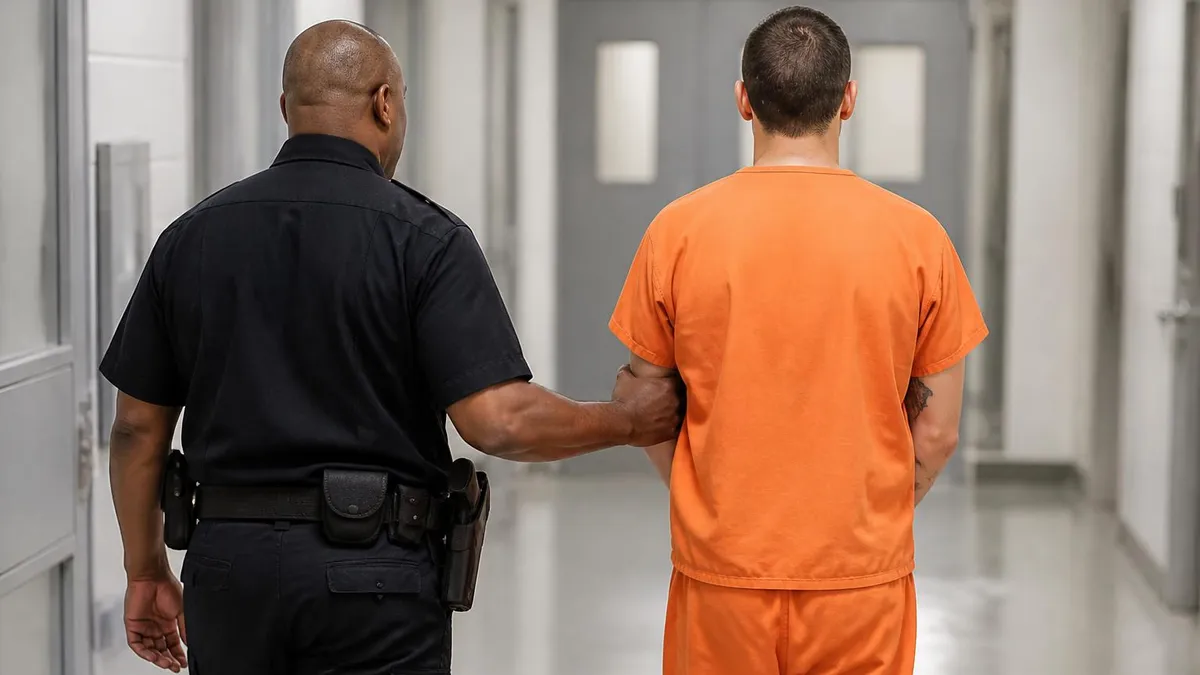
Correctional Officer Ranks: Complete Guide to CO Hierarchy, Insignia & Promotion Paths 2026

Correctional Officer Physical Test: Complete Training Guide & Requirements 2026
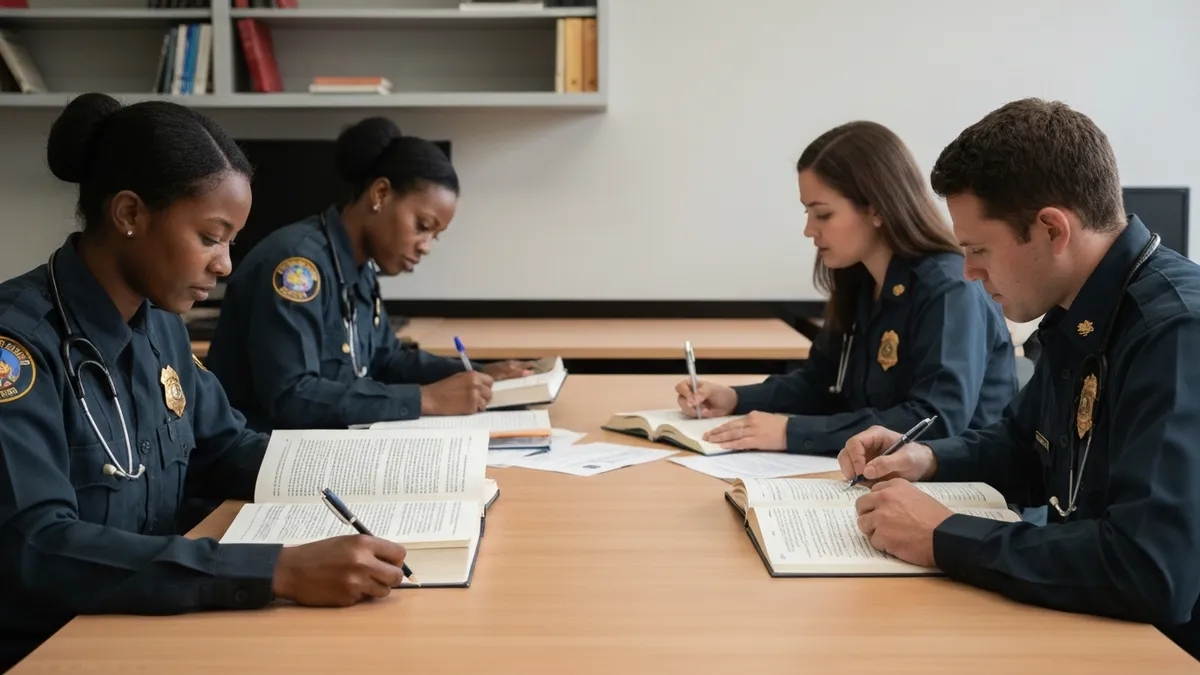
Colorado Correctional Officer — Corrections Career Guide 2026
Correctional Officer Practice Test PDF 2026

How to Pass the Correctional Officer Exam — Study Tips & Physical Test Prep
About the Author

Educational Psychologist & Academic Test Preparation Expert
Columbia University Teachers CollegeDr. Lisa Patel holds a Doctorate in Education from Columbia University Teachers College and has spent 17 years researching standardized test design and academic assessment. She has developed preparation programs for SAT, ACT, GRE, LSAT, UCAT, and numerous professional licensing exams, helping students of all backgrounds achieve their target scores.
Join the Discussion
Connect with other students preparing for this exam. Share tips, ask questions, and get advice from people who have been there.
View discussion (9 replies)