
CMA Training Program: Your Complete Guide to Becoming a Certified Medical Assistant in 2026 September
Explore CMA training program options, certified medical assistant salary data, ✍🏼 classes, certification requirements, and career paths for 2026 September.

A certified medical assistant program provides the foundational education and hands-on clinical training you need to launch a rewarding career in healthcare. Whether you are a recent high school graduate exploring your first professional path or a career changer seeking a stable and meaningful role in medicine, choosing the right CMA training program is the single most important decision you will make on this journey. The demand for certified medical assistants continues to grow rapidly across the country, making this an ideal time to invest in your education and professional future.
Understanding what a CMA training program involves helps you set realistic expectations for the time, money, and effort required to complete your certification. Most programs combine classroom instruction with supervised clinical externships, covering everything from patient intake procedures and vital signs measurement to medical billing, coding, and administrative office management. Graduates emerge prepared to sit for the CMA certification exam administered by the American Association of Medical Assistants, which remains the gold standard credential recognized by healthcare employers across the United States.
The certified medical assistant salary has been steadily climbing over the past several years, with the Bureau of Labor Statistics reporting a median annual wage of approximately $42,000 as of the most recent data cycle. Top earners working in specialized outpatient care centers or surgical practices regularly exceed $50,000 per year. These figures make the certified medical assistant program one of the most cost-effective healthcare education investments available, especially when you consider that most programs take just nine to twenty-four months to complete from enrollment to graduation.
Accreditation plays a critical role in choosing the right CMA training program for your career goals. Programs accredited by the Commission on Accreditation of Allied Health Education Programs or the Accrediting Bureau of Health Education Schools meet rigorous educational standards that employers recognize and trust nationwide. Attending an accredited program also ensures your eligibility to sit for the CMA exam through the AAMA, which many healthcare employers require as a mandatory condition of employment. Always verify accreditation status carefully before enrolling in any program you are considering.
The flexibility of modern CMA training programs has expanded significantly over the past decade, giving prospective students more options than ever before. You can now find choices ranging from traditional in-person programs at community colleges and vocational schools to hybrid formats that combine convenient online coursework with required in-person clinical rotations at partnered healthcare facilities. Some programs offer evening and weekend schedules specifically designed for working adults who cannot attend during traditional daytime hours, meaning virtually anyone with sufficient motivation can find a format that fits their circumstances.
Throughout this comprehensive guide, we will walk you through every aspect of selecting, completing, and succeeding in a certified medical assistant program. You will learn about specific curriculum requirements, clinical training expectations, program costs and financial aid options, certification exam preparation strategies, and the diverse career opportunities that await you after graduation. We also cover the important differences between clinical and administrative medical assistant roles, detailed salary expectations across different practice settings, and actionable tips for maximizing your return on educational investment.
Whether you are actively comparing programs in your area, trying to understand the difference between earning a certificate versus an associate degree, or simply exploring whether a CMA career is the right fit for you, this resource provides all the answers you need. The healthcare industry needs qualified medical assistants now more than ever before, and a well-chosen training program is your gateway to a rewarding, stable, and fulfilling professional future in the world of medicine.
CMA Training Program by the Numbers

How to Complete a CMA Training Program
Research Accredited Programs
Complete Prerequisites and Enroll
Complete Classroom Coursework
Finish Your Clinical Externship
Pass the CMA Certification Exam
Launch Your Healthcare Career
The curriculum within a certified medical assistant program is carefully designed to prepare you for both the clinical and administrative sides of modern healthcare practice. During your first semester, most programs focus heavily on foundational sciences including anatomy, physiology, and medical terminology. These essential courses build the knowledge base you need to understand patient conditions, communicate effectively with physicians and nurses, and accurately document clinical findings in medical records. A solid grasp of these fundamentals is absolutely essential for everything that follows in your training experience.
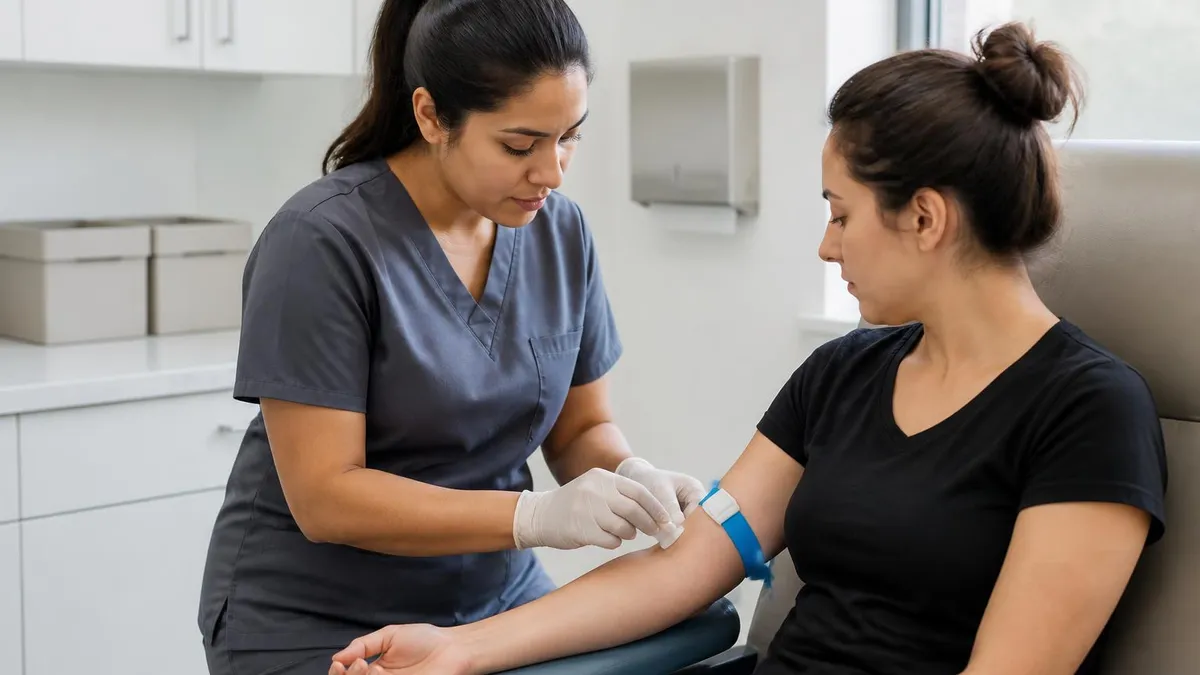
Clinical coursework forms the backbone of any quality CMA training program and distinguishes it from purely administrative medical education. You will learn to measure and record vital signs, administer injections through various routes, perform venipuncture and capillary puncture for blood collection, conduct electrocardiograms, assist physicians with minor surgical procedures, and properly sterilize medical instruments between patient encounters. These hands-on skills are typically practiced first in a simulated laboratory environment before you transition to real patient interactions during your clinical externship at a healthcare facility.
The administrative component of your training covers medical billing and coding using current ICD-10-CM and CPT code sets, insurance verification and claims processing, appointment scheduling, electronic health records management, and comprehensive front office operations. Understanding certified medical assistant income potential requires appreciating just how valuable these dual clinical and administrative skills make you to employers. Medical offices increasingly need versatile staff members who can move seamlessly between the front desk and the exam room, and CMA graduates with comprehensive training consistently command higher starting salaries than single-skilled counterparts.
Pharmacology is another critical subject area covered extensively in most CMA training programs across the country. You will study drug classifications, various routes of administration, dosage calculations, common side effects and adverse reactions, and patient education techniques related to medication management. While medical assistants do not prescribe medications independently, they frequently prepare and administer them under direct physician supervision. A thorough understanding of pharmacology helps you identify potential drug interactions, recognize adverse reactions quickly, and provide patients with accurate information about their prescribed treatments.
Your clinical externship represents the culmination of all your classroom training and typically accounts for 160 to 240 hours of supervised practice in a real healthcare setting. During this hands-on rotation, you will work alongside physicians, nurses, and experienced medical assistants in clinics, hospitals, or specialty practices throughout your community. The externship gives you invaluable real-world experience, helps you build professional references that strengthen your resume, and frequently leads directly to employment offers from the hosting facility. Many employers specifically recruit from their pool of externship students who demonstrate strong performance.
Classes for certified medical assistant training also address professional development topics that healthcare employers value very highly in their hiring decisions. Communication skills, medical ethics, HIPAA compliance training, infection control procedures, and cultural competency education are standard curriculum components in accredited programs. These essential soft skills complement your technical training and prepare you for the interpersonal challenges of working directly with patients from diverse backgrounds and varying health literacy levels. Programs that integrate professional development modules throughout the curriculum tend to produce the most well-rounded and employable graduates overall.
Laboratory procedures including urinalysis, hematology basics, specimen collection protocols, and proper handling techniques round out the typical CMA curriculum comprehensively. You will learn correct specimen labeling procedures, chain of custody protocols for forensic specimens, quality control measures for diagnostic testing, and safety procedures for handling potentially infectious biological materials. These valuable laboratory skills expand your employment options well beyond traditional physician offices into hospital laboratories, urgent care facilities, and outpatient diagnostic centers where specimen processing is a daily responsibility for medical assistant staff members.

CMA Practice Test Questions
Prepare for the Certified Medical Assistant Exam exam with our free practice test modules. Each quiz covers key topics to help you pass on your first try.
CMA Certified Medical Assistant Administra...
CMA Exam Questions covering Certified Medical Assistant Administrative Office Procedures. Master CMA Test concepts for certification prep.
CMA Certified Medical Assistant Clinical P...
Free CMA Practice Test featuring Certified Medical Assistant Clinical Procedures and Specimen Handling. Improve your CMA Exam score with mock test prep.
CMA Certified Medical Assistant Infection ...
CMA Mock Exam on Certified Medical Assistant Infection Control and Safety. CMA Study Guide questions to pass on your first try.
CMA Certified Medical Assistant Medical Bi...
CMA Test Prep for Certified Medical Assistant Medical Billing and Coding. Practice CMA Quiz questions and boost your score.
CMA Certified Medical Assistant Medical La...
CMA Questions and Answers on Certified Medical Assistant Medical Law and Ethics. Free CMA practice for exam readiness.
CMA Certified Medical Assistant Pharmacolo...
CMA Mock Test covering Certified Medical Assistant Pharmacology for Medical Assistants. Online CMA Test practice with instant feedback.
CMA Certified Medical Assistant Diagnostic...
Free CMA Quiz on Certified Medical Assistant Diagnostic Testing and Laboratory Procedures. CMA Exam prep questions with detailed explanations.
CMA Certified Medical Assistant Diagnostic...
CMA Practice Questions for Certified Medical Assistant Diagnostic Testing and Laboratory Procedures Questions and Answers. Build confidence for your CMA certification exam.
CMA Certified Medical Assistant Patient Co...
CMA Test Online for Certified Medical Assistant Patient Communication and Education. Free practice with instant results and feedback.
CMA Certified Medical Assistant Patient Co...
CMA Study Material on Certified Medical Assistant Patient Communication and Education Questions and Answers. Prepare effectively with real exam-style questions.
CMA Certified Medical Assistant Anatomy an...
Free CMA Test covering Certified Medical Assistant Anatomy and Physiology. Practice and track your CMA exam readiness.
CMA Certified Medical Assistant Knowledge
CMA Exam Questions covering Certified Medical Assistant Knowledge. Master CMA Test concepts for certification prep.
CMA Certified Medical Assistant MCQ
Free CMA Practice Test featuring Certified Medical Assistant MCQ. Improve your CMA Exam score with mock test prep.
CMA Certified Medical Assistant Medical Pr...
CMA Mock Exam on Certified Medical Assistant Medical Procedures and Techniques. CMA Study Guide questions to pass on your first try.
Classes for Certified Medical Assistant Programs
Certificate programs are the fastest route to becoming a certified medical assistant, typically requiring nine to twelve months of full-time study at a community college or vocational school. These focused programs concentrate exclusively on medical assisting coursework without the general education requirements found in degree programs. Tuition generally ranges from $1,200 to $5,000 at public community colleges, making certificates the most affordable option for students seeking quick entry into the healthcare workforce with a recognized credential that satisfies CMA exam eligibility requirements established by the AAMA.
The primary advantage of certificate programs is their accelerated timeline, which allows you to enter the workforce and begin earning a competitive certified medical assistant salary sooner than degree-track students. However, certificate holders may face limitations when pursuing future advancement into supervisory or management positions that increasingly require an associate degree or higher. If your goal is to begin working quickly and you plan to continue your education part-time while employed, a certificate program provides an excellent foundation that transfers toward a degree at many accredited community colleges and four-year institutions nationwide.
Certified vs Non-Certified Medical Assistant Careers
- +Certified CMAs earn 15-20% higher salaries than non-certified medical assistants on average
- +CMA credential opens doors to specialty practices in dermatology, cardiology, and orthopedics
- +Certification demonstrates verified competence that employers trust and prefer during hiring
- +Greater eligibility for supervisory roles, team lead positions, and office management advancement
- +Access to professional development resources through AAMA membership and continuing education
- +Stronger job security during economic downturns as employers retain credentialed staff first
- −CMA programs require 9-24 months of education before you can begin working full-time
- −Tuition and exam fees can range from $1,200 to $25,000 depending on program type selected
- −Certification requires 60 recertification points every five years to maintain your active credential
- −Clinical externship hours are unpaid and may conflict with current employment schedules
- −Accredited programs may have limited availability in rural areas requiring relocation or commuting
- −Exam preparation requires additional study time of 8-12 weeks beyond classroom coursework completion

Certified Medical Assistant Program Enrollment Checklist
- ✓Verify the program holds current CAAHEP or ABHES accreditation before submitting your application.
- ✓Confirm you meet all admission prerequisites including high school diploma or GED equivalency.
- ✓Complete required immunizations and provide documentation including MMR, hepatitis B, and flu vaccines.
- ✓Submit to a criminal background check and drug screening as required by clinical externship sites.
- ✓Complete the FAFSA application to determine your eligibility for federal financial aid and grants.
- ✓Request and compare tuition breakdowns from at least three accredited programs in your region.
- ✓Review the program's published CMA exam pass rate and graduate job placement statistics carefully.
- ✓Confirm the clinical externship schedule is compatible with your current work and family obligations.
- ✓Purchase required textbooks, scrubs, clinical supplies, and any technology equipment before classes begin.
- ✓Set up a dedicated study space and establish a consistent weekly study schedule for academic success.
Accreditation Is Non-Negotiable
Only graduates of CAAHEP or ABHES accredited programs are eligible to sit for the CMA exam through the AAMA. Programs without proper accreditation may cost less or promise faster completion, but their graduates cannot earn the CMA credential that employers increasingly require. Always verify accreditation status directly through the CAAHEP or ABHES websites before investing your time and money in any certified medical assistant program.
The career outlook for certified medical assistants remains exceptionally strong heading into 2026 and well beyond. The Bureau of Labor Statistics projects a 14 percent growth rate for medical assistant positions through 2032, which is significantly faster than the average growth rate for all occupations across the economy.
This robust projection translates to approximately 119,000 new certified medical assistant jobs expected to be created over that period. An aging population requiring more preventive care services, expanded health insurance coverage under the Affordable Care Act, and the ongoing nationwide shift toward outpatient care settings are all driving this sustained and growing demand.
Your employment setting has a significant impact on both your daily responsibilities and your overall earning potential as a certified medical assistant. Medical assistants working in outpatient care centers typically earn more than those employed in traditional physician offices, with specialty practices in dermatology, orthopedics, and cardiology often paying premium hourly rates for experienced CMAs who bring specialized clinical knowledge. Hospital-based positions generally offer higher base hourly wages plus comprehensive benefits packages that include employer-matched retirement contributions, tuition reimbursement programs, and generous paid time off accrual. Geographic location also plays a major role in compensation levels throughout the country.
Many program graduates wonder about non certified medical assistant jobs and whether investing in formal certification is truly necessary for employment. While it is certainly possible to find entry-level medical assistant positions without holding a certification credential, the reality is that certified professionals earn approximately 15 to 20 percent more than their non-certified counterparts performing similar duties. Certification also opens important doors to supervisory roles, specialty practice positions, and meaningful advancement opportunities that typically remain closed to uncertified workers. Employers increasingly view the CMA credential as a baseline hiring requirement rather than merely a preferred qualification.
Specialty certifications can further boost your earning potential and accelerate your career trajectory after completing your initial CMA training program successfully. The AAMA offers additional specialty credentials in areas like podiatry, optometry, and ophthalmology assisting that demonstrate advanced clinical competency to employers. Other professional organizations provide certifications in phlebotomy, EKG technology, and medical coding that complement your base CMA credential effectively. Strategically stacking these additional certifications on top of your foundational CMA credential can increase your annual income by $5,000 to $10,000 or more depending on your local job market.
Career advancement pathways for certified medical assistants extend well beyond the exam room into leadership and management positions. Experienced CMAs frequently transition into clinical office manager positions, medical billing department supervisor roles, electronic health records implementation specialist positions, and full practice administrator roles overseeing entire medical offices. Some ambitious professionals use their CMA experience as a springboard into nursing programs, physician assistant studies, or health information management degree programs. The extensive clinical exposure and direct patient care experience you gain as a medical assistant provides invaluable foundational knowledge for virtually any advanced healthcare career path available.
The job search process for certified medical assistant positions has evolved significantly with the growth of healthcare staffing platforms, specialty job boards, and professional networking sites. Websites dedicated specifically to allied health professionals, hospital career portals, and state medical association job boards are all excellent resources for finding quality positions in your preferred practice setting and geographic area. Many CMA training programs maintain active relationships with local healthcare employers and offer dedicated job placement assistance to their graduates. Building your professional network during your clinical externship also dramatically improves your employment outcomes upon graduation.
Remote and hybrid positions represent an exciting emerging opportunity for certified medical assistants who possess strong administrative and technology skills. Telehealth support coordination, medical records management, insurance verification, prior authorization processing, and patient scheduling roles increasingly allow partial or fully remote work arrangements. While clinical duties obviously require physical presence in a healthcare facility, the administrative component of the CMA skill set translates exceptionally well to remote work environments. Pursuing additional training in telehealth platforms and remote patient monitoring technologies can position you for these increasingly popular flexible work arrangements that offer improved work-life balance.
You must apply for the CMA exam within 12 months of completing your accredited medical assistant program. If you miss this window, you will need to complete additional continuing education hours or retake program coursework to restore your eligibility. Plan your exam registration and study schedule before graduation to ensure you meet all AAMA deadlines and do not risk losing your exam eligibility status.
Preparing for the CMA certification exam requires a strategic and disciplined approach that goes well beyond simply reviewing your classroom notes from your training program. The exam administered by the AAMA consists of 200 multiple-choice questions covering three major content domains: general medical knowledge, administrative procedures, and clinical procedures. Understanding how to become a certified medical assistant means recognizing that passing this comprehensive exam is the final critical step after completing an accredited training program. Your preparation strategy should begin at least eight to twelve weeks before your scheduled exam date for optimal results.
A practice test for certified medical assistant exam preparation is one of the most effective and proven study tools available to candidates. Practice exams expose you to the actual question format used on the CMA exam, test your knowledge comprehensively across all content domains, and help you identify specific weak areas that need additional focused study time before test day.
Research consistently shows that students who complete multiple full-length practice tests score significantly higher on the actual certification exam than those who rely solely on textbook review and note reading. Aim to complete at least three to five complete practice exams during your preparation period.
Creating a structured study schedule is absolutely essential for comprehensive and effective CMA exam preparation. Divide the extensive exam content into manageable weekly study segments, starting with your weakest subject areas and progressively moving to your strongest topics as your test date approaches. Dedicate specific blocks of time each day to focused studying, and include regular scheduled review sessions to reinforce previously covered material and prevent forgetting. The spaced repetition technique, where you review information at gradually increasing intervals, has been scientifically proven to significantly improve long-term retention of medical terminology and clinical concepts.
The general medical knowledge section of the CMA exam covers anatomy, physiology, medical terminology, pathophysiology, pharmacology, nutrition, psychology, and professional communication. This exceptionally broad content area requires the widest range of preparation effort and often represents the section where candidates struggle most significantly. Focus your study efforts on understanding underlying physiological concepts rather than attempting to memorize isolated facts without context. When you genuinely understand why a medical condition causes specific symptoms or why a particular drug class works through a specific biochemical mechanism, you can reason through unfamiliar questions confidently.
Administrative content on the CMA exam includes medical law and ethics, health insurance and billing procedures, coding systems including ICD-10-CM and CPT, office management principles, and health information management practices. The certified medical administrative assistant skill set overlaps considerably with this important exam section. Familiarize yourself thoroughly with current HIPAA regulations, proper medical record documentation standards, appointment scheduling protocols, and financial management procedures used in healthcare settings. Pay particular attention to medical ethics scenarios, as these critical thinking questions appear frequently and require you to apply ethical principles to realistic workplace situations.
Clinical content represents the largest single portion of the CMA exam and comprehensively covers infection control, vital signs measurement, specimen collection and processing, diagnostic testing procedures, direct patient care, nutrition counseling, first aid, and emergency preparedness protocols. This section tests both your theoretical knowledge and your practical understanding of proper clinical procedures in healthcare settings. Review the detailed step-by-step protocols for common clinical procedures like venipuncture, various injection routes, and EKG administration, paying close attention to safety precautions, correct patient positioning, and complete documentation requirements for each procedure you perform.
Effective test-taking strategies can significantly impact your final exam score even when your content knowledge level remains constant. Read every question stem completely and carefully before looking at the available answer choices, and watch specifically for qualifier words like always, never, most likely, and except that fundamentally change the meaning and correct answer of the question. Eliminate obviously incorrect answer options first to systematically improve your odds on questions where you feel uncertain about the best answer. Time management throughout the exam is critical since you have a limited window to complete all questions in each section.
Selecting the right CMA training program requires careful and thorough evaluation of several key factors that extend well beyond just comparing tuition costs and campus locations. Start by verifying that every program you seriously consider holds current accreditation from either CAAHEP or ABHES, as this accreditation status directly affects your eligibility to sit for the CMA certification exam after graduation. Request detailed information about program completion rates, CMA certification exam pass rates for recent graduates, and job placement statistics. Programs that transparently share these performance metrics typically deliver stronger educational outcomes than institutions that are reluctant to disclose their data.
Financial planning for your CMA training program should carefully account for all associated costs including tuition, required textbooks, scrubs and professional attire, clinical supplies and equipment, background check fees, immunization documentation requirements, and certification exam registration fees. Certificate programs at public community colleges typically cost between $1,200 and $5,000 total, while associate degree programs at similar institutions range from $5,000 to $15,000. Private vocational schools may charge $15,000 to $25,000 or significantly more for comparable curricula. Federal financial aid including Pell Grants, subsidized student loans, and work-study opportunities are available at properly accredited institutions.
Building strong professional relationships during your clinical externship is one of the most impactful things you can do for your immediate and long-term healthcare career success. Arrive early to every shift, dress professionally and maintain impeccable grooming standards, ask thoughtful and relevant questions throughout the day, and volunteer enthusiastically for additional learning opportunities whenever they present themselves. Your externship supervisors will almost certainly serve as your first professional references when you begin applying for positions, and their assessments of your clinical skills and work ethic can make or break your initial job applications to competitive employers.
Continuing education is not optional for maintaining your active CMA credential throughout your career. The AAMA requires certified medical assistants to earn 60 recertification points every five years, distributed proportionally across administrative, clinical, and general knowledge content categories. You can earn these required points through approved continuing education courses, accredited college coursework, professional publications, and AAMA-sponsored conferences and workshops. Planning your continuing education strategy proactively from the very beginning of your career ensures you never face a stressful last-minute scramble to meet approaching recertification requirements and deadlines.
Technology proficiency is increasingly important for medical assistants entering the healthcare workforce in 2026 and represents a significant competitive advantage during the hiring process. Familiarity with major electronic health record systems like Epic, Cerner, and Athenahealth distinguishes you from other candidates who lack hands-on EHR experience. Many modern CMA training programs now incorporate EHR simulation software directly into their curriculum, but supplementing this classroom exposure with additional vendor-specific training modules and certifications can further set you apart from competing graduates. Telemedicine platforms, patient portal management systems, and digital health communication tools are additional important technology competencies that employers actively seek.
Professional networking through membership in organizations like the AAMA and your state medical assistant association provides ongoing career benefits that extend well beyond your initial post-graduation job search. Active membership gives you exclusive access to specialized job boards, affordable continuing education opportunities, professional advocacy resources, and meaningful connections with experienced CMAs who can serve as invaluable career mentors. Attending local chapter meetings and state or national conferences regularly exposes you to emerging trends in the medical assisting profession, potential employers, and professional peers who understand the unique challenges and rewards of working daily as a certified medical assistant.
Your CMA training program is truly just the beginning of a dynamic, fulfilling, and financially rewarding healthcare career. The comprehensive skills you develop during your medical assistant education provide a strong professional foundation that supports growth into specialized clinical roles, leadership and management positions, and even advanced healthcare degrees over time. Stay genuinely curious throughout your career, actively seek out new learning opportunities and challenging clinical experiences, embrace difficult patient encounters as valuable professional growth experiences, and maintain your certification credential with consistent diligence and dedication to lifelong professional development.
CMA Questions and Answers
CMA Exam: Format, Content, Cost, and Pass Strategy (2026)

CMA Practice Exam: Free Questions, Format & 2026 Pass Strategy

Non-Certified Medical Assistant Jobs: Complete 2026 Guide to Entry-Level Healthcare Careers

CMA Practice Test PDF (Free Printable 2026)

CMA Certification Requirements: Complete 2026 Guide to Eligibility, Education & Exam Steps
About the Author

Educational Psychologist & Academic Test Preparation Expert
Columbia University Teachers CollegeDr. Lisa Patel holds a Doctorate in Education from Columbia University Teachers College and has spent 17 years researching standardized test design and academic assessment. She has developed preparation programs for SAT, ACT, GRE, LSAT, UCAT, and numerous professional licensing exams, helping students of all backgrounds achieve their target scores.