
CIS Principles: Complete Study Guide for the Certified Instrument Specialist Exam
Master CIS principles with our complete study guide. Learn cisa exam cost, format, and prep strategies. ✅ Free practice questions included.

Understanding CIS principles is the foundation of every successful Certified Instrument Specialist exam attempt. The CIS credential, administered by the International Association of Healthcare Central Service Materiel Management (IAHCSMM), tests your mastery of sterile processing practices, instrument handling, decontamination science, and quality assurance systems. Whether you are a first-time candidate or a seasoned sterile processing technician looking to advance, building a rock-solid grasp of these core principles is what separates exam-ready professionals from those who need a second attempt.
The cisa certification cost question is one of the first things candidates research, and for good reason — budgeting for the exam, study materials, and continuing education all require upfront planning. IAHCSMM charges a member exam fee that is significantly lower than the non-member rate, making membership a financially smart decision for anyone serious about the credential. Beyond the direct exam fee, you should factor in the cost of prep books, online courses, and practice tests, all of which contribute to your overall investment in this career milestone.
The cisa exam is a comprehensive, timed assessment that covers every major domain of sterile processing, from decontamination and cleaning processes to instrument inspection, packaging, sterilization methods, and quality assurance systems. Candidates must demonstrate not only factual recall but also practical reasoning — the ability to apply CIS principles to real-world scenarios they will encounter on the job. The exam is computer-based and delivered at Prometric testing centers across the United States, giving candidates flexibility in scheduling their test date.
Preparing effectively means understanding the exam blueprint, targeting high-yield domains, and supplementing your reading with hands-on practice questions. A dedicated cis study guide breaks the curriculum into manageable weekly goals, helping you avoid the last-minute cramming that tanks so many otherwise capable candidates. Consistent, spaced-repetition study over eight to twelve weeks produces far better retention than a frantic two-week sprint before test day.
One of the most commonly overlooked aspects of exam prep is understanding how CIS principles connect across domains. Decontamination science directly informs packaging decisions; instrument inspection knowledge feeds into quality assurance protocols; robotic and powered instrument handling requires a synthesis of mechanical understanding and sterility maintenance. Candidates who study domains in isolation often struggle with the integrative, scenario-based questions that appear throughout the exam.
This guide walks you through every dimension of CIS exam preparation — from the cisa exam cost breakdown and eligibility requirements to weekly study schedules, domain-by-domain content reviews, and targeted practice strategies. By the time you finish reading, you will have a clear roadmap to exam day and beyond, including tips for maintaining your credential through continuing education once you pass.
Whether you are researching CIS controls and sterile processing standards, building your first structured study plan, or looking for high-quality cisa practice questions to sharpen your test-taking skills, this resource is designed to give you everything you need in one place. Let's start with the numbers that define the CIS credential and then move into the content mastery strategies that will get you certified.
CIS Certification by the Numbers

CIS Study Schedule: 10-Week Exam Prep Plan
- ▸Review IAHCSMM CIS exam blueprint
- ▸Study decontamination principles and microbiology basics
- ▸Complete 30 decontamination practice questions
- ▸Identify weak areas with a diagnostic quiz
- ▸Study manual and mechanical cleaning methods
- ▸Learn enzymatic detergent chemistry and pH principles
- ▸Practice 40 cleaning process questions
- ▸Review ultrasonic cleaner operation standards
- ▸Study instrument inspection criteria by category
- ▸Learn assembly documentation and tracking systems
- ▸Complete 50 instrument inspection practice questions
- ▸Review powered instrument inspection protocols
- ▸Study wrapping techniques, pouches, and rigid containers
- ▸Learn event-related vs. time-related sterility maintenance
- ▸Complete 40 packaging method questions
- ▸Review chemical indicator selection principles
- ▸Deep dive into steam sterilization cycles and parameters
- ▸Study EtO, hydrogen peroxide, and dry heat methods
- ▸Complete 50 sterilization questions
- ▸Review biological and chemical indicator interpretation
- ▸Study da Vinci and laparoscopic instrument handling
- ▸Learn powered instrument decontamination restrictions
- ▸Complete 40 robotic instrument practice questions
- ▸Review manufacturer IFU compliance requirements
- ▸Study QA documentation, tracking, and recall procedures
- ▸Learn infection control metrics and benchmarking
- ▸Complete 50 quality assurance questions
- ▸Review Joint Commission sterile processing standards
- ▸Take two full-length 150-question practice exams
- ▸Review all missed questions by domain
- ▸Target lowest-scoring domains for intensive review
- ▸Study CISA practice questions by category
- ▸Complete three timed 50-question mini-exams
- ▸Focus exclusively on domains scoring below 75%
- ▸Review IAHCSMM reference manuals for key definitions
- ▸Drill flashcards on regulatory standards and terminology
- ▸Light review of notes and key formulas only
- ▸Confirm Prometric test center location and appointment
- ▸Prepare required ID documents and arrive early
- ▸Rest, hydrate, and trust your preparation
Mastering CIS principles domain by domain is the most effective way to build the comprehensive knowledge base that the exam demands. The IAHCSMM exam blueprint divides content into weighted domains, and understanding which areas carry the most questions helps you allocate your study time intelligently. Decontamination and cleaning processes consistently represent one of the largest portions of the exam because these skills form the literal first line of defense in patient safety. Every instrument that enters the sterile processing department must pass through a rigorous decontamination sequence before it can be inspected, packaged, or sterilized.
Decontamination science covers far more than simply scrubbing instruments under running water. Candidates must understand the hierarchy of cleaning efficacy, the role of water temperature in enzymatic activity, the difference between disinfection levels (low, intermediate, and high), and the specific chemical agents used at each stage.
Ultrasonic cleaners, washer-disinfectors, and manual scrubbing each have distinct protocols, and exam questions routinely ask candidates to select the correct method based on instrument type, soil level, or manufacturer instructions for use (IFU). A candidate who understands why high-pH detergents cut through protein-based bioburden will consistently outperform one who has merely memorized a list of cleaning agents.
Instrument inspection and testing is another domain where conceptual understanding pays dividends on exam day. Inspecting surgical instruments requires knowledge of specific defect indicators — pitting on stainless steel surfaces, misalignment of box locks, worn carbide jaw inserts on needle holders, cracked insulation on electrosurgical instruments, and proper spring tension in hemostatic clamps.
Candidates should be able to identify these defects by description and understand which instruments are candidates for repair versus replacement. The inspection step also encompasses functional testing: forceps tips must meet precisely and evenly, scissors must cut through a single layer of gauze at the tip, and scope lenses must pass optical clarity checks.
Preparation and packaging methods represent a domain that rewards both theoretical knowledge and practical visualization. Exam candidates must understand the two primary wrapping techniques (sequential and simultaneous), the properties of different packaging materials (nonwoven polypropylene, woven textile, paper-plastic pouches, and rigid sterilization containers), and the correct application of internal and external chemical indicators. A critical CIS principle in this domain is that packaging must maintain sterile integrity through the sterilization cycle, storage period, and handling events — understanding event-related versus time-related sterility maintenance is essential for answering scenario-based questions correctly.
Quality assurance systems tie every other domain together. Sterile processing departments operate under rigorous regulatory oversight from organizations including the Joint Commission, AORN, AAMI, and the CDC. CIS candidates must understand how quality management systems — including load documentation, biological indicator incubation and reading protocols, Bowie-Dick test interpretation, and instrument tracking systems — create an auditable chain of custody for every sterilized item. Recall procedures, in particular, are a high-yield topic because they require candidates to integrate knowledge of sterilization failure modes, documentation requirements, and infection control response protocols.
Robotic and powered instrument handling has grown significantly in importance as minimally invasive surgery has expanded across healthcare facilities. Candidates must understand the specific handling requirements for instruments from systems like the Intuitive Surgical da Vinci platform, including which components are heat-sensitive, which require specialized cleaning attachments, and how to document instrument usage cycles. Powered instruments — drills, saws, and insufflators — present unique decontamination challenges because moisture intrusion can damage internal mechanisms. Following manufacturer IFUs precisely, rather than applying generic cleaning protocols, is a core CIS principle in this domain.
The cis practice test resources available through IAHCSMM and third-party providers like PracticeTestGeeks are invaluable for bridging the gap between content knowledge and test performance. Regular practice under timed conditions builds the mental stamina and question-parsing skills needed to maintain accuracy through a three-hour exam. Candidates who complete at least 400 practice questions across all domains before their test date report significantly higher confidence and pass rates than those who rely on reading alone.
CISA Exam Cost, Format & Eligibility Requirements
The cisa certification cost varies depending on your IAHCSMM membership status. Current members pay $109 for the CIS exam, while non-members are charged $159 — a $50 difference that makes joining IAHCSMM a financially sound decision before you apply. Beyond the exam fee itself, candidates should budget approximately $50–$100 for a quality prep book, $30–$60 for an online question bank subscription, and $25–$75 for any continuing education courses needed to meet the work experience documentation requirements. Total all-in preparation costs typically range from $200 to $400 depending on the resources you choose.
The cisa exam cost also includes indirect expenses that candidates sometimes overlook. If your nearest Prometric testing center requires travel, factor in transportation, parking, or lodging. If you fail and need to retake the exam, the same fee applies again, which is why thorough preparation the first time is a genuine financial strategy, not just an academic one. Many employers in sterile processing reimburse exam fees upon passing, so check with your HR department before registering — employer sponsorship can offset a significant portion of your total cost.

Is the CIS Certification Worth the Investment?
- +Significantly increases earning potential — certified sterile processing technicians earn 15–25% more on average than non-certified peers
- +Demonstrates professional competency and commitment to patient safety standards recognized across healthcare systems
- +Opens doors to supervisory and management roles in sterile processing departments that require credentialed staff
- +Provides a structured framework for understanding CIS principles that improves daily job performance, not just exam scores
- +Recognized by Joint Commission and hospital accreditation bodies as evidence of qualified sterile processing personnel
- +Enables career mobility across healthcare facilities and geographic regions without re-proving competency from scratch
- −Upfront financial investment of $200–$400 in exam fees and study materials before any salary increase is realized
- −Requires a minimum of one year of work experience, meaning entry-level candidates must wait before becoming eligible
- −Maintenance requires 10 continuing education credits every two years, adding ongoing time and occasionally financial commitment
- −Study time commitment of 80–120 hours over 8–12 weeks is significant for working professionals with family obligations
- −Exam must be taken at a Prometric testing center, which may require travel for candidates in rural areas
- −Non-member exam fee of $159 and annual IAHCSMM dues add to total cost for candidates without employer sponsorship
CIS Exam Readiness Checklist
- ✓Confirm IAHCSMM membership is active to qualify for the reduced $109 member exam fee before registering
- ✓Submit work experience documentation with supervisor letter on official letterhead to verify eligibility
- ✓Download and study the official IAHCSMM CIS exam content outline to understand domain weightings
- ✓Complete at least 400 practice questions across all six exam domains before your scheduled test date
- ✓Score consistently above 75% on timed, full-length 150-question practice exams under exam conditions
- ✓Review all AAMI, AORN, and CDC guidelines referenced in the IAHCSMM study materials for regulatory questions
- ✓Study manufacturer IFU compliance requirements for robotic and powered instrument reprocessing
- ✓Memorize the differences between sterilization methods — steam, EtO, hydrogen peroxide plasma, and dry heat parameters
- ✓Practice interpreting biological indicator results and Bowie-Dick test outcomes for sterilization quality assurance questions
- ✓Locate your assigned Prometric testing center, confirm your appointment, and prepare two forms of acceptable photo ID

Scenario Questions Account for the Majority of Missed Points
Analysis of CIS exam performance data consistently shows that candidates who fail do so not because they lack content knowledge, but because they struggle with scenario-based application questions. These items describe a real department situation — a failed biological indicator, a damaged instrument returned from the OR, a sterilizer load documentation error — and require you to choose the most appropriate response based on CIS principles and regulatory standards. Spending at least 40% of your total study time on cisa practice questions in scenario format is the single highest-ROI study strategy available.
Building an effective cisa practice exam routine requires more than simply clicking through random questions. Strategic practice involves simulating real exam conditions — setting a timer, working through a full block of 50 questions without pausing, and resisting the urge to look up answers mid-session.
This simulated pressure trains your brain to retrieve information under time constraints, which is exactly what exam day demands. After each practice session, your review of missed questions is as important as the practice itself. Every wrong answer is a data point pointing to either a content gap or a question-interpretation error, and distinguishing between the two determines your corrective strategy.
Content gaps require returning to your study materials and rebuilding your understanding of the underlying concept. For example, if you consistently miss questions about sterilization cycle parameters, you need to revisit the specific temperature, pressure, and time requirements for pre-vacuum and gravity displacement steam cycles, as well as the unique requirements of ethylene oxide and hydrogen peroxide plasma sterilization. These parameters must be not just memorized but understood — knowing why a pre-vacuum cycle uses a higher temperature than a gravity cycle (to ensure air elimination from porous loads) helps you answer edge-case questions that simple memorization would not cover.
Question-interpretation errors, on the other hand, require a different fix: slowing down your reading speed and practicing the habit of identifying the precise question being asked before evaluating answer choices. Many CIS exam questions include distractors that are partially correct or that describe actions appropriate in a different context. The question stem often contains a critical qualifier — always, first, most appropriate, except — that fundamentally changes which answer is correct. Training yourself to underline or mentally flag these qualifiers during practice will carry over to your actual exam performance.
The cis critical security controls concept translates directly into sterile processing as a framework for understanding how layered safety protocols protect patients. Just as cybersecurity's CIS controls layer defenses to prevent data breaches, sterile processing's quality assurance systems layer verification checkpoints to prevent sterility failures. Biological indicators verify sterilizer function; chemical indicators on packaging confirm steam penetration; load documentation creates an auditable record; and recall protocols provide a safety net when failures occur. Candidates who understand sterile processing as a system of interdependent controls rather than a series of isolated tasks perform significantly better on quality assurance domain questions.
Cisa practice questions that focus on the quality assurance domain are particularly valuable because this area integrates knowledge from every other domain. A question about a recalled sterilization load, for instance, requires you to know how to identify affected items (documentation), understand the failure mode that triggered the recall (sterilization science), communicate with clinical staff (interdepartmental protocols), and initiate a corrective action process (quality management). These multi-step recall questions are among the most complex on the exam and reward candidates who have studied the domains in an integrated rather than siloed manner.
CIS controls v8 principles, while originating in cybersecurity, serve as a useful mental framework for sterile processing professionals studying quality systems. The concept of prioritized, layered controls — from basic foundational controls to advanced organizational controls — mirrors how sterile processing departments build quality into every step of the instrument reprocessing cycle rather than relying solely on a final inspection. Understanding this systems-thinking approach helps candidates navigate quality assurance questions that ask about the most appropriate initial response to a process failure versus a documentation failure versus an equipment failure.
Resource selection matters enormously during CIS prep. The IAHCSMM Central Service Technical Manual, currently in its ninth edition, is the authoritative source for exam content and should form the backbone of your study curriculum. Supplement it with cisa practice questions from reputable providers, domain-specific flashcard decks, and peer study groups if possible. Candidates who study alongside colleagues already working in sterile processing benefit from the ability to discuss real-world scenarios that reinforce abstract exam concepts with tangible, memorable examples from the department floor.
IAHCSMM processes CIS exam applications manually, and eligibility review can take two to four weeks during peak periods. If you submit your application without complete work experience documentation, your application will be returned and your registration delayed. Submit all supporting materials — including your employer verification letter and proof of IAHCSMM membership — at least six weeks before your desired test date to ensure you receive your Authorization to Test (ATT) letter in time to schedule at Prometric.
After passing the CIS exam, your journey as a credentialed sterile processing professional is just beginning. The IAHCSMM requires CIS holders to earn 10 continuing education credits (CECs) every two years to maintain their certification. These credits can be earned through IAHCSMM-approved courses, attendance at regional and national conferences, completion of online modules, and participation in approved webinars. Staying current with continuing education is not merely a compliance requirement — sterile processing technology, regulatory standards, and instrument designs evolve continuously, and CECs ensure that certified professionals keep pace with these developments.
Many CIS holders use the renewal cycle as an opportunity to deepen their expertise in specific areas, such as robotic instrument reprocessing, advanced sterilization technologies, or quality management systems. Pursuing additional credentials — such as the CRCST (Certified Registered Central Service Technician) or the CSPDT (Certified Sterile Processing and Distribution Technician) — can further enhance career mobility and earning potential. Some professionals ultimately pursue the CHL (Certified Healthcare Leader) credential as they advance into supervisory and management roles, building a credential portfolio that reflects their growing expertise and leadership capacity.
Salary data for CIS-certified professionals reflects the real-world value of the credential. According to IAHCSMM workforce surveys, certified sterile processing technicians earn a median annual salary of approximately $45,000 to $65,000 depending on geographic region, facility type, and years of experience. Supervisory roles with CIS certification attached typically command $55,000 to $80,000. In high cost-of-living metropolitan areas such as San Francisco, New York, and Seattle, total compensation for experienced, credentialed sterile processing professionals can exceed $85,000 annually when overtime and differential pay are included.
The career trajectory for CIS holders extends well beyond the sterile processing department itself. Certified instrument specialists are sought after by medical device companies as clinical sales specialists, product trainers, and reprocessing consultants. Healthcare consulting firms value CIS professionals who can audit sterile processing departments for compliance with Joint Commission standards. Medical equipment repair companies hire CIS holders for their deep knowledge of instrument anatomy, function, and failure modes. This diversity of career pathways is one of the most compelling long-term arguments for pursuing the CIS credential early in your career.
Networking with other CIS professionals through IAHCSMM chapters, online communities, and professional conferences provides ongoing career benefits that extend far beyond exam preparation. Peers who have recently passed the exam can share current insights about question formats and study resources. Experienced CIS holders can provide mentorship on navigating complex instrument reprocessing challenges and career advancement strategies. The sterile processing community, while specialized, is remarkably collaborative — professionals genuinely support each other's growth because better-trained technicians mean safer patients across the entire healthcare system.
Employers increasingly require or strongly prefer CIS certification when hiring sterile processing leads, supervisors, and department directors. Job postings in sterile processing management now routinely list CIS certification as either required or preferred, and HR departments at major health systems such as HCA Healthcare, Ascension Health, and CommonSpirit Health have integrated certification requirements into their compensation band structures. This means that holding a CIS credential can qualify you for a higher starting salary band at a new employer, independent of your years of experience — a concrete financial benefit that compounds over a career.
For candidates who want structured, guided preparation before taking on the full official exam, the CIS training online resources available through IAHCSMM and accredited continuing education providers offer a curriculum-aligned pathway to exam readiness. These programs combine video lectures, reading assignments, and integrated quizzes to build content knowledge systematically. Pairing a structured online course with a high-volume cisa practice questions regimen gives you both the conceptual framework and the test-taking fluency needed to perform at your best on exam day.
Practical exam-day strategies can make a meaningful difference in your final score, even if your content preparation is excellent. Begin your exam by reading each question stem carefully and completely before looking at the answer choices. Many candidates make the mistake of jumping to the answers after reading the first few words of a question, pattern-matching to a familiar topic, and selecting an answer that would be correct in a different context. The CIS exam is specifically designed to reward careful, deliberate readers over fast, impulsive responders.
Time management during the three-hour exam requires a steady, consistent pace rather than a sprint. With 150 questions in 180 minutes, you have an average of 72 seconds per question. Most questions can be answered in 30–45 seconds, which means you can afford to spend 2–3 minutes on complex scenario questions without jeopardizing your completion.
If you encounter a question that stumps you completely, use the flagging feature to mark it, make your best educated guess, and move on. Returning to flagged questions with fresh eyes after completing the remainder of the exam often produces better results than staring at a difficult question for five minutes in place.
The night before your exam, resist the temptation to conduct a marathon cramming session. Sleep deprivation impairs the working memory and cognitive flexibility needed to parse complex scenario questions, and the marginal content gains from last-minute study are far outweighed by the cognitive cost of fatigue. Instead, do a brief 30-minute review of your most important flashcards, prepare your testing center logistics (directions, parking, ID documents), and get at least seven to eight hours of sleep. A well-rested brain on exam day will outperform an exhausted brain that studied for three extra hours the night before.
Nutrition and hydration on exam day are practical factors that candidates underestimate. Eat a balanced, moderate meal before your exam — complex carbohydrates and protein provide sustained mental energy without the blood sugar crash that follows high-sugar foods. Bring water if the testing center permits it. Avoid excessive caffeine, which can increase test anxiety and impair fine motor judgment on scenario questions that require careful weighing of options. If you have specific dietary needs or medical accommodations, notify Prometric well in advance of your test date to ensure appropriate arrangements are made.
After you submit your exam, IAHCSMM typically processes certification within four to six weeks, after which your official CIS certificate and wallet card are mailed to your address on file. Your certification status is also updated in the IAHCSMM online directory, making it immediately verifiable by employers. Some candidates receive their preliminary pass/fail result at the testing center immediately after completing the exam; the official certificate and credential number follow by mail. Keep your certificate in a safe place and make digital copies — you will need your credential number for continuing education submissions, employer verifications, and renewal applications.
For candidates who do not pass on their first attempt, the path forward requires an honest assessment of where the score report shows the greatest gaps. IAHCSMM provides a domain-level performance report to candidates who do not pass, identifying which content areas were below the passing threshold. Use this report as your priority list for remediation rather than reviewing all domains equally.
Most candidates who fail the first time and retake within six months with a targeted remediation plan pass on their second attempt — the content knowledge is rarely the limiting factor after the first attempt; exam-condition practice and test-taking strategy are usually the areas with the most room to improve.
The sterile processing profession is increasingly recognized as a clinical specialty rather than a support function, and the CIS credential is a central driver of that professional elevation. As hospitals face growing pressure to reduce surgical site infections, prevent instrument-related sentinel events, and demonstrate compliance with evolving sterilization standards, the demand for credentialed, competent sterile processing professionals will only increase. Earning your CIS certification now positions you at the forefront of this professional evolution, with the knowledge, credentials, and career capital to grow alongside the field for decades to come.
CIS Questions and Answers

Certified Instrument Specialist Study Guide: Complete CIS Exam Prep 2026

CIS Fuel System: What Every Certified Instrument Specialist Needs to Know
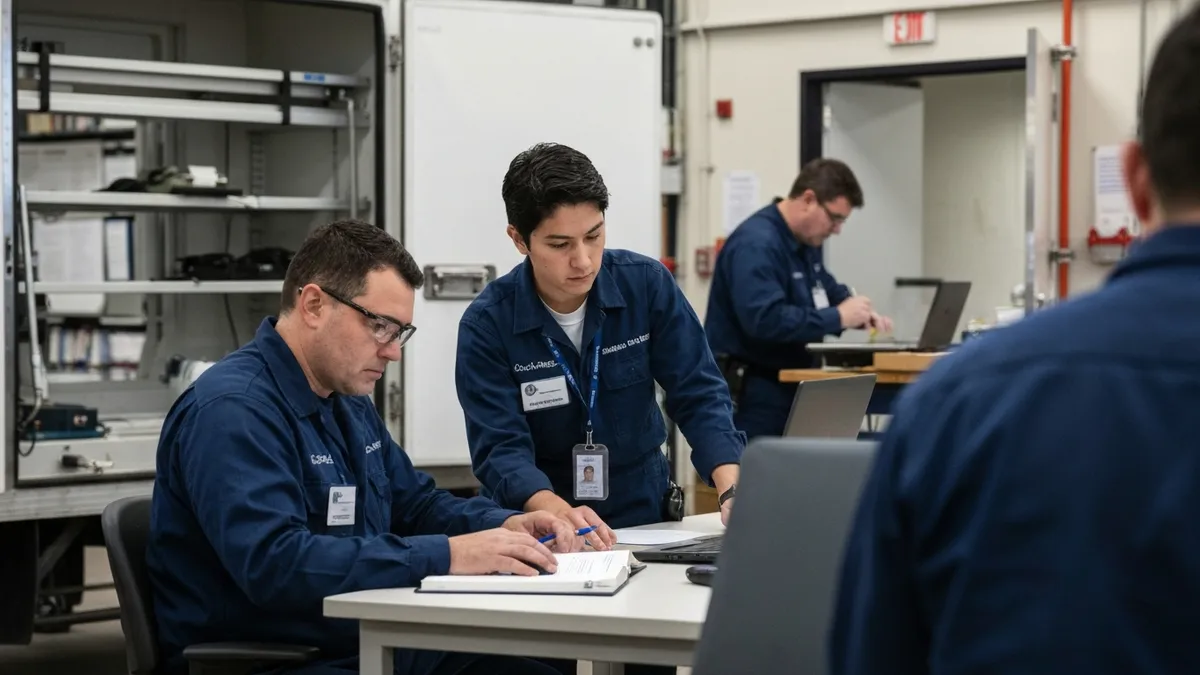
CIS Certification: Complete 2026 Guide to Becoming a Certified Instrument Specialist

CIS Training Online: Free CIS Course Options & Complete Study Guide 2026

CIS Test Practice: Complete Study Guide for the Certified Instrument Specialist Exam
About the Author

Educational Psychologist & Academic Test Preparation Expert
Columbia University Teachers CollegeDr. Lisa Patel holds a Doctorate in Education from Columbia University Teachers College and has spent 17 years researching standardized test design and academic assessment. She has developed preparation programs for SAT, ACT, GRE, LSAT, UCAT, and numerous professional licensing exams, helping students of all backgrounds achieve their target scores.
Join the Discussion
Connect with other students preparing for this exam. Share tips, ask questions, and get advice from people who have been there.
View discussion (9 replies)