

CMI Practice Test
Updated for September 2026Mold contamination is a serious concern in both residential and commercial environments. It can affect structural integrity, reduce property value, and pose significant health risks. This growing awareness has led to increased demand for professionals trained to assess and manage mold problems—especially Certified Mold Inspectors (CMIs).
Earning the Certified Mold Inspector credential positions you as a trusted expert in indoor environmental quality. Whether you’re expanding your career in home inspections, environmental health, or property maintenance, becoming a CMI is a rewarding pathway. This comprehensive guide outlines the certification process, training requirements, and how to navigate the CMI exam.
Finance and accounting professionals can sharpen their exam readiness with our property claims adjuster license 2026, covering the key regulations, standards, and calculations tested on the official exam.
CMI Practice Test Questions
Prepare for the CMI - Certified Mold Inspector exam with our free practice test modules. Each quiz covers key topics to help you pass on your first try.
CMI Basement and Crawl Space Mold Assessment
CMI Exam Questions covering Basement and Crawl Space Mold Assessment. Master CMI Test concepts for certification prep.
CMI Building Materials & Construction Systems
Free CMI Practice Test featuring CMI Building Materials & Construction Systems. Improve your CMI Exam score with mock test prep.
CMI Client Communication & Legal Considera...
CMI Mock Exam on CMI Client Communication & Legal Considerations. CMI Study Guide questions to pass on your first try.
CMI Health Effects & Remediation Safety
CMI Test Prep for CMI Health Effects & Remediation Safety. Practice CMI Quiz questions and boost your score.
CMI HVAC Systems & Ventilation Inspection
CMI Questions and Answers on CMI HVAC Systems & Ventilation Inspection. Free CMI practice for exam readiness.
CMI Remediation Protocols & Post-Remediati...
CMI Mock Test covering CMI Remediation Protocols & Post-Remediation Verification. Online CMI Test practice with instant feedback.
CMI HVAC Systems and Mold Growth
Free CMI Quiz on HVAC Systems and Mold Growth. CMI Exam prep questions with detailed explanations.
CMI Indoor Air Quality Assessment
CMI Practice Questions for Indoor Air Quality Assessment. Build confidence for your CMI certification exam.
CMI Moisture Intrusion & Building Science
CMI Test Online for Moisture Intrusion & Building Science. Free practice with instant results and feedback.
CMI Mold Biology & Ecology
CMI Study Material on Mold Biology & Ecology. Prepare effectively with real exam-style questions.
CMI Mold Identification & Sampling Techniques
Free CMI Test covering Mold Identification & Sampling Techniques. Practice and track your CMI exam readiness.
CMI Mold Inspection Report Writing
CMI Exam Questions covering Mold Inspection Report Writing. Master CMI Test concepts for certification prep.
CMI Mold Inspection Standards & Reporting ...
Free CMI Practice Test featuring Mold Inspection Standards & Reporting Practices. Improve your CMI Exam score with mock test prep.
CMI Personal Protective Equipment for Mold...
CMI Mock Exam on Personal Protective Equipment for Mold Work. CMI Study Guide questions to pass on your first try.
Key Takeaways
Free CMI Practice Test Online
Certified Mold Inspectors are trained professionals responsible for identifying, evaluating, and reporting mold issues.
Certification provides credibility, technical expertise, and greater job opportunities in environmental and property inspection fields.
Organizations like NAMP and IICRC offer respected mold inspector certifications.
Many states require licensure or specific training to legally perform mold inspections.
The path to certification includes coursework, field training, and passing an industry-standard exam.
Certified Mold Inspector: Role and Responsibilities
A Certified Mold Inspector is responsible for detecting mold presence, evaluating potential sources of moisture, and identifying conditions conducive to microbial growth. These professionals conduct thorough visual inspections, use specialized equipment like moisture meters or thermal imaging cameras, and collect air or surface samples for lab testing.
CMIs often collaborate with mold remediators, environmental engineers, real estate agents, and insurance adjusters to ensure buildings are safe and compliant.
- ✓Confirm your exam appointment and location
- ✓Bring required identification documents
- ✓Arrive 30 minutes early to check in
- ✓Read each question carefully before answering
- ✓Flag difficult questions and return to them later
- ✓Manage your time — don't spend too long on one question
- ✓Review flagged questions before submitting

What Is a Certified Mold Inspector?
A Certified Mold Inspector is a trained individual who has completed formal education and passed an exam in mold detection and environmental hazard assessment. The certification validates the professional's knowledge of fungal biology, inspection procedures, mold sampling methods, and applicable health guidelines.
Unlike mold remediators who remove the mold, inspectors focus solely on identifying the presence and cause of mold growth. This ensures an unbiased evaluation without conflict of interest. CMIs often work in:
Environmental testing firms
Home inspection companies
Restoration services
Public health agencies
Having the CMI designation demonstrates a solid understanding of mold-related health risks and indoor air quality standards.
Certified Mold Inspector Certification Overview
To become a CMI, candidates typically enroll in a certification course that covers foundational and advanced topics in mold inspection. These programs often include live training, online modules, or a combination of both.
Well-known certification providers include:
National Association of Mold Professionals (NAMP)
International Association of Certified Indoor Air Consultants (IAC2)
Institute of Inspection Cleaning and Restoration Certification (IICRC)
Certification courses commonly include:
Mold biology and classification
Health symptoms associated with mold exposure
Mold sampling procedures (air, tape, swab)
Moisture mapping and thermal imaging
Report writing and client communication
Legal responsibilities and standards of practice
After completing training, candidates must pass a final exam to earn the CMI credential. Some programs also require a field practicum or shadowing experienced inspectors.
NAMP Certified Mold Inspector Program
The NAMP Certified Mold Inspector program is among the most recognized credentials in the industry. It is designed for professionals involved in environmental inspections, real estate, restoration, and building maintenance.
NAMP’s training emphasizes practical skills alongside theoretical knowledge. Participants who pass the exam receive a nationally recognized certification and are listed in the NAMP directory, increasing professional visibility.
Licensed Mold Inspector: Do You Need a License?
Licensing requirements for mold inspectors vary by state. Some states mandate that professionals hold a specific license in order to legally conduct mold assessments. For example, Florida, Texas, New York, and Louisiana have stringent licensing requirements that include:
State-approved training programs
Proof of insurance
Background checks
Licensing exams
States without formal mold inspection laws may still require adherence to general business licensing or environmental regulations. Before offering services, it's essential to check local and state mandates through trusted government sources such as:
Centers for Disease Control and Prevention
Occupational Safety and Health Administration
Operating without a license in a regulated state can result in legal penalties, insurance issues, and reputational damage.
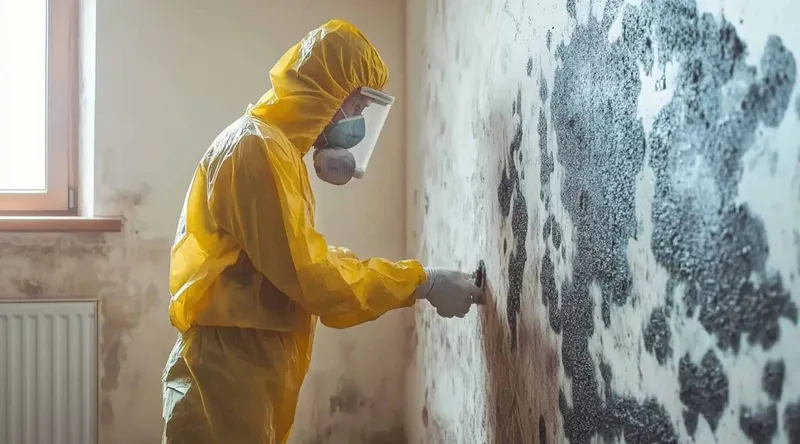
How to Become a Certified Mold Inspector
Pursuing a career as a CMI involves a clear and structured path. Below are the general steps to certification:
Step 1: Meet Basic Eligibility Requirements
You don’t necessarily need a college degree, but most programs expect candidates to have a background in construction, inspection, restoration, or environmental health.Step 2: Enroll in a Certification Course
Choose an accredited provider like NAMP or IICRC. Online, in-person, or hybrid formats are available to accommodate your schedule.
Step 3: Complete Training Modules
Courses include lectures, hands-on demonstrations, and case studies. Topics cover mold types, indoor air quality, and building science.
Step 4: Pass the Certification Exam
The exam tests your understanding of mold biology, sampling procedures, safety protocols, and inspection reporting.
Step 5: Obtain State Licensure (If Required)
Submit your exam results and fulfill additional licensing steps if your state mandates it.
Step 6: Continue Professional Development
Many certifications must be renewed every few years through continuing education and fieldwork to stay current with evolving standards.
Conclusion
Becoming a Certified Mold Inspector is an excellent way to enhance your professional qualifications in environmental safety and property assessment. As the risks associated with mold contamination continue to receive national attention, the need for competent inspectors will only grow.
The CMI credential not only validates your technical expertise but also positions you for a meaningful, well-compensated career. From foundational knowledge to practical training, the path to certification equips you to serve clients with integrity and professionalism. Whether you work in real estate, restoration, or public health, earning your CMI designation is a smart and impactful investment.
CMI: Pros and Cons
- +CMI certification validates expertise recognized by employers nationwide
- +Certified professionals typically earn 15-20% higher salaries
- +Opens doors to advanced positions and leadership roles
- +Demonstrates commitment to professional standards and ethics
- +Builds a strong professional network through certification communities
- −Exam preparation typically requires 2-4 months of dedicated study
- −Certification and exam fees can range from $150-$500+
- −Must complete continuing education to maintain active certification
- −Pass rates vary — thorough preparation is essential for success
- −Some certifications require prerequisite experience or education
CMI Questions and Answers
About the Author

Certified Professional Development Expert & Niche Certification Advisor
University of Pennsylvania Graduate School of EducationDr. Alexandra Kim holds a PhD in Professional Studies from the University of Pennsylvania and is a Certified Professional in Learning and Performance (CPLP) and Certified Professional in Talent Development (CPTD). With 17 years of corporate training and professional certification advisory experience, she helps professionals navigate specialized, emerging, and cross-industry certification programs.
Join the Discussion
Connect with other students preparing for this exam. Share tips, ask questions, and get advice from people who have been there.
View discussion (8 replies)