

CMA Practice Test
Updated for September 2026The Certified Midwife Assistant (CMA) certification is an essential credential for individuals seeking to work alongside certified midwives in a clinical, birthing center, or home birth setting. Obtaining this certification ensures that midwife assistants possess the foundational knowledge, hands-on skills, and professional conduct necessary to provide safe and competent care to birthing individuals and their families. The Certified Midwife Assistant certification verifies a candidate’s ability to assist during prenatal visits, labor, delivery, and postpartum care while adhering to health and safety regulations.
CMA Practice Test Questions
Prepare for the CMA - Certified Midwife Assistant exam with our free practice test modules. Each quiz covers key topics to help you pass on your first try.
CMA Fetal Monitoring & Assessment
CMA Exam Questions covering Fetal Monitoring & Assessment. Master CMA Test concepts for certification prep.
CMA Infection Control & Sterile Technique
Free CMA Practice Test featuring Infection Control & Sterile Technique. Improve your CMA Exam score with mock test prep.
CMA Medications & Pharmacology in Midwifery
CMA Mock Exam on Medications & Pharmacology in Midwifery. CMA Study Guide questions to pass on your first try.
CMA Nutrition & Wellness in Pregnancy
CMA Test Prep for Nutrition & Wellness in Pregnancy. Practice CMA Quiz questions and boost your score.
CMA Professional Ethics & Scope of Practice
CMA Questions and Answers on Professional Ethics & Scope of Practice. Free CMA practice for exam readiness.
CMA Reproductive Anatomy & Physiology
CMA Mock Test covering Reproductive Anatomy & Physiology. Online CMA Test practice with instant feedback.
CMA Emergency Response & Clinical Skills
Free CMA Quiz on Emergency Response & Clinical Skills. CMA Exam prep questions with detailed explanations.
CMA Labor Support & Birth Procedures
CMA Practice Questions for Labor Support & Birth Procedures. Build confidence for your CMA certification exam.
Key Takeaways
Free CMA Practice Test Online
The Certified Midwife Assistant certification validates professional skills in maternal and newborn care support.
It covers core areas such as prenatal care, labor assistance, postpartum care, and emergency protocols.
Certification enhances job opportunities in birthing centers, home birth practices, and maternity care clinics.
CMA candidates must demonstrate knowledge of vital sign monitoring, sterilization techniques, and client confidentiality.
The exam assesses both theoretical knowledge and hands-on clinical skills.
Preparation should include certified training programs, practical workshops, and study guides specific to midwifery support.
Certified Midwife Assistants play a vital role in ensuring a safe, personalized, and comfortable birthing experience.

Understanding the Certified Midwife Assistant Exam Structure
The Certified Midwife Assistant exam typically consists of a written multiple-choice section and a practical skills assessment. The written component tests knowledge in prenatal care, labor support, emergency response, and postpartum assistance. Candidates are evaluated on infection control, client confidentiality, and basic clinical procedures. The hands-on portion involves demonstrating skills such as taking maternal vitals, assisting with newborn care, and supporting a midwife during labor and delivery. Candidates must complete both parts successfully to achieve certification.
CMA Study Tips
What's the best study strategy for CMA?
Focus on weak areas first. Use practice tests to identify gaps, then study those topics intensively.
How far in advance should I start studying?
Most successful candidates begin 4-8 weeks before the exam. Create a structured study schedule.
Should I retake practice tests?
Yes! Take each practice test 2-3 times. Focus on understanding why answers are correct, not memorizing.
What should I do on exam day?
Arrive 30 min early, bring required ID, read questions carefully, flag difficult ones, and review before submitting.
Key Responsibilities of a Certified Midwife Assistant
Certified Midwife Assistants perform a variety of critical duties under the supervision of a licensed midwife. Their responsibilities include setting up birthing supplies, preparing the birth space, monitoring maternal and fetal vitals, providing emotional support, and assisting with emergency interventions. During postpartum care, CMAs help with newborn assessments, breastfeeding support, and documentation. They also maintain cleanliness, handle sterilization of equipment, and ensure that clinical supplies are ready for use in every birth setting.
Essential Skills and Competencies for CMA Candidates
To pass the Certified Midwife Assistant exam, candidates must master a range of clinical and interpersonal skills. These include measuring blood pressure, pulse, respiration, and temperature; managing client records; and identifying signs of complications. Strong communication, empathy, and the ability to remain calm under pressure are also critical traits for midwife assistants. Familiarity with universal precautions, infection control protocols, and maternal health documentation ensures candidates are prepared for the practical demands of the role.
Benefits of Earning the Certified Midwife Assistant Credential
Holding a Certified Midwife Assistant certification boosts professional credibility and opens doors to career opportunities in midwifery care settings. Certified assistants are often prioritized for employment in birthing centers, home birth practices, and maternity clinics. The credential also provides a pathway to advanced maternal health careers, such as Certified Professional Midwife (CPM) or Certified Nurse Midwife (CNM). Additionally, the certification builds confidence and ensures that assistants can respond effectively during high-pressure labor and delivery situations.
Recommended Study Resources and Exam Preparation Tips
Effective preparation for the Certified Midwife Assistant exam involves a combination of formal education, clinical practice, and independent study. Candidates should enroll in midwife assistant training programs that offer both theoretical coursework and hands-on clinical hours. Study materials should cover maternal anatomy, stages of labor, vital signs assessment, infection control, and postpartum care. Practice exams and workshops improve test readiness and skill confidence. Joining study groups or mentorship programs with experienced midwives can provide valuable insights.
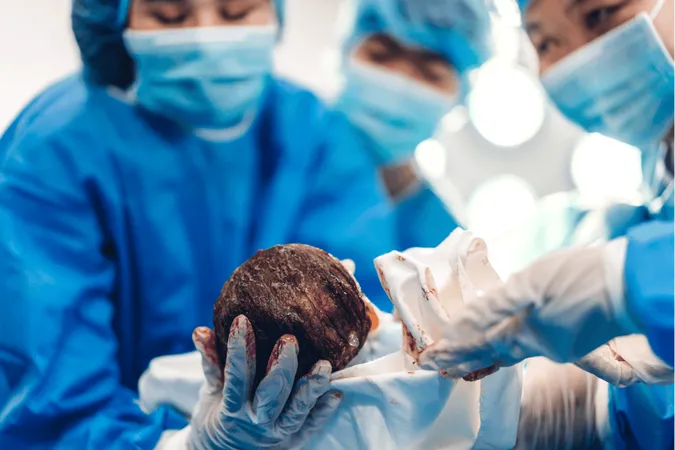
Career Outlook and Opportunities for Certified Midwife Assistants
As maternal healthcare continues to emphasize personalized and holistic birth experiences, the demand for Certified Midwife Assistants is on the rise. CMAs are employed in birthing centers, private midwifery practices, maternity care clinics, and home birth services. Many assistants also pursue further education and certifications to become professional midwives or childbirth educators. With the healthcare industry’s increasing focus on community-based care, Certified Midwife Assistants play an essential role in providing compassionate and culturally sensitive maternity services.
- +Validates your knowledge and skills objectively
- +Increases job market competitiveness
- +Provides structured learning goals
- +Networking opportunities with other certified professionals
- −Study materials can be expensive
- −Exam anxiety can affect performance
- −Requires dedicated preparation time
- −Retake fees apply if you don't pass
Conclusions
The Certified Midwife Assistant certification equips individuals with the essential knowledge and skills to support midwives in delivering safe, effective, and personalized maternal care. Earning this credential demonstrates a commitment to professional excellence and enhances employability within midwifery and maternal healthcare environments.
Certified Midwife Assistants contribute to the well-being of birthing individuals by offering physical and emotional support during one of the most significant moments of their lives. Their ability to manage clinical tasks, anticipate needs, and assist with emergency interventions makes them indispensable members of the birth team.
For those passionate about maternal health and natural birth advocacy, becoming a Certified Midwife Assistant offers a fulfilling and meaningful career path. The certification not only provides immediate employment opportunities but also serves as a stepping stone toward advanced roles in midwifery care and maternal health education.
FAQs
What is the Certified Midwife Assistant certification? A professional credential that verifies an individual’s skills and knowledge in assisting midwives during prenatal, labor, and postpartum care.
Who is eligible to take the Certified Midwife Assistant exam? Individuals who have completed a midwife assistant training program and obtained clinical experience under supervision.
How is the Certified Midwife Assistant exam structured? The exam typically includes a written multiple-choice test and a hands-on clinical skills assessment.
What topics are covered in the CMA exam? Subjects include prenatal care, labor support, vital sign monitoring, infection control, emergency procedures, and postpartum care.
Where can Certified Midwife Assistants work? They can work in birthing centers, maternity clinics, private midwifery practices, and home birth services.
How long is the Certified Midwife Assistant certification valid? Most certifications are valid for two to three years, with renewal options through continuing education and clinical practice.
Is hands-on clinical experience required for CMA certification? Yes, candidates must complete supervised clinical hours as part of their training before taking the certification exam.
About the Author

Registered Nurse & Healthcare Educator
Johns Hopkins University School of NursingDr. Sarah Mitchell is a board-certified registered nurse with over 15 years of clinical and academic experience. She completed her PhD in Nursing Science at Johns Hopkins University and has taught NCLEX preparation and clinical skills courses for nursing students across the United States. Her research focuses on evidence-based exam preparation strategies for healthcare certification candidates.
Join the Discussion
Connect with other students preparing for this exam. Share tips, ask questions, and get advice from people who have been there.
View discussion (9 replies)