

CET Practice Test
Updated for September 2026Endoscopic procedures have become a cornerstone of modern diagnostics and minimally invasive surgeries, enabling physicians to visualize internal organs without large incisions. Behind the scenes, Certified Endoscopy Technicians (CETs) play a critical role in ensuring these procedures run smoothly, safely, and efficiently.
As the demand for gastrointestinal and pulmonary procedures continues to rise, so does the need for highly trained endoscopy support staff. Earning a Certified Endoscopy Technician credential not only opens the door to a dynamic healthcare career but also provides assurance of your skills in sterile technique, equipment management, and patient care.
Advanced nursing candidates can reinforce their specialty knowledge and critical reasoning with our CGRN gastroenterology nurse exam 2026, aligned to national certification standards.
CET Practice Test Questions
Prepare for the CET - Certified Endoscopy Technician exam with our free practice test modules. Each quiz covers key topics to help you pass on your first try.
CET Anatomy, Physiology & Medical Terminology
CET Exam Questions covering Anatomy, Physiology & Medical Terminology. Master CET Test concepts for certification prep.
CET Emergency Response & Patient Safety
Free CET Practice Test featuring CET Emergency Response & Patient Safety. Improve your CET Exam score with mock test prep.
CET Medication Safety & Pharmacology
CET Mock Exam on CET Medication Safety & Pharmacology. CET Study Guide questions to pass on your first try.
CET Communication & Interprofessional Coll...
CET Test Prep for Communication & Interprofessional Collaboration. Practice CET Quiz questions and boost your score.
CET Endoscopic Equipment & Instrumentation
CET Questions and Answers on Endoscopic Equipment & Instrumentation. Free CET practice for exam readiness.
CET Evidence-Based Practice & Research Met...
CET Mock Test covering Evidence-Based Practice & Research Methods. Online CET Test practice with instant feedback.
CET Infection Control & Sterilization Tech...
Free CET Quiz on Infection Control & Sterilization Techniques. CET Exam prep questions with detailed explanations.
CET Patient Care & Procedure Assistance
CET Practice Questions for Patient Care & Procedure Assistance. Build confidence for your CET certification exam.
CET Professional Ethics & Legal Compliance
CET Test Online for Professional Ethics & Legal Compliance. Free practice with instant results and feedback.
Key Takeaway: CET certification demonstrates expertise in this field. Most candidates spend 4-8 weeks preparing with practice tests before taking the exam.
Key Takeaways
Free CET Practice Test Online
A Certified Endoscopy Technician assists physicians during endoscopic procedures, ensuring cleanliness, safety, and accurate equipment usage.
Certification enhances credibility and employability in hospitals, surgical centers, and outpatient clinics.
Training typically involves formal education, hands-on clinical experience, and passing a nationally recognized certification exam.
CETs must understand sterilization, anatomy, patient safety protocols, and medical terminology.
Demand for skilled CETs is projected to grow due to advances in endoscopic technology and aging populations.
What Does a Certified Endoscopy Technician Do?
Endoscopy technicians are vital members of a surgical or procedural team. Their responsibilities include:
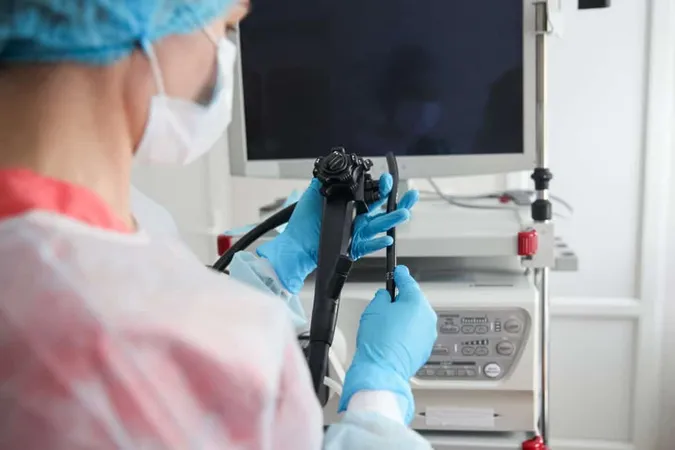
Preparing endoscopic equipment and ensuring it functions correctly.
Sterilizing instruments following strict infection control protocols.
Assisting physicians during procedures like colonoscopies, bronchoscopies, and esophagogastroduodenoscopies (EGDs).
Monitoring patients and providing emotional support before, during, and after procedures.
Maintaining logs and reports regarding equipment usage and patient records.
These professionals must possess not only technical knowledge but also the interpersonal skills to work in high-pressure environments with medical staff and patients alike.
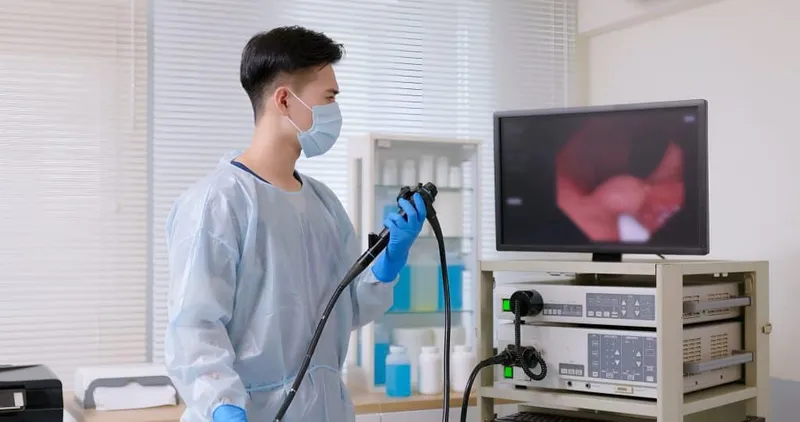
To become a Certified Endoscopy Technician, most candidates follow these steps:
Complete a Formal Education Program
Enroll in an accredited program in surgical technology, central sterile processing, or endoscopy. These programs typically last 6 months to 2 years, depending on the depth of study and whether it includes an associate degree.Gain Clinical Experience
Hands-on training is essential. Clinical rotations allow you to work in real medical environments, learning the protocols and procedures firsthand.Pass a Certification Exam
Popular certifications include:
SGNA’s GI Technical Specialist (GTS) Certification
CBSPD’s Endoscope Reprocessor Certification
IAHCSMM’s CER (Certified Endoscope Reprocessor)
These certifications assess your understanding of anatomy, equipment processing, infection control, and procedural protocols.
Benefits of Becoming Certified
Greater Job Opportunities: Certified technicians are in high demand in hospitals, surgical centers, and GI labs.
Higher Earning Potential: Certification can lead to better salaries and promotional opportunities.
Professional Credibility: Being certified demonstrates your commitment to patient safety and quality care.
Job Stability: As procedures increasingly rely on endoscopy, skilled CETs are becoming indispensable.
Certified Endoscopy Technicians typically work in:
Hospitals
Ambulatory surgery centers
Specialty clinics
Gastroenterology practices
According to the U.S. Bureau of Labor Statistics, surgical technologists and related technicians earn a median salary of around $49,000 per year, with experienced CETs earning more depending on location and certification level.
- ✓Review the official CET exam content outline
- ✓Take a diagnostic practice test to identify weak areas
- ✓Create a study schedule (4-8 weeks recommended)
- ✓Focus on your weakest domains first
- ✓Complete at least 3 full-length practice exams
- ✓Review all incorrect answers with detailed explanations
- ✓Take a final practice test 1 week before exam day
CET: Pros and Cons
- +CET certification validates expertise recognized by employers nationwide
- +Certified professionals typically earn 15-20% higher salaries
- +Opens doors to advanced positions and leadership roles
- +Demonstrates commitment to professional standards and ethics
- +Builds a strong professional network through certification communities
- −Exam preparation typically requires 2-4 months of dedicated study
- −Certification and exam fees can range from $150-$500+
- −Must complete continuing education to maintain active certification
- −Pass rates vary — thorough preparation is essential for success
- −Some certifications require prerequisite experience or education
About the Author

Certified Professional Development Expert & Niche Certification Advisor
University of Pennsylvania Graduate School of EducationDr. Alexandra Kim holds a PhD in Professional Studies from the University of Pennsylvania and is a Certified Professional in Learning and Performance (CPLP) and Certified Professional in Talent Development (CPTD). With 17 years of corporate training and professional certification advisory experience, she helps professionals navigate specialized, emerging, and cross-industry certification programs.
Join the Discussion
Connect with other students preparing for this exam. Share tips, ask questions, and get advice from people who have been there.
View discussion (8 replies)