

CT Practice Test
Updated for September 2026A CT (Certified Cytotechnologist) is a healthcare professional trained to examine cells and tissues to detect abnormalities that may indicate cancer or other diseases. These experts play a vital role in pathology laboratories, assisting physicians in diagnosing patients through microscopic cellular analysis. Becoming a certified cytotechnologist can lead to a rewarding career, with numerous opportunities in medical laboratories, hospitals, and research institutions. This guide covers essential information about the profession, including salary expectations, job roles, educational requirements, training programs, and the certification process.
CT Practice Test Questions
Prepare for the CT - Certified Cytotechnologist exam with our free practice test modules. Each quiz covers key topics to help you pass on your first try.
CT Applied Methods and Techniques
CT Exam Questions covering Applied Methods and Techniques. Master CT Test concepts for certification prep.
CT Assessment and Evaluation
Free CT Practice Test featuring Assessment and Evaluation. Improve your CT Exam score with mock test prep.
CT Communication and Documentation
CT Mock Exam on Communication and Documentation. CT Study Guide questions to pass on your first try.
CT Continuing Education Requirements
CT Test Prep for Continuing Education Requirements. Practice CT Quiz questions and boost your score.
CT Core Concepts and Principles
CT Questions and Answers on Core Concepts and Principles. Free CT practice for exam readiness.
CT Fine Needle Aspiration Cytology
CT Mock Test covering CT Fine Needle Aspiration Cytology. Online CT Test practice with instant feedback.
CT Gynecologic Cytology
Free CT Quiz on CT Gynecologic Cytology. CT Exam prep questions with detailed explanations.
CT Industry Best Practices
CT Practice Questions for Industry Best Practices. Build confidence for your CT certification exam.
CT Non-Gynecologic Cytology
CT Test Online for Non-Gynecologic Cytology. Free practice with instant results and feedback.
CT Professional Standards and Ethics
CT Study Material on Professional Standards and Ethics. Prepare effectively with real exam-style questions.
CT Safety and Compliance
Free CT Test covering Safety and Compliance. Practice and track your CT exam readiness.
CT Cytopreparation Techniques
CT Exam Questions covering Cytopreparation Techniques. Master CT Test concepts for certification prep.
CT Education & Communication
Free CT Practice Test featuring Education & Communication. Improve your CT Exam score with mock test prep.
Key Takeaways
Free Cytotechnologist Practice Test Online
- Certified cytotechnologists play a crucial role in healthcare, assisting with the diagnosis of diseases by examining cells and tissues microscopically.
- The average salary for cytotechnologists varies by experience, specialization, and geographic location, with opportunities for advancement.
- To become a cytotechnologist, individuals need to complete a relevant bachelor’s degree, attend an accredited cytotechnology program, and pass the ASCP certification exam.
- Opportunities for cytotechnologists exist across diverse settings, including hospitals, research facilities, and government agencies.
- Continuing education is essential for certification renewal and staying updated with advancements in cellular pathology.
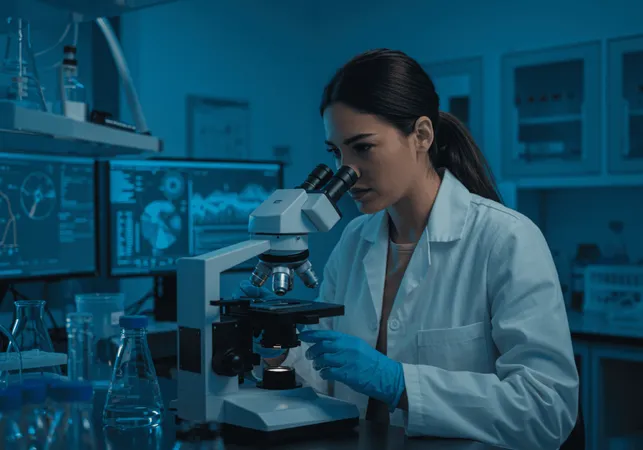
Cytotechnologist Salary
The salary for a certified cytotechnologist can vary based on location, experience, and the type of healthcare setting in which they work. Here’s a breakdown of factors influencing cytotechnologist compensation:
- National Average Salary: According to the Bureau of Labor Statistics, cytotechnologists can expect an average annual salary in the range of $60,000 - $80,000, though this can fluctuate.
- Experience Level: Entry-level cytotechnologists typically start on the lower end of the salary spectrum, while those with extensive experience, or who work in specialized fields, can earn significantly more.
- Location-Based Variation: Cytotechnologists in urban or high-demand areas, such as large hospitals in metropolitan centers, may receive higher salaries than those in rural areas.
- Specialized Roles: Cytotechnologists with advanced certifications or expertise in a particular type of testing may be compensated at a higher rate.
Cytotechnologist Job Opportunities
Cytotechnologists are in demand due to the critical nature of their work in diagnosing and preventing disease. Their skills make them valuable in various healthcare and research settings, including:
- Hospitals and Clinics: Many cytotechnologists work in pathology departments, supporting oncologists and other specialists in identifying cancerous cells and other abnormalities.
- Research Facilities: Some cytotechnologists contribute to medical research, analyzing cellular data to advance the understanding of diseases.
- Government Health Agencies: Positions with public health departments and agencies like the Centers for Disease Control and Prevention (CDC) offer cytotechnologists unique career pathways with a focus on community health.
- Academic Institutions: Universities and teaching hospitals often employ cytotechnologists in research and educational capacities.
Cytotechnologist Training and Education Programs
The journey to becoming a certified cytotechnologist begins with specialized education. Here’s what prospective cytotechnologists need to know about training and program requirements:
- Educational Requirements: Most cytotechnologists hold a bachelor's degree in cytotechnology or a related field such as biology, microbiology, or biomedical sciences.
- Accredited Cytotechnology Programs: Aspiring cytotechnologists should seek programs accredited by the Commission on Accreditation of Allied Health Education Programs (CAAHEP), which ensures a comprehensive curriculum that includes lab techniques, cellular pathology, and clinical rotations.
- Advanced Studies: Some cytotechnologists pursue a master’s degree to enhance their career opportunities or specialize in research, which may lead to higher pay or teaching positions.
- Hands-on Training: Accredited programs include supervised clinical experiences, typically completed in hospital or clinical laboratories, where students gain practical skills needed for certification exams.
Cytotechnologist Certification and Licensing
Becoming certified as a cytotechnologist involves meeting specific qualifications and passing examinations designed to validate expertise and knowledge. Here’s an overview of the certification and licensing process:
- Certification Exam: After completing an accredited program, candidates are eligible to take the certification exam administered by the American Society for Clinical Pathology (ASCP). The CT (ASCP) certification is a widely recognized credential that demonstrates proficiency.
- State Licensing: Certain states require cytotechnologists to obtain a license. While not all states have this requirement, candidates should research local regulations to ensure compliance.
- Continuing Education: Maintaining certification typically requires ongoing professional development. The ASCP mandates periodic continuing education for recertification, helping cytotechnologists stay up-to-date with advances in cellular pathology.

Steps to Become a Cytotechnologist
If you’re considering a career as a cytotechnologist, here are the steps you’ll need to follow to achieve certification and enter the field:
- Earn a Bachelor’s Degree: Start by obtaining a bachelor’s degree in cytotechnology, biology, or a related discipline. This foundational education is essential for advanced study in cytotechnology.
- Complete an Accredited Cytotechnology Program: Apply to an accredited cytotechnology program that includes laboratory training and clinical rotations to gain practical experience.
- Pass the ASCP Certification Exam: Upon completion of your program, you’ll be eligible to sit for the ASCP certification exam, which qualifies you to work as a certified cytotechnologist.
- Meet State Licensing Requirements: Verify any additional licensing requirements that may apply in your state to ensure compliance.
- Pursue Continuing Education: Maintaining certification and staying current in the field often requires continuing education, which can also open up advanced career opportunities.
Conclusion
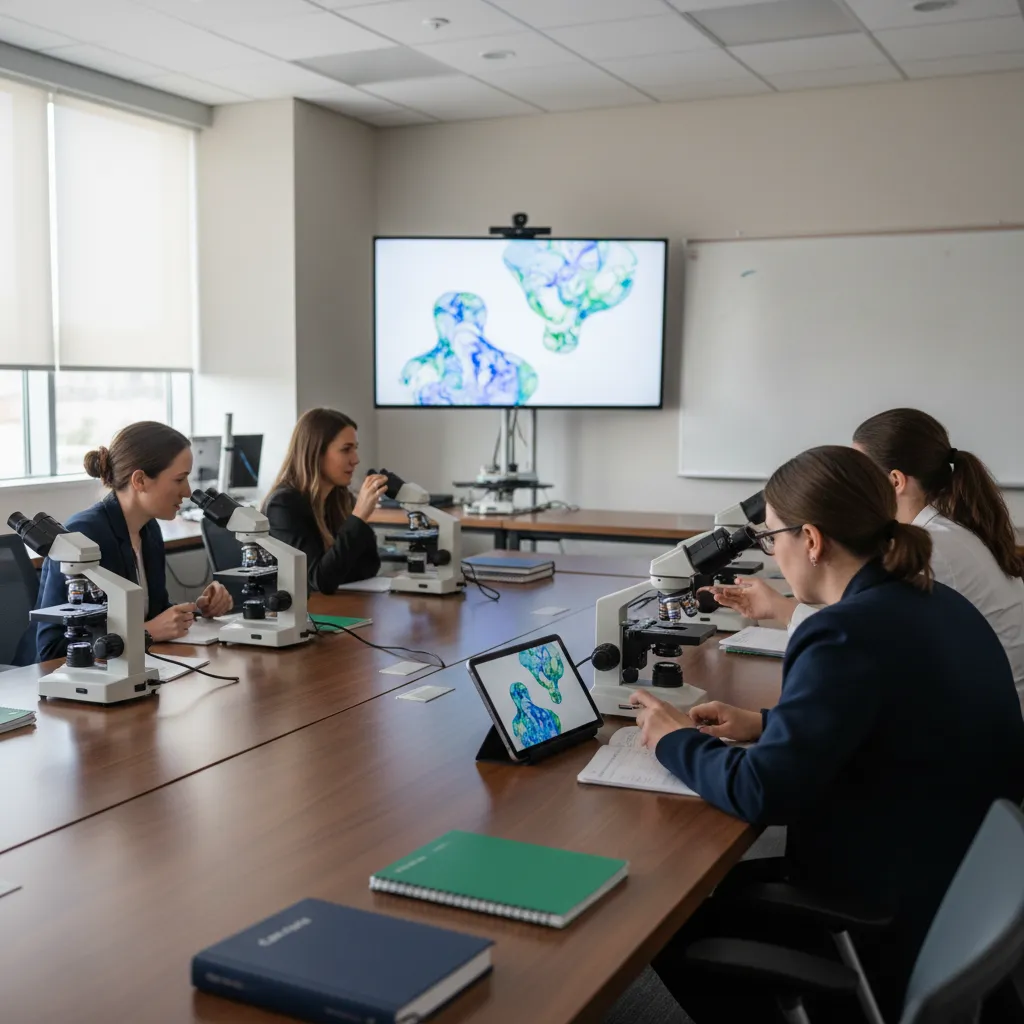
A career as a certified cytotechnologist offers unique opportunities in the healthcare field, where these professionals contribute significantly to patient diagnosis and disease prevention. With a solid educational foundation, certification, and dedication to continuous learning, cytotechnologists can look forward to a fulfilling career in various medical and research environments. Whether working directly with patient samples in a hospital or advancing disease research in a lab, certified cytotechnologists are integral to the healthcare system.
For anyone passionate about science and helping others, becoming a cytotechnologist is a rewarding choice with ample career prospects.
CT: Pros and Cons
- +CT certification validates expertise recognized by employers nationwide
- +Certified professionals typically earn 15-20% higher salaries
- +Opens doors to advanced positions and leadership roles
- +Demonstrates commitment to professional standards and ethics
- +Builds a strong professional network through certification communities
- −Exam preparation typically requires 2-4 months of dedicated study
- −Certification and exam fees can range from $150-$500+
- −Must complete continuing education to maintain active certification
- −Pass rates vary — thorough preparation is essential for success
- −Some certifications require prerequisite experience or education
Pros and Cons at a Glance
| Pros | Cons |
|---|---|
| CT certification validates expertise recognized by employers nationwide | Must complete continuing education to maintain active certification |
| Opens doors to advanced positions and leadership roles | Pass rates vary — thorough preparation is essential for success |
| Demonstrates commitment to professional standards and ethics | Some certifications require prerequisite experience or education |
(CT) Certified Cytotechnologist Questions and Answers
About the Author

Certified Professional Development Expert & Niche Certification Advisor
University of Pennsylvania Graduate School of EducationDr. Alexandra Kim holds a PhD in Professional Studies from the University of Pennsylvania and is a Certified Professional in Learning and Performance (CPLP) and Certified Professional in Talent Development (CPTD). With 17 years of corporate training and professional certification advisory experience, she helps professionals navigate specialized, emerging, and cross-industry certification programs.
Join the Discussion
Connect with other students preparing for this exam. Share tips, ask questions, and get advice from people who have been there.
View discussion (9 replies)