
CDL A and B Explained: Which Commercial License Fits Your Career? 2026 September
CDL A and B compared. See what each license lets you drive, 🏆 training hours, skills tests, pay, and how to upgrade from B to A.
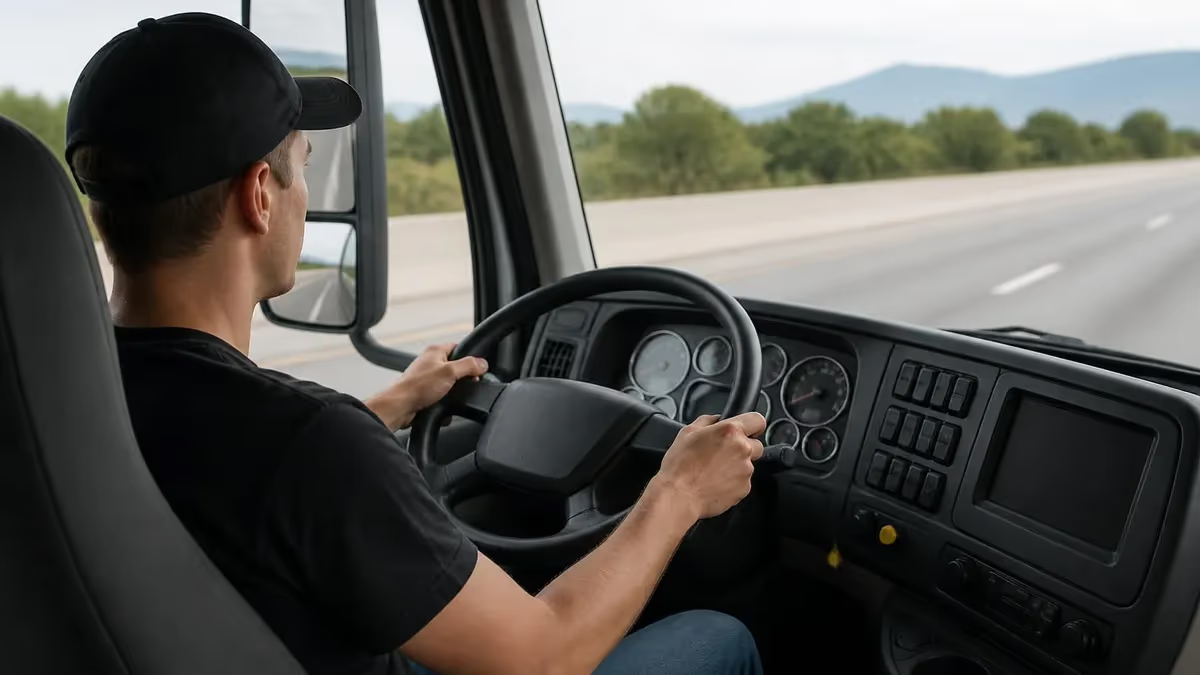
You've decided to drive trucks for a living — smart move. But now you're stuck on the first real question every new driver hits: do you go for a Class A license, a Class B, or somehow both? The short answer is that CDL A and B aren't competing options so much as two doors into the same industry. One opens up the long-haul, big-money tractor-trailer world. The other puts you behind the wheel of dump trucks, buses, and straight trucks that mostly stay local. Different worlds. Both legitimate.
Here's what makes this confusing. A Class A license actually lets you drive most Class B vehicles too. But a Class B doesn't work the other way around. So your choice isn't really "which license" — it's "how far do I want my options to stretch?" Some drivers want the open road and the bigger paycheck. Others want to sleep in their own bed every night and accept the trade-off. Both are legitimate careers. Both pay well. The trick is matching the license to the life you actually want, not the life someone else thinks looks cool from the outside.
This guide walks through every meaningful difference between CDL A and B. We'll cover what each one lets you operate, what the training looks like, how the skills tests differ, which endorsements stack on top, the realistic salary ranges in 2026, and how to upgrade from B to A if you start small and decide to go bigger later. By the end you'll know exactly which class fits your situation — and what your first ninety days as a licensed driver should look like.
CDL A and B at a Glance
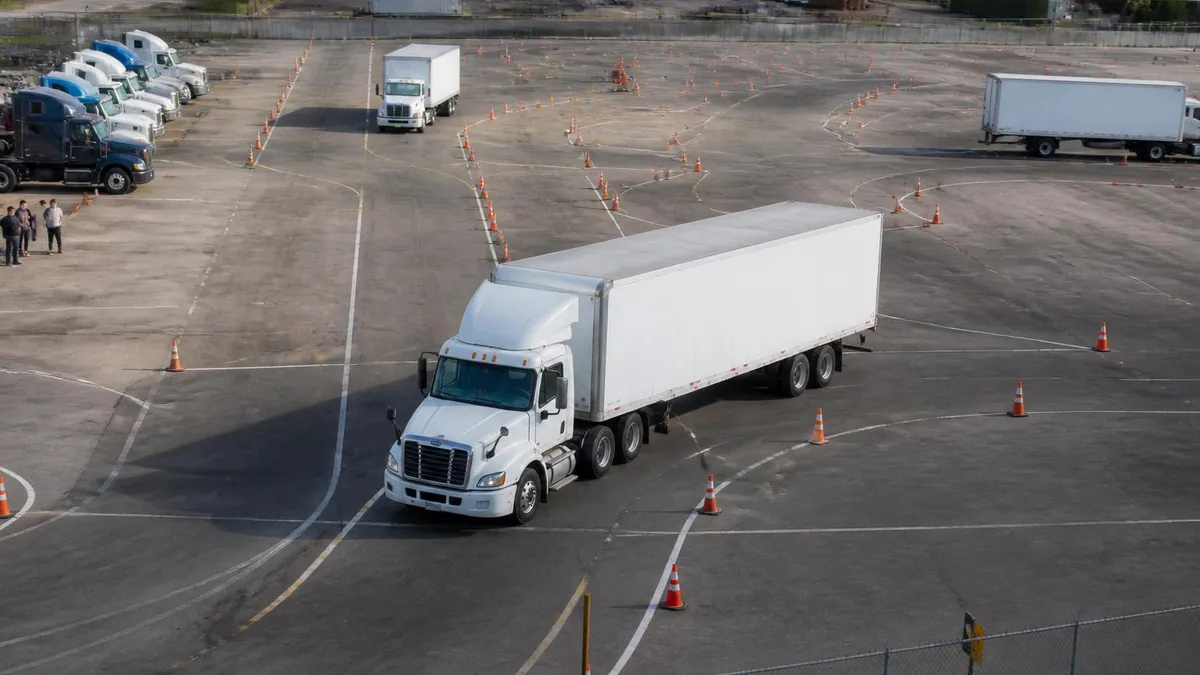
Let's get the legal definitions straight before we go any further, because the federal regs use language that can twist your brain in knots. A Class A commercial driver's license covers any combination of vehicles with a gross combination weight rating (GCWR) of 26,001 pounds or more, provided the vehicle being towed weighs more than 10,000 pounds. Translation: a tractor pulling a trailer. The classic 18-wheeler. Tankers hauling fuel. Flatbeds carrying steel. Refrigerated rigs running produce across state lines.
A Class B license, by contrast, covers single vehicles with a gross vehicle weight rating (GVWR) of 26,001 pounds or more — or one of those big single vehicles towing a trailer under 10,000 pounds. So we're talking dump trucks, garbage trucks, cement mixers, city buses, school buses, large delivery box trucks, and most straight trucks. The truck and the cargo area are built as one unit. There's no separate trailer doing the heavy lifting.
Why does that 10,000-pound trailer line matter so much? Because pulling a heavy trailer behind a heavy truck changes everything about how you drive. The physics of stopping, turning, and reversing get exponentially harder when there's an articulating joint between you and the load. That's why Class A requires more training, a tougher skills test, and pays more. You're being trusted with a more dangerous combination.
The One-Way Rule
A Class A license lets you drive Class B vehicles in most states, but a Class B does not let you drive Class A combinations. If you're undecided, going for Class A keeps every door open. Going for Class B and upgrading later costs extra training and another skills test.
Now let's break down exactly what vehicles each license unlocks, because this is where the rubber actually meets the road. With a Class A, you can drive tractor-trailers of every flavor — dry van, reefer, flatbed, lowboy, step deck. You can pull doubles and triples if you add the right endorsement. You can haul liquids in tankers, hazardous materials with the proper paperwork, and oversized loads with permits. Most Class A drivers also operate Class B vehicles without any extra licensing, though a few states have small exceptions for buses.
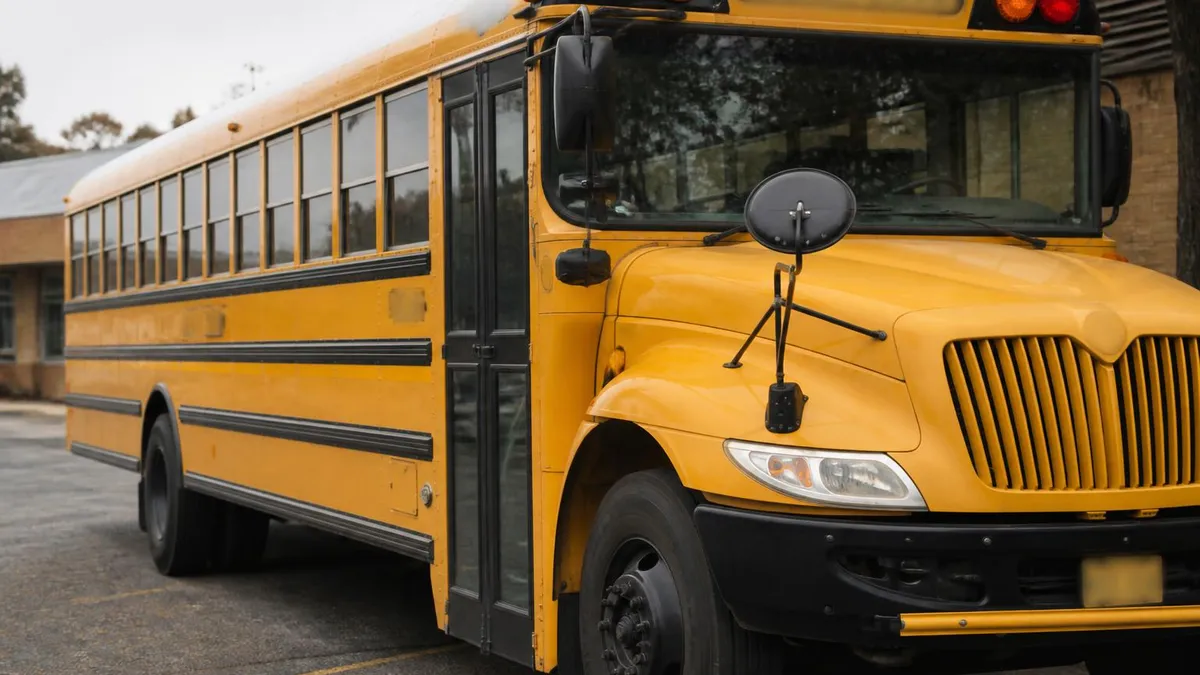
With a Class B, your world is single-unit trucks. You can drive a city transit bus, a school bus (with the right endorsement), a 26-foot box truck delivering furniture, a dump truck hauling gravel, a concrete mixer, a tow truck rated above 26,001 pounds, or a garbage truck running residential routes. You can also tow small trailers — a landscaping trailer behind a dump truck, for instance — as long as that trailer stays under 10,000 pounds. The work tends to be local. You're home most nights.
There's also a Class C, but it's a different animal entirely — designed for smaller vehicles that carry 16 or more passengers or transport hazardous materials. Most people deciding between CDL A and B aren't really considering Class C unless they want to drive smaller shuttle vans or hazmat vehicles.
What Each License Lets You Drive
Tractor-trailers, tankers, flatbeds, refrigerated trucks, doubles and triples with endorsement, livestock haulers, car carriers. Most over-the-road freight runs Class A.
Dump trucks, cement mixers, city and school buses, large delivery box trucks, garbage trucks, tow trucks over 26,001 lbs, straight trucks with small trailers.
A Class A holder can operate almost any Class B vehicle. A Class B holder cannot operate Class A combinations. Plan accordingly before you pay for training.
Both classes can add hazmat, tanker, passenger, school bus, doubles/triples, and air brakes. Each endorsement requires its own written test — and sometimes a skills check.
Training is where the two licenses really part ways. Since February 2022, federal Entry-Level Driver Training (ELDT) rules require anyone seeking a first-time CDL — or upgrading from B to A — to complete a curriculum from an FMCSA-registered training provider. The rule applies nationwide. No more learning from your uncle who used to drive a milk truck.
For Class A, a typical full-time program runs four to eight weeks and clocks in around 160 hours of combined classroom and behind-the-wheel time. You'll learn pre-trip inspection on a tractor-trailer, coupling and uncoupling the fifth wheel, backing maneuvers (offset, parallel, alley dock), shifting a manual transmission if the program uses one, and on-road driving. The skills test you take at the end uses the same combination vehicle you trained on.
Class B training tends to be shorter — three to five weeks, often closer to 100 to 120 hours total. Pre-trip is simpler because there's no trailer to inspect. Backing is easier without an articulation point. Shifting depends on the vehicle; many modern buses and dump trucks are automatic. You'll still cover the same theory blocks ELDT mandates: vehicle systems, safe operations, hours of service, hazard perception, and so on. The road test happens in a single-unit vehicle.
Costs vary wildly. Private Class A schools run anywhere from $3,000 to $8,000. Class B programs typically come in $1,500 to $4,000. Many trucking companies offer paid CDL-A training in exchange for a year of work after graduation. Public bus systems and municipalities often pay for Class B training the same way. Don't ignore those programs — they can take the financial sting out of the entire process.
CDL Testing Breakdown
Endorsements are where you turn a basic CDL into a paycheck. Both classes can stack the same endorsements on top, but some matter more for one class than the other. Hazmat (H) is huge for Class A drivers hauling fuel, chemicals, or anything placarded. It requires a TSA background check, fingerprinting, and a knowledge test.
Tanker (N) matters for anyone moving liquids or gases in bulk. Passenger (P) and School Bus (S) are essential for Class B bus drivers. Doubles and Triples (T) is exclusively a Class A thing — you can't pull multiple trailers with a B. The X endorsement combines Hazmat and Tanker, which fuel haulers usually need together.
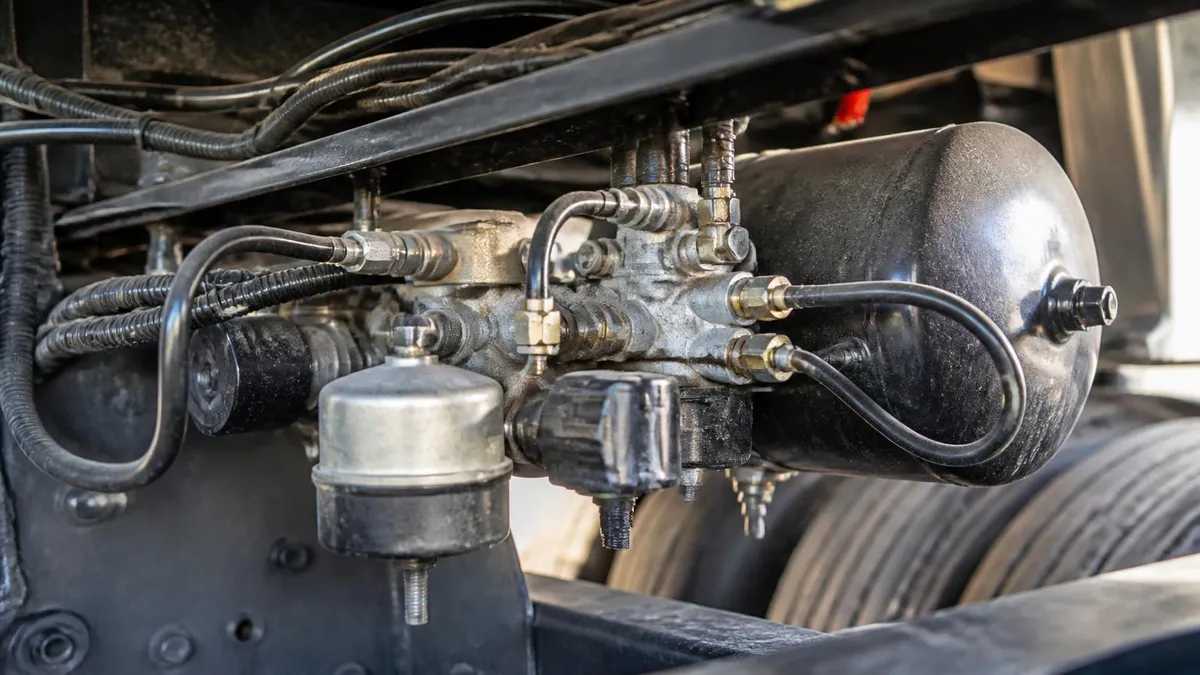
Air Brakes is technically a restriction removal, not an endorsement. If you test in a vehicle without air brakes, your license gets an L restriction prohibiting you from operating air-brake-equipped trucks later. Almost every CDL school tests in an air-brake vehicle to avoid the restriction, but if you're testing on your own equipment, double-check before you show up. Removing the L restriction later means another skills test — annoying, avoidable.
Now the part everyone really wants to know: money. As of 2026, Class A drivers in the U.S. average somewhere between $65,000 and $90,000 annually, with experienced over-the-road drivers regularly clearing six figures. Specialized hauls — oversized loads, fuel tankers, ice road work, hazmat tankers — can push well past $120,000. The trade-off is time away from home. Many OTR drivers spend three weeks on the road for every week off. Dedicated and regional Class A jobs split the difference: better pay than local, more home time than OTR.
Class B drivers typically earn $45,000 to $70,000. Municipal jobs (city bus, sanitation, public works) often pay less hourly but include strong benefits, pensions, and predictable schedules. School bus drivers earn less in raw wages but get summers off — a hidden perk worth real money if you have kids. A dump truck driver in a busy construction market can clear $70,000 or more during peak season, though winter slowdowns dent annual totals in cold climates. The income ceiling is lower than Class A — but so is the lifestyle cost, the diesel exposure, and the marriage strain.
Before you can take any CDL skills test, you need a Commercial Learner's Permit (CLP) for at least 14 days. The CLP requires passing the written knowledge tests first. Plan your timeline backward from your skills test date — that 14-day waiting period catches a lot of students off guard.
So which one should you actually pick? Honestly, it depends on what you want your day to look like. If the idea of long stretches of interstate, audiobooks, truck stops, and big paychecks sounds appealing — Class A is your move. If you'd rather drive a recognizable route, know your neighbors, and be home for dinner — Class B fits better. Neither is objectively superior. They serve different lives.
Think about three things. First, geography: how far are you willing to travel for work? OTR Class A jobs send you across the country. Local Class B jobs keep you within a city or county. Second, schedule: do you want predictable hours or are you fine with irregular ones? Bus drivers and municipal Class B workers usually have fixed shifts.
OTR Class A drivers live by their dispatcher's whims. Third, body: long-haul driving is harder on your back, your sleep, and your diet. Local driving has its own physical demands — climbing in and out of a dump truck all day, for example — but you go home to your own bed.
A lot of new drivers go Class A even when they want local work, because the credential is more flexible. Plenty of Class A holders drive local routes, regional runs, or dedicated lanes that get them home every night. The license doesn't lock you into 53-foot trailers crossing time zones. It just gives you the option.
Your CDL Prep Checklist
- ✓Confirm you're at least 21 for interstate driving (18 for intrastate-only in most states)
- ✓Get a DOT medical examiner's certificate before applying for your CLP
- ✓Pass General Knowledge, Combination Vehicles (Class A), and Air Brakes written tests
- ✓Hold your Commercial Learner's Permit for at least 14 days before scheduling skills
- ✓Complete an FMCSA-registered ELDT program for your target class
- ✓Practice pre-trip inspection out loud until you can do it without thinking
- ✓Add the endorsements that match your target job before your first day
Before you commit to one path or the other, weigh the realistic upsides and downsides of each license honestly. Recruiters tend to oversell whichever they're hiring for. Schools tend to oversell whichever costs more.
The truth lives somewhere in the middle — and it shifts depending on where you live, what carriers operate nearby, and what kind of person you actually are when nobody's watching. Are you happiest alone with a podcast and 600 miles of asphalt? Or do you need coworkers, a route, and a clock-out time? Answer honestly. The license that fits your temperament is the license that pays.
CDL A and B Pros and Cons
- +Class A unlocks the highest-paying freight jobs and the broadest vehicle range
- +Class B keeps you local with predictable schedules and home time every night
- +Class A holders can drive most Class B vehicles without extra licensing
- +Class B training is shorter and cheaper to complete
- +Both licenses qualify for the same endorsements — hazmat, tanker, passenger
- −Class A often means weeks away from home and long hours on the interstate
- −Class B has a lower salary ceiling and fewer specialized high-pay niches
- −Class A training costs more and demands harder skills testing
- −Class B can't be upgraded to Class A without additional training and another road test
- −Both require ongoing DOT medical cards and clean driving records to keep
Pros and Cons at a Glance
| Pros | Cons |
|---|---|
| Class A unlocks the highest-paying freight jobs and the broadest vehicle range | Class A often means weeks away from home and long hours on the interstate |
| Class B keeps you local with predictable schedules and home time every night | Class B has a lower salary ceiling and fewer specialized high-pay niches |
| Class A holders can drive most Class B vehicles without extra licensing | Class A training costs more and demands harder skills testing |
| Class B training is shorter and cheaper to complete | Class B can't be upgraded to Class A without additional training and another road test |
| Both licenses qualify for the same endorsements — hazmat, tanker, passenger | Both require ongoing DOT medical cards and clean driving records to keep |
What if you started with a Class B and now you want to go bigger? It happens all the time. A bus driver decides the OTR money is too good to ignore. A dump truck driver wants winter work pulling tankers when construction slows down. A garbage collector hears about a regional Class A gig paying twenty grand more. The good news: upgrading from B to A is absolutely doable. The slightly annoying news: it's not automatic.
To upgrade, you'll need to complete an FMCSA-registered Class A theory and behind-the-wheel curriculum. Your existing Class B experience doesn't waive ELDT — federal rules apply to upgrades just like they apply to first-timers. The theory portion is often shorter because you already know hours of service, vehicle systems, and the basics. The behind-the-wheel hours focus on what's new: coupling, fifth-wheel operation, trailer pre-trip, combination backing, and on-road driving with a tractor-trailer. Those four skills are exactly what trip up most upgrade candidates on test day, so put extra reps into them.
Then you take the Class A skills test in a combination vehicle. Pass it, hand over the paperwork, and your CDL gets upgraded. Most upgrade programs run two to four weeks of focused work and cost $1,500 to $4,000 — substantially less than starting from scratch because you skip the basic theory and most of the on-road fundamentals. Some private schools offer upgrade-only weekends for experienced Class B drivers, which can compress the timeline further if you can spare consecutive Saturdays and Sundays.
One nice thing about upgrading: many carriers will pay for it. If you're already driving Class B for a company that also runs Class A freight, ask about an internal upgrade program. They'd rather promote a known quantity than hire and train a stranger. Same goes for unions and apprenticeship programs in construction, utilities, and municipal work. Even outside of formal programs, tuition reimbursement is increasingly common — bring it up at your next review.
Here's the bottom line on CDL A and B. They're tools, not identities. Pick the one that fits the work you actually want, and don't let recruiters or YouTube influencers push you toward whatever they think is glamorous.
The truckers and bus drivers and dump truck operators making the most consistent money — and staying in the job long-term — are the ones who chose deliberately, trained hard, and built a reputation for showing up sober, safe, and on time. Reputation compounds. A driver with five clean years can pick employers; a driver with one preventable accident is stuck taking whatever's left.
If you're still on the fence, do two things. First, ride along with a working driver in each class if you can. A day in the cab tells you more than any blog post — including this one. You'll notice things you'd never anticipate. The smell of diesel that lingers in your clothes. The way truck stop showers actually aren't bad.
The sheer amount of time city bus drivers spend stopped at red lights. Second, look at the job board for your local market right now. What's actually hiring? What do those positions pay? What schedule do they offer? Real data beats hypothetical preferences every time.
Whatever you choose, prepare like a pro. Study the manual until the air brake section is boring. Run practice tests until the right answers feel automatic. Show up to your skills test rested and fed. The CDL is one of the few credentials in America that still leads directly to a middle-class income without a four-year degree. It's worth doing right the first time — and the right first time is the one that matches your life, not someone else's highlight reel.
CDL Questions and Answers
About the Author

Licensed Driving Instructor & DMV Test Specialist
Penn State UniversityRobert J. Williams graduated from Penn State University with a degree in Transportation Management and has spent 20 years as a certified driving instructor and DMV examiner consultant. He has personally coached thousands of applicants through written knowledge tests, skills assessments, and commercial driver licensing programs across more than 30 states.
Join the Discussion
Connect with other students preparing for this exam. Share tips, ask questions, and get advice from people who have been there.
View discussion (7 replies)