
Do You Need a Captain's License for a Personal Boat? Florida, California & State Guide
Do you need a captain's license for a personal boat? Florida, California, Alabama & more. State rules explained. ✅ Free practice tests inside.
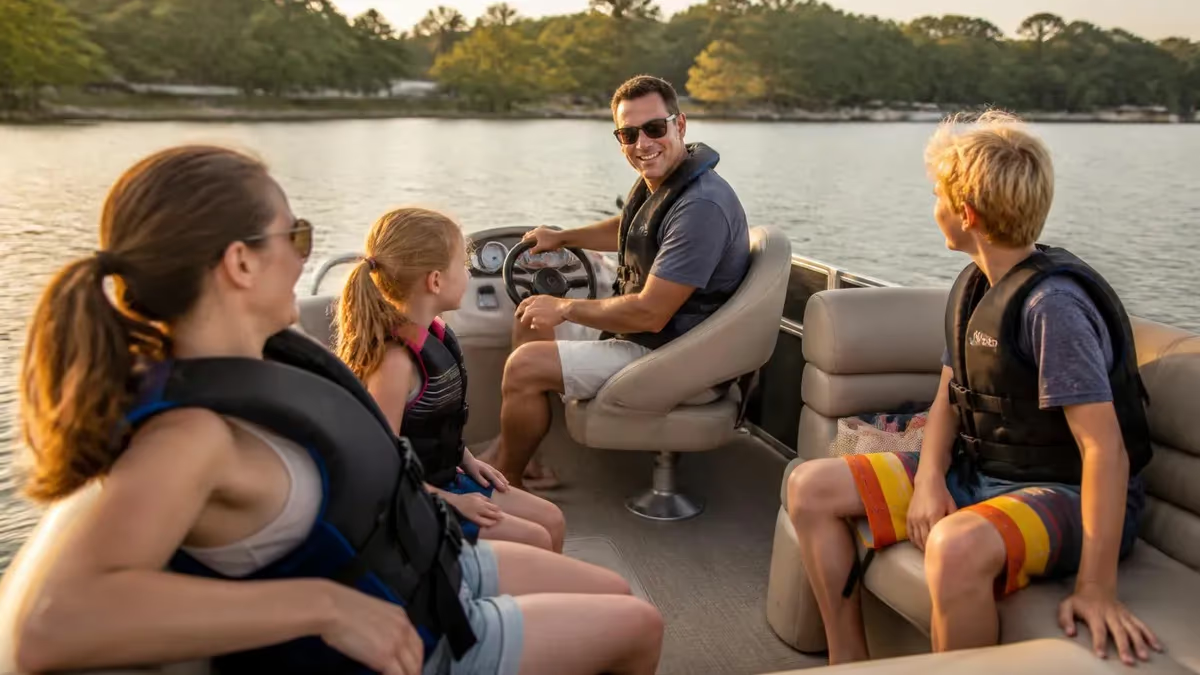
One of the most common questions new boat owners ask is: do you need a captain's license for a personal boat? The short answer is that it depends entirely on how you plan to use your vessel and which state you are in. A captain's license — formally called a USCG Merchant Mariner Credential — is a federal requirement only when you are being paid to carry passengers or cargo. For purely recreational boating on a vessel you own, a captain's license is not federally mandated. However, many states impose their own boating education requirements that you cannot ignore.
The most searched term in this entire space is the florida boating license, and for good reason: Florida is home to more registered recreational boats than any other state in the country. Florida law requires anyone born on or after January 1, 1988 to carry proof of completing an approved boating safety course before operating a motorized vessel. Failing to carry your boater education card on the water in Florida can result in fines ranging from $50 to several hundred dollars, so compliance is not optional regardless of whether you hold a federal captain's license.
California presents a different timeline. The california boating license requirement is rolling in by birth year — by January 1, 2025, every motorized vessel operator regardless of age must hold a California Boater Card issued after completing an approved safety course. This makes California one of the strictest recreational boating education states in the nation. The card is a one-time requirement with no renewal, but you must always carry it aboard when operating a motorized boat.
States like Alabama, Tennessee, and Missouri each have their own age-based thresholds, horsepower limits, and course requirements. In Alabama, for example, anyone under age 26 must complete a boating safety course before operating a vessel with more than 25 horsepower. If you want to review detailed alabama boating license requirements and compare them side by side, the state-specific guides on this site break down every rule you need to know before hitting the water.
Understanding the distinction between a recreational boating education certificate and a USCG captain's license is fundamental. The recreational certificate proves you've passed a safety course approved by NASBLA (National Association of State Boating Law Administrators). The captain's license, by contrast, is a federal credential that authorizes you to operate a vessel commercially — charging passengers for fishing charters, ferry rides, sightseeing tours, or any other for-hire activity. The two documents serve entirely different legal purposes.
Age requirements vary dramatically across state lines. Some states set the threshold at 12 years old, others at 16, and a few have no age requirement at all for education certificates. Horsepower thresholds also differ: certain states only require a boating safety certificate for vessels above a specific engine output. Knowing your state's exact rules before you launch your boat is the only way to avoid penalties, liability exposure, and the embarrassment of being flagged by a water patrol officer.
This guide walks you through exactly what recreational boaters need in the biggest boating states — Florida, California, Alabama, Tennessee, Missouri, and more — and explains when a federal USCG captain's license actually becomes necessary. By the end, you'll know precisely what paperwork to carry, what courses to take, and how free practice tests can help you ace whatever exam stands between you and the water.
Recreational Boating Licenses by the Numbers
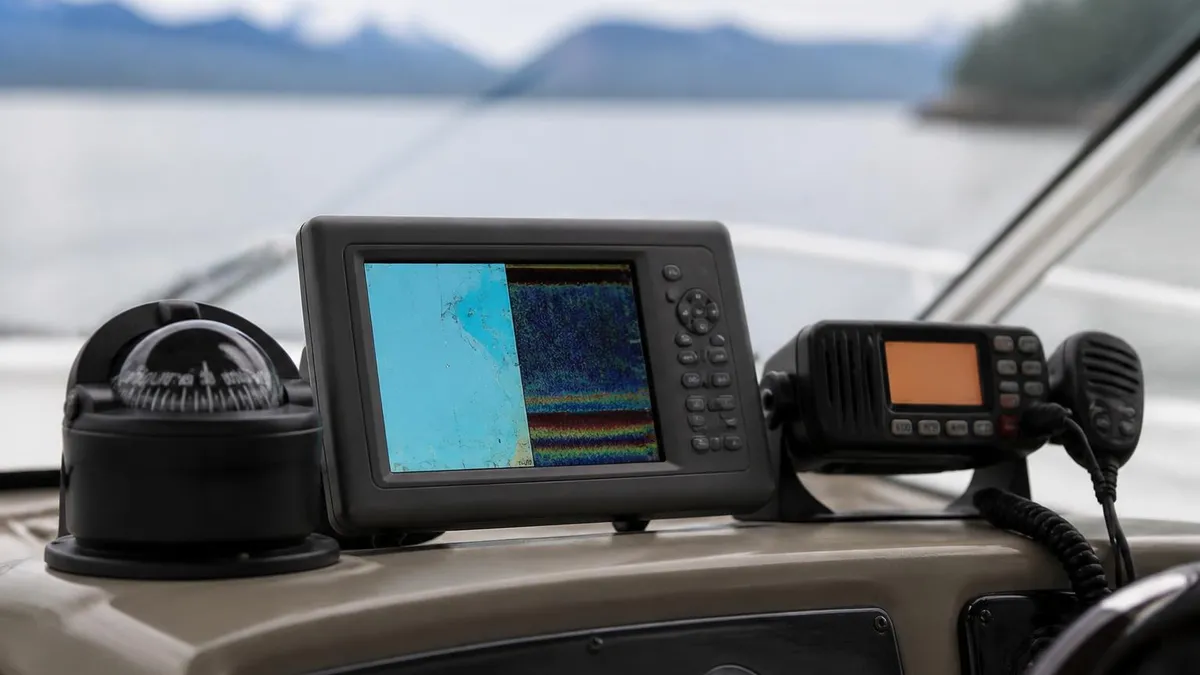
Three Types of Boating Credentials You Might Need
Required for recreational boat operators in most states. Earned by completing a NASBLA-approved safety course. No renewal needed in most states. This is what the majority of personal boat owners need — not a captain's license.
A federal Merchant Mariner Credential required to operate a vessel commercially for hire. Needed for charter fishing, ferry services, or any paid passenger activity. Requires sea service documentation, first aid certification, and a USCG exam.
A handful of states issue a separate state-level operator license on top of the education card. This is rare, but always check your specific state's DNR or wildlife agency website to confirm which documents apply to your situation.
The federal question — do you need a license to drive a boat — has a deceptively simple answer at the federal level: no, not for personal recreational use. The U.S. Coast Guard does not require recreational boaters to hold a federal license simply to operate their own vessel on navigable waters. What the federal government does regulate are commercial operations. The moment money changes hands for carrying passengers or cargo, you enter federal territory and a Merchant Mariner Credential becomes non-negotiable.
Understanding the USCG Merchant Mariner Credential tiers is important if you're ever considering taking paying guests out on your boat. The OUPV (Operator of Uninspected Passenger Vessels) — commonly called a "six-pack" license — permits you to carry up to six paying passengers. A Master license allows more passengers on inspected vessels. Each tier has its own sea service hour requirements, medical standards, and testing obligations that go far beyond a standard recreational boating safety course.
Many boaters wonder whether they do you have to have license to drive a boat in their particular state before investing in education. The answer is almost always yes at the state level — not a license in the driver's license sense, but rather a boater education certificate that proves you've completed a recognized safety course. These are different documents serving different purposes, which creates widespread confusion among new boat owners who conflate state and federal requirements.
Sea service documentation is where aspiring captain's license holders often get surprised. For the basic OUPV license, you need a minimum of 360 days of sea service — time actually spent on the water operating a vessel. Of that total, 90 days must have occurred within the last three years. You must keep a logbook documenting each outing, the type of vessel, waters navigated, and your role aboard. Gaps in logbook records are one of the most common reasons USCG applications are delayed or denied.
First aid and CPR certification is another federal requirement that recreational boaters are not typically required to hold. For the USCG captain's license, you need a current first aid card and a valid CPR/AED certification from an approved provider. The USCG also requires a Transportation Worker Identification Credential (TWIC) for vessels operating in certain port areas, which involves a TSA background check and adds both time and cost to the credentialing process.
The USCG exam itself covers six major topic areas: Rules of the Road (COLREGS), deck general knowledge, navigation, safety, chart plotting, and first aid. The test bank contains thousands of questions drawn from USCG-approved study materials, and you must score at least 70% in each section to pass. Many candidates take prep courses specifically designed for the MMC exam, which differ substantially from the NASBLA recreational safety courses most state boating education programs use.
If you're on the fence about whether to pursue a captain's license, consider this practical test: are you ever going to accept any form of payment — money, goods, or services — in exchange for taking people on your boat? If yes, you need the federal credential. If your boat will always carry only friends and family at your own expense, your state boater education card is almost certainly all you'll ever need to stay legal on the water.
Florida, California & Alabama Boating License Rules
The florida boating license requirement applies to anyone born on or after January 1, 1988, who operates a motorized vessel in Florida waters. You must complete a NASBLA-approved boating safety course and carry your Boater Education ID card at all times while operating a motorized boat. The state offers both classroom and online options through approved providers, and the card never expires once earned. Florida Fish and Wildlife Conservation Commission (FWC) officers regularly conduct on-water checks and can cite operators who fail to produce the card.
Florida also enforces strict BUI (Boating Under the Influence) laws with the same legal blood alcohol limit as driving — 0.08% BAC. The state sees roughly 800 reported boating accidents per year, making it the perennial leader in USCG annual accident statistics. Taking an approved boating license florida course not only keeps you legal but also provides a meaningful discount on boat insurance policies offered by most major marine insurers, typically ranging from 10% to 15% off your annual premium.
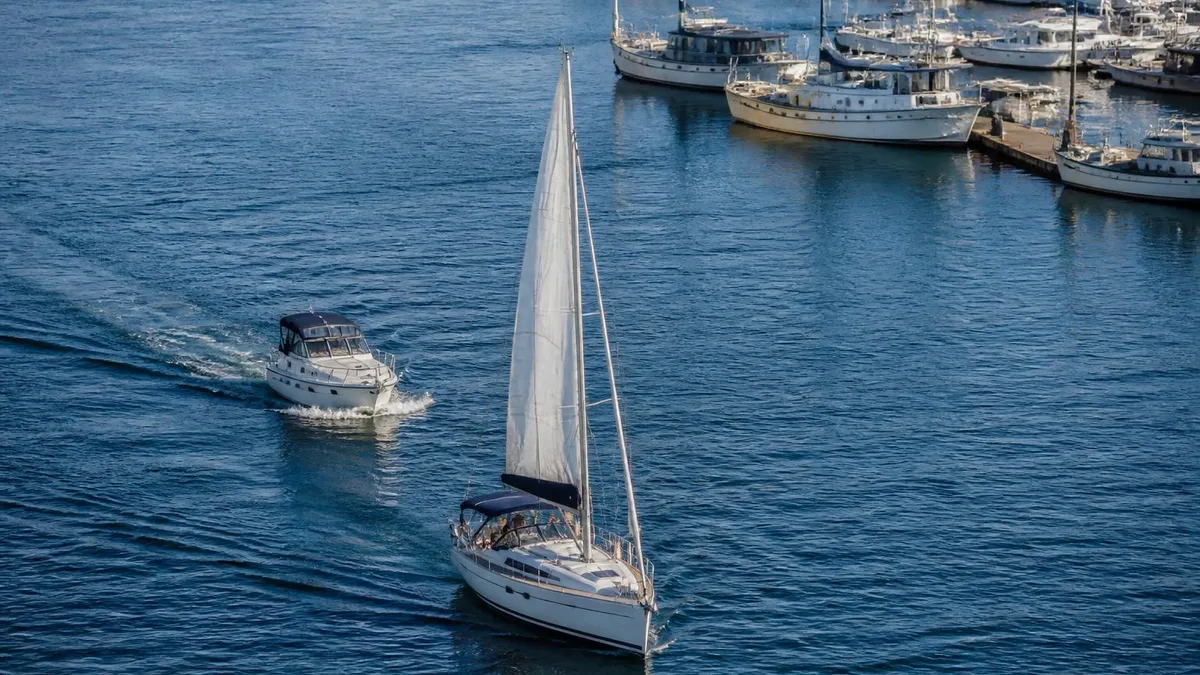
Captain's License vs. Recreational Boating Certificate: Key Tradeoffs
- +Captain's license allows you to legally charge passengers, opening charter fishing, tours, and ferry income
- +Federal credential recognized on all US navigable waters with no state-by-state renewal complexity
- +Signals professional competency to clients, insurers, and marina staff
- +Enables part-time or full-time income from your boat — charters average $500–$2,000 per trip
- +Comprehensive USCG exam preparation deepens your navigation and safety skills significantly
- +MMC credential opens doors to paid delivery captain work and boat management contracts
- −Requires a minimum of 360 documented sea service days before you can even apply
- −USCG exam covers advanced topics — chart plotting, COLREGS, navigation — far beyond a basic safety course
- −Application fees, exam fees, and required courses can total $500–$1,500 or more
- −Medical certification and background check add complexity and processing time to the application
- −Credential must be renewed every five years with continuing education requirements
- −Most personal recreational boaters will never need it — it's overkill for weekend leisure boating
Pros and Cons at a Glance
| Pros | Cons |
|---|---|
| Captain's license allows you to legally charge passengers, opening charter fishing, tours, and ferry income | USCG exam covers advanced topics — chart plotting, COLREGS, navigation — far beyond a basic safety course |
| Federal credential recognized on all US navigable waters with no state-by-state renewal complexity | Medical certification and background check add complexity and processing time to the application |
| Signals professional competency to clients, insurers, and marina staff | Credential must be renewed every five years with continuing education requirements |
| Comprehensive USCG exam preparation deepens your navigation and safety skills significantly | Most personal recreational boaters will never need it — it's overkill for weekend leisure boating |
Boating Safety Course & License Requirements Checklist
- ✓Confirm your state's age and horsepower thresholds on your DNR or wildlife agency website
- ✓Choose a NASBLA-approved online or in-person boating safety course
- ✓Complete all course modules and pass the final exam with the required minimum score
- ✓Receive and print your state boater education card or certificate
- ✓Carry your boater education card on the vessel at all times when operating
- ✓Check whether your state requires non-residents to obtain a local certificate for extended stays
- ✓Verify your vessel registration is current and visible before launching
- ✓Confirm all required safety equipment (PFDs, fire extinguisher, flares, horn) is aboard
- ✓Review BUI laws in your state — many mirror driving under the influence penalties exactly
- ✓If chartering or taking paying passengers, research USCG Merchant Mariner Credential requirements
You Don't Need a Captain's License to Enjoy Your Own Boat
The vast majority of recreational boat owners in the US only need their state's boater education certificate — not a federal USCG captain's license. The captain's license is reserved for commercial operations where money exchanges hands for passenger carriage. Know your state's rules, carry your certificate, and you're legal. A USCG credential is only needed once you start charging passengers.
Getting your boating safety certificate is a straightforward process in every state, but the specific steps vary enough that following your state's official pathway matters. In most states, you start by visiting the website of the state agency that oversees boating — typically the Department of Natural Resources, Department of Fish and Wildlife, or a Parks and Recreation agency. From there, you'll find a list of NASBLA-approved course providers, both online and in-person, along with any state-specific requirements for course format or content.
Online courses are by far the most popular option because they're self-paced, available 24/7, and typically cheaper than classroom alternatives. Reputable providers include BoatUS Foundation, Boat-Ed.com, and the NASBLA-affiliated Safe Boating Council. These courses typically take between 6 and 10 hours to complete and conclude with a proctored final exam. In most states, the exam must be taken under supervised conditions — either at a physical testing center or through a webcam-proctored online session — to prevent cheating.
Once you pass the final exam, you'll receive either an immediate digital certificate or a plastic card mailed to your address within one to three weeks. Some states like Florida issue a Boater Education ID card through their Fish and Wildlife Conservation Commission portal — you can also obtain a temporary one at a local FWC office if you need to get on the water right away. Keep both a physical copy and a digital backup on your phone since water patrol officers typically accept either.
The missouri boating license process is managed by the Missouri State Highway Patrol Water Patrol Division. Missouri requires anyone born after January 1, 1984, to complete a boater education course before operating a motorized vessel. The state accepts courses from several approved providers and issues a lifetime card — no renewal required. Missouri's testing threshold for minors is stricter: anyone under 14 cannot operate a vessel alone regardless of course completion, and those aged 14 to 15 require adult supervision unless they hold the certificate and are over 14.
For boaters in Tennessee, the course completion process runs through the Tennessee Wildlife Resources Agency. The state accepts courses from NASBLA-approved providers and requires anyone born after January 1, 1989, to hold the certificate before operating a motorized vessel. Tennessee's rules apply not just to boats but also to personal watercraft like jet skis, which are a major category of watercraft accident in inland lake states. The tennessee boating license rules specifically address PWC operation, requiring operators to be at least 12 years old.
Reciprocity between states is an important concept for boaters who travel. Most states recognize boater education certificates from other states if the course was NASBLA-approved. However, reciprocity is not automatic — some states require you to register your certificate with their agency or obtain a state-specific card before operating there regularly. If you frequently take your boat across state lines, research each state's reciprocity rules to avoid compliance gaps that could result in fines during out-of-state trips.
Personal watercraft require special attention in the licensing conversation. Many states have separate minimum age requirements and operation rules for jet skis, sea-doos, and other PWCs that differ from standard motorboat rules. For example, some states require PWC operators to be at least 16 regardless of whether they hold a boater education certificate, while others permit operation as young as 12 with the certificate. Always verify PWC-specific rules in your state separately from general motorboat rules, as the two categories are often regulated differently.
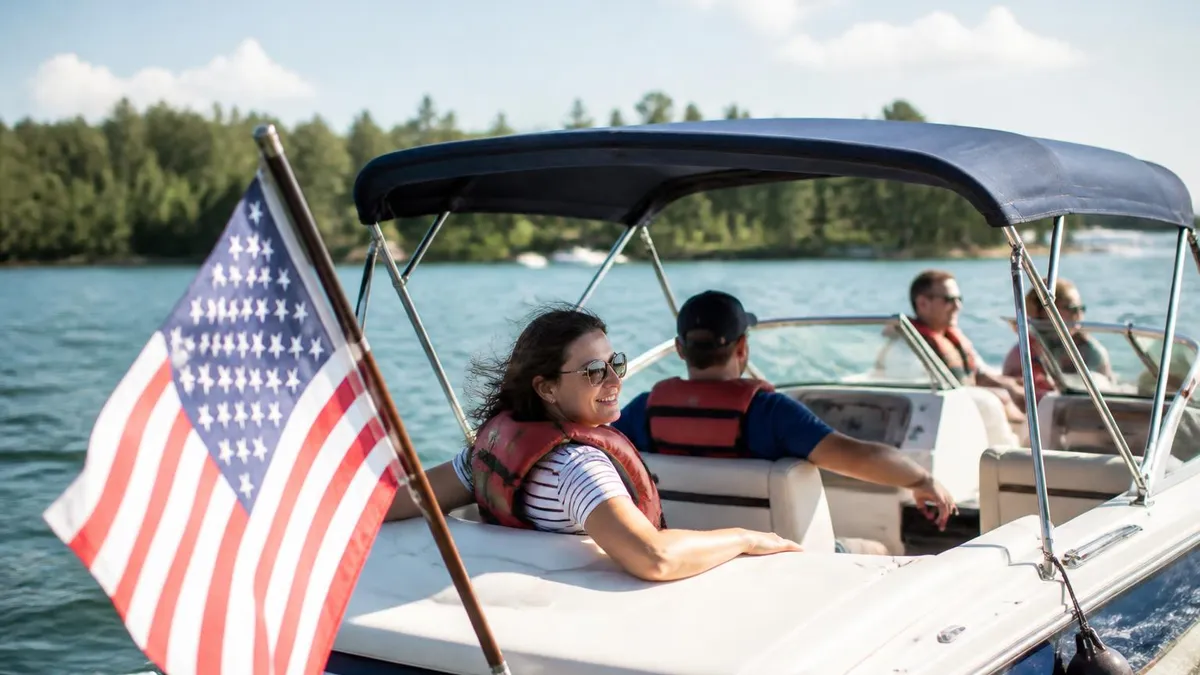
Many recreational marine insurance policies include a warranty that the operator holds all required state certifications. If you operate without a valid boater education card where one is required and file a claim after an accident, your insurer may deny coverage based on this warranty breach. Always verify your state requirements and carry proof of completion before launching — the financial exposure from an uninsured boating accident far exceeds the cost of a $35 online safety course.
Preparing for a boating safety exam is different from studying for a traditional academic test, but the same core principles apply: practice with real questions, understand the reasoning behind each answer, and focus extra attention on the topics where you feel least confident. Boating safety exams cover a wide range of material including navigation rules (COLREGS), required safety equipment, distress signals, right-of-way situations, weather awareness, and alcohol regulations. Most state-approved courses build the exam from a standardized NASBLA question bank.
Right-of-way rules — often called the Rules of the Road on the water — are consistently one of the most challenging sections for exam candidates. These rules govern which vessel must yield in a crossing situation, how to interpret navigation lights at night, and what sound signals mean in restricted visibility. Unlike road traffic where most rules are intuitive from years of driving experience, maritime right-of-way rules have their own vocabulary and logic that takes deliberate study to internalize before the exam.
Navigation lights are another high-frequency topic on boating safety exams. You'll need to know which combination of red, green, and white lights indicates a power-driven vessel underway, a vessel at anchor, a sailing vessel, and various special-purpose craft. The USCG Navigation Rules specify exact arc angles and visibility requirements for each light. Many exam questions present a scenario where you see a specific combination of lights from an approaching vessel and must identify what that vessel is doing and what action you should take.
Emergency procedures and distress signals are tested heavily on most state boating exams and are worth studying thoroughly. Topics include the proper use of flares, orange distress flags, sound signals, and how to communicate a distress call on VHF channel 16. Knowing how to respond if someone falls overboard — the standard Man Overboard (MOB) procedure — is both a life-saving skill and a reliable exam topic. Many questions also cover fire extinguisher types, when to abandon ship, and how to use an EPIRB or PLB device.
For boaters wondering if you do you need a license to drive a boat in Wisconsin or other northern states, it's worth noting that cold-water boating introduces unique hazards that these exams address. Hypothermia, ice boating regulations, and cold-shock are topics that appear in state exams for northern states but rarely show up in Florida or California materials. If your boating is primarily in cold-water environments, seek out state-specific study materials rather than relying solely on generic national courses.
Alcohol and drug regulations appear on every boating exam because Boating Under the Influence (BUI) is the leading contributing factor in fatal boating accidents nationwide. The legal blood alcohol limit for operating a boat is 0.08% in all US states — matching the driving limit — but the physical effects of alcohol on the water are amplified.
Sun exposure, wind, wave motion, and engine vibration all accelerate alcohol absorption and impairment. Many exam questions test whether you know the specific penalties, checkpoint procedures, and the fact that open containers of alcohol are regulated differently on boats than in vehicles in most states.
Weather awareness is a topic new boaters frequently underestimate until they encounter fast-moving thunderstorms on open water. Boating safety courses teach you how to read VHF weather broadcasts, interpret NOAA marine forecasts, recognize developing storm conditions, and make anchoring and emergency decisions when caught in bad weather. Exam questions in this category often present a scenario with a developing weather pattern and ask what a prudent operator should do — the correct answer always involves heading to safety earlier rather than waiting to see how conditions develop.
The most effective exam preparation strategy for any boating safety test is to combine reading the course material once through for comprehension, then shifting to question-driven practice for the majority of your study time. Research consistently shows that retrieval practice — actively recalling answers to questions — produces far better long-term retention than re-reading notes or watching videos passively. Free practice question banks, like those available on PracticeTestGeeks.com, give you targeted repetition on exactly the topics most likely to appear on your exam.
Targeted weakness remediation is the next layer of preparation that separates test-takers who barely pass from those who finish with confidence. After each practice session, identify the specific topic areas where you got questions wrong. Go back to the course material for those sections specifically, then return to practice questions on just those topics until your accuracy improves. This focused loop — practice, identify gaps, study the gap, practice again — is far more efficient than a general re-read of everything.
Time management matters even on untimed boating safety exams because anxiety can cause you to second-guess correct first instincts. Most experienced test-takers recommend flagging questions you're uncertain about, completing the ones you're confident on first, then returning to flagged items with fresh eyes. For the USCG captain's license exam — which is substantially longer and more complex — time management becomes even more critical given the volume of chart plotting and navigation rule questions that require calculation.
Practical on-water experience reinforces exam knowledge in ways that passive study cannot replicate. If you're new to boating, try to get time on the water with an experienced boater before taking your exam. Seeing navigation lights, practicing docking, experiencing how weather affects boat handling, and running through a pre-departure safety check all make the abstract exam material feel concrete and memorable. Many boating clubs and marinas offer introductory on-water courses that pair nicely with the online safety certification curriculum.
Don't overlook the equipment sections of the course. Required safety equipment lists — including the specific number and type of life jackets, fire extinguisher classification, visual distress signals, and navigation light requirements — generate a significant share of exam questions. The rules vary by vessel length: a boat under 16 feet has different equipment requirements than one over 40 feet, and personal watercraft have additional specific equipment mandates. Memorizing the breakpoints (16 feet, 26 feet, 40 feet, 65 feet) helps you answer scenario questions quickly and accurately.
Group study is an underrated preparation tool for boating safety exams. Going through practice questions with a partner, explaining answers out loud, and debating why a specific choice is correct versus why the wrong answers are plausible all deepen comprehension. Teaching concepts to someone else is one of the most effective learning techniques known — if you can explain why a stand-on vessel maintains course and speed while a give-way vessel takes early and substantial action, you've genuinely internalized the rule rather than just memorized a phrase.
Finally, take at least one full timed mock exam in exam conditions — phone away, no looking things up — within a day or two of your scheduled test date. This simulates the test environment and reveals any remaining gaps while there's still time to address them.
If you score above 85% on a comprehensive mock exam, you're almost certainly ready for the real thing. Most state boating safety exams have a passing threshold of 70% to 80%, so a comfortable buffer above that threshold means you can go into the exam with genuine confidence rather than hoping for a lucky outcome.
Boating License Questions and Answers
Tennessee Boating License 2026 — Requirements, Age & How to Get One
MN Boat License: Who Needs One & How to Get Certified
Do You Need a License to Drive a Boat? State-by-State Guide 2026

Wisconsin Boating License Requirements 2026 — Age, Safety Course & How to Get Certified

How to Get a Boating License in Alabama: Complete 2026 Guide
About the Author

Master Mariner & Maritime Certification Specialist
Massachusetts Maritime AcademyCaptain David Harrington is a US Coast Guard licensed Master Mariner with a Bachelor of Science in Marine Transportation from Massachusetts Maritime Academy. He has 22 years of deep-sea and coastal navigation experience aboard commercial vessels and specializes in preparing maritime candidates for USCG licensing exams, STCW certification, dynamic positioning (DPO), and officer-of-the-watch qualifications.
Join the Discussion
Connect with other students preparing for this exam. Share tips, ask questions, and get advice from people who have been there.
View discussion (6 replies)