
BLS Instructor Update: Complete Guide to Renewal, Requirements, and What Is a BLS Certification
What is a BLS certification & how does the instructor update work? ✅ AHA & Red Cross renewal steps, exam tips, and free practice tests.

If you have ever asked yourself what is a BLS certification and why it matters so much in clinical settings, you are not alone. Basic Life Support — BLS — is the foundational emergency-response credential required for nurses, paramedics, respiratory therapists, medical assistants, and virtually every healthcare provider who may encounter a cardiac arrest, respiratory failure, or choking emergency.
The certification validates that you can perform high-quality CPR, operate an AED, and manage life-threatening airway obstructions in both adult and pediatric patients. For instructors, staying current through a bls instructor update course is equally critical to maintaining teaching privileges and keeping skills sharp.
The American Heart Association and the American Red Cross are the two dominant bodies that issue BLS credentials in the United States. The AHA BLS for Healthcare Providers course is the gold standard in most hospital systems, while the Red Cross basic life support course is widely accepted in outpatient clinics, dental offices, schools, and community organizations. Both programs follow the same evidence-based guidelines published every five years, meaning the clinical content — compression depth, rate, ventilation ratios — is virtually identical regardless of which organization issues your card.
Understanding what does BLS stand for goes beyond the three-letter acronym. Basic Life Support describes a specific chain of survival that begins the moment a bystander or provider recognizes an emergency and ends when advanced cardiac life support (ACLS) takes over. The chain includes immediate recognition of cardiac arrest, early activation of the emergency response system, high-quality CPR, rapid defibrillation with an AED, and — for healthcare providers — effective team dynamics and clear communication during resuscitation. Instructors are the frontline educators who teach these skills and must therefore model the highest standards of competency.
One of the most common points of confusion for new healthcare workers is whether BLS and CPR are the same thing. The short answer is no — CPR is a subset of BLS. Standard CPR courses cover hands-only or mouth-to-mouth techniques for a general audience, while BLS for healthcare providers adds two-rescuer coordination, bag-mask ventilation, AED operation, and infant resuscitation. So when someone asks is BLS the same as CPR, the accurate response is that CPR is part of BLS, not a replacement for it. Instructors must communicate this distinction clearly to their students during every course.
For current BLS instructors, the update requirement exists because resuscitation science evolves. The AHA revises its Guidelines for CPR and Emergency Cardiovascular Care on a regular cycle, and each revision may change compression-to-ventilation ratios, drug protocols, or team-based resuscitation approaches. An instructor who was certified five years ago and has not completed a BLS instructor update may be teaching outdated information, which can directly affect patient outcomes. Staying current is therefore both a professional obligation and an ethical one.
This guide covers every aspect of the BLS instructor update process: eligibility requirements, course formats, fees, what to expect on the written exam and skills stations, and how to maintain your instructor status long term. Whether you are renewing for the first time or the fifth, you will find the step-by-step information you need to walk into your update course fully prepared. Free practice quizzes are embedded throughout this article to help you test your knowledge before the big day.
The landscape of BLS training has changed significantly in recent years, with blended learning — combining online modules with an in-person skills check — becoming the dominant delivery format. This shift has made the basic life support renewal class more flexible and accessible than ever, allowing busy healthcare professionals to complete the didactic portion on their own schedule and then demonstrate hands-on competency in a brief in-person session. Understanding how these formats work will help you choose the renewal pathway that best fits your schedule and learning style.
BLS Certification by the Numbers
Key Facts at a Glance
| Item | Value | Details |
|---|---|---|
| Standard BLS Card Validity | 2 Years | AHA and Red Cross both issue 2-year credentials |
| Compressions Per Minute | 100-120 | Target rate for high-quality CPR |
| Typical Instructor Update Length | ~4 Hours | Including written exam and skills stations |
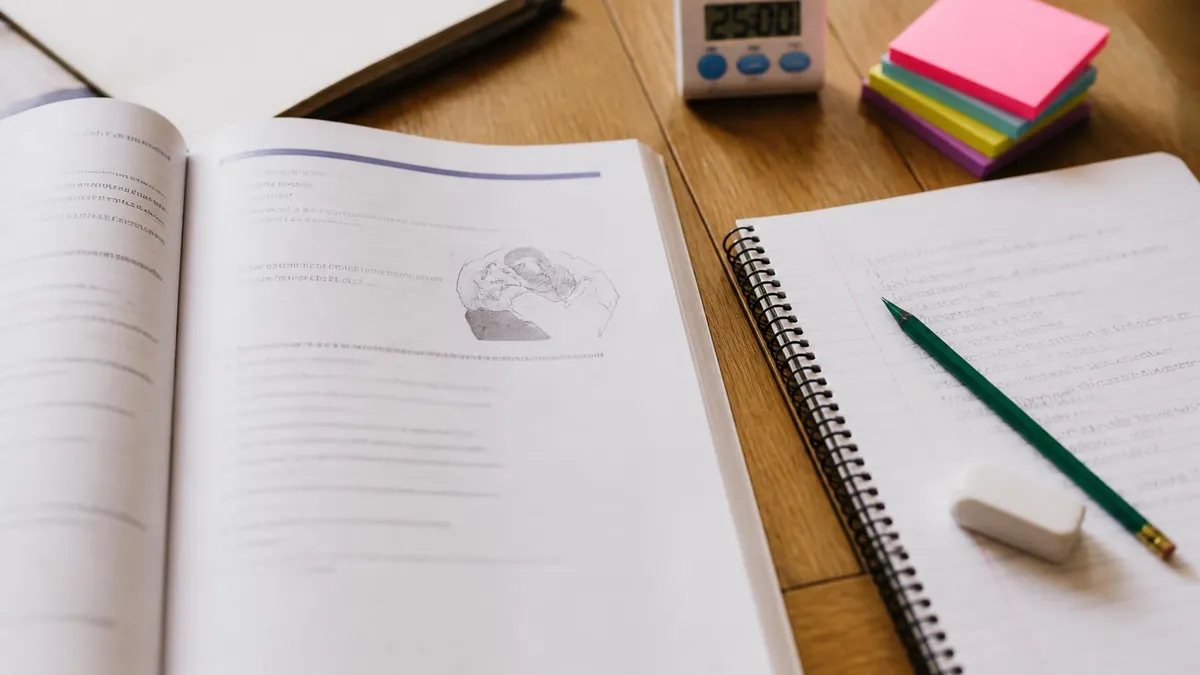
BLS Instructor Update Preparation Schedule
- ▸Download the latest AHA BLS Provider Manual or HeartCode modules
- ▸Review updated compression depth and rate targets
- ▸Study two-rescuer adult CPR team dynamics
- ▸Note any guideline changes since your last certification
- ▸Practice one-handed and two-handed chest compressions on a manikin
- ▸Rehearse bag-mask ventilation technique with a partner
- ▸Run through AED operation sequence from recognition to shock delivery
- ▸Practice infant and child CPR modifications
- ▸Review AHA or Red Cross instructor essentials and course facilitation guides
- ▸Practice debriefing a skills station using the structured feedback model
- ▸Study common student errors and how to correct them safely
- ▸Complete at least two full-length practice written exams online
- ▸Retake any practice quizzes where you scored below 85%
- ▸Confirm your course location, bring current instructor card and photo ID
- ▸Review special situations: pregnancy, drowning, opioid overdose response
- ▸Rest well the night before — skills performance improves with adequate sleep
Choosing between the American Heart Association basic life support exam pathway and the American Red Cross basic life support course is the first decision every instructor must make at renewal time. Both organizations produce highly competent instructors, but the ecosystems differ in important ways. The AHA dominates hospital and EMS settings — most large health systems require AHA-issued cards for all clinical staff and mandate that instructors hold AHA certification. The Red Cross holds stronger market share in schools, community organizations, fitness facilities, and outpatient practices. Before selecting your renewal provider, confirm which organization your employer or training site accepts.
The AHA BLS for healthcare providers instructor update follows a structured pathway. Instructors must complete a Heartsaver or BLS instructor update course through an AHA Training Center (TC). These training centers are typically hospitals, universities, or third-party organizations that have signed a licensing agreement with the AHA.
The TC coordinator manages scheduling, equipment, and the roster of instructor candidates. You cannot simply walk into any CPR class and receive an instructor update — you must attend a designated instructor renewal event that includes both a knowledge check and a monitored skills assessment where you demonstrate provider-level CPR before being evaluated on your teaching performance.
The written component of the AHA BLS instructor update consists of a multiple-choice exam covering guidelines, teaching methodology, and scenario-based application. Passing typically requires a score of 84% or higher, though individual training centers may set a slightly higher threshold.
The exam is closed-book and administered either on paper or through an online portal depending on the TC's setup. If you do not pass on the first attempt, most training centers allow one retake on the same day; a second failure usually requires a waiting period before you can sit again. Thorough preparation using practice tests is the most reliable way to avoid retake delays.
The Red Cross BLS instructor renewal process is similarly structured but uses the Red Cross Learning Center as its digital backbone. Instructors complete an online review module, attend an instructor update session with a Red Cross authorized provider, and demonstrate competency in all required skills. The Red Cross places particular emphasis on the Simulation Learning methodology, which uses structured scenarios and peer feedback to reinforce both clinical skills and teaching effectiveness. Red Cross instructors report that the simulation-based approach makes it easier to immediately apply what they learn in their own training sessions.
A point of frequent confusion is whether a card from one organization is accepted by employers who recognize the other. In most cases, the answer is no — an AHA card does not satisfy an employer that requires Red Cross certification, and vice versa.
There are some exceptions in rural or underserved areas where staffing constraints force facilities to accept either credential, but these are not the norm. If you are an instructor who teaches at multiple sites with different organizational requirements, you may need to maintain dual credentials — an added cost and time commitment that is worth factoring into your renewal planning.
For those interested in expanding their credentials, learning how to become a bls instructor from scratch involves a slightly longer pathway than the update alone. New instructor candidates must first hold a current BLS provider card, complete an instructor essentials course online, attend an instructor course at a training center, and then co-teach a certain number of provider courses under the supervision of a faculty instructor before receiving independent instructor status. The instructor update, by contrast, is a simplified renewal designed for individuals who are already credentialed and simply need to demonstrate that their skills and knowledge remain current.
Geography and scheduling also play a role in choosing your renewal provider. The AHA's training center network is extensive, but availability of instructor-level update sessions varies significantly by region. Urban areas may offer monthly sessions while rural areas might schedule them quarterly.
The AHA's HeartCode platform offers a blended learning option where the cognitive portion is completed online — often at a significant time savings — followed by a skills check at a local training center. This flexibility has made the process considerably more manageable for instructors who work demanding clinical schedules and cannot block off a full day for a traditional classroom course.
For a fuller set of questions on this topic, see our aha bls practice questions resource.
Basic Life Support for Healthcare Providers: Course Formats Explained
The traditional classroom BLS course runs four to five hours and covers all provider and instructor competencies in a single session. Students rotate through manikin stations, practice bag-mask ventilation, and run team-based resuscitation scenarios while the instructor observes and provides real-time feedback. This format is particularly valuable for learners who benefit from immediate hands-on correction and group dynamics that simulate real resuscitation team environments.
For instructor renewals, the classroom format includes a written exam followed by observed skills performance at each station. The instructor candidate must demonstrate provider-level CPR before being evaluated as a teacher. Many experienced instructors prefer this format because it provides face-to-face networking with other educators and allows direct dialogue with faculty about challenging teaching scenarios they have encountered in their own courses.

BLS Instructor Update vs. Full Re-Certification: Which Path Is Right for You?
- +Instructor update courses are shorter (typically 4 hours vs. 8+ hours for a full new instructor course)
- +Lower cost — most updates run $50–$120 compared to $200–$400 for initial instructor certification
- +Maintains continuous instructor status with no gap in teaching privileges
- +Counts toward professional development requirements for many nursing and EMS licensure boards
- +Blended format option allows completion of cognitive content on your own schedule
- +Skills stations are refresher-focused, not from scratch, reducing exam anxiety for experienced instructors
- −Must be completed before expiration — a lapsed instructor card requires full re-certification, not just an update
- −Not all training centers offer instructor update sessions on the same schedule as provider renewals
- −Dual-organization instructors (AHA + Red Cross) must complete two separate updates, doubling time and cost
- −Written exam still requires genuine preparation — overconfident experienced instructors sometimes fail
- −Blended online component requires stable internet access and a compatible device, which can be a barrier
- −Teaching observation component adds stress for instructors who have not helped a course recently
BLS Instructor Update Renewal Checklist
- ✓Confirm your current instructor card expiration date — renewals must be completed before expiration to avoid lapsing.
- ✓Verify which organization your primary employer requires: AHA, American Red Cross, or either.
- ✓Locate an accredited Training Center or Red Cross authorized provider offering instructor update sessions in your area.
- ✓Register early — instructor update sessions fill faster than provider courses due to smaller class sizes.
- ✓Complete any required online pre-work (HeartCode modules or Red Cross Learning Center review) before the in-person date.
- ✓Gather required documents: current instructor card, government-issued photo ID, and any employer authorization forms.
- ✓Practice hands-on CPR skills on a manikin at least twice before the session to restore muscle memory.
- ✓Review the most recent AHA Guidelines or Red Cross update summary for any protocol changes since your last renewal.
- ✓Take at least two full-length practice written exams and review every question you missed before course day.
- ✓Arrive at the training center 15 minutes early, well-rested, and prepared to demonstrate both provider and teaching skills.

Your Card Expiration Date Is a Hard Deadline — Not a Suggestion
If your BLS instructor card expires before you complete your update, you lose your teaching privileges immediately and must re-enroll in a full initial instructor course — a process that takes significantly more time and money than a simple renewal. Set a calendar reminder 90 days before expiration and register for your update session the same day. Most training centers allow registration up to six months in advance.
Preparing for the written component of the AHA basic life support exam requires more than a casual review of your old course materials. The exam tests not just rote recall of compression rates and depths, but applied reasoning: given a specific patient scenario, what is the correct sequence of actions?
Questions frequently involve interpreting a rhythm strip, selecting the appropriate AED energy setting for a pediatric patient, or determining how to modify the CPR ratio when a patient has an advanced airway in place. These scenario-based items trip up even experienced providers who have not recently reviewed the underlying rationale behind each guideline.
The most effective preparation strategy combines guideline review with active retrieval practice. Reading the BLS Provider Manual once is helpful, but the research on learning retention is clear: testing yourself repeatedly outperforms re-reading by a significant margin. Take a practice exam, identify your weak areas, review the relevant sections, and then immediately take another practice exam focused on those topics. This spaced retrieval approach encodes the information more deeply and makes recall under exam pressure far more reliable than passive review alone.
Skills station performance is the component that surprises the most instructor candidates, not because the skills are difficult, but because the evaluation criteria are more precise than people expect. The evaluator is watching for very specific behavioral indicators: Did you check for a pulse for no more than ten seconds?
Did you position your hands correctly in the center of the chest on the lower half of the sternum? Did you allow full chest recoil between compressions? Did you minimize interruptions to less than ten seconds during AED analysis? Each of these checkpoints is a pass-fail item, and missing even one can result in a remediation session.
Bag-mask ventilation is another area where instructors frequently struggle during their renewal skills check. The correct technique requires creating a seal with a C-E grip, tilting the head and lifting the chin to open the airway, and delivering breaths over exactly one second each — just enough to produce visible chest rise without over-inflating.
Over-ventilation is one of the most common errors in real resuscitations, and the AHA has emphasized this in recent guidelines updates. Practicing with an actual bag-mask device on a manikin, rather than just visualizing the steps, is the only reliable way to build the motor pattern needed for a confident skills check performance.
Team dynamics questions are prominently featured on both the written exam and the skills scenario portion of the instructor update. The AHA uses the term High-Performance Team CPR to describe the modern approach: clearly assigned roles (compressor, ventilator, AED operator, team leader, IV/medication, timekeeper/recorder), closed-loop communication, mutual respect among team members, and continuous situational awareness. As an instructor, you must not only demonstrate these behaviors yourself but also be able to teach them effectively and debrief students when they fall short during practice scenarios.
Special situations make up a meaningful portion of both the AHA and Red Cross BLS exams. These include resuscitation of a drowning victim (emphasizing the importance of rescue breathing even in an otherwise compression-only protocol), cardiac arrest during pregnancy (where the team must perform manual left uterine displacement to relieve aortocaval compression while continuing CPR), and suspected opioid overdose (where naloxone administration and rescue breathing are both indicated before compressions if the patient has a pulse). Instructors need to be fluent in these modifications because students will encounter them in clinical practice and expect authoritative guidance.
One underappreciated aspect of exam prep is studying the rationale behind each guideline, not just the guideline itself. The AHA publishes a comprehensive set of science summaries alongside its guidelines, explaining the systematic reviews and clinical trials that support each recommendation.
When you understand why the compression rate is 100 to 120 per minute — because rates above 120 reduce compression depth and rates below 100 reduce perfusion pressure — you can answer novel exam questions that present the same concept in a different context. Instructors who teach the rationale, not just the steps, produce students who perform better under the unpredictable conditions of a real emergency.
Instructor update sessions are offered far less frequently than provider courses, and seats fill quickly — especially in the months of September and January when many healthcare systems align credentialing cycles with fiscal year or annual review periods. If you wait until the final 30 days before your expiration, you may find no available sessions in your area, forcing you to travel or accept a lapse in your credentials. Register at least 60 to 90 days before your expiration date.
Maintaining long-term instructor status requires more than just completing a renewal every two years. Active BLS instructors are expected to help a minimum number of courses per certification cycle, document their teaching hours, and stay engaged with their Training Center's ongoing quality improvement processes. The AHA requires that instructors teach at least one course per year to maintain active status within most training centers, though individual TC policies vary. Instructors who go dormant — completing their update but teaching no courses — may find their TC removes them from the active roster even before their credential expires.
Course quality monitoring is an aspect of instructor status that catches many people off guard. Both the AHA and the Red Cross conduct periodic audits of instructor-led courses, reviewing student evaluation forms, checking that course rosters were submitted correctly, and occasionally sending a monitor to observe a live session.
Instructors who receive poor student evaluations, fail to submit rosters promptly, or are observed using outdated content may be placed on a performance improvement plan or, in severe cases, have their instructor status revoked. Staying engaged with your TC coordinator and proactively requesting feedback after courses is the best way to avoid surprises.
Technology has become a significant factor in modern BLS instruction. Many training centers now use CPR feedback devices — small accelerometers that clip to a manikin's chest and display real-time data on a monitor or tablet — to give students objective data on their compression quality. As an instructor, you need to be comfortable interpreting this feedback and using it to coach students in real time. Some TC coordinators now require instructors to demonstrate proficiency with these devices during their renewal, so if your center uses them, practice with the specific brand and model they have on hand.
The intersection of BLS and other emergency response protocols is increasingly relevant for healthcare instructors. Many health systems are integrating BLS training with rapid response team activation, Code Blue procedures, and post-resuscitation care bundles. Instructors who understand how BLS fits into the broader system of care — not just the isolated skills — are better equipped to contextualize training for their students and answer the inevitable question: what happens after CPR works? Familiarizing yourself with your institution's post-resuscitation protocol and incorporating brief references to it during debriefs adds significant value to your courses.
Continuing education credits are a meaningful side benefit of maintaining your BLS instructor status. Most state nursing boards, the National Registry of Emergency Medical Technicians, and various allied health licensure bodies recognize BLS instructor training and course facilitation as qualifying continuing education activities. The number of CE hours varies by activity and state, but keeping careful records of your teaching hours, update course attendance, and any faculty-level training you complete creates a portfolio that satisfies multiple licensure renewal requirements simultaneously — an efficiency that busy healthcare professionals genuinely appreciate.
Peer learning networks have emerged as an important resource for BLS instructors between formal update cycles. Many Training Centers host quarterly instructor meetings where educators share challenging student scenarios, discuss new equipment, and review recent literature. National organizations like the AHA maintain online communities where instructors exchange ideas and get answers to difficult curriculum questions. Engaging with these networks keeps your skills and teaching strategies fresh, and often surfaces practical tips — such as how to help a student with small hands achieve an effective mask seal — that no amount of individual study would uncover.
Finally, modeling lifelong learning for your students is perhaps the most powerful thing a BLS instructor can do. When you share the story of how you prepared for your instructor update — reviewing guidelines, practicing on a manikin, taking practice exams — you communicate that even experienced instructors take ongoing learning seriously.
This sets an expectation of continuous improvement for your students and reinforces the culture of safety that emergency medicine depends on. For those ready to test their knowledge right now, the bls instructor update practice resources on this site offer an excellent starting point for any stage of your renewal preparation.
Practical exam day tips begin long before you walk into the training center. Sleep is a genuine performance variable — studies on procedural skill retention consistently show that a full night of sleep consolidates motor memory more effectively than an extra hour of late-night studying.
If your update session is scheduled for a morning slot, aim for seven to eight hours the night before. Lay out your required documents — instructor card, photo ID, any paperwork your TC requested — the night before so you are not scrambling at departure time. Arriving calm and organized sets a positive tone for the entire session.
During the written exam, manage your time deliberately. Most BLS written exams are 25 to 50 questions with a 45-minute time limit — generous enough that you should be able to read each question twice. On your first pass, answer every question you know confidently and flag any you are uncertain about.
On your second pass, revisit the flagged items with fresh eyes. Research on exam performance consistently shows that your first instinct is correct more often than second-guessing, so change an answer only if you have a specific reason — a recalled fact or a misread question — not just a feeling of doubt.
During skills stations, narrate your actions aloud. This technique, widely used in medical simulation, serves two purposes: it helps the evaluator follow your thought process (demonstrating that your actions are intentional, not accidental), and it catches errors before they become full mistakes. If you say out loud, checking for a pulse for no more than ten seconds, you are also reminding yourself of the time limit and the correct assessment window. Instructors who narrate perform noticeably better in observed skills evaluations, and this is a habit worth building into your practice sessions in the weeks before your update.
When you reach the AED station, do not rush. The AED sequence — power on, attach pads, analyze, clear, shock if indicated, resume CPR — feels very fast in a real emergency, but during a skills check evaluation you have time to be methodical.
Common errors include forgetting to verbally clear the patient before delivering the shock, attaching the pads in the wrong orientation (the anterior-lateral vs. anterior-posterior placement matters for certain patients), and failing to immediately resume CPR after shock delivery without waiting to check for a pulse. Reviewing these specific failure points in your preparation ensures they stay top of mind during the evaluation.
If you are teaching a skills station during the instructor observation component, remember that your job is facilitation, not performance. The evaluator is watching whether you position yourself correctly to monitor all learners simultaneously, whether you intervene when a student error could result in harm (such as dangerous compression depth on a real patient), and whether your feedback is specific, actionable, and respectful. Generic praise like good job is a red flag for evaluators — they want to see you name the specific behavior that was correct: excellent full chest recoil between every compression.
Handling a student who is struggling during your observed teaching session is a scenario many instructor candidates fear. The correct approach is to stop the scenario briefly, provide a targeted correction with a physical demonstration if needed, and then restart the scenario so the student can immediately practice the corrected technique. This stop-demonstrate-practice loop is the cornerstone of psychomotor skills coaching and is explicitly modeled in AHA and Red Cross instructor training. If you have rehearsed this loop in your own preparation, executing it under observation becomes considerably less stressful.
After your update is complete and your new card is in hand, take fifteen minutes to reflect on what you found most challenging — either in the exam, the skills check, or the teaching observation. Write down two or three specific areas where you felt less confident than you would have liked, and build those into your study priorities for the next renewal cycle.
Instructors who approach their credential as a two-year learning project rather than a two-day event consistently produce better outcomes for their students and find the renewal process progressively less daunting. The ultimate measure of a great BLS instructor is not the card in your wallet — it is the skill and confidence of every provider who walks out of your course ready to save a life.
Sample BLS - Basic Life Support Practice Questions
Try these questions from our free BLS - Basic Life Support practice tests. The correct answer and an explanation follow each question.
The victim doesn't say anything. Therefore, you tell an instructor to dial 911 and retrieve the AED. What will be your following intervention?
- A. give two rescue breaths
- B. check for a pulse and breathing simultaneously
- C. wait to begin until the defibrillator arrives
- D. begin CPR with chest compressions
Answer: B. check for a pulse and breathing simultaneously
After determining unresponsiveness and calling for help/AED, the next critical step is to quickly assess for both breathing and a pulse. This simultaneous check should take no more than 5-10 seconds. This assessment determines whether the victim requires rescue breaths (pulse present, no breathing) or full CPR (no pulse, no breathing).
When is it appropriate to stop CPR once started?
- A. After 10 minutes of unsuccessful resuscitation
- B. When the scene becomes unsafe, advanced providers take over, or the victim shows signs of life
- C. After 5 cycles if there is no response
- D. Only when a physician arrives and declares the victim
Answer: B. When the scene becomes unsafe, advanced providers take over, or the victim shows signs of life
BLS rescuers should continue CPR until the scene becomes unsafe, trained advanced providers assume care, an AED advises a shock, or the victim shows obvious signs of life.
A patient in a hospital bed suddenly becomes unresponsive. The nurse checks for breathing and pulse simultaneously for up to 10 seconds. This combined check is recommended because:
- A. It is faster and reduces time to first compression
- B. Pulse checks are unreliable and breathing checks are mandatory
- C. Hospital policy requires both checks at once
- D. It helps distinguish cardiac arrest from respiratory arrest
Answer: A. It is faster and reduces time to first compression
Simultaneously checking breathing and pulse minimizes the time to recognize cardiac arrest and start CPR, as sequential checks would unnecessarily delay interventions.
What is the recommended action if a victim vomits during CPR?
- A. Continue CPR without interruption
- B. Turn the victim to the side, clear the airway, then resume CPR
- C. Stop CPR and place the victim in the recovery position permanently
- D. Increase the rate of rescue breaths to clear the airway
Answer: B. Turn the victim to the side, clear the airway, then resume CPR
The victim should be turned to the side to clear vomit from the airway, then CPR should be resumed as quickly as possible.
BLS Questions and Answers

BLS Certificate Lookup: What Is a BLS Certification and How to Get Yours
Free Basic Life Support MCQ Questions and Answers Guide
AHA BLS Certification: Course, Renewal, and Exam Guide
BLS Training: Course Content, Format & How to Get Certified

Online BLS: Complete Guide to Getting Your Basic Life Support Certification
About the Author

Registered Nurse & Healthcare Educator
Johns Hopkins University School of NursingDr. Sarah Mitchell is a board-certified registered nurse with over 15 years of clinical and academic experience. She completed her PhD in Nursing Science at Johns Hopkins University and has taught NCLEX preparation and clinical skills courses for nursing students across the United States. Her research focuses on evidence-based exam preparation strategies for healthcare certification candidates.
Join the Discussion
Connect with other students preparing for this exam. Share tips, ask questions, and get advice from people who have been there.
View discussion (8 replies)