
How Long Is the Bar Exam? Days, Hours, and the Full Timeline in 2026 October
✅ How long the bar exam is: how many days and hours it takes, the structure of each day, state variations, how long results take, and how long to study.
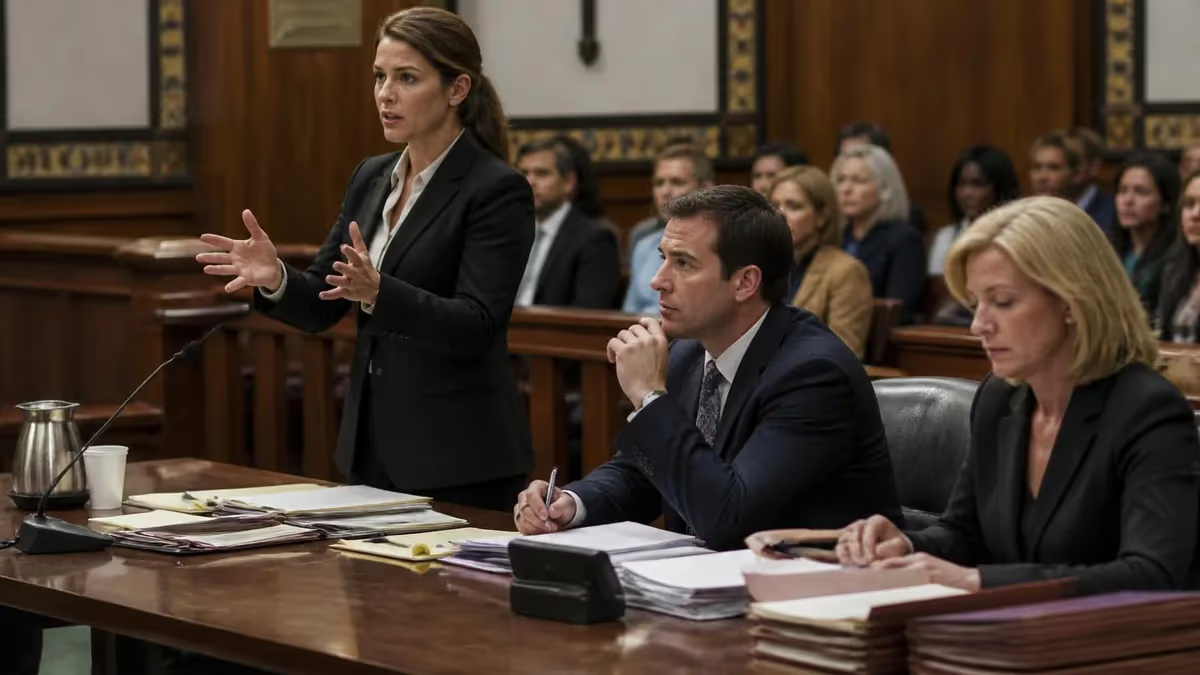
For law graduates staring down the final hurdle to becoming a lawyer, one practical question looms large: how long is the bar exam, exactly? The answer matters for planning your study schedule, booking time off, and steeling yourself for what's coming. The short version is that in most jurisdictions the bar exam takes two full days, though the precise length and structure vary by state.
That two-day standard has become widespread largely because of the Uniform Bar Examination, the UBE, which most states have now adopted. The UBE is a standardized, two-day format, and as more jurisdictions adopt it, the two-day length has become the norm across much of the country. Still, some states run their own exams with different timing, so the exact answer depends on where you're sitting it.
This guide breaks down precisely how long the bar exam takes—the number of days, the hours within each day, how the time is divided between the different components, how state formats vary, how long you'll wait for results, and how long you should plan to study beforehand. Understanding the full picture of how hard is the bar exam and its demanding length helps you prepare realistically rather than being blindsided.
One framing point: the bar exam isn't just long in hours—it's grueling in intensity. Two days of high-stakes, time-pressured testing across a huge body of law is mentally and physically exhausting. Knowing the structure and length in advance lets you train your stamina, pace your study, and arrive ready for a marathon rather than expecting a sprint. The duration is as much an endurance challenge as a knowledge test.
Bar Exam Length by the Numbers
How the Bar Exam's Time Breaks Down
In most states, the bar exam spans two full days, typically back-to-back. Each day involves roughly six hours of actual testing, split into morning and afternoon sessions, for about twelve hours of examination overall.
One full day is the Multistate Bar Examination—200 multiple-choice questions split into a morning and afternoon session of 100 each, three hours per session, testing core legal subjects nationwide.
The other day covers written components—the Multistate Essay Examination (MEE) and the Multistate Performance Test (MPT)—where you write essays and complete lawyering tasks under time pressure.
Some non-UBE states run different formats, occasionally longer (such as adding a state-specific day) or structured differently. Always confirm your specific jurisdiction's exact length and format.
Let's get concrete about the time involved. In the standard UBE format, the bar exam is two days, and each day consists of about six hours of testing divided into a three-hour morning session and a three-hour afternoon session. Add the two days together and you're looking at roughly twelve hours of actual examination, spread across two consecutive days, not counting breaks, check-in, and instructions.
That twelve-hour figure undersells the real time commitment of exam days, though. Between early check-in, security and identification procedures, instructions, lunch breaks, and the sheer logistics of testing hundreds of candidates, each exam day stretches far beyond the six hours of testing. Realistically, you'll be at the test site for the better part of a full day on each of the two days, which is part of why the experience is so draining.
The two days are typically back-to-back, which compounds the difficulty. You can't fully recover overnight between two days of maximum-intensity testing, so the second day is faced with the fatigue of the first already weighing on you. This is precisely why stamina matters so much—the bar exam tests not just whether you know the law, but whether you can perform across a sustained, exhausting two-day ordeal.
The order of the days varies by jurisdiction. Some states administer the written components (essays and performance test) on the first day and the multiple-choice MBE on the second, while others do the reverse. Neither order is inherently easier, but knowing your state's sequence lets you plan your energy and final review accordingly. Check your jurisdiction's schedule so there are no surprises about which grueling day comes first.
Within each day, the morning and afternoon sessions are each substantial blocks—three hours of continuous, focused work. Three hours of answering 100 dense multiple-choice questions, or writing multiple essays and a performance task, demands sustained concentration that's genuinely hard to maintain. Candidates who haven't practiced working in long, timed blocks often hit a wall mid-session, which is why full-length timed practice is essential preparation.
It's worth emphasizing how the length interacts with the breadth of material. The bar exam covers a vast range of legal subjects, and the twelve hours of testing are designed to probe that breadth thoroughly. The length isn't arbitrary—it's what's required to assess minimum competence across the enormous body of law a new lawyer is expected to know. Understanding this helps frame the duration as purposeful rather than merely punishing.
For planning purposes, treat the bar exam as consuming the better part of two full days plus the entire surrounding period of travel, logistics, and recovery. Many candidates travel to a test site, stay overnight between the two days, and need a recovery day afterward. Block out this entire window in your life and your finances, because the exam's footprint extends well beyond the hours of testing on paper.
A Typical Two-Day Bar Exam
Day 1 morning session
Day 1 afternoon session
Overnight
Day 2 sessions
Finish and wait
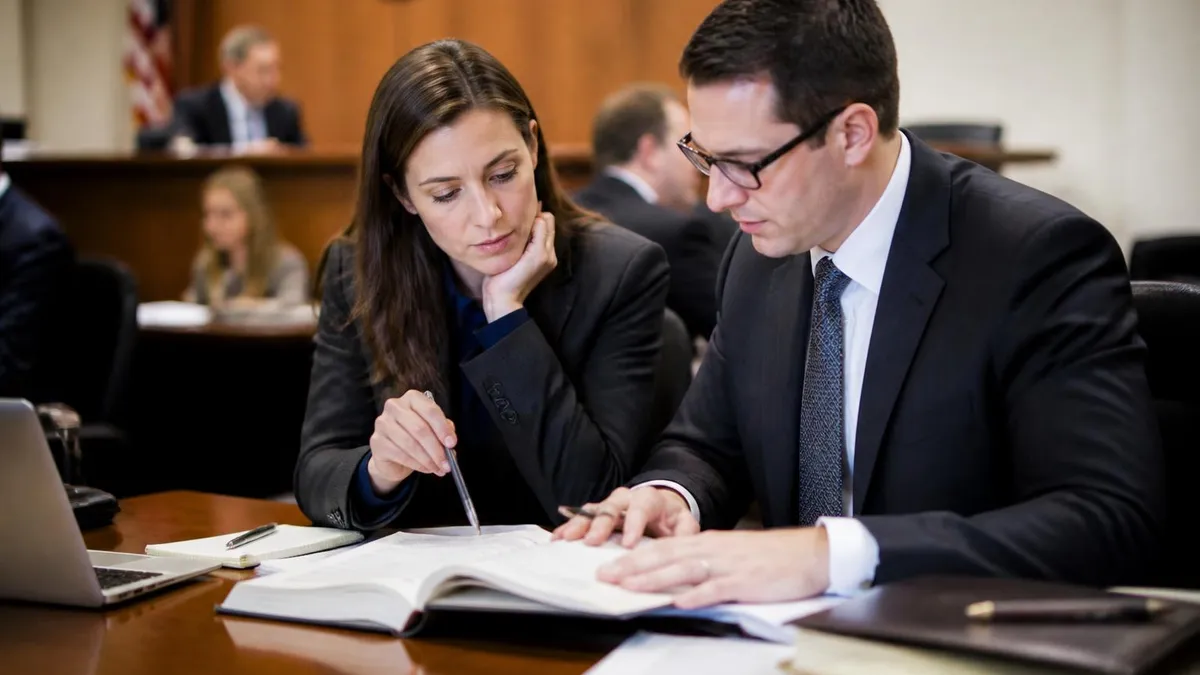
Understanding the structure of each day clarifies where the hours go. Take the MBE day first, since the Multistate Bar Examination is the multiple-choice backbone of the exam. It consists of 200 questions split into two sessions of 100 each—100 in the morning, 100 in the afternoon, with three hours allotted per session. That's an average of 1.8 minutes per question, a brisk pace across a full day that rewards both knowledge and time management.
The MBE covers core legal subjects tested nationwide—areas like constitutional law, contracts, criminal law and procedure, evidence, real property, torts, and civil procedure. Answering 200 questions across these subjects in a single day is a serious test of both breadth and endurance. The pacing pressure is real: falling behind in the morning session puts you in a difficult position, so practicing to a strict clock is vital.
The written day, in UBE jurisdictions, combines the Multistate Essay Examination and the Multistate Performance Test. The MEE typically involves writing several essays—often six—analyzing legal issues across various subjects, with limited time for each. It tests your ability to identify legal issues, apply the law, and write clearly and analytically under pressure, which is a different skill set from the MBE's multiple choice.
The MPT, the Multistate Performance Test, is distinct and worth understanding because it surprises people. Rather than testing memorized law, it gives you a packet of materials—a case file and a library of legal authority—and asks you to complete a realistic lawyering task, like drafting a memo or brief, using only those materials. It tests practical lawyering skills and closed-universe analysis, typically with ninety minutes per task.
Together, the written components demand a full day of intense writing and analysis, which is exhausting in a different way than the MBE. Where the MBE drains you through relentless multiple-choice pacing, the written day drains you through sustained composition and legal reasoning under the clock. Many candidates find one day harder than the other depending on their strengths, but both are demanding in their own right.
The relative weighting of these components in scoring varies, but in the UBE the MBE and the written portions each carry substantial weight, which is why neither can be neglected. A candidate who's brilliant at multiple choice but weak at timed essays, or vice versa, is at real risk. Balanced preparation across both formats is essential, and understanding the structure tells you exactly how to divide your study and practice between them.
Knowing the format also shapes how you read the difficulty. The bar exam's challenge isn't only the volume of law but the format-switching and sustained pace across two days. Reviewing the bar exam pass rate data in this light makes sense—pass rates reflect not just knowledge gaps but how many capable candidates struggle with the endurance and format demands of this particular structure. Preparing for the structure, not just the content, is what separates those who pass.
The Bar Exam Components
The Multistate Bar Examination: 200 multiple-choice questions over one full day, split into two three-hour sessions of 100 questions each. Covers core subjects like contracts, torts, evidence, and constitutional law nationwide. Averages about 1.8 minutes per question, so pacing is critical.
Planning Around the Bar Exam's Length
- ✓Confirm your state's exact format, length, and day order.
- ✓Block out both full exam days plus travel and a recovery day.
- ✓Practice full-length, timed sessions to build two-day stamina.
- ✓Train MBE pacing to about 1.8 minutes per question.
- ✓Practice timed essays and performance tasks for the written day.
- ✓Plan for roughly two to three months of full-time study beforehand.
- ✓Arrange logistics—lodging, ID, materials—well in advance.
State variations are the big caveat to the two-day answer, so let's address them directly. The majority of U.S. jurisdictions have adopted the Uniform Bar Examination, which standardizes the two-day format with the MBE, MEE, and MPT. In these states, the answer to "how long is the bar exam" is reliably two days of roughly six hours each. The UBE's spread is exactly why two days has become the common answer.
However, not every state uses the UBE, and those that don't may differ in length and structure. Some non-UBE states historically ran exams of similar two-day length but with their own components, while a few have used longer formats or included additional state-specific testing. The trend is strongly toward the UBE, but you must verify your specific jurisdiction rather than assuming the standard applies everywhere.
Even within the two-day standard, states differ in details that affect your experience. The order of the MBE and written days varies, as noted, and some states administer additional state-specific law components alongside the UBE. A handful require a separate state law exam or course, which is additional testing beyond the core two days, even if it's not always counted as part of the bar exam itself.
This variation is why the single most important practical step is confirming the exact format for the state where you're sitting the exam. Your jurisdiction's board of bar examiners publishes the precise schedule, components, timing, and any state-specific requirements. Relying on general information—or a friend's experience in a different state—can leave you unprepared for your actual exam. Always go to the authoritative source for your specific state.
The move toward standardization does make things simpler for most candidates and for those considering practicing in multiple states. A UBE score is portable, meaning it can be transferred to other UBE jurisdictions within certain limits, which is a significant advantage of the standardized format. This portability is part of why the UBE has spread, and it means the two-day format you prepare for often serves you across multiple states.
For planning, the safest approach is to assume a demanding two-day exam, prepare for that intensity, and then adjust for any state-specific additions you confirm apply to you. If your state adds a component, you'll know to study for it; if it follows the pure UBE, you're already prepared. Building your plan around the standard format and verifying the specifics gives you a reliable foundation regardless of jurisdiction.
Recent years have also seen discussion of changes to the bar exam's structure nationally, with a next-generation exam in development in many places. Formats evolve, so a candidate sitting the exam should confirm the current structure for their administration rather than relying on how it worked in past years. Checking the present, official format for your exact exam date and state is the only way to be certain of the length and components you'll face.
Verify your specific state's format
While most states now use the two-day Uniform Bar Examination, the exact length, day order, and any state-specific components vary by jurisdiction—and formats are evolving. The single most important planning step is to confirm the precise structure for the state and date you're sitting the exam, straight from its board of bar examiners. Never assume another state's format applies to yours.
What the Length Means for You
- +The two-day UBE standard makes most states' length predictable
- +A portable UBE score can transfer across many jurisdictions
- +Knowing the structure lets you train stamina and pacing precisely
- +Clear components mean you can target study to each format
- +Two days is shorter than some historical multi-day formats
- −Two back-to-back days make it an endurance test, not just knowledge
- −Roughly twelve hours of testing across a vast body of law
- −Non-UBE states and add-ons can change the length
- −Tight pacing—about 1.8 minutes per MBE question—pressures everyone
- −Results can take weeks to months, extending the ordeal's stress
Pros and Cons at a Glance
| Pros | Cons |
|---|---|
| The two-day UBE standard makes most states' length predictable | Two back-to-back days make it an endurance test, not just knowledge |
| A portable UBE score can transfer across many jurisdictions | Roughly twelve hours of testing across a vast body of law |
| Knowing the structure lets you train stamina and pacing precisely | Non-UBE states and add-ons can change the length |
| Clear components mean you can target study to each format | Results can take weeks to months, extending the ordeal's stress |
The bar exam's structure has been the subject of national change, with a next-generation exam in development in many jurisdictions. The two-day UBE format described here is the current norm in most states, but you should always confirm the present, official structure for your exact exam date and jurisdiction with its board of bar examiners rather than relying on how the exam worked in previous years.
Two related "how long" questions matter as much as the exam days themselves: how long until you get results, and how long you should study. Start with results, because the wait is famously agonizing. After finishing the bar exam, you don't learn whether you passed for weeks or even months, depending on the jurisdiction. States grade tens of thousands of exams, and the careful process—especially for the written components—takes substantial time before results are released.
The exact results timeline varies widely by state. Some release results in as little as around six weeks; others take three months or more. This long limbo is one of the harder psychological aspects of the bar exam, as candidates wait in suspense while often starting jobs contingent on passing. Knowing your state's typical results timeline helps you plan that anxious period and manage expectations with employers.
The study timeline is the bigger planning question, and the standard answer is significant. Most candidates dedicate roughly two to three months of intense, often full-time study to bar preparation, typically in the period immediately after graduating law school and before the exam. This is why many graduates don't start work until after the bar—the study commitment is essentially a full-time job in itself for that stretch.
That two-to-three-month figure assumes focused, structured preparation, usually through a commercial bar review course. These courses provide the schedule, materials, and practice that organize the overwhelming volume of material into a manageable plan. The intensity is real—many describe bar prep as among the most demanding periods of their lives—precisely because you're absorbing and practicing an enormous body of law in a compressed window.
Working backward from the exam, this means your bar exam timeline really begins months ahead. If the exam is in late July, serious full-time study typically starts in May; for a February exam, study ramps up over the winter. Factoring in the study period, the exam days, and the results wait, the bar exam dominates roughly half a year of your life from the start of preparation to learning your outcome.
Quality of study matters more than raw hours, though, and this is where smart preparation pays off. Practicing under realistic timed conditions, doing many practice questions, and writing timed essays builds both knowledge and the stamina the two-day format demands. Using solid bar exam prep resources to simulate the real experience is what turns months of study into actual readiness for the exam's length and intensity.
So, how long is the bar exam? Two demanding days of roughly six hours each in most states—but the fuller answer is that it consumes months of intensive study beforehand and weeks to months of anxious waiting afterward. Understanding all three timelines—study, exam, and results—lets you plan realistically, prepare your stamina alongside your knowledge, and approach this final hurdle to becoming a lawyer with clear eyes and a solid plan rather than a nasty surprise on exam morning.
⏱️ How long is the bar exam in most states?
In most states the bar exam takes two full days, following the Uniform Bar Examination (UBE) format. Each day runs about six hours of testing, for roughly twelve hours total across the two days.
START BAR PRACTICE TEST⏱️ What is the bar exam timing within each day?
Each exam day is split into a three-hour morning session and a three-hour afternoon session, with a lunch break between them. That is the standard bar exam timing candidates should plan around.
START BAR PRACTICE TEST🧩 What happens during the MBE session of the bar exam?
The Multistate Bar Examination fills one full day: 200 multiple-choice questions split into two three-hour sessions of 100 questions each, covering core subjects like contracts, torts, and evidence.
START BAR PRACTICE TEST✍️ What fills the written day of the bar exam?
The written day combines the Multistate Essay Examination (MEE), usually six essays, and the Multistate Performance Test (MPT), a realistic lawyering task using provided case materials.
START BAR PRACTICE TEST📊 How many total hours of testing make up a bar exam session?
Across the two days, a candidate sits for roughly twelve hours of actual testing, not counting check-in, security screening, instructions, and breaks that extend each day well beyond the testing time itself.
START BAR PRACTICE TEST🗓️ Are the two bar exam days back-to-back?
Yes. The two days are typically consecutive, which compounds fatigue since there is no real recovery time overnight. This is why building two-day stamina through timed practice matters as much as knowing the law.
START BAR PRACTICE TEST⚖️ Does bar exam timing vary by state?
Yes. Most UBE states share the two-day, six-hour-per-day timing, but non-UBE states can differ, and some add a state-specific law component that extends the total exam session beyond two days.
START BAR PRACTICE TEST📝 How many MBE questions per hour is that pace?
With 100 MBE questions in each three-hour session, candidates average about 1.8 minutes per question, a brisk pace across the full day that rewards both legal knowledge and disciplined time management.
START BAR PRACTICE TEST🕑 How long is the MPT session?
The Multistate Performance Test typically allots ninety minutes per task, during which candidates use a provided case file and legal library to complete a realistic lawyering assignment like a memo or brief.
START BAR PRACTICE TEST📆 How long before results after the bar exam session ends?
Results typically arrive six weeks to three months after the exam, depending on the state, since jurisdictions must carefully grade tens of thousands of written and multiple-choice answers before releasing scores.
START BAR PRACTICE TESTSample Bar Exam Practice Questions
Try these questions from our free Bar Exam practice tests. The correct answer and an explanation follow each question.
Under the Full Faith and Credit Clause, when must a state recognize another state's divorce decree?
- A. Always, because the Full Faith and Credit Clause requires absolute recognition of all state court judgments
- B. Only if both spouses were domiciled in the state that granted the divorce
- C. If the divorcing court had jurisdiction — meaning at least one spouse was domiciled in that state
- D. Only if the divorce was granted after a waiting period of at least six months
Answer: C. If the divorcing court had jurisdiction — meaning at least one spouse was domiciled in that state
Under Williams v. North Carolina (1945), a state has jurisdiction to grant a divorce if at least one spouse is domiciled there. Other states must give full faith and credit to a divorce decree from a state where at least one spouse was domiciled. A bilateral divorce (both parties participated) is binding on both — a default divorce is binding on the absent spouse only as to marital status.
O conveys Blackacre 'to A and her heirs so long as the land is used for farming, and if not, to B and his heirs.' What interest does B hold?
- A. A contingent remainder
- B. A shifting executory interest
- C. A right of entry (power of termination)
- D. A springing executory interest
Answer: B. A shifting executory interest
When a fee simple determinable is followed by a future interest in a third party (not the grantor), the third party holds a shifting executory interest — it divests the first grantee upon occurrence of the limiting condition. A right of entry/power of termination can only be retained by the grantor, not given to a third party.
What Constitutional principle requires that an individual be informed of their rights when taken into custody and before being interrogated by law enforcement?
- A. Exclusionary rule
- B. Due process
- C. Miranda rights
- D. Habeas corpus
Answer: C. Miranda rights
Miranda rights stem from the landmark Supreme Court case *Miranda v. Arizona* (1966). This ruling established that before custodial interrogation, suspects must be informed of their Fifth Amendment rights, including the right to remain silent and the right to an attorney. This ensures that any statements made are voluntary and not coerced, protecting individuals from self-incrimination.
Under the doctrine of respondeat superior, an employer is vicariously liable for an employee's tort when the tort was committed:
- A. At any time the employee has access to the employer's equipment or vehicles
- B. Within the scope of employment, meaning the act was the kind authorized, occurred within the authorized time and space, and was motivated at least in part by serving the employer
- C. Only when the employer knew about the employee's dangerous propensities
- D. Only when the employer specifically directed the employee to commit the tortious act
Answer: B. Within the scope of employment, meaning the act was the kind authorized, occurred within the authorized time and space, and was motivated at least in part by serving the employer
Respondeat superior imposes vicarious liability on employers for torts committed by employees within the scope of employment. Scope of employment generally means: (1) the act was of the kind the employee was hired to do; (2) it occurred within the authorized time and space limits; and (3) it was motivated, at least in part, by serving the employer's purpose.
Bar Exam Length Questions and Answers
Official Resources
- NCBEX: The Uniform Bar Examination — the National Conference of Bar Examiners publishes the official UBE format, the exam components, and which jurisdictions have adopted it.
- NCBEX: The Multistate Bar Examination (MBE) — the official page detailing MBE structure, subjects tested, and session timing straight from the exam's administering body.
- NCBEX: The Multistate Performance Test (MPT) — official guidance on MPT format and timing, useful for confirming exactly how the written day's performance task works.



About the Author

Attorney & Bar Exam Preparation Specialist
Yale Law SchoolJames R. Hargrove is a practicing attorney and legal educator with a Juris Doctor from Yale Law School and an LLM in Constitutional Law. With over a decade of experience coaching bar exam candidates across multiple jurisdictions, he specializes in MBE strategy, state-specific essay preparation, and multistate performance test techniques.