
ARRT MRI Certification Cost, Requirements & Complete Training Guide
ARRT MRI certification cost, eligibility, and exam prep explained. ✅ Everything you need to earn your MRI registry credential in 2026 September.
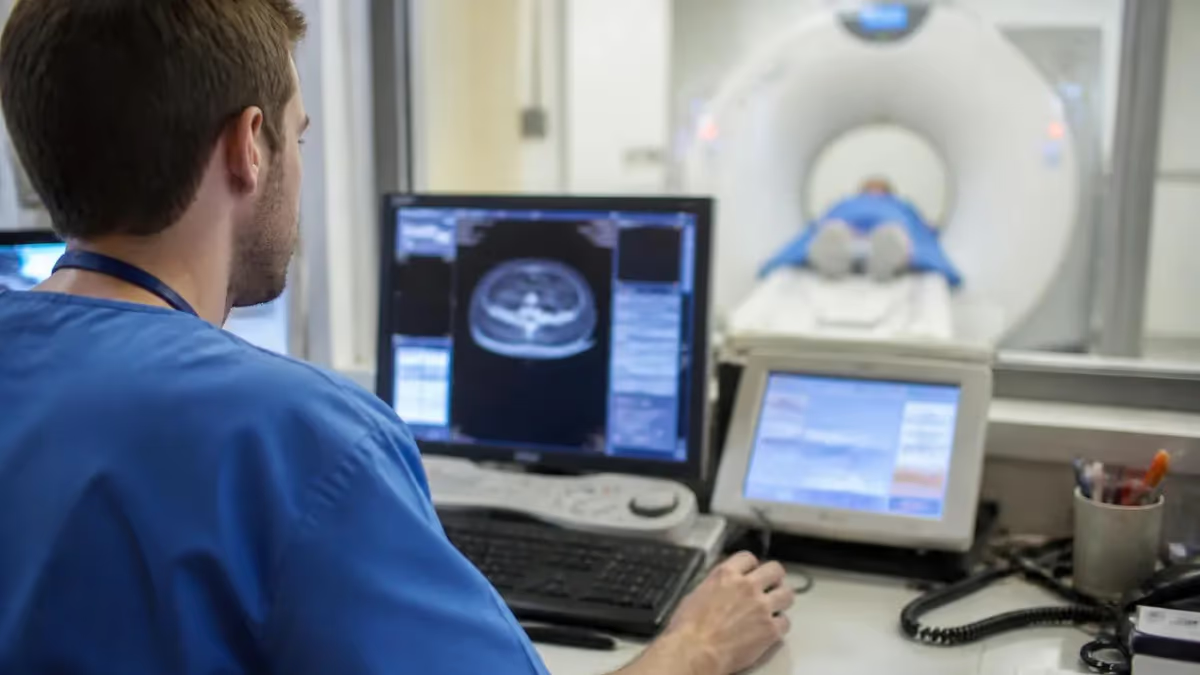
The ARRT MRI certification cost sits at $200 for the primary pathway application fee as of 2026, but the true investment extends well beyond that single check. Candidates must budget for prerequisites including an accredited radiologic technology program, continuing education, and study materials — bringing total out-of-pocket expenses to anywhere from $500 to over $2,000 depending on your existing credentials. Understanding every layer of this financial picture before you commit is the smartest first move any aspiring MRI technologist can make.
Magnetic Resonance Imaging technology represents one of the fastest-growing imaging disciplines in modern healthcare. Hospitals and outpatient imaging centers across the United States are expanding MRI capacity to meet rising demand for soft-tissue diagnostics, neurological imaging, and musculoskeletal evaluation. The ARRT credential signals to employers that you have met rigorous national standards for both technical competency and patient safety — credentials that translate directly into higher starting salaries and greater job security in a competitive market.
The pathway to MRI certification through ARRT is structured as a post-primary credential, meaning you must first hold certification in a related primary discipline such as Radiography, Nuclear Medicine Technology, or Radiation Therapy. This prerequisite structure ensures that MRI technologists arrive with a foundational understanding of imaging physics, patient care, and equipment operation before specializing in the unique challenges of magnetic resonance environments. Candidates who already hold an ARRT primary credential often find the transition more straightforward than they expect.
Preparing for the MRI registry examination requires deliberate, organized study across a broad content specification outline that ARRT publishes and updates regularly. The exam covers MRI physics principles, instrumentation, patient care and safety protocols, image production, and procedures across all major body regions. Each content area carries a defined percentage weight on the actual exam, so smart candidates allocate their study hours accordingly rather than treating every topic as equally important during the weeks leading up to their test date.
One of the most frequently misunderstood aspects of ARRT certification is the clinical experience requirement. Beyond classroom and academic preparation, candidates must complete a minimum number of clinical competencies in specific MRI procedures — evidence that they have performed, not merely observed, the full scope of MRI practice. This hands-on requirement protects patients and ensures newly certified technologists can function independently in a clinical environment from day one of employment.
Practice testing is widely recognized as one of the most effective strategies for exam success in any credentialing pathway. Simulating the timed, multiple-choice format of the ARRT exam under realistic conditions trains your brain to retrieve information efficiently under pressure, exposes gaps in your knowledge base while there is still time to address them, and builds the test-taking confidence that separates passing candidates from those who need to retest. For a deeper study resource comparison, the arrt mri certification review page offers comprehensive guidance on top-rated preparation materials.
This article walks you through every dimension of the ARRT MRI certification journey — from eligibility rules and application steps to exam content breakdowns, cost breakdowns, and evidence-based study strategies. Whether you are a radiographer looking to add a specialty credential or a student mapping out your long-term career trajectory, the information here gives you the complete, accurate foundation you need to move forward with confidence and clarity.
ARRT MRI Certification by the Numbers
Key Facts at a Glance
| Item | Value | Details |
|---|---|---|
| Primary Application Fee | $200 | As of 2026 |
| Exam Questions | 200 | Multiple choice format |
| Total Exam Time | 3.5 hrs | Including 30-min tutorial |
| Required Clinical Competencies | 41 | Minimum mandatory procedures |
ARRT MRI Certification Eligibility Requirements
You must hold current ARRT certification in a primary discipline such as Radiography (R), Nuclear Medicine Technology (N), Radiation Therapy (T), or Sonography (S). This prerequisite ensures foundational imaging knowledge before specializing in MRI physics and procedures.
All applicants must meet ARRT's ethics requirement. Any criminal convictions, disciplinary actions, or violations of professional standards must be disclosed and reviewed. ARRT evaluates each case individually, and undisclosed matters can result in permanent disqualification from all credentials.
Candidates must document completion of a minimum of 41 specific MRI clinical competencies performed on real patients. Competencies span brain, spine, abdomen, pelvis, musculoskeletal, and vascular imaging, and must be verified and signed off by a qualified supervising MRI technologist.
Active ARRT certification in the primary discipline must remain in good standing throughout the post-primary application process. Lapsed or revoked primary credentials disqualify candidates immediately. Renewal biennially with 24 hours of approved continuing education keeps primary status current.
The ARRT post-primary application window is open year-round. Once approved, candidates receive an authorization to test (ATT) letter valid for 90 days. Scheduling must occur within that window, or candidates must reapply and pay fees again — so test-readiness before applying is critical.
Understanding the full ARRT MRI certification cost requires looking beyond the application fee itself and accounting for every expense category in your preparation journey. The ARRT application fee for a post-primary credential is $200, paid directly to ARRT at the time of submission.
This fee covers application processing, eligibility review, and your authorization to test — but it does not include the cost of the Pearson VUE testing center where you will sit for the actual examination. Testing center fees, when applicable, are generally bundled into the ARRT application cost rather than charged separately, making the $200 a relatively comprehensive fee for the examination itself.
Study materials represent the second-largest cost category for most candidates. A high-quality MRI registry review textbook typically runs $60 to $120, while online question banks and practice exam subscriptions range from $30 to $200 depending on the platform and subscription duration. Many candidates find that investing in both a comprehensive review text and a robust practice question platform produces the best outcome, since each resource type exercises different cognitive skills — reading builds conceptual frameworks while practice questions develop test-taking fluency and expose knowledge gaps efficiently.
If your primary ARRT certification required renewal before you could apply for the MRI post-primary, you will also need to factor in continuing education costs. ARRT requires 24 CE credits per biennial renewal cycle for primary credentials, and approved CE modules can cost anywhere from free (through employer-sponsored programs) to $200 or more for formal online courses from professional organizations such as the ASRT. Some employers cover CE costs as a benefit, so check your employment contract or HR department before spending out of pocket on these requirements.
Lost income during study time is an often-overlooked cost element. Most candidates spend eight to sixteen weeks in active exam preparation, dedicating ten to twenty hours per week beyond their regular clinical shifts. If you need to reduce overtime or request schedule adjustments to accommodate study sessions, that represents a real financial trade-off worth calculating before you begin. Some imaging departments offer paid study leave for credentialing candidates, particularly in health systems that have formal technologist advancement programs built into their workforce strategy.
Retesting costs are a practical consideration even for well-prepared candidates. ARRT charges $150 for each subsequent attempt after a failed first attempt, and candidates must wait a minimum of waiting periods between attempts. With the right preparation strategy, retesting should be avoidable — but building a contingency budget of $150 to $300 gives you peace of mind and eliminates the financial stress that can undermine performance on retest attempts when candidates feel financially pressured to pass immediately.
For candidates who choose preparatory courses — whether in-person review seminars or live virtual workshops offered by institutions like the ASRT, community colleges, or private review companies — costs can add another $200 to $800 depending on program length and format. These structured programs appeal to candidates who thrive with instructor-led pacing, accountability cohorts, and curated content rather than self-directed study. The return on investment is strong if the structured format dramatically increases your pass probability on the first attempt.
Travel and logistics expenses apply if your nearest Pearson VUE testing center requires significant commute. Most major metropolitan areas have multiple testing centers within a reasonable drive, but rural candidates may need to plan for hotel stays, fuel costs, or transportation expenses on exam day. Arriving rested and unhurried is worth the extra planning effort — showing up stressed from a long drive or rushed commute actively impairs test performance in measurable ways that no amount of preparation can fully offset.
ARRT MRI Exam Content Areas & Study Paths
MRI physics and instrumentation makes up approximately 27% of the ARRT MRI examination content outline. This section covers magnetic field properties, radiofrequency pulse sequences, gradient systems, coil selection and design, signal-to-noise ratio optimization, and scanner hardware components. Candidates frequently underestimate how deeply the exam probes theoretical physics knowledge, including k-space filling strategies, relaxation times (T1, T2, and T2*), and how equipment parameters affect image contrast and resolution in clinical practice.
Effective study for this domain requires a combination of conceptual reading and visual learning. MRI physics is notoriously abstract for technologists whose training emphasized practical positioning over theoretical principles. High-yield strategies include creating comparison charts for T1 versus T2 tissue characteristics, sketching pulse sequence diagrams from memory, and working through physics-based practice questions that require application of formulas rather than simple recall. Spending at least 30% of your total study hours on this domain repays itself on exam day.
Is ARRT MRI Certification Worth It in 2026?
- +Salary premium of $8,000–$15,000 annually over non-certified MRI technologists in most U.S. markets
- +Expanded job opportunities including hospital systems, outpatient imaging, research institutions, and mobile MRI services
- +National portability — ARRT credentials are recognized across all 50 states and most U.S. territories
- +Professional credibility that accelerates advancement into lead technologist, supervisor, and educator roles
- +Demonstrates commitment to continuing education and quality standards that resonates with hospital hiring committees
- +Opens pathways to additional post-primary credentials including MR-guided procedures and advanced cardiac imaging
- −Requires an existing primary ARRT credential — not accessible as a first certification for new graduates
- −Application and study costs totaling $500–$2,000+ represent a meaningful financial investment upfront
- −41 mandatory clinical competencies require access to a clinical MRI site, which not all primary-credential holders have
- −Biennial renewal requires 24 CE credits and a $150 maintenance fee to keep the credential active
- −Exam content is broad and technical — candidates with limited clinical MRI exposure face a steep preparation curve
- −Authorization to test window is only 90 days, creating time pressure once the application is submitted and approved
ARRT MRI Certification Application Checklist
- ✓Confirm your primary ARRT credential is active and in good standing before submitting the post-primary application.
- ✓Download and review the current ARRT MRI Content Specifications document from the official ARRT website.
- ✓Complete all 41 required clinical MRI competencies and obtain supervisor signatures on each competency form.
- ✓Gather documentation of your primary credential, including your current ARRT card or digital certificate.
- ✓Disclose any ethics matters (criminal history, prior disciplinary actions) accurately on the application — omissions are grounds for permanent denial.
- ✓Submit the $200 application fee via ARRT's online portal using an accepted payment method.
- ✓Wait for your Authorization to Test (ATT) letter, which arrives within 7–14 business days after approval.
- ✓Schedule your Pearson VUE exam appointment immediately upon receiving your ATT — the 90-day window moves fast.
- ✓Bring two valid, government-issued photo IDs to the testing center on exam day — expired IDs will bar you from testing.
- ✓Review ARRT's exam day policies including prohibited items, break rules, and score reporting timelines before your appointment.
Apply After You Are Ready, Not Before
Your 90-day ATT window begins the moment ARRT approves your application — not when you feel ready. Submitting before you have completed a full study cycle forces you to either rush your preparation or risk the window expiring and paying the $200 fee again. Build your full study schedule first, then submit your application timed so the ATT arrives as your final review weeks begin.
Developing a winning study strategy for the ARRT MRI examination begins with a brutally honest self-assessment of your current clinical experience and content knowledge gaps. Candidates who have spent years scanning MRI patients daily arrive at exam prep with strong procedural intuition but may have significant gaps in theoretical physics and equipment principles. Conversely, candidates who recently completed formal MRI education may have strong conceptual grounding but limited clinical pattern recognition. Your study plan must address your specific weaknesses, not a generic curriculum designed for a hypothetical average candidate.
The ARRT content specification outline is not just a general guide — it is the blueprint of the actual exam. Every question on the test maps to a specific content area with a published percentage weight. Candidates who spend 40% of their study time on physics when physics represents only 27% of the exam are misallocating precious preparation hours. Download the current content outline, calculate the number of questions each domain contributes to the 200-question exam, and build a study calendar that mirrors those proportions. This mathematical approach to preparation is one of the highest-leverage strategies available.
Spaced repetition is the most scientifically supported learning technique for long-term retention of the factual and conceptual knowledge tested on the ARRT MRI exam. Rather than reading a chapter once and moving on, spaced repetition schedules review sessions at increasing intervals — reviewing material one day after learning it, then three days later, then one week later, then two weeks later. Each review session strengthens the memory trace. Digital flashcard platforms like Anki implement spaced repetition algorithmically, making it easy to build a personalized MRI study deck and let the software manage your review schedule automatically.
Full-length timed practice exams deserve a central role in your preparation strategy during the final four to six weeks before your test date. A complete 200-question simulated exam taken under realistic testing conditions — quiet room, timed 3.5-hour session, no external references, official break policies observed — gives you irreplaceable performance data. Your score reveals which content domains still need attention. Your time usage reveals whether pacing is a risk factor. Your error patterns reveal whether you are making conceptual mistakes or careless reading errors. Each of those insights is actionable before the real exam.
Study groups can be powerful or counterproductive depending on how they are structured. Productive study groups meet with a specific agenda, divide content domains among members for teaching presentations, hold each other accountable to preparation milestones, and share high-quality resources. Counterproductive study groups devote meeting time to anxiety sharing, general conversation, and reviewing content everyone already knows rather than attacking weak spots. If you choose to study with peers, establish ground rules at the first meeting and protect the group from the entropy that naturally pulls collaborative study toward comfort rather than rigor.
Sleep, physical exercise, and nutrition are legitimate exam preparation variables with documented effects on cognitive performance. Research consistently shows that sleep deprivation impairs memory consolidation, reduces processing speed, and increases error rates on standardized tests — exactly the opposite of what you need on exam day. Candidates who sacrifice sleep in the final week before their exam to squeeze in more study hours typically perform worse, not better. Building eight hours of sleep and at least thirty minutes of moderate physical activity into your daily preparation routine is not self-indulgence; it is cognitive performance optimization.
Mock exam debriefs are where much of the real learning in practice testing happens, but most candidates skip this critical step. After completing a full-length practice exam, every wrong answer deserves a root-cause investigation: Was it a content gap? A misread question? A calculation error? An unfamiliar term? Categorizing your errors by type reveals whether your problem is knowledge-based (solvable by more review) or strategy-based (solvable by improving question-reading technique). Spending as much time on post-exam debrief analysis as on the exam itself is a practice discipline that separates high-scoring candidates from those who plateau despite sustained effort.
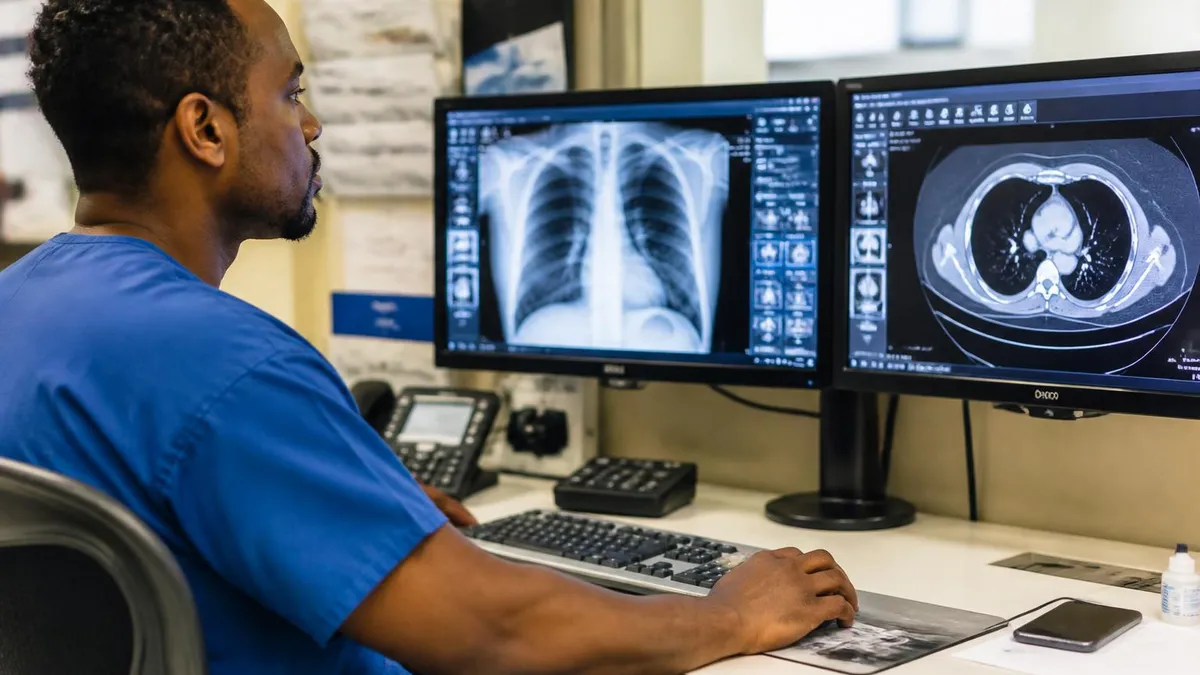
Your Authorization to Test (ATT) issued by ARRT is valid for exactly 90 days from the date of issue. If you do not schedule and sit for your exam within that window, your ATT expires and you must resubmit a complete application and pay the full $200 fee again. ARRT does not grant extensions for expired ATTs under ordinary circumstances, so calendar your exam date as the very first action after receiving your authorization email.
The career and salary outlook for ARRT-certified MRI technologists in the United States remains exceptionally strong heading into the second half of the 2020s. The U.S. Bureau of Labor Statistics projects employment of radiologic and MRI technologists to grow 6% through 2032, faster than the average for all occupations, driven by an aging population requiring increased diagnostic imaging and ongoing expansion of MRI technology into new clinical applications including MR-guided radiation therapy and functional neuroimaging for psychiatric disorders. Certified MRI technologists are positioned at the center of this growth.
Median annual wages for MRI technologists specifically — as distinct from general radiologic technologists — sit substantially higher than the broader imaging workforce. National median salaries for MRI techs with ARRT certification range from $77,000 to $95,000 annually depending on geographic market, practice setting, and years of experience. High-cost metropolitan markets in California, New York, Massachusetts, and Washington routinely report MRI technologist salaries exceeding $100,000 for experienced candidates, particularly those who hold additional post-primary credentials or have developed subspecialty expertise in cardiac MRI, neurological MRI, or interventional MRI procedures.
Hospital employment remains the largest sector for MRI technologists by volume, but outpatient imaging centers, freestanding MRI facilities, and mobile MRI services represent faster-growing employment segments with distinct compensation and lifestyle characteristics. Outpatient settings typically offer more predictable schedules with fewer nights, weekends, and holiday shifts compared to hospital employment, which can be a significant quality-of-life advantage for technologists who have optimized their earning potential and now prioritize work-life balance. Mobile MRI services, where technologists travel to rural facilities or nursing homes with portable equipment, offer competitive pay and geographic flexibility.
Specialty MRI niches command the highest salary premiums. Cardiac MRI technologists with dedicated training in cardiac anatomy, ECG gating, and myocardial perfusion protocols are among the most sought-after and highest-compensated imaging professionals in the country. Neurological MRI specialists who are fluent in advanced protocols including diffusion tensor imaging, functional MRI, and MR spectroscopy find strong demand in academic medical centers and research hospitals. Pediatric MRI technologists with specialized skills in sedation management and child-specific protocols command premiums in children's hospital systems nationwide.
Leadership pathways open distinctly faster for ARRT-certified MRI technologists than for uncredentialed staff. Lead technologist, MRI supervisor, and department manager roles almost universally require ARRT MRI registry credentials as a minimum qualification. Chief technologist positions at major academic medical centers increasingly prefer candidates who hold multiple ARRT post-primary credentials alongside several years of leadership experience. For technologists with long-term career ambitions beyond clinical practice, the MRI registry is often the foundational credential that makes subsequent advancement steps accessible and credible to hiring committees.
Continuing education in advanced MRI topics not only satisfies ARRT renewal requirements but actively builds the specialized knowledge base that justifies salary negotiation and promotion requests. Formal advanced training programs in areas such as MRI safety officer certification (offered through the American Board of Magnetic Resonance Safety), cardiac MRI certificate programs, and neuroradiology-focused continuing education modules demonstrate professional growth to employers and position technologists for the next advancement opportunity. Stacking credentials and specialized training systematically over a five- to ten-year career horizon produces exponential career trajectory compared to passive experience accumulation without intentional development planning.
For technologists who are evaluating whether to pursue ARRT MRI certification now or delay, the career math strongly favors early action. Every year without the credential represents foregone salary premium, delayed access to supervisory opportunities, and accumulated opportunity cost compared to certified peers advancing faster through the same organizations. The $200 application fee and $500 to $2,000 total preparation investment are recovered in the first year or two of the salary premium earned by certified MRI technologists — making the credential one of the highest return-on-investment professional certifications available in the allied health workforce today.
The final four weeks before your ARRT MRI examination are the highest-stakes period in your entire preparation journey, and they deserve a focused, disciplined approach that is meaningfully different from earlier study phases. Rather than introducing new material, this phase should be dominated by retrieval practice — actively recalling information without looking at your notes first — and full-length timed simulations that build the stamina and pacing awareness you will need to sustain performance across a 3.5-hour examination. Cognitive endurance is a trainable skill, and the final weeks are the time to train it intentionally.
Prioritize your weakest content domains during active study sessions while shifting your strongest domains to lighter review. If MRI physics questions have been your most consistent source of errors throughout your preparation, they deserve protected daily review time in these final weeks. If patient safety questions have been your strongest area, a brief weekly review suffices to maintain retention without consuming preparation time that your physics fluency needs more urgently. Data-driven allocation of final-phase study time is one of the clearest differentiators between first-attempt passers and candidates who need to retest.
Simulate testing center conditions aggressively in the week before your exam. This means practicing in a quiet environment free from interruptions, using only the scratch paper and tools permitted in the actual exam, and taking full-length practice tests at the same time of day as your scheduled appointment. If your exam is scheduled at 9:00 a.m., your final practice tests should also start at 9:00 a.m. so your brain is calibrated to peak alertness at that time. These environmental rehearsals reduce the novelty stress of the actual testing environment, which frees cognitive bandwidth for the actual questions.
Question reading technique matters more than most candidates realize in the final preparation phase. ARRT exam questions are carefully constructed to test application of knowledge, not simple recall — meaning the question stem often contains information you must integrate with your content knowledge to select the correct answer. Reading each question stem completely before looking at the answer choices, identifying exactly what the question is asking, and eliminating clearly incorrect options before comparing the remaining candidates is a systematic technique that improves accuracy without requiring additional content knowledge. Practice this technique consistently on every practice question you attempt.
Exam day logistics deserve explicit planning at least one week in advance. Confirm the address and hours of your Pearson VUE testing center, map the route, identify parking, and plan to arrive at least 30 minutes early. Know exactly which two forms of identification you will bring and verify both are current and unexpired. Prepare a light, protein-balanced meal for exam morning that avoids blood sugar spikes and crashes. Lay out your clothing the night before. These small logistical preparations eliminate the friction and decision fatigue of exam morning so your mental energy is fully available for the test itself.
Anxiety management is a legitimate exam preparation topic, not a soft concern to dismiss. Mild test anxiety can be performance-enhancing by sharpening focus, but high anxiety impairs working memory, slows processing speed, and increases error rates.
Candidates who experience significant test anxiety benefit from specific techniques including diaphragmatic breathing exercises practiced daily in the weeks before the exam, cognitive reframing of anxious thoughts (replacing catastrophic predictions with accurate probability statements based on preparation quality), and brief mindfulness practices before beginning each practice session. These techniques take two to five minutes and produce measurable performance benefits in the research literature on exam performance.
After your exam, ARRT delivers preliminary pass/fail results on screen at the testing center immediately upon completion for most candidates. Official results including your score report are available through your ARRT online account within 24 to 48 hours in most cases. If you pass — congratulations: update your resume and professional profiles immediately, notify your employer's credentialing office so your designation can be reflected in institutional records, and begin planning your biennial renewal timeline.
If you do not pass on the first attempt, use your score report's content area performance data to build a targeted remediation plan and schedule your next attempt strategically rather than emotionally. The road to ARRT MRI certification is absolutely navigable for prepared, persistent candidates.
ARRT Questions and Answers

Mosby ARRT Review: The Complete Study Guide for Radiologic Technology Certification

ARRT MRI Registry Study Guide: Complete Certification Prep for 2026

ARRT Practice Test PDF (Free Printable 2026)

Is the ARRT Exam Multiple Choice? Complete ARRT Exam Format Guide 2026

How to Report CE Credits to ARRT: Complete Step-by-Step Guide
About the Author

Medical Laboratory Scientist & Clinical Certification Expert
Johns Hopkins UniversityDr. Sandra Kim holds a PhD in Clinical Laboratory Science from Johns Hopkins University and is certified as a Medical Technologist (MT) and Medical Laboratory Scientist (MLS) through ASCP. With 16 years of clinical laboratory experience spanning hematology, microbiology, and molecular diagnostics, she prepares candidates for ASCP board exams, MLT, MLS, and specialist certification tests.