
Fundamentals of Anatomy and Physiology Ebook: The Complete Student Guide for 2026 September
Discover the best fundamentals of anatomy and physiology ebook options for 2026 September. 📚 Compare formats, features, and free resources to ace your course.

The fundamentals of anatomy and physiology ebook has transformed how nursing students, pre-med undergraduates, and allied health professionals study one of the most demanding subjects in the biological sciences. Digital editions of core A&P textbooks now offer interactive diagrams, embedded quizzes, audio pronunciations, and hyperlinked glossaries — features that static print textbooks simply cannot match. Whether you are enrolled in a community college course or pursuing a bachelor of science in nursing, understanding how to find, evaluate, and use the right ebook can shorten your study timeline significantly.
Anatomy and physiology together form the scientific backbone of virtually every clinical discipline. Anatomy describes the structure of the human body — organs, tissues, bones, and their spatial relationships — while physiology explains how those structures function, from the electrical firing of neurons to the rhythmic pumping of the heart. Mastering both simultaneously is the central challenge of the first-year health sciences curriculum, and the textbook you choose plays an enormous role in whether concepts click or remain frustratingly abstract. A well-designed ebook bridges the gap between passive reading and active learning.
Digital ebooks for anatomy and physiology typically fall into three broad categories: full digital editions of major textbooks such as Marieb and Hoehn or Saladin, open-access resources like OpenStax Anatomy and Physiology, and publisher-hosted learning platforms such as Pearson Mastering A&P or McGraw-Hill Connect. Each category comes with distinct advantages in terms of cost, interactivity, and alignment with course syllabi. Students who understand these differences can make smarter purchasing decisions and avoid spending hundreds of dollars on resources that do not match their specific course requirements.
One practical advantage of the ebook format is instant search functionality. When you encounter the term "sarcomere" in a lecture slide, you can jump directly to the relevant chapter section in seconds rather than flipping through a 1,200-page print textbook. Cross-referencing between body systems — for example, connecting cardiovascular physiology to renal function — becomes dramatically easier when hyperlinks connect related content. Many students report that this interconnected structure helps them see anatomy and physiology as an integrated whole rather than a collection of isolated memorization tasks.
If you have ever wondered fundamentals of anatomy and physiology ebook difficulty levels and how students rate the course experience, you are not alone. Surveys consistently show that A&P ranks among the top three most challenging undergraduate science courses. The ebook you select should therefore include robust study tools: chapter summaries, figure question banks, case studies, and self-assessment checkpoints that allow you to gauge comprehension before exam day. Choosing an ebook without these features leaves you dependent on external study aids, which fragments your preparation.
Price is a genuine concern for most students. Full-feature digital editions from major publishers can cost between $80 and $180 per semester depending on the subscription model, while OpenStax provides a peer-reviewed, openly licensed alternative at no cost. The OpenStax Anatomy and Physiology textbook has been adopted by over 3,000 institutions and covers all standard A&P topics in alignment with the American Association of Anatomists curriculum guidelines. For budget-conscious students, it represents an excellent starting point, supplemented by free laboratory atlases and clinical correlation guides available through institutional library portals.
This guide will walk you through everything you need to know about selecting, accessing, and maximizing a fundamentals of anatomy and physiology ebook in 2026. We cover the major titles on the market, compare free versus paid options, explain how to use interactive features strategically, and provide a curated checklist to help you build the most efficient digital study environment possible. By the end, you will have a clear action plan for turning your ebook into a genuine competitive advantage rather than just a digital substitute for a physical textbook.
Anatomy and Physiology Ebooks by the Numbers

Top Anatomy and Physiology Ebook Titles for 2026
The most widely adopted A&P textbook in the US, now in its 12th edition. Available via Pearson eText with integrated Mastering A&P platform, clinical case studies, and 3D figure animations. Best for nursing and allied health programs.
Completely free, openly licensed, and peer-reviewed by university faculty. Covers all standard A&P topics with embedded concept check questions. Ideal for budget-conscious students and self-learners not tied to a specific course platform.
Renowned for its evolutionary and clinical perspective, Saladin's text is available digitally through McGraw-Hill Connect. Strong on physiology depth with excellent figure quality and built-in LearnSmart adaptive study modules.
A comprehensive reference-style ebook favored by pre-med students. The WileyPLUS digital platform includes laboratory simulations, clinical connections, and a full pronunciation guide for anatomical terminology.
Distinguished by its integrative approach that weaves body system concepts across chapters. The Connect platform version features adaptive learning assignments and dynamic figure quizzes tied directly to lecture objectives.
Understanding how to use the interactive features built into modern anatomy and physiology ebooks is just as important as selecting the right title. Most students open a digital textbook and read it exactly as they would a print book — linearly, passively, and without engaging the embedded tools. This approach wastes the primary advantage of the ebook format.
Interactive figures, for instance, allow you to peel back tissue layers in a 3D model of the heart or rotate a skeletal joint to understand its range of motion. Spending five minutes with an interactive model consolidates more spatial understanding than thirty minutes of passive reading.
Annotation tools are another underutilized feature. Major ebook platforms including Pearson eText, VitalSource Bookshelf, and RedShelf allow you to highlight text, add margin notes, and create digital flashcards directly within the reading environment. When you encounter a challenging concept such as the countercurrent multiplier mechanism in the renal tubules, annotating the figure with your own explanatory notes in plain language forces active recall and helps you build a personalized study reference you can return to before exams. Students who annotate consistently outperform passive readers by a significant margin on standardized A&P assessments.
Embedded quizzes and chapter-end assessments deserve serious attention. Rather than skipping these questions in a rush to finish the chapter, treat them as diagnostic tools. If you answer a question about action potential propagation incorrectly, that error signals a gap in understanding that you should resolve immediately — before misconceptions compound across subsequent chapters. Many ebook platforms track your quiz performance over time, generating a personal analytics dashboard that highlights your weakest topic areas. Using this data to guide your study sessions transforms scattered review into targeted, high-efficiency preparation.
Audio pronunciation guides embedded in digital A&P texts are particularly valuable for students new to anatomical terminology. When you can hear the correct pronunciation of "sternocleidomastoid" or "erythropoiesis," you are far more likely to recognize those terms during an oral clinical examination or when a professor uses them in lecture. Some platforms, such as the Marieb eText on Pearson, include audio for over 5,000 anatomical terms — a feature that has no equivalent in print. Building correct pronunciation habits early prevents the awkward rewiring required when you reach clinical rotations.
Hyperlinked cross-references between body systems represent one of the most powerful structural advantages of the ebook format. Human physiology is fundamentally integrative: the cardiovascular system delivers oxygen to tissues, the respiratory system replenishes that oxygen supply, the renal system regulates blood composition, and the nervous system coordinates all of it simultaneously.
When an ebook chapter on cardiac output hyperlinks directly to the chapter section on renal blood flow regulation, students can explore those connections in real time rather than relying on a professor to make the links explicit. This kind of self-directed integration is precisely what medical and nursing school admissions committees look for when reviewing applicants.
Study groups benefit enormously from shared ebook annotations and discussion features. Several platforms allow students to share highlighted passages and notes with classmates, creating a collaborative annotation layer on top of the text. When a classmate annotates a diagram of the brachial plexus with a mnemonic they find helpful, that note becomes visible to the entire study group. This crowdsourced clarification model mirrors the peer-learning environments that research consistently identifies as among the most effective for complex biological content. Before your next exam, spend thirty minutes reviewing your group's shared annotations as a final synthesis step.
Finally, offline access is a frequently overlooked ebook feature that significantly affects real-world usability. Most major platforms allow you to download chapters for offline reading through their mobile apps, which matters enormously for students who commute by train, study in areas with unreliable Wi-Fi, or review material during clinical placement rotations. Confirm before purchasing that your chosen platform supports offline downloads on both iOS and Android, and that downloaded content remains accessible for the full duration of your subscription period rather than expiring after a set number of days offline.
Free vs. Paid Anatomy and Physiology Ebook Options Explained
The OpenStax Anatomy and Physiology textbook is the gold standard for free ebook resources. Developed by Rice University and reviewed by faculty from major research institutions, it covers all 28 chapters of a standard two-semester A&P sequence. You can access it as a PDF download, an interactive web version, or through the OpenStax app for mobile offline reading — all at zero cost. The content aligns with HAPS (Human Anatomy and Physiology Society) learning outcomes and is updated regularly to reflect current anatomical nomenclature standards.
Beyond OpenStax, institutional library portals frequently provide free access to premium A&P ebooks through agreements with publishers like Elsevier and Wiley. Log into your college library website and search for your required textbook by ISBN before purchasing — many students discover that a digital edition is already licensed for their institution. LibreTexts Biology and NCBI Bookshelf also host free chapters on specific organ systems, useful for targeted review even if they do not replace a comprehensive textbook. Always check these sources before spending money on a subscription platform.
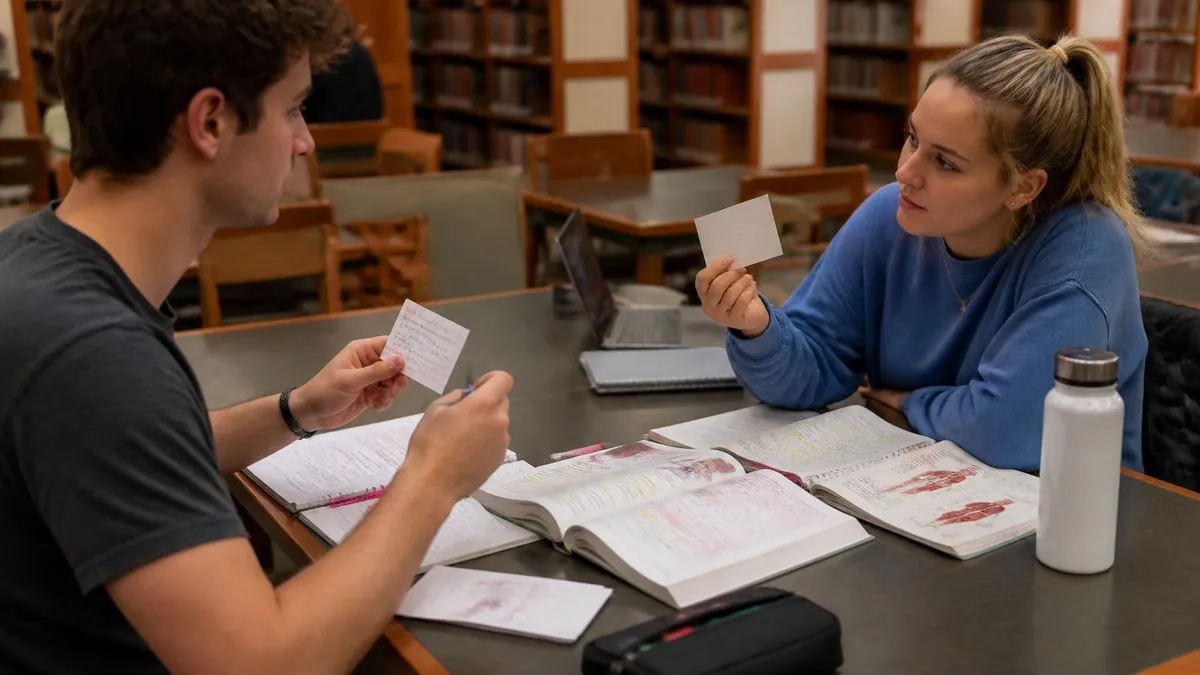
Anatomy and Physiology Ebook vs. Print Textbook: Key Tradeoffs
- +Instant search across 1,000+ pages saves hours of manual index browsing during study sessions
- +Interactive 3D figures and animations explain spatial anatomy more effectively than flat print diagrams
- +Embedded quizzes and adaptive learning tools personalize your study path based on performance data
- +Significantly lighter than a 6-pound print textbook — study anywhere without physical strain
- +Hyperlinked cross-references make it easier to see connections between body systems in real time
- +Audio pronunciation guides for 5,000+ anatomical terms build clinical communication confidence early
- −Screen fatigue becomes a real issue during long study sessions of 3+ hours without breaks
- −Subscription-based ebooks expire at semester end, eliminating the resale value of print textbooks
- −Reliable internet connection required for full-feature access on most major publisher platforms
- −Annotation and highlighting in digital formats feels less natural to many students than pen on paper
- −Technical issues — platform outages, login problems, device incompatibility — can disrupt study sessions
- −Difficult to flip back and forth between multiple distant sections simultaneously without multiple device setup
Anatomy and Physiology Ebook Study Readiness Checklist
- ✓Download the ebook app on both your laptop and smartphone for flexible multi-device access
- ✓Confirm offline download capability before your first exam week when Wi-Fi may be unreliable
- ✓Set up your annotation color system: one color for definitions, another for clinical connections, a third for exam alerts
- ✓Complete all embedded chapter-opening concept check questions before reading to activate prior knowledge
- ✓Use the ebook's search function to cross-reference every new term with at least two related chapters
- ✓Review the interactive figures for each organ system before your lab practical examination
- ✓Create Anki flashcards for every bolded term within 24 hours of reading each chapter section
- ✓Attempt all chapter-end multiple choice questions under timed conditions before checking answers
- ✓Use the ebook's pronunciation audio for every anatomical term you cannot immediately say aloud correctly
- ✓Check your platform's performance dashboard weekly to identify and prioritize your lowest-scoring topic areas
The 24-Hour Annotation Rule
Research in cognitive science consistently shows that students who annotate and self-quiz within 24 hours of reading new material retain up to 60% more content one week later compared to those who re-read passively. Set a non-negotiable rule: every chapter section you read in your A&P ebook gets annotated and converted to at least three flashcards within one day. This single habit separates students who struggle through A&P from those who master it efficiently.
Building an effective learning strategy around your anatomy and physiology ebook requires understanding how the brain processes and retains complex biological information. Cognitive load theory, developed by educational psychologist John Sweller, explains why anatomy students often feel overwhelmed when studying dense textbook chapters: the sheer volume of new terms, relationships, and mechanisms simultaneously demands more working memory capacity than the brain can sustain. The solution is not to study harder but to structure your ebook sessions in shorter, more focused blocks that target one conceptual unit at a time before moving forward.
The Pomodoro technique — 25 minutes of focused reading followed by a 5-minute break — aligns well with what neuroscience tells us about attention and memory consolidation. During each 25-minute block, focus on a single ebook section, such as the structure and function of the nephron or the phases of the cardiac cycle. Use your break to close the textbook entirely and write from memory the three most important facts you just encountered. This retrieval practice, performed immediately after reading, dramatically strengthens long-term memory encoding compared to re-reading the same passage a second time.
Interleaving different body systems within a single study session — rather than spending an entire evening on one chapter — has been shown to improve transfer of knowledge on examinations. For example, a two-hour ebook study session might include thirty minutes on the skeletal system, then thirty minutes on the muscular system, then thirty minutes revisiting the skeletal system with attention to muscle attachment sites. This switching feels harder than blocked practice, but the mental effort of constantly reloading context is precisely what forces deeper encoding. Students who interleave report better performance on cumulative finals and licensure examinations.
Visual learning strategies are particularly well-matched to anatomy content. When your ebook presents a diagram of the brachial plexus or the lymphatic drainage of the breast, do not simply observe the figure — reproduce it from memory on paper immediately after. Sketch the diagram without looking, then check your version against the original and correct your errors.
Neuroscience research calls this practice "elaborative interrogation with retrieval," and it is among the highest-yield study strategies identified in the scientific literature on medical education. Many students resist drawing because they feel their sketches are imprecise, but accuracy matters far less than the cognitive effort of recall.
Case-based learning is another strategy the best ebook platforms integrate directly into their content. Pearson's Mastering A&P, for instance, includes clinical case studies at the end of each major section that require you to apply physiological principles to patient scenarios. A case might describe a 58-year-old patient presenting with shortness of breath, elevated BNP, and bilateral ankle edema, then ask you to explain the underlying pathophysiology using concepts from the cardiovascular and renal physiology chapters. Working through these cases builds exactly the kind of applied reasoning that nursing licensure (NCLEX) and medical school qualifying examinations reward.
Connecting anatomy and physiology content to real clinical experiences you have already had — or to conditions affecting people you know — creates meaningful emotional anchors that dramatically improve retention. When you study the physiology of insulin secretion, think about a diabetic patient you encountered during a clinical rotation or a family member who manages the condition.
When you study the anatomy of the knee joint, think about a sports injury you or a friend experienced. These personal connections activate the hippocampus — the brain structure responsible for long-term memory consolidation — in a way that abstract memorization of isolated facts simply does not.
Finally, teaching content to others remains one of the most powerful learning strategies available, and your ebook facilitates this beautifully through its shareable annotation features. Organize a weekly study group where each member takes responsibility for teaching one chapter section using the ebook's figures as visual aids. The act of explaining sarcomere contraction or the renin-angiotensin-aldosterone system to a classmate forces you to organize your knowledge, identify gaps in your understanding, and articulate concepts in plain language — all of which accelerate your own mastery far more efficiently than solo reading sessions alone.

Most publisher ebook access codes are valid for a single semester (typically 180 days from activation). If you are taking a two-semester A&P sequence, activating your code in the fall means it will expire before spring finals. Always verify the access duration before purchasing, and consider buying a two-semester bundle or using your library's free digital access to avoid losing your annotations and study data mid-sequence.
Maximizing your anatomy and physiology ebook for examination success requires a shift from passive consumption to active, strategic engagement in the weeks leading up to major tests. The most common mistake students make in the final two weeks before an A&P exam is re-reading chapters from beginning to end — a strategy that creates familiarity without promoting the retrievable, testable knowledge that exams actually measure. Instead, your ebook should serve as a reference anchor for a high-intensity active recall campaign focused on your weakest areas as identified by your platform's performance analytics.
Begin your exam preparation by generating a comprehensive topic list from the ebook's chapter learning objectives. Most A&P ebooks list three to eight specific learning objectives at the start of each chapter, phrased as behavioral goals: "explain the role of aldosterone in sodium reabsorption" or "describe the structural differences between compact and spongy bone." These objectives are frequently the direct source of exam questions, because professors design assessments to measure exactly the competencies the textbook identifies.
Print or copy these objectives and use them as your exam blueprint, checking each one as you can answer it confidently without looking at the text.
Practice with the ebook's figure questions — panels that present an unlabeled diagram and ask you to identify structures or predict physiological outcomes — under strict timed conditions. Give yourself no more than 90 seconds per question, which mirrors the time pressure of most A&P multiple choice examinations.
If you cannot identify the labeled structure on a cross-section of the kidney cortex within 90 seconds, flag it immediately as a priority review item. Ebooks with integrated question banks, such as Mastering A&P or Connect, track which figures and question types you miss most frequently, allowing you to build a personalized weak-point drill list without relying on intuition alone.
Concept mapping using your ebook's content bridges isolated facts into integrated understanding. Select a major physiological process — for example, the regulation of blood pressure — and draw a concept map that connects every mechanism your ebook covers: baroreceptor reflexes, the renin-angiotensin-aldosterone system, antidiuretic hormone release, and local autoregulation. Use the hyperlinks within your ebook to verify that your concept map accurately represents the relationships between systems. Students who regularly build concept maps from ebook content perform significantly better on essay-format laboratory practicals and HESI A2 science subtests than those who rely on multiple choice practice alone.
Creating a personal glossary from your ebook's bolded terms and glossary entries is a time-efficient exam preparation technique that most students overlook. Export or copy every bolded term from the chapters being tested, then write a one-sentence plain-language definition for each one without looking at the ebook's definition. Compare your definition to the textbook's, identify discrepancies, and rewrite until they align. This process reveals subtle misunderstandings — for instance, confusing "afferent arteriole" with "efferent arteriole" — that would otherwise cost points on an exam. The exercise also doubles as a final review of the most exam-relevant vocabulary.
The night before an exam, resist the temptation to read new ebook content. Instead, use your ebook's chapter summaries and concept check questions for a light consolidation review lasting no more than 90 minutes. Research consistently shows that sleep deprivation impairs the hippocampal consolidation of newly learned material far more than it impairs retrieval of well-established knowledge. Your goal the night before is to activate existing memories, not to acquire new ones. Close your ebook by 10:00 PM and prioritize a full night of sleep — the single most evidence-based exam preparation strategy available to you.
After your examination, use your ebook's performance data to conduct a targeted debrief. Identify which chapter sections generated the most errors, revisit those sections within 48 hours while the exam questions are still fresh in your memory, and update your annotations with corrected understanding. This post-exam review cycle prevents the same misconceptions from recurring on cumulative finals, practical examinations, or licensure tests where A&P content reappears in clinical application contexts. Students who debrief consistently after each exam outperform those who move on without reflection by a measurable margin across a full academic semester.
Practical tips for getting the most out of your anatomy and physiology ebook extend well beyond the study session itself. Your physical study environment matters more than most students realize. Ebook reading on a laptop or tablet in a brightly lit room with the screen brightness calibrated to ambient light levels reduces eye strain significantly during long study sessions.
If you study for more than 90 minutes at a stretch, apply the 20-20-20 rule: every 20 minutes, look at an object 20 feet away for 20 seconds. This simple practice reduces the cumulative eye fatigue that degrades reading comprehension and annotation quality during marathon study blocks.
Screen time management is a legitimate concern for ebook-dependent students. The American Optometric Association notes that extended near-work on digital screens — defined as more than two continuous hours — increases the risk of digital eye strain symptoms including headaches, blurred vision, and difficulty concentrating. Combat this by alternating between ebook reading and offline activities such as sketching anatomical diagrams from memory, completing paper practice tests, or discussing physiology concepts verbally with a study partner. This alternation maintains your daily study volume while reducing the cumulative screen exposure that erodes performance over weeks.
Syncing your ebook reading with your lecture schedule creates a powerful preview-review cycle that dramatically increases classroom comprehension. Preview the relevant ebook chapter section the evening before each lecture — focus on the learning objectives, key figures, and bolded terms without reading every word. This 20-30 minute preview primes your brain to recognize and connect new information during the lecture rather than encountering it cold. Then complete the full chapter reading within 24 hours after the lecture, when the professor's explanations are still fresh and can serve as interpretive scaffolding for the textbook content.
For students taking A&P online or in a hybrid format where in-person lecture time is limited, the ebook becomes the primary instructional resource rather than a supplement. In this context, the built-in learning tools — video explanations, concept check questions, interactive models — take on even greater importance because they partially replace the clarification and contextualization that an in-person professor provides. Seek out ebooks with embedded video content from credible sources: Mastering A&P includes BioFlix animations produced by scientific illustrators, while McGraw-Hill Connect features 3D anatomy tool access that allows degree-level structural exploration comparable to a digital cadaver dissection.
Mobile study habits deserve deliberate cultivation for ebook users. Rather than reserving ebook study exclusively for your desk, identify three to five daily waiting periods — commute time, lunch breaks, time between classes — where you can productively review flashcards generated from your ebook annotations or complete five to ten platform quiz questions.
Research on distributed practice shows that spreading study across many short sessions produces stronger long-term retention than concentrating the same total study time into fewer, longer blocks. Your smartphone becomes a genuinely powerful study tool when you treat those idle minutes as deliberate practice opportunities rather than downtime.
When using your ebook to prepare for laboratory practicals — which test identification of anatomical structures on models, slides, or prosected specimens — supplement your digital reading with physical reference materials your institution provides. Ebook figures, no matter how detailed, render structures in idealized, standardized presentations that may not match the color, texture, or preservation artifacts visible on a real anatomical model.
Use your ebook to build conceptual understanding of spatial relationships, then transition to practicing identification on the actual lab specimens or high-quality photographic atlases such as the Netter Atlas of Human Anatomy for the practical portion of your preparation.
Finally, remember that the fundamentals of anatomy and physiology ebook is a means to an end, not the goal itself. The goal is clinical competence — the ability to connect anatomical knowledge to patient care decisions, to explain physiological mechanisms to patients in understandable language, and to recognize when normal function has deviated into pathology.
Every feature of your ebook, from interactive figures to embedded case studies, exists to build that competence. Approach your digital textbook with that clinical endpoint in mind, and you will extract far greater value from every study session than a student who views it merely as content to be memorized and forgotten after the exam.
Anatomy Physiology Questions and Answers

How Hard Is Anatomy and Physiology? The Complete Honest Guide for Students

Eye Anatomy and Physiology: The Complete Guide to Understanding How Your Eyes Work
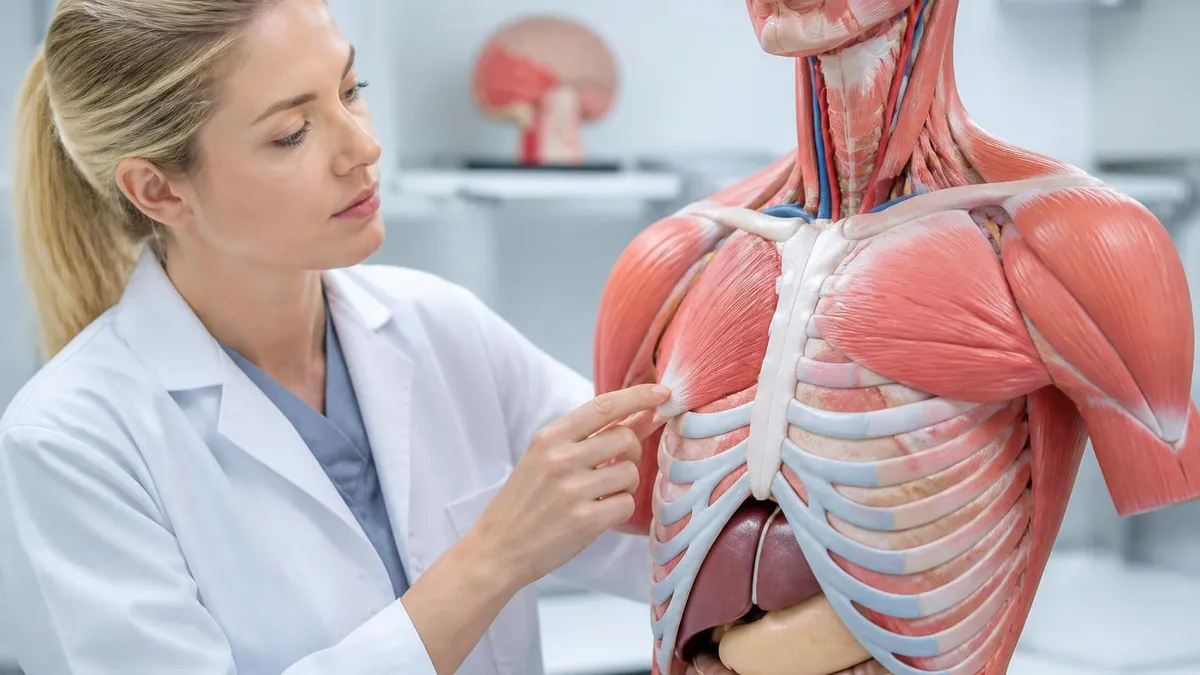
Anatomy and Physiology PDF: Complete Free Download Guide for 2026 Students
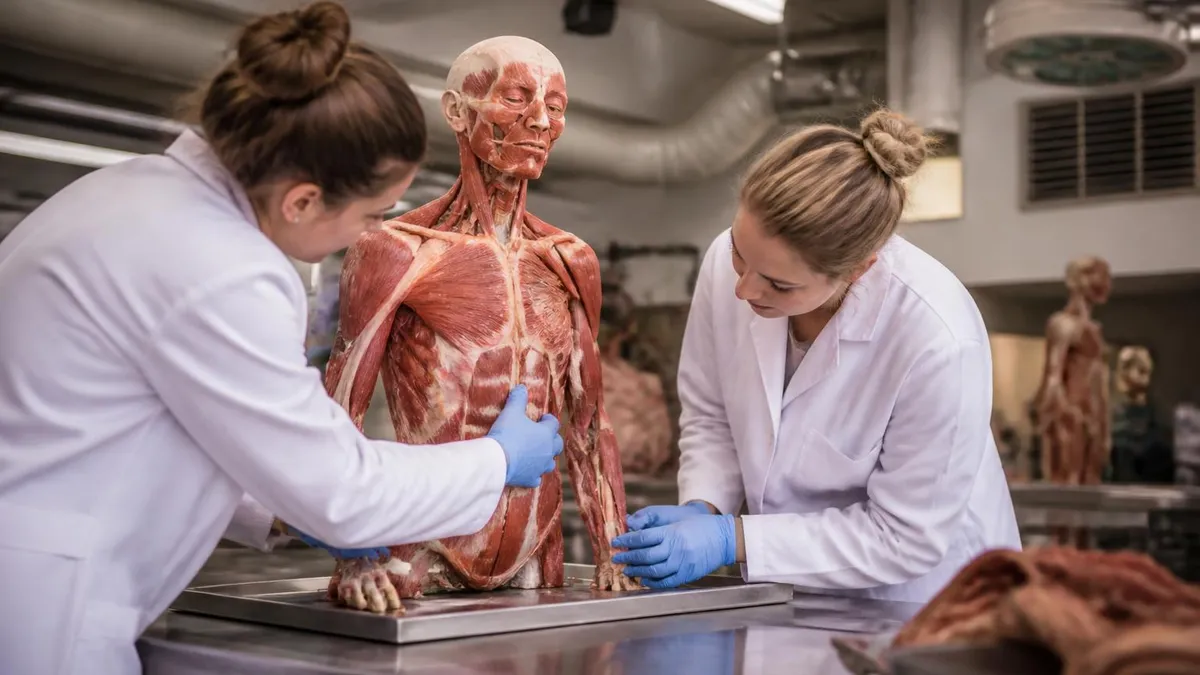
Human Anatomy and Physiology Book: The Complete Guide to Choosing, Using, and Mastering the Best Textbooks for 2026

Best Way to Learn Anatomy and Physiology: A Complete Student Guide
About the Author

Educational Psychologist & Academic Test Preparation Expert
Columbia University Teachers CollegeDr. Lisa Patel holds a Doctorate in Education from Columbia University Teachers College and has spent 17 years researching standardized test design and academic assessment. She has developed preparation programs for SAT, ACT, GRE, LSAT, UCAT, and numerous professional licensing exams, helping students of all backgrounds achieve their target scores.