
Exploring Anatomy and Physiology in the Laboratory PDF: The Complete Student Guide
Master lab anatomy with our complete guide to exploring anatomy and physiology in the laboratory PDF. Tips, schedules, and free practice tests. 🎯

If you are searching for resources on exploring anatomy and physiology in the laboratory pdf, you have landed in exactly the right place. Laboratory manuals designed for anatomy and physiology courses serve as the backbone of hands-on science education, bridging the gap between textbook concepts and real-world biological structures. Whether you are a nursing student, a pre-med undergraduate, or someone entering the allied health fields, the laboratory component of A&P transforms abstract diagrams into tangible, memorable learning experiences that stick with you throughout your career.
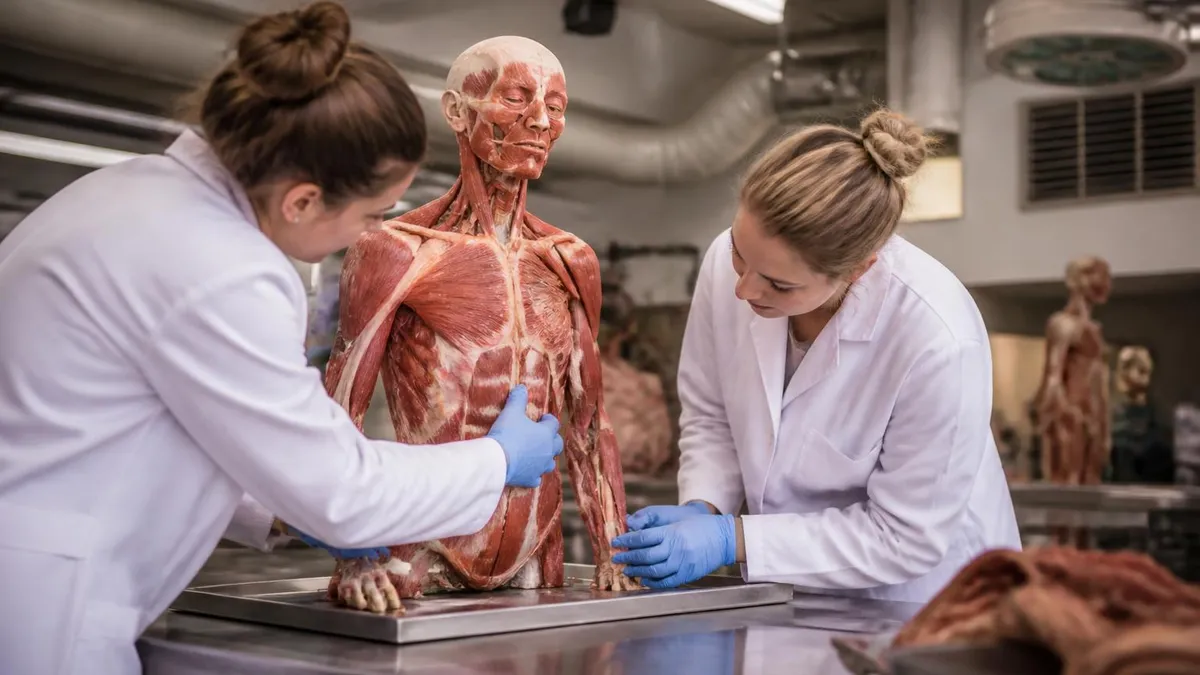
Laboratory anatomy and physiology courses in the United States follow a carefully structured curriculum that typically spans two semesters. During that time, students dissect preserved specimens, examine microscope slides, conduct physiological experiments, and study anatomical models. A comprehensive lab PDF guide supports all of these activities by providing detailed instructions, diagrams, and post-lab review questions that reinforce every concept covered in the lecture hall. Without a reliable lab manual, students often struggle to connect what they hear in class to what they observe on the dissection tray.
The popularity of PDF-format lab manuals has surged over the last decade for very practical reasons. Digital documents can be annotated, searched, zoomed, and carried on any device — meaning a student can reference a kidney dissection diagram while standing at a lab bench without lugging a heavy spiral-bound book. Many instructors now provide supplementary PDF materials alongside or instead of traditional printed manuals, giving students flexible access to pre-lab readings, safety protocols, and post-lab assignments from any location at any time.
Understanding how laboratory exercises are organized is the first step toward getting the most out of them. Most published A&P lab manuals divide their content into major body systems: cells and tissues, the integumentary system, the skeletal system, muscular system, nervous system, endocrine system, cardiovascular system, respiratory system, digestive system, urinary system, and reproductive system. Each unit typically includes a list of learning objectives, labeled diagrams to complete, specimen observation checklists, and data-recording tables — all designed to guide students from unfamiliar territory to confident mastery.
One of the most important skills a student develops in the anatomy and physiology laboratory is the ability to identify structures both visually and by touch. When you examine a sheep heart, for instance, you must locate the four chambers, the valves, the major vessels, and the surrounding pericardium — all while following the lab PDF instructions step by step. This kind of active, multisensory engagement is far more effective for long-term retention than passive reading alone, and it is precisely why laboratory courses carry significant weight in A&P grades and professional school applications.
Beyond dissection, physiology experiments bring the functional side of the discipline to life. Students measure blood pressure, test reflexes, analyze urine samples, record spirometry data, and observe muscle contractions — all activities described in detail within a well-organized lab PDF. These experiments reveal how the human body maintains homeostasis under varying conditions, a concept that is central to every health profession. Understanding the physiology behind the anatomy you have just dissected completes the picture and prepares you to think like a clinician rather than simply memorize a list of terms.
This guide is designed to help you understand the structure of anatomy and physiology laboratory manuals, maximize your performance in the lab setting, and leverage every PDF resource available to you. From pre-lab preparation strategies to post-lab review techniques, we cover the full spectrum of what it takes to succeed in this challenging but rewarding course. Read on to discover how to use your lab PDF effectively, what to expect in each major laboratory unit, and how targeted practice tests can reinforce everything you learn on the bench.
Anatomy and Physiology Lab Learning by the Numbers
Major Units in a Standard Anatomy and Physiology Lab Manual
Students examine prepared microscope slides to identify cell types, tissue classifications — epithelial, connective, muscular, and nervous — and practice sketching what they observe. This foundational unit anchors every body system studied afterward.
Lab exercises cover bone identification, joint classification, and muscle origin-insertion relationships. Students handle real or plastic bones, locate surface landmarks, and map major muscle groups using lab PDF diagrams and anatomical models.
Dissections of sheep or cow brains, reflex testing, and sensory receptor mapping make up this unit. Students learn to identify cranial nerves, spinal cord regions, and structures of the eye and ear from detailed lab PDF instructions.
Sheep heart dissection, blood pressure measurement, pulse analysis, and spirometry experiments dominate this section. Students connect structural observations directly to physiological data, reinforcing the form-function relationship at the core of A&P.
The final lab units address filtration physiology through urinalysis, digestive enzyme activity experiments, and model-based study of reproductive anatomy. Post-lab PDF review questions test comprehension before practical exams.
Knowing how to use your lab PDF is just as important as having access to it. Many students make the mistake of opening the document for the first time when they sit down at the lab bench — by then, it is too late to absorb the background concepts, safety warnings, and procedural nuances that make each exercise run smoothly. The most successful anatomy and physiology students treat the lab PDF the way an airline pilot treats a pre-flight checklist: it is reviewed thoroughly before the activity begins, not consulted in a panic during it.
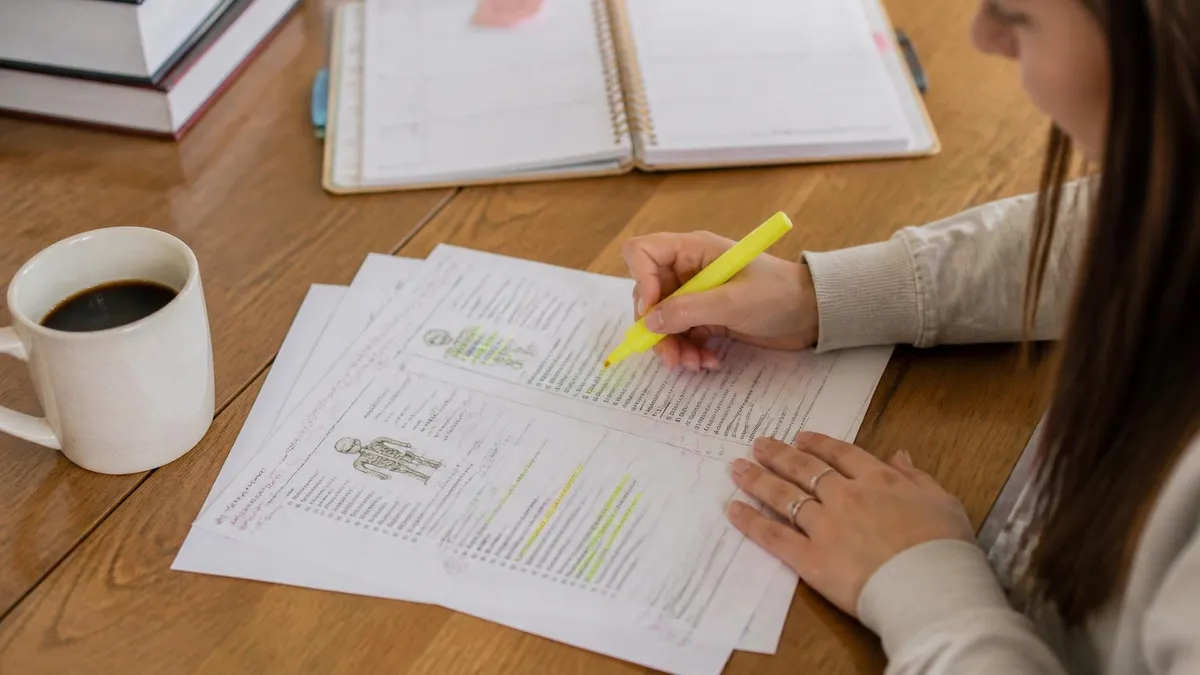
Begin your preparation at least two days before each lab session. Open the relevant PDF unit, read the learning objectives carefully, and then read through the entire procedure once without stopping to take notes. This first read gives you a mental map of where the exercise is going. During a second, slower read, annotate the PDF digitally by highlighting key structures, adding notes about terms you need to look up, and flagging steps that seem complex or require special equipment. Most PDF readers on laptops and tablets support text highlighting and sticky notes at no extra cost.
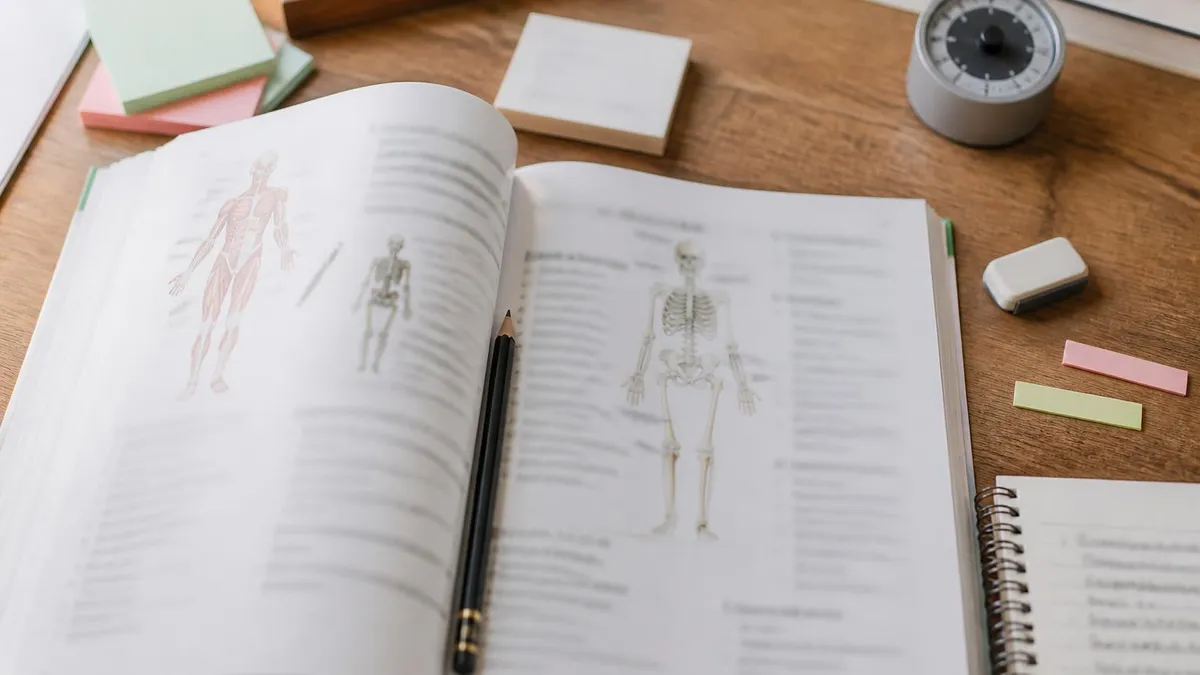
Pay particular attention to the labeled diagrams within your lab manual PDF. These diagrams are not decorative — they are instructional tools that show you exactly what a structure should look like, where it is located relative to neighboring structures, and what terminology to apply. Before the lab session, practice labeling blank versions of these diagrams from memory. If your PDF does not include blank practice diagrams, search your instructor's course page or a reputable anatomy education website for printable alternatives. Repeated self-testing on diagrams is one of the highest-yield study strategies available.
The post-lab review questions included at the end of each PDF unit deserve equal attention. These questions are often modeled after the kinds of questions that appear on lab practicals, which test your ability to identify structures on actual specimens or models under timed conditions. Work through every review question before the next lab session, not the night before the practical exam.
If you encounter a question you cannot answer confidently, revisit the relevant section of the lab manual, consult your lecture textbook, or watch a short video demonstration. Building this feedback loop strengthens your knowledge incrementally rather than requiring last-minute cramming.
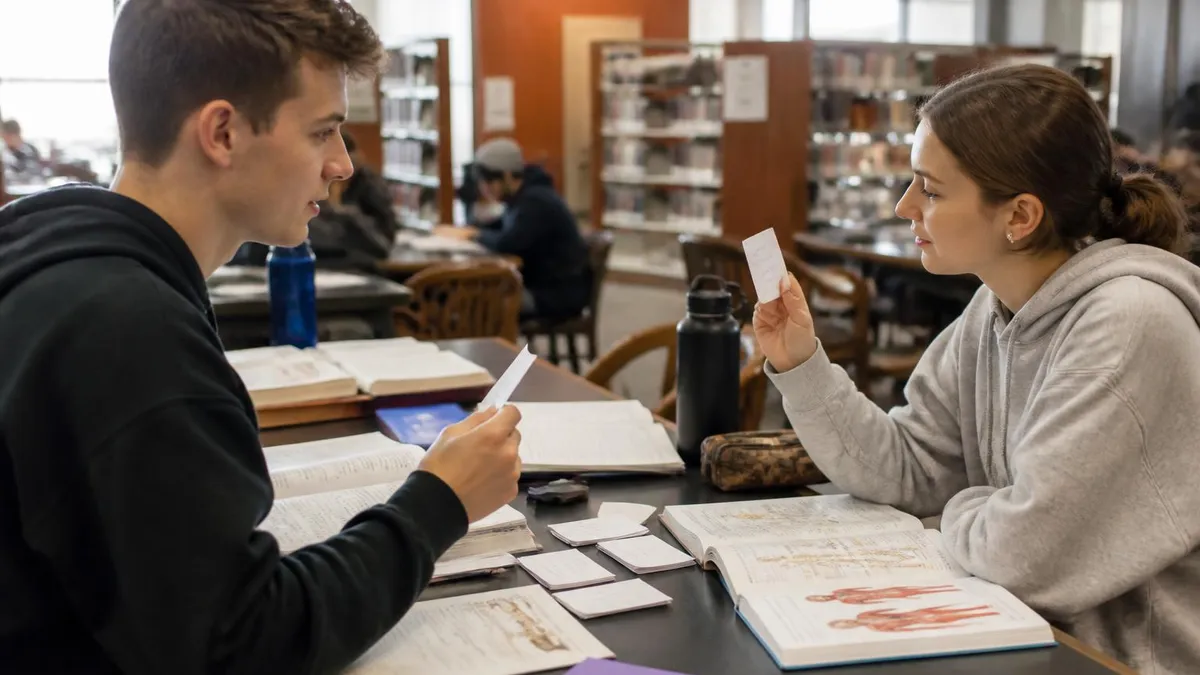
Group study sessions organized around the lab PDF can dramatically accelerate your mastery of difficult material. When three or four students work through the same lab unit together, they catch each other's labeling errors, quiz one another on terminology, and discuss the logic behind physiological processes in ways that individual study rarely produces.
Assign each group member a section of the PDF to teach to the others — the act of explaining a concept aloud forces you to organize your thinking and reveals gaps you did not know existed. This technique, often called the Feynman method, is particularly effective for complex topics like neural signaling pathways or cardiac cycle mechanics.
Digital lab PDF resources also make it easier to integrate multimedia learning. When a written description of a dissection step is unclear, you can pause, open a video demonstration in a separate tab, watch the procedure performed in real time, and then return to your PDF with much better comprehension. Many anatomy professors post supplementary video walkthroughs on course management platforms precisely because they know that three-dimensional structures are difficult to convey through two-dimensional diagrams alone. Combining PDF reading with video review and hands-on practice creates a multi-channel learning approach that research consistently links to stronger long-term retention.
Finally, keep your annotated lab PDF organized throughout the semester. Create a digital folder with subfolders for each unit, and name your files clearly so you can retrieve them instantly during study sessions. Before each practical exam, conduct a rapid review of all your annotations, flagged questions, and diagram labels from the entire semester — this gives you a comprehensive refresher without requiring you to re-read every page from scratch. Students who treat their PDF collection as a living, annotated study system consistently outperform those who treat each lab session as an isolated event.
Key Laboratory Techniques Every A&P Student Must Master
Mastering the compound light microscope is the single most foundational skill in any anatomy and physiology laboratory course. Students must learn to prepare wet-mount slides, adjust coarse and fine focus at each objective lens power, calculate total magnification, and estimate the size of observed structures using the ocular micrometer. Your lab PDF will walk you through these steps in detail, but actual proficiency only comes from repeated hands-on practice. Expect to spend at least three separate lab sessions before you feel fully comfortable moving between 4x, 10x, 40x, and 100x objective lenses without losing your specimen.
Beyond basic operation, microscopy in A&P requires the ability to distinguish between cell and tissue types based on structural characteristics. Epithelial cells, for example, are tightly packed with minimal extracellular matrix, while connective tissue features abundant matrix with scattered cells. Identifying these distinctions on a slide requires knowing what to look for — and your lab PDF histology unit provides exactly that guidance through labeled reference images and comparison tables. Students who study PDF diagrams before viewing slides consistently identify structures faster and more accurately than those who approach the microscope without preparation.
PDF Lab Manuals vs. Printed Lab Manuals: Which Is Better?
- +Instantly searchable — find any term, diagram, or procedure in seconds using Ctrl+F
- +Annotatable on any device — highlight, add sticky notes, and draw directly on diagrams
- +Always available — stored in the cloud or on your device, impossible to forget at home
- +Environmentally friendly — no paper printing required for hundreds of pages of content
- +Easily updated — instructors can push corrections or additions without reprinting costs
- +Zoomable diagrams — enlarge detailed anatomical illustrations to see fine structural details
- −Screen fatigue is real — extended reading on a bright screen during long lab sessions causes eye strain
- −Battery dependency — tablets and laptops require charging; a dead battery mid-lab is a serious problem
- −Difficult to use near liquids — lab benches with specimens, stains, and water create electronic device risks
- −Not all PDF readers support freehand drawing — some annotation tools are clunky or require paid apps
- −Print-on-demand not always available — some lab exercises benefit from a physical page you can write on freely
- −File management burden — students must organize multiple PDF files or risk confusion during study sessions
Pre-Lab Preparation Checklist for Every A&P Laboratory Session
- ✓Read the entire lab unit in your PDF at least 48 hours before the scheduled session.
- ✓Write out the learning objectives in your own words to confirm you understand the goals.
- ✓Look up any unfamiliar terms in your lecture textbook before arriving at the lab.
- ✓Practice labeling blank diagrams of the structures you will identify during the exercise.
- ✓Review safety protocols, including chemical hazards and sharps handling procedures.
- ✓Charge your tablet or laptop fully if you plan to reference a digital PDF during the lab.
- ✓Prepare your data tables in advance so you only need to fill in numbers during the experiment.
- ✓Watch at least one video demonstration of any dissection or procedure new to you.
- ✓Bring all required personal protective equipment: gloves, safety glasses, and a lab coat if required.
- ✓Complete any pre-lab quiz assigned by your instructor before entering the laboratory space.
Skipping Pre-Lab Reading Costs More Than You Think
Research in science education consistently shows that students who complete pre-lab reading score an average of one full letter grade higher on lab practicals than those who do not. Spending just 45–60 minutes with your lab PDF before each session — reviewing objectives, studying diagrams, and previewing procedures — is the highest-return investment you can make in your anatomy and physiology grade.
Physiology experiments form the second major pillar of anatomy and physiology laboratory education, and they deserve dedicated attention in any serious study strategy. Where anatomy exercises ask you to identify and name structures, physiology experiments ask you to measure, observe, and explain how those structures function under real conditions. Together, these two modes of laboratory learning create a complete picture of the human body that neither can provide alone. Your lab PDF integrates both modes throughout each unit, and recognizing this integration is key to making sense of the full course.
The cardiovascular physiology unit is often the most technically demanding section of the lab manual. Students are asked to measure resting blood pressure and heart rate, then repeat these measurements after a standardized period of exercise such as stepping on and off a platform for three minutes. The PDF data table asks you to record systolic pressure, diastolic pressure, pulse pressure, mean arterial pressure, and heart rate at intervals of one, three, and five minutes post-exercise.
Calculating mean arterial pressure from your own data — using the formula MAP equals diastolic pressure plus one-third of pulse pressure — applies a real clinical formula to numbers you personally measured, which makes the formula far more memorable than simply copying it from a textbook.
Respiratory physiology experiments are equally illuminating. Using a handheld spirometer or digital spirometry system, students measure tidal volume, inspiratory reserve volume, expiratory reserve volume, and vital capacity. The lab PDF then asks you to calculate residual volume and total lung capacity using these measurements, and to compare your results against predicted values based on your height, age, and sex. Students are often surprised to discover how closely individual measurements align with population norms — or how significantly athletic training or respiratory conditions can shift those values. This personal relevance makes the data far more engaging than abstract textbook numbers.
Neurophysiology experiments explore both the speed and precision of the nervous system. Reaction time testing — where one student drops a ruler and a partner catches it as quickly as possible — quantifies neural conduction and processing time in a simple, low-tech way. The lab PDF typically asks you to compare dominant versus non-dominant hand reaction times and to explain why differences exist.
Reflex arc testing with a percussion hammer demonstrates the spinal cord's ability to generate a motor response without cortical involvement, illustrating the concept of a monosynaptic reflex arc in a way that is instantly understandable when you feel your own knee jerk involuntarily.
Urinalysis in the physiology laboratory introduces students to the kidney's role in homeostasis. Using chemical dipstick tests and a refractometer, students analyze simulated urine samples for pH, specific gravity, glucose, protein, ketones, and blood — the same parameters assessed in clinical settings.
The lab PDF walks through each test systematically and asks students to interpret abnormal results in the context of potential health conditions. A urine sample with high glucose and low specific gravity, for example, points toward uncontrolled diabetes mellitus — a connection that becomes immediately clear when you see the data in front of you and work through the interpretation questions.
Digestive physiology experiments round out the functional component of most A&P lab courses. Enzyme activity tests using amylase, pepsin, and lipase — conducted in test tubes under varying pH and temperature conditions — reveal how the digestive system optimizes enzymatic activity. The lab PDF provides a matrix of experimental conditions and asks you to record results, then answer questions about what happens to enzyme activity outside the optimal range. These experiments directly explain clinical phenomena like antacid use for acid reflux and the importance of body temperature maintenance for proper digestion.
Integrating physiology experimental data with the anatomical structures you have already identified completes the A&P learning cycle. When you dissect a sheep kidney and then conduct a urinalysis experiment in the same or subsequent week, the connection between the nephron's physical structure and its filtration function becomes concrete. This integration is deliberately built into well-designed lab PDF manuals, and taking advantage of it — by actively cross-referencing the anatomy and physiology sections of each unit — transforms a list of isolated facts into a coherent, functional understanding of the human body that you will carry throughout your career.
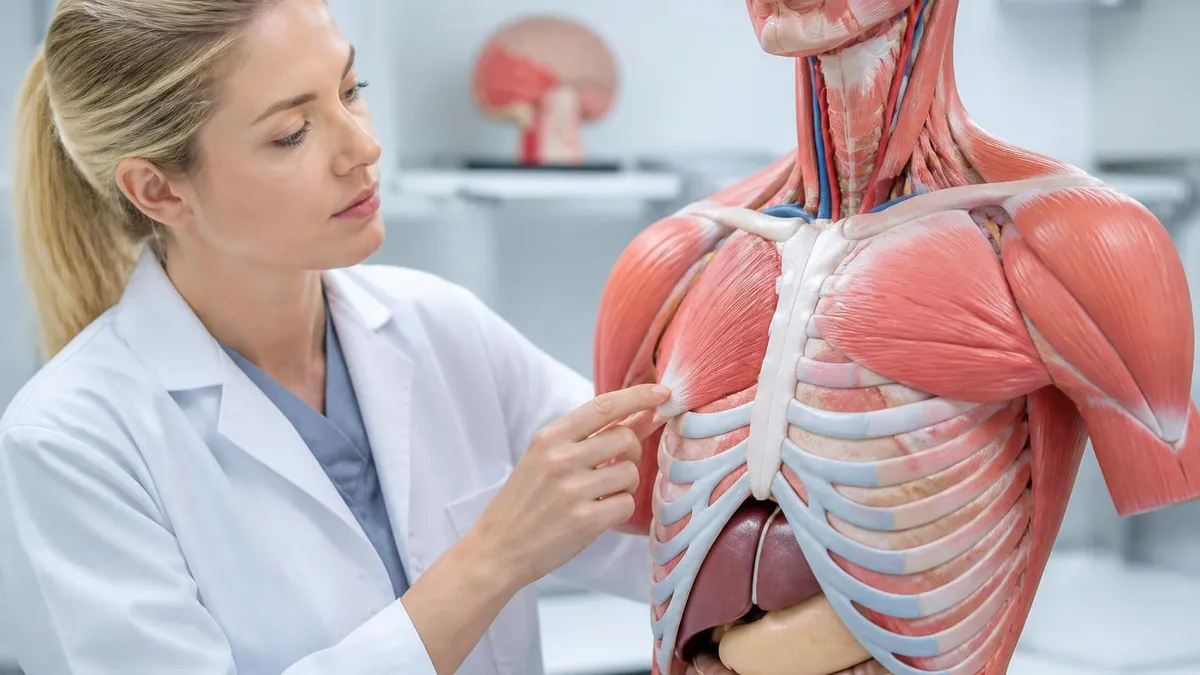
Most anatomy and physiology programs include lab practical exams where you must identify structures on actual specimens, models, or microscope slides within a strict time limit — often 60 to 90 seconds per station. Written exam study strategies alone will not prepare you adequately. You must practice identifying structures visually and physically, not just by reading your lab PDF. Schedule at least two full open-lab review sessions before every practical exam.
Exam preparation for anatomy and physiology laboratory courses requires a fundamentally different approach than studying for lecture exams. Lab practicals test visual recognition and recall under time pressure — you stand at a station, look at a pinned specimen or a model with numbered tags, and must write the correct term within 60 to 90 seconds.
No amount of reading your lab PDF will fully substitute for the experience of identifying real structures under those conditions. The single most important thing you can do to prepare for a lab practical is to spend time in open lab sessions handling the actual materials that will appear on the exam.
Most community colleges and universities offer open lab hours during which students can access specimens, models, and microscope slides outside of scheduled class time. Take full advantage of these sessions, especially in the two weeks before a practical exam. Bring your annotated lab PDF as a reference, but challenge yourself to identify structures without looking at it.
The goal is to build the kind of instant visual recognition that allows you to walk past a pinned sheep heart station and immediately identify the left ventricle, the aorta, and the mitral valve without consulting any notes at all. That automaticity only comes from repeated exposure to the actual specimens.
Flashcard systems work exceptionally well as a complement to open lab practice. Digital flashcard platforms allow you to create cards that show one side of a labeled diagram and ask you to produce the label from memory on the other side.
Work through your entire lab PDF and create a card for every structure listed in every learning objective — this process alone forces you to review the entire semester's content systematically. Sort your cards by body system and prioritize those covering structures you consistently miss. Review them daily in the week leading up to the practical, not just the night before.
Practice tests that target anatomy and physiology concepts reinforce the theoretical foundation that supports your lab performance. Questions about the function of the tricuspid valve, the role of the loop of Henle in urine concentration, or the mechanism of skeletal muscle contraction all appear on written A&P exams and require the same kind of deep conceptual understanding that your lab experiments are designed to build. Taking structured practice tests between lab sessions keeps your written exam preparation on track while your hands-on lab work develops your identification skills in parallel.
Group study at the specimen trays is another highly effective exam preparation strategy. Gather three or four classmates, assign one person to point to structures randomly on a model or specimen, and have the others compete to name the structure first. This game-like format creates low-stakes pressure that mimics the time constraints of the actual practical, builds speed and confidence, and reveals which structures the group collectively finds most difficult. Structures that stump multiple students are guaranteed to appear on the exam — that is how instructors calibrate difficulty — so those are exactly the ones to drill most intensively.
Your lab PDF review questions serve a critical function in the final days before an exam. Work through every question at the end of each unit without looking at the answers first, then check your responses against the answer key or your class notes. Pay particular attention to interpretation questions — those that ask you to explain why a physiological measurement changed, or what pathology a set of lab values might indicate. These higher-order questions are increasingly common on practical exams and written finals because they assess genuine understanding rather than memorization.
Finally, take care of your physical and mental health in the days leading up to lab practicals. Sleep deprivation significantly impairs the visual memory and spatial reasoning skills that lab exams demand more than almost any other cognitive ability.
Aiming for seven to eight hours of sleep the night before an exam, eating a protein-rich breakfast on the morning of the test, and arriving at the lab at least ten minutes early to settle into the environment all contribute meaningfully to performance. The knowledge you have built through careful lab PDF study and hands-on practice will only be accessible on exam day if your brain is rested and ready to retrieve it.
Developing strong laboratory habits from the very first day of class pays dividends throughout the entire A&P sequence and beyond. Students who approach each lab session with intention — arriving prepared, working methodically through the PDF guide, recording data carefully, and completing post-lab questions before the next session — build a compounding advantage that becomes most visible at midterms and finals. Contrast this with students who arrive unprepared, rush through procedures, and skip review questions: they spend far more total time trying to catch up than the prepared students spend on proactive maintenance.
One of the most practical habits to develop early is writing brief personal notes in the margins of your lab PDF about things that surprised you, confused you, or that your instructor emphasized verbally during the session. These annotations capture real-time learning that the printed or digital text cannot contain, and they are invaluable during exam review because they flag precisely the moments where your understanding shifted or deepened. If your instructor pauses the class to say something like, "This is where students always make mistakes on the practical," that comment belongs in your PDF annotation immediately.
Time management within each lab session is a skill that requires conscious development. Most three-hour lab sessions are structured to include a brief pre-lab introduction by the instructor, the main exercise or dissection, data analysis, and post-lab review.
Students who spend too long on the early steps — particularly on setup and initial observations — often find themselves rushing through data analysis and skipping post-lab questions entirely. Read through the entire lab PDF exercise at the start of the session, estimate how much time each section should take, and keep a mental clock to stay on track. Efficiency in the lab correlates strongly with thorough pre-lab preparation.
Building a strong relationship with your lab instructor or teaching assistant is another underutilized strategy. These individuals know exactly which structures and concepts the exams will emphasize, they have seen every common misconception and error across dozens of student cohorts, and they are generally delighted to help students who show genuine effort and curiosity.
During the lab session, ask specific questions rather than general ones — not "Can you help me?" but "In my lab PDF it says this structure is the interventricular septum, but I am looking at what appears to be a wall of muscle — am I looking at the right thing?" Specific questions get specific, useful answers.
Peer teaching is one of the most powerful study tools available to A&P students and costs nothing beyond time. When you explain how the sliding filament theory produces muscle contraction to a classmate who is struggling with it, you are forcing your own neural networks to retrieve, organize, and articulate the concept — a process that consolidates memory far more effectively than passive re-reading. Organize informal teaching sessions with lab partners between weekly class meetings, using your lab PDF as the curriculum. Rotate who teaches which section so that everyone benefits from both the teaching and the listening roles.
Technology tools beyond the PDF itself deserve a mention in any comprehensive lab preparation strategy. Three-dimensional anatomy apps such as Complete Anatomy and Human Anatomy Atlas allow you to rotate, dissect, and label digital models of every body structure covered in your lab manual.
Using these apps alongside your lab PDF creates a powerful learning combination: the PDF provides procedural guidance and assessment questions while the 3D app provides the spatial visualization that flat diagrams cannot fully convey. Many students find that seeing a structure from multiple angles in a 3D app eliminates confusion that persisted despite repeated reading of the same labeled diagram.
As you near the end of the A&P laboratory sequence, take stock of how far your knowledge has progressed. The student who struggled to distinguish a tendon from a ligament in week two can now describe the microscopic structure of both tissues, identify them on a histology slide, and explain the clinical implications of each type of injury.
This growth is the result of sustained, systematic engagement with your lab PDF materials, hands-on specimen work, physiological data collection, and consistent practice testing. The skills and knowledge you have built in the anatomy and physiology laboratory will serve as the foundation for every clinical course, health profession program, and patient interaction that follows in your career.
Anatomy Physiology Questions and Answers

How Hard Is Anatomy and Physiology? The Complete Honest Guide for Students

Eye Anatomy and Physiology: The Complete Guide to Understanding How Your Eyes Work
Anatomy and Physiology PDF: Complete Free Download Guide for 2026 Students
Human Anatomy and Physiology Book: The Complete Guide to Choosing, Using, and Mastering the Best Textbooks for 2026

Best Way to Learn Anatomy and Physiology: A Complete Student Guide
About the Author

Educational Psychologist & Academic Test Preparation Expert
Columbia University Teachers CollegeDr. Lisa Patel holds a Doctorate in Education from Columbia University Teachers College and has spent 17 years researching standardized test design and academic assessment. She has developed preparation programs for SAT, ACT, GRE, LSAT, UCAT, and numerous professional licensing exams, helping students of all backgrounds achieve their target scores.