

AFC Practice Test
Updated for September 2026Aerial fitness has become increasingly popular as it combines elements of strength training, flexibility, and acrobatics while using aerial equipment such as silks, trapeze, and hoops. This unique form of fitness requires a specialized set of skills, making certification essential for those looking to pursue a career in this exciting field. The Aerial Fitness Certification (AFC) provides the knowledge and expertise necessary to teach and practice aerial fitness safely and effectively. This article offers an overview of what the certification entails, how to obtain it, job prospects, salary expectations, and exam cost to help guide your path to becoming a certified aerial fitness instructor.
AFC Practice Test Questions
Prepare for the AFC - Aerial Fitness Certification exam with our free practice test modules. Each quiz covers key topics to help you pass on your first try.
AFC Aerial Fitness Techniques & Methods
AFC Exam Questions covering Aerial Fitness Techniques & Methods. Master AFC Test concepts for certification prep.
AFC Business & Professional Development
Free AFC Practice Test featuring AFC Business & Professional Development. Improve your AFC Exam score with mock test prep.
AFC Equipment & Apparatus Knowledge
AFC Mock Exam on AFC Equipment & Apparatus Knowledge. AFC Study Guide questions to pass on your first try.
AFC Injury Prevention & Special Populations
AFC Test Prep for AFC Injury Prevention & Special Populations. Practice AFC Quiz questions and boost your score.
AFC Nutrition & Recovery for Aerial Athletes
AFC Questions and Answers on AFC Nutrition & Recovery for Aerial Athletes. Free AFC practice for exam readiness.
AFC Teaching & Cueing Methodology
AFC Mock Test covering AFC Teaching & Cueing Methodology. Online AFC Test practice with instant feedback.
AFC Anatomy & Physiology for Aerial Fitness
Free AFC Quiz on Anatomy & Physiology for Aerial Fitness. AFC Exam prep questions with detailed explanations.
AFC Client Assessment & Program Design
AFC Practice Questions for Client Assessment & Program Design. Build confidence for your AFC certification exam.
Key Takeaways
Free AFC Practice Test Online
Aerial Fitness Certification (AFC) prepares individuals to teach aerial fitness classes safely and effectively.
Certification programs include a combination of theoretical education and hands-on practical training.
The job of an aerial fitness instructor involves designing and leading classes, ensuring safety, and offering personalized training.
The salary for aerial fitness instructors can range from $25,000 to $70,000 annually, depending on experience and location.
Exam costs typically range between $300 and $700, with recertification fees applicable.
What is Aerial Fitness Certification?
Aerial Fitness Certification (AFC) is a specialized certification program designed to ensure that fitness instructors are equipped with the skills and knowledge to teach aerial fitness classes. The certification program covers essential topics such as safety guidelines, equipment usage, anatomy, and appropriate techniques for a variety of aerial disciplines like aerial silks, aerial hoop, and trapeze. Through this certification, individuals can establish credibility and gain the confidence of potential clients or employers who require proof of expertise in aerial yoga instruction.
Safety and Injury Prevention: Understanding the risks and safety protocols involved in aerial fitness.
Anatomy and Physiology: Knowledge of how aerial fitness impacts the body, including the development of muscle groups and the effects on joint health.
Teaching Methodologies: Skills on how to structure and conduct aerial fitness classes.
Equipment Handling: Proper techniques for setting up and using aerial equipment safely and effectively.
AFC Key Concepts
What is the passing score for the AFC exam?
Most AFC exams require 70-75% to pass. Check the official exam guide for exact requirements.
How long is the AFC exam?
The AFC exam typically allows 2-3 hours. Time management is critical for success.
How should I prepare for the AFC exam?
Start with a diagnostic test, create a 4-8 week study plan, and take at least 3 full practice exams.
What topics does the AFC exam cover?
The AFC exam covers multiple domains. Review the official content outline for the complete list.
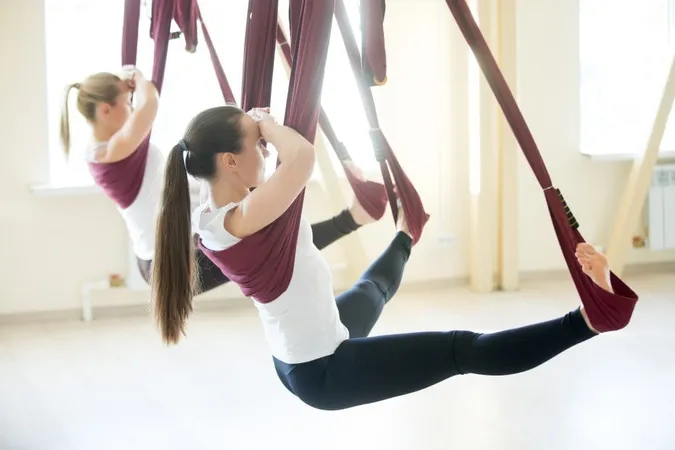
How to Become an Aerial Fitness Instructor
Becoming a certified aerial fitness instructor requires completing an AFC course, passing the certification exam, and gaining hands-on teaching experience. Here’s a step-by-step guide:
Step 1: Choose a reputable AFC certification program. Look for programs accredited by recognized fitness organizations or those that offer comprehensive in-person or online courses.
Step 2: Complete the training. The course typically covers theoretical knowledge and practical exercises, including technique drills, safety protocols, and teaching methods.
Step 3: Pass the exam. This usually involves a written test, practical exam, and sometimes a video submission of your instructional skills.
Step 4: Start teaching! Once certified, you can begin teaching aerial fitness classes or apply for jobs in gyms, fitness studios, or private training facilities.
Job Description of an Aerial Fitness Instructor
An aerial fitness instructor's primary responsibility is to design and lead aerial fitness classes for individuals or groups. These instructors help students build strength, flexibility, and coordination using aerial equipment like silks, trapeze, and hoops. Responsibilities include:
Class Instruction: Delivering safe and effective aerial fitness lessons that cater to various skill levels.
Personalized Training: Offering one-on-one coaching for clients who wish to focus on specific skills or goals.
Safety Supervision: Ensuring that all equipment is set up properly and that participants are using correct form to minimize injury.
Progress Tracking: Monitoring client progress and adjusting training plans as necessary.
Maintaining Equipment: Ensuring the aerial equipment is in good condition and properly maintained.
Aerial fitness instructors also often work in a collaborative environment, liaising with fitness professionals and studio managers to create programs that engage clients.
Salary of an Aerial Fitness Instructor
The salary of an aerial fitness instructor can vary based on location, experience, and whether the instructor is self-employed or working in a fitness facility. On average, the salary for an aerial fitness instructor can range from $25,000 to $70,000 per year. Those in high-demand areas or with more advanced certifications can earn higher salaries.
Entry-Level Salary: Beginners can expect to earn around $25,000 to $40,000 annually, depending on location and hours worked.
Experienced Instructors: Those with several years of experience and a proven track record can earn between $50,000 and $70,000 per year.
Freelance Instructors: Freelancers may earn hourly rates ranging from $20 to $60 per class, depending on the facility and location.
In addition to salary, many aerial fitness instructors benefit from perks like flexible schedules and the opportunity to work in a dynamic, physically engaging environment.
Exam Cost
The cost of obtaining the Aerial Fitness Certification exam varies by certification provider but typically ranges between $300 and $700. Some programs include study materials, workshops, and access to online resources as part of the cost. It’s important to factor in additional costs for recertification (which may be required every 2-4 years) and any continuing education courses that can help instructors stay up-to-date with the latest techniques and safety standards.

Conclusion
Aerial fitness is an exciting and physically demanding discipline, and becoming a certified instructor through Aerial Fitness Certification opens up a variety of career opportunities. By investing in your education and completing the certification process, you can teach others to experience the incredible benefits of aerial fitness while ensuring their safety and well-being. Whether you aim to work in a fitness studio or as an independent instructor, AFC will equip you with the tools necessary to succeed in this rewarding field.
- +Industry-recognized credential boosts your resume
- +Higher earning potential (10-20% salary increase on average)
- +Demonstrates commitment to professional development
- +Opens doors to advanced career opportunities
- −Exam preparation requires significant time investment (4-8 weeks)
- −Certification fees can be $100-$400+
- −May require continuing education to maintain
- −Some employers may not require certification
(AFC) Aerial Fitness Certification Questions and Answers
About the Author

Registered Dietitian & Fitness Certification Coach
University of FloridaAmanda Foster holds a Master of Science in Kinesiology from the University of Florida and is a Registered Dietitian and NASM Certified Personal Trainer. She has helped over 1,000 fitness professionals prepare for their ACE, NASM, ACSM, and specialty nutrition certifications, specializing in evidence-based exercise science and macro nutrition coaching methodology.
Join the Discussion
Connect with other students preparing for this exam. Share tips, ask questions, and get advice from people who have been there.
View discussion (7 replies)