
Australian Defence Force Academy: Complete Training Guide & Entry Requirements
Australian Defence Force Academy entry requirements, training, and exam prep tips. 🎯 Full guide for aspiring ADFA candidates in 2026 September.

The Australian Defence Force Academy (ADFA) is one of the most prestigious military training institutions in the southern hemisphere, combining a full university education with intensive officer-level military development. Located in Canberra, Australian Capital Territory, ADFA prepares future leaders for careers in the Royal Australian Navy, Australian Army, and Royal Australian Air Force. For Americans curious about allied military institutions or those with dual citizenship considering a defence career, ADFA represents a uniquely rigorous pathway that blends academic excellence with hands-on military preparation from day one.
Founded in 1986 and affiliated with the University of New South Wales (UNSW), ADFA offers undergraduate degrees across engineering, science, arts, business, and technology disciplines. Unlike civilian universities, every student at ADFA is simultaneously an officer cadet or midshipman receiving a salary while they study. This means candidates must meet both strict academic admission standards and demanding physical and medical fitness criteria before they ever set foot on campus. Understanding what the selection process entails — and how to prepare for it — is the critical first step for any prospective candidate.
The selection journey to ADFA involves multiple assessment stages, including aptitude testing, medical evaluations, psychological assessments, and fitness tests. The aptitude battery is particularly important, covering areas such as mechanical reasoning, verbal ability, numerical skills, and abstract thinking. Many applicants underestimate how competitive this process is; the ADF receives thousands of applications each year but accepts only the most qualified candidates. Early and structured preparation makes a measurable difference in outcomes, especially on the cognitive aptitude components where practice directly improves performance.
For those with connections to the United States military community, ADFA shares many philosophical similarities with institutions like West Point or the Naval Academy. However, ADFA graduates earn a full civilian university degree alongside their commission, giving them a dual qualification that serves them throughout both a military and potential post-service career. This arrangement reflects Australia's commitment to producing officers who are intellectually flexible and technically credentialed, not just trained fighters. The academic component is fully accredited and recognized internationally, adding substantial long-term value to the cadetship.
One aspect that surprises many prospective applicants is the service return obligation. Cadets who complete their studies at ADFA are required to serve a minimum period in the ADF afterward, which varies by service branch and degree type. For a four-year degree program, the minimum return of service obligation is typically five to six years of commissioned service. This commitment reflects the significant investment the Australian government makes in each cadet's education, accommodation, salary, and training. Applicants need to approach ADFA with a genuine long-term military career intention, not simply as a means of obtaining a free university education.
Preparation for the ADFA selection process should begin at least twelve months before the intended application date. Candidates need time to build their physical fitness to ADF standards, study for cognitive aptitude assessments, gather academic documentation, and research their preferred service branch thoroughly. The australian defence force academy official portal provides detailed timelines, eligibility criteria, and application checklists that are essential reading for anyone beginning this journey. Using practice tests to simulate the aptitude battery under timed conditions is one of the highest-return preparation activities available to prospective candidates.
This comprehensive guide covers everything you need to know about ADFA: entry requirements, the academic structure, military training components, selection stages, aptitude test formats, study strategies, and practical advice from candidates who have navigated the process successfully. Whether you are a high school student in your final year, a gap-year candidate reconsidering options, or someone exploring a second career pathway, this article will give you a clear, honest picture of what ADFA demands and how to put your best foot forward when application season opens.
ADFA by the Numbers
Key Facts at a Glance
| Item | Value | Details |
|---|---|---|
| Year Founded | 1986 | Canberra, ACT |
| Degree Duration | 3–4 yrs | Full undergraduate programs |
| Minimum Service Return | 5–6 yrs | Post-graduation obligation |

ADFA Entry Requirements at a Glance
Applicants must hold an Australian Year 12 certificate or equivalent qualification with competitive scores in mathematics and English. Specific ATAR or equivalent thresholds apply depending on the chosen degree program, with STEM degrees typically requiring higher academic benchmarks.
Candidates must be Australian citizens and typically between 17 and 24 years of age at the time of enlistment. Age waivers are rare and assessed case by case. Permanent residents are generally ineligible without citizenship confirmation prior to application submission.
All candidates undergo a comprehensive Defence Force Recruiting medical examination. Vision, hearing, cardiovascular health, and musculoskeletal condition are all assessed. Physical fitness standards include timed run distances, push-up counts, and sit-up benchmarks that differ by age and gender cohort.
The ADF Aptitude Test battery evaluates verbal reasoning, numerical reasoning, abstract reasoning, and mechanical reasoning. Scores are benchmarked against population norms, and competitive ADFA entry typically requires performance in the upper percentile ranges across all test components.
All ADFA candidates must obtain and maintain an Australian Government security clearance. This involves a background check covering financial history, personal associations, overseas travel, and any prior legal matters. Honesty during this process is critical — undisclosed issues cause far more problems than disclosed ones.
ADFA offers a diverse range of undergraduate degree programs through its affiliation with UNSW Canberra, covering disciplines that align with the technical and strategic needs of the modern Australian Defence Force. Engineering programs are among the most popular choices, spanning aerospace, civil, electrical, and mechanical specializations. Science degrees in areas such as computer science, cybersecurity, mathematics, and physics are increasingly in demand given the ADF's growing reliance on technology and data-driven decision-making. Arts and business degrees are also available for candidates who demonstrate strong leadership potential and prefer non-technical pathways into officer roles.
Every student at ADFA follows a tightly structured academic timetable that integrates university coursework with military training activities. There is no separation between the civilian student experience and the military cadet experience — they are the same thing. Each weekday begins with early morning physical training before academic classes, and military skills sessions are embedded throughout the week. This dual commitment means ADFA students consistently manage heavier workloads than their civilian counterparts, developing time management and resilience skills that define effective military officers long before graduation.
The academic standards at ADFA match those of any leading Australian university. Passing your degree is a genuine challenge, not a formality. Cadets who struggle academically face additional consequences beyond academic probation — poor performance can result in removal from ADFA and the loss of the officer cadet role. The ADF expects its future officers to demonstrate intellectual capability alongside physical and leadership competence. For this reason, candidates should not approach ADFA as a backup plan or as a way to defer major academic decisions. Clear motivation and genuine academic ability are prerequisites for success.
One structural aspect of ADFA that distinguishes it from other military academies worldwide is the degree of personal freedom afforded to cadets as they progress through their years. First-year cadets (known as Freshmen Year) experience the most structured and supervised environment, with significant restrictions on movement, privileges, and personal time. As cadets progress into second and third years, they earn greater independence and leadership responsibilities within the cadet hierarchy. By the final year, senior cadets are expected to lead and mentor junior cohorts, applying the leadership principles they have studied and observed throughout their time at the academy.
Postgraduate opportunities also exist for exceptional ADFA graduates. High-performing officers may be sponsored to pursue masters or doctoral degrees, either at ADFA itself or at leading universities internationally. This reflects the ADF's long-term investment in developing strategic thinkers who can contribute not just on operational deployments but in policy, research, and advisory roles across the national security apparatus. The relationship between ADFA and the broader ADF career pathway is designed to be a lifelong one, with the academy serving as the foundational chapter of a much longer professional story.
Financially, the ADFA arrangement is one of the most advantageous educational deals available to eligible Australians. Cadets receive a full salary, free accommodation, meals, and uniform allowances while completing their degree. There are no HECS-HELP or student loan obligations for ADFA degrees — the education is fully government-funded in exchange for the post-graduation service commitment. For families concerned about the cost of higher education, this makes ADFA an extraordinarily attractive option, provided the candidate has the aptitude, motivation, and character to meet the ADF's standards. Financial benefit alone, however, is rarely sufficient motivation to sustain the demands of cadet life.
International exchange opportunities are also part of the ADFA experience, with selected cadets participating in programs at allied nation military academies including West Point in the United States, the Royal Military Academy Sandhurst in the United Kingdom, and equivalent institutions in Canada and New Zealand. These exchanges strengthen the interoperability between allied defence forces and expose ADFA cadets to different military cultures and operational philosophies. For candidates with an interest in international security affairs or defence diplomacy, these opportunities represent a compelling reason to pursue the ADFA pathway over conventional university study.
ADFA Aptitude Test: What to Expect in Each Section
The mechanical reasoning section of the ADF aptitude battery tests your understanding of physical principles including levers, pulleys, gears, fluid pressure, and basic electrical circuits. Questions typically present a diagram accompanied by a multiple-choice question asking which outcome occurs or which configuration produces a specific result. No prior engineering training is required, but candidates who have studied physics or worked with machinery will have a natural advantage going into this section.
Practice is the most effective way to improve mechanical reasoning scores. Many test-takers find that consistent exposure to diagram-based questions builds pattern recognition skills that speed up response times considerably. Aim for at least two to three weeks of daily practice, focusing on question types you find most challenging. Timing yourself under exam conditions helps identify whether accuracy or speed is your primary limiting factor — then you can adjust your preparation strategy accordingly before the real assessment day arrives.

Is ADFA the Right Path for You?
- +Full undergraduate degree funded entirely by the Australian Government — no student debt
- +Receive a salary, accommodation, and meals throughout your studies from day one
- +Graduate with both a university degree and an officer commission simultaneously
- +Access to international exchange programs at allied military academies worldwide
- +Strong post-graduation career prospects in military, government, and private sectors
- +Develop leadership, resilience, and teamwork skills that civilian universities rarely match
- −Minimum five to six years of compulsory post-graduation service limits early career flexibility
- −First-year cadet lifestyle is highly regimented with limited personal freedom and autonomy
- −Academic workload is heavier than civilian university due to simultaneous military training
- −Highly competitive selection process with limited places available per intake cycle
- −Medical and fitness standards may exclude otherwise well-qualified candidates
- −Relocation to Canberra is mandatory — remote or flexible study arrangements are not available
ADFA Application Checklist: 10 Steps to Submission-Ready
- ✓Confirm Australian citizenship status and gather citizenship documentation well in advance of applications opening.
- ✓Verify your Year 12 results or equivalent academic qualifications meet the minimum ADFA entry threshold.
- ✓Complete the ADF Fitness Assessment preparation program and achieve benchmark scores before your medical appointment.
- ✓Book and attend a Defence Force Recruiting medical and fitness assessment at your nearest DFR centre.
- ✓Research all available ADFA degree programs and identify your top two preferences aligned with your strengths.
- ✓Register on the ADF Careers portal and complete the online application form with accurate personal information.
- ✓Prepare for and complete the ADF Aptitude Test battery, using practice tests to build speed and accuracy beforehand.
- ✓Gather two referee statements from non-family members who can speak to your character and leadership potential.
- ✓Complete the Officer Selection Board (OSB) preparation program, including practice group problem-solving exercises.
- ✓Review your digital footprint — social media, online profiles — to ensure nothing conflicts with ADF values and standards.
Aptitude Test Scores Are the Single Biggest Differentiator
Among all selection criteria, your ADF Aptitude Test scores carry the most weight in determining whether you advance to the Officer Selection Board stage. Unlike physical fitness scores that can be improved dramatically in a matter of weeks, cognitive aptitude responds best to sustained practice over two to three months. Start your test preparation early — it is the one variable you have the most control over throughout the entire ADFA application process.
Military training at ADFA is conducted in parallel with academic studies and forms an equally essential component of the officer development program. During the first year, cadets undertake the Initial Military Employability Training (IMET) program, which introduces the foundational military skills common across all three services. IMET covers drill, navigation, fieldcraft, weapons handling, physical conditioning, and leadership under supervision. It is deliberately demanding, designed to test resilience and identify candidates who may struggle with the combined academic and military load before the ADF invests further in their development.
After completing first year, cadets begin service-specific training that is tailored to their chosen branch — Navy, Army, or Air Force. Navy cadets develop seamanship skills and participate in sea time exercises aboard Royal Australian Navy vessels. Army cadets focus on combat tactics, land navigation, and infantry skills, with exercises conducted in field environments across Australia. Air Force cadets study aviation theory, air traffic management concepts, and participate in familiarization flights. In all cases, the service-specific training reinforces the connection between academic study and operational military application, giving cadets context for why their coursework matters in real-world defence scenarios.
Leadership development at ADFA operates on a progressive model. First-year cadets are followers, learning to follow orders efficiently and correctly while observing how senior cadets exercise authority. Second-year cadets begin taking on junior leadership roles within their divisional and squadron structures. Third and fourth-year cadets occupy significant leadership positions — directing daily activities, mentoring junior cohorts, and managing cadet welfare. By the time they commission as officers, ADFA graduates have already led teams of their peers in high-pressure environments, giving them a practical foundation that graduates of conventional leadership courses typically lack.
Physical training at ADFA is non-negotiable and continuous throughout the program. The ADF physical training culture emphasizes functional fitness — the kind that supports operational effectiveness in the field — rather than aesthetic fitness. Cadets run, swim, complete obstacle courses, carry loaded packs on marches, and participate in team fitness challenges.
Injury is a real risk, particularly for cadets who arrive underprepared. The ADF medical system manages injuries with a focus on returning cadets to full training as quickly as safely possible, but serious or recurring injuries can threaten a cadet's progression through the program and, in severe cases, result in medical discharge.
Mental health and wellbeing have received increasing attention at ADFA following reviews and inquiries into cadet welfare over the past decade. The academy now operates a comprehensive support system including chaplains, psychologists, peer support officers, and external referral pathways. Cadets are encouraged to seek help early when they are struggling rather than attempting to manage difficulties alone.
The military culture around mental health is evolving, and ADFA is explicitly working to normalize help-seeking behavior as a sign of self-awareness rather than weakness. This shift reflects broader changes in how modern defence forces think about psychological resilience as a core operational capability.
The transition from cadet to commissioned officer at graduation is a significant milestone that involves formal ceremonies attended by families and senior military figures. Graduates of the Navy receive their commission as Midshipmen or Acting Sub-Lieutenants; Army graduates are commissioned as Second Lieutenants; Air Force graduates become Pilot Officers.
Following graduation, newly commissioned officers proceed to service-specific officer training before being posted to their first operational unit. ADFA is not the end of the development pipeline — it is the beginning. The skills, habits, and networks built at the academy form the foundation for a career that will continue to develop through service postings, courses, and operational deployments over the following decades.
For candidates who want to experience something of the military environment before committing to ADFA, the ADF operates a range of cadet and reserve programs that provide genuine exposure. Australian Army Cadets, Air Force Cadets, and Navy Cadets programs are available to secondary school students and provide structured military training alongside academic study.
These programs do not guarantee ADFA entry, but they do develop relevant skills and demonstrate commitment to military service — factors that strengthen an application. Many successful ADFA entrants have backgrounds in cadet programs, and the leadership skills they developed there are clearly visible during the Officer Selection Board process.

ADFA intake cycles have fixed application closing dates that are strictly enforced by Defence Force Recruiting. Missing a deadline typically means waiting a full year for the next intake, which can significantly delay your career start. Applications for the following year's intake often open in mid-year, so check the official ADF Careers portal regularly and set calendar reminders well ahead of the closing date to ensure all components — aptitude testing, medical, fitness — are completed in time.
Preparing effectively for the ADFA Officer Selection Board (OSB) is a distinct task from preparing for the aptitude test battery, and many candidates underinvest in this stage of their preparation. The OSB is a multi-day assessment event held at ADFA itself where candidates undertake group problem-solving exercises, individual interviews, leadership tasks, and written exercises.
Assessors are looking for communication clarity, situational awareness, composure under pressure, and evidence of genuine motivation for a military career. Candidates who have researched the ADF thoroughly and can speak specifically about why they want to serve — not just vague statements about patriotism — consistently perform better in the interview components.
Group exercises during the OSB are designed to observe how candidates behave in a team context. Assessors are not necessarily looking for the loudest voice or the person who generates the most ideas. They want to see candidates who listen carefully, build on others' contributions, assert their own perspective confidently without dominating, and help the group reach a decision under time pressure.
Preparation for group exercises should include practice discussions on current affairs, defence policy topics, and ethical dilemmas. Reading a quality newspaper or following reliable news sources in the months before your OSB is one of the most underrated preparation strategies available.
Written exercises at the OSB assess your ability to organize thoughts clearly and communicate in writing under time constraints. These exercises typically involve reading a briefing document and writing a short analysis, recommendation, or response. Strong candidates write concisely, structure their response logically, address the specific question asked rather than summarizing the briefing material back to the assessors, and demonstrate awareness of operational considerations. Practicing timed writing exercises — summarizing a news article in 200 words, or writing a one-page recommendation on a policy topic — builds the speed and discipline needed to perform well in this component.
Physical preparation for ADFA begins long before the application window opens. The ADF Fitness Assessment involves a multistage fitness test (beep test), push-ups, and sit-ups completed to a standard that must be met or exceeded.
While the minimum standard is achievable with a reasonable level of general fitness, candidates who aim only for the minimum are taking a risk — the margin between passing and failing can be narrow if you are having a less-than-perfect day. A more effective strategy is to train toward a target that sits comfortably above the minimum required, giving yourself a buffer that accounts for test-day nerves, travel fatigue, or minor illness.
Nutrition and sleep are often overlooked preparation variables. ADFA candidates frequently focus exclusively on cognitive practice and physical training while neglecting recovery. Research consistently shows that sleep deprivation meaningfully impairs performance on cognitive assessments, including the kind of reasoning tasks featured in the ADF aptitude battery.
In the final two weeks before your aptitude test, prioritize seven to nine hours of sleep per night, maintain consistent meal timings, reduce caffeine intake in the late afternoon, and avoid introducing new training stimuli that might cause muscular soreness or fatigue on test day. These small behavioral adjustments yield meaningful performance returns at the assessment stage.
Networking with current or former ADFA cadets is an underutilized preparation resource. Many ADFA alumni are willing to speak with prospective candidates about what cadet life is genuinely like — not the brochure version. These conversations help candidates develop realistic expectations, identify the questions they should be asking during the OSB, and understand what assessors at each stage of the selection process are actually observing. The ADF Careers portal and Defence Force Recruiting offices can connect prospective applicants with cadet ambassador programs that facilitate these conversations in a structured, appropriate format without creating any obligation on either party.
Finally, the mindset you bring to the entire selection process matters more than most candidates appreciate. The ADF is not only assessing whether you meet the technical requirements — it is assessing whether you have the character and resilience to handle the demands of military service over a sustained career.
Candidates who approach the selection process as a series of boxes to tick often perform worse than candidates who approach it as a genuine test of who they are and what they are capable of. Authenticity, intellectual curiosity, ethical clarity, and a demonstrated capacity for growth under pressure are the qualities that distinguish ADFA graduates who go on to make meaningful contributions to Australia's national security from those who simply meet the minimum requirements for entry.
Building a successful study and preparation plan for ADFA entry requires honest self-assessment of where your current strengths and weaknesses lie relative to the selection criteria. Start by attempting a full-length aptitude practice test under timed conditions without any preparation — your baseline scores will reveal which sections need the most attention. Most candidates discover that mechanical reasoning and abstract reasoning are their weakest areas because these are the least similar to standard school subjects. Allocate proportionally more practice time to your weakest areas while maintaining your stronger sections through lighter review sessions each week.
A twelve-week preparation timeline works well for most candidates who are starting from a reasonable baseline. Weeks one through four should focus on diagnostic work and building foundational understanding — particularly for mechanical reasoning concepts like gear ratios, pulley systems, and electrical circuit logic.
Weeks five through eight are for intensive practice, completing multiple timed question sets daily and reviewing every incorrect answer in detail to understand why the correct answer is right, not just that your answer was wrong. Weeks nine through twelve should involve full-length practice tests, OSB preparation activities, and physical training calibration to peak at the right time for your scheduled assessments.
Review sessions are more valuable than most candidates realize. The temptation after completing a practice test is to count your score, feel good or bad about it, and move on to the next set of questions. Candidates who improve most rapidly spend equal time reviewing incorrect answers as they do answering new questions.
For every wrong answer, ask yourself: did I misread the question? Did I apply an incorrect reasoning rule? Did I run out of time and guess? Each failure mode has a different corrective action, and identifying patterns in your errors helps you target preparation much more efficiently than simply doing more practice questions at random.
Military history and traditions form an often-overlooked component of ADFA preparation. The ADF expects officer candidates to have genuine familiarity with Australian military history, significant campaigns and battles, the organizational structure of the three services, key figures in Australian defence history, and current ADF operational commitments and strategic priorities. This knowledge is assessed during OSB interviews and written exercises, and candidates who can speak knowledgeably about these topics project the credibility and interest in military service that assessors are looking for. Reading widely on Australian military history in the months before your OSB is time well invested.
Current affairs preparation should extend beyond Australian domestic news to include defence and security developments in the Indo-Pacific region, key alliance relationships including ANZUS and AUKUS, and major global security dynamics. ADFA trains future officers who will operate in a complex geopolitical environment, and the OSB assesses whether candidates have the intellectual curiosity to engage with that complexity.
You do not need specialist knowledge of foreign policy or military strategy — assessors are not expecting expert-level analysis from school leavers. They are looking for candidates who read broadly, think critically about what they read, and can articulate informed perspectives with appropriate intellectual humility.
Peer preparation groups can significantly enhance readiness for the OSB group exercises. Forming a small group of three to five fellow applicants — or friends willing to play the role — and practicing group problem-solving exercises together builds the team communication habits that assessors reward.
Record your sessions if possible and review them together to identify where individuals dominate, go quiet, or miss opportunities to build on others' contributions. This kind of deliberate practice for the group exercise component is far more valuable than theoretical reading about what good teamwork looks like in the abstract sense during normal academic preparation time.
Ultimately, the candidates who succeed at ADFA are those who treat every component of the selection process — academic preparation, physical training, aptitude testing, OSB performance, and even administrative tasks like gathering documentation — with equal seriousness and systematic attention. The ADF is looking for people who demonstrate the discipline and thoroughness in preparation that they will need to demonstrate throughout their military career.
Your preparation process is itself a signal about the kind of officer you will become. Approach every stage with the professionalism, preparation, and genuine enthusiasm for military service that ADFA rewards with acceptance into Australia's finest officer development institution.
ADF Questions and Answers

ADF Website Guide: How to Use the Official Australian Defence Force Portal
ADF (Australian Defence Force) Test | Official Exam Prep
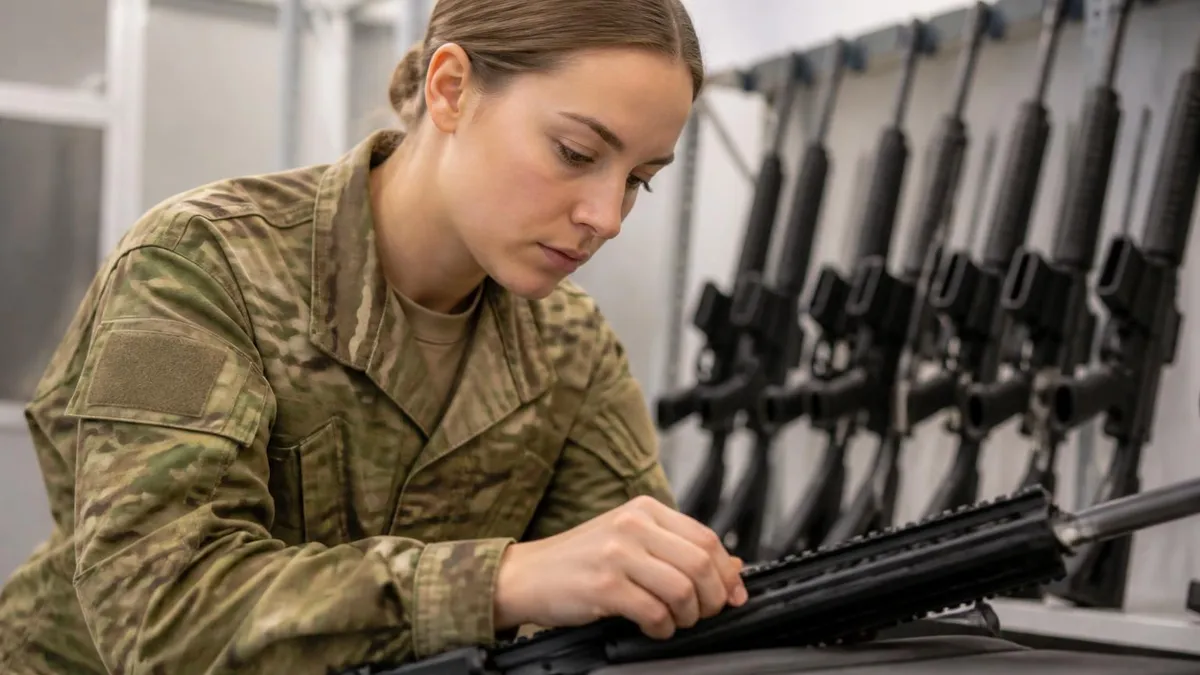
Australian Defence Force: Complete Training Guide & Entry Requirements

ADF Careers: Everything You Need to Know About Joining the Australian Defence Force

What ADF Means in Australia: The Defence Force Explained
About the Author

Educational Psychologist & Academic Test Preparation Expert
Columbia University Teachers CollegeDr. Lisa Patel holds a Doctorate in Education from Columbia University Teachers College and has spent 17 years researching standardized test design and academic assessment. She has developed preparation programs for SAT, ACT, GRE, LSAT, UCAT, and numerous professional licensing exams, helping students of all backgrounds achieve their target scores.
Join the Discussion
Connect with other students preparing for this exam. Share tips, ask questions, and get advice from people who have been there.
View discussion (9 replies)