
ACSM Certification Guide: Personal Trainer and Specialist Exams 2026 October
Prepare for the ACSM Certification Guide: Personal certification. Practice questions with answer explanations covering all exam domains. 📝
ACSM Certification: What It Is and Which Credential to Pursue
The American College of Sports Medicine (ACSM) is one of the world's largest sports medicine and exercise science organizations, and its certification program is one of the most respected in the fitness and clinical exercise industry. ACSM's certifications span a range from entry-level fitness training to clinical exercise physiology, making ACSM unique among fitness certification bodies in bridging the gap between fitness and healthcare. The two primary ACSM certifications are the ACSM Certified Personal Trainer (ACSM-CPT) for fitness professionals and the ACSM Certified Exercise Physiologist (ACSM-EP) for individuals with exercise science degrees who work in clinical or medically integrated fitness settings. Both are NCCA-accredited (National Commission for Certifying Agencies), the industry standard for third-party certification accreditation.
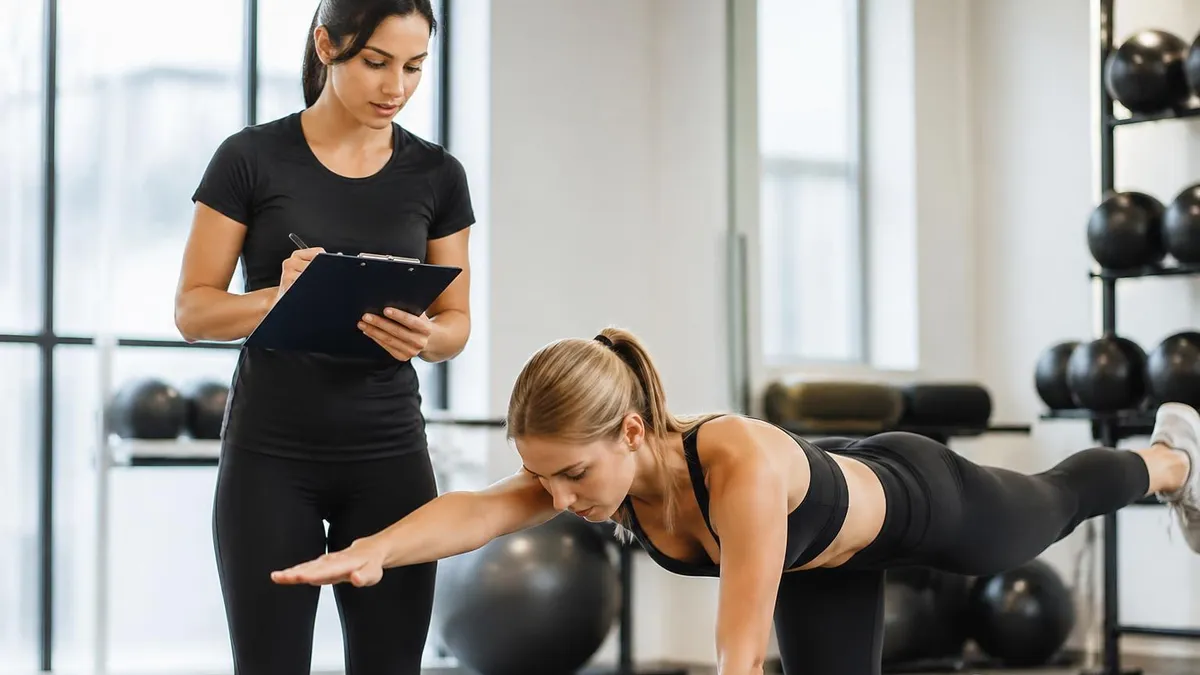
The ACSM-CPT is the entry-level personal training certification designed for fitness professionals who train apparently healthy clients in commercial gym, corporate wellness, and independent training settings. Requirements include being at least 18 years old and holding a current CPR/AED certification from an in-person course. No college degree or prior certification is required, making ACSM-CPT accessible to candidates entering the fitness profession. The exam consists of 150 questions over 3 hours at Pearson VUE testing centers. The ACSM-CPT uses a content framework organized around the ACSM Exercise Testing and Prescription guidelines, emphasizing evidence-based exercise science over fitness trend culture. Practicing with ACSM exercise science practice tests covers the exercise physiology, biomechanics, and anatomy content that underpins the ACSM-CPT and ACSM-EP exams across all content domains. Reviewing ACSM health assessment practice tests covers client evaluation, risk stratification, and pre-participation screening that ACSM places at the foundation of safe exercise programming.
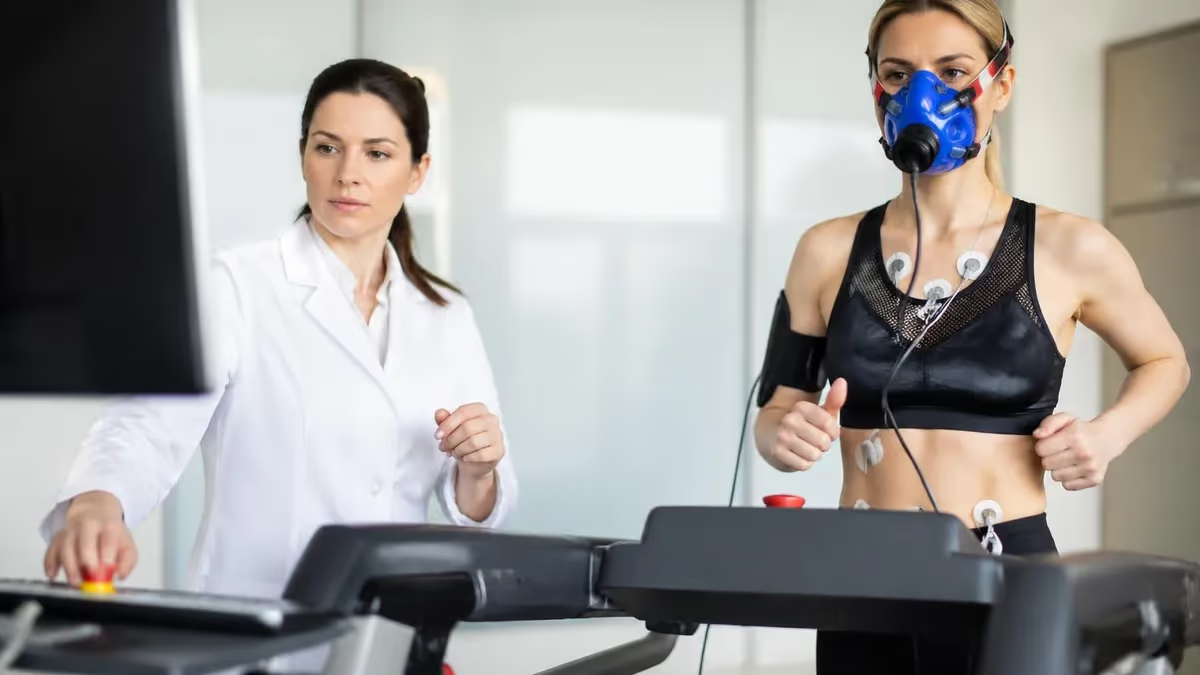
The ACSM-EP (Certified Exercise Physiologist) is a more advanced credential designed for professionals with academic backgrounds in exercise science, kinesiology, or related fields. It requires a bachelor's degree in exercise science or a related field plus an internship, or a current ACSM-CPT with additional experience. ACSM-EP holders work in medically integrated fitness, cardiac rehabilitation, pulmonary rehabilitation, oncology fitness, and similar clinical-adjacent settings. The exam tests more clinical knowledge than the CPT, including pathophysiology of chronic disease, clinical exercise testing, and medical referral protocols. For candidates with exercise science degrees who want to work in clinical settings, ACSM-EP is more relevant than ACSM-CPT. Reviewing ACSM exercise prescription practice tests covers the FITT principle application, training adaptations, and individualized program design that both ACSM certifications emphasize. Completing ACSM cardiovascular fitness practice tests covers aerobic training, VO2max, cardiorespiratory assessment, and cardiovascular programming that are core content areas for both the CPT and EP exams.
ACSM-CPT Content Domains and Exam Preparation
The ACSM-CPT exam is organized around four content domains. Initial Client Consultation and Assessment (25%) covers health history review, informed consent, fitness assessment selection and administration (cardiorespiratory, muscular fitness, flexibility, body composition), risk stratification, and interpreting assessment data. Exercise Programming and Implementation (35%) is the largest domain, covering FITT-VP (Frequency, Intensity, Time, Type, Volume, Progression) for all fitness components, the ACSM exercise prescription guidelines, training periodization concepts, and special population programming. Exercise Leadership and Client Education (20%) covers communication, motivation, behavioral change theory, client education, and group exercise considerations. Legal, Professional, Business, and Safety Considerations (20%) covers scope of practice, liability, safety protocols, facility management basics, and business operations for personal trainers. Practicing with ACSM program design practice tests targets the largest exam domain, covering periodization, training load management, and the evidence-based program design principles ACSM's guidelines define. Reviewing ACSM special populations practice tests covers older adults, youth, pregnant clients, and individuals with chronic conditions -- populations where ACSM's medical exercise expertise distinguishes it from general fitness certifications.

- ✓Confirm your exam appointment and location
- ✓Bring required identification documents
- ✓Arrive 30 minutes early to check in
- ✓Read each question carefully before answering
- ✓Flag difficult questions and return to them later
- ✓Manage your time — don't spend too long on one question
- ✓Review flagged questions before submitting
ACSM Overview
- ACSM-CPT vs. NASM-CPT: NASM uses an OPT (Optimum Performance Training) model emphasizing neuromuscular efficiency and corrective exercise; ACSM-CPT is more directly aligned to published exercise science research and ACSM's exercise prescription guidelines — ACSM is often preferred in clinical fitness contexts
- ACSM-CPT vs. ACE-CPT: ACE uses an integrated fitness training model; ACSM uses a guidelines-based approach with stronger clinical science orientation — ACSM's research-based approach is valued in medically integrated fitness settings
- Employer preference: Hospital-based fitness centers, cardiac wellness programs, and medically integrated facilities frequently prefer ACSM; commercial gyms and health clubs accept all NCCA-accredited credentials
- Content depth: ACSM-CPT is generally considered more academically rigorous than ACE or NASM-CPT, particularly in exercise physiology and evidence-based guidelines; candidates with exercise science backgrounds often find the content alignment natural
- Stacking credentials: Many exercise professionals hold both an ACSM credential and one other certification (NASM, ACE, or NSCA) to maximize employer options
Preparing for the ACSM-CPT or ACSM-EP Exam
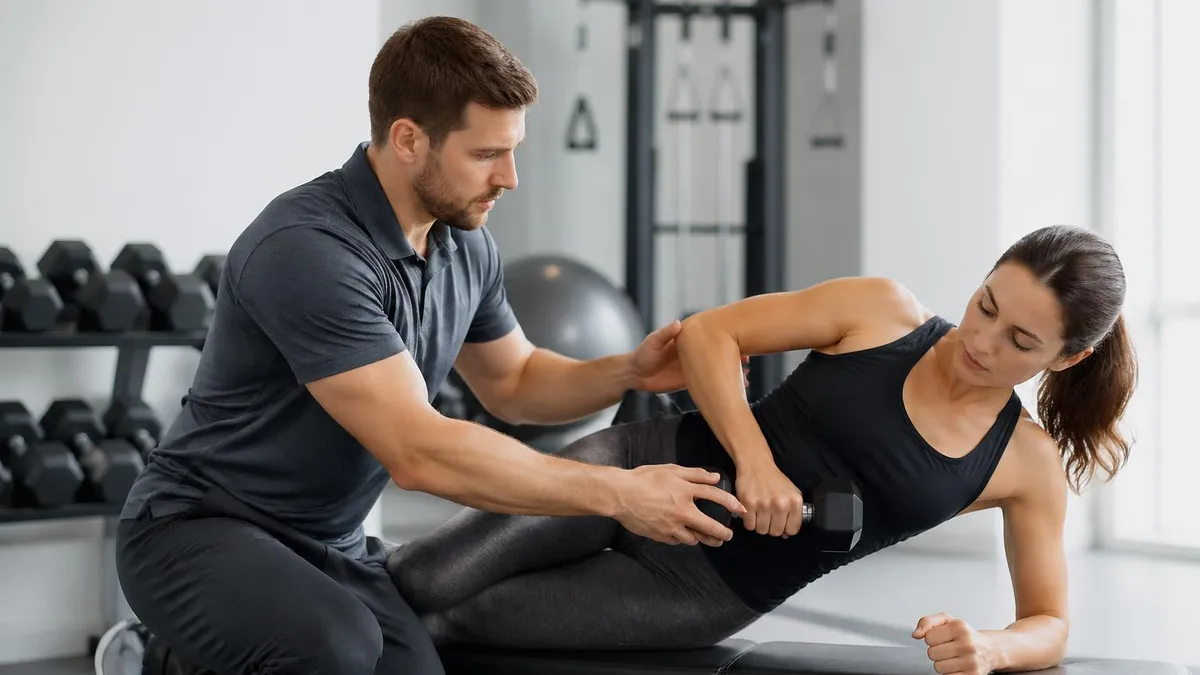
Effective ACSM exam preparation starts with ACSM's own published materials: the ACSM's Guidelines for Exercise Testing and Prescription (the primary reference used to write the exam) and the ACSM Personal Trainer Certification Study Resource (aligned to the CPT content outline). These resources are the authoritative study materials aligned to what the exam actually tests. Supplementing ACSM's materials with a practice question bank that tests scenario-based application (rather than just recall) builds the applied reasoning the exam demands. The ACSM exam presents clinical and training scenarios where you must select the most appropriate response -- understanding why the guidelines recommend specific protocols, not just what they are, is essential for the scenario-based questions. Reviewing ACSM behavioral strategies practice tests covers motivational interviewing, stages of change, and adherence techniques that the client consultation domain tests in both knowledge and applied scenario formats. Working through ACSM safety and injury prevention practice tests covers exercise safety, contraindicated movements, spotting, and risk management principles that the legal and professional domain tests across both the CPT and EP exams.
Candidates preparing for the ACSM-EP exam need to go beyond the CPT content into clinical exercise testing, pathophysiology of chronic disease, and the specific exercise programming modifications for cardiovascular, metabolic, pulmonary, musculoskeletal, and oncology populations. The ACSM's Clinical Exercise Physiology textbook and ACSM's Exercise Management for Persons with Chronic Diseases and Disabilities are the primary references for EP-level content. EP candidates with clinical experience (internships, cardiac rehab work) find that their practical knowledge maps well to the exam scenarios; those coming directly from academic programs without significant clinical hours should seek supervised practice experience before sitting for the EP exam. Reviewing ACSM safety and risk management practice tests covers the professional liability, scope of practice, and emergency response content that applies across both CPT and EP certification levels. Practicing ACSM professional ethics and conduct practice tests reinforces the professional conduct standards and ethical decision-making frameworks that ACSM certifications embed throughout their content outlines.
Study timeline for the ACSM-CPT typically runs 8 to 12 weeks for candidates who approach preparation systematically. Candidates with exercise science backgrounds often complete preparation in 6 to 8 weeks; those entering from adjacent fields without formal exercise science coursework need the full 12 weeks to build sufficient depth in exercise physiology, anatomy, and assessment methodology. A structured preparation plan divides content by domain: start with Initial Client Consultation and Assessment (health history, risk stratification, fitness testing protocols), then move into Exercise Programming and Implementation (the largest domain at 35%), then cover Exercise Leadership and Client Education, and finish with Legal, Professional, and Safety content. Taking a diagnostic practice exam early in preparation identifies content gaps; candidates frequently discover that biomechanics terminology, VO2max calculations, and specific FITT-VP application scenarios require more attention than general fitness knowledge suggests. The final two weeks before the exam should shift from content learning to practice exam work under timed conditions, reviewing rationales for every incorrect answer to build the reasoning skills the scenario-based questions require. Candidates who sit for the ACSM-EP exam after the CPT should allow an additional 4 to 6 weeks to cover the clinical content depth the EP exam adds, particularly pathophysiology review and clinical exercise testing protocols not present in the CPT exam.
Study timeline for the ACSM-CPT typically runs 8 to 12 weeks for candidates who approach preparation systematically. Candidates with exercise science backgrounds often complete preparation in 6 to 8 weeks; those entering from adjacent fields without formal exercise science coursework need the full 12 weeks to build sufficient depth in exercise physiology, anatomy, and assessment methodology. A structured preparation plan divides content by domain: start with Initial Client Consultation and Assessment (health history, risk stratification, fitness testing protocols), then move into Exercise Programming and Implementation (the largest domain at 35%), then cover Exercise Leadership and Client Education, and finish with Legal, Professional, and Safety content. Taking a diagnostic practice exam early in preparation identifies content gaps; candidates frequently discover that biomechanics terminology, VO2max calculations, and specific FITT-VP application scenarios require more attention than general fitness knowledge suggests. The final two weeks before the exam should shift from content learning to practice exam work under timed conditions, reviewing rationales for every incorrect answer to build the reasoning skills the scenario-based questions require. Candidates who sit for the ACSM-EP exam after the CPT should allow an additional 4 to 6 weeks to cover the clinical content depth the EP exam adds, particularly pathophysiology review and clinical exercise testing protocols not present in the CPT exam.
ACSM Pros and Cons
- +Science-based credential — ACSM's exercise science research foundation gives the CPT and EP credentials strong credibility in clinical and medical fitness settings where evidence-based practice is expected
- +NCCA-accredited — both CPT and EP are NCCA-accredited; this accreditation standard is accepted by major fitness employers and distinguishes ACSM from non-accredited certifications
- +Clinical-to-fitness bridge — ACSM's certification ladder from CPT to EP to RCEP allows fitness professionals to progressively advance into clinical exercise physiology without starting over
- +Research access — ACSM membership (often bundled with certification) provides access to the American Journal of Sports Medicine and other ACSM publications, supporting ongoing professional development
- +Specialist certifications — ACSM's specialist credentials (Cancer Exercise Specialist, Medical Exercise Specialist) address niche clinical markets where few other certifications provide comparable training
- −Less gym brand recognition than ACE/NASM — ACSM is more recognized in clinical and academic fitness contexts; commercial gym chains and fitness franchises may not specifically recruit for ACSM vs. NASM/ACE credentials
- −Rigorous content — ACSM's exercise science depth means the exam requires genuine study of physiology, anatomy, and guidelines; candidates without academic backgrounds in exercise science may find preparation more demanding
- −CEC cost for renewal — maintaining an ACSM credential requires active continuing education investment; the 60 CEC requirement for EP renewal is particularly demanding
- −Annual fees — ACSM certification maintenance fees and membership costs add up; factor ongoing costs into the total cost of maintaining the credential over a career
- −Multiple credential options create confusion — ACSM's range of certifications (CPT, EP, GEI, MES, CES, RCEP) can be confusing for candidates trying to identify the right credential for their career goals; consulting the ACSM website and career path resources before applying helps avoid selecting the wrong credential
Sample ACSM Practice Questions
Try these questions from our free ACSM practice tests. The correct answer and an explanation follow each question.
Which personal protective equipment (PPE) principle applies to ALL ACSM certified professionals regardless of their specific role?
- A. PPE is optional if experienced in the field
- B. PPE must be properly fitted, maintained, and replaced as needed
- C. Any PPE will provide adequate protection
- D. PPE is only necessary during formal inspections
Answer: B. PPE must be properly fitted, maintained, and replaced as needed
Regardless of experience level or specific role, PPE must be properly fitted to the individual, regularly maintained in good condition, and replaced when worn or damaged. Improperly fitted or degraded PPE can provide a false sense of security.
What is the most important professional competency for ACSM certification in nutrition?
- A. Speed of task completion
- B. Deep knowledge combined with practical application skills
- C. Ability to work alone exclusively
- D. Memorization of all reference materials
Answer: B. Deep knowledge combined with practical application skills
Professional competency requires both deep knowledge of the subject matter and the ability to apply that knowledge in practical situations.
In ACSM certification, what does redundancy in system design primarily provide?
- A. Increased complexity
- B. Fault tolerance and high availability
- C. Lower initial cost
- D. Simplified maintenance
Answer: B. Fault tolerance and high availability
Redundancy provides fault tolerance by ensuring that if one component fails, backup components maintain system availability.
Which condition requires medical clearance before a personal trainer can proceed with a client's program?
- A. Recent myocardial infarction (heart attack) in the past 6 months
- B. Mild seasonal allergies
- C. Controlled type 2 diabetes with physician clearance already provided
- D. A history of a healed ankle sprain
Answer: A. Recent myocardial infarction (heart attack) in the past 6 months
A recent myocardial infarction is a clear indication for mandatory medical clearance before beginning any structured exercise program.
ACSM Questions and Answers
About the Author
Registered Dietitian & Fitness Certification Coach
University of FloridaAmanda Foster holds a Master of Science in Kinesiology from the University of Florida and is a Registered Dietitian and NASM Certified Personal Trainer. She has helped over 1,000 fitness professionals prepare for their ACE, NASM, ACSM, and specialty nutrition certifications, specializing in evidence-based exercise science and macro nutrition coaching methodology.
Join the Discussion
Connect with other students preparing for this exam. Share tips, ask questions, and get advice from people who have been there.
View discussion (8 replies)