
What Is ACLS Certification? Complete 2026 October Guide to Advanced Cardiovascular Life Support Training, Requirements & Renewal
✍🏼 What is ACLS certification? Learn requirements, course format, costs, exam details, renewal timelines, and how to pass on your first attempt in 2026 October.
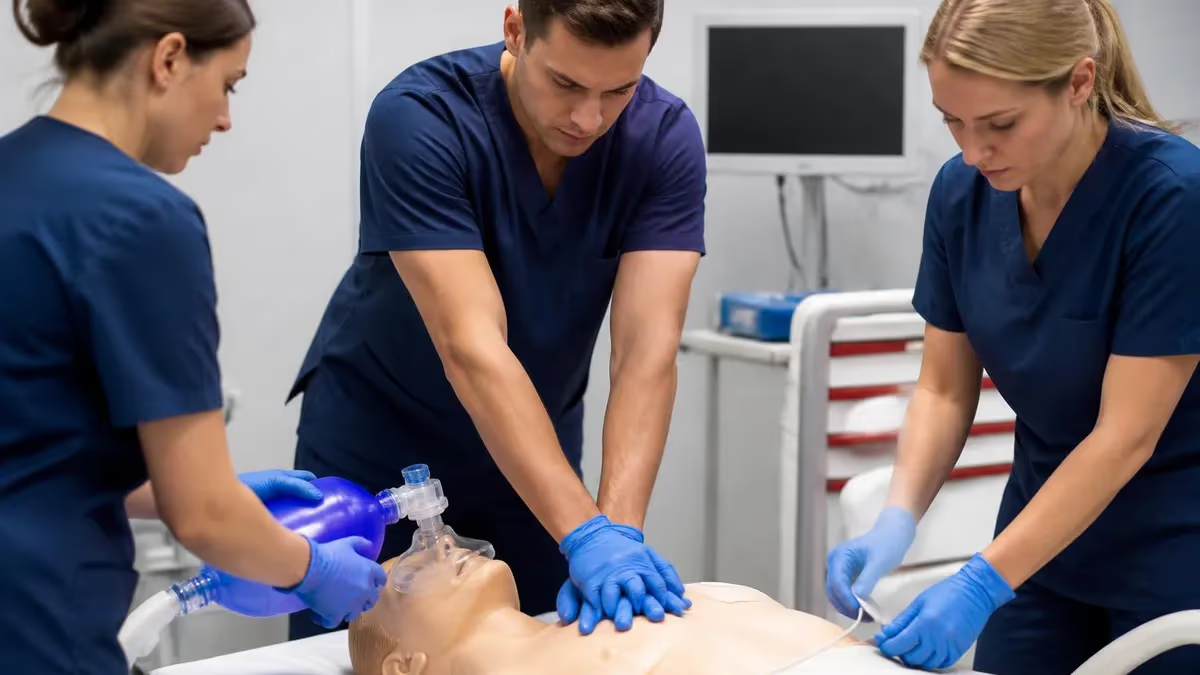
If you have ever wondered exactly what is ACLS certification and why hospitals, urgent care centers, and EMS agencies treat it as non-negotiable for clinical staff, the short answer is this: Advanced Cardiovascular Life Support certification is an advanced-level resuscitation credential developed by the American Heart Association that proves you can recognize and manage cardiac arrest, peri-arrest arrhythmias, acute coronary syndromes, and stroke in adult patients. It builds on Basic Life Support and integrates rhythm interpretation, pharmacology, airway management, and team leadership into one cohesive curriculum.
ACLS certification is most commonly required for registered nurses, physicians, physician assistants, nurse practitioners, paramedics, respiratory therapists, pharmacists, and dental anesthesia providers. If you work in an emergency department, ICU, cath lab, post-anesthesia care unit, telemetry floor, or any setting where a patient could deteriorate into a lethal rhythm, your hospital almost certainly mandates a current ACLS card. Many outpatient surgery centers and sedation-administering clinics now require it as well, expanding demand far beyond traditional hospital walls.
The credential is awarded after successful completion of a standardized course that combines self-paced online learning, hands-on skills practice, megacode simulations, and a written examination. The American Heart Association is the dominant issuing body in the United States, though the American Red Cross and the Health & Safety Institute also offer equivalent provider courses that most employers accept. Whichever path you choose, the underlying clinical content follows the latest International Liaison Committee on Resuscitation consensus on science.
What makes ACLS distinct from BLS is the depth of decision-making expected of the provider. BLS focuses on high-quality CPR, early defibrillation, and basic airway maneuvers that any trained bystander or healthcare professional should perform. ACLS layers on advanced airway placement, IV and intraosseous access, vasopressor and antiarrhythmic dosing, twelve-lead ECG interpretation, and structured team dynamics. The course also dedicates significant time to post–cardiac arrest care, including targeted temperature management and hemodynamic optimization.
For most candidates, the path looks like this: complete the AHA HeartCode online modules, attend a four- to six-hour in-person or virtual skills session, demonstrate competency on adult cardiac arrest and bradycardia/tachycardia megacodes, then pass a fifty-question multiple-choice exam with a score of eighty-four percent or higher. The full credential is valid for two years, and the AHA recommends a six-month refresher to combat skill decay between recertification cycles.
This guide walks through every component of certification, from prerequisites and course costs to exam format, pass rates, renewal options, and study strategies that consistently produce first-attempt passes. Whether you are a new graduate nurse preparing for your first hospital orientation, a seasoned paramedic adding the card to your portfolio, or a physician renewing for the fifth time, the information below will help you understand exactly what to expect and how to prepare efficiently.
By the end, you will know the differences between AHA, ARC, and HSI courses, how online-only providers compare with traditional classroom training, and which study tools yield the best return on time. You will also see realistic timelines, cost ranges, and the megacode performance standards that examiners use to determine pass or fail.
ACLS Certification by the Numbers
Key Facts at a Glance
| Item | Value | Details |
|---|---|---|
| Total Course Time | 10–14 hrs | Online + skills session |
| Minimum Passing Score | 84% | AHA written exam |
| Card Validity | 2 years | From date of issue |
How the ACLS Course Is Structured
Roughly six to eight hours of interactive HeartCode content covering algorithms, pharmacology, ECG interpretation, and case simulations you complete before any in-person work.
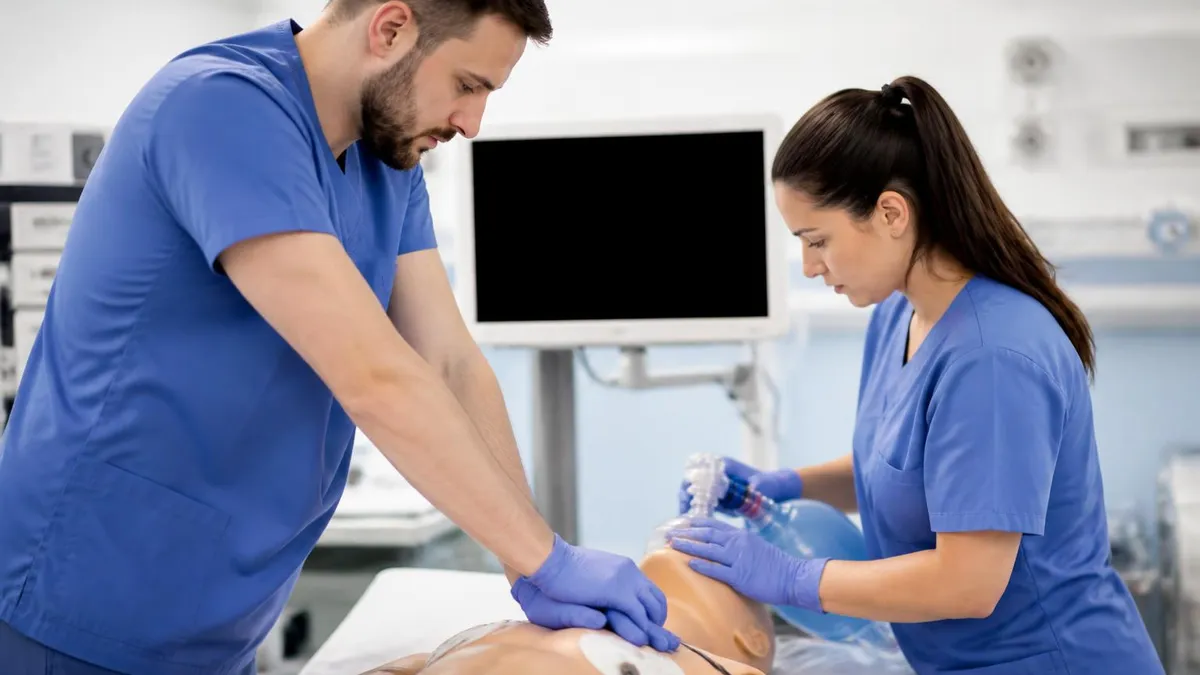
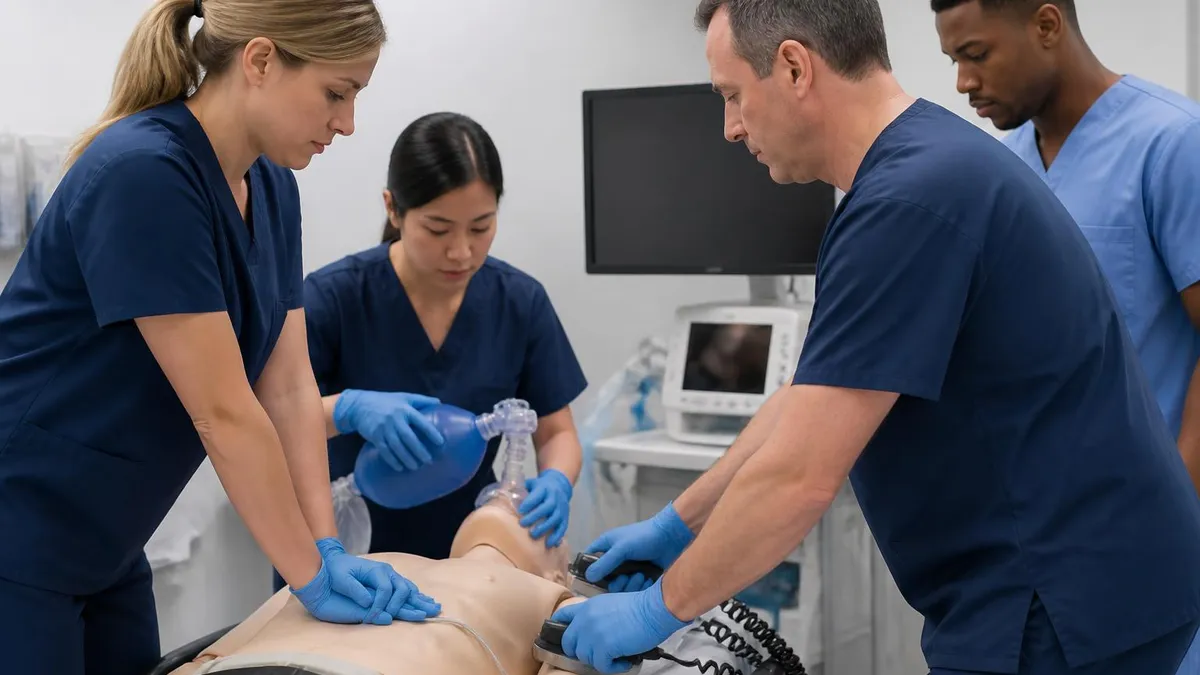
A four- to six-hour instructor-led lab where you demonstrate airway management, defibrillator and AED use, IV/IO access, and team-based resuscitation on high-fidelity manikins.
A scenario-based assessment where you serve as team leader through cardiac arrest, bradycardia, and tachycardia cases while verbalizing decisions and directing teammates accurately.
A fifty-question multiple-choice test covering algorithms, drug dosing, rhythm recognition, and post-arrest care. You must score eighty-four percent or higher to earn certification.
Upon passing both megacode and written exam, your instructor issues a digital eCard within twenty business days that is verifiable through the AHA Atlas system worldwide.
ACLS certification is not a universal requirement, but it has become the default expectation for a remarkably broad slice of the American healthcare workforce. Hospital nursing units that handle acutely ill adults almost always require it as a condition of employment, including emergency departments, intensive care units, progressive care units, telemetry floors, cardiac catheterization labs, electrophysiology suites, post-anesthesia care units, and labor and delivery in hospitals that perform high-risk obstetrics. New graduate nurse residency programs typically build certification into the first ninety days of orientation.
Physicians who practice in emergency medicine, internal medicine, hospital medicine, anesthesiology, critical care, cardiology, and family medicine almost universally maintain current cards, often as a condition of hospital privileges and malpractice carrier requirements. Surgical specialties that perform procedures under sedation, including general surgery, orthopedic surgery, and gastroenterology, also expect certification. Advanced practice providers working in any of these settings face identical expectations from their credentialing committees.
Outside the hospital, paramedics and advanced EMTs are required to hold ACLS or an equivalent state-recognized advanced life support credential to function at the paramedic scope of practice. Respiratory therapists who work in adult ICUs, run rapid response teams, or perform interfacility transports typically need current certification. Pharmacists who participate on code teams in academic medical centers complete the course as part of their clinical residency expectations.
Dental professionals administering moderate or deep sedation are increasingly required to hold ACLS under state dental board regulations, particularly oral and maxillofacial surgeons and pediatric dentists performing sedation. Outpatient surgery centers, ambulatory infusion centers, dialysis units, and even some plastic surgery and cosmetic clinics now mandate it for clinical staff. The trend reflects growing recognition that any environment where patients receive procedural sedation needs immediate access to ACLS-trained providers.
Students preparing for clinical rotations in nursing, medicine, physician assistant programs, and respiratory therapy often complete certification before starting hospital placements. Some programs include the course in tuition; others require students to secure it independently. Either way, having the card in hand before clinicals dramatically improves your ability to participate actively in code situations rather than standing on the periphery as an observer.
Job postings frequently list ACLS as a hard requirement at the application stage, meaning your resume will not advance without an active card or documented enrollment in an upcoming course. Recruiters routinely verify cards through the AHA Atlas database before extending offers, so listing an expired credential or one from a non-recognized provider is a fast way to lose a position. When in doubt, ask the prospective employer which issuing bodies they accept before paying for a course.
Even providers whose current role does not strictly require ACLS often pursue it for career mobility. A medical-surgical nurse who wants to transition to step-down or critical care will find the credential opens doors that would otherwise stay closed. Locum and travel professionals carry it as a baseline because most contracts demand it. In short, if your career involves adults who could go into cardiac arrest, certification is one of the highest-use credentials you can hold.
ACLS Practice Test Questions
Prepare for the ACLS Advanced Cardiovascular Life Support Practice exam with our free practice test modules. Each quiz covers key topics to help you pass on your first try.
ACLS Cardiac Rhythms & ECG Interpretation
ACLS Exam Questions covering ACLS Cardiac Rhythms & ECG Interpretation. Master ACLS Test concepts for certification prep.
ACLS Pharmacology & Medications
Free ACLS Practice Test featuring ACLS Pharmacology & Medications. Improve your ACLS Exam score with mock test prep.
ACLS Best Practices & Methodologies
ACLS Mock Exam on Best Practices & Methodologies. ACLS Study Guide questions to pass on your first try.
ACLS Communication & Stakeholder Relations
ACLS Test Prep for Communication & Stakeholder Relations. Practice ACLS Quiz questions and boost your score.
ACLS Core Concepts & Fundamentals
ACLS Questions and Answers on Core Concepts & Fundamentals. Free ACLS practice for exam readiness.
ACLS Data Analysis & Reporting
ACLS Mock Test covering Data Analysis & Reporting. Online ACLS Test practice with instant feedback.
ACLS Documentation & Record Keeping
Free ACLS Quiz on Documentation & Record Keeping. ACLS Exam prep questions with detailed explanations.
ACLS Industry Regulations & Compliance
ACLS Practice Questions for Industry Regulations & Compliance. Build confidence for your ACLS certification exam.
ACLS Leadership & Team Management
ACLS Test Online for Leadership & Team Management. Free practice with instant results and feedback.
ACLS Professional Standards & Ethics
ACLS Study Material on Professional Standards & Ethics. Prepare effectively with real exam-style questions.
ACLS Quality Assurance & Improvement
Free ACLS Test covering Quality Assurance & Improvement. Practice and track your ACLS exam readiness.
ACLS Risk Management & Assessment
ACLS Exam Questions covering Risk Management & Assessment. Master ACLS Test concepts for certification prep.
What You Actually Learn in ACLS Training
The course centers on a small set of evidence-based algorithms that direct moment-to-moment care during cardiac emergencies. You will master the adult cardiac arrest algorithm, which guides the response to ventricular fibrillation, pulseless ventricular tachycardia, asystole, and pulseless electrical activity. Each branch dictates compression cycles, defibrillation timing, drug administration, and reversible-cause assessment using the Hs and Ts framework.
You also study the bradycardia algorithm, the tachycardia algorithm with separate narrow- and wide-complex pathways, the acute coronary syndromes algorithm, and the suspected stroke algorithm. Knowing the entry criteria, decision points, and exit criteria for each pathway cold is the single biggest predictor of megacode success. Most candidates print laminated pocket cards and rehearse them daily until the sequences feel automatic.
Online vs In-Person ACLS: Pros and Cons
- +Online HeartCode lets you complete didactic content at your own pace around clinical shifts
- +Modules use interactive simulations that adapt to your decision-making in real scenarios
- +You save commute time and can review difficult topics as many times as you need
- +Many employers reimburse the course fee regardless of delivery format
- +Hybrid format still includes a hands-on skills check, satisfying employer credentialing requirements
- +Digital eCards post to the AHA Atlas almost immediately after instructor verification
- +Practice questions are unlimited in most online platforms, helping reinforce weak content areas
- −You must arrange a separate in-person skills session, which requires scheduling logistics
- −Self-paced learning demands discipline; some students underestimate the time commitment
- −Online-only courses without a hands-on component are not accepted by most US hospitals
- −Internet outages or technical glitches mid-module can interrupt completion timelines
- −You lose the peer learning and real-time questions of a full classroom experience
- −Some employers and credentialing boards still prefer or mandate traditional classroom format
Exam Day Readiness Checklist
- ✓Complete every HeartCode module and print or save your completion certificate
- ✓Memorize the adult cardiac arrest algorithm including drug timing and shock energies
- ✓Know epinephrine, amiodarone, atropine, adenosine, and dopamine doses cold
- ✓Be able to identify VF, pulseless VT, asystole, PEA, and the major AV blocks in under three seconds
- ✓Practice running a megacode out loud, narrating every decision as you would in real time
- ✓Review the Hs and Ts of reversible cardiac arrest causes and how to address each
- ✓Bring photo ID, your BLS card, and your HeartCode completion certificate to the skills session
- ✓Wear scrubs or athletic clothing because you will be doing chest compressions on a manikin
- ✓Arrive fifteen minutes early to handle paperwork and avoid starting flustered
- ✓Eat a real meal beforehand; the megacode is more physical and stressful than most expect
Knowing the algorithm is not the same as leading a code
Many candidates ace the written exam but stumble in the megacode because they freeze when asked to verbalize decisions, assign roles, and manage time under simulated stress. Practice running scenarios out loud before exam day, ideally with a colleague playing the recorder role. The instructor wants to hear your reasoning, not just see correct actions.
ACLS certification is valid for exactly two years from the month of issue, and the American Heart Association considers a card expired the day after that anniversary. Renewal is straightforward if you act before the card lapses: you complete a shorter recertification course, typically four to six hours of combined online review and skills validation, and demonstrate competency on a megacode and written exam. Renewal exam content is identical to the full provider course; the time savings come from condensed didactic review.
If your card lapses, most training centers still allow you to take the renewal course rather than the full initial provider course, although some employers require the full course after any expiration. Policies vary, so check with your credentialing office before paying for the wrong format. The AHA itself does not penalize lapsed providers, but your hospital may pull you from the schedule until a current card is on file, which can create real financial pain.
Reciprocity between issuing bodies is generally good but not universal. The American Heart Association, American Red Cross, and Health & Safety Institute all teach content aligned to the same ILCOR science updates, and the major hospital systems accept any of the three. However, individual credentialing committees retain the right to specify a single provider, and some Joint Commission–accredited facilities will not accept anything other than AHA. Confirm acceptance before paying.
Provider cards issued in the United States are recognized in most other countries that use AHA curricula, including Canada, Mexico, the Philippines, the United Arab Emirates, and Saudi Arabia. International providers seeking US employment should verify their card was issued by an AHA International Training Organization, because some country-specific courses use modified content that US employers will not accept. The AHA Atlas database is the definitive verification tool.
Renewal pricing is typically twenty to forty percent lower than the initial course, ranging from one hundred twenty-five to two hundred forty dollars depending on the region and the training center. Many hospitals run free in-house recertification courses for employees, so always check with your education department before paying out of pocket. Some employers also reimburse the cost when you provide a receipt and a copy of the new card.
The American Heart Association recommends that providers complete a brief refresher at the six- to twelve-month mark between renewals to combat skill decay, particularly for clinicians who do not regularly participate in real resuscitations. This is not mandatory for card validity but is excellent practice. Free refresher resources are widely available, including AHA Resuscitation Quality Improvement stations and unlimited practice question banks like those linked throughout this guide.
If you change jobs during your two-year window, your card travels with you. The credential belongs to you as the individual, not to your employer, so you do not need to retake the course when you transition between hospitals or healthcare systems. Simply provide a copy of your eCard during onboarding and your new credentialing office will verify it through AHA Atlas. Keep a digital backup in your personal email or cloud storage in case your work account becomes inaccessible.
Schedule your renewal at least thirty days before the expiration date printed on your eCard. Hospital credentialing offices routinely pull staff from the schedule the moment a card lapses, and last-minute course availability is rarely guaranteed. A lapsed card can also force you back into the full initial course at some training centers, doubling both time and cost.
Passing ACLS on the first attempt is overwhelmingly the norm rather than the exception, with most reputable training centers reporting first-attempt pass rates around ninety percent for prepared candidates. The candidates who fail typically share three traits: they underestimated the megacode component, skipped the optional pretest in the HeartCode platform, or relied entirely on cramming the night before instead of spacing their study over two to three weeks. Each of those mistakes is entirely avoidable.
The single most effective preparation strategy is repeated, active rehearsal of the algorithms. Do not just read them. Print pocket cards, talk through each branch out loud, and quiz yourself daily until you can recite shock energies, drug doses, and reversible-cause assessments without hesitation. Most successful candidates spend fifteen to twenty minutes a day for two weeks on focused algorithm review rather than four hours the night before the course.
Rhythm interpretation is the second highest-yield area. The written exam and the megacode both demand that you identify ventricular fibrillation, pulseless ventricular tachycardia, asystole, PEA, sinus bradycardia, second-degree AV blocks Mobitz I and II, third-degree AV block, supraventricular tachycardia, and wide-complex tachycardia in seconds. Free rhythm strip apps and the practice quizzes linked throughout this guide are excellent for building that pattern recognition speed.
Pharmacology is the third pillar. Build a one-page drug sheet with epinephrine, amiodarone, lidocaine, atropine, adenosine, dopamine, and norepinephrine. For each drug, list the indication, exact dose, route, frequency, and maximum total dose. Review it every morning while you have coffee. By exam day the doses should feel as automatic as your home address. Examiners notice instantly when a candidate hesitates on a dose.
For the megacode itself, rehearse leading a code out loud. Stand up, narrate as you walk through the algorithm, assign roles to imaginary teammates, and call for rhythm checks every two minutes. This feels awkward at first but is the closest thing to the real simulation environment short of attending a practice lab. Some hospital education departments host free mock megacode nights for staff preparing to test.
On exam day, manage your physiology as carefully as your knowledge. Eat a real meal, hydrate, and arrive early. Bring your BLS card, photo ID, completion certificate, and a watch with a second hand for compression timing. Wear clothes that allow you to kneel and perform chest compressions comfortably. Stress activates the sympathetic nervous system in ways that can blank out memorized content, so a few minutes of slow breathing before the megacode pays large dividends.
Finally, use practice questions strategically. Do not just answer them; review every incorrect answer in depth and look up the underlying rationale in your provider manual. The AHA bank, the Red Cross bank, and third-party question banks all skew slightly different, so working through multiple sources exposes you to the full range of question styles you may face. Aim to complete at least two hundred practice questions before your skills session.
Once you have your strategy in place, the final stretch comes down to consistent daily reps and smart use of the available resources. The night before the skills session, resist the urge to cram new content. Instead, review your one-page drug sheet, run through the cardiac arrest algorithm twice out loud, and look at ten or fifteen rhythm strips to keep your eye sharp. Then go to bed at a reasonable hour. Sleep deprivation hurts both recall and fine motor performance during compressions.
The morning of the exam, eat protein and complex carbohydrates, avoid excessive caffeine, and give yourself a buffer for traffic or parking. Bring printed copies of your BLS card and HeartCode completion certificate even if you have them on your phone, because some training centers have unreliable Wi-Fi and prefer paper. A small bottle of water and a granola bar in your bag will help if the course runs long.
During the written exam, read every question completely before looking at the answer choices. ACLS exam writers are skilled at including a partially correct answer designed to catch candidates who skim. Look for absolute words like always or never, and pay close attention to the specific phase of care described in the question stem. If a question mentions a pulse, the cardiac arrest algorithm does not apply, even if other details look like a code.
During the megacode, take a breath when the scenario starts and remember that the instructor wants you to succeed. State your impression of the rhythm out loud, call for the appropriate intervention, assign a teammate by name, and confirm execution with a closed-loop callback. If you make a mistake, acknowledge it calmly and correct course; instructors are far more forgiving of a quickly corrected error than they are of confident silence.
If you do not pass on your first attempt, do not panic. Most training centers offer a free retest within thirty days, and the experience of one failed attempt often catalyzes the focused practice that produces a confident pass on the second try. Ask your instructor specifically which competencies did not meet standard, then build a targeted study plan around those gaps rather than restudying everything from scratch.
After passing, request your eCard verification immediately and download a copy to your phone, your work email, and a personal cloud folder. Add a calendar reminder ninety days before your expiration date so you can schedule renewal proactively. Many providers also bookmark the AHA Atlas verification page so they can quickly send proof to recruiters or credentialing offices during job applications and interviews.
Finally, keep your skills sharp between renewal cycles by participating in real or simulated codes whenever possible, attending unit-based mock code drills, and refreshing rhythm interpretation monthly. ACLS is a perishable skill set, and providers who let it gather dust between renewals find their next recertification dramatically harder than it needs to be. A small amount of regular reinforcement preserves the investment you have made and, more importantly, prepares you to perform when a real patient needs you.
ACLS Questions and Answers
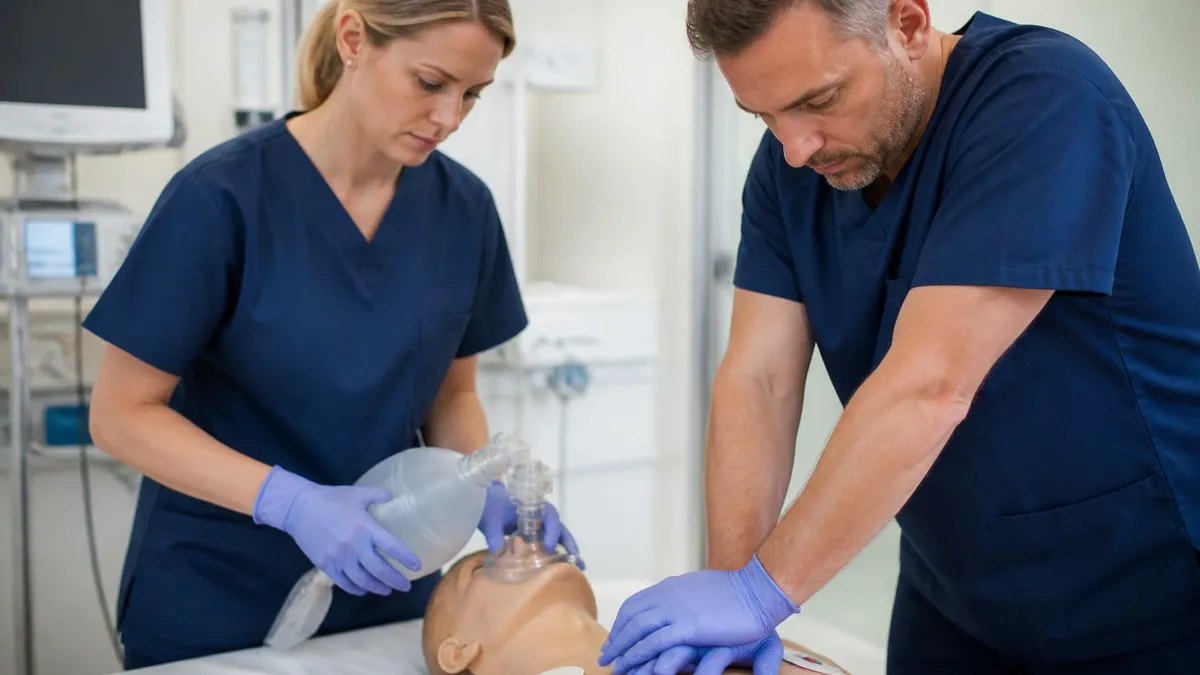
ACLS Training Near Me: How to Find Local Classes, Costs & Fast-Track Options in 2026
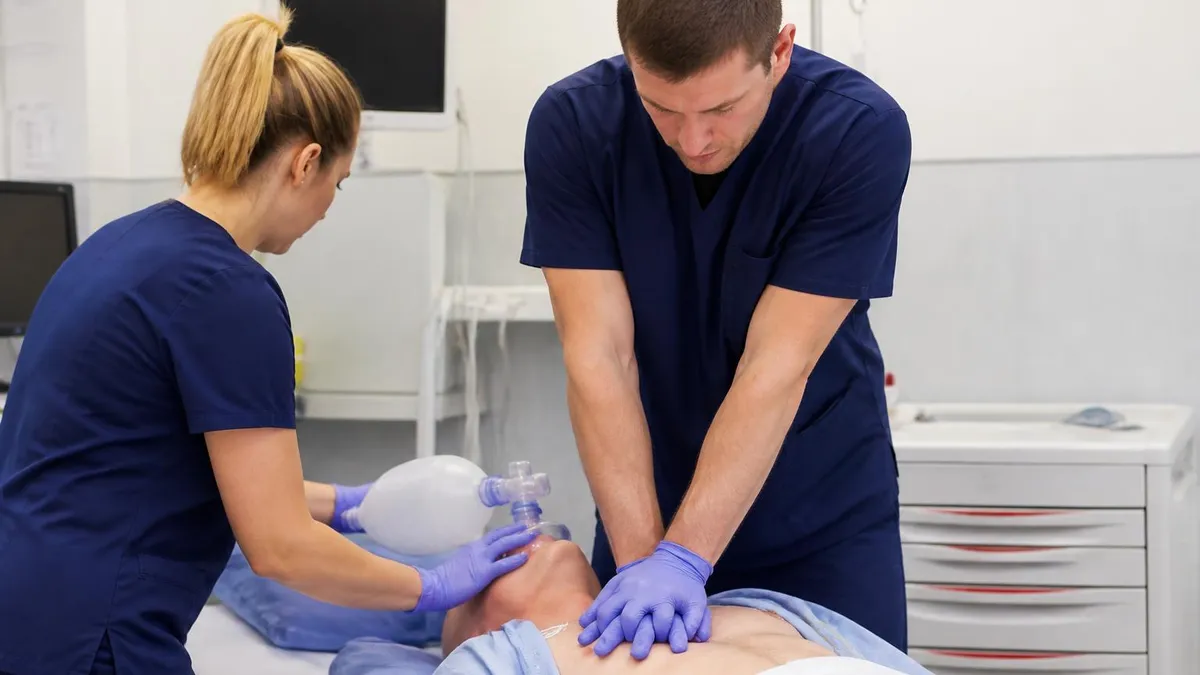
ACLS Study Guide: Complete 2026 Certification Prep with Algorithms, Drugs & Practice Tests

ACLS Guidelines 2026: Complete AHA Update on Algorithms, Drugs, CPR Quality & Post-Arrest Care
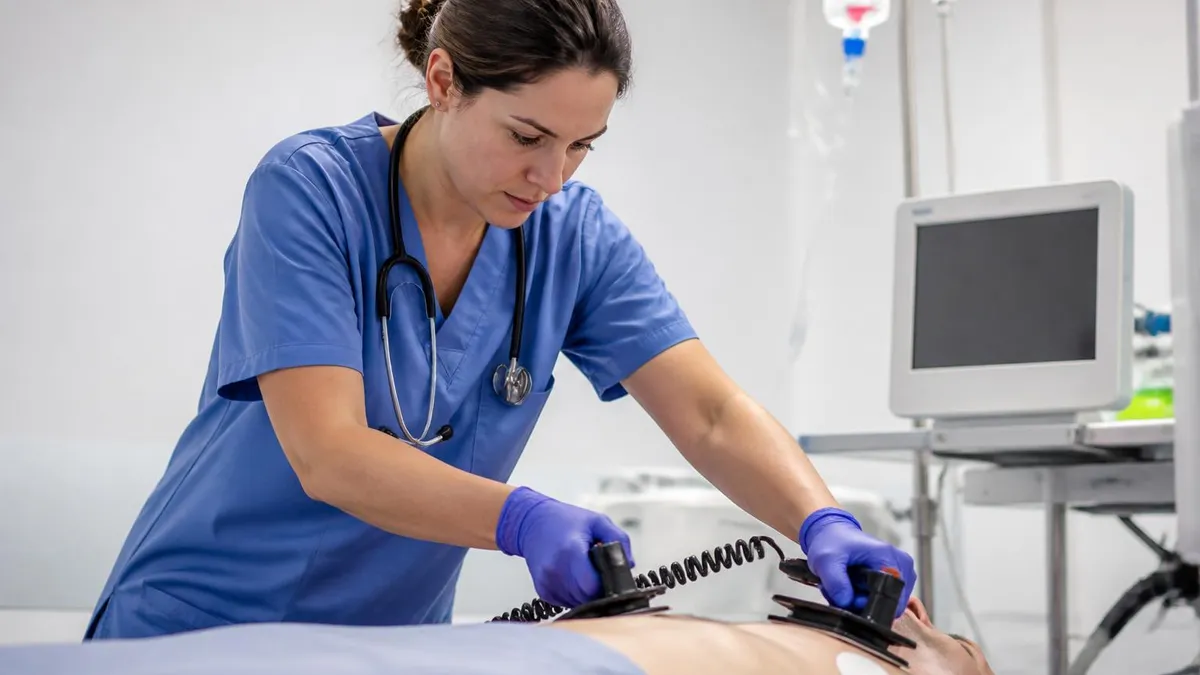
ACLS Drugs: Complete 2026 Guide to Medications, Doses, Indications & Algorithm Use
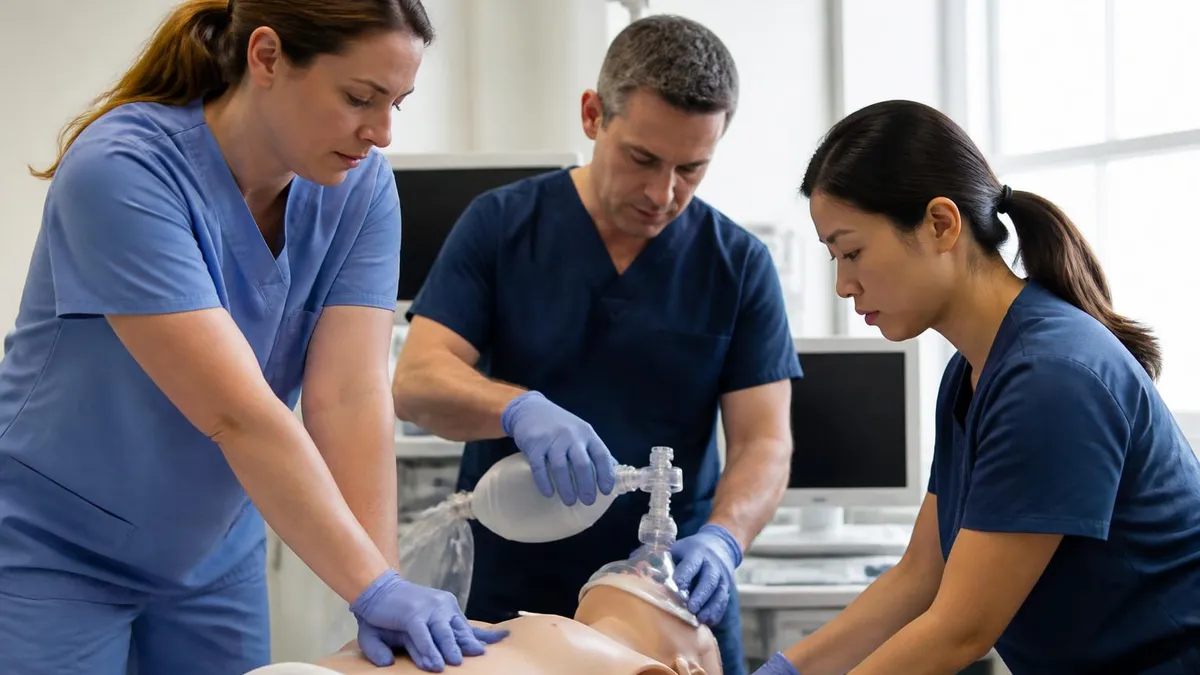
ACLS Renewal Near Me: Find Local Recertification Classes, Costs & Online Options in 2026
About the Author

Registered Nurse & Healthcare Educator
Johns Hopkins University School of NursingDr. Sarah Mitchell is a board-certified registered nurse with over 15 years of clinical and academic experience. She completed her PhD in Nursing Science at Johns Hopkins University and has taught NCLEX preparation and clinical skills courses for nursing students across the United States. Her research focuses on evidence-based exam preparation strategies for healthcare certification candidates.