
How Much Is the Bar Exam in Texas? Complete Cost Breakdown for 2026 October
How much is the bar exam in Texas? Full 2026 October cost breakdown — fees, prep costs, retake expenses & tips to budget smart. 🎯

If you are asking how much is the bar exam in Texas, the short answer is that the basic application fee starts at $392 for first-time applicants — but that number only scratches the surface of what most candidates actually spend. When you add study materials, prep courses, bar review subscriptions, and the hidden costs of taking time off work, the true cost of sitting for the Texas Bar Exam can easily reach several thousand dollars. Understanding the full financial picture before you register is one of the smartest investments you can make in your legal career.
The Texas Board of Law Examiners (BLE) sets the official fees, which change periodically. For the 2026 exam cycle, first-time applicants pay a $392 filing fee, while repeat applicants pay $342. These fees must be submitted alongside a complete application, and late submissions trigger additional penalty fees that can add $100 or more to your total. Knowing what time do bars close in texas in the prep calendar — meaning key registration deadlines — is just as critical as budgeting the fees themselves.
Beyond the BLE filing fee, Texas applicants must also factor in the Multistate Professional Responsibility Examination (MPRE), which is a prerequisite for admission. The MPRE registration fee is $125, though late fees push that higher. Many candidates underestimate this cost because it is billed separately from the main bar exam application, but it is every bit as mandatory if you want to be sworn in as a Texas attorney after passing the bar.
Preparation costs represent the largest variable expense for most candidates. A full-service commercial bar review course from providers like Barbri, Themis, or Kaplan can run between $2,500 and $4,000. More targeted supplemental programs and question banks add another $100 to $500. Some candidates also hire private tutors at rates ranging from $75 to $200 per hour, particularly when they are retaking the exam or struggling with specific subjects like the Multistate Bar Examination (MBE) component.
Retake costs compound quickly if a candidate does not pass on the first attempt. In Texas, there is no limit on the number of times you can sit for the bar exam, but each attempt requires a new filing fee plus fresh preparation expenses. Candidates who fail multiple times frequently spend $10,000 or more in total before earning admission. This is why a disciplined, well-funded study plan from the outset — rather than assuming you can wing it and retake cheaply — is the financially responsible approach.
Indirect costs also deserve serious attention when budgeting for the Texas Bar Exam. Most candidates either reduce their working hours dramatically or stop working entirely during the eight to twelve weeks of intensive bar prep. Lost income during this window commonly ranges from $5,000 to $20,000 depending on your hourly rate and existing job situation. Add housing, food, and transportation during exam week in Austin, and the total picture becomes even clearer: passing on your first attempt is not just academically desirable — it is financially essential.
This guide breaks down every cost category in detail, explains which expenses are fixed versus negotiable, and gives you a realistic budget framework so you can plan accordingly. Whether you are a May 2026 law school graduate registering for the July sitting or a repeat candidate strategizing your next attempt, the information here will help you make informed decisions every step of the way.
Texas Bar Exam Cost by the Numbers

Official Texas Bar Exam Fee Schedule
Bar preparation course costs represent the single largest discretionary expense for most Texas bar candidates, and the range is enormous. At the top end, full-service programs like Barbri and Themis — which include lecture videos, adaptive question banks, simulated exams, and structured study schedules — typically retail between $3,000 and $4,200.
These programs have decades of experience calibrating their content to the MBE and the Texas-specific essays, and many candidates consider the price worth paying given the alternative cost of a retake. If you wonder whether does texas roadhouse have a bar of content rigorous enough to pass — the answer with major commercial providers is yes, but only if you follow the program faithfully.
Mid-tier options like Adaptibar, JD Advising, and PMBR focus narrowly on MBE question practice and cost between $300 and $900. These work best as supplements to a primary course rather than standalone study solutions. Many successful candidates pair a discounted primary course (purchased early or through law school partnerships) with one targeted MBE supplement, keeping total course spending under $2,000. The key is identifying your weak subject areas early and allocating budget to cover them specifically rather than paying a premium for content you already understand.
Law school partnerships deserve special attention when budgeting. Many accredited Texas law schools negotiate institutional discounts with Barbri, Themis, or Kaplan that reduce the retail price by 20 to 40 percent. Students who register through their school's career services office or bar prep liaison often access these rates automatically. Some schools also offer emergency bar prep funding, interest-free loans, or outright grants for graduating students who demonstrate financial need — resources that are dramatically underutilized because students simply do not ask.
Free and low-cost alternatives have expanded considerably in recent years. The Texas Board of Law Examiners publishes released essay questions and past exam materials on its official website at no cost. The National Conference of Bar Examiners (NCBE) sells official MBE practice questions for approximately $90 per 100-question set, which represents exceptional value for targeted MBE drilling. YouTube channels, law school open-access outlines, and free MPRE prep materials from providers like Themis round out a surprisingly strong free-tier ecosystem that determined candidates can use aggressively.
Private tutoring occupies the premium end of the prep market. Experienced bar tutors in Texas typically charge $100 to $250 per hour, with intensive retake tutoring packages often ranging from $1,500 to $5,000 total. The investment makes financial sense when the alternative is another failed attempt and the associated costs of additional prep materials, another filing fee, and extended unemployment. Candidates who have failed the bar exam two or more times show statistically better outcomes with personalized tutoring than with another cycle of self-directed commercial course work.
Online community resources provide another underrated cost-reduction avenue. Reddit communities like r/barexam and r/LawSchool regularly share study schedules, subject outlines, and mnemonics at no cost. Past exam takers frequently post their complete study plans and annotated outlines, giving newer candidates a roadmap without the expense of premium consulting. The caveat is quality control — free materials require more judgment about accuracy and currency than professionally produced commercial courses.
When evaluating course options, consider not just the sticker price but the cost-per-feature. Some expensive programs include unlimited retakes if you fail, meaning your sunk cost in the course does not repeat even if your exam fees do. Others offer score guarantees or partial refunds. Reading the fine print of these policies before purchasing — especially the specific pass-rate benchmarks that trigger a refund — can meaningfully shift the risk profile of a high-priced course purchase from a pure expense to a partial insurance policy.
When Will Texas Bar Exam Results Be Released — And What Costs Follow?
The July Texas Bar Exam results are typically released in mid-to-late October, approximately ten to twelve weeks after the exam concludes. The Texas Board of Law Examiners posts results online through its applicant portal, and candidates receive email notification when scores are available. For the July 2025 administration, results were released in October 2025, consistent with prior-year timelines. Candidates who pass must then complete character and fitness review and pay swearing-in fees before practicing law.
Candidates who do not pass the July exam face immediate financial decisions. The February retake application window opens within weeks of October results, requiring a new $342 filing fee and fresh preparation expenses. Many candidates in this situation must also consider whether to accept temporary paralegal or contract work during the prep window, which introduces income planning complexity on top of the academic challenge. Budgeting for the possibility of a retake before you receive results — rather than after — reduces the stress of rapid financial decisions made under emotional pressure.
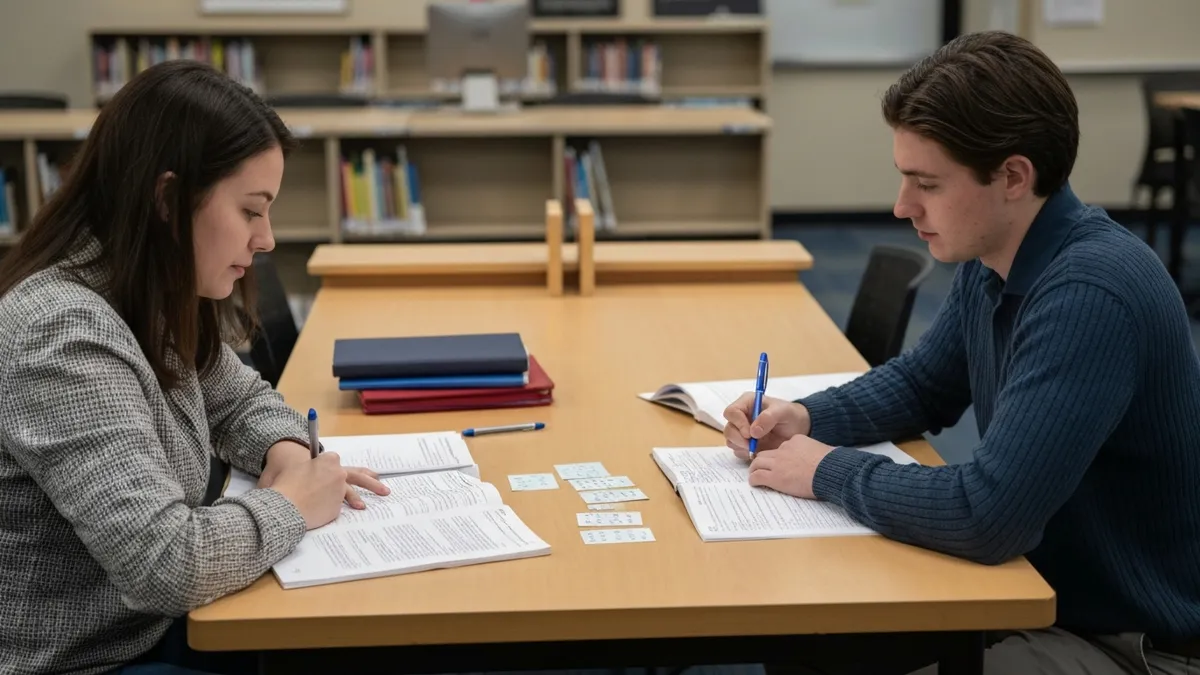
Expensive Bar Prep Course vs. Budget DIY Study: Which Is Worth It?
- +Structured daily schedule removes decision fatigue and keeps preparation on track
- +Professionally calibrated MBE question banks closely mirror real exam difficulty and format
- +Access to licensed attorney instructors for essay feedback and live Q&A sessions
- +Many premium courses offer pass guarantees or repeat-access if you fail the first attempt
- +Adaptive technology in top platforms identifies your weak areas automatically and adjusts practice
- +Law school partnerships often reduce premium course prices by 20–40 percent off retail
- −Top-tier commercial courses cost $2,500 to $4,200 before any discounts or add-ons
- −Passive video watching can create an illusion of learning without active recall engagement
- −One-size-fits-all schedules may not align with individual learning speeds or prior knowledge gaps
- −Budget DIY approaches using free BLE materials can work for highly disciplined self-studiers
- −Cheaper supplements like Adaptibar ($300–$900) cover MBE practice adequately for some candidates
- −Expensive course purchases made in panic after a failed attempt rarely fix the underlying study habits
Pros and Cons at a Glance
| Pros | Cons |
|---|---|
| Structured daily schedule removes decision fatigue and keeps preparation on track | Passive video watching can create an illusion of learning without active recall engagement |
| Professionally calibrated MBE question banks closely mirror real exam difficulty and format | One-size-fits-all schedules may not align with individual learning speeds or prior knowledge gaps |
| Access to licensed attorney instructors for essay feedback and live Q&A sessions | Budget DIY approaches using free BLE materials can work for highly disciplined self-studiers |
| Many premium courses offer pass guarantees or repeat-access if you fail the first attempt | Expensive course purchases made in panic after a failed attempt rarely fix the underlying study habits |
Texas Bar Exam Cost-Saving Checklist
- ✓Register by the on-time deadline to avoid the $100+ late filing penalty from the Texas BLE.
- ✓Contact your law school's career services office to ask about institutional bar prep course discounts.
- ✓Complete the MPRE at least one administration cycle before your bar exam sitting to avoid rushed prep.
- ✓Download all free released essay questions and past exam materials from the Texas BLE official website.
- ✓Purchase NCBE official MBE practice question sets ($90 per 100 questions) instead of premium question banks.
- ✓Apply for law school emergency bar prep grants or interest-free loans before spending on commercial courses.
- ✓Budget a $1,000–$1,500 retake emergency fund before your first attempt in case a second sitting is needed.
- ✓Estimate your lost income during the 10–12 week study window and build it into your total cost calculation.
- ✓Compare pass-guarantee policies across commercial providers before purchasing — they vary significantly.
- ✓Reserve $200–$500 for post-pass costs including character and fitness fees and swearing-in expenses.
The Real Cost of Failing Is Higher Than the Cost of Excellent Prep
When you account for a second filing fee ($342), a second round of prep course expenses ($2,000–$3,000), and an additional 10–12 weeks of lost income ($5,000–$15,000), failing the Texas Bar Exam once can cost $7,000 to $18,000 more than passing on the first attempt. Investing in quality preparation upfront — even at $3,000 to $4,000 — is nearly always the financially rational choice.
Building a realistic budget for the Texas Bar Exam requires thinking in three distinct phases: pre-exam costs, exam-week costs, and post-exam costs. Most candidates mentally account only for the first phase and are surprised by expenses in the other two. The pre-exam phase covers your BLE filing fee, MPRE registration, bar prep course or materials, and any tutoring. This is the phase where the most financial variability exists and where smart spending decisions have the greatest use on your total cost.
Exam-week costs are often underestimated because they feel like normal living expenses rather than bar-related spending. The Texas Bar Exam is administered in Austin at the Austin Convention Center. Candidates who do not live in Austin must budget for lodging, transportation, meals, and incidentals during the two-day exam. Hotel rates during exam week in July can spike significantly due to demand from hundreds of candidates all booking in the same window. Booking accommodations three to four months in advance is standard practice among experienced candidates and can save $100 to $300 compared to last-minute rates.
If you are curious about questions like can you smoke in bars in texas — meaning the regulatory environment and calendar structure around Texas Bar administration — understanding the full timeline from application to results to swearing-in helps you plan your finances across the entire multi-month arc. Many candidates fail to budget for the gap period between passing the exam and actually being licensed, during which they may be working in limited legal capacities or still waiting for character clearance.
Transportation costs for exam week deserve a dedicated line item. Driving to Austin and paying for parking at or near the Convention Center runs $20 to $50 per day in a best-case scenario. Many candidates prefer rideshare to avoid parking stress on exam mornings, which adds another $30 to $60 round-trip per day. Candidates flying in from other parts of Texas should budget $200 to $600 for flights depending on their departure city and how far in advance they book.
Mental health and wellness costs during bar prep are real expenses that few candidates include in their budgets but many incur. Gym memberships, therapy sessions, meditation apps, meal delivery services that reduce cooking time during crunch weeks, and even recreational activities to prevent burnout all represent legitimate expenditures. Candidates who treat wellness spending as frivolous often find their study efficiency declining in the final weeks, which is precisely when it matters most. A $50 per month wellness budget during a 12-week prep period adds only $150 to your total cost while providing measurable benefits to cognitive performance.
Income replacement planning is perhaps the most overlooked dimension of bar exam budgeting for recent graduates. Unlike seasoned professionals who might take a paid study leave from a firm, many May graduates have no income at all during the summer bar prep window.
Personal savings, support from family, bar study loans through organizations like Access Lex, and short-term financial aid through law school foundations all represent funding channels worth exploring before relying entirely on credit card debt. The interest costs on $5,000 to $10,000 carried at credit card rates can themselves exceed the cost of the bar exam if not managed proactively.
Post-admission costs complete the financial picture. After passing the bar exam and receiving your license, Texas attorneys must pay State Bar of Texas membership dues, which currently run approximately $235 per year for active members in their first three years of practice. Board certification application fees, CLE course costs, and professional liability insurance premiums add further to the first-year practice budget. Understanding these downstream costs during bar prep helps you ensure that your total financial plan covers not just getting licensed but also surviving and thriving in the early months of your legal career.

The Texas Board of Law Examiners imposes a $100 or greater late fee on applications submitted after the posted deadline. For the July 2026 exam, the on-time deadline typically falls in early March. Missing it does not just cost you money — it can create processing delays that put your entire July sitting at risk. Set a calendar reminder at least 30 days before the deadline and submit your complete application package well in advance.
Understanding how the Texas Bar Exam fee structure compares to other states helps candidates assess whether Texas is more or less expensive than the alternatives and contextualize their total investment. Among the large-state bar exams, Texas falls in the middle range for official filing fees. California's filing fee for first-time applicants exceeds $600, while New York charges approximately $250. Florida's fee structure is comparable to Texas. When total prep costs are included, Texas candidates typically spend between $4,000 and $12,000 total depending on their course choices, location logistics, and whether they pass on the first attempt.
The UBE (Uniform Bar Exam) adoption question is relevant to Texas cost planning for candidates considering practicing in multiple states. Texas does not currently administer the UBE — it administers its own Texas-specific bar exam — which means that candidates who want to practice in a UBE state after Texas must sit for a separate examination in that jurisdiction. This reality makes the Texas Bar Exam a somewhat more expensive long-term investment for candidates with multistate career ambitions than a UBE score, which transfers to multiple jurisdictions without retesting fees.
Reciprocity and motion admission offer cost-saving alternatives to the full examination process for attorneys licensed in other states who want to add Texas. Texas allows motion admission for attorneys who have practiced for at least five years, charge a lower fee than the full bar exam, and skip the written examination component entirely. If you are an out-of-state attorney considering expansion into Texas, motion admission should be your first cost analysis checkpoint, as it may eliminate the need for the full exam fee and prep course entirely.
Score portability is another financial consideration embedded in the MBE component. Because Texas uses the MBE, your raw MBE score from a Texas sitting could theoretically support a character and fitness analysis in another jurisdiction if you later want to waive into a state that accepts MBE score transfers. While this does not directly reduce Texas exam costs, it represents an indirect return on investment from your Texas bar preparation that may reduce future licensing costs if your career takes you to other states.
If you are focused on specific scoring benchmarks, understanding the are geek bars banned in texas landscape — meaning the scoring system and what constitutes a passing score in Texas — is just as important as budgeting. Texas uses a scaled scoring system where a 675 is the passing scaled score on a 1000-point scale.
The MBE accounts for approximately 40 percent of your total score, and the written components account for the remaining 60 percent. Allocating your prep spending proportionally to these weights — rather than over-investing in MBE drills at the expense of essay practice — is one of the highest-ROI strategic decisions you can make.
Payment plans and financing options for bar prep courses are widely available and frequently underutilized. Barbri, Themis, and most other major providers offer installment payment options that spread the cost over three to six months with little or no interest. Law school alumni associations sometimes offer emergency micro-grants specifically for bar exam costs. Access Lex Institute provides financial wellness tools and occasionally offers bar exam funding resources. Before putting the entire cost of a $3,500 course on a high-interest credit card, spending 30 minutes researching financing alternatives is almost always worthwhile.
Finally, tax considerations deserve a brief mention. Bar exam fees and bar prep costs may be deductible as business expenses in some circumstances — specifically when a candidate is already working as an attorney or in a legal capacity and is sitting for the bar to expand or maintain that practice.
However, the IRS generally does not allow deduction of costs incurred to enter a new career, so recent law graduates sitting for the bar for the first time typically cannot deduct these expenses. Consulting a tax professional about your specific situation before assuming deductibility in either direction is the responsible approach.
Practical budgeting for the Texas Bar Exam starts with building a complete cost inventory before you register. Begin with the fixed costs you cannot avoid: the BLE filing fee ($392 first time), the MPRE registration ($125), and any required transcript or administrative fees ($50 to $150). These totals are non-negotiable and should be treated as locked line items in your budget from day one. Knowing your floor cost helps you understand how much discretionary room you have for preparation spending.
Next, evaluate your bar prep options with a clear-eyed cost-benefit analysis rather than defaulting to whatever your law school classmates are using. If your school offers a deeply discounted Barbri or Themis license, that may be the best value. If you are an above-average student with strong self-discipline, a $500 to $900 MBE question bank plus free BLE essay materials may be sufficient.
The honest truth is that pass rates among candidates who use premium courses are higher than among those who use minimal resources — but correlation is not causation, and the candidates using premium courses also tend to be the most motivated and disciplined studiers regardless of materials.
Living expense planning during the study window is where most candidates' financial projections fall apart. Create a month-by-month budget that covers rent, groceries, utilities, transportation, and minimum debt payments for the full 10 to 12 week prep period plus the two to four weeks between exam completion and your anticipated first paycheck from a new employer. Underestimating this window by even two weeks can create significant financial stress during a period when your mental bandwidth is already fully committed to the exam.
Employers matter a great deal to your bar exam cost planning. Law firms that extend offers to 3L students often provide bar study stipends ranging from $500 to $3,500, which directly offset your prep course costs. Some firms also cover the bar exam filing fee as part of their onboarding package. Government agencies and public interest organizations may offer lower or no stipends but sometimes provide extended start-date flexibility. Before signing any offer letter, asking specifically about bar study support is a negotiation opportunity that costs you nothing to raise and can save you thousands of dollars.
Candidates who are not going directly into a firm environment — those pursuing clerkships, government positions, or starting their own practices — often have fewer financial cushions and must plan more carefully. Judicial clerks in Texas typically begin their clerkships in August, just weeks after the July bar exam.
This tight timeline means there is virtually no runway to earn income between bar prep and clerkship start, making pre-exam savings and any available grants essential. Self-funding your entire bar exam cost from savings requires accumulating at least $5,000 to $7,000 before your final semester ends if you want to cover costs without incurring new debt.
Study group cost-sharing is a legitimate and effective strategy for reducing materials expenses. Groups of two to four candidates can share physical bar prep outlines, split the cost of a commercial question bank subscription with multi-user licenses, and share notes from lectures they attend together.
The social accountability structure of a study group also tends to improve adherence to study schedules, which indirectly increases the probability of passing on the first attempt and avoiding retake costs. The financial and academic benefits of study groups are well established enough that many commercial bar prep providers now build group study features directly into their platforms.
The final practical tip is to track every bar exam expenditure in a dedicated spreadsheet from the moment you begin the process. This discipline serves two purposes: it prevents budget creep as small expenses accumulate invisibly, and it gives you accurate data for tax analysis at year-end. Many candidates are surprised to discover they spent significantly more than they estimated when they try to reconstruct their costs retroactively. Real-time tracking eliminates that surprise and gives you control over the single largest professional investment most attorneys make before earning their first dollar in law.
Sample Texas Bar Exam Practice Questions
Try these questions from our free Texas Bar Exam practice tests. The correct answer and an explanation follow each question.
When a Texas decedent dies intestate survived by a spouse and children who are not children of the surviving spouse, what interest does the surviving spouse take in the decedent's separate real property?
- A. Fee simple ownership of all separate real property
- B. A life estate in one-third of the separate real property
- C. Fee simple ownership of one-half of the separate real property
- D. No interest in the separate real property
Answer: B. A life estate in one-third of the separate real property
Under Texas Estates Code §201.002, when the decedent's children are not also children of the surviving spouse, the spouse takes only a life estate in one-third of separate real property.
What is the purpose of using a guard on a clipper during a haircut?
- A. To add texture to the hair
- B. To prevent the clipper from cutting too close
- C. To style the hair
- D. To protect the client's skin from the clipper
Answer: B. To prevent the clipper from cutting too close
Clipper guards are attachments that fit over the clipper blades, creating a specific distance between the blade and the scalp. Their primary purpose is to control the length of hair being cut, preventing the clipper from cutting the hair too short and allowing for consistent, even haircuts at various lengths. This ensures precision and prevents accidental over-cutting.
Which type of disinfectant is required by TDLR for immersing metal barbering implements?
- A. Household bleach diluted 1:10
- B. An EPA-registered, hospital-level disinfectant
- C. 70% isopropyl alcohol spray
- D. Quaternary ammonium compound at any concentration
Answer: B. An EPA-registered, hospital-level disinfectant
TDLR rules require EPA-registered, hospital-level disinfectants to properly sanitize implements between clients.
The work product doctrine primarily protects:
- A. All confidential communications between attorney and client
- B. Materials prepared by an attorney or representative in anticipation of litigation
- C. Routine business records of a law firm
- D. Attorney fee agreements and retainer letters
Answer: B. Materials prepared by an attorney or representative in anticipation of litigation
The work product doctrine shields materials prepared by an attorney or their representative in anticipation of litigation or for trial preparation.
TX Bar Questions and Answers

Texas Bar Exam Scoring: What Is the Highest Score on the Texas Bar Exam?

Bar Exam Texas: Complete Prep Guide for 2026
Texas Bar Exam Dates 2026: When Is the Texas Bar Exam?

Texas Bar Exam Practice Test PDF (Free Printable 2026)

Texas February 2025 Bar Exam Results: Complete Guide to Scores, Release Dates, and What Comes Next
About the Author

Educational Psychologist & Academic Test Preparation Expert
Columbia University Teachers CollegeDr. Lisa Patel holds a Doctorate in Education from Columbia University Teachers College and has spent 17 years researching standardized test design and academic assessment. She has developed preparation programs for SAT, ACT, GRE, LSAT, UCAT, and numerous professional licensing exams, helping students of all backgrounds achieve their target scores.
Join the Discussion
Connect with other students preparing for this exam. Share tips, ask questions, and get advice from people who have been there.
View discussion (8 replies)