

TBI Practice Test
Updated for September 2026Becoming certified in Traumatic Brain Injury (TBI) care is a significant step for healthcare professionals looking to advance their expertise in diagnosing, managing, and treating this complex condition. This article offers expert tips on how to ace your TBI certification exam by understanding the essentials of traumatic brain injury, its symptoms, therapies, long-term effects, and rehabilitation approaches.
TBI Practice Test Questions
Prepare for the TBI - Traumatic Brain Injury Certification exam with our free practice test modules. Each quiz covers key topics to help you pass on your first try.
TBI Assessment & Diagnostic Procedures
TBI Exam Questions covering Assessment & Diagnostic Procedures. Master TBI Test concepts for certification prep.
TBI Physiology of the Brain
Free TBI Practice Test featuring Physiology of the Brain. Improve your TBI Exam score with mock test prep.
TBI Rehabilitation Strategies & Patient Care
TBI Mock Exam on Rehabilitation Strategies & Patient Care. TBI Study Guide questions to pass on your first try.
TBI Types of Traumatic Brain Injury
TBI Test Prep for Types of Traumatic Brain Injury. Practice TBI Quiz questions and boost your score.
TBI Acute Care & Emergency Management
TBI Questions and Answers on TBI Acute Care & Emergency Management. Free TBI practice for exam readiness.
TBI Cognitive & Behavioral Outcomes
TBI Mock Test covering TBI Cognitive & Behavioral Outcomes. Online TBI Test practice with instant feedback.
TBI Family Education & Community Reintegra...
Free TBI Quiz on TBI Family Education & Community Reintegration. TBI Exam prep questions with detailed explanations.
TBI Legal & Ethical Considerations
TBI Practice Questions for TBI Legal & Ethical Considerations. Build confidence for your TBI certification exam.
Key Takeaways
Free TBI Practice Test Online
Comprehensive Understanding: TBI certification demands a thorough understanding of TBI definitions, symptoms, therapies, and rehabilitation strategies.
Symptom Recognition: Accurate identification of TBI symptoms is crucial for timely intervention and appropriate care.
Therapeutic Interventions: Medications, surgery, and cognitive therapies play a significant role in TBI recovery and long-term management.
Long-Term Care: TBI patients often require long-term support for cognitive, physical, and emotional challenges.

Understanding the Symptoms of Traumatic Brain Injury
Traumatic Brain Injury (TBI) symptoms can vary widely depending on the severity and type of injury. Healthcare professionals must be adept at recognizing both immediate and delayed symptoms to provide prompt care.
Mild TBI symptoms may include headaches, confusion, dizziness, nausea, and difficulty concentrating. These can resolve quickly but may sometimes persist if untreated.
Moderate to severe TBI symptoms include loss of consciousness, seizures, slurred speech, agitation, or weakness in the extremities. These cases require urgent medical intervention and long-term care strategies.
TBI Key Concepts
What is the passing score for the TBI exam?
Most TBI exams require 70-75% to pass. Check the official exam guide for exact requirements.
How long is the TBI exam?
The TBI exam typically allows 2-3 hours. Time management is critical for success.
How should I prepare for the TBI exam?
Start with a diagnostic test, create a 4-8 week study plan, and take at least 3 full practice exams.
What topics does the TBI exam cover?
The TBI exam covers multiple domains. Review the official content outline for the complete list.
Defining Traumatic Brain Injury: What You Need to Know
The definition of traumatic brain injury has evolved over time, reflecting advancements in neuroscience and clinical care. According to the Centers for Disease Control and Prevention (CDC), TBI is caused by an external force leading to brain dysfunction. This force can result from direct impacts, falls, or penetrating injuries, disrupting normal brain function.
TBI is classified into three categories:
- Mild TBI (concussion): Temporary dysfunction of brain cells, often caused by mild impacts or jolts to the head.
- Moderate TBI: Brain function is disrupted for a longer period, potentially resulting in unconsciousness lasting several hours.
- Severe TBI: Profound brain injury with extended unconsciousness or amnesia, possibly leading to permanent neurological deficits.
Exploring Therapies for Traumatic Brain Injury
Therapeutic interventions are central to TBI management. The TBI certification exam requires a solid understanding of the various therapies that can be employed to support recovery.
Medication: For patients with TBI, medications can be prescribed to alleviate symptoms such as seizures, pain, or muscle spasms. Some drugs also help prevent secondary injuries, such as swelling or increased intracranial pressure.
Surgical Intervention: In cases of severe TBI, surgery may be necessary to remove blood clots (hematomas), repair skull fractures, or relieve pressure on the brain. Surgical intervention plays a critical role in preventing further damage to the brain.
Cognitive Therapy: For patients experiencing memory, attention, or communication issues post-TBI, cognitive rehabilitation can help. This therapy focuses on retraining brain functions to improve mental processes.
Physical and Occupational Therapy: Physical therapy helps patients recover motor function, while occupational therapy focuses on improving the ability to perform daily activities. These therapies are essential for long-term recovery.
Long-Term Effects of Traumatic Brain Injury: What to Expect
The long-term effects of traumatic brain injury can be profound and varied. Individuals recovering from TBI may face physical, cognitive, emotional, and behavioral challenges that can last for months, years, or even a lifetime.
Cognitive Decline: Problems with memory, concentration, and executive function are common in patients who have experienced moderate to severe TBI. These issues can severely impact the ability to return to work or maintain relationships.
Physical Disabilities: Some patients experience ongoing motor impairments, including difficulties with balance, coordination, or fine motor skills. These issues often necessitate ongoing physical therapy.
Emotional and Psychological Effects: TBI can lead to depression, anxiety, mood swings, and emotional dysregulation. Patients may require mental health support and counseling services for years after the injury.
Increased Risk of Neurological Conditions: Research shows that individuals with a history of TBI have a higher risk of developing neurodegenerative diseases such as Alzheimer's, Parkinson's, and chronic traumatic encephalopathy (CTE).
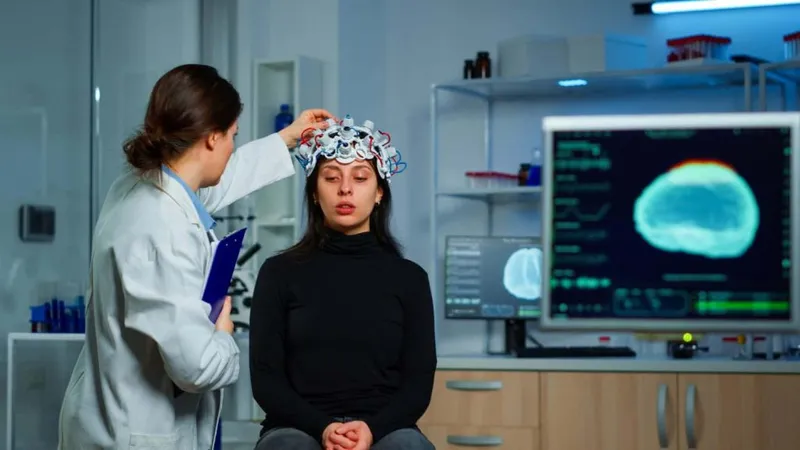
Rehabilitation and Recovery for Traumatic Brain Injury Patients
Rehabilitation is an essential component of the recovery process for individuals with TBI. A comprehensive rehabilitation plan focuses on restoring the patient's physical, cognitive, and emotional well-being.
Acute Rehabilitation: This phase often begins immediately after stabilization in the hospital. It includes intensive physical, occupational, and speech therapy, aiming to regain lost skills and independence.
Long-Term Rehabilitation: For patients with significant impairments, long-term rehabilitation may be necessary. This phase can include home-based exercises, community reintegration programs, and vocational rehabilitation services.
Assistive Technologies: In some cases, patients may benefit from assistive devices such as mobility aids, communication tools, or cognitive prosthetics to enhance their daily living abilities.

Conclusion
Achieving certification in Traumatic Brain Injury care equips healthcare professionals with the expertise necessary to manage one of the most challenging medical conditions. By understanding the definitions, symptoms, therapies, long-term effects, and rehabilitation protocols associated with TBI, candidates can confidently approach the certification exam. Ultimately, this certification will enhance your ability to provide high-quality care to patients suffering from traumatic brain injuries, ensuring better outcomes and improving their quality of life.
- +Industry-recognized credential boosts your resume
- +Higher earning potential (10-20% salary increase on average)
- +Demonstrates commitment to professional development
- +Opens doors to advanced career opportunities
- −Exam preparation requires significant time investment (4-8 weeks)
- −Certification fees can be $100-$400+
- −May require continuing education to maintain
- −Some employers may not require certification
About the Author

Certified Professional Development Expert & Niche Certification Advisor
University of Pennsylvania Graduate School of EducationDr. Alexandra Kim holds a PhD in Professional Studies from the University of Pennsylvania and is a Certified Professional in Learning and Performance (CPLP) and Certified Professional in Talent Development (CPTD). With 17 years of corporate training and professional certification advisory experience, she helps professionals navigate specialized, emerging, and cross-industry certification programs.
Join the Discussion
Connect with other students preparing for this exam. Share tips, ask questions, and get advice from people who have been there.
View discussion (8 replies)