
Is the TLSAE Course Required in Florida? Complete Requirements Guide
Is the TLSAE course required in Florida? ✅ Learn who must complete it, what it covers, costs, and how to pass — complete 2026 September requirements guide.

If you are asking is the TLSAE course required in Florida, the short answer is yes — for the vast majority of first-time driver's license applicants in the state. TLSAE stands for Traffic Law and Substance Abuse Education, and Florida law mandates that any person applying for an original Class E driver's license must complete this program before they can be issued a license. The requirement exists to ensure every new driver understands both the rules of the road and the dangers of driving under the influence of alcohol or drugs.
The TLSAE course is sometimes called the Florida First-Time Driver course or the Drug and Alcohol course, and all three names refer to the same state-approved program. If you have ever searched for a Florida drug and alcohol course or a traffic law course for new drivers, you were looking at the TLSAE. The program is regulated by the Florida Department of Highway Safety and Motor Vehicles (FLHSMV) and must be completed through a state-approved provider before the DMV will process your license application.
Understanding the full scope of tlsae requirements early in your preparation saves time and prevents costly delays. Many applicants discover the requirement only after visiting the DMV, which means an extra trip and a longer wait before they can legally drive. Reading this guide now puts you ahead of that curve — you will know exactly what is required, how long it takes, what it costs, and what you need to do to pass the final assessment with confidence.
The TLSAE program covers two broad areas: traffic law and substance abuse education. The traffic law portion teaches new drivers about Florida's specific road rules, including right-of-way laws, speed limits, traffic signals, and the responsibilities that come with holding a driver's license. The substance abuse component explains the physiological effects of alcohol and drugs on a driver's judgment, reaction time, and physical coordination, and it details the severe legal penalties that follow a DUI conviction in Florida.
One of the most common points of confusion is whether the TLSAE is only for teenagers. In fact, the course is required for any first-time applicant for a Class E license, regardless of age. A 35-year-old who has never held a Florida license and is applying for the first time must complete TLSAE just as a 16-year-old would. The only significant difference is that minors must also satisfy additional graduated licensing requirements that go beyond the TLSAE itself.
Completing the TLSAE course is not optional, and there is no exemption available simply because an applicant has driving experience in another state or country. Florida treats every first-time in-state applicant the same way when it comes to this foundational education requirement. Some exceptions exist for specific military personnel situations, but for the overwhelming majority of applicants, the TLSAE must be finished before any other steps in the licensing process can be completed.
This guide walks you through every aspect of the TLSAE requirement: who must complete it, what the course covers, how long it takes, what it costs, where to take it, and how to prepare for the final test. By the end, you will have a complete picture of what lies ahead and a clear action plan for satisfying this Florida requirement as efficiently as possible.
Florida TLSAE Requirements by the Numbers

How to Complete the TLSAE Requirement Step by Step
Confirm You Need TLSAE
Choose an Approved Provider
Complete the 4-Hour Course
Pass the Final Assessment
Receive Your Completion Certificate
Present Certificate at the DMV
The TLSAE course is divided into two core modules, each addressing a distinct dimension of safe driving in Florida. The traffic law module covers the full range of road rules that every Florida driver is expected to know: speed limits in different zones, traffic signal meanings, right-of-way rules at intersections and crosswalks, lane-change procedures, passing rules, and the specific responsibilities that attach to a Florida driver's license.
This section is comprehensive by design — the state wants new drivers to understand not just how to operate a vehicle, but how to operate it legally and safely within a structured traffic system.
The substance abuse module is equally thorough. It begins with the science of how alcohol is absorbed into and processed by the human body, explaining concepts like blood alcohol concentration (BAC) and how BAC rises over time depending on factors such as body weight, number of drinks consumed, and the speed of consumption. The module explains why even a BAC below the legal limit of 0.08% can impair judgment and reaction time, and why Florida law holds drivers to strict standards even for lower levels of impairment.
Drivers under the age of 21 face even stricter rules under Florida's zero-tolerance policy. Any detectable amount of alcohol — a BAC of just 0.02% — is enough to trigger a license suspension for a driver under 21. The TLSAE course explains this distinction clearly, along with the penalties for refusing a breathalyzer test under Florida's implied consent law. Understanding these rules before getting behind the wheel is exactly what the course is designed to accomplish.
The substance abuse section does not focus solely on alcohol. It also covers prescription medication misuse, illegal drug use, and the dangers of combining substances before driving. Florida has seen significant increases in drug-impaired driving incidents over the past decade, and the TLSAE curriculum was updated to reflect this reality. Students learn how cannabis, opioids, stimulants, and other substances impair driving ability in ways that are often different from alcohol but equally dangerous on the road.
One frequently overlooked section of the TLSAE covers the financial and civil consequences of impaired driving beyond the criminal penalties. A DUI conviction in Florida carries mandatory fines, license suspension, potential ignition interlock requirements, and dramatically higher insurance premiums. A first-offense DUI can result in fines between $500 and $1,000, up to six months in jail, and a license suspension of 180 days to one year. The course presents these consequences in concrete terms so that students understand the full real-world impact of a single bad decision.
The traffic law sections also address newer topics that were not always covered in earlier versions of the curriculum. This includes distracted driving laws — Florida passed a hands-free texting-while-driving law that took effect in 2019 — as well as rules around school zones, work zones, and emergency vehicle protocols. Many first-time drivers are unaware that Florida imposes significantly higher fines in school and work zones, and the TLSAE is one of the primary mechanisms the state uses to communicate these rules before drivers hit the road.
Practice is an essential complement to coursework, and the best way to reinforce what you learn in the TLSAE modules is to test yourself actively. Using free practice quizzes that mirror the final assessment format helps you identify which topics need more review and builds the kind of retrieval-practice memory that leads to higher scores on test day. The more actively you engage with the material — rather than passively reading through it — the better prepared you will be when it counts.
Online vs. Classroom vs. Combined TLSAE Options
Online TLSAE courses are by far the most popular option because they offer complete scheduling flexibility. You can start and stop the course at any time, work from any device with an internet connection, and complete the four-hour requirement over multiple sessions if needed. Most online providers offer courses for $20 to $35, and many transmit your completion certificate directly to the FLHSMV database within 24 hours of passing your final exam, eliminating any paperwork headaches at the DMV.
The main consideration with online courses is provider legitimacy. Florida has many state-approved online TLSAE vendors, but there are also unlicensed websites that collect payment without providing a certificate the DMV will accept. Always verify your chosen provider appears on the FLHSMV's official approved provider list before paying. Look for providers that clearly display their state approval number and offer a money-back guarantee if their certificate is not accepted.

TLSAE Online Course: Advantages and Drawbacks
- +Complete the course on your own schedule — any time, any device
- +Lower cost than most classroom options, typically $20–$35
- +Certificate often submitted electronically to FLHSMV within 24 hours
- +Ability to pause, rewind, and review difficult sections as many times as needed
- +No need to travel to a physical location or match a class schedule
- +Many providers offer unlimited practice quizzes included with the course fee
- −Requires reliable internet access and a compatible device throughout the course
- −No live instructor available to answer questions in real time
- −Self-discipline required to resist skipping ahead or multitasking during modules
- −Risk of choosing an unlicensed provider if you do not verify FLHSMV approval first
- −Some learners retain material less effectively without in-person engagement
- −Technical issues or system timeouts can interrupt progress and reset timed sections
TLSAE Requirements Completion Checklist
- ✓Confirm you are applying for a first-time Florida Class E driver's license.
- ✓Verify your chosen provider is on the FLHSMV official approved vendor list.
- ✓Create an account with your selected provider and pay the course fee.
- ✓Complete all required course modules — do not skip or rush time-gated sections.
- ✓Take notes on key topics: BAC limits, DUI penalties, zero-tolerance rules for under-21 drivers.
- ✓Use free TLSAE practice quizzes to test your knowledge before the final assessment.
- ✓Score 70% or higher on the provider's final exam to receive your certificate.
- ✓Confirm whether your provider submits your certificate electronically or provides a paper copy.
- ✓Keep a personal copy of your completion certificate in a safe, accessible location.
- ✓Gather remaining DMV documents: proof of identity, Florida residency, and Social Security number.
Your TLSAE Certificate Never Expires — But Submit It Early
Once you receive your TLSAE completion certificate, it does not have an expiration date — you will not need to retake the course if your license application is delayed. However, processing times vary, and submitting your certificate well before your DMV appointment ensures there are no electronic transmission delays that could hold up your application. Always confirm receipt with the DMV before your scheduled visit.
The cost of the TLSAE course is one of the first practical questions new applicants ask, and the good news is that it remains one of the most affordable steps in the licensing process. Most state-approved online providers charge between $20 and $35 for the full four-hour course, including the final assessment and certificate of completion. Classroom-based providers typically charge between $30 and $45, reflecting the additional overhead of in-person instruction. Some community organizations and school districts offer reduced-cost or subsidized versions of the course for eligible students.
Beyond the course fee itself, applicants should budget for the Florida DMV application fee for a Class E license, which is currently $48 for a new license. If you also need to pass the Florida knowledge exam or road skills test, additional fees apply. Some providers bundle supplementary study materials, practice tests, or knowledge exam prep guides with the TLSAE course for a slightly higher price — these bundles can represent good value if you plan to use all the included resources.
When comparing providers, cost should not be the only factor. A $5 difference in course fee is meaningless if the cheaper provider has poor customer support, a confusing interface, or a history of certificate submission delays. Read reviews on independent platforms, look for money-back guarantees, and prioritize providers that clearly display their state approval credentials on their website. The FLHSMV website is the definitive source for verifying that a provider is currently approved and in good standing.
It is also worth understanding what you get for the course fee in terms of exam retakes. If you do not pass the final assessment on the first attempt, most providers allow unlimited retakes at no additional charge. This makes the TLSAE course a relatively low-stakes investment — you pay once and keep attempting the exam until you pass. That said, preparing properly and passing on the first attempt saves time and is generally less stressful than repeating the process.
Some employers and insurance companies ask new employees or policyholders whether they have completed a state-approved driving education program. In these cases, your TLSAE certificate can serve as documentation of formal driver education — a credential that occasionally earns modest insurance discounts for young drivers. While the TLSAE is not a full defensive driving course, its completion signals a baseline level of formal driver education that some insurers acknowledge in their underwriting decisions.
Florida's TLSAE program has been in place for decades and is one of the most well-established first-time driver education requirements in the country. The curriculum is reviewed and updated periodically to reflect changes in Florida traffic law, new research on substance abuse, and evolving road safety challenges such as distracted driving. Completing the current version of the course ensures that your knowledge is based on the most up-to-date information the state has approved for new drivers.
For applicants who are new to Florida from another state, the TLSAE requirement can feel like an unexpected hurdle — especially if you have years of driving experience. However, the content is genuinely Florida-specific in important ways. Florida's zero-tolerance laws for drivers under 21, its implied consent statute, its enhanced penalties in school and work zones, and its traffic patterns all differ from what you may be accustomed to in other states. Completing the TLSAE gives you the Florida-specific knowledge base that the state requires every licensed driver to have.

Florida DMV offices will not process a first-time Class E license application unless the TLSAE requirement has been satisfied. If your provider submits the certificate electronically, confirm with both the provider and the FLHSMV database that the record appears before your appointment. Showing up without a verified certificate means rescheduling your entire DMV visit, which in high-traffic counties can mean weeks of additional waiting.
Passing the TLSAE final assessment is straightforward if you engage actively with the course material rather than clicking through passively. The exam typically consists of 40 to 50 multiple-choice questions drawn from both the traffic law and substance abuse modules. Questions are designed to test conceptual understanding, not rote memorization — the exam wants to know whether you can apply the rules you learned, not just recall them word for word. This means you should focus on understanding the reasoning behind each rule as much as the rule itself.
The most frequently tested topics on the TLSAE final exam include: Florida's legal BAC limit of 0.08% for drivers 21 and over, the zero-tolerance BAC limit of 0.02% for drivers under 21, the consequences of refusing a breathalyzer under implied consent law, right-of-way rules at uncontrolled intersections, school zone and work zone speed limit requirements, and the penalties for a first-offense DUI conviction. Questions on these topics appear on virtually every version of the TLSAE assessment, so mastering them is essential.
One effective study strategy is to take a full-length practice exam before you begin the actual course, then take another one at the midpoint and a final one just before the official assessment. This pre-post approach reveals exactly which topics you were already strong on and which ones the course helped you improve. Many students are surprised to discover that they underestimated the substance abuse module — it contains more precise numerical thresholds and legal procedures than the traffic law section, and it requires careful attention to detail.
Time management during the final assessment is rarely an issue — most providers give generous time limits of 45 to 90 minutes for exams with 40 to 50 questions. The challenge is not speed but accuracy. Read each question and all four answer choices carefully before selecting your answer. TLSAE exam questions frequently include distractor answers that are partially correct or that apply to a slightly different scenario than the one described. Watch for qualifiers like "under 21," "first offense," and "with prior conviction" — these words completely change the correct answer.
If you do not pass on your first attempt, take note of which questions you answered incorrectly. Most providers give you a breakdown by topic area after each attempt. Use that information to return to the relevant course modules for review before retrying the exam. Because retakes are typically unlimited and free, there is no penalty for a first-attempt failure — but you should treat each attempt seriously rather than clicking through hoping to get lucky on the next try.
Beyond the TLSAE assessment itself, Florida first-time license applicants must also pass a separate knowledge exam at the DMV covering road signs and traffic laws, and a road skills test demonstrating basic vehicle operation. The TLSAE course provides excellent preparation for the knowledge exam since the subject matter overlaps significantly. Students who complete the TLSAE carefully and use practice resources typically find the DMV knowledge exam less intimidating as a result of the preparation they have already done.
For additional preparation, using free online practice tools that mirror the format of actual TLSAE exam questions is one of the highest-return activities you can do in the days before your assessment. PracticeTestGeeks offers targeted quizzes covering every major TLSAE topic area, allowing you to drill the specific subjects where you need the most practice rather than re-reading entire course sections. Combining active practice testing with a thorough initial read-through of the course material is the strategy most consistently associated with first-attempt success.
Once you have completed the TLSAE course and passed the final assessment, the next practical priority is making sure your completion is properly recorded before your DMV appointment. Online providers typically transmit completion data to the FLHSMV database automatically, but the process is not always instantaneous. Many providers note that electronic submissions appear in the database within 24 to 72 hours of course completion. If you have a scheduled DMV appointment within 24 hours of finishing the course, call your provider's customer service line to confirm transmission and ask for an expedited submission if available.
The Florida DMV's online portal allows applicants to check whether their TLSAE completion record is on file before visiting in person. This self-service lookup takes less than five minutes and can save you an unnecessary trip. Log in with your Social Security number and date of birth, navigate to the license status section, and look for a notation indicating TLSAE requirement satisfied. If the notation is not present, contact your provider before visiting the DMV rather than discovering the problem at the counter.
It is also important to understand that the TLSAE certificate is tied to you as an individual applicant, not to a specific license application. If your first license application is denied for a reason unrelated to TLSAE — for example, a vision test failure that requires corrective lenses — your TLSAE completion remains on file. You will not need to retake the course when you reapply after resolving the other issue. This is true even if several months pass between your initial application and your successful reapplication.
Parents of teen drivers play a critical role in reinforcing the TLSAE material outside of the formal course setting. Research consistently shows that parental conversations about alcohol, drugs, and driving significantly reduce teen DUI rates.
After your teenager completes the TLSAE, consider sitting down together to review the key points — particularly the zero-tolerance policy, the consequences of a DUI before age 21, and the practical steps to take if they ever find themselves in a situation where a driver they are riding with may be impaired. These conversations, grounded in the specific Florida laws covered by the TLSAE, can make a real difference in teen safety outcomes.
Some Florida counties offer supplementary driver safety programs for new drivers beyond the TLSAE minimum. These optional programs, sometimes offered through high schools or community organizations, provide additional behind-the-wheel coaching, hazard perception training, and defensive driving instruction. While none of these optional programs substitute for the TLSAE requirement, they can meaningfully supplement it and further reduce a new driver's risk of involvement in a collision during the critical first year of independent driving.
The connection between completing driver education requirements and long-term safe driving outcomes is well supported by research. Drivers who complete formal education programs — including programs like the TLSAE — show statistically lower rates of traffic violations and collisions in their first three years of licensure compared to drivers who receive no formal education. Florida's mandatory TLSAE requirement reflects this evidence base. It is not simply a bureaucratic hurdle; it is a data-backed intervention designed to reduce the outsized crash risk that new drivers face.
As you approach the final stages of your licensing process, remember that the TLSAE is just the beginning of your education as a driver, not the end. Safe driving is a skill that develops over thousands of miles and many years of experience. The knowledge you gain from the TLSAE provides the foundation — the rules, the risks, and the consequences — but your ongoing attention, judgment, and commitment to sober, distraction-free driving are what determine your safety record for the rest of your driving life.
TLSAE Questions and Answers

TLSAE Practice Test: Free Questions, Study Guide & Exam Prep 2026
TLSAE Practice Test

Florida TLSAE Online Course: Complete Study Guide & Certification Prep 2026
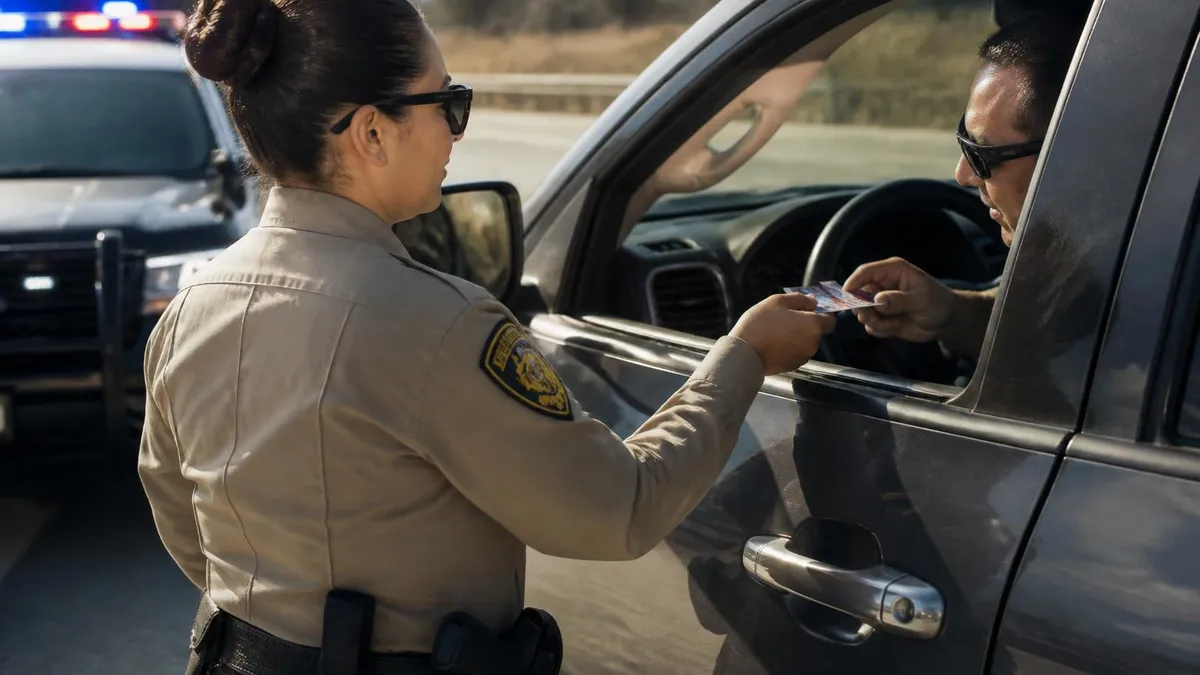
TLSAE Course Online: Complete Study Guide & Certification Prep

How to Complete the TLSAE Course: Your Complete Study Guide & Certification Prep
About the Author

Educational Psychologist & Academic Test Preparation Expert
Columbia University Teachers CollegeDr. Lisa Patel holds a Doctorate in Education from Columbia University Teachers College and has spent 17 years researching standardized test design and academic assessment. She has developed preparation programs for SAT, ACT, GRE, LSAT, UCAT, and numerous professional licensing exams, helping students of all backgrounds achieve their target scores.
Join the Discussion
Connect with other students preparing for this exam. Share tips, ask questions, and get advice from people who have been there.
View discussion (8 replies)