
State Trooper Jobs: Duties, Salary, and Career Path in 2026 September
📚 Explore state trooper jobs: duties, salary by state, requirements, and how to apply. Complete 2026 September career guide with Texas, Florida, and Arizona details.
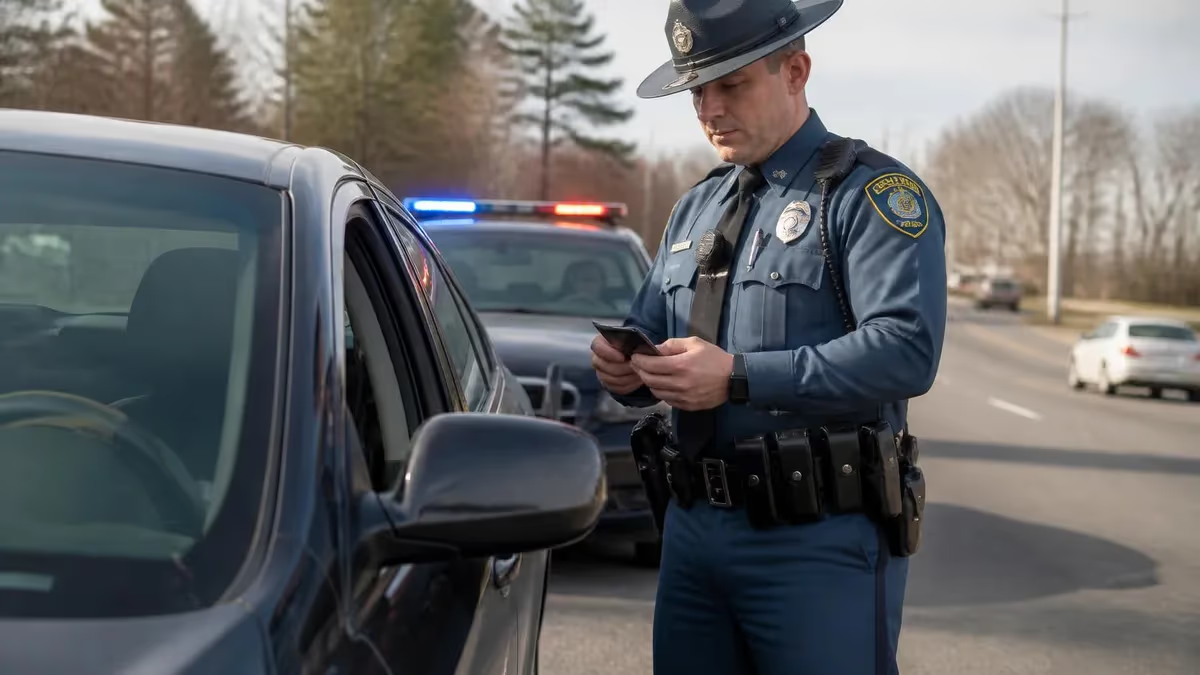
State trooper jobs rank among the most respected and stable careers in American law enforcement, offering competitive pay, generous benefits, and a clear path for advancement. Whether you are drawn to highway patrol, criminal investigation, or specialized units, a career as a sworn state police officer combines genuine public service with long-term job security. Demand remains strong nationwide, with agencies in Texas, Florida, Arizona, and the Carolinas actively recruiting candidates who can pass rigorous physical, written, and background screening to protect the communities they serve every day.
The role of a state trooper extends far beyond writing speeding tickets on the interstate. Troopers respond to crashes, conduct DUI enforcement, investigate accidents, assist stranded motorists, and serve as first responders during natural disasters and large-scale emergencies. In many states, troopers also handle commercial vehicle inspections, drug interdiction, and felony investigations. The breadth of responsibility means no two shifts look alike, which is exactly why so many people find the work deeply engaging and worth the demanding training process required to earn the badge.
Each state operates its own police agency under a slightly different name, but the core mission stays consistent. The Texas Department of Public Safety, the Florida Highway Patrol, the Arizona Department of Public Safety, and the North Carolina State Highway Patrol all hire troopers to enforce traffic and criminal law on state roads. Because requirements vary, it pays to study your specific agency before applying. You can review the full state trooper texas a state trooper texas a overview to understand age, citizenship, and education rules in detail.
Compensation is one of the strongest draws to the profession. Starting salaries for new troopers often range from $50,000 to $70,000 depending on the state, with many agencies offering paid academy training, take-home patrol vehicles, and step increases that push experienced troopers well above $80,000 annually. Add in pension plans, comprehensive health coverage, and overtime opportunities, and the total package becomes highly attractive for candidates seeking a long-term public-sector career with predictable raises and a dependable retirement waiting at the end.
The hiring process itself is competitive and multi-staged, typically including a written exam, physical fitness test, polygraph, psychological evaluation, medical screening, and an extensive background investigation. Agencies want candidates who demonstrate integrity, sound judgment, and the physical capacity to handle the demands of patrol work. Preparing thoroughly for each stage dramatically improves your odds, and many successful applicants spend months studying for the written test and conditioning their bodies before academy day finally arrives on their calendar.
This guide walks through everything you need to know about state trooper jobs in 2026, including daily duties, salary ranges by state, eligibility requirements, the application timeline, and practical preparation tips. Whether you are a recent high school graduate, a military veteran, or someone changing careers in your thirties, understanding the landscape now will help you build a realistic plan. By the end, you will know what agencies look for and how to position yourself as a standout recruit in a crowded applicant pool.
State Trooper Jobs by the Numbers
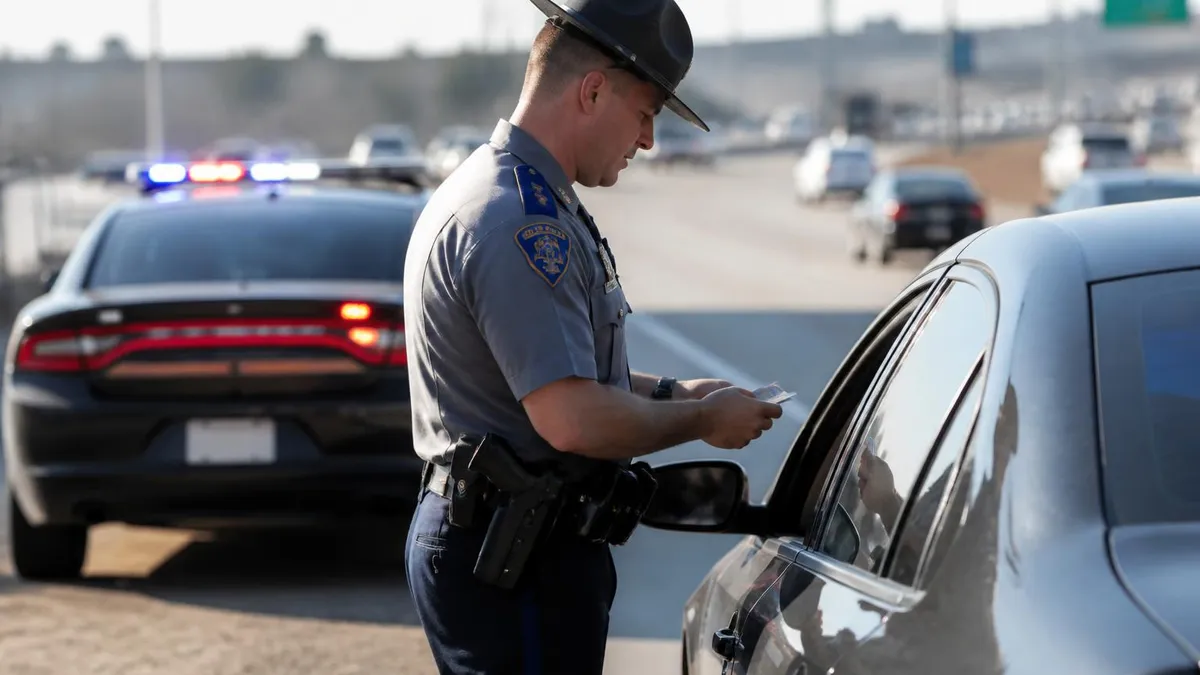
Trooper Career Paths and Specializations
The frontline role for most new troopers, focused on traffic enforcement, crash response, DUI detection, and motorist assistance along state highways and rural roads where local police rarely patrol.
Experienced troopers may move into investigative bureaus handling narcotics, homicide, fraud, and organized crime, often working in plain clothes and coordinating with federal task forces and local agencies.
Units such as SWAT, K-9, dive teams, aviation, and bomb disposal recruit troopers with proven records, offering specialized pay and high-intensity assignments that demand advanced certifications and ongoing training.
Troopers inspect trucks and buses for safety violations, weight limits, and hazardous-materials compliance, a critical role in states with heavy interstate freight traffic like Texas and Arizona.
Veteran troopers can become academy instructors, field training officers, sergeants, and lieutenants, climbing a structured rank ladder that increases both responsibility and compensation over a full career.
A typical day for a state trooper begins with a vehicle inspection and equipment check before heading out on assigned patrol. Troopers monitor traffic flow, respond to dispatched calls, and proactively look for impaired or reckless drivers. On a single shift, a Texas state trooper might investigate a multi-car pileup, assist a disabled motorist, issue citations for speeding, and respond to a domestic disturbance call in a rural county lacking nearby municipal coverage. The unpredictability is a defining feature of the job that keeps it engaging.
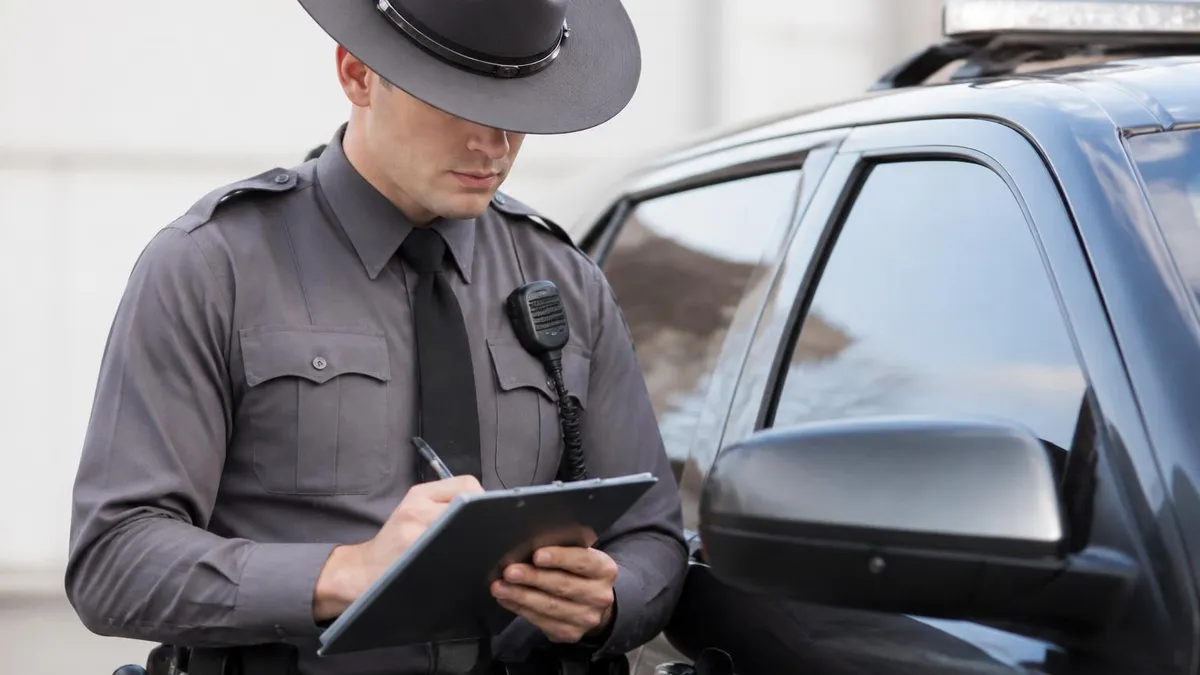
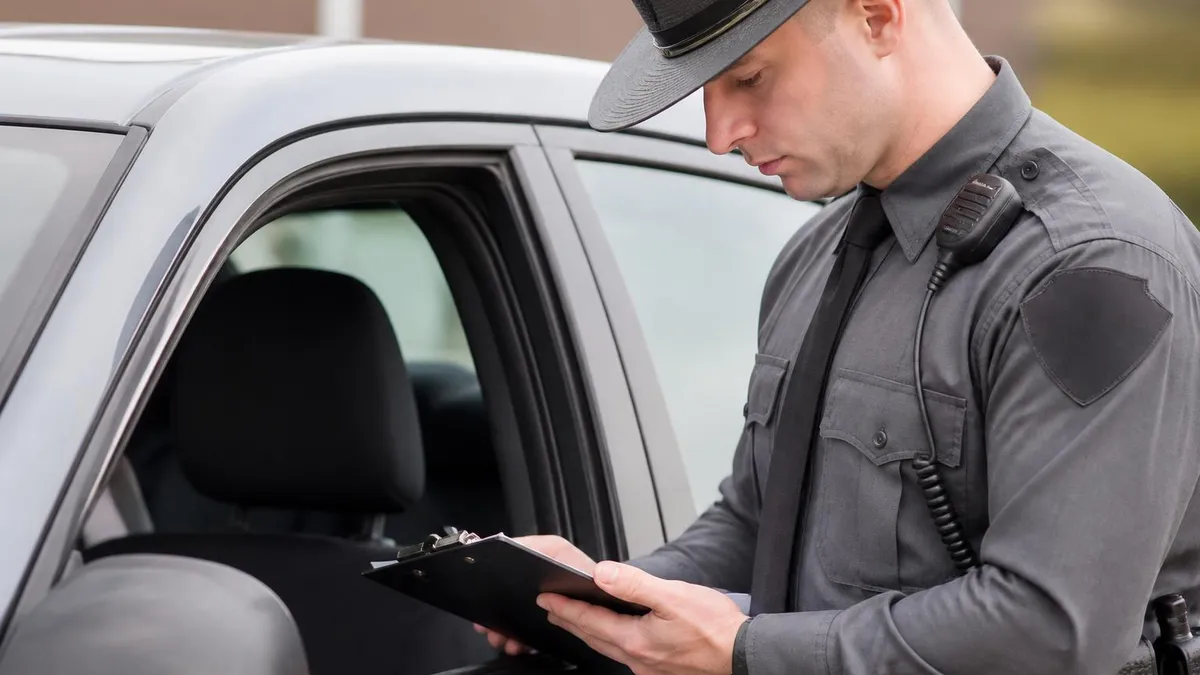
Traffic enforcement remains the bread and butter of patrol work, but it requires far more skill than the public assumes. Troopers must safely conduct stops on high-speed roadways, recognize signs of intoxication or drug use, and document everything precisely for potential court testimony. A single DUI arrest can involve field sobriety tests, breathalyzer administration, evidence collection, report writing, and a courtroom appearance weeks later. Accuracy matters because defense attorneys scrutinize every procedural step a trooper takes during an arrest and detention.
Crash investigation is another core duty that demands technical expertise. When a serious or fatal collision occurs, troopers measure skid marks, photograph the scene, interview witnesses, and reconstruct the sequence of events. In fatal cases, the investigation can determine criminal charges and influence civil lawsuits. Many agencies maintain dedicated crash reconstruction teams, and troopers who develop these skills become valuable experts whose testimony carries significant weight in both criminal and civil proceedings across their jurisdictions.
Troopers also serve as a critical safety net during emergencies that overwhelm local resources. During hurricanes in Florida, wildfires in Arizona, or winter storms across the Carolinas, troopers coordinate evacuations, manage road closures, and provide emergency response in areas where other agencies are stretched thin. This statewide reach is part of what distinguishes trooper work from city policing, requiring flexibility, endurance, and the willingness to deploy far from home for extended periods during major incidents and declared disasters.
Community interaction forms a meaningful and often underappreciated part of the role. Troopers assist stranded families, change tires, deliver fuel, and frequently are the calm professional presence at the worst moment of someone's day. Building public trust through respectful, consistent conduct directly affects an officer's effectiveness and safety. Many troopers cite these everyday human connections, rather than dramatic arrests, as the most rewarding aspect of a long career in state law enforcement and one they remember most fondly.
Administrative responsibilities round out the workload and should not be overlooked by prospective applicants. Detailed report writing, evidence logging, equipment maintenance, and continuing education all consume substantial time. A trooper who cannot write a clear, accurate report will struggle regardless of their field skills. For candidates ready to begin the journey, the arizona state trooper application guide explains exactly how to start the process and what documentation each stage requires from you.
State Trooper Salary by Region
A Texas state trooper with the Department of Public Safety earns a starting salary near $4,800 monthly, climbing toward $7,000 with seniority and tenure pay. The Arizona state trooper pay scale is similar, with base salaries beginning around $58,000 and rising through structured step increases tied to years of service and rank earned over time.
Both states offer take-home patrol vehicles, paid academy training, and overtime that can meaningfully boost annual earnings. With Texas operating one of the largest trooper forces in the country, advancement opportunities into investigations and special units are plentiful for officers who perform well in the field and pursue additional certifications throughout their careers.
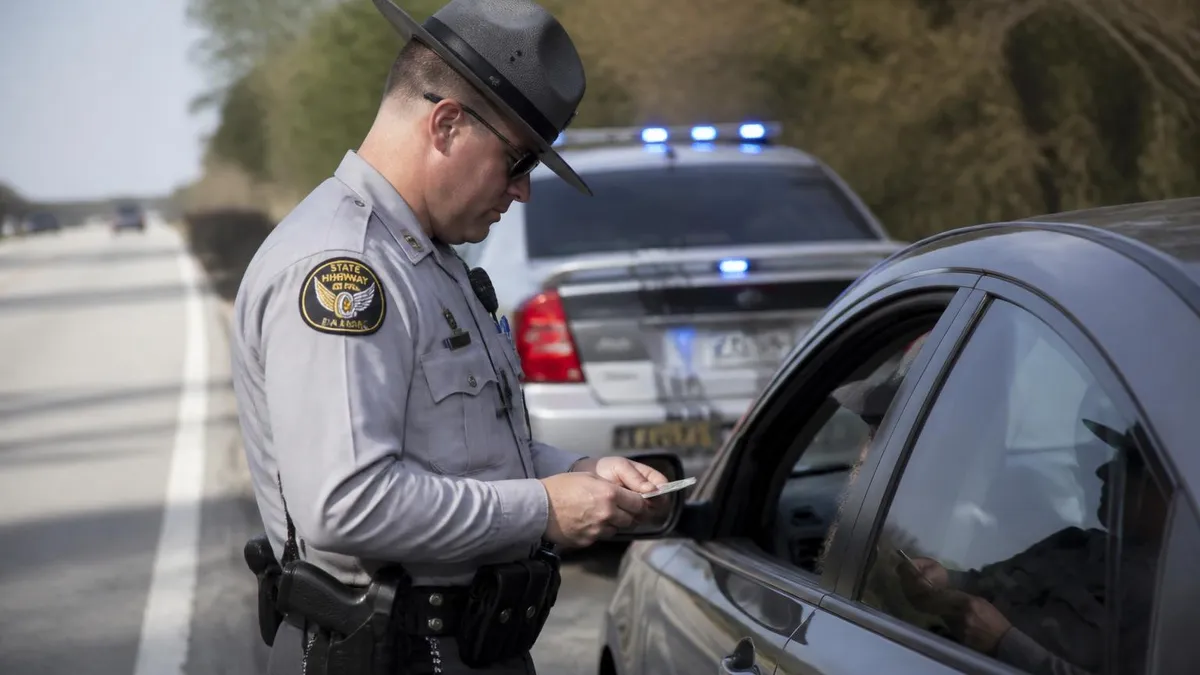
Is a State Trooper Career Right for You?
- +Competitive salary with structured, predictable step raises over time
- +Strong pension and full health benefits after vesting periods
- +Paid academy training, so you earn while you learn the job
- +Clear advancement path into investigations and specialized units
- +High job security relative to many private-sector careers
- +Meaningful public service with real community impact daily
- +Take-home patrol vehicles offered in many state agencies
- −Demanding physical fitness standards before and during academy
- −Irregular shifts including nights, weekends, and major holidays
- −Exposure to dangerous situations and high-stress traffic stops
- −Lengthy, competitive hiring process spanning several months
- −Frequent relocation or long-distance deployments during emergencies
- −Significant report writing and administrative paperwork burden
- −Emotional toll from responding to fatal crashes and crises
State Trooper Eligibility Checklist
- ✓Confirm you meet the minimum age, usually 21 at academy graduation
- ✓Verify United States citizenship and valid state residency rules
- ✓Hold a high school diploma or GED at minimum
- ✓Possess a valid driver's license with a clean driving record
- ✓Meet vision, hearing, and overall medical fitness standards
- ✓Pass a background check with no disqualifying felony convictions
- ✓Prepare for and pass the written entrance examination
- ✓Train to meet physical fitness and agility test benchmarks
- ✓Be ready for a polygraph and psychological evaluation
- ✓Gather references, education records, and employment history early
First-attempt pass rates hover near 30 percent
Many physically fit candidates wash out at the written test stage because they assume their fitness alone will carry them. The exam tests reading comprehension, situational judgment, math, and grammar under time pressure. Dedicating four to eight weeks of focused study with practice questions dramatically improves your score and keeps your application moving forward.
Once a candidate clears the written exam, fitness test, and background investigation, the real transformation begins at the state police academy. Most academies run between 20 and 26 weeks and operate in a paramilitary, residential format that mirrors the discipline of military basic training. Recruits live on site during the week, follow strict schedules, and are evaluated constantly on academics, physical conditioning, and conduct. The intensity is deliberate, designed to weed out those who cannot perform under sustained pressure over many months.
Academic instruction covers a vast curriculum in a compressed window. Recruits study criminal and traffic law, constitutional rights, arrest procedures, evidence handling, accident investigation, and report writing. Written exams throughout the academy require passing scores, and recruits who fall behind risk dismissal. The legal material alone is demanding because troopers must apply complex statutes correctly in real time on the road, where a mistake can compromise a case or expose the agency to serious legal liability.
Physical and tactical training run parallel to the classroom work. Recruits build endurance through daily runs, complete defensive tactics instruction, and learn firearms proficiency on the range. Emergency vehicle operations, often called EVOC, teaches high-speed pursuit driving and precision maneuvers on a closed course. Many recruits find driving instruction the most exhilarating and challenging portion of the academy, since controlling a patrol vehicle at speed demands skills few people ever develop in their ordinary lives.
Scenario-based training bridges theory and reality in the final academy weeks. Instructors stage realistic traffic stops, building searches, and crisis situations using role players, forcing recruits to make split-second decisions and justify them afterward. This experiential learning reveals whether a recruit can stay calm, communicate clearly, and follow procedure when adrenaline spikes. Performance in these scenarios often predicts how a new trooper will handle genuine emergencies during their probationary period out in the field.
Graduation marks the start, not the end, of a trooper's development. New troopers enter a field training program where seasoned officers ride along, evaluate decision-making, and gradually grant independence. This probationary phase typically lasts several months and serves as the final filter before a trooper patrols solo. Field training officers carry enormous influence, shaping habits and judgment that a young trooper will rely on for the remainder of their career on patrol and beyond.
Continuing education never truly stops in this profession. Troopers complete annual recertifications in firearms, defensive tactics, and legal updates, and many pursue specialized courses to qualify for investigative or tactical units. To gauge your readiness before the academy, the texas a&m state trooper practice resources help you benchmark your knowledge against the standards agencies expect of incoming recruits across the country.
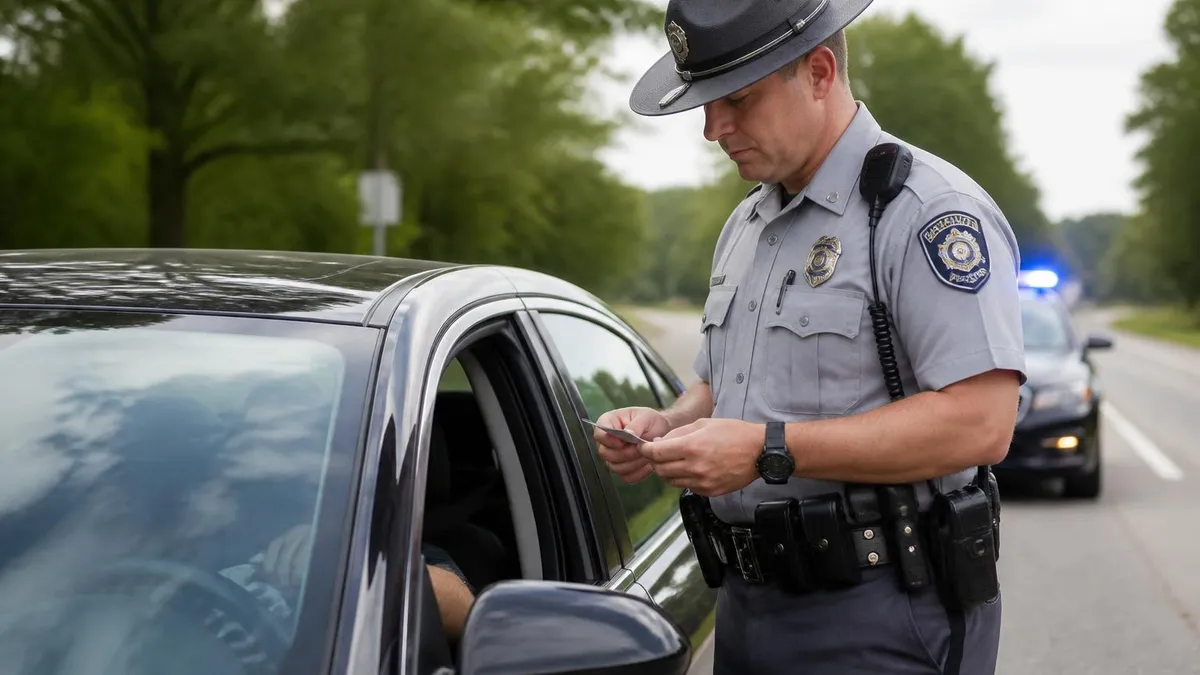
Felony convictions, recent serious drug use, dishonorable military discharge, and major driving offenses can permanently disqualify applicants. Some agencies also review credit history and social media. Review your state's specific disqualifier list before applying, and address any concerns honestly, because the background investigation and polygraph will surface omissions.
Applying for state trooper jobs follows a predictable sequence, but the timeline can stretch across six months to a full year from initial application to academy start. The process begins when you submit an online application during an open recruitment window. Some agencies hire continuously, while others open applications only a few times per year, so monitoring your target agency's recruitment page is essential. Missing a window can mean waiting months before the next opportunity finally arises again.
After submitting your application, you will be invited to the written entrance exam. This is the first major filter, and as noted, a significant share of applicants do not pass on their first attempt. Strong performance here keeps you in the pipeline and signals to recruiters that you are serious. Investing in structured study and timed practice tests is the single most effective step you can take to improve your standing among hundreds of competing applicants in the pool.
The physical fitness test typically follows the written exam and measures push-ups, sit-ups, a timed run, and sometimes an agility course. Standards vary by state and occasionally by age and gender, but all require genuine preparation. Begin a structured conditioning program months in advance rather than cramming. Candidates who arrive at the fitness test out of shape rarely recover, and injuries during testing can sideline an otherwise promising application for an entire recruitment cycle and beyond.
Next comes the background investigation, polygraph, and psychological evaluation, which together form the most thorough vetting most people will ever experience. Investigators interview former employers, neighbors, and references, and they verify every claim on your application. Complete honesty is non-negotiable, since the polygraph and interviews are specifically designed to detect deception. A minor past mistake disclosed openly is far less damaging than a concealment uncovered during the background investigation phase of hiring.
Advancement after you become a trooper rewards performance, education, and initiative. Most agencies use a rank structure progressing from trooper to corporal, sergeant, lieutenant, and beyond, with promotional exams and reviews governing each step. Pursuing a college degree, earning specialized certifications, and volunteering for demanding assignments all strengthen a promotion case. Troopers who plan their careers deliberately can reach supervisory and command roles within a decade of strong, consistent field service and proven leadership.
Salary growth tracks closely with rank and tenure, making long-term planning worthwhile. A trooper who understands the pay ladder can map realistic income expectations across a career. For a detailed look at how compensation evolves over time, the carolina state trooper salary breakdown illustrates how base pay, overtime, and pension contributions combine into a total package that often exceeds the headline starting figure by a wide margin.
Preparing strategically separates successful applicants from the large pool that washes out early. Start by downloading your target agency's official applicant guide, which lists every requirement, disqualifier, and testing standard. Treat this document as your roadmap. Build a study schedule for the written exam, a conditioning plan for the fitness test, and a personal timeline that accounts for the months-long process. Candidates who organize early consistently outperform those who scramble once an application window opens unexpectedly on short notice.
For the written exam, focus your study on the four pillars most agencies test: reading comprehension, situational judgment, basic math, and grammar. Practice under timed conditions to build speed and reduce test-day anxiety. Reading comprehension improves with daily practice on dense material, while situational judgment questions reward calm, procedure-minded thinking. Working through full-length practice tests reveals your weak areas so you can target study time where it produces the greatest score improvement before exam day arrives.
Physical preparation should begin no later than three months before your fitness test. Build a routine combining cardio for the timed run with strength work for push-ups and sit-ups, and gradually increase intensity to avoid injury. Practice the exact test movements so they feel familiar. Many candidates underestimate the run, so train at or above the required pace. Arriving genuinely fit, not merely able to scrape by, gives you a confidence advantage that carries straight into the academy.
The background and polygraph stages reward honesty and thorough preparation. Gather documents early: education transcripts, employment history, references, residence history, and any court or driving records. Review your own social media and credit history through a recruiter's eyes. Write down a complete, truthful account of any past issues so your answers stay consistent across interviews and the polygraph. Consistency and candor build credibility, while evasiveness or contradiction raises immediate red flags for the investigators reviewing your file.
Mental and interview preparation matter as much as physical readiness. Practice articulating why you want to serve, how you handle stress, and how you would respond to ethical dilemmas. Mock interviews with someone in law enforcement, if possible, sharpen your delivery. Recruiters look for maturity, integrity, and clear communication. Demonstrating self-awareness and a genuine commitment to public service often distinguishes equally qualified candidates when agencies make their final selections from the remaining applicant pool at the end.
Finally, persistence pays in this field. Many outstanding troopers were not selected on their first attempt, whether due to a fitness shortfall, a written exam score, or simple timing. If you fall short, request feedback where available, address the specific gap, and reapply in the next cycle. Use free practice tests to track your progress and keep your knowledge sharp between attempts. A determined, well-prepared candidate who treats setbacks as data eventually earns the badge they have been pursuing all along.
State Trooper Questions and Answers



About the Author

Educational Psychologist & Academic Test Preparation Expert
Columbia University Teachers CollegeDr. Lisa Patel holds a Doctorate in Education from Columbia University Teachers College and has spent 17 years researching standardized test design and academic assessment. She has developed preparation programs for SAT, ACT, GRE, LSAT, UCAT, and numerous professional licensing exams, helping students of all backgrounds achieve their target scores.
Join the Discussion
Connect with other students preparing for this exam. Share tips, ask questions, and get advice from people who have been there.
View discussion (3 replies)