

SafeSport Practice Test
Updated October 2026Facts verified Oct 31, 2026 against U.S. Center for SafeSport
SafeSport (Certified SafeSport Training Certification) is an essential program designed to create safer environments in sports by addressing issues such as harassment, abuse, and misconduct. Whether you're an athlete, coach, or sports administrator, becoming SafeSport certified demonstrates your commitment to maintaining integrity and safety in the sports community. Practice with the free Certified SafeSport Training Certification practice test on PracticeTestGeeks (7 questions with answer explanations).
- The SafeSport Trained Core course has an estimated completion time of 90 minutes.[1]
- The SafeSport Trained Core course costs $20 per person, and NGB members are not subject to a fee.[2]
- If more than 12 months pass between SafeSport courses, you lose eligibility for the next course in the sequence and must retake the Core course.[2]
- SafeSport Trained certificates are valid for 12 months after the completion date.[2]
- The SafeSport Trained courses from the U.S. Center for SafeSport are taken online and are available in English, Spanish and French.[1]
Numbers in brackets link to the official sources listed under Sources & last verified. Dates that have passed are removed automatically.
SafeSport Exam at a Glance
| Item | Detail | Source · Verified |
|---|---|---|
| Time limit (SafeSport Trained Core) | About 90 minutes (estimated)[1] | U.S. Center for SafeSport · Oct 25, 2026 |
| Exam fee (SafeSport Trained Core) | $20 per person (no fee for NGB members)[2] | U.S. Center for SafeSport · Oct 25, 2026 |
| Retake policy | Over 12 months between courses: start over with Core[2] | U.S. Center for SafeSport · Oct 25, 2026 |
| Validity | 12 months from completion[2] | U.S. Center for SafeSport · Oct 25, 2026 |
| Delivery | Online courses; English, Spanish and French[1] | U.S. Center for SafeSport · Oct 25, 2026 |
What changed for SafeSport in 2026
- Oct 25, 2026: Delivery changed to Online courses; English, Spanish and French (previously Online, self-paced, with videos, quizzes and scenarios; English, Spanish and French).[1]
- Oct 25, 2026: Exam fee (SafeSport Trained Core) changed to $20 per person (no fee for NGB members) (previously $20 per person (free for NGB members)).[2]
- Oct 25, 2026: Time limit (SafeSport Trained Core) changed to About 90 minutes (estimated) (previously About 90 minutes (estimated; no timed limit published)).[1]
- Oct 25, 2026: Retake policy changed to Over 12 months between courses: start over with Core (previously If more than 12 months pass between courses, you must start over with the Core course).[2]
Free Certified SafeSport Training Certification Study Tools
Interactive Certified SafeSport Training Certification resources on PracticeTestGeeks, free to start:
- SafeSport Reporting Obligations and Procedures 1 — 7 questions with answer explanations
- Certified SafeSport Training Certification flashcards — review key terms and concepts card by card
- Certified SafeSport Training Certification study guide — topic-by-topic overview of what the exam covers
- Certified SafeSport Training Certification cheat sheet — one-page printable summary for last-minute review
According to U.S. Center for SafeSport, “Our online courses will help you get the information and practical skills you need.”[1]
SafeSport content outline and where to practise each area
The content areas below are copied from the official SafeSport content outline published by U.S. Center for SafeSport. The right-hand column shows which of our practice sets covers it.
| Official content area | Practice on this site |
|---|---|
| Emotional and Physical Misconduct[1] | SafeSport Professional Ethics and Conduct Practise recognizing harmful behavior by adults toward athletes and the boundaries that professional conduct requires. |
| Mandatory Reporting[1] | SafeSport Reporting Obligations and Proced... Practise who must report, what to report, and which channel to use when you see or suspect misconduct. |
| Sexual Misconduct Awareness Education[1] | SafeSport Course Modules Practise spotting grooming and boundary violations and knowing which protective policies reduce risk. |
SafeSport Practice Test Questions
Prepare for the SafeSport - Certified SafeSport Training Certification exam with our free practice test modules. Each quiz covers key topics to help you pass on your first try.
SafeSport Accreditation Process
SafeSport Exam Questions covering Accreditation Process. Master SafeSport Test concepts for certification prep.
SafeSport Communication and Leadership
Free SafeSport Practice Test featuring Communication and Leadership. Improve your SafeSport Exam score with mock test prep.
SafeSport Course Modules
SafeSport Mock Exam on Course Modules. SafeSport Study Guide questions to pass on your first try.
SafeSport Eligibility Requirements
SafeSport Test Prep for Eligibility Requirements. Practice SafeSport Quiz questions and boost your score.
SafeSport Emergency Response Procedures
SafeSport Questions and Answers on Emergency Response Procedures. Free SafeSport practice for exam readiness.
SafeSport Nutrition and Wellness
SafeSport Mock Test covering Nutrition and Wellness. Online SafeSport Test practice with instant feedback.
SafeSport Physical Assessment Techniques
Free SafeSport Quiz on Physical Assessment Techniques. SafeSport Exam prep questions with detailed explanations.
SafeSport Professional Ethics and Conduct
SafeSport Practice Questions for Professional Ethics and Conduct. Build confidence for your SafeSport certification exam.
SafeSport Program Design and Implementation
SafeSport Test Online for Program Design and Implementation. Free practice with instant results and feedback.
SafeSport Renewal and Maintenance
SafeSport Study Material on Renewal and Maintenance. Prepare effectively with real exam-style questions.
SafeSport Reporting Obligations and Proced...
Free SafeSport Test covering Reporting Obligations and Procedures. Practice and track your SafeSport exam readiness.
Worked examples: how to reason through SafeSport questions
These are practice questions written for this site, not questions from the real exam. Each explanation shows why the right answer is right and why the others are wrong.
Example 1
Question: Which organization has primary jurisdiction over resolving allegations of sexual misconduct involving athletes in Olympic and Paralympic sports?
- The Federal Bureau of Investigation (FBI)
- The U.S. Olympic and Paralympic Committee (USOPC)
- The U.S. Center for SafeSport
- The individual national governing body
Answer: C. The U.S. Center for SafeSport
Explanation:
The correct answer is the U.S. Center for SafeSport. It was set up as the independent body that receives, investigates and resolves misconduct allegations in Olympic and Paralympic sport, so it holds primary jurisdiction over sexual misconduct cases. The FBI is wrong because it is a law enforcement agency that deals with crimes; it does not run sport-specific misconduct processes, although serious crimes may also be referred to police. The USOPC is wrong because it oversees the movement but handed this responsibility to an independent body. The individual national governing body is wrong because keeping these cases away from the organization that employs or represents the accused avoids conflicts of interest. The rule to remember: allegations of sexual misconduct in this system go to the independent Center, not to the sport's own leadership.
Example 2
Question: What is the purpose of the 'two-deep leadership' rule in athlete protection?
- To ensure two coaches always agree before disciplining an athlete
- To require two adults present whenever a minor athlete is supervised, preventing isolated one-on-one situations
- To mandate that two staff members co-sign every training plan
- To ensure at least two parents attend every practice session
Answer: B. To require two adults present whenever a minor athlete is supervised, preventing isolated one-on-one situations
Explanation:
The correct answer is that two-deep leadership requires two adults to be present whenever a minor athlete is supervised, so no adult is isolated one-on-one with a young person. Abuse most often happens when an adult has private, unobserved access, and a second adult makes that harder and protects both the athlete and the adult. Two coaches agreeing before discipline is wrong because the rule is about presence, not agreement. Two staff members co-signing training plans is wrong because it is a paperwork rule with no link to supervision. Parents attending every practice is wrong because parents are welcome but the rule does not depend on them. The general rule to remember: build observable, interruptible settings into every activity involving minors.
Example 3
Question: How should a SafeSport-trained coach respond if they observe another adult conducting a physical assessment of an athlete in a closed, unobservable space?
- Wait to see if the athlete reports discomfort before acting
- Interrupt, open the space, and report the concern through appropriate channels
- Assume the assessor is credentialed and the situation is appropriate
- Inform the team manager but take no immediate action
Answer: B. Interrupt, open the space, and report the concern through appropriate channels
Explanation:
The correct answer is to interrupt, open the space, and report the concern through the proper channels. Bystander intervention is a core SafeSport principle: when you see a possible policy violation, you act right away to protect the athlete. Waiting for the athlete to report discomfort is wrong because athletes, especially minors, often cannot or will not speak up, and harm may already be happening. Assuming the assessor is credentialed is wrong because credentials do not make a closed, unobservable setting acceptable. Telling the team manager but taking no immediate action is wrong because it leaves the athlete exposed while the concern sits unaddressed. The rule to remember: a closed, unobservable setting is itself the warning sign, so step in first and report afterward.
How to use these practice tests
Start with the official material. Read the course page at uscenterforsafesport.org so you know what the courses cover and which language and format you will use. Then work through our sets in the order of the official content areas.
- Begin with the reporting set. Mandatory reporting is where the rules are most specific, so note who must report and through which channel.
- Move to the ethics and conduct set, and write down each boundary rule in your own words.
- Take the course modules set to connect what you practised to the way the training is organized.
- Finish with the eligibility and renewal sets, so you understand how certificate validity and sequence rules work for you.
After each set, reread every question you missed and read the explanation before moving on. Do not just memorize the answer letters. For each miss, state the general rule behind it, such as why a closed, unobservable setting calls for immediate action. Repeat a set only after you have gone back to the official material on that topic. Our questions are written by us and are not real course questions, so use them for review and let the official course be your source for current policy. Before test day, ask your governing body whether your organization has extra requirements.
Key Takeaways
Free SafeSport Practice Test Online
- Mandatory for Many Roles: SafeSport Certification is required for coaches, volunteers, officials, and administrators in athletic organizations.
- Education-Focused: The training raises awareness about abuse prevention and enables individuals to recognize and report misconduct effectively.
- Annual Recertification: To stay compliant, participants must renew their certification annually by completing refresher courses.
- Strong Reporting Protocols: SafeSport ensures easy and confidential reporting of misconduct, building accountability in sports organizations.
- Practical and Interactive: The training uses real-world examples and interactive content to help participants apply their knowledge.
How to Get SafeSport Certified: A Step-by-Step Guide
SafeSport Certification is essential for individuals involved in athletic organizations, ensuring safe and respectful environments for all participants. Whether you’re a coach, volunteer, or administrator, achieving this certification reflects your commitment to safeguarding athletes.
To become SafeSport certified, follow these steps:
Register on the Official SafeSport Platform: Visit the U.S. Center for SafeSport website to create an account. Organizations often provide unique access codes to simplify the process.
Select the Relevant Training Module: Choose the course most applicable to your role, such as coach, athlete, or parent modules.
Complete the Core Training Course: This interactive course typically takes about 90 minutes and includes videos, case studies, and quizzes to build awareness of abuse prevention and intervention.
Pass the Certification Test: Upon completing the training, you’ll need to pass an assessment to demonstrate your understanding of the material.
Download and Share Your Certificate: Once certified, download your certificate and provide it to your organization as proof of compliance.
- ✓Review the official SafeSport exam content outline
- ✓Take a diagnostic practice test to identify weak areas
- ✓Create a study schedule (4-8 weeks recommended)
- ✓Focus on your weakest domains first
- ✓Complete at least 3 full-length practice exams
- ✓Review all incorrect answers with detailed explanations
- ✓Take a final practice test 1 week before exam day
What is SafeSport?
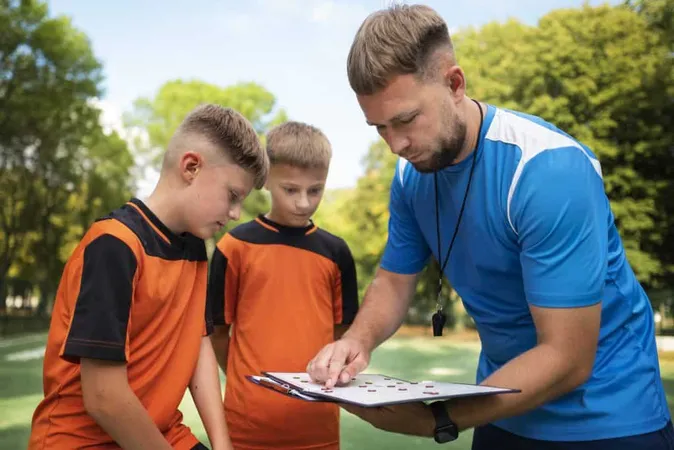
SafeSport is a comprehensive initiative aimed at addressing and preventing abuse in athletic environments. Developed by the U.S. Center for SafeSport, this program seeks to protect athletes by promoting education, awareness, and accountability.
The program focuses on:
- Preventing various forms of abuse, including physical, emotional, and sexual misconduct.
- Enabling individuals to recognize and report inappropriate behavior.
- Creating a culture of respect and integrity in sports.
SafeSport training is mandatory for organizations affiliated with the U.S. Olympic and Paralympic Movements and is widely adopted by other sports associations. The certification ensures that participants are equipped with the knowledge and tools to build a safe athletic environment.
How to Take SafeSport Training
Taking SafeSport training is an essential step for individuals in sports organizations. The training modules are designed to educate participants on recognizing and addressing misconduct effectively.
Here’s how you can take the training:
- Log into the Training Portal: Access the training through the official SafeSport website or a link provided by your organization.
- Select the Appropriate Course: Depending on your role (coach, athlete, parent, or administrator), the courses vary in content to address specific responsibilities.
- Complete the Modules: Engage with the interactive content, which includes real-life scenarios, videos, and quizzes to enhance understanding.
- Finish the Test: After completing the modules, a certification test will evaluate your comprehension of the training material.
SafeSport training emphasizes the importance of vigilance, ethical behavior, and reporting mechanisms to ensure athlete safety.
SafeSport Reporting
A core component of the SafeSport initiative is its strong reporting mechanism, designed to address misconduct promptly and effectively.
- Recognize Signs of Misconduct: Look for indicators such as boundary violations, inappropriate comments, or signs of physical harm.
- Document the Incident: Keep detailed notes, including dates, times, and any witnesses. This information is critical for investigations.
- File a Report: Submit your report through the SafeSport reporting page, your organization’s reporting portal, or directly with law enforcement if required.
Reports can be made anonymously, but providing your contact information helps help the investigation. For detailed guidance on reporting, visit the Safesport Reporting Page
- Investigations are conducted confidentially by trained professionals.
- Appropriate action is taken to protect the victim and prevent further harm.
Reporting plays a vital role in creating accountability and ensuring a safe environment for athletes.
SafeSport Training Test
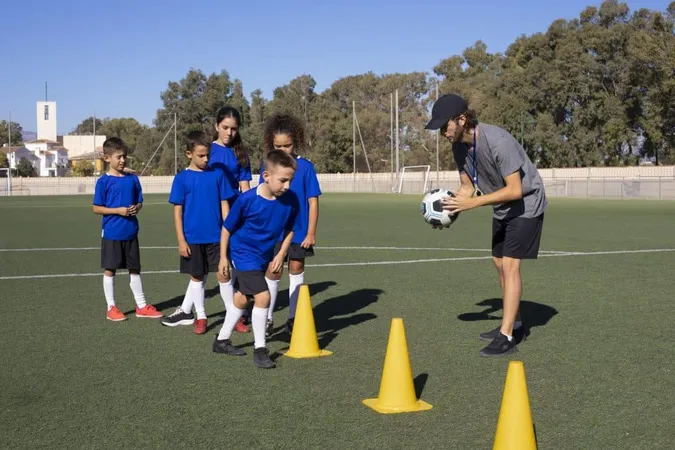
The SafeSport training test is a crucial step in earning your certification. It evaluates your understanding of abuse prevention, reporting protocols, and ethical responsibilities in sports.
- Identification of different types of abuse (physical, emotional, and sexual).
- Strategies for bystander intervention.
- Mandatory reporting obligations and procedures.
- Review Training Content: Pay close attention during the training modules. Take notes to reinforce key concepts.
- Practice Scenario-Based Questions: Understand how to apply the training in real-life situations.
- Focus on Understanding: The test isn’t timed, so take your time to answer accurately.
Upon passing, you’ll receive a certification valid for one year, signifying your commitment to athlete safety and ethical conduct.
Conclusion
SafeSport Certification is more than just a requirement; it’s a commitment to creating a safe and respectful environment in sports. By completing the training and certification process, individuals gain the tools and knowledge necessary to protect athletes, uphold ethical standards, and respond appropriately to misconduct.
With annual updates and continued education, SafeSport ensures that sports organizations prioritize the safety and well-being of all participants. Whether you’re taking the training for the first time or renewing your certification, embracing SafeSport principles builds trust, respect, and accountability in the athletic community.
FAQs
SafeSport Certification is required for individuals involved in youth and professional sports, including coaches, volunteers, officials, and administrators.
The core training course takes approximately 90 minutes, while refresher courses may take less time.
Some organizations provide free access codes for their members. Otherwise, there may be a nominal fee.
Certification must be renewed annually through a refresher course.
Yes, SafeSport offers age-appropriate modules for young athletes to educate them about boundaries and safety.
SafeSport: Pros and Cons
- +SafeSport certification validates expertise recognized by employers nationwide
- +Certified professionals typically earn 15-20% higher salaries
- +Opens doors to advanced positions and leadership roles
- +Demonstrates commitment to professional standards and ethics
- +Builds a strong professional network through certification communities
- −Exam preparation typically requires 2-4 months of dedicated study
- −Certification and exam fees can range from $150-$500+
- −Must complete continuing education to maintain active certification
- −Pass rates vary — thorough preparation is essential for success
- −Some certifications require prerequisite experience or education
Pros and Cons at a Glance
| Pros | Cons |
|---|---|
| SafeSport certification validates expertise recognized by employers nationwide | Must complete continuing education to maintain active certification |
| Opens doors to advanced positions and leadership roles | Pass rates vary — thorough preparation is essential for success |
| Demonstrates commitment to professional standards and ethics | Some certifications require prerequisite experience or education |
Sample Certified SafeSport Training Certification Practice Questions
Try these questions from our free Certified SafeSport Training Certification practice tests. The correct answer and an explanation follow each question.
Which of the following is the BEST example of a safe sport environment regarding equipment?
- A. Allowing athletes to use personal equipment without inspection
- B. Checking equipment at the start of each season only
- C. Conducting regular equipment inspections and replacing damaged gear promptly
- D. Letting athletes decide if their own equipment is safe
Answer: C. Conducting regular equipment inspections and replacing damaged gear promptly
Regular equipment inspections and prompt replacement of damaged gear are essential practices for preventing sport-related injuries.
During a strength training session, a coach repeatedly singles out one athlete for excessive criticism, calling them 'worthless' and 'an embarrassment to the team.' This behavior is best classified as:
- A. Strict coaching that builds mental toughness
- B. Emotional and psychological misconduct
- C. An acceptable motivational technique
- D. Constructive criticism within coaching norms
Answer: B. Emotional and psychological misconduct
Repeated demeaning language directed at an athlete constitutes emotional and psychological misconduct under SafeSport's definitions.
If a Covered Adult begins a new volunteer position mid-year, by when must they complete their initial SafeSport Core training?
- A. Within 6 months of starting
- B. Before their first interaction with minor athletes
- C. Within 90 days of their start date
- D. By the end of the current calendar year
Answer: B. Before their first interaction with minor athletes
Covered Adults must complete SafeSport Core training before they first interact with minor athletes to ensure protection from day one.
Which organization sets and enforces workplace safety standards in the United States?
- A. OSHA (Occupational Safety and Health Administration)
- B. EPA (Environmental Protection Agency)
- C. FDA (Food and Drug Administration)
- D. FTC (Federal Trade Commission)
Answer: A. OSHA (Occupational Safety and Health Administration)
OSHA is the federal agency responsible for setting and enforcing workplace safety and health standards.
Take the full Certified SafeSport Training Certification practice test
(SafeSport) Certified SafeSport Training Certification Questions and Answers
Sources & last verified
- U.S. Center for SafeSport — time limit, delivery, other (official source). “ESTIMATED TIME: 90 MINUTES” Verified Nov 1, 2026.
- U.S. Center for SafeSport — exam fee, retake policy, validity (official source). “The cost of an individual 90-minute SafeSport® Trained Core course is $20/person.” Verified Oct 25, 2026.
How we verify: editorial & fact-checking policy. Report an error: contact us.
How this page was made: written with AI tools and published by Nathan Beja, founder of Practice Test Geeks, who is responsible for its content. Exam facts are checked against the official sources listed below. Not reviewed by a subject-matter expert. Editorial policy
Sources & references
Exam facts on this page (fees, format, dates, passing scores) are checked against these official sources; the date is our last check. Editorial policy
- uscenterforsafesport.org — Fees, retake policy, score validity, test delivery, time limit · verified Oct 2026