
What Does an RPN Do? Roles, Responsibilities, and Daily Duties 2026 September
What does a RPN do daily? Explore clinical duties, patient care responsibilities, and career scope for Registered Practical Nurses. ✅

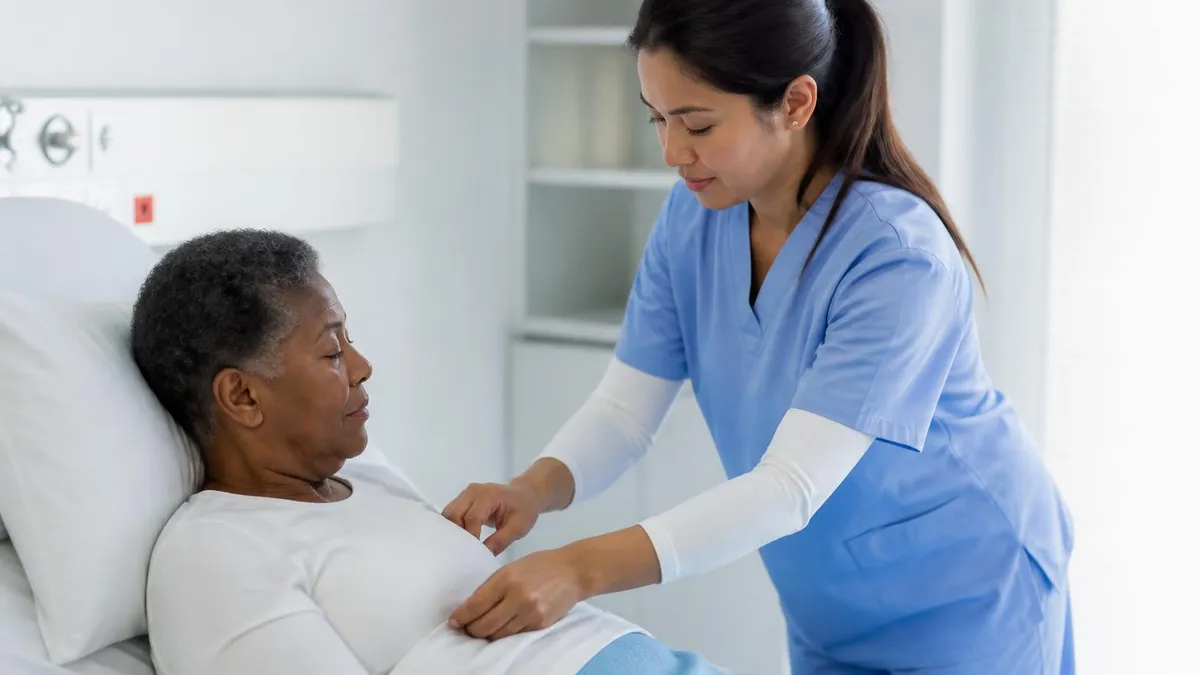
If you have ever wondered what does a RPN do on a daily basis, the answer is both broad and deeply rewarding. A Registered Practical Nurse (RPN) is a licensed healthcare professional who provides direct patient care under the general supervision of Registered Nurses (RNs) or physicians. RPNs perform clinical assessments, administer medications, change wound dressings, monitor vital signs, and collaborate with interdisciplinary teams to ensure patients receive safe, compassionate care across a wide range of healthcare settings throughout the United States.
RPNs work in hospitals, long-term care facilities, rehabilitation centers, outpatient clinics, schools, and community health organizations. Their scope of practice is defined by state nursing boards and varies somewhat by jurisdiction, but the core responsibilities remain consistent: assess patient needs, implement care plans, document clinical findings, and communicate effectively with the broader care team. This flexibility makes the RPN credential one of the most versatile entry points into the nursing profession for those committed to hands-on patient care.
The role of an RPN differs meaningfully from that of a Registered Nurse (RN) in terms of education length and supervisory responsibilities, yet RPNs are indispensable members of the healthcare workforce. They are frequently the first point of contact for patients in long-term care settings, managing everything from routine medication passes to complex wound care and early deterioration monitoring. Understanding what does an rpn do versus other nursing designations helps prospective nurses choose the right career path.
One of the most important aspects of the RPN role is patient education. RPNs spend considerable time explaining diagnoses, medication side effects, dietary restrictions, and discharge instructions to patients and their families. Effective patient education reduces hospital readmissions, improves medication adherence, and empowers individuals to manage their own health. This communication-intensive dimension of the job requires strong interpersonal skills alongside solid clinical knowledge.
RPNs also play a significant role in mental health and psychiatric nursing. They support patients experiencing anxiety, depression, substance use disorders, and acute psychiatric crises. Whether conducting intake assessments, administering psychiatric medications, or facilitating group therapy sessions under RN or physician supervision, RPNs in behavioral health settings contribute directly to patient recovery and long-term stability.
Chronic illness management is another cornerstone of RPN practice. Millions of Americans live with diabetes, heart disease, COPD, and other long-term conditions that require consistent monitoring and nursing intervention. RPNs in medical-surgical wards, outpatient clinics, and home health agencies track lab values, adjust care plans in collaboration with physicians, and provide the continuity of care that helps patients avoid preventable complications and emergency department visits.
For students preparing for licensure or advancing in their nursing careers, understanding the full scope of RPN duties is essential. The NCLEX-PN examination tests candidates on all of these competencies, from pharmacology and infection control to psychosocial integrity and health promotion. Building a clear picture of daily RPN responsibilities not only motivates exam preparation but also builds the clinical reasoning skills needed to pass the exam and thrive in practice.
RPN Career by the Numbers

Core Clinical Duties of an RPN
RPNs collect baseline data including vital signs, pain levels, skin integrity, and mental status. They identify changes in patient condition and report findings to supervising RNs or physicians promptly, serving as the clinical safety net for early deterioration detection.
RPNs prepare and administer oral, topical, subcutaneous, and intramuscular medications. They verify the five rights of medication administration, monitor for adverse reactions, and document all medication activities accurately in the electronic health record.
From simple dressing changes to complex wound irrigation, RPNs perform a wide range of clinical procedures. They insert urinary catheters, collect specimens, perform nasogastric tube care, and assist with minor surgical procedures under appropriate supervision.
RPNs educate patients and families on disease management, medication use, dietary changes, and home care techniques. Clear, culturally sensitive instruction improves health outcomes and reduces preventable readmissions across all care settings.
Working alongside RNs, physicians, social workers, and therapists, RPNs contribute to and implement individualized care plans. They attend interdisciplinary team meetings, communicate patient progress, and advocate for patient needs within the healthcare team.
Understanding where RPNs work is just as important as knowing what they do. The majority of RPNs in the United States are employed in long-term care and skilled nursing facilities, where they often serve as charge nurses responsible for an entire unit's medication administration, resident assessments, and staff supervision. This leadership dimension surprises many new graduates who expect to spend all their time at the bedside rather than coordinating care for dozens of residents simultaneously.
Hospital settings offer RPNs a different kind of clinical intensity. In medical-surgical units, RPNs manage post-operative patients, administer IV push medications where scope of practice allows, perform catheter care, and monitor patients recovering from procedures. Emergency departments in some states employ RPNs in triage roles, where rapid assessment skills and calm under pressure are critical. The fast-paced hospital environment demands both clinical precision and exceptional time management.
Outpatient and ambulatory care settings have become increasingly important workplaces for RPNs. In physician offices, urgent care centers, and specialty clinics, RPNs take patient histories, perform phlebotomy, administer vaccines, and provide post-visit education. These roles often follow a more predictable schedule than inpatient settings, making them attractive for RPNs seeking better work-life balance without sacrificing clinical engagement.
Home health is a growing sector where RPNs are making a significant impact. Visiting patients in their homes allows RPNs to assess living conditions, identify fall hazards, evaluate medication adherence, and provide wound care or chronic disease management in the environment where patients spend the majority of their lives. This independence requires strong clinical judgment and the ability to function with minimal immediate supervision.
Schools and correctional facilities also employ RPNs in meaningful numbers. School nurses manage everything from allergic reactions and medication administration for students with chronic conditions to mental health triage and health education programs. In correctional settings, RPNs provide acute sick call services, manage chronic disease populations, and navigate the unique ethical challenges of healthcare in a controlled environment.
Rehabilitation hospitals and subacute units represent another growth area for RPN employment. Patients recovering from strokes, orthopedic surgeries, brain injuries, and cardiac events require consistent nursing monitoring and encouragement as they regain function. RPNs in these settings track functional progress, administer rehabilitation medications, communicate with physical and occupational therapists, and support patients through what is often a long and emotionally demanding recovery process.
Community health centers and federally qualified health centers (FQHCs) employ RPNs to serve underserved populations. In these settings, the RPN role expands to include health screenings, preventive care education, and navigation assistance helping patients access social services and specialty referrals. The breadth of experience available across all these settings makes the RPN credential an excellent foundation for a diverse and meaningful nursing career.
RPN Specializations and Focus Areas
RPNs working in psychiatric and behavioral health settings provide direct care to patients experiencing depression, bipolar disorder, schizophrenia, anxiety disorders, and substance use conditions. They conduct mental status examinations, administer psychiatric medications including antipsychotics and mood stabilizers, monitor for side effects such as extrapyramidal symptoms, and facilitate therapeutic communication that helps patients feel heard and supported during vulnerable moments in their care.
In inpatient psychiatric units, RPNs also play a critical de-escalation role, using verbal techniques and trauma-informed approaches to manage agitation before it escalates to a crisis. They document behavioral changes, participate in treatment planning conferences, and collaborate with psychiatrists and social workers to coordinate community follow-up after discharge. Mental health nursing requires not only pharmacological knowledge but also strong emotional intelligence and the ability to build trust quickly with patients who may be resistant to care.
Pros and Cons of Becoming an RPN
- +Shorter training time than RN — most programs complete in 12 to 18 months
- +Strong job demand with over 700,000 active positions across the United States
- +Direct hands-on patient care from the very first day of practice
- +Diverse work settings including hospitals, homes, schools, and clinics
- +Clear pathway to advance to RN through LPN-to-RN bridge programs
- +Rewarding relationships with patients, especially in long-term care environments
- −Scope of practice is more limited than RN in most states, restricting some procedures
- −Lower median salary compared to Registered Nurses with similar years of experience
- −Supervision requirements can feel restrictive for experienced practitioners
- −Physical demands — long shifts and frequent lifting increase injury risk
- −Career advancement typically requires additional education and NCLEX-RN passage
- −Some hospital systems have reduced RPN hiring in favor of all-RN staffing models
Daily Responsibilities Every RPN Should Master
- ✓Perform and document head-to-toe assessments at the start of every shift
- ✓Verify medication orders using the five rights before every administration
- ✓Report changes in patient condition to the supervising RN or provider immediately
- ✓Maintain accurate and timely documentation in the electronic health record
- ✓Educate patients and families about medications, procedures, and discharge plans
- ✓Implement and update individualized care plans in collaboration with the care team
- ✓Apply evidence-based infection control practices including proper hand hygiene
- ✓Monitor and document intake, output, and vital signs at prescribed intervals
- ✓Perform wound assessments and dressing changes using sterile technique as required
- ✓Participate in shift handoff reports to ensure safe continuity of patient care
RPNs Are the Backbone of Long-Term Care in America
More than 40% of all RPNs in the United States work in nursing and residential care facilities, making long-term care the single most important employment sector for this credential. As the U.S. population ages and demand for skilled nursing care grows, RPNs who develop expertise in geriatrics, chronic disease management, and palliative care will enjoy the strongest job security and fastest career advancement opportunities in the field.
Becoming an RPN requires completing an accredited practical nursing program, which typically takes between 12 and 18 months at a community college, vocational school, or hospital-based training center. These programs combine classroom instruction in anatomy, pharmacology, nutrition, and nursing theory with hands-on clinical rotations in hospitals, long-term care facilities, and community health settings. The intensity of the curriculum is designed to produce graduates who are clinically competent from day one of licensure.
After completing the program, graduates must pass the National Council Licensure Examination for Practical Nurses, commonly known as the NCLEX-PN. This computerized adaptive test evaluates candidates across eight content domains: safe and effective care environment, health promotion and maintenance, psychosocial integrity, physiological integrity, pharmacological therapies, reduction of risk potential, physiological adaptation, and basic care and comfort. The exam adjusts its difficulty in real time based on candidate responses, ending when competency has been demonstrated or refuted within statistical certainty.
The NCLEX-PN uses Next Generation NCLEX (NGN) item types introduced in 2023, including clinical judgment measurement model questions, case studies, matrix questions, and bow-tie items. These new formats require candidates to demonstrate not just knowledge recall but genuine clinical reasoning — the ability to recognize deterioration, generate hypotheses about a patient's condition, prioritize interventions, and evaluate outcomes. Traditional multiple-choice memorization strategies alone are no longer sufficient for NCLEX-PN success.
Licensure requirements beyond the NCLEX vary by state. Most states require a criminal background check, proof of health immunizations, and a completed application with associated fees ranging from $50 to $200. Some states participate in the Nurse Licensure Compact (NLC), which allows RPNs to hold a multistate license and practice across member states without obtaining additional licenses — a significant advantage for nurses willing to travel for work or living near state borders.
Continuing education is required to maintain RPN licensure in most states. Renewal cycles typically occur every one to two years and require between 12 and 30 continuing education hours depending on the state. Many of these hours must address specific topics such as medication errors, infection control, cultural competency, or patient safety. Employers often subsidize continuing education as part of the benefits package, recognizing that ongoing learning directly improves patient outcomes.
For RPNs who wish to advance their careers, the most common pathway is completing an LPN-to-RN bridge program. These accelerated programs, available at community colleges and universities, credit prior RPN education and clinical experience, allowing students to earn an Associate Degree in Nursing (ADN) or Bachelor of Science in Nursing (BSN) in significantly less time than a traditional nursing student. After graduation, bridge program completers must pass the NCLEX-RN to obtain RN licensure and access expanded scope of practice and higher salaries.
Some RPNs choose to pursue specialty certifications rather than advancing to RN. The National Association of Practical Nurse Education and Service (NAPNES) and the American Association of Licensed Practical Nurses (AALPN) offer specialty certifications in areas including long-term care, IV therapy, and pharmacology. These credentials signal advanced competency to employers and can result in higher hourly wages and expanded clinical responsibilities within the RPN scope of practice.

Your ATT (Authorization to Test) for the NCLEX-PN is valid for only 60 to 365 days depending on your state board — if you do not schedule and sit for the exam within that window, you must reapply and pay fees again. Additionally, many states require that you submit your licensure application before your program graduation date is officially recorded, so verify your state board's timeline requirements at least two months before completing your practical nursing program.
The salary and career outlook for RPNs in the United States reflects both the essential nature of the role and the ongoing demand for healthcare workers across all sectors. According to the U.S. Bureau of Labor Statistics, the median annual wage for licensed practical and licensed vocational nurses was approximately $54,000 as of 2023, with the top 10 percent of earners exceeding $70,000 annually. Geographic location, work setting, years of experience, and specialty certifications all influence where an individual RPN falls within that range.
States with the highest median RPN salaries include California, Massachusetts, Alaska, Nevada, and Washington, where a combination of high cost of living adjustments, strong union representation, and competitive healthcare markets drives wages upward. In contrast, RPNs in rural areas of the Southeast and Midwest may earn significantly less, though the lower cost of living in those regions partially offsets the wage differential. Travel RPNs who accept short-term contract assignments in high-demand areas can earn substantially more than staff employees, often exceeding $70,000 to $80,000 in total annual compensation.
Employment growth for RPNs and LPNs is projected at approximately 5 percent through 2032, which outpaces many other occupations and reflects the aging U.S. population and expanding need for long-term care services. The Bureau of Labor Statistics projects the addition of roughly 54,000 new RPN positions over that decade, with the largest growth in home health and community care settings as healthcare systems continue to shift care from expensive inpatient facilities to lower-cost community environments.
Beyond base salary, RPNs employed full-time by hospitals and large healthcare systems typically receive comprehensive benefits packages including health, dental, and vision insurance, employer-matched retirement contributions, paid time off, and tuition reimbursement for continuing education or bridge program enrollment. These benefits add substantial value to the total compensation package and should be weighed carefully when comparing job offers across different employers and settings.
Career advancement for RPNs is genuinely attainable without obtaining additional degrees. Experienced RPNs frequently move into charge nurse or unit coordinator roles, where they oversee staffing, manage supply inventories, mentor newer nurses, and serve as the first clinical escalation point for nursing assistants. These roles carry additional compensation and prepare RPNs for further leadership if they choose to pursue RN licensure or nursing management education.
RPNs who develop expertise in wound care, IV therapy, or infection control can also transition into staff education roles, training new employees and maintaining clinical competency programs for their units. This educator pathway leverages deep clinical experience without requiring a return to school, though many clinical educators eventually pursue additional credentials to formalize their teaching role and increase their earning potential within healthcare organizations.
The long-term career trajectory for RPNs who continue their education is genuinely exciting. RPN-to-RN bridge programs open the door to clinical specializations, management, advanced practice, and even nurse practitioner roles with further graduate education. The RPN credential is not a ceiling — it is a foundation that, combined with strong clinical skills and a commitment to lifelong learning, can support a decades-long career in one of the most in-demand professions in the United States healthcare system.
Preparing effectively for the NCLEX-PN requires a structured, multi-month study plan that covers all eight content domains while giving extra attention to your weakest areas. Most successful candidates begin dedicated exam preparation at least eight to twelve weeks before their scheduled test date, committing to a consistent daily study routine of two to four hours. The most effective preparation combines content review with large volumes of practice questions that mimic the adaptive difficulty and clinical judgment format of the actual NCLEX-PN examination.
Content review should begin with the highest-weighted domains on the NCLEX-PN blueprint. Pharmacological therapies and reduction of risk potential together account for a significant portion of exam questions and are areas where many candidates feel least prepared coming out of practical nursing programs. Invest extra time reviewing drug classifications, expected versus adverse effects, client education priorities, and the nursing interventions associated with high-alert medications such as anticoagulants, insulin, and opioids.
Clinical judgment questions on the Next Generation NCLEX format require a new way of thinking about nursing practice. Rather than simply recalling a fact, you must demonstrate a full cycle of clinical reasoning: recognize and analyze cues, prioritize hypotheses, generate solutions, take action, and evaluate outcomes. Practice with NGN-format questions — including case studies and bow-tie items — should make up at least 30 to 40 percent of your question practice time in the final weeks before your exam.
Time management during the actual exam is a skill that must be deliberately practiced. The NCLEX-PN can present between 85 and 150 questions, with a maximum time of five hours. Candidates who have not practiced pacing themselves under timed conditions often find themselves rushing through later questions or spending disproportionate time on complex NGN case studies. Aim to practice full-length timed sessions to build the stamina and pacing awareness needed for test day success.
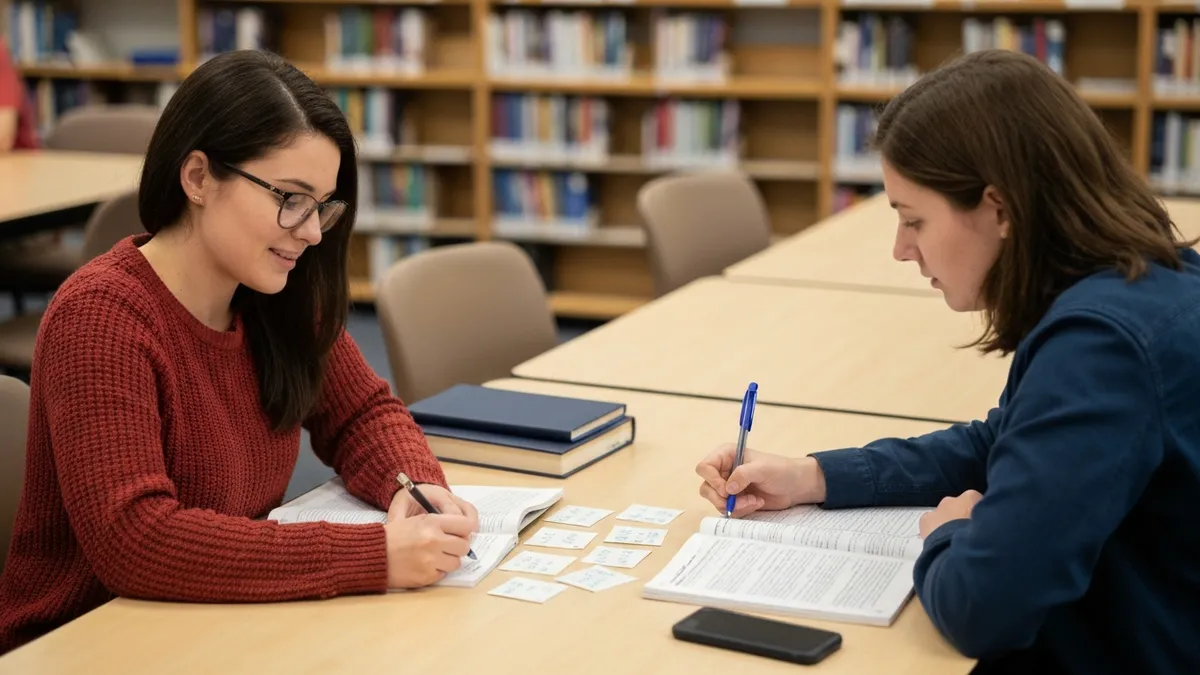
Peer study groups can be a powerful supplement to solo preparation, particularly for processing complex clinical scenarios and talking through the rationale behind correct and incorrect answer choices. Teaching a concept to a peer is one of the most effective ways to identify gaps in your own understanding. Online nursing student communities and local study groups organized through your practical nursing program are excellent ways to find motivated peers at a similar stage of preparation.
In the days immediately before your exam, resist the urge to cram new content. Instead, review your notes on the topics where you have historically scored lowest on practice exams, get at least seven to eight hours of sleep each night, and prepare everything you need for test day — your ATT, acceptable identification, and directions to the testing center — well in advance. Arriving at the Pearson VUE testing center calm, rested, and prepared is the single most important thing you can do to maximize your performance on NCLEX-PN day.
After licensure, your learning journey as an RPN is just beginning. The most effective nurses approach every shift as an educational opportunity, seeking feedback from supervising RNs, asking physicians about clinical decision-making rationale, and staying current with evidence-based practice guidelines in their specialty area. A commitment to continuous learning separates good RPNs from exceptional ones and positions you for a long, fulfilling career making a real difference in the lives of patients and families who depend on skilled, compassionate nursing care every single day.
RPN Questions and Answers



About the Author

Educational Psychologist & Academic Test Preparation Expert
Columbia University Teachers CollegeDr. Lisa Patel holds a Doctorate in Education from Columbia University Teachers College and has spent 17 years researching standardized test design and academic assessment. She has developed preparation programs for SAT, ACT, GRE, LSAT, UCAT, and numerous professional licensing exams, helping students of all backgrounds achieve their target scores.
Join the Discussion
Connect with other students preparing for this exam. Share tips, ask questions, and get advice from people who have been there.
View discussion (8 replies)