

RBS Practice Test
Updated for September 2026In the hospitality and nightlife industry, safety and responsible alcohol service are paramount. Responsible Beverage Service (RBS) Certified Bouncers play a crucial role in maintaining order, enforcing legal regulations, and ensuring patrons enjoy a safe environment. This certification equips bouncers with the knowledge and skills necessary to handle challenging situations, identify intoxicated individuals, and prevent alcohol-related incidents.
This practical guide explores what it means to be an RBS Certified Bouncer, how to become certified, the typical job description, salary expectations, and exam costs. For those seeking a career in security within venues that serve alcohol, earning this certification is an essential step toward professionalism and success.
Transportation and hospitality candidates can prepare with our Smart Serve alcohol server test 2026, covering the regulations, safety rules, and legal standards tested in the official exam.
RBS Practice Test Questions
Prepare for the RBS - Responsible Beverage Service Certified Bouncer exam with our free practice test modules. Each quiz covers key topics to help you pass on your first try.
RBS Conflict Resolution & De-escalation Te...
RBS Exam Questions covering Conflict Resolution & De-escalation Techniques. Master RBS Test concepts for certification prep.
RBS Cooking Methods & Techniques
Free RBS Practice Test featuring Cooking Methods & Techniques. Improve your RBS Exam score with mock test prep.
RBS Crowd Control & Venue Security
RBS Mock Exam on Crowd Control & Venue Security. RBS Study Guide questions to pass on your first try.
RBS Emergency Response & Safety Procedures
RBS Test Prep for Emergency Response & Safety Procedures. Practice RBS Quiz questions and boost your score.
RBS Food Safety & Sanitation
RBS Questions and Answers on Food Safety & Sanitation. Free RBS practice for exam readiness.
RBS Kitchen Management & Operations
RBS Mock Test covering Kitchen Management & Operations. Online RBS Test practice with instant feedback.
RBS Legal Requirements & Compliance
Free RBS Quiz on Legal Requirements & Compliance. RBS Exam prep questions with detailed explanations.
RBS Menu Planning & Nutrition
RBS Practice Questions for Menu Planning & Nutrition. Build confidence for your RBS certification exam.
Key Takeaways
Free RBS Practice Test Online
Responsible Beverage Service Certified Bouncers ensure safe alcohol service and enforce related laws.
Certification requires completing approved training, passing an exam, and meeting state-specific criteria.
Job duties focus on ID checks, intoxication monitoring, crowd control, and conflict management.
Salaries vary but certification generally improves earning potential.
Certification costs range from $50 to $200, including training and application fees.
What is Responsible Beverage Service Certified Bouncer?
A Responsible Beverage Service Certified Bouncer is a security professional trained and certified to enforce alcohol service laws responsibly and effectively. This certification emphasizes:
Knowledge of state and local alcohol laws and regulations.
Techniques for identifying intoxicated or underage patrons.
Conflict resolution and de-escalation strategies.
Legal responsibilities and liabilities related to alcohol service.
Best practices for maintaining a safe, controlled environment in bars, clubs, and events.
This certification helps bouncers perform their duties while minimizing legal risks for themselves and their employers.
RBS Study Tips
What's the best study strategy for RBS?
Focus on weak areas first. Use practice tests to identify gaps, then study those topics intensively.
How far in advance should I start studying?
Most successful candidates begin 4-8 weeks before the exam. Create a structured study schedule.
Should I retake practice tests?
Yes! Take each practice test 2-3 times. Focus on understanding why answers are correct, not memorizing.
What should I do on exam day?
Arrive 30 min early, bring required ID, read questions carefully, flag difficult ones, and review before submitting.

How to Become a Responsible Beverage Service Certified Bouncer
The pathway to becoming an RBS Certified Bouncer generally involves these steps:
Meet Basic Requirements: Usually, candidates must be at least 18 years old and have a clean criminal record.
Enroll in an RBS Training Program: Choose a state-approved course covering alcohol laws, responsible service, and security protocols.
Complete Training: Participate in classroom or online sessions that provide both theoretical and practical knowledge.
Pass the Certification Exam: Demonstrate understanding of RBS principles through a written or online test.
Apply for Certification: Submit required documents and pay any applicable fees.
Maintain Certification: Some states require periodic renewal through continuing education.
Certification requirements and course availability vary by state, so candidates should consult local regulations.
Job Description for Responsible Beverage Service Certified Bouncers
RBS Certified Bouncers are responsible for enforcing venue policies and legal requirements related to alcohol service. Their duties often include:
Checking IDs to prevent underage drinking.
Monitoring patrons for signs of intoxication.
Managing crowd control and preventing disorderly conduct.
Intervening in conflicts and removing disruptive individuals.
Collaborating with law enforcement when necessary.
Ensuring compliance with fire and safety regulations.
These professionals work primarily in bars, nightclubs, concert venues, and special events.
Salary for Responsible Beverage Service Certified Bouncers
Salaries for RBS Certified Bouncers vary based on location, experience, and venue type. Key salary insights include:
Entry-level bouncers typically earn between $25,000 and $35,000 annually.
Experienced or supervisory bouncers can earn $35,000 to $45,000 or more.
Hourly wages generally range from $12 to $20, with potential for overtime pay.
Some venues offer bonuses or higher rates for late-night or high-risk shifts.
Certification often leads to better pay and improved job stability.

Exam Cost for Responsible Beverage Service Certified Bouncers
The costs associated with becoming an RBS Certified Bouncer usually include:
Training Fees: Courses typically cost between $50 and $150, depending on provider and state.
Exam Fees: Often included in training costs but sometimes charged separately.
Certification Application: Some states require a processing fee ranging from $20 to $50.
Renewal Fees: Periodic certification renewal may involve additional fees and refresher courses.
Candidates should verify fees with their local training providers and licensing authorities.

Conclusion
Becoming a Responsible Beverage Service Certified Bouncer is a practical and valuable step for individuals pursuing security roles in alcohol-serving venues. This certification equips professionals with essential legal knowledge and conflict resolution skills to maintain safe environments and protect patrons.
As alcohol-related regulations tighten and venues prioritize safety, certified bouncers are in demand for their expertise and professionalism. By following the outlined steps to certification, aspiring security personnel can build rewarding careers with strong credentials and growth potential.
- +Validates your knowledge and skills objectively
- +Increases job market competitiveness
- +Provides structured learning goals
- +Networking opportunities with other certified professionals
- −Study materials can be expensive
- −Exam anxiety can affect performance
- −Requires dedicated preparation time
- −Retake fees apply if you don't pass
(RBS) Responsible Beverage Service Certified Bouncer Questions and Answers
About the Author
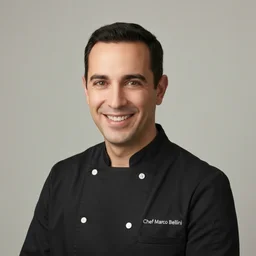
Executive Chef & Culinary Arts Certification Educator
Culinary Institute of AmericaChef Marco Bellini is a Certified Executive Chef and graduate of the Culinary Institute of America with over 20 years of professional kitchen experience in Michelin-recognized restaurants. He teaches culinary arts certification, food safety, and hospitality exam preparation, having guided thousands of culinary students through their ServSafe, ProStart, and professional chef certifications.