
RCMP Training Academy: Complete Guide to Depot Division and What to Expect
Everything about the RCMP Training Academy — Depot Division program, physical standards, curriculum, and tips to succeed. 🎯 Start preparing today.

The rcmp training academy, officially known as Depot Division, is the sole training facility for all regular members of the Royal Canadian Mounted Police. Located in Regina, Saskatchewan, Depot has shaped every RCMP officer since 1885, making it one of the oldest police academies in North America. Recruits from across Canada and internationally arrive here to complete a rigorous six-month residential program before earning the right to wear the iconic red serge and serve the public as fully commissioned officers.
Understanding what happens inside Depot Division is essential if you are serious about an RCMP career. The academy is not a passive classroom experience — it is a total-immersion environment where every hour of every day is structured around building the physical fitness, mental resilience, legal knowledge, and interpersonal skills required to serve in one of the world's most respected police forces. Recruits live on-site for the entire duration of the program, cutting them off from their normal routines and placing them in a high-accountability community designed to replicate the demands of actual policing.
The training program covers an enormous breadth of subject matter in a compressed timeframe. Recruits study Canadian criminal law, the Charter of Rights and Freedoms, investigative techniques, firearms handling, defensive tactics, driver training, first aid, and community policing principles. Alongside academic work, daily physical training sessions push recruits toward strict fitness benchmarks they must meet before graduation. The sheer volume of learning material means that candidates who arrive well-prepared have a significant advantage over those who treat preparation as optional.
Depot Division accepts candidates who have already cleared the RCMP's multi-stage selection process, which includes written aptitude tests, a physical ability requirement evaluation, a polygraph examination, background checks, and a medical assessment. Only candidates who pass every stage of that process are offered a spot at Depot. Competition is fierce, and the academy's acceptance numbers fluctuate with federal hiring cycles, but the RCMP has consistently sought to grow its ranks in recent years, opening more Depot troop slots to meet national demand.
The social structure at Depot is built around the troop system. Each intake of roughly 32 recruits forms a troop and progresses through the program together. Troops are assigned a troop sergeant who serves as mentor, evaluator, and disciplinarian throughout training. Camaraderie within a troop becomes one of the defining features of the Depot experience — recruits rely on each other for morale support, study assistance, and physical encouragement. The bonds forged during six months of shared hardship frequently last an entire career.
Recruits who fail to meet performance standards at any point during training may be placed on a remedial plan, transferred to a later troop, or in serious cases released from the program entirely. The washout rate at Depot is not publicly reported in precise figures, but attrition does occur, particularly in the areas of physical fitness, legal knowledge, and behavioral conduct. Understanding where candidates most commonly struggle allows you to prioritize your pre-academy preparation and walk through Depot's doors with confidence rather than anxiety.
This guide covers every major dimension of the RCMP Training Academy — the daily schedule, the academic curriculum, physical requirements, the troop system, what recruits are paid during training, and the practical steps you can take right now to maximize your chances of not just completing Depot but excelling there. Whether your start date is months away or you are still in the application pipeline, the information here will help you build a smart, structured preparation strategy.
RCMP Training Academy by the Numbers
How Depot Division Training Unfolds
Arrival & Orientation (Week 1)
Foundation Phase (Weeks 2–8)
Skills Development Phase (Weeks 9–16)
Integration Phase (Weeks 17–22)
Final Evaluations & Graduation (Weeks 23–24)
The academic curriculum at Depot Division is anchored in Canadian criminal law and the Charter of Rights and Freedoms. Recruits spend hundreds of hours learning the Criminal Code of Canada, the Youth Criminal Justice Act, the Controlled Drugs and Substances Act, and the specific provincial and territorial statutes they will encounter in the field. Every law is taught not just as a set of rules to memorize but as a framework for making lawful, defensible decisions in dynamic, high-pressure situations where a wrong choice can result in a violated rights claim or an inadmissible prosecution.
Report writing receives enormous emphasis throughout the six months at Depot. RCMP officers generate detailed written reports on virtually every interaction they have — from routine traffic stops to complex criminal investigations. Clear, accurate, legally defensible report writing is a skill that directly affects prosecutorial outcomes, and instructors hold recruits to exacting standards from the earliest weeks of training. Candidates who struggle with writing mechanics, grammar, or structured thinking in their own language will find this component particularly demanding and should invest heavily in writing practice before arrival.
Investigative techniques form another major academic pillar. Recruits learn how to attend scenes, preserve evidence, interview witnesses and suspects, take statements, and document findings in ways that satisfy the disclosure obligations Canadian law imposes on police. The investigative training draws on real case studies, including notorious RCMP investigations, to illustrate how procedural mistakes can derail prosecutions and how methodical, rights-respecting investigation builds prosecutorial strength. Students who come in with some familiarity with Canadian legal procedure find these classes significantly less overwhelming.
Mental health response has expanded substantially in the Depot curriculum over the last decade, reflecting the reality that a large proportion of calls for service involve individuals in mental health crisis. Recruits learn de-escalation communication, crisis intervention principles, and the legal frameworks governing apprehension of persons in psychiatric distress. This training is complemented by instruction in trauma-informed policing and victim services, ensuring that graduating officers understand both the legal dimensions and the human dimensions of every encounter they will face.
Indigenous cultural awareness and the history of the RCMP's relationship with Indigenous communities in Canada is woven throughout the Depot curriculum. Recruits receive dedicated instruction on the history of residential schools, treaty relationships, and the contemporary context of policing in Indigenous communities. The RCMP has committed to ongoing reconciliation efforts, and Depot reflects that institutional commitment by treating Indigenous awareness not as an elective module but as a foundational element of professional development every new officer must engage with seriously.
First aid and emergency medical response are taught to the level of Emergency Medical Responder, a designation that exceeds standard first aid certification. RCMP officers frequently arrive at scenes before paramedics, particularly in rural and remote postings, and must be capable of providing meaningful emergency care. Recruits practice CPR, hemorrhage control, airway management, and trauma response under simulated field conditions. Passing the emergency medical component requires both written examination success and demonstrated practical competence assessed by certified medical instructors on staff at Depot.
Community policing and ethics instruction rounds out the academic program. Recruits examine case studies in police ethics, explore the importance of procedural justice — treating every person with dignity and transparency regardless of the outcome — and engage with scenarios involving use of force continuum decisions. The ethical dimensions of policing are revisited repeatedly across multiple modules rather than confined to a single standalone course, reinforcing the idea that every operational decision carries an ethical dimension that a professional officer must be equipped to navigate thoughtfully and transparently.
Physical Training, Firearms, and Defensive Tactics at Depot
Physical fitness is assessed throughout the Depot program using the Physical Ability Requirement Evaluation, known as PARE. Recruits must complete the PARE — a standardized obstacle course combining running, jumping, and pushing and pulling tasks — within a set time while under stress. The final PARE assessment at graduation requires recruits to meet a stricter time standard than the entry-level requirement, meaning fitness must improve throughout the six months, not simply be maintained at entry level.
Daily physical training sessions occur before academic classes begin, often starting before 6:00 a.m. Sessions include cardiovascular running, circuit training, swimming, and sport activities designed to build endurance, strength, and team cohesion. Recruits who arrive at Depot already training at a high level find the early weeks manageable; those who arrive underprepared often struggle to keep pace with academics while simultaneously trying to close a fitness gap, making pre-arrival physical conditioning one of the most impactful investments any recruit can make.

Is the RCMP Training Academy Right for You?
- +Fully paid residential training — recruits earn approximately $670 per week throughout Depot
- +Training covers law, tactics, firearms, and emergency medicine — graduates are highly versatile officers
- +Strong troop community bonds provide lifelong professional and personal support network
- +Graduation opens doors to postings across every province, territory, and federal assignment
- +RCMP officers qualify for a defined-benefit pension after 25 years of service
- +Depot's national reputation means RCMP credentials are recognized and respected internationally
- −Six months of residential separation from family, friends, and existing employment or studies
- −Extremely demanding physical and academic workload with frequent high-stakes assessments
- −Recruits have no control over their first posting location, which could be anywhere in Canada
- −The application-to-training pipeline can take 12–24 months, requiring sustained commitment
- −Physical standards must be met throughout training — fitness injuries can delay or end a recruit's program
- −Post-graduation probationary period of two years means additional performance scrutiny continues after Depot
Pros and Cons at a Glance
| Pros | Cons |
|---|---|
| Training covers law, tactics, firearms, and emergency medicine — graduates are highly versatile officers | Six months of residential separation from family, friends, and existing employment or studies |
| Strong troop community bonds provide lifelong professional and personal support network | Extremely demanding physical and academic workload with frequent high-stakes assessments |
| Graduation opens doors to postings across every province, territory, and federal assignment | Recruits have no control over their first posting location, which could be anywhere in Canada |
| Depot's national reputation means RCMP credentials are recognized and respected internationally | Physical standards must be met throughout training — fitness injuries can delay or end a recruit's program |
RCMP Training Academy Preparation Checklist
- ✓Complete the PARE circuit in under 4 minutes 45 seconds before your application date
- ✓Study the Canadian Criminal Code sections most commonly tested on the RCMP written aptitude exam
- ✓Practice writing clear, structured police-style narrative reports on everyday scenarios
- ✓Build a swimming base — Depot includes aquatic fitness components that surprise unprepared recruits
- ✓Research Indigenous history in Canada and the RCMP's relationship with First Nations communities
- ✓Develop a consistent sleep and nutrition routine to support high daily cognitive and physical demands
- ✓Review the Canadian Charter of Rights and Freedoms, focusing on sections 7–10 and section 24
- ✓Practice mental arithmetic and logic puzzles to strengthen problem-solving speed under time pressure
- ✓Obtain or renew a valid first aid certificate to build familiarity with emergency response concepts
- ✓Connect with RCMP alumni or current officers through LinkedIn to gain first-hand Depot insights
Arrive Fit, Arrive Prepared — Depot Rewards Proactive Candidates
Depot instructors consistently report that recruits who struggle most are those who underestimated the concurrent demands of high-volume academic study and daily intense physical training. Candidates who arrive with strong fitness, solid legal knowledge, and practiced writing skills free up mental bandwidth to absorb the more complex material in the later phases of training — giving them a decisive edge in final assessments and graduation rankings.
Life at Depot Division is structured around the troop system, and understanding that system before you arrive will dramatically reduce the culture shock of your first weeks. Your troop of approximately 32 recruits becomes your primary community — the people you eat with, train with, study with, and sleep near for six months. Troop solidarity is not just encouraged; it is functionally required. Instructors deliberately design exercises where individual failure affects the whole troop, building the collective accountability mindset that policing demands when officers depend on their partners in dangerous situations.
Your troop sergeant is the central authority figure in your daily Depot life. This experienced officer sets expectations, monitors your progress across academic, physical, and behavioral dimensions, and makes the recommendations that influence your troop standing and ultimately your posting preferences at graduation. Building a strong professional relationship with your troop sergeant — through consistent effort, honest communication, and accountability for mistakes — pays dividends throughout training and reflects the supervisor-relationship skills you will need every day in the field.
The daily schedule at Depot begins early and ends late. Physical training typically occupies the pre-dawn hours before breakfast. Academic classes fill the morning and early afternoon, often with multiple subject blocks covering legal topics, investigative procedures, and professional development. Afternoons shift to practical skills — range sessions, defensive tactics mat work, scenario simulations, and driver training. Evenings are nominally personal time, but most recruits use them to study, review materials, and help troop-mates who are struggling with specific subjects. The pace leaves little room for procrastination or distraction.
Uniforms and equipment are issued on arrival, and maintaining them to an exacting standard is a non-negotiable aspect of Depot discipline. Boots must be polished to parade-ready condition, uniforms must be pressed and fitted correctly, and personal kit must be organized according to prescribed standards that are inspected regularly. While this emphasis on appearance and order can seem superficial to outside observers, it serves a deliberate purpose: establishing habits of precision, attention to detail, and professional pride that translate directly into the careful documentation standards and courtroom-ready presentation that RCMP officers must demonstrate throughout their careers.
Recruits at Depot are permitted limited leave during the six-month program. Weekend passes are occasionally granted to recruits in good standing, allowing brief visits home or to Regina's city center. Long-distance recruits often spend leave weekends together as a troop, further cementing the bonds that define the Depot experience. Cellphone and internet access are permitted but regulated, and recruits quickly discover that their attention is better invested in preparation and recovery than in scrolling social media during the limited downtime the schedule provides.
Mental health support resources are available at Depot, and the RCMP has invested significantly in expanding psychological services for recruits in recognition of the stressors the program creates. Recruits who are struggling emotionally or mentally are encouraged to seek support without stigma, a cultural shift from older policing traditions that equated help-seeking with weakness. The contemporary Depot environment acknowledges that psychological resilience is a trainable skill, not a fixed trait, and that investing in mental health during training produces more capable, durable officers over a full career span.
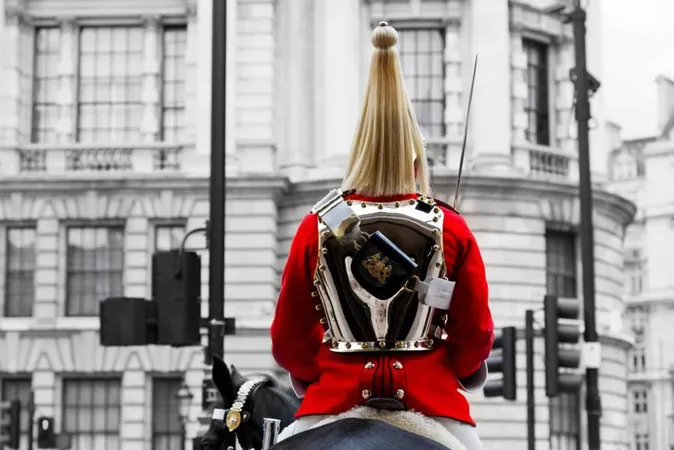
Graduation day at Depot is one of the most celebrated events in the RCMP's institutional calendar. Family members travel from across Canada and beyond to watch their loved ones parade in the iconic red serge for the first time. The Graduation Parade is held on the Depot parade square and includes the Musical Ride horses, creating a spectacle that connects every graduating troop to 139 years of RCMP history and tradition.
New officers receive their badge, take the oath of office, and depart within days for their first assigned posting — the beginning of a career that the six months at Depot have prepared them to pursue with competence, integrity, and pride.

The RCMP application process can take 12 to 24 months from initial submission to a Depot start date. Medical or polygraph setbacks can extend this timeline significantly. Do not resign from current employment or make major life changes based on an anticipated start date until you have received a confirmed Depot offer in writing from RCMP Human Resources.
After graduating from Depot Division, new RCMP constables enter a two-year probationary period during which their performance is formally evaluated by supervisors at their posting detachment. Probationary officers are assigned a field trainer — an experienced constable who guides them through real calls for service and provides structured feedback on their decision-making, report writing, community relations, and adherence to policy. The field training period is where the theoretical knowledge from Depot meets the messy, unpredictable reality of daily policing, and it is where most professional growth occurs in the first years of a career.
Posting locations for new constables are assigned by RCMP human resources based on operational needs, and recruits have limited ability to influence their first location. The RCMP serves in every province and territory, operates federal programs and border services, and supports international peacekeeping missions. A first posting could be a remote northern community accessible only by air, a suburban detachment near a major Canadian city, or a federal assignment in Ottawa. Officers who demonstrate strong performance during their first posting and probationary period gain more influence over subsequent transfer requests as their careers advance.
Salary progression for RCMP constables follows a structured pay grid negotiated through collective agreements. Entry-level constables earn approximately $64,000 annually upon graduation, with incremental increases tied to years of service. Officers who reach the top of the constable pay grid after a decade or more of service earn above $100,000 annually, and those who advance to corporal, sergeant, staff sergeant, and commissioned officer ranks earn substantially more. The defined-benefit pension plan, comprehensive health benefits, and housing allowances available in some remote postings make the total compensation package competitive with — and often exceeding — comparable private-sector professional roles.
Specialization opportunities open up after an officer has served several years and demonstrated competence in general duty policing. The RCMP offers career streams in criminal intelligence, drug enforcement, cybercrime, organized crime, protective security for political figures, the Emergency Response Team, the Musical Ride, and international liaison postings in Canadian embassies abroad. Each specialization requires its own application, selection, and advanced training process, meaning that an RCMP career is not a single track but a network of possibilities that reward ambitious, capable, and adaptable officers throughout a decades-long career.
Female recruits make up a growing proportion of each Depot troop, reflecting the RCMP's sustained effort to build a workforce that reflects the diversity of the Canadian population. The RCMP has actively worked to address historical barriers to women in policing through targeted recruitment, mentorship programs, and policy changes on parental leave, flexible posting arrangements, and harassment prevention.
The physical standards at Depot are the same for all recruits — the PARE test does not have gender-differentiated time requirements — but the program's support infrastructure has evolved to meet the needs of a more diverse incoming recruit population than existed in earlier decades.
Indigenous recruitment is a particular priority for the RCMP. The force actively recruits from First Nations, Métis, and Inuit communities and offers dedicated support programs for Indigenous recruits navigating the application and Depot process. Indigenous officers who serve in communities connected to their own heritage bring a cultural competency that strengthens community trust and policing effectiveness in ways that cannot be replicated by outside-community deployments. The RCMP's commitment to reconciliation is expressed not only in training curriculum but in the active effort to ensure Indigenous voices are represented within the organization's own ranks at every level.
For candidates currently in the application process, the most impactful preparation strategy combines physical conditioning, legal study, and written communication practice in equal measure. The written aptitude tests that precede Depot admission assess exactly the cognitive skills that will be demanded throughout the six-month training program and throughout an RCMP career.
Candidates who use structured practice resources — including practice exams that simulate real RCMP test conditions — enter both the selection process and Depot itself with a measurable advantage over those who rely on natural ability alone. The investment in preparation pays returns at every stage of the journey from applicant to constable.
Building a practical preparation strategy for the RCMP training academy means addressing physical fitness, legal knowledge, and cognitive skills simultaneously — not sequentially. Many candidates make the mistake of focusing exclusively on fitness in the months before Depot while neglecting the academic preparation that will be just as demanding once they arrive. A balanced weekly plan that allocates dedicated time to running and strength training, legal study, and writing practice produces more well-rounded candidates who do not find themselves blindsided by any single component of the Depot experience.
For physical preparation, targeting PARE completion times of 4 minutes 30 seconds or better — well under the required threshold — provides a buffer that accounts for the added stress of performing under assessment conditions. The PARE involves a specific sequence of tasks: a running obstacle circuit, a push/pull apparatus simulating controlling a suspect, and a simulated body carry.
Training specifically for these movements, rather than relying on general fitness alone, ensures your body is conditioned for the exact demands of the test. Many candidates find that RCMP detachment community rooms or local police fitness groups offer PARE practice sessions open to applicants.
Legal knowledge preparation should focus on the areas most heavily tested in the RCMP's pre-Depot written assessments: criminal procedure, elements of common offences, Charter rights during arrest and detention, and the rules governing search and seizure. These are not obscure legal theories — they are the practical frameworks every officer applies dozens of times per shift. Using structured practice tests that mirror the format and difficulty of actual RCMP assessments is the most time-efficient way to identify knowledge gaps and address them before either the selection tests or Depot itself exposes them at the worst possible moment.
Report writing practice is one of the most underrated elements of RCMP preparation. Recruits who arrive at Depot having never written a structured narrative account of an event in clear, professional prose will find the report writing component demanding and time-consuming. A practical approach is to regularly write short narrative accounts of everyday situations — a traffic incident you witnessed, a neighborhood dispute you observed — using the who, what, where, when, how, and why framework that police reports universally follow. Having an experienced writer or a clear writing guide review your practice reports accelerates improvement faster than self-assessment alone.
Mental preparation deserves as much attention as physical and academic preparation. Depot is designed to be stressful, and recruits who have developed strong stress management habits — consistent sleep hygiene, mindfulness practices, physical recovery routines, and social support networks — cope with the program's demands more effectively than those who have not. The psychological demands of six months in a high-accountability, high-visibility residential environment are real, and the officers who thrive at Depot are typically those who have built a stable internal foundation that can withstand external pressure without cracking.
Networking with RCMP officers before your Depot start date is a preparation resource that many candidates overlook. Current or former RCMP members can provide first-hand accounts of what the troop dynamic feels like, which academic subjects required the most review, and what they wish they had known walking in on day one. LinkedIn, RCMP recruitment events, and community outreach programs often provide access to serving officers willing to speak with serious applicants. The insights gleaned from even one hour of candid conversation with an experienced officer can sharpen your preparation in ways that no study guide alone can replicate.
Finally, approach the entire Depot journey — from application through graduation — with a long-term mindset rather than a short-term one. The RCMP is not looking for candidates who can survive six months of training; it is looking for people who will serve with integrity and competence for 25 or more years. Every element of the Depot curriculum, from legal theory to boot polishing, is calibrated to build the habits, knowledge, and values that sustain an excellent policing career.
Candidates who internalize that purpose — rather than treating Depot as an obstacle to get past — tend to not just complete the program but graduate at the top of their troop and begin their careers with the confidence and capability that distinguishes the finest RCMP officers across every generation.
Sample RCMP - Royal Canadian Mounted Police Practice Questions
Try these questions from our free RCMP - Royal Canadian Mounted Police practice tests. The correct answer and an explanation follow each question.
Five RCMP divisions are ranked 1 to 5. Division C is ranked higher than Division A but lower than Division E. Division B is ranked lowest. Division D is ranked higher than Division E. What is Division A's rank?
- A. Rank 2
- B. Rank 3
- C. Rank 4
- D. Rank 5
Answer: C. Rank 4
Order from highest: D, E, C, A, B — Division A is ranked 4th.
Where is the RCMP's primary training academy, known as Depot Division, located?
- A. Ottawa, Ontario
- B. Regina, Saskatchewan
- C. Calgary, Alberta
- D. Winnipeg, Manitoba
Answer: B. Regina, Saskatchewan
The RCMP Training Academy (Depot Division) has been located in Regina, Saskatchewan, since 1885.
What rank do new RCMP recruits hold upon graduating from Depot Division?
- A. Corporal
- B. Sergeant
- C. Constable
- D. Inspector
Answer: C. Constable
All RCMP graduates begin their careers at the rank of Constable after completing training at Depot Division.
What RCMP division designation covers the province of Saskatchewan?
- A. D Division
- B. F Division
- C. K Division
- D. G Division
Answer: B. F Division
F Division is the RCMP division covering Saskatchewan, the same province that hosts the RCMP's Depot Division training academy.
Take the full RCMP - Royal Canadian Mounted Police practice test
RCMP Questions and Answers




About the Author

Educational Psychologist & Academic Test Preparation Expert
Columbia University Teachers CollegeDr. Lisa Patel holds a Doctorate in Education from Columbia University Teachers College and has spent 17 years researching standardized test design and academic assessment. She has developed preparation programs for SAT, ACT, GRE, LSAT, UCAT, and numerous professional licensing exams, helping students of all backgrounds achieve their target scores.
Join the Discussion
Connect with other students preparing for this exam. Share tips, ask questions, and get advice from people who have been there.
View discussion (7 replies)