

PCU Practice Test
Updated for September 2026Progressive Care Unit Certification is an essential credential for nurses and healthcare professionals specializing in intermediate care settings. This certification validates a clinician’s knowledge and expertise in providing high-quality care to patients who require more attention than general medical-surgical units but do not need intensive care. Achieving the Progressive Care Unit Certification demonstrates advanced skills in cardiac monitoring, respiratory support, and patient assessment, making it a vital qualification for career advancement in progressive care nursing.
PCU Practice Test Questions
Prepare for the PCU - Progressive Care Unit Certification exam with our free practice test modules. Each quiz covers key topics to help you pass on your first try.
PCU Cardiovascular & Pulmonary Care
PCU Exam Questions covering Cardiovascular & Pulmonary Care. Master PCU Test concepts for certification prep.
PCU Clinical Judgment & Decision Making
Free PCU Practice Test featuring Clinical Judgment & Decision Making. Improve your PCU Exam score with mock test prep.
PCU Patient & Family Education
PCU Mock Exam on Patient & Family Education. PCU Study Guide questions to pass on your first try.
PCU Pharmacology & Therapeutic Interventions
PCU Test Prep for Pharmacology & Therapeutic Interventions. Practice PCU Quiz questions and boost your score.
PCU Assessment & Evaluation
PCU Questions and Answers on Assessment & Evaluation. Free PCU practice for exam readiness.
PCU Communication & Collaboration
PCU Mock Test covering Communication & Collaboration. Online PCU Test practice with instant feedback.
PCU Core Principles & Fundamentals
Free PCU Quiz on Core Principles & Fundamentals. PCU Exam prep questions with detailed explanations.
PCU Documentation & Reporting
PCU Practice Questions for Documentation & Reporting. Build confidence for your PCU certification exam.
PCU Hemodynamic Monitoring & Vascular Access
PCU Test Online for Hemodynamic Monitoring & Vascular Access. Free practice with instant results and feedback.
PCU Leadership & Management
PCU Study Material on Leadership & Management. Prepare effectively with real exam-style questions.
PCU Infection Control & Safety
Free PCU Test covering PCU Infection Control & Safety. Practice and track your PCU exam readiness.
PCU Neurological & Renal Care
PCU Exam Questions covering PCU Neurological & Renal Care. Master PCU Test concepts for certification prep.
PCU Professional Standards & Ethics
Free PCU Practice Test featuring Professional Standards & Ethics. Improve your PCU Exam score with mock test prep.
Key Takeaways
Free Progressive Care Unit Practice Test Online
Progressive Care Unit Certification assesses expertise in managing patients with acute but stable conditions.
The exam covers cardiac care, respiratory management, pharmacology, and patient education.
Candidates must demonstrate skills in clinical judgment, decision-making, and patient monitoring.
Preparation includes reviewing cardiovascular and pulmonary care fundamentals.
Familiarity with therapeutic interventions and medication management is essential.
Effective patient and family education practices form a critical part of the exam content.
Passing the certification enhances professional credibility and opens new career opportunities.

Understanding the Progressive Care Unit Certification Exam
The Progressive Care Unit Certification exam evaluates a candidate’s proficiency in delivering care within step-down or intermediate care units. The test includes multiple-choice questions focused on clinical scenarios, diagnostic interpretation, and therapeutic decision-making. Candidates should be well-versed in pathophysiology, patient assessment techniques, and the management of common complications encountered in progressive care settings.
Exam preparation involves thorough study of core clinical areas, such as cardiovascular and pulmonary conditions, and an understanding of pharmacologic treatments. Time management during the exam and familiarity with the question format improve the chances of success.
PCU Key Concepts
What is the passing score for the PCU exam?
Most PCU exams require 70-75% to pass. Check the official exam guide for exact requirements.
How long is the PCU exam?
The PCU exam typically allows 2-3 hours. Time management is critical for success.
How should I prepare for the PCU exam?
Start with a diagnostic test, create a 4-8 week study plan, and take at least 3 full practice exams.
What topics does the PCU exam cover?
The PCU exam covers multiple domains. Review the official content outline for the complete list.
Core Clinical Knowledge Areas Covered
Candidates are expected to master several key domains within progressive care. These include detailed knowledge of cardiac rhythms and arrhythmias, hemodynamic monitoring, respiratory therapies, and fluid and electrolyte management. Pharmacology questions focus on drugs frequently used in progressive care units, including their indications, contraindications, and potential side effects.
Moreover, understanding patient safety protocols, infection control measures, and ethical considerations in care delivery are integral to the certification. Building a strong foundation in these clinical topics is crucial for passing the exam and excelling in practice.
Clinical Judgment and Decision-Making Skills
One of the primary focuses of the Progressive Care Unit Certification is evaluating clinical judgment. Nurses must demonstrate the ability to assess complex patient situations, prioritize interventions, and make timely decisions. The exam tests critical thinking through case-based questions that challenge candidates to interpret diagnostic data and implement appropriate care plans.
Developing these skills requires not only theoretical knowledge but also practical experience. Engaging in simulation exercises, case reviews, and practice tests can significantly enhance decision-making capabilities.
Pharmacology and Therapeutic Interventions
Pharmacologic management forms a substantial portion of the certification exam. Candidates should be familiar with cardiovascular medications such as antiarrhythmics, anticoagulants, and vasoactive agents. Additionally, knowledge of respiratory therapies, including oxygen delivery methods and bronchodilator use, is important.
Therapeutic interventions also encompass non-pharmacologic treatments like mechanical ventilation support and hemodynamic stabilization techniques. Understanding how to monitor therapeutic efficacy and detect adverse reactions is critical for safe patient care.
Patient and Family Education in Progressive Care
Effective communication and education are vital components of nursing care in the progressive care unit. The certification exam emphasizes the nurse’s role in educating patients and their families about disease processes, medication regimens, lifestyle modifications, and discharge planning.
Candidates should be prepared to demonstrate strategies for delivering clear, culturally sensitive information and evaluating patient comprehension. This ensures better adherence to treatment plans and improved health outcomes.
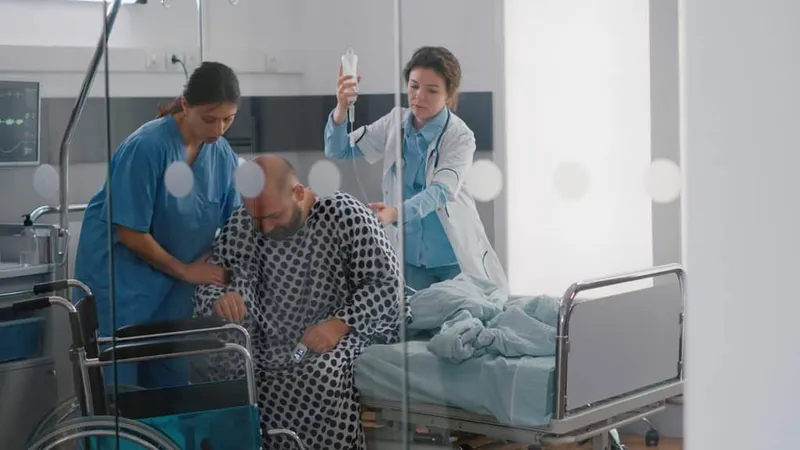
Strategies for Successful Exam Preparation
To maximize success, candidates should create a structured study plan that covers all exam content areas. Utilizing practice exams and review courses can highlight knowledge gaps and build confidence. Time management, stress reduction techniques, and maintaining a healthy study-life balance contribute to effective preparation.
Networking with other professionals who have obtained the certification and seeking mentorship can provide valuable insights and encouragement. Staying updated with the latest clinical guidelines and best practices is equally important to remain competitive in the exam.

Conclusion
Earning the Progressive Care Unit Certification is a significant professional milestone for nurses working in intermediate care environments. It validates specialized knowledge and clinical skills critical to managing acutely ill but stable patients. The certification enhances a nurse’s professional standing, expands career prospects, and ultimately improves patient care quality.
Comprehensive preparation involving mastery of cardiac and pulmonary care, clinical judgment, pharmacology, and patient education is essential. Candidates who approach the exam with a well-rounded study plan and practical experience are more likely to succeed. As healthcare continues to advance, maintaining certification ensures ongoing competence and relevance in progressive care nursing.
Investing the time and effort in preparation for the Progressive Care Unit Certification not only benefits the individual nurse but also contributes to safer, more effective healthcare delivery. With dedication and focus, certification is an achievable goal that can propel one’s nursing career forward.
PCU: Pros and Cons
- +PCU certification validates expertise recognized by employers nationwide
- +Certified professionals typically earn 15-20% higher salaries
- +Opens doors to advanced positions and leadership roles
- +Demonstrates commitment to professional standards and ethics
- +Builds a strong professional network through certification communities
- −Exam preparation typically requires 2-4 months of dedicated study
- −Certification and exam fees can range from $150-$500+
- −Must complete continuing education to maintain active certification
- −Pass rates vary — thorough preparation is essential for success
- −Some certifications require prerequisite experience or education
(PCU) Progressive Care Unit Certification Questions and Answers
About the Author

Senior Cloud Architect & Cybersecurity Certification Trainer
Stanford UniversityDavid Chen holds a Master of Science in Computer Science from Stanford University and has earned over 25 professional certifications across AWS, Microsoft Azure, Google Cloud, cybersecurity, and enterprise architecture domains. He works as a solutions architect and now focuses on helping IT professionals pass cloud, security, and technical certification exams.
Join the Discussion
Connect with other students preparing for this exam. Share tips, ask questions, and get advice from people who have been there.
View discussion (8 replies)