
NCDPS Probation Officer Office Locations: Complete Directory and Visitor Guide for 2026 September
🎯 Find NCDPS probation officer office locations, hours, contact info, and what to bring. Complete state-by-state directory for visits and check-ins.

Locating an ncdps probation officer office can feel surprisingly complicated for people new to the supervision process, especially when court paperwork lists only a district number, a phone extension, or a building address that no longer reflects the actual reporting site. Probation offices across the country, including those operated by the North Carolina Department of Public Safety, frequently move, consolidate, or share space with other community corrections functions. This guide walks you through how to find the correct office, what to expect when you arrive, and how to prepare for a successful check-in.
Probation officer office locations are typically organized by judicial district, county, or federal circuit, depending on whether your case is state or federal. State agencies like NCDPS divide North Carolina into districts and judicial divisions, each containing one or more reporting offices. Federal probation offices follow the boundaries of the 94 U.S. District Courts. Understanding which authority supervises you is the first step toward identifying the correct address, because showing up at the wrong building can be treated as a missed appointment.
Most state probation systems publish their office directories online, but the data quality varies wildly. Some agencies offer interactive maps with hours, accessibility notes, and parking guidance, while others provide only a list of phone numbers tied to county names. When information is incomplete, your court documents and the contact card given at sentencing remain the most authoritative sources. Cross-referencing official listings with the document you received at intake is always smart practice.
People newly assigned to community supervision often underestimate how much travel and time commitment a single office visit involves. Rural districts may require an hour of driving each way, and urban offices frequently have long check-in lines during peak hours such as lunchtime and Friday afternoons. Building this travel time into your schedule, knowing the office hours, and arriving with the correct identification can mean the difference between a five-minute appointment and a missed visit that triggers compliance concerns.
This article also covers what to bring, what security screening looks like, what kind of documentation officers expect, and how virtual reporting options interact with physical office locations. Many state systems now allow kiosk reporting or telephonic check-ins for low-risk supervisees, but most still require periodic in-person contact. Knowing the rules ahead of time keeps your case on track and prevents avoidable technical violations that can extend supervision or trigger a court appearance.
Finally, the guide explains the differences between state, federal, county, and city probation offices, how to confirm an address through official channels, and what to do if your assigned office has recently changed. Whether you are visiting an ncdps probation officer office for the first time, helping a family member prepare for a check-in, or simply researching probation office locations, the information below provides a complete, practical roadmap.
The goal is straightforward: arrive at the correct office, on time, with the right materials, and leave with a clear understanding of your next obligations. With careful preparation and an accurate office directory in hand, the in-person reporting process becomes manageable and predictable, even for people who have never interacted with the criminal justice system before.
Probation Office Network by the Numbers

Types of Probation Officer Offices
Operated by agencies such as NCDPS Community Supervision, these offices handle felony and misdemeanor supervision ordered by state courts. They cover the largest share of supervisees nationwide.
Located inside or near U.S. District Courthouses, federal offices supervise people convicted of federal offenses and individuals on supervised release after federal incarceration.
In states that decentralize probation, counties operate their own departments with offices in courthouses or municipal buildings, focusing on misdemeanors and juvenile cases.
Drug courts, veterans treatment courts, and mental health courts often share office space with probation, hosting more frequent and structured supervision contacts.
Newer reporting models use self-service kiosks in lobbies or remote video stations, reducing wait times for low-risk supervisees who still need verifiable check-ins.
Finding the correct probation officer office begins with three documents you should always keep on hand: your judgment and commitment order, your conditions of probation, and any intake paperwork issued at the courthouse on the day of sentencing. These documents identify the supervising authority, the assigned district, and frequently the specific office address where you must report. If any of those details conflict, the most recent document signed by a judge or officer generally controls.
For state cases in North Carolina, the NCDPS Community Supervision directory is the official source for office addresses. Other states maintain similar directories under names such as Department of Corrections, Division of Adult Parole and Probation, or Community Corrections. Always start with the official state government website rather than third-party directories, because relocations and consolidations are common and unofficial sites may display outdated addresses that no longer correspond to active reporting locations.
If your case is federal, locate the U.S. Probation Office tied to the district where you were sentenced or where you reside. The U.S. Courts website provides a clickable map of district boundaries with phone numbers and addresses. People who move across district lines during supervision must request a transfer of jurisdiction or courtesy supervision, which involves coordination between the original and receiving offices and can take several weeks to finalize.
County-level probation, used in states such as New York, Pennsylvania, and Texas for certain case types, requires checking the specific county government website. Some counties operate multiple satellite offices to serve rural residents; others consolidate everything into one downtown courthouse. If you cannot determine the office from public sources, calling the clerk of court in the sentencing county and asking for the probation contact for your case number is a reliable backup strategy.
When using online maps, verify that the listed address is actually the reporting office and not an administrative headquarters. Many agencies maintain a central office that handles policy, training, and personnel functions but does not accept walk-in supervisees. Mistaking an administrative office for a field office is one of the most common reasons people show up at the wrong location. Always look for the phrase "field office," "reporting site," or "district office" in the listing.
If your assigned officer recently changed, your reporting location may have changed as well. Officers are sometimes reassigned across multiple offices within a district, and supervisees follow their officer rather than the building. The best way to confirm is to call your officer directly using the number on your intake card. For broader context on locating supervision personnel, see probation officer lookup.
Once you confirm the correct office, save the address in your phone, plan your route, and identify a backup arrival method in case of traffic or transit delays. Many offices are located in older government buildings with limited parking and confusing entrances. Arriving twenty minutes early on your first visit gives you time to navigate security, locate the correct floor, and complete any preliminary paperwork before your scheduled appointment.
Probation Officer Practice Test Questions
Prepare for the Probation Officer exam with our free practice test modules. Each quiz covers key topics to help you pass on your first try.
Probation Officer Advanced Topics
Probation Officer Exam Questions covering Advanced Topics. Master Probation Officer Test concepts for certification prep.
Probation Officer Case Management and Docu...
Free Probation Officer Practice Test featuring Case Management and Documentation. Improve your Probation Officer Exam score with mock test prep.
Probation Officer Community Supervision Te...
Probation Officer Mock Exam on Community Supervision Techniques. Probation Officer Study Guide questions to pass on your first try.
Probation Officer Core Concepts
Probation Officer Test Prep for Core Concepts. Practice Probation Officer Quiz questions and boost your score.
Probation Officer Exam Fundamentals
Probation Officer Questions and Answers on Exam Fundamentals. Free Probation Officer practice for exam readiness.
Probation Officer Industry Knowledge
Probation Officer Mock Test covering Industry Knowledge. Online Probation Officer Test practice with instant feedback.
Probation Officer Legal Framework and Offe...
Free Probation Officer Quiz on Legal Framework and Offender Rights. Probation Officer Exam prep questions with detailed explanations.
Probation Officer Practical Applications
Probation Officer Practice Questions for Practical Applications. Build confidence for your Probation Officer certification exam.
Office Hours, Access, and Reporting Modes
Most probation officer offices operate Monday through Friday from approximately 8:00 a.m. to 5:00 p.m., with a midday lunch hour during which walk-ins may be limited. Some districts offer extended evening hours one day per week to accommodate supervisees who work daytime shifts, and a small number of high-volume offices open on Saturday mornings for routine check-ins.
Holidays observed by the state or federal government close offices entirely. If your scheduled reporting day falls on a holiday, contact your officer in advance to reschedule rather than assuming the appointment is canceled. Failing to make affirmative contact about a holiday closure is sometimes treated as a missed appointment in stricter districts, so always document your outreach attempt with a voicemail or written message.

In-Person Office Reporting: Advantages and Drawbacks
- +Builds a direct working relationship with your assigned officer
- +Allows immediate clarification of conditions and paperwork questions
- +Provides documented proof of compliance with reporting requirements
- +Facilitates access to referrals for treatment, housing, and employment
- +Reduces miscommunication that often happens over phone or email
- +Demonstrates accountability and effort, which officers note in case files
- −Requires travel time and transportation, often during work hours
- −Long wait times at high-volume offices, especially Mondays and Fridays
- −Limited parking and security screening can add 15-30 minutes
- −Inflexible scheduling can conflict with employment shifts
- −Time off work may be unpaid for hourly employees
- −Childcare arrangements often needed for parents with custody
What to Bring to Your Probation Office Visit
- ✓Government-issued photo identification such as a driver license or state ID
- ✓Your conditions of probation and judgment and commitment paperwork
- ✓Most recent pay stubs covering at least the past 30 days
- ✓Proof of current address such as a utility bill or signed lease
- ✓Receipts for any court-ordered payments made since your last visit
- ✓Documentation of treatment program attendance or completion certificates
- ✓List of all current prescription medications with prescribing physician
- ✓Names and contact information for current employer and supervisor
- ✓Any new arrest paperwork or citations received during the reporting period
- ✓A pen, notebook, and your appointment confirmation card or letter
- ✓Cash or money order if fees are paid in person at this office
- ✓Phone number list of emergency contacts and treatment providers
Call ahead 24 hours before any first appointment
Even when your court paperwork lists an office address and time, a quick phone call the day before confirms the officer is on duty, the office has not relocated, and your name is on the scheduled appointment list. Five minutes on the phone can prevent a wasted trip and a documented missed visit.
Probation offices follow strict security and conduct rules that surprise many first-time visitors. Most state and federal facilities require visitors to pass through a metal detector and a bag screening operated by armed or unarmed security officers. Prohibited items typically include knives, firearms, mace, large multitools, and sometimes laptops or cameras. Cell phones are usually allowed but may need to be powered off in waiting areas. Plan to remove belts, jewelry, and pocket contents quickly to avoid delays during screening.
Dress code expectations are usually unwritten but enforced informally. Clean, modest clothing is appropriate, while shirts displaying drug imagery, alcohol logos, gang affiliations, or profanity may be turned away at the door. Closed-toe shoes are advisable because some offices conduct workplace visits, drug screens, or court appearances on the same day. Hats are generally removed inside the building, and sunglasses should be taken off when speaking with staff or sitting at a reception window.
Inside the office, visitors are expected to remain in the designated waiting area until called. Wandering to other floors, attempting to enter staff-only sections, or photographing the interior are all serious violations that can result in escort by security and notation in your case file. Loud phone conversations, profanity directed at staff, and confrontational behavior in the lobby are also documented. Treat the visit like a job interview: professional, calm, and patient.
If you bring children to your appointment, plan for them to wait quietly with you. Some offices provide a small children's area, but most do not. Childcare is your responsibility, and noisy or disruptive behavior can shorten or interrupt your appointment. Whenever possible, arrange supervision for young children, especially during longer first visits when you will be signing intake paperwork, watching orientation videos, and meeting with your assigned officer for an extended interview.
Visitors accompanying a supervisee, such as a parent, spouse, or treatment provider, may or may not be allowed into the meeting room depending on office policy and the supervisee's preference. In most cases, the actual meeting is private between the officer and the supervisee. Family members typically wait in the lobby unless specifically invited inside to discuss housing, employment support, or treatment coordination. Confidentiality rules limit what the officer can share about the case in the presence of third parties.
Recording audio or video during your visit is generally prohibited without explicit permission. Some supervisees attempt to record interactions for evidence in disputes, but doing so secretly can be both a policy violation and, in some jurisdictions, a criminal offense. If you have concerns about how a meeting is being conducted, raise them through the office's supervisor chain or your attorney rather than relying on hidden recordings, which may be inadmissible and counterproductive.
Finally, understand that everything you say and do in the office can become part of your supervision record. Officers document tone, demeanor, statements about employment or relationships, and any indication of substance use or noncompliance. Approach each visit thoughtfully, prepare your answers, bring your documentation, and treat staff with respect. The relationship you build during these visits often influences how flexibly your officer interprets borderline situations later in your supervision term.

Failing to appear at a scheduled probation office visit, without prior approval, is treated as a technical violation in most jurisdictions. Repeated missed visits can result in a warrant, extended supervision, or revocation. Always call ahead if you cannot make an appointment for any reason.
Confirming your office address and contacting staff between visits is easier when you understand how probation directories are organized. Most state agencies, including NCDPS, group offices under judicial districts numbered to match court districts. Each district has a chief officer responsible for the staff and one or more reporting sites. When in doubt, calling the district administrative number listed on the agency's website routes you to a staff person who can identify your assigned office based on your name and case number.
If you receive mail from the probation office, save every envelope. The return address is the official address of record for your case and supersedes any verbal information you may have received. If the address on a letter conflicts with what you were previously told, call the office and verify which location currently houses your file. Records may take a few weeks to update after an internal transfer between offices within the same district, and visits during that window require extra confirmation.
Email contact with probation officers is becoming more common but is not universal. Some agencies forbid officers from communicating with supervisees by personal email, while others provide official email addresses on business cards. When in doubt, stick with phone calls because they are easier to document and harder to misroute. If you do email, copy yourself, save sent items, and keep all correspondence professional and concise. Avoid sending sensitive information by unencrypted email channels.
If your assigned officer is unavailable when you call, ask for the duty officer, day officer, or officer of the day. Every reporting office has a designated staff person on rotation to handle inquiries when assigned officers are in court, conducting field visits, or on leave. The duty officer can confirm appointments, accept emergency information, or escalate urgent issues such as new arrests, medical hospitalizations, or sudden job changes that affect supervision conditions.
Translation services are available at most state and federal offices for supervisees whose primary language is not English. Some districts have multilingual staff on site; others use phone-based interpreter services that can be brought into any meeting on short notice. If you need an interpreter, mention this when scheduling your appointment so the office can arrange the proper service. Family members and friends should not be used as interpreters because of confidentiality rules and accuracy concerns.
Document accessibility requests carefully. Supervisees with disabilities have the right to reasonable accommodations under the Americans with Disabilities Act, which can include alternative reporting locations, accessible parking, hearing assistance, or extended appointment times. Submit accommodation requests in writing, keep copies, and follow up if you do not receive a response within a reasonable period. Reviewing the full probation officer job description helps you understand what officers are expected to provide.
Finally, keep a personal log of every interaction with the probation office. Note the date, time, person you spoke with, and a brief summary of what was discussed. This log becomes invaluable if a disputed missed appointment or miscommunication ever escalates into a violation hearing. Bringing your own contemporaneous records to such a hearing demonstrates accountability and provides credible evidence that you have actively engaged with your supervision throughout the process.
Practical preparation for office visits begins the night before. Lay out your identification, paperwork, and any documentation requested by your officer in a single folder. Charge your phone, plan your route, and identify alternative transportation in case your car or transit option fails. Set two alarms if your appointment is early morning, and check the office address one final time against your most recent correspondence. These simple habits prevent the small last-minute problems that cause people to arrive late and stressed.
Build relationships with administrative staff at your reporting office. The receptionists, security officers, and clerks who see you each visit often have significant informal influence on scheduling, message delivery, and accommodations. A polite hello, eye contact, and basic courtesy go a long way toward making your visits smoother. These employees handle dozens or hundreds of supervisees per week, and they remember the people who treat them with respect.
If you are nervous, bring a written list of questions or topics you want to discuss with your officer. Officers appreciate prepared supervisees because it shortens meetings and demonstrates that you are taking supervision seriously. Topics worth raising include changes in employment, housing instability, treatment progress, financial difficulties affecting fee payments, family obligations that conflict with reporting, or any contact with law enforcement no matter how minor it seemed at the time.
Track your supervision conditions carefully and bring evidence of compliance to every visit. If a condition requires community service, bring signed timesheets. If a condition requires counseling, bring attendance records. If a condition requires payment, bring receipts. The cumulative weight of documented compliance makes a strong impression and provides a clear record at any future hearing. Supervisees who arrive empty-handed sometimes face skeptical questioning even when they have fully complied with conditions.
For supervisees employed full-time, scheduling visits during lunch hours, before work, or after work is sometimes possible. Ask your officer about flexible scheduling rather than assuming it is unavailable. Many districts authorize extended evening hours or early morning slots specifically to support employment retention, which is one of the strongest predictors of successful completion of supervision. Officers want you to keep your job, and they will often work with you to make reporting compatible with your schedule.
Maintain communication between visits, not just at appointments. If you change your address, phone number, employer, or vehicle, report it within the timeframe specified by your conditions, typically within 48 to 72 hours. Waiting until your next scheduled visit to disclose major changes is sometimes treated as a violation in itself. A brief phone call or kiosk update keeps your record clean and signals to your officer that you take the obligations seriously.
If you anticipate a future hardship that may affect reporting, such as surgery, a family death, or a long-distance work assignment, raise it proactively. Officers can usually work around legitimate obligations when notified in advance with supporting documentation. The same situations can become violation issues when discovered after the fact. Proactive communication is the single most important habit successful supervisees develop, and it transforms the office visit from a stressful obligation into a manageable routine that supports successful completion.
Probation Officer Questions and Answers





About the Author
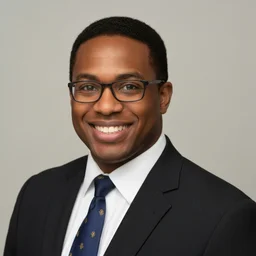
Law Enforcement Trainer & Civil Service Exam Specialist
John Jay College of Criminal JusticeMarcus B. Thompson earned his Master of Arts in Criminal Justice from John Jay College of Criminal Justice and served 12 years as a law enforcement officer before transitioning to full-time academy instruction. He is a POST-certified instructor who has prepared candidates for police entrance exams, firefighter assessments, and civil service examinations across dozens of agencies.