
Private Investigator Florida: Complete Guide to Licensing, Salary, and Career Paths
Everything about becoming a private investigator in Florida: 📚 license requirements, salary data, costs, and career paths for aspiring PIs in 2026 September.
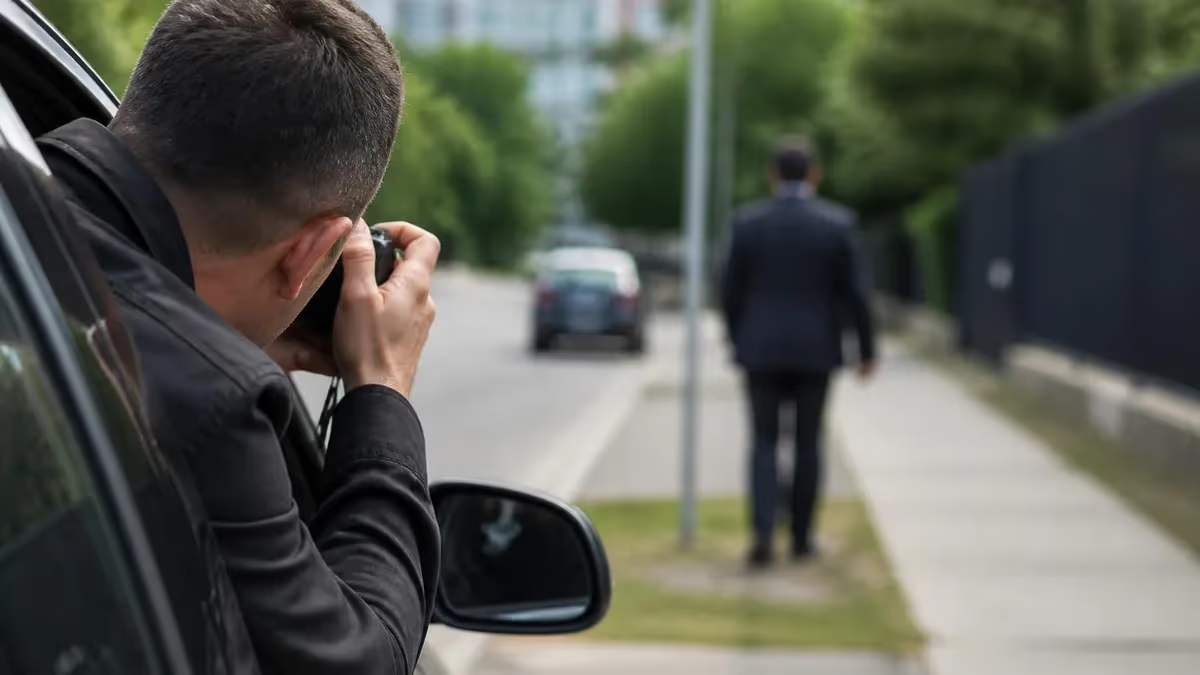
If you have been searching for a private investigator near me in Florida or considering a career as one, you have landed in the right place. Florida is one of the most active states for private investigation work in the entire country, driven by its massive population of over 22 million residents, its booming legal industry, and its reputation as a hub for insurance fraud, domestic cases, and corporate investigations.
Whether you are a consumer looking to hire a licensed PI or a professional exploring how to enter this field, understanding how Florida's investigative landscape works is essential before taking any next steps.
Florida takes private investigation seriously, requiring all working PIs to hold a valid state license issued through the Florida Department of Agriculture and Consumer Services (FDACS). Unlike some states that only regulate agencies, Florida mandates that individual investigators carry their own licensure — a process that involves background checks, experience documentation, and passing a written examination. This structured regulatory framework protects consumers and ensures that anyone calling themselves a private investigator in the Sunshine State meets a minimum professional standard that separates them from unlicensed actors.
The demand for private investigators across Florida continues to grow steadily. Insurance companies headquartered in Tampa and Jacksonville regularly contract with licensed PIs to investigate claims. Family law attorneys in Miami, Orlando, and Fort Lauderdale depend on investigators to gather evidence in custody disputes and asset searches. Corporations operating in Florida's tech corridors rely on PIs for background screening and intellectual property protection. This diversity of demand creates a robust job market for people who have the right credentials and skill sets to serve these varied clients professionally.
Understanding the private investigator salary landscape in Florida is equally important if you are weighing a career change. Entry-level investigators working for established agencies typically earn between $38,000 and $48,000 annually, while experienced PIs with specialized skills in surveillance, digital forensics, or financial investigations can command $70,000 to $90,000 or more per year. Self-employed investigators who build their own client base sometimes earn six figures, though that income comes with the added responsibilities of running a business, managing liability, and marketing your services effectively in a competitive market.
One concept that surprises many first-time PI license applicants is the requirement for private investigator bonds. Before the state issues your license, you must secure a surety bond that protects clients if you act dishonestly or fail to perform contracted services. Florida requires a $50,000 surety bond for agency licensees and a $10,000 bond for individual investigator licenses, adding a real financial commitment to the licensing process that goes beyond just paying application fees. Learn more about the bonding requirements when you explore private investigator bonds and the job pathways that open once you are properly credentialed.
For consumers, knowing how to evaluate a Florida-licensed PI before hiring one is critical. The FDACS maintains a public online database where you can verify any PI's license number, check their license status, and confirm that they are currently bonded and insured. Never hire an investigator who cannot provide a valid Florida private investigator license number — unlicensed investigators cannot legally testify about their findings in Florida courts, which can make their work completely useless if you ever need to present the evidence in legal proceedings involving custody, fraud, or civil litigation.
This comprehensive guide covers everything from the step-by-step licensing process and realistic salary expectations to the true cost of hiring a PI and the specific skills that separate average investigators from elite professionals in Florida's competitive market. Whether you are a prospective PI preparing for your licensing exam or a client trying to navigate the process of finding a trustworthy investigator, the detailed information that follows will give you the knowledge and confidence to make smart, informed decisions every step of the way.
Florida Private Investigator Industry by the Numbers
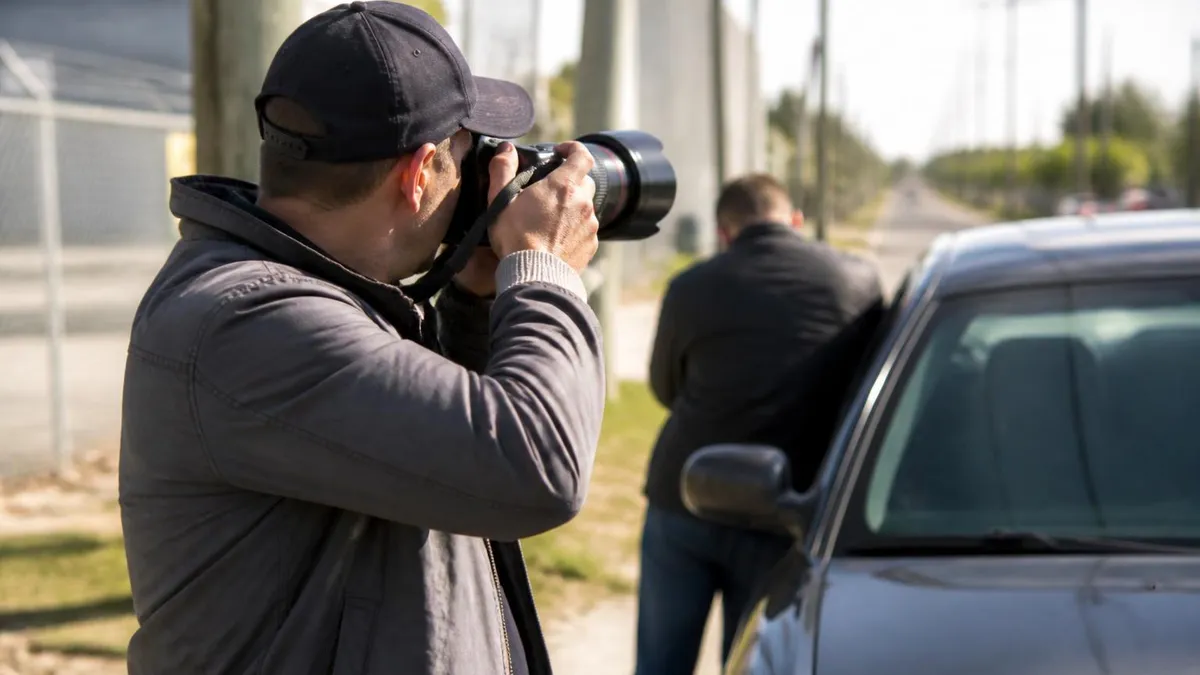
Florida Private Investigator License Requirements
Applicants must be at least 18 years old and pass a comprehensive criminal background check conducted through FDACS. Any felony conviction or crime of dishonesty typically disqualifies an applicant from receiving a Florida PI license, protecting the profession's integrity.
Florida requires applicants to document a minimum of three years (or 6,000 hours) of full-time experience in investigative work, law enforcement, or a closely related field. Part-time experience is accepted but calculated proportionally, which can extend the qualifying period significantly.
All individual licensed investigators must carry a $10,000 surety bond. Agency owners must hold a $50,000 bond. General liability insurance is also strongly recommended and often required by clients before they will engage your investigative services professionally.
Applicants must pass the Florida private investigator licensing examination administered by the FDACS. The test covers Florida statutes, investigation techniques, evidence handling, and professional ethics. Thorough preparation with practice tests significantly improves your chances of passing on the first attempt.
Licensed Florida PIs must complete continuing education hours during each renewal cycle to keep their license active. This ensures that investigators stay current with evolving laws, digital investigation tools, privacy regulations, and best practices across Florida's dynamic investigative landscape.
The private investigator salary in Florida varies considerably depending on your level of experience, geographic location within the state, area of specialization, and whether you work for an established agency or run your own independent practice. According to data from the Bureau of Labor Statistics and industry surveys conducted in 2025, the median annual salary for Florida private investigators sits at approximately $58,000, which is slightly above the national median and reflects the state's high demand for investigative services across its densely populated urban corridors and sprawling suburban markets.
Entry-level investigators in Florida — those who have recently obtained their license and are working their first industry jobs — typically earn between $36,000 and $48,000 per year. This range is common for PIs working as employees at insurance investigation firms, legal support agencies, or corporate security departments. While the starting pay may seem modest, the learning experience at this stage is invaluable. New investigators gain critical field skills in surveillance technique, evidence documentation, client communication, and report writing that they simply cannot acquire through coursework or self-study alone.
Mid-career investigators with five to ten years of experience and demonstrated specializations tend to earn between $55,000 and $75,000 annually in Florida. Specializations that command premium pay include digital forensics and cyber investigation, financial asset tracing for law firms, insurance claim investigation for large carriers, and domestic investigation work that requires expert testimony in family court proceedings. Investigators who build strong referral networks with attorneys, insurance adjusters, and corporate compliance departments are the most likely to see consistent work and upward income trajectory.
Senior investigators and agency owners in Florida's largest metro areas — Miami, Orlando, Tampa, Jacksonville, and Fort Lauderdale — often earn between $80,000 and $120,000 or more annually. The highest earners are typically those who operate their own licensed agencies, carry substantial liability insurance, employ a small team of licensed investigators, and have cultivated long-term contracts with insurance companies, law firms, and corporate clients. Building this kind of practice takes years of relationship development and a track record of delivering reliable, court-admissible investigative reports.
Geographic variation within Florida also plays a meaningful role in compensation. Miami-Dade and Broward County investigators generally earn 10 to 15 percent more than their counterparts in smaller markets like Tallahassee, Gainesville, or Panama City, largely due to the higher cost of living and the concentration of high-value legal and insurance work in South Florida.
However, smaller markets often offer lower operating costs, less competition from established agencies, and the opportunity to become the go-to investigator for a defined community of attorneys and businesses. For comparative data on earnings across all experience levels, explore private investigators near me salary breakdowns that include state-by-state comparisons and specialty-specific income ranges.
Freelance and independent private investigators in Florida have the greatest income variability. Some self-employed PIs earn $40,000 in their first year while building a client base, while experienced sole practitioners with established referral pipelines regularly earn $90,000 to $130,000. The key differentiator for independent investigators is billing rate.
Florida PIs typically charge between $75 and $150 per hour for standard surveillance work, with specialty services like digital forensics or expert witness testimony billing at $200 or more per hour. Successful independents also charge for mileage, equipment, database access, and report preparation, which can substantially increase per-case revenue beyond the base hourly rate.
One often-overlooked factor in PI compensation is the private investigator license renewal cycle and its associated costs. Florida licenses require renewal every two years, with continuing education requirements that cost both time and money. Smart investigators budget for renewal fees, CE course costs, bond renewal premiums, insurance premium payments, and professional association memberships annually. These overhead costs, which can total $1,500 to $3,000 per year for a self-employed PI, must be factored into your pricing strategy to ensure that your effective hourly rate after expenses remains genuinely profitable and sustainable over the long term.
Types of Private Investigator Work in Florida
Insurance fraud investigation is one of the most common and consistently in-demand specializations for Florida private investigators. The state's large elderly population, high volume of auto accidents, and significant number of workers' compensation claims create a continuous pipeline of work for PIs hired by insurance carriers. Investigators conduct surveillance, interview claimants, document inconsistencies, and provide detailed reports that help adjusters determine the validity of claims before settlements are made.
Florida's insurance industry generates billions of dollars in premiums annually, and fraud costs carriers an estimated $1.5 billion per year in the state alone. As a result, large insurance companies maintain preferred vendor lists of licensed investigators they trust for surveillance and claims work. Getting onto these lists requires demonstrated experience, reliable turnaround times on reports, professional testimony ability, and the technical skill to capture admissible video and photographic evidence that holds up to legal scrutiny in Florida civil courts.
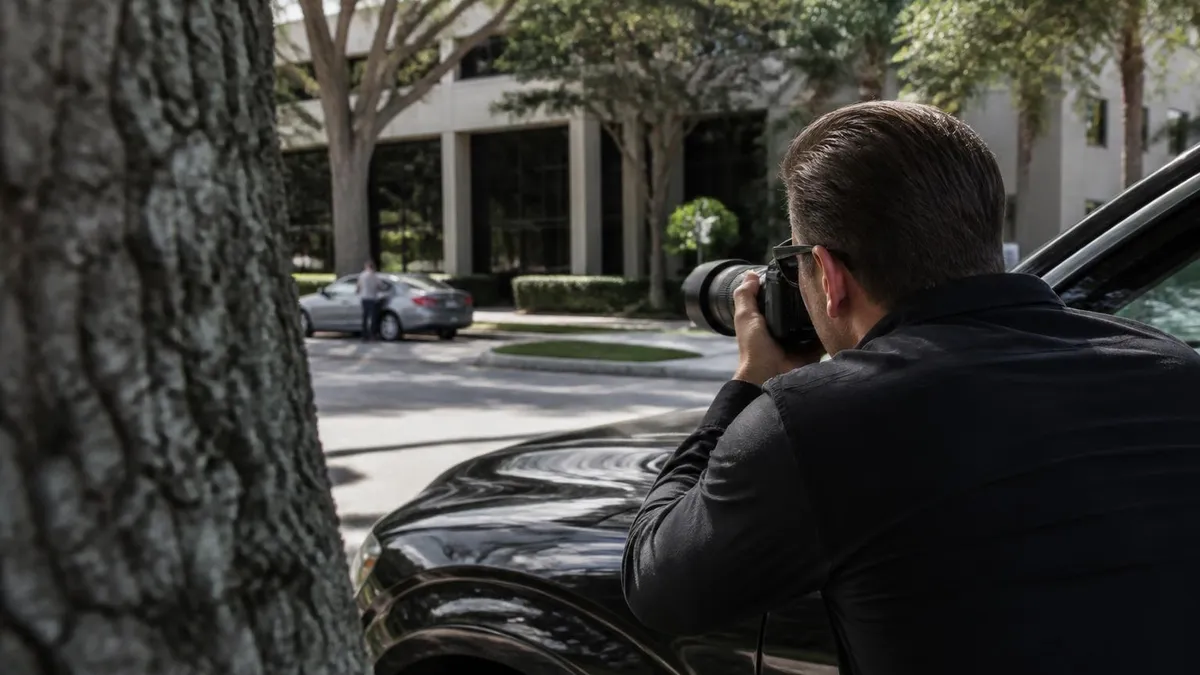
Pros and Cons of a Private Investigator Career in Florida
- +High and growing demand for licensed PIs across Florida's major metro areas and diverse industries
- +Wide variety of specializations including insurance fraud, domestic cases, corporate work, and digital forensics
- +Opportunity to earn $80,000+ as an experienced or self-employed investigator in top Florida markets
- +Florida's structured licensing system creates a clear, achievable pathway into the profession
- +Strong community of professional associations like FALI that offer networking and continued education
- +Flexible working arrangements especially for independent investigators who set their own schedule and client base
- −The three-year experience requirement creates a significant barrier to entry for career changers without law enforcement backgrounds
- −Income is highly variable, especially in the early years of building a client book as a self-employed investigator
- −Surety bond costs, insurance premiums, and licensing fees add real overhead that reduces effective take-home pay
- −Surveillance work involves long hours sitting in vehicles, often in Florida's intense summer heat, which is physically demanding
- −Operating outside Florida statutes — even accidentally — can result in license suspension, civil liability, or criminal charges
- −Competition from established agencies with long-standing client relationships makes breaking into corporate or insurance work difficult
Florida PI Exam and Licensing Preparation Checklist
- ✓Confirm you meet the minimum age requirement of 18 years old before beginning your application.
- ✓Document all qualifying experience hours (minimum 6,000 hours or 3 years of full-time investigative work).
- ✓Request official employment verification letters from former employers confirming your investigative role and dates of service.
- ✓Complete a fingerprint-based background check through a Florida-approved Live Scan vendor.
- ✓Purchase your required $10,000 surety bond from a licensed Florida surety provider before your application is finalized.
- ✓Obtain a Certificate of Insurance showing general liability coverage that meets FDACS minimum requirements.
- ✓Submit your completed FDACS application with all supporting documentation and the application fee payment.
- ✓Schedule and complete the Florida private investigator licensing examination through the FDACS-approved testing vendor.
- ✓Study Florida statutes related to private investigation, including Chapter 493 of the Florida Statutes, thoroughly before your exam date.
- ✓Use accredited practice exams and study guides to benchmark your readiness and identify knowledge gaps before test day.
Chapter 493 Is the Foundation of Your Exam
Florida Statutes Chapter 493 governs all private investigation activity in the state, covering everything from prohibited investigative practices and license categories to consumer protections and penalties for violations. A thorough understanding of Chapter 493 is the single most important thing you can study before sitting for the Florida PI licensing exam — examiners consistently draw a large portion of questions directly from this statute's provisions.
Understanding how much does a private investigator cost is one of the first questions clients ask when considering whether to hire a Florida PI. The answer depends on multiple variables: the type of investigation, the geographic location, the investigator's experience level, and the expected duration of the engagement. In Florida, most licensed private investigators charge a combination of an hourly rate and case-specific expenses, and clients should expect to budget accordingly before signing any engagement agreement with an investigative firm or independent PI.
Standard surveillance work — which is the most common request from both individual and corporate clients — typically costs between $75 and $150 per hour in Florida. Miami, Fort Lauderdale, and Naples PIs tend to charge toward the higher end of this range, reflecting both the cost of living and the concentration of high-value cases in South Florida. Investigators in mid-size markets like Jacksonville, Tallahassee, or Gainesville often charge $65 to $110 per hour, making them more accessible for clients whose cases do not require South Florida-specific expertise or court jurisdiction.
Beyond the hourly rate, clients must budget for additional case-related expenses that responsible PI firms itemize clearly on their invoices. Mileage reimbursement is standard, with Florida PIs typically charging the IRS standard mileage rate (currently $0.67 per mile as of 2025) or a negotiated flat travel fee.
Database access fees for people searches, background checks, property records, and vehicle registrations are typically passed through to clients at cost, adding $20 to $150 per case depending on the depth of research required. Court filing, process serving, and notary fees are additional line items that clients should ask about upfront before the investigation begins.
Many clients are surprised to learn that most reputable Florida private investigators require an upfront retainer before beginning any work. Standard retainers for surveillance cases range from $500 to $2,500, with the investigator drawing down from the retainer as hours are worked and expenses incurred. When the retainer is exhausted, the PI will typically request an additional deposit before continuing work. Clients should always request a written engagement agreement that clearly specifies the hourly rate, retainer amount, expense reimbursement policy, billing cycle, and conditions under which the engagement can be terminated by either party.
For background check investigations — which are faster and less labor-intensive than surveillance — Florida PIs typically charge flat fees ranging from $150 to $500, depending on the depth of the search and the number of jurisdictions checked. A basic background check covering criminal records, address history, and employment verification might cost $200 to $300, while a comprehensive due diligence investigation on a potential business partner covering financial records, litigation history, regulatory filings, and asset searches could cost $1,500 to $5,000 or more for complex multi-jurisdictional cases requiring significant research time and database access.
Digital forensics investigations command significantly higher fees than traditional surveillance or background work. Florida PIs who specialize in recovering data from devices, analyzing social media footprints, or tracing cryptocurrency transactions typically charge $200 to $400 per hour for their specialized work. Device acquisition and forensic imaging alone can cost $500 to $1,500 before any analysis begins, and expert report preparation for use in legal proceedings adds additional fees.
Clients who need digital evidence for court proceedings should budget a minimum of $3,000 to $8,000 for a thorough digital forensics engagement with a qualified Florida specialist. For a detailed breakdown of what services cost at each stage, review how much does a private investigator cost across different case types and experience levels.
When evaluating cost versus value, clients should resist the temptation to hire the cheapest PI available. An unlicensed investigator who charges half the market rate cannot legally provide testimony about their findings in Florida courts, cannot access licensed investigative databases, and carries no bonding or insurance to protect the client if something goes wrong.
A properly licensed, bonded, and insured Florida PI who charges a fair market rate is always a better investment, particularly when the evidence gathered may need to support legal proceedings, insurance claims, or custody hearings where the credibility and admissibility of the evidence can determine the outcome of the entire case.
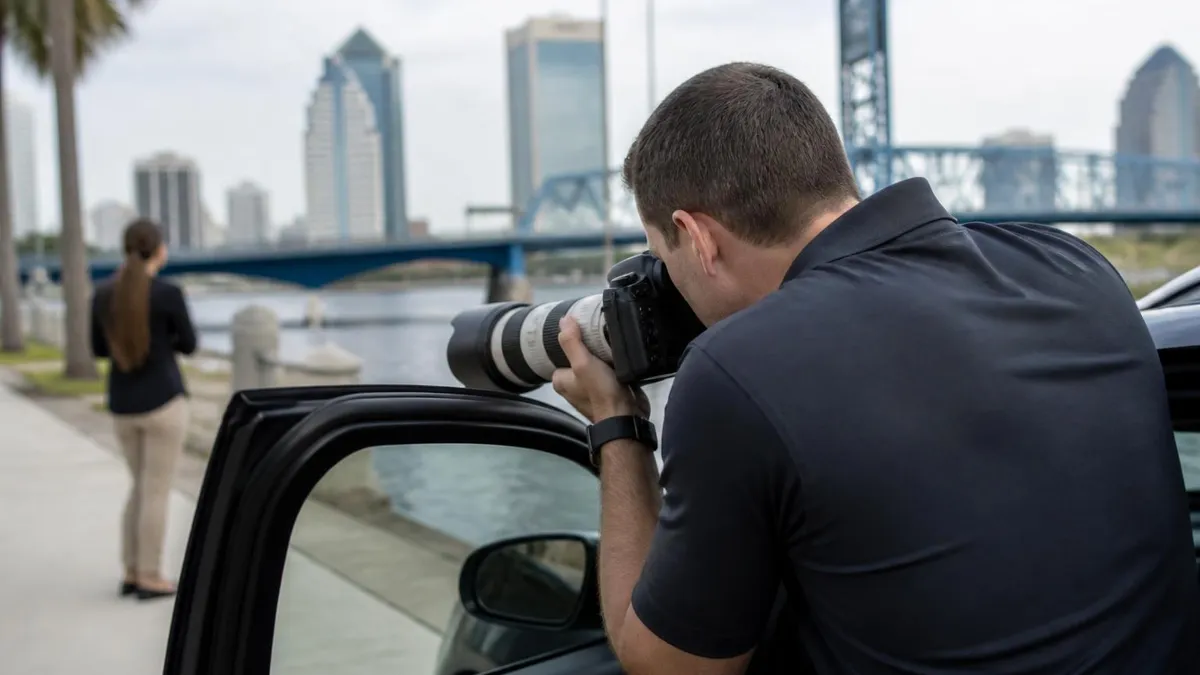
Florida law makes it a criminal offense for anyone to perform private investigation work without a valid state license. Before hiring any investigator, verify their license number through the FDACS online portal at www.freshfromflorida.com. Hiring an unlicensed PI not only wastes your money — any evidence they gather may be inadmissible in Florida courts, completely undermining your case if legal proceedings are involved.
Learning how to become a private investigator in Florida is a process that rewards patience, preparation, and strategic planning. Unlike some professions where a degree or certification is the primary gateway, Florida's PI licensing system is built around demonstrated real-world experience, which means your path to licensure depends heavily on where you are starting from professionally. Understanding the full journey from initial interest to active licensed investigator helps aspiring PIs set realistic timelines and make smarter decisions about how they build their qualifying experience over time.
The most common entry point for aspiring Florida PIs is law enforcement. Former police officers, sheriff's deputies, corrections officers, and military investigators often qualify for PI licensure much faster than civilians because their prior service typically counts toward the experience requirement. A former detective with five years of law enforcement experience, for example, may be able to apply for a Florida PI license immediately after leaving the force, provided they meet the background check and other administrative requirements. This makes law enforcement one of the most efficient springboards into private investigation work in the state.
For civilians without law enforcement backgrounds, the most realistic path involves working as an unlicensed investigative assistant or intern at an established Florida PI agency while accumulating the required experience hours. Florida law allows unlicensed individuals to perform investigative work under the direct supervision of a licensed PI, which makes agency employment the standard entry route for civilian career changers. This apprenticeship-style pathway typically takes three to five years depending on whether the work is full-time, and it provides invaluable hands-on training in surveillance, report writing, client communication, and evidence handling that simply cannot be replicated through coursework alone.
Education matters more than Florida's minimum requirements might suggest. While the state does not mandate a specific college degree for PI licensure, investigators who hold degrees in criminal justice, forensic science, accounting, psychology, or information technology are consistently more competitive in the job market and are better positioned to specialize in high-demand niches. Many Florida community colleges and state universities offer criminal justice programs that combine academic training with practical investigative skills, and some programs have formal partnerships with local PI agencies that can help students begin accumulating experience hours while still enrolled.
The Florida private investigator licensing exam tests applicants on their knowledge of state statutes, investigative techniques, evidence standards, privacy law, and professional ethics. Candidates who treat the exam preparation process seriously — using official study materials, taking full-length practice tests, and reviewing Florida statutes Chapter 493 in detail — consistently report higher first-attempt pass rates than those who study casually. Budget at least four to six weeks of dedicated study time before scheduling your exam, and use the practice resources available through providers like PracticeTestGeeks to benchmark your readiness before committing to a test date.
After passing the exam and receiving your initial license, the work of building a sustainable career is just beginning. New licensed investigators must decide whether to remain employed at an agency, start their own independent practice, or pursue a specialized certification that opens doors to higher-paying work.
Florida Association of Licensed Investigators (FALI) membership is widely considered a valuable investment for newly licensed PIs because it provides networking opportunities, continuing education access, and credibility with potential clients who are evaluating which investigator to hire from a pool of qualified candidates in their area. A licensed santa monica private investigator profile and similar professional online presence can significantly accelerate client acquisition for newly licensed Florida PIs building their independent practice.
Building a client base requires consistent marketing effort, strong professional relationships, and a reputation for delivering accurate, timely, and legally defensible investigative work. New PIs should focus on attending local bar association events, introducing themselves to insurance adjusters, and building a professional website that clearly lists their license number, areas of specialization, geographic coverage area, and professional credentials. Client testimonials and case studies (with identifying information removed) are powerful credibility signals that help prospects choose a newer PI over more established competitors, provided the investigator can demonstrate competence and professionalism through their marketing materials and initial consultations.
Preparing effectively for the Florida private investigator licensing exam requires a structured approach that goes beyond casually reading a study guide. The exam covers a broad range of topics — from specific Florida statutes and constitutional law governing surveillance to proper evidence chain of custody procedures and professional ethics standards. Successful candidates treat exam preparation as a focused project with a clear timeline, measurable milestones, and deliberate practice using realistic test simulations that mirror the actual exam format and difficulty level.
Start your preparation by obtaining a copy of Florida Statutes Chapter 493, which is the foundational legal framework for all PI work in the state. Read it in its entirety at least once before beginning practice tests, and make note of specific provisions related to licensing categories, prohibited activities, required disclosures to clients, and penalties for violations. The exam consistently tests candidates on specific provisions of Chapter 493, so familiarity with the actual statutory language — not just general summaries — is essential for answering questions with precision and confidence on test day.
Practice testing is arguably the most efficient preparation strategy available to Florida PI exam candidates. Taking full-length practice exams under timed conditions accomplishes several things simultaneously: it helps you identify specific knowledge gaps that require additional study, it builds the mental stamina needed to maintain focus across a multi-hour examination, and it familiarizes you with the style and phrasing of questions before you encounter them under real test pressure. Candidates who take five or more full-length practice exams before their actual test date consistently report feeling significantly more confident and prepared than those who rely on reading alone.
Ethics and professional conduct questions appear throughout the Florida PI exam and are often the questions that unprepared candidates find most difficult. The exam tests your understanding of what investigators can legally do — and more importantly, what they cannot do — in Florida.
Common ethics scenarios on the exam involve situations where an investigator is asked to go beyond their legal authority, situations involving conflicts of interest, situations involving improper evidence collection, and situations where the investigator must choose between a client's instructions and their legal obligations. Understanding these boundaries clearly is not just about passing the exam — it is essential professional knowledge that will guide every case you handle throughout your career.
The private investigator phone number and point-of-contact documentation requirements on investigative reports is another area that exam candidates frequently underestimate. Florida requires that investigative reports include specific identifying information about the licensed investigator and agency, chain of custody documentation for any physical evidence collected, timestamps and GPS data for surveillance logs, and statements that the investigation was conducted lawfully and without trespass or harassment. Knowing these technical documentation requirements cold will help you answer exam questions correctly and will serve you throughout your career when you are preparing reports that may be reviewed by attorneys, judges, or opposing counsel.
Physical and mental preparation for exam day matters more than many candidates acknowledge. Florida's PI licensing exam is a multi-hour test that requires sustained concentration and careful reading of each question before selecting your answer. Many exam candidates rush through questions they feel confident about, only to make careless errors that cost them points on material they actually know well.
Practice reading every question and every answer choice completely — including the wrong answers — before marking your selection. This habit of careful reading pays dividends on ambiguous questions where a single word can change the correct answer from one choice to another.
After you pass your exam and receive your Florida PI license, treat the first year of active practice as an extended learning period rather than a time to relax. Seek mentorship from experienced Florida investigators through FALI and other professional networks, accept cases that stretch your skills in new directions, and invest in continuing education that prepares you for specialized work.
The investigators who build the strongest careers are those who never stop learning — they pursue new certifications, adopt new technologies, and continuously refine their techniques to stay ahead of an industry that evolves as quickly as the crimes and behaviors they are hired to investigate.
Private Investigator Questions and Answers

Private Investigator License Requirements by State

Private Investigator Jobs: Career Paths and Specializations

Private Investigator License: Requirements, Process and States

Private Investigator Salary: What PIs Actually Earn in 2026 (By State, Specialty & Experience)

How Much Do Private Investigators Make: Complete Salary and Earnings Guide
About the Author

Educational Psychologist & Academic Test Preparation Expert
Columbia University Teachers CollegeDr. Lisa Patel holds a Doctorate in Education from Columbia University Teachers College and has spent 17 years researching standardized test design and academic assessment. She has developed preparation programs for SAT, ACT, GRE, LSAT, UCAT, and numerous professional licensing exams, helping students of all backgrounds achieve their target scores.