

PMC Practice Test
Updated for September 2026Prenatal massage is a specialized area of therapeutic bodywork that focuses on the unique needs of pregnant individuals. As demand grows for holistic prenatal care, obtaining a Prenatal Massage Certification (PMC) not only enhances your credibility as a massage therapist but also ensures you provide safe, effective, and compassionate care during all stages of pregnancy. Whether you’re a licensed massage therapist looking to specialize or an aspiring practitioner seeking to expand your skills, this guide will walk you through everything you need to know—from understanding prenatal massage to exploring the best certification options both online and in-person.
PMC Practice Test Questions
Prepare for the PMC - Prenatal Massage Certification exam with our free practice test modules. Each quiz covers key topics to help you pass on your first try.
PMC Benefits of Prenatal Massage
PMC Exam Questions covering Benefits of Prenatal Massage. Master PMC Test concepts for certification prep.
PMC Contraindications & Risk Factors
Free PMC Practice Test featuring Contraindications & Risk Factors. Improve your PMC Exam score with mock test prep.
PMC Emotional & Psychological Support
PMC Mock Exam on Emotional & Psychological Support. PMC Study Guide questions to pass on your first try.
PMC High-Risk Pregnancy Considerations
PMC Test Prep for High-Risk Pregnancy Considerations. Practice PMC Quiz questions and boost your score.
PMC Massage Techniques
PMC Questions and Answers on Massage Techniques. Free PMC practice for exam readiness.
PMC Musculoskeletal Changes in Pregnancy
PMC Mock Test covering Musculoskeletal Changes in Pregnancy. Online PMC Test practice with instant feedback.
PMC Circulatory & Lymphatic Considerations
Free PMC Quiz on PMC Circulatory & Lymphatic Considerations. PMC Exam prep questions with detailed explanations.
PMC Client Intake & Assessment
PMC Practice Questions for PMC Client Intake & Assessment. Build confidence for your PMC certification exam.
PMC Positioning & Draping Techniques
PMC Test Online for Positioning & Draping Techniques. Free practice with instant results and feedback.
PMC Postpartum Massage Techniques
PMC Study Material on Postpartum Massage Techniques. Prepare effectively with real exam-style questions.
PMC Pregnancy Body Basics
Free PMC Test covering Pregnancy Body Basics. Practice and track your PMC exam readiness.
PMC Prenatal Anatomy & Physiology
PMC Exam Questions covering Prenatal Anatomy & Physiology. Master PMC Test concepts for certification prep.
Key Takeaways
Free Prenatal Massage Practice Test Online
Prenatal massage focuses on alleviating discomfort and improving overall well-being during pregnancy.
Certification is essential for ensuring safe and effective care for pregnant clients.
Local certification programs offer hands-on training and networking opportunities.
Online prenatal massage certification provides flexible and accessible learning.
Top programs are accredited, offer practical skill development, and support career growth.
Understanding Prenatal Massage: Purpose & Benefits
What is a Prenatal Massage?
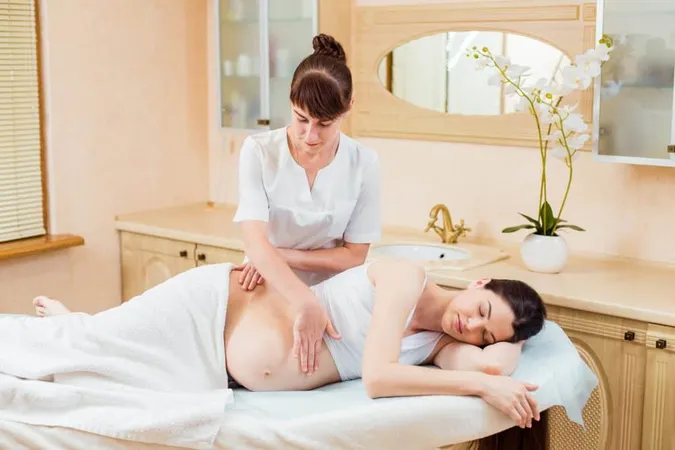
Prenatal massage is a tailored form of therapeutic bodywork designed specifically for pregnant individuals. It focuses on relieving common pregnancy-related discomforts such as lower back pain, swollen ankles, fatigue, and joint stress.
Key benefits include:
Reduction in muscle tension and headaches
Improved circulation and lymphatic drainage
Reduced stress, anxiety, and sleep disturbances
Decreased swelling in hands and feet
Enhanced oxygenation of soft tissues and muscles
A prenatal massage should always be conducted by a professional with specific training in the anatomy and physiology of pregnancy to ensure the safety of both the parent and baby.
Finding Certification Opportunities Near You
If you’re seeking in-person certification, numerous massage therapy schools and wellness centers across the U.S. offer comprehensive prenatal massage certification programs.
When looking for local certification options, consider:
Whether the program is approved by the National Certification Board for Therapeutic Massage & Bodywork (NCBTMB)
If it offers hands-on training with pregnant clients
The experience level of instructors and teaching style
Access to clinical labs or internship components
Institutions such as community colleges or vocational schools may also offer continuing education programs in prenatal massage.
Prenatal Massage Certification Online
For those balancing work, family, or geographic limitations, online prenatal massage certification courses offer flexibility without compromising quality.
Features of reputable online programs include:
Video demonstrations of prenatal massage techniques
Downloadable materials and reading assignments
Self-paced modules that allow flexible learning
Certification exam upon course completion
These programs often align with continuing education (CE) requirements for massage therapists and are ideal for professionals seeking remote learning options. It’s important to verify that the online certification is recognized by your state or licensing body before enrolling.
Prenatal Massage Certification Classes
Attending in-person or hybrid prenatal massage classes allows students to gain hands-on experience, which is essential for mastering proper techniques and body positioning.
These classes often cover:
-
Trimester-specific massage techniques
-
Use of bolsters and cushions for client safety
-
Contraindications and high-risk pregnancy considerations
-
Communication strategies with expectant mothers
Many certification courses also teach how to document sessions, obtain informed consent, and modify pressure points during different stages of pregnancy. Look for classes that provide CPR certification and basic emergency response training as well, enhancing your overall professional readiness.
Best Prenatal Massage Certification Programs
When choosing the best prenatal massage certification program, it’s crucial to evaluate credibility, course structure, and post-certification support.
Highly rated programs often offer:
Accreditation by national or state massage therapy boards
Lifetime access to learning materials and updates
Access to a network of alumni and professionals
Opportunities for continuing education credits
Well-known programs include offerings from institutions like the Institute for Integrative Healthcare Studies, Body Therapy Institute, and others that are NCBTMB-approved. The best programs are not only comprehensive but also affordable and responsive to the evolving needs of massage therapy professionals.
Conclusion
The journey to earning your Prenatal Massage Certification is both professionally enriching and personally rewarding. As awareness grows around the importance of holistic prenatal care, certified massage therapists with specialized training are increasingly in demand.
Whether you pursue in-person classes or opt for online learning, obtaining your certification equips you to provide high-quality care that makes a real difference in the lives of expectant mothers. By choosing accredited programs and continually advancing your skills, you become a trusted partner in prenatal wellness.
PMC: Pros and Cons
- +PMC certification validates expertise recognized by employers nationwide
- +Certified professionals typically earn 15-20% higher salaries
- +Opens doors to advanced positions and leadership roles
- +Demonstrates commitment to professional standards and ethics
- +Builds a strong professional network through certification communities
- −Exam preparation typically requires 2-4 months of dedicated study
- −Certification and exam fees can range from $150-$500+
- −Must complete continuing education to maintain active certification
- −Pass rates vary — thorough preparation is essential for success
- −Some certifications require prerequisite experience or education
(PMC) Prenatal Massage Certification Questions and Answers
About the Author

Board Certified Massage Therapist & MBLEx Exam Specialist
Pacific College of Health and ScienceChristine Lee is a Board Certified Therapeutic Massage and Bodywork professional (BCTMB) and Licensed Massage Therapist with a Bachelor of Science in Massage Therapy from Pacific College of Health and Science. With 14 years of clinical practice and exam coaching experience, she specializes in helping massage therapy graduates pass the MBLEx, NCBTMB, and state massage therapy licensing examinations.
Join the Discussion
Connect with other students preparing for this exam. Share tips, ask questions, and get advice from people who have been there.
View discussion (9 replies)