

PC Practice Test
Updated for September 2026Pursuing a plumber certification offers numerous advantages, including enhanced job prospects, higher earning potential, and the assurance of delivering quality plumbing services. This article delves into the significance of plumber certification, the roles and responsibilities of a plumber, the distinction between certification and licensing, the array of services provided by certified plumbers, and a comprehensive guide on how to embark on a plumbing career.
PC Practice Test Questions
Prepare for the PC - Plumber Certification exam with our free practice test modules. Each quiz covers key topics to help you pass on your first try.
PC Backflow Prevention & Cross-Connection ...
PC Exam Questions covering Backflow Prevention & Cross-Connection Control. Master PC Test concepts for certification prep.
PC Blueprint Reading & Interpretation
Free PC Practice Test featuring Blueprint Reading & Interpretation. Improve your PC Exam score with mock test prep.
PC Environmental & Hazard Management
PC Mock Exam on Environmental & Hazard Management. PC Study Guide questions to pass on your first try.
PC Inspection & Quality Control
PC Test Prep for Inspection & Quality Control. Practice PC Quiz questions and boost your score.
PC Installation Techniques
PC Questions and Answers on Installation Techniques. Free PC practice for exam readiness.
PC Material Selection & Properties
PC Mock Test covering Material Selection & Properties. Online PC Test practice with instant feedback.
PC Fixture & Appliance Installation
Free PC Quiz on PC Fixture & Appliance Installation. PC Exam prep questions with detailed explanations.
PC Plumbing Codes & Regulations
PC Practice Questions for PC Plumbing Codes & Regulations. Build confidence for your PC certification exam.
PC Plumber Pipe Installation & Repair
PC Test Online for Plumber Pipe Installation & Repair. Free practice with instant results and feedback.
PC Plumber Safety & Code Compliance
PC Study Material on Plumber Safety & Code Compliance. Prepare effectively with real exam-style questions.
PC Plumber Tools & Equipment Handling
Free PC Test covering Plumber Tools & Equipment Handling. Practice and track your PC exam readiness.
PC Plumber Water & Drainage
PC Exam Questions covering Plumber Water & Drainage. Master PC Test concepts for certification prep.
PC Preventive Maintenance Procedures
Free PC Practice Test featuring Preventive Maintenance Procedures. Improve your PC Exam score with mock test prep.
Key Takeaways
Free Plumber Practice Test Online
Enhanced Credibility: Certification validates a plumber's expertise, building trust with clients and employers.
Legal Compliance: Licensing ensures adherence to local regulations, allowing plumbers to operate legally within their jurisdictions.
Diverse Skill Set: Certified plumbers are equipped to handle a wide range of services, from installations to specialized tasks.
Structured Career Path: A clear progression from education to certification and licensing facilitates professional growth and development.
Understanding Plumber Certification
Plumber certification is a formal acknowledgment that an individual has acquired the necessary skills and knowledge to perform plumbing tasks proficiently. This credential is typically awarded upon the successful completion of specialized training programs and examinations. Holding a certification not only validates a plumber's expertise but also enhances their credibility in the industry, leading to increased job opportunities and client trust.
- ✓Confirm your exam appointment and location
- ✓Bring required identification documents
- ✓Arrive 30 minutes early to check in
- ✓Read each question carefully before answering
- ✓Flag difficult questions and return to them later
- ✓Manage your time — don't spend too long on one question
- ✓Review flagged questions before submitting
Defining the Role of a Plumber
A plumber is a skilled professional responsible for installing, repairing, and maintaining systems that involve water, gas, and waste disposal. Their duties encompass a wide range of tasks, including:
Installing and repairing pipes and fixtures associated with heating, cooling, water distribution, and sanitation systems in residential and commercial structures.
Inspecting plumbing systems to identify issues and implement effective solutions.
Collaborating with contractors, electricians, and other professionals to ensure plumbing systems are integrated seamlessly into new constructions or renovations.
Given the critical nature of their work, plumbers must possess a deep understanding of safety protocols, building regulations, and the latest industry advancements.
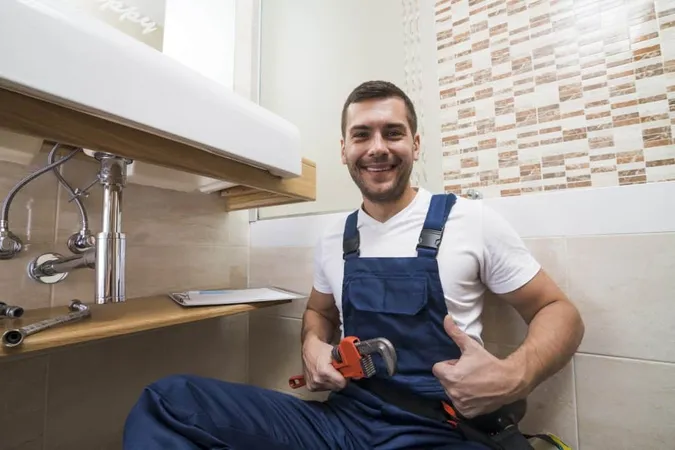
Plumber Certification vs. Plumber License
While the terms "certification" and "license" are often used interchangeably, they represent distinct credentials in the plumbing profession:
Plumber Certification: This credential signifies that a plumber has completed specific training programs and has demonstrated proficiency in particular areas of plumbing. Certifications can be specialized, focusing on areas like backflow prevention or medical gas systems.
Plumber License: A license is a mandatory credential issued by state or local government authorities, granting the plumber legal permission to operate within a specific jurisdiction. Obtaining a license typically requires meeting education and experience prerequisites and passing a comprehensive examination.
It's essential to note that while certifications can enhance a plumber's expertise and marketability, a license is often legally required to perform plumbing work in many regions.
Comprehensive Plumbing Services Offered by Certified Plumbers
Certified plumbers are equipped to provide a diverse array of services, ensuring the functionality and safety of plumbing systems. These services include:
Installation Services: Setting up new plumbing systems in residential, commercial, and industrial settings, including pipes, fixtures, and appliances.
Repair and Maintenance: Addressing issues such as leaks, clogs, or malfunctioning fixtures, and performing routine maintenance to prevent future problems.
Inspection and Diagnostics: Conducting thorough assessments of plumbing systems to identify potential issues and recommend corrective actions.
Specialized Services: Offering expertise in areas like water heater installation, sewer line repairs, and the implementation of eco-friendly plumbing solutions.
Engaging a certified plumber ensures that these services are executed to the highest standards, adhering to all relevant codes and regulations.
Pathway to Becoming a Certified Plumber
Embarking on a career in plumbing involves several structured steps:
Educational Foundation: Obtain a high school diploma or GED, focusing on subjects like mathematics, physics, and technical drawing, which are fundamental to plumbing.
Vocational Training: Enroll in a plumbing program at a trade school or community college to gain foundational knowledge and hands-on experience.
Apprenticeship: Participate in an apprenticeship program, typically lasting 2-5 years, where you'll work under the guidance of experienced plumbers, earning while learning.
Obtain Certification: After completing your apprenticeship, pursue relevant certifications that align with your career goals and specialties.
Licensing: Fulfill your state's licensing requirements, which may include passing an examination and accumulating a specified amount of work experience.
Continuous Education: Stay updated with the latest industry trends, technologies, and regulations through ongoing education and training.
This structured approach ensures that aspiring plumbers develop the necessary skills and knowledge to excel in the profession.
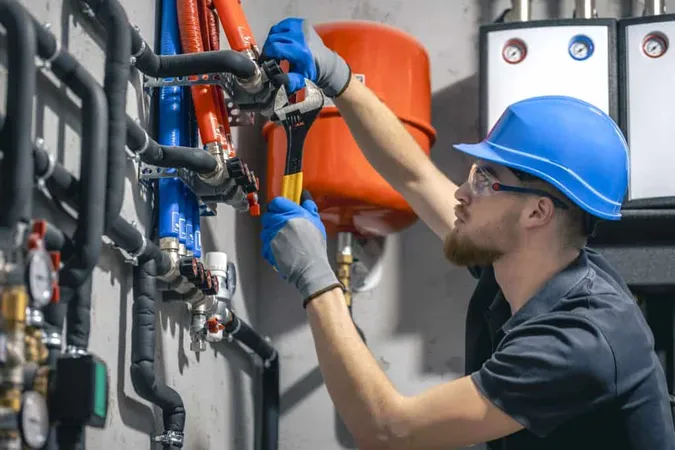
PC: Pros and Cons
- +PC certification validates expertise recognized by employers nationwide
- +Certified professionals typically earn 15-20% higher salaries
- +Opens doors to advanced positions and leadership roles
- +Demonstrates commitment to professional standards and ethics
- +Builds a strong professional network through certification communities
- −Exam preparation typically requires 2-4 months of dedicated study
- −Certification and exam fees can range from $150-$500+
- −Must complete continuing education to maintain active certification
- −Pass rates vary — thorough preparation is essential for success
- −Some certifications require prerequisite experience or education
About the Author

Licensed Contractor & Trades Certification Expert
Purdue UniversityMichael Torres earned his Bachelor of Science in Civil Engineering from Purdue University and holds master plumber and general contractor licenses in multiple states. With 18 years of field experience and 8 years teaching apprenticeship programs, he is a trusted resource for tradespeople preparing for journeyman and master-level licensing exams.
Join the Discussion
Connect with other students preparing for this exam. Share tips, ask questions, and get advice from people who have been there.
View discussion (8 replies)