

PCO Practice Test
Updated for September 2026As consumer demand for organic products continues to rise globally, maintaining the integrity and compliance of organic certifications has become more critical than ever. Organic Contract Inspectors play a vital role in verifying that organic producers and processors adhere to rigorous standards. The PCO Organic Contract Inspector Certification (PCO-CIC) validates the skills and knowledge required to conduct thorough, fair, and effective inspections in the organic sector. For those interested in a career that combines agriculture, sustainability, and regulatory compliance, becoming a certified organic contract inspector opens doors to rewarding and impactful work. This guide provides a comprehensive overview of what organic contract inspection entails, how to become certified, the roles inspectors fulfill, typical salary expectations, and the costs associated with certification.
PCO Practice Test Questions
Prepare for the PCO - PCO Organic Contract Inspector Certified exam with our free practice test modules. Each quiz covers key topics to help you pass on your first try.
PCO Compliance Monitoring & Non-Conformanc...
PCO Exam Questions covering Compliance Monitoring & Non-Conformance Handling. Master PCO Test concepts for certification prep.
PCO Contract Inspection Procedures & Docum...
Free PCO Practice Test featuring Contract Inspection Procedures & Documentation. Improve your PCO Exam score with mock test prep.
PCO Organic Standards & Certification Requ...
PCO Mock Exam on Organic Standards & Certification Requirements. PCO Study Guide questions to pass on your first try.
PCO Reporting & Communication with Stakeho...
PCO Test Prep for Reporting & Communication with Stakeholders. Practice PCO Quiz questions and boost your score.
PCO Assessment & Evaluation
PCO Questions and Answers on Assessment & Evaluation. Free PCO practice for exam readiness.
PCO Communication & Collaboration
PCO Mock Test covering Communication & Collaboration. Online PCO Test practice with instant feedback.
PCO Core Principles & Fundamentals
Free PCO Quiz on Core Principles & Fundamentals. PCO Exam prep questions with detailed explanations.
PCO Documentation & Reporting
PCO Practice Questions for Documentation & Reporting. Build confidence for your PCO certification exam.
PCO Leadership & Management
PCO Test Online for Leadership & Management. Free practice with instant results and feedback.
PCO Pest Management & Integrated Pest Mana...
PCO Study Material on PCO Pest Management & Integrated Pest Management (IPM). Prepare effectively with real exam-style questions.
PCO Record Keeping & Traceability
Free PCO Test covering PCO Record Keeping & Traceability. Practice and track your PCO exam readiness.
PCO Professional Standards & Ethics
PCO Exam Questions covering Professional Standards & Ethics. Master PCO Test concepts for certification prep.
PCO Prohibited Substances & Allowed Inputs
Free PCO Practice Test featuring Prohibited Substances & Allowed Inputs. Improve your PCO Exam score with mock test prep.
Key Takeaways
Free PCO Practice Test Online
The PCO Organic Contract Inspector Certification ensures inspectors can verify compliance with organic standards and regulations.
Certification requires specific training, hands-on inspection experience, and successful completion of a rigorous exam.
Organic contract inspectors work with farmers, processors, and certifying agencies to maintain organic integrity.
Salaries typically range from $45,000 to $75,000, influenced by experience, region, and employer.
Exam fees and training costs generally fall between $500 and $1,500 depending on the certification body and course format.
What is Organic Contract Inspection?
Organic contract inspection is a specialized field within agricultural and food safety inspection that focuses on verifying organic certification compliance. Inspectors assess farms, processing facilities, storage, and handling operations to ensure they meet the strict criteria established by the United States Department of Agriculture (USDA) National Organic Program (NOP) or similar regulatory authorities worldwide.
These inspections involve:
Examining farming practices, including pesticide use, soil management, and crop rotation
Verifying that no prohibited substances are used in processing or storage
Reviewing records and documentation related to organic inputs and transactions
Inspecting physical facilities for contamination risks or commingling with non-organic products
Interviewing operators and workers to confirm adherence to organic regulations
By conducting thorough, on-site evaluations, organic contract inspectors protect consumer trust and help maintain market access for organic products.
PCO Study Tips
What's the best study strategy for PCO?
Focus on weak areas first. Use practice tests to identify gaps, then study those topics intensively.
How far in advance should I start studying?
Most successful candidates begin 4-8 weeks before the exam. Create a structured study schedule.
Should I retake practice tests?
Yes! Take each practice test 2-3 times. Focus on understanding why answers are correct, not memorizing.
What should I do on exam day?
Arrive 30 min early, bring required ID, read questions carefully, flag difficult ones, and review before submitting.
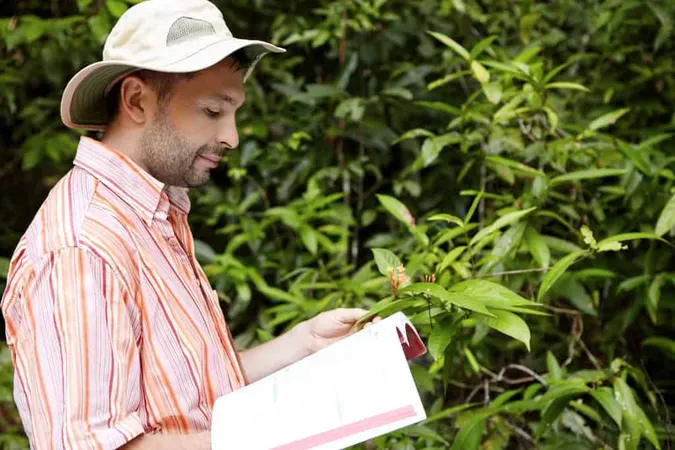
How to Become a PCO Organic Contract Inspector Certified
Becoming certified as an organic contract inspector requires a blend of education, experience, and formal training:
Meet Educational and Experience Requirements
Candidates typically need a background in agriculture, food science, environmental studies, or a related field. Practical experience in organic farming, processing, or inspection is highly valued.Complete Required Training Courses
Certification programs often involve comprehensive training on USDA organic standards, inspection protocols, record-keeping, and ethical practices. The training may be offered by accredited organizations like the Pacific Coast Organic (PCO) or through USDA-sponsored workshops.
Gain Practical Inspection Experience
Aspiring inspectors usually participate in supervised inspections to develop on-the-ground skills and confidence.
Apply for Certification
Submit an application with documented training and inspection hours to the certifying body.
Pass the Certification Exam
Exams evaluate knowledge of organic regulations, inspection techniques, and the ability to identify compliance issues.
Maintain Certification
Continuing education and periodic recertification ensure inspectors remain current with evolving organic standards and industry practices.
Job Description for Organic Contract Inspectors
Organic contract inspectors serve as the eyes and ears of certifying agencies, ensuring organic standards are upheld throughout the supply chain. Their duties include:
Conducting On-Site Inspections
Evaluate organic operations, verify compliance, and identify nonconformities.Reviewing Documentation
Assess records related to organic inputs, production methods, sales, and traceability.
Reporting Findings
Prepare detailed inspection reports and recommend certification decisions or corrective actions.
Consulting with Producers
Provide guidance on organic requirements and best practices to help operators maintain compliance.
Collaborating with Certification Bodies
Work closely with certifiers and regulatory agencies to support certification and enforcement efforts.
Inspectors often work as independent contractors or employees of certification organizations, regulatory bodies, or consulting firms.
Salary Expectations for PCO Organic Contract Inspectors
Salaries for organic contract inspectors vary based on experience, location, and employment type:
Entry-Level Inspectors
Usually earn between $40,000 and $50,000 annually.Experienced Inspectors
With several years of inspection experience and certification, salaries range from $55,000 to $70,000.Senior Inspectors or Supervisors
Senior personnel managing teams or complex inspections can earn upwards of $75,000 or more.Contract and Part-Time Inspectors
May earn hourly rates between $25 and $50, depending on expertise and assignment.
Job stability is often strong due to consistent demand for organic certification and compliance monitoring.
Exam Cost for PCO Organic Contract Inspector Certification
The costs associated with obtaining PCO organic contract inspector certification typically include:
-
Training Course Fees
Training programs range from $500 to $1,200, depending on course length and delivery format. -
Certification Exam Fees
Exams usually cost between $300 and $500, including application processing. -
Additional Expenses
Travel and lodging may be necessary for in-person training or inspections. -
Certification Renewal
Renewal fees and continuing education costs generally range from $100 to $300 every few years.
Investing in certification offers long-term career benefits and professional recognition.

Conclusion
The PCO Organic Contract Inspector Certification provides a structured pathway for individuals passionate about organic agriculture and food safety to establish themselves as trusted professionals. Certified inspectors ensure that organic producers meet the high standards required for certification, safeguarding consumer confidence and supporting sustainable agriculture.
With growing consumer demand and expanding organic markets, the need for qualified inspectors continues to rise. By completing the required training, gaining inspection experience, and passing certification exams, candidates can build a fulfilling career with diverse opportunities and competitive salaries.

- +Validates your knowledge and skills objectively
- +Increases job market competitiveness
- +Provides structured learning goals
- +Networking opportunities with other certified professionals
- −Study materials can be expensive
- −Exam anxiety can affect performance
- −Requires dedicated preparation time
- −Retake fees apply if you don't pass
(PCO) PCO Organic Contract Inspector Certified Questions and Answers
About the Author

Certified Professional Development Expert & Niche Certification Advisor
University of Pennsylvania Graduate School of EducationDr. Alexandra Kim holds a PhD in Professional Studies from the University of Pennsylvania and is a Certified Professional in Learning and Performance (CPLP) and Certified Professional in Talent Development (CPTD). With 17 years of corporate training and professional certification advisory experience, she helps professionals navigate specialized, emerging, and cross-industry certification programs.
Join the Discussion
Connect with other students preparing for this exam. Share tips, ask questions, and get advice from people who have been there.
View discussion (8 replies)