
PCA Full Name Explained: What PCA Stands For and Everything You Need to Know
What does PCA stand for? From PCA skin to PCA medical and personal care assistants — learn every meaning, role, and career path. ✅

If you have ever typed "pca full name" into a search bar, you already know the frustration: the acronym PCA means completely different things depending on the context. In healthcare, PCA most commonly stands for Personal Care Assistant, a trained professional who helps individuals with disabilities, chronic illnesses, or age-related limitations perform the activities of daily living. Understanding the pca full name in each of its contexts is the first step toward choosing the right career, product, or service for your needs.
The term PCA skin refers to a professional skincare brand — PCA SKIN — whose name originally stood for Physicians Care Alliance. Today, PCA SKIN is one of the most recognized names in clinical skincare, offering products like the PCA hydrating toner that estheticians and dermatologists recommend for sensitive and post-procedure skin. Many people search "pca skin" or "pca skincare" without realizing that a completely separate industry uses the same initials to describe a vital healthcare workforce.
In medicine, pca medical typically refers to two distinct concepts. The first is Patient-Controlled Analgesia, a pain-management system that allows hospitalized patients to self-administer measured doses of intravenous pain medication by pressing a button. The second, and more broadly relevant to this article, is the Personal Care Assistant role — a position that sits at the heart of home-based, community-centered care across all 50 states.
Beyond health and skincare, PCA appears in several other industries. PCA church refers to the Presbyterian Church in America, a major Reformed denomination with congregations nationwide. The pca pump in automotive contexts often describes a power-steering or coolant pump component. Even pca stats surfaces in sports analytics circles, where the abbreviation is used for pitch count analysis or player contribution assessments in baseball coverage.
For the purposes of this guide, we will focus primarily on the Personal Care Assistant meaning, since that is the context most readers are researching when they want to understand what is a pca. We will also touch on the pca meaning across other industries so you can quickly disambiguate whichever use case you need. By the end of this article, you will understand the role, the requirements, the rewards, and the study tools available to help you succeed.
The growing demand for Personal Care Assistants is reshaping the American healthcare landscape. With millions of Baby Boomers entering their seventies and eighties, and with federal policy increasingly favoring home- and community-based services over institutional care, the PCA workforce has never been more critical. The Bureau of Labor Statistics projects that home health and personal care aide employment will grow by roughly 22 percent through 2032 — one of the fastest growth rates of any occupation in the country.
Whether you are a prospective PCA looking to pass your certification exam, a caregiver curious about formalizing your skills, or simply someone trying to make sense of a confusing acronym, this comprehensive guide covers every angle of the pca full name debate and gives you actionable, accurate information to move forward with confidence.
PCA by the Numbers

What PCA Stands For: Every Major Meaning
The most common healthcare meaning. A PCA assists individuals with disabilities, chronic illness, or aging-related needs with daily activities including bathing, dressing, meal preparation, medication reminders, and mobility support in home or community settings.
A leading professional skincare brand known for clinical formulations. Products like the PCA hydrating toner, cleansers, and chemical peels are sold through licensed estheticians, dermatologists, and medical spas throughout North America.
A hospital pain-management technique where patients press a button to self-administer preset doses of IV pain medication. The PCA pump prevents overmedication with built-in lockout intervals, giving patients autonomy over their comfort during recovery.
A major Reformed Protestant denomination founded in 1973. The PCA church operates over 1,800 congregations across the United States and is known for its commitment to Reformed theology, church planting, and global missions.
A statistical technique used in data science and machine learning to reduce the dimensionality of large datasets. PCA stats appear frequently in research papers, bioinformatics studies, and financial modeling to simplify complex variable relationships.
When most Americans search "what is a pca," they are asking about the Personal Care Assistant role in the healthcare system. A Personal Care Assistant is a trained support worker who enables people with physical disabilities, cognitive impairments, developmental differences, or age-related limitations to live independently in their own homes or community settings rather than in nursing facilities or hospitals. The role is federally supported through Medicaid waiver programs and is regulated at the state level, meaning training requirements and pay rates vary significantly by location.
The pca meaning in healthcare is broader than many people assume. PCAs do not simply help with hygiene tasks — they serve as the daily foundation of their clients' independence. A Personal Care Assistant might begin a morning shift by helping a client transfer from bed to wheelchair, then assist with oral hygiene, bathing, and dressing. Later in the day, the PCA might prepare a nutritionally appropriate meal, administer medication reminders, accompany the client to medical appointments, and provide light housekeeping so the client's living environment remains safe and sanitary.
The pca medical distinction matters because Personal Care Assistants are not licensed healthcare providers in the clinical sense. They are paraprofessionals — skilled support workers who operate under the direction of registered nurses, occupational therapists, or the clients themselves in consumer-directed care models. In consumer-directed models, which are popular in states like Massachusetts, California, and New York, the client with the disability actually acts as the employer, hiring and supervising their own PCA with assistance from a fiscal intermediary agency.
Understanding pca skincare versus pca medical helps clarify how the acronym travels across industries. PCA SKIN, the professional skincare brand, built its reputation on clinically informed formulations developed in collaboration with physicians. The brand's flagship PCA hydrating toner uses hyaluronic acid, aloe vera, and chamomile extract to restore the skin barrier after procedures like chemical peels or laser treatments. While this product is excellent in its own right, it has nothing to do with the Personal Care Assistant profession beyond sharing three letters.
The porsche experience is another context where PCA surfaces — the Porsche Club of America uses the initials PCA and hosts track events known informally as the Porsche Experience. This is entirely unrelated to healthcare, but it explains why pca stats in automotive and motorsport communities reference entirely different data than pca stats in data science or baseball analytics. Context is everything when interpreting acronyms.
For career purposes, the personal care assistant definition is the one that carries the most weight in job postings, state licensing boards, and Medicaid billing systems. When a home health agency advertises a PCA position, they are looking for someone who can provide hands-on personal care under a plan of care developed by a nurse or therapist. Requirements typically include a background check, completion of a state-approved training program, and sometimes a competency evaluation administered by a registered nurse. Some states also require PCAs to be listed on a state registry before they can legally work with Medicaid clients.
The demand trajectory for Personal Care Assistants reflects broader demographic and policy trends. As the U.S. population ages and federal programs like the Money Follows the Person initiative encourage community-based care, the need for qualified PCAs grows steadily year over year. Entry-level positions are widely available, and many employers offer on-the-job training, paid orientation, and opportunities to advance into roles such as home health aide, certified nursing assistant, or care coordinator. For anyone considering a career in direct care, understanding the full scope of the pca full name is the ideal starting point.
PCA Meaning Across Industries: Skin, Medical, and More
PCA SKIN was founded in 1990 by a group of physicians who wanted to bring clinically validated ingredients to professional skincare. The brand's PCA hydrating toner became one of its signature products, praised by estheticians for its ability to rehydrate and calm skin immediately after exfoliating treatments. The formulation avoids alcohol and synthetic fragrance, making it suitable for post-peel protocols and sensitive complexions. PCA skincare products are available exclusively through licensed professionals, including dermatologists, plastic surgeons, and certified estheticians, ensuring that clients receive proper guidance on application and layering within a comprehensive skincare regimen.
Today, PCA SKIN offers more than 80 products spanning cleansers, toners, serums, moisturizers, and professional-grade chemical peel solutions. The brand is especially recognized for its Sensi Peel, a gentle treatment formulated for sensitive and ethnic skin types, and its Hyaluronic Acid Boosting Serum, which targets volume loss and dehydration. For consumers, finding PCA skincare requires a consultation with a licensed provider, which the brand believes ensures safer outcomes and better long-term results than over-the-counter alternatives. The brand's commitment to education, clinical research, and dermatologist collaboration has cemented its reputation in the medical-aesthetic industry.

Is a PCA Career the Right Choice for You?
- +High and growing job demand — 22% projected growth through 2032 means consistent employment opportunities across all states
- +Meaningful work — PCAs directly improve clients' quality of life and independence every single day
- +Low barrier to entry — most positions require only a high school diploma and a state-approved training program
- +Flexible scheduling — part-time, full-time, and live-in arrangements are widely available through agencies and private clients
- +Career advancement pathways — PCA experience opens doors to CNA, HHA, LPN, and care coordinator roles
- +Consumer-directed models allow PCAs to work for clients they know and trust, including family members in some states
- −Pay rates remain below the national median wage despite recent Medicaid rate increases in many states
- −Physically demanding work — lifting, transferring, and prolonged standing can cause musculoskeletal injuries over time
- −Emotional labor is significant — working with clients who have severe disabilities or terminal conditions can be taxing
- −Benefits like health insurance and paid time off are inconsistent, especially for self-employed or agency-contracted PCAs
- −Irregular hours and last-minute schedule changes are common in home care, disrupting work-life balance
- −Limited professional recognition — PCAs are often undervalued by the broader healthcare system despite their essential role
Pros and Cons at a Glance
| Pros | Cons |
|---|---|
| Meaningful work — PCAs directly improve clients' quality of life and independence every single day | Pay rates remain below the national median wage despite recent Medicaid rate increases in many states |
| Low barrier to entry — most positions require only a high school diploma and a state-approved training program | Physically demanding work — lifting, transferring, and prolonged standing can cause musculoskeletal injuries over time |
| Flexible scheduling — part-time, full-time, and live-in arrangements are widely available through agencies and private clients | Emotional labor is significant — working with clients who have severe disabilities or terminal conditions can be taxing |
| Career advancement pathways — PCA experience opens doors to CNA, HHA, LPN, and care coordinator roles | Benefits like health insurance and paid time off are inconsistent, especially for self-employed or agency-contracted PCAs |
| Consumer-directed models allow PCAs to work for clients they know and trust, including family members in some states | Irregular hours and last-minute schedule changes are common in home care, disrupting work-life balance |
PCA Career Readiness Checklist
- ✓Confirm your state's specific PCA training hour requirements before enrolling in any program
- ✓Complete a state-approved PCA training course covering personal care, safety, communication, and infection control
- ✓Submit fingerprints and pass a criminal background check through your state's caregiver registry
- ✓Obtain CPR and First Aid certification from a recognized provider such as the American Red Cross
- ✓Register on your state's Personal Care Attendant Registry if your state requires it for Medicaid work
- ✓Create a professional resume highlighting caregiving experience, any medical training, and language skills
- ✓Research local agencies and consumer-directed programs to understand which employment model fits your goals
- ✓Practice exam questions covering PCA duties, client rights, reporting requirements, and boundary-setting
- ✓Understand mandatory reporting laws for elder abuse, child abuse, and neglect in your state
- ✓Set up a professional voicemail and email address for job applications and agency contact
Consumer-Directed Programs Can Pay Family Members
In many states, Medicaid-funded consumer-directed care programs allow eligible individuals to hire a family member — including an adult child or sibling — as their official PCA. This arrangement lets families keep care within trusted relationships while ensuring the caregiver receives formal wages, workers' compensation coverage, and sometimes benefits. Requirements vary by state, so check with your local Medicaid office or fiscal intermediary to confirm eligibility before assuming family members cannot be paid.
Becoming a Personal Care Assistant in the United States requires meeting a set of baseline qualifications that vary somewhat by state but share a common core. Most states require candidates to be at least 18 years old, hold a high school diploma or GED, and pass a criminal background check. Some states also require tuberculosis testing and documentation of physical fitness to perform care tasks safely. These requirements exist to protect the often-vulnerable clients PCAs serve, and they are non-negotiable in programs funded by Medicaid.
Training programs for PCAs typically range from 40 to 120 hours, depending on the state and employer. Core curriculum topics include personal hygiene assistance, safe client transfers and repositioning, infection control and universal precautions, basic nutrition and meal preparation, medication management (reminders, not administration in most states), communication skills, client rights and confidentiality, and mandatory reporting obligations. Some advanced programs also cover specialized topics such as dementia care, behavioral support strategies, and assistive technology operation.
Once training is complete, many states require candidates to pass a written competency examination and a practical skills evaluation administered by a registered nurse. The skills evaluation typically covers handwashing technique, proper glove use, bed bath or partial bath procedures, transfer belt use, and range-of-motion exercises. Passing both components earns the candidate a listing on the state's caregiver registry, which Medicaid-enrolled agencies are required to check before hiring.
The consumer-directed model of PCA employment — available in states including Massachusetts, Oregon, California, Minnesota, and Connecticut — works differently from agency employment. In consumer-directed programs, the individual receiving care acts as the employer of record. They recruit, hire, train, schedule, and if necessary terminate their PCAs independently. A fiscal intermediary organization handles payroll, taxes, workers' compensation, and benefits administration on behalf of the consumer-employer. This model gives clients maximum control over who enters their home and how their care is delivered.
For PCAs interested in advancement, the field offers a natural progression into higher-skill roles. Many PCAs pursue Certified Nursing Assistant (CNA) certification after gaining experience, which typically requires an additional 75 to 150 hours of training and a two-part state exam. From there, pathways include Licensed Practical Nurse (LPN), Registered Nurse (RN), occupational therapy assistant, or care coordinator. Some employers offer tuition reimbursement or scholarship programs specifically designed to support PCA-to-CNA advancement, recognizing that retaining experienced workers reduces costly turnover.
Understanding the pca meaning in its healthcare context also means understanding the regulatory environment. The Centers for Medicare and Medicaid Services (CMS) sets broad national standards for home and community-based services, but individual states design their own PCA benefit structures, reimbursement rates, and quality oversight systems. This patchwork of regulations means that a PCA who moves from one state to another may need to complete additional training or re-register on the new state's registry, even with years of experience. Checking with the destination state's Medicaid agency or state health department is always the safest first step.
The financial case for entering the PCA field is strengthening. Medicaid reimbursement rates for personal care services have increased in numerous states following advocacy by direct care worker organizations and the passage of the American Rescue Plan Act, which provided additional federal funding for home and community-based services.
These rate increases have allowed agencies to raise wages, and some states now set minimum wage floors specifically for PCA workers that exceed the state general minimum wage. New York, California, and Washington are among the highest-paying states for personal care workers, with median hourly wages above $18 per hour in many counties.

In states with mandatory PCA registries, it is illegal for a Medicaid-funded employer to allow you to begin working with clients before your registry listing is confirmed — even if your background check cleared. Starting work before registration can result in penalties for the agency and non-payment for your hours. Always obtain written confirmation of your registry status before your scheduled first shift.
Preparing for a PCA competency exam or knowledge assessment requires a structured study approach that covers both the factual content tested on written portions and the hands-on techniques evaluated in practical skills checks. Many candidates underestimate the breadth of the written test, which can include questions on client rights under state and federal law, infection control principles, documentation requirements, scope-of-practice limitations, and emergency response protocols. Reviewing all training materials methodically — rather than only the topics that feel familiar — dramatically improves first-attempt pass rates.
Practice questions are among the most effective study tools available to PCA candidates. Working through realistic multiple-choice questions exposes gaps in your knowledge before test day, trains your brain to recognize how questions are phrased, and builds the test-taking confidence that prevents anxiety from derailing well-prepared candidates. The PCA practice quizzes available on PracticeTestGeeks.com are organized by topic, allowing you to focus on specific areas like duties and responsibilities, working conditions, qualifications, or daily living assistance skills before integrating all topics in a comprehensive review.
Time management on written exams matters more than most candidates expect. Many PCA written assessments give candidates 90 minutes to answer between 40 and 100 multiple-choice questions. That works out to 54 to 135 seconds per question — enough time if you stay focused, but dangerously tight if you dwell on difficult items. Experienced test-takers recommend reading all answer choices before selecting one, eliminating clearly wrong options first, and flagging uncertain questions for review rather than spending excessive time on them during the first pass through the exam.
The practical skills component of PCA certification evaluations tests whether candidates can perform care tasks safely and competently in a simulated setting, usually using a mannequin or a trained evaluator acting as the "client." Common tested skills include handwashing (often the first and most scrutinized procedure), donning and doffing gloves, providing a bed bath, assisting with ambulation using a gait belt, repositioning a client in bed, and performing passive range-of-motion exercises. Candidates are typically scored on both technical accuracy and communication — narrating actions to the client throughout each procedure is usually required for full credit.
One area where PCA candidates frequently lose points is in documentation and reporting scenarios. Written exam questions about mandatory reporting — specifically, what constitutes abuse, neglect, or exploitation, who is required to report, and to which agency reports must be made — are common and often tricky. The correct answer is almost always to report immediately through the proper channel rather than to investigate independently, confront the suspected abuser, or wait to gather more evidence. Internalizing this principle before exam day prevents a category of avoidable errors.
Study groups can accelerate preparation significantly. Pairing with one or two other PCA candidates to quiz each other, discuss confusing scenarios, and practice skills together creates accountability and surfaces misunderstandings that solo study can miss. If in-person study groups are not practical, online forums and social media groups for PCA candidates provide a virtual alternative where members share study tips, discuss test experiences, and offer encouragement. PracticeTestGeeks.com also offers timed quizzes that simulate actual exam conditions, which is especially valuable for building pace and focus.
For candidates who feel less confident about the written content, a systematic topic review spanning one to two weeks before the exam date produces the most reliable results. Begin with the highest-weight topics — usually personal care procedures, infection control, and client rights — then work through supporting topics like nutrition, mobility assistance, and emergency procedures. Reserve the final two to three days for full practice tests under timed conditions, reviewing every incorrect answer to understand the reasoning behind the correct choice rather than simply memorizing the right letter. This active-review approach builds durable understanding rather than surface-level familiarity.
On the day of your PCA competency evaluation, preparation extends beyond content knowledge to logistics and mindset. Arrive at least 15 minutes early so you have time to complete any paperwork, calm pre-exam nerves, and review your notes one final time. Bring all required documentation — typically a government-issued photo ID, your training completion certificate, and any forms your employer or testing agency specified. Forgetting required documents can result in exam cancellation and a rescheduling fee, so prepare a checklist the night before.
During the practical skills evaluation, communicate clearly and professionally with your evaluator from the moment you enter the testing room. Introduce yourself, explain what you are about to do before each step, and ask the "client" if they are comfortable and ready before touching them. These professional habits are not just good practice — they are often explicitly scored on the skills checklist. Evaluators look for candidates who demonstrate client-centered care, not just technical proficiency, because the goal of PCA work is to support dignity and autonomy alongside physical safety.
After passing your competency evaluation, request a copy of your results and any certificate or completion documentation immediately. Some states mail official cards or registry confirmation within two to four weeks; others update an online portal that employers can query directly. Keep digital and physical copies of all credentialing documents in a dedicated folder, since employers and fiscal intermediaries will request them repeatedly during onboarding and at annual renewal periods.
Continuing education is increasingly required for PCAs to maintain their standing on state registries. Some states mandate 12 hours of annual in-service training covering topics like dementia care updates, infection control refreshers, and workplace safety. Others require competency re-evaluation every two years. Staying current not only satisfies regulatory requirements but also makes you a more effective and marketable caregiver. Many PCA employers cover the cost of required continuing education, so ask about this benefit during your job search.
Building strong client relationships is the hallmark of an outstanding PCA, and it begins with the very first visit. Introduce yourself, learn how the client prefers to be addressed, and ask open-ended questions about their preferences, routines, and comfort. Clients who feel respected and heard are more likely to cooperate with care, communicate emerging health concerns, and provide the positive references that build your professional reputation over time. Consistency — arriving on time, following the agreed care plan, and maintaining a calm and reassuring presence — is the single most important quality that distinguishes good PCAs from great ones.
The broader healthcare team also depends on PCAs to serve as the eyes and ears of community-based care. Because PCAs often spend more time with clients than any other care provider, they are uniquely positioned to notice early warning signs of health deterioration: unusual fatigue, changes in appetite, skin breakdown, altered behavior, or complaints about pain. Reporting these observations promptly to the supervising nurse or care coordinator can prevent minor issues from becoming medical emergencies. This observational and reporting function is a core professional responsibility — not an optional extra — and it is regularly tested on PCA competency exams.
As you launch or advance your PCA career, remember that the acronym PCA carries meaning far beyond any single industry. Whether you are exploring pca skin formulations for a post-procedure skincare regimen, researching the pca pump used in hospital pain management, or preparing to begin your career as a Personal Care Assistant, understanding the full scope of what PCA stands for equips you to navigate searches, conversations, and career decisions with accuracy and confidence.
The personal care assistant path in particular offers a uniquely rewarding blend of human connection, practical skill, and tangible impact that few other entry-level healthcare roles can match.
Sample Personal Care Assistant Practice Questions
Try these questions from our free Personal Care Assistant practice tests. The correct answer and an explanation follow each question.
When using a RACE protocol during a fire, what does the letter 'C' stand for?
- A. Call 911 immediately
- B. Contain the fire by closing doors
- C. Check for victims in the building
- D. Conserve oxygen supplies
Answer: B. Contain the fire by closing doors
In RACE (Rescue, Alarm, Contain, Extinguish/Evacuate), 'C' stands for Contain — closing doors slows the spread of fire and smoke.
A client who is visually impaired needs assistance at mealtime. The most appropriate action is to:
- A. Feed the client entirely without involving them
- B. Describe food locations using clock positions and assist only as needed
- C. Mash all foods together to make eating easier
- D. Skip verbal descriptions since the client cannot see the plate
Answer: B. Describe food locations using clock positions and assist only as needed
Describing food locations using clock positions (e.g., 'potatoes at 3 o'clock') promotes independence and dignity for visually impaired clients.
Which technique best prevents back injury when assisting a client to stand from a chair?
- A. Bending at the waist and pulling the client up by the arms
- B. Using a gait belt and bending at the knees to lift with the legs
- C. Having the client grab the PCA's neck for support
- D. Lifting quickly so the client spends less time off-balance
Answer: B. Using a gait belt and bending at the knees to lift with the legs
Using a gait belt and lifting with the legs protects the PCA's back and provides secure support for the client.
Which action by a PCA violates professional boundaries when supporting a client's emotional needs?
- A. Listening attentively when the client shares their feelings
- B. Sharing personal phone number for the client to call anytime
- C. Notifying the supervisor of a client's emotional distress
- D. Using a calm, warm tone when the client is upset
Answer: B. Sharing personal phone number for the client to call anytime
Sharing personal contact information blurs professional boundaries and can create dependency or inappropriate relationships.
PCA Questions and Answers

PCA Duties: Complete Guide to Personal Care Assistant Responsibilities, Daily Tasks, and Care Standards in 2026
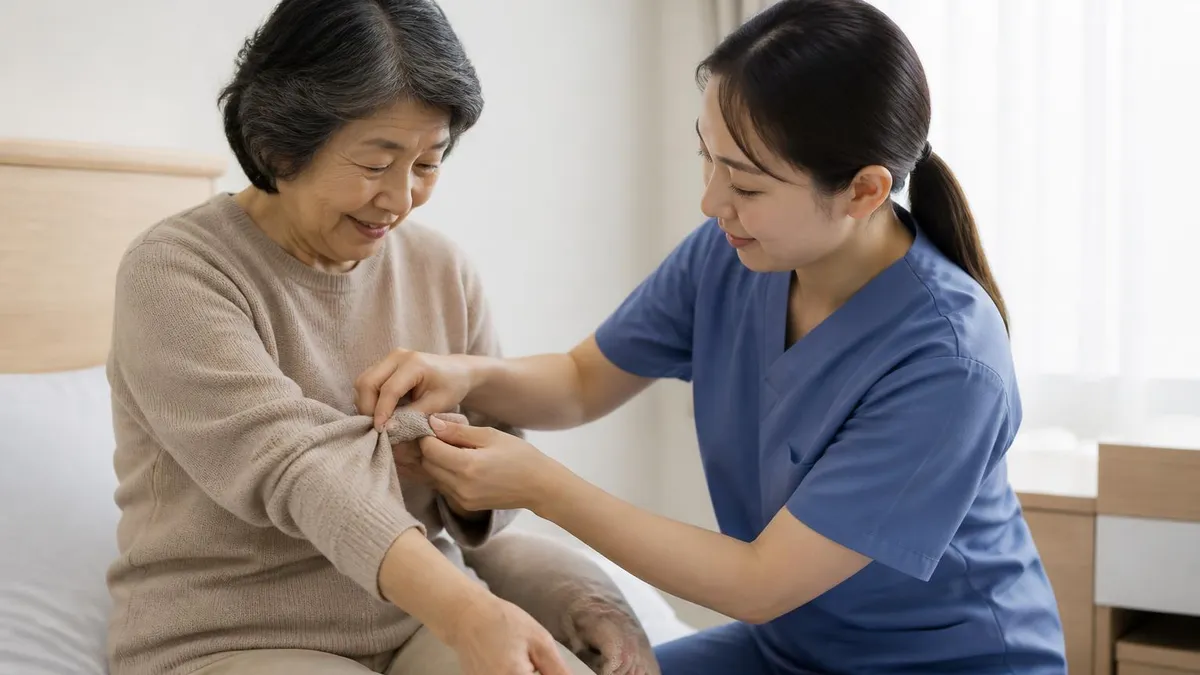
Personal Care Assistant Jobs Near Me: How to Find Local PCA Positions, Apply Successfully, and Start Your Caregiving Career in 2026
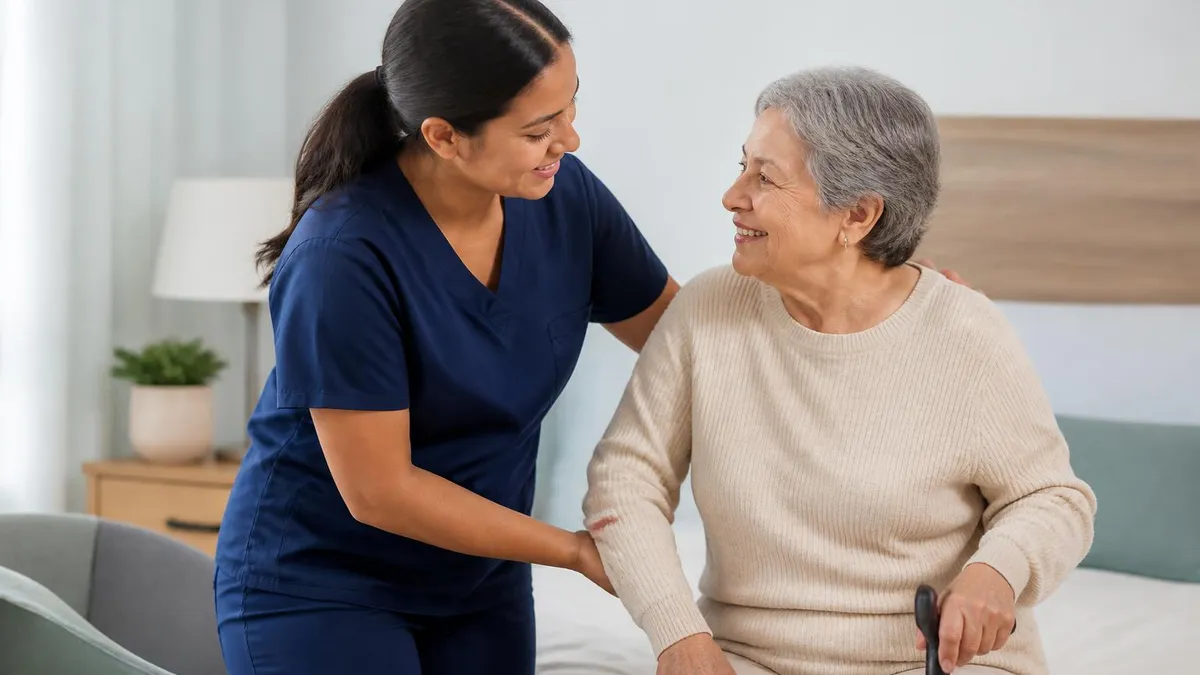
Personal Care Assistant Salary 2026: Complete Pay Guide by State, Experience, and Setting

Tempus Unlimited PCA: Complete Guide to Personal Care Assistant Services, Eligibility, and How to Get Started in 2026

Massachusetts PCA Directory: Complete Guide to the PCA Skin, Medical, and Personal Care Assistant Landscape
About the Author

Registered Nurse & Healthcare Educator
Johns Hopkins University School of NursingDr. Sarah Mitchell is a board-certified registered nurse with over 15 years of clinical and academic experience. She completed her PhD in Nursing Science at Johns Hopkins University and has taught NCLEX preparation and clinical skills courses for nursing students across the United States. Her research focuses on evidence-based exam preparation strategies for healthcare certification candidates.