
Is PCA Good? A Complete Career Research Guide for Personal Care Assistants in 2026 September
Is PCA good as a career? Explore PCA meaning, PCA medical roles, salary, job outlook, and daily duties. ✅ Real data for 2026 September job seekers.

If you have been asking yourself is PCA good as a long-term career path, you are far from alone. Millions of Americans search for terms like pca skin, pca meaning, and what is a pca every month, reflecting widespread curiosity about this growing profession. A Personal Care Assistant — or PCA — provides hands-on support to elderly individuals, people with disabilities, and anyone who needs help managing daily life at home. The role is deeply human, practically essential, and increasingly in demand as the U.S. population ages rapidly through the 2020s and beyond.
Understanding the full scope of what a PCA does is the first step toward deciding whether this career is right for you. The term pca meaning covers a wide range of responsibilities: bathing, grooming, meal preparation, medication reminders, light housekeeping, transportation assistance, and emotional companionship. Some PCAs work in private homes while others are employed by home health agencies, assisted living facilities, or through state-funded Medicaid waiver programs. The flexibility of the role makes it attractive to caregivers at every stage of life, from college students to career changers to retirees seeking part-time work.
The demand for PCAs is not just a trend — it is a structural shift in American healthcare. According to the Bureau of Labor Statistics, home health and personal care aides represent one of the fastest-growing occupational categories in the entire U.S. economy.
Projections through 2033 suggest more than 800,000 new positions will be added to the workforce, driven largely by the aging Baby Boomer generation. This kind of job security is rare and valuable, especially in an economy where many fields face automation and outsourcing pressures. Caregiving, by its very nature, is one of the most automation-resistant professions in existence.
People researching pca medical roles often discover that PCAs work alongside licensed nurses, therapists, and physicians as part of integrated care teams. While a PCA is not a medical professional and does not perform clinical procedures, they are often the front-line observer who notices changes in a client's condition and reports them to healthcare providers. This makes the PCA role medically significant even if it does not require a nursing license or advanced degree. Many PCAs use the experience as a stepping stone into nursing, physical therapy, social work, or healthcare administration.
Beyond the professional advantages, many caregivers find deep personal meaning in PCA work. Helping someone get dressed in the morning, preparing a meal they enjoy, or simply sitting with them during a difficult day creates a quality of human connection that is increasingly rare in modern work environments. PCA clients frequently describe their caregivers as some of the most important people in their lives. This emotional dimension of the job contributes to high levels of job satisfaction among caregivers who feel called to service-oriented work.
Of course, the PCA career is not without its challenges. Physical demands, emotionally taxing situations, and historically modest pay have been persistent concerns. However, wages have risen significantly in recent years due to Medicaid rate increases, union advocacy, and competitive labor markets in many states. If you want to explore pca career research in depth — including daily tasks, legal responsibilities, and what clients actually need — this guide covers everything you need to make a fully informed decision about entering the field.
Whether you are drawn to caregiving for financial reasons, personal values, career flexibility, or the desire to make a tangible difference in someone's life, the PCA profession deserves serious consideration. The sections below walk you through salary data, pros and cons, required qualifications, working conditions, and practical steps to land your first PCA position in 2026.
PCA Career by the Numbers

PCA Career Pathways: Where PCAs Work in 2026
PCAs visit clients in their own homes, providing personal care, companionship, and household support. This is the most common setting, offering schedule flexibility and one-on-one client relationships that many caregivers find deeply rewarding.
Home health agencies match PCAs with multiple clients, handle payroll and scheduling, and often provide training and benefits. Agencies offer stable income and professional support, making them ideal for new caregivers entering the field.
State Medicaid programs like Tempus Unlimited allow clients to hire and manage their own PCAs, often family members. These programs give PCAs direct employment relationships and sometimes higher hourly rates than agency work.
PCAs working in residential facilities support multiple residents, often specializing in dementia or Alzheimer's care. Facility settings offer consistent hours, team-based environments, and advancement opportunities into supervisory roles.
Some PCAs specialize in supporting children with disabilities, developmental delays, or medically complex conditions. Pediatric PCA work often requires additional certifications but commands higher pay and builds specialized clinical knowledge.
Understanding what is a pca on a day-to-day basis is essential before committing to this career. A typical PCA shift begins with a review of the client's care plan — a document developed by a healthcare provider or care coordinator that outlines exactly what assistance the client needs. This plan might include personal hygiene support, such as helping the client bathe, brush their teeth, comb their hair, and get dressed. For clients with limited mobility, this process can take an hour or more and requires both physical strength and patience from the caregiver.
Meal preparation is another major component of PCA work. Many clients cannot safely cook for themselves due to mobility limitations, cognitive decline, or medical conditions that require dietary restrictions. A PCA may prepare breakfast, lunch, and dinner according to the client's preferences and medical guidelines, ensuring proper nutrition and hydration throughout the day. Some clients need assistance with eating itself, including cutting food into manageable pieces or using adaptive utensils. PCAs who work with clients recovering from strokes must be especially attentive to swallowing difficulties and aspiration risks.
Medication reminders are a critical but often overlooked part of the PCA role. While PCAs are generally not licensed to administer medications, they play a vital part in ensuring clients take the right medications at the right times. This includes organizing pill boxes, prompting clients to take their doses, and documenting any missed medications or unusual reactions. In some states, PCAs who complete additional training may be authorized to assist with self-administered medications, which increases their scope of practice and earning potential significantly.
Mobility assistance is perhaps the most physically demanding aspect of PCA work. Helping a client transfer from bed to wheelchair, assisting with walking using a gait belt, or repositioning a bedridden client to prevent pressure sores all require proper body mechanics and technique. PCAs learn these skills during their initial training and must practice them consistently to avoid injuring both themselves and their clients. Back injuries are a recognized occupational hazard in caregiving, which is why proper lifting technique and mechanical aids like Hoyer lifts are emphasized in quality training programs.
Beyond the physical tasks, PCAs provide invaluable emotional and social support. Many clients — especially elderly individuals who live alone — experience significant isolation and loneliness. A PCA who takes time to listen, engage in conversation, play cards, watch a favorite television program together, or accompany the client on a walk provides a quality of social engagement that dramatically improves mental health outcomes. Research consistently shows that social isolation is as harmful to health as smoking 15 cigarettes a day, making the companionship dimension of PCA work genuinely life-saving.
Documentation is a professional responsibility that new PCAs sometimes underestimate. At the end of each shift, PCAs record what tasks were completed, any changes in the client's condition, concerns that need follow-up, and the hours worked. Accurate documentation protects both the client and the caregiver legally and ensures continuity of care when multiple PCAs rotate through the same client's home. In agency settings, documentation is typically completed through a mobile app or electronic visit verification system that timestamps caregiver arrivals and departures.
If you want a comprehensive breakdown of every task a PCA performs, the legal boundaries of the role, and how care plans are structured, exploring detailed pca career research resources will give you the complete picture before you begin your job search or training program. The more you know about the daily reality of PCA work upfront, the better prepared you will be to thrive in this demanding and rewarding profession.
PCA Meaning Across Different Settings and Contexts
In pca medical contexts, a Personal Care Assistant works within the broader healthcare ecosystem to support individuals who cannot fully care for themselves. PCAs collaborate with registered nurses, occupational therapists, and social workers, and are often the first to detect subtle changes in a client's health status. Their daily observations — reported to supervising clinicians — can catch early signs of infection, deterioration, or medication side effects before they become medical emergencies.
Healthcare-setting PCAs typically require more formal training and may need to pass state competency evaluations. In some states, PCAs working through Medicaid home and community-based services programs must complete accredited training programs covering infection control, safety procedures, and mandatory reporting obligations. The pca medical role demands both compassion and professional discipline, since caregivers are trusted with vulnerable individuals in intimate, unsupervised settings where ethical conduct is paramount.

Is PCA Good? Honest Pros and Cons of a Caregiving Career
- +Exceptional job security with 22% projected growth through 2033 — one of the fastest-growing occupations in the U.S.
- +Meaningful work with direct, visible impact on clients' quality of life and independence every single shift.
- +Low educational barrier to entry — most positions require only a high school diploma and short training program.
- +Flexible scheduling options including part-time, full-time, overnight, and weekend shifts to fit your lifestyle.
- +Clear career advancement pathways into nursing, social work, physical therapy, and healthcare administration.
- +Growing wages in many states due to Medicaid rate increases, union advocacy, and competitive labor markets.
- −Physical demands including lifting, transferring, and prolonged standing can lead to back strain and fatigue.
- −Emotional weight of caring for clients who are declining, in pain, or nearing end of life can cause burnout.
- −Pay remains below the national median wage, though it has improved significantly in recent years.
- −Irregular hours and last-minute schedule changes are common, especially in agency-based employment models.
- −Limited employer-provided benefits such as health insurance and retirement plans, particularly for part-time workers.
- −Professional isolation is common since most PCAs work alone in client homes without daily team support.
PCA Career Readiness Checklist: Are You Prepared?
- ✓Confirm you meet your state's minimum age requirement (usually 18, though some states allow 16 with restrictions).
- ✓Obtain a high school diploma or GED, which is required by the majority of PCA employers and training programs.
- ✓Complete a state-approved PCA training program covering safety, personal care, and documentation basics.
- ✓Pass your state's required competency evaluation or skills demonstration test before beginning paid employment.
- ✓Submit to a criminal background check, which is mandatory for all PCAs working with vulnerable populations.
- ✓Get current on required vaccinations including flu, hepatitis B, and tuberculosis screening as required by employers.
- ✓Obtain a valid driver's license and reliable transportation if you plan to provide client transportation assistance.
- ✓Complete CPR and first aid certification, which many employers require and all recommend for safety preparedness.
- ✓Research your state's Medicaid PCA programs to understand payment structures, consumer-directed options, and agency requirements.
- ✓Create a professional resume highlighting caregiving experience, soft skills, reliability, and any relevant certifications.
PCAs Earn More Than Ever — and Demand Is at an All-Time High
In 2024, the median hourly wage for personal care aides reached $16.43 nationally, with many states offering $18–$24 per hour through Medicaid-funded programs. Combined with a 22% projected job growth rate through 2033, the PCA field offers a rare combination of immediate job availability and long-term career stability that few entry-level healthcare roles can match.
When evaluating is pca good as a genuine career decision, it helps to look beyond the job description and examine real career trajectories. Many of today's registered nurses, licensed practical nurses, and healthcare social workers began their professional lives as PCAs or home health aides. The hands-on experience gained in direct caregiving builds clinical observation skills, emotional intelligence, and practical knowledge of chronic disease management that formal education programs alone cannot replicate. Employers in healthcare consistently value this ground-level experience when evaluating candidates for advancement.
The salary picture for PCAs has also changed meaningfully in recent years. Historically, caregiving wages were among the lowest in the entire healthcare sector, reflecting a systemic undervaluation of predominantly female, minority, and immigrant workforces. Advocacy efforts by organizations like the Paraprofessional Healthcare Institute (PHI) and SEIU have driven significant Medicaid rate increases in states including Massachusetts, California, New York, and Washington. In some California counties, Medicaid-funded PCAs now earn over $20 per hour, a dramatic increase from the $10–$12 range that was common a decade ago.
Benefits are another area where the PCA landscape has improved. Agency-employed PCAs increasingly receive employer-sponsored health insurance, paid time off, retirement contributions, and professional development stipends. Consumer-directed PCAs who work through state Medicaid programs may have access to union-negotiated benefit packages, particularly in states with strong labor organizing traditions. While benefits remain less comprehensive than what office or hospital employees typically receive, the gap has narrowed considerably as states compete to retain caregiving workforces.
Career advancement within the caregiving field itself is more structured than many people realize. PCAs can move into lead caregiver or senior caregiver roles, taking on scheduling responsibilities and mentoring newer staff. With additional training, PCAs can advance to certified nursing assistant (CNA) positions, which typically pay more and open doors to hospital and skilled nursing facility employment. Some states allow experienced CNAs to challenge the licensed practical nurse (LPN) exam after completing bridge programs, creating a direct pathway from PCA to LPN in as few as two years.
For PCAs interested in specialized practice, there are growing niches that command premium pay. Dementia and Alzheimer's care specialists, pediatric home care providers, and PCAs trained in ventilator care or tracheostomy management often earn 20–40% more than generalist caregivers. The pca stats on specialized roles show particularly strong demand, with waitlists for qualified providers common in many metropolitan areas. Investing in specialized training early in a PCA career pays dividends in both earnings and job security.
Work-life balance is a legitimate consideration when evaluating whether a PCA career is right for you. The availability of part-time, full-time, and per-diem shifts makes caregiving one of the most schedule-flexible professions available to workers without advanced degrees. Parents of school-age children, students pursuing nursing degrees, or anyone with caregiving responsibilities of their own often find that PCA work accommodates their personal schedules in ways that retail, food service, or office work cannot. The ability to choose shifts, clients, and geographic areas gives experienced PCAs significant control over their working conditions.
Financial considerations beyond base wages also matter in this career evaluation. Many PCA employers offer mileage reimbursement, paid training, and uniform allowances. Consumer-directed PCAs may be eligible for overtime pay under the Fair Labor Standards Act following a 2015 regulatory change that extended FLSA protections to home care workers. Understanding these compensation details helps job seekers accurately compare PCA offers and negotiate better terms from a position of knowledge rather than desperation.

PCA training hours, background check requirements, and certification standards differ substantially from state to state. Some states require as few as 40 training hours while others mandate 120 or more. Always verify requirements with your state's Department of Health or Medicaid agency before enrolling in a training program to ensure your credentials will be recognized by local employers.
Advancing your PCA career requires both professional development and strategic networking. The most successful long-term caregiving professionals do not simply show up and complete tasks — they actively seek feedback from supervisors, request additional training opportunities, and build relationships with healthcare professionals in their clients' care circles. Nurses, therapists, and care coordinators who observe a PCA's dedication and skill often become powerful advocates when those caregivers apply for promotions, recommend them to other clients, or support their applications to nursing school.
Continuing education is a powerful differentiator in the PCA job market. While many PCAs complete the minimum required training and then stop, those who pursue additional certifications in dementia care, fall prevention, medication assistance, or palliative care support position themselves as premium candidates. Organizations like the National Association for Home Care and Hospice (NAHC) offer continuing education resources, and many state Medicaid programs fund additional training for incumbent workers. Taking advantage of these free or subsidized training opportunities is one of the most cost-effective investments a PCA can make in their career.
Building a professional portfolio is another underused strategy among PCAs. Documenting your training certificates, client testimonials, employer evaluations, and any special skills or specializations you have developed creates a tangible record of your professional growth. This portfolio is invaluable when applying for higher-paying agency positions, supervisory roles, or nursing school programs where competition is intense. Taking photos of your certifications and keeping digital copies ensures you never lose documentation of credentials you worked hard to earn.
Salary negotiation is a skill that PCAs rarely practice but should develop early. Many caregivers accept the first hourly rate offered without realizing that agencies often have flexibility, especially for experienced or specially trained applicants. Researching prevailing wages in your area using tools like the BLS Occupational Employment Statistics database or state-level wage surveys gives you data to support your negotiation. Knowing your market value and being willing to advocate for fair compensation is not unprofessional — it is essential to long-term financial sustainability in any career.
Professional associations offer another avenue for career development. The American Caregiver Association, the National Caregiving Conference, and state-level home care associations host networking events, training workshops, and advocacy campaigns that connect PCAs with each other and with policy makers. Membership in these organizations signals commitment to the profession and provides access to job boards, discounted training, and peer support networks that can be enormously valuable during difficult stretches of caregiving work.
For PCAs considering a transition out of direct care and into management, coordination, or policy work, gaining experience in scheduling, training new hires, or serving on agency quality improvement committees builds the administrative skills that translate into those roles. Many home care agency managers and Medicaid waiver program coordinators began their careers as PCAs and advanced through demonstrated leadership, reliability, and initiative rather than formal management education.
Whatever your long-term goals, the PCA career provides a foundation of human skills — empathy, patience, communication, problem-solving under pressure — that transfers across virtually every caregiving and healthcare role. Starting strong in this profession means entering with realistic expectations, a commitment to learning, and a genuine desire to improve the lives of the people you serve. The rewards, both personal and professional, are real and lasting for those who approach the work with that mindset.
Landing your first PCA job in 2026 is more straightforward than many job seekers expect, especially given the chronic shortage of qualified caregivers in most U.S. markets. Start by completing a state-approved training program if one is required in your state. Many community colleges, vocational schools, and home care agencies offer these programs at low or no cost, sometimes with commitments to work for the sponsoring organization for a set period after completion. This employer-sponsored training route gets you credentialed and employed simultaneously, eliminating the gap between education and income.
Your resume for PCA positions should emphasize reliability, caregiving experience (even informal experience with family members counts), physical stamina, and any relevant certifications. Employers in this field value character and dependability above almost everything else, since they are entrusting you with their most vulnerable clients. References from former supervisors, teachers, clergy, or community members who can speak to your trustworthiness and compassion carry substantial weight in hiring decisions. Gather these references before you begin applying and give your references advance notice that they may be contacted.
Job search platforms like Indeed, ZipRecruiter, and Care.com list thousands of PCA positions at any given time. State Medicaid agency websites often maintain registries of approved employers and consumer-directed program information. Local Area Agencies on Aging are another excellent resource, connecting job seekers directly with elderly clients who are seeking caregivers through Medicaid or private pay arrangements. Visiting home care agencies in person and introducing yourself as an available caregiver can also generate leads faster than online applications alone.
The interview process for PCA positions typically includes questions about your experience with personal care tasks, how you handle emergency situations, your approach to client dignity and privacy, and your availability. Be specific and honest in your answers — interviewers in this field are skilled at identifying candidates who exaggerate their experience or understate the physical and emotional demands of the work. Demonstrating that you understand and have thoughtfully considered those demands will set you apart from candidates who seem unprepared for the reality of caregiving.
Once hired, the first 90 days in a new PCA position are critical for establishing trust with your clients, your client's family members, and your supervising care coordinator. Arriving on time for every shift, communicating proactively about any concerns or schedule conflicts, and going beyond the minimum task list when time allows all contribute to a reputation as a reliable, caring professional. Clients and families who trust their PCA are more likely to request them by name for additional hours, refer them to other families, and write glowing reviews that support future employment opportunities.
Self-care is a professional responsibility for PCAs, not just a personal luxury. Caregiving is physically and emotionally taxing, and burnout is a well-documented occupational hazard. Building sustainable routines that protect your physical health — adequate sleep, regular exercise, proper nutrition — directly improves your performance on the job. Seeking peer support through caregiver support groups, employee assistance programs, or informal networks of fellow PCAs provides emotional outlets that prevent the accumulation of vicarious trauma from difficult client situations.
Finally, approach your PCA career with a long-term perspective even if you intend for this to be a temporary role. The skills, relationships, and professional reputation you build as a caregiver will follow you throughout your working life. Nurses who began as PCAs consistently report that their caregiving experience made them better clinicians. Administrators who started in direct care bring ground-level credibility to their leadership roles. No matter where your career ultimately takes you, treating your PCA work with professionalism and dedication will pay dividends for decades to come.
PCA Questions and Answers

PCA Duties: Complete Guide to Personal Care Assistant Responsibilities, Daily Tasks, and Care Standards in 2026
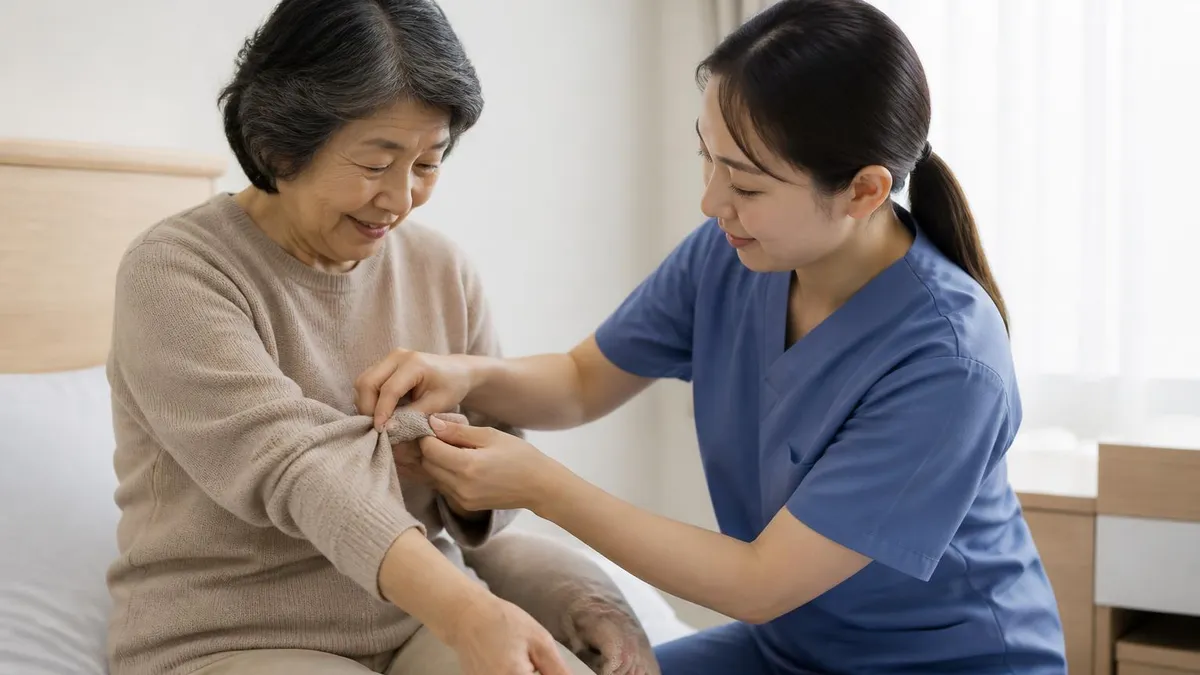
Personal Care Assistant Jobs Near Me: How to Find Local PCA Positions, Apply Successfully, and Start Your Caregiving Career in 2026
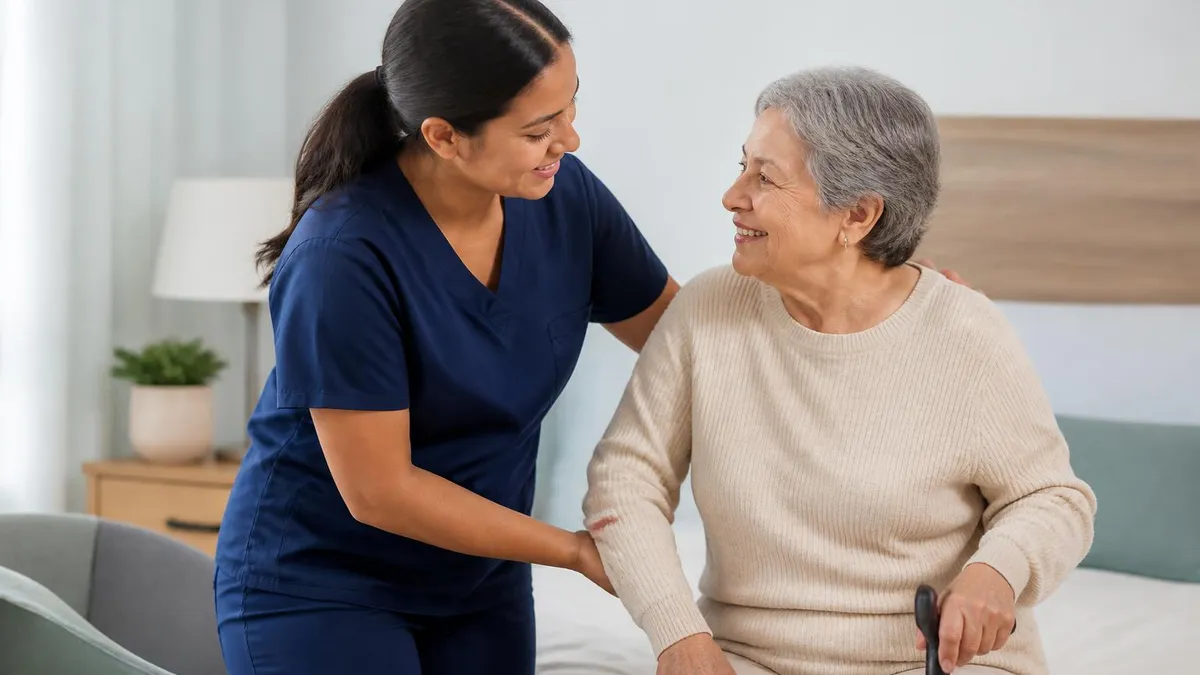
Personal Care Assistant Salary 2026: Complete Pay Guide by State, Experience, and Setting

Tempus Unlimited PCA: Complete Guide to Personal Care Assistant Services, Eligibility, and How to Get Started in 2026

Massachusetts PCA Directory: Complete Guide to the PCA Skin, Medical, and Personal Care Assistant Landscape
About the Author

Registered Nurse & Healthcare Educator
Johns Hopkins University School of NursingDr. Sarah Mitchell is a board-certified registered nurse with over 15 years of clinical and academic experience. She completed her PhD in Nursing Science at Johns Hopkins University and has taught NCLEX preparation and clinical skills courses for nursing students across the United States. Her research focuses on evidence-based exam preparation strategies for healthcare certification candidates.