
PALS Treatment Algorithms: Complete Training Guide for Pediatric Advanced Life Support
Master PALS croup treatment & pediatric algorithms. Step-by-step training guide for certification. ✅ Real protocols, tips & practice tests.

PALS croup treatment is one of the most clinically significant skills healthcare providers master during Pediatric Advanced Life Support training. Croup — caused primarily by parainfluenza viruses — produces the hallmark inspiratory stridor and barking cough that alarm parents and challenge clinicians alike. Understanding the full spectrum of PALS treatment algorithms, from respiratory distress to shock and cardiac arrest, is essential for anyone seeking certification and, more importantly, for anyone caring for critically ill children in a real clinical setting.
The PALS framework is built around systematic assessment and rapid decision-making. Unlike adult resuscitation, pediatric emergencies often follow a predictable sequence: respiratory failure leads to circulatory failure, which leads to cardiac arrest if not interrupted. This means that early recognition and intervention — especially for conditions like croup, bronchiolitis, and asthma — can prevent the most catastrophic outcomes. Every algorithm in PALS is designed to give clinicians a clear decision tree so that high-stress moments do not derail appropriate care.
Treatment algorithms in PALS are not arbitrary checklists. They reflect decades of pediatric resuscitation research, international consensus guidelines updated by the American Heart Association, and real-world outcomes data from pediatric intensive care units across the country. Each algorithm is condition-specific, meaning providers learn distinct pathways for obstructive airway diseases, septic shock, tachyarrhythmias, bradyarrhythmias, and cardiac arrest with and without a shockable rhythm.
For nurses, paramedics, respiratory therapists, and physicians preparing for certification, mastering these algorithms requires both conceptual understanding and repetitive practice. Knowing that racemic epinephrine is indicated for moderate-to-severe croup is valuable, but understanding why — because it causes local vasoconstriction that reduces subglottic edema — gives providers the clinical reasoning to adapt when a patient does not respond as expected. That depth of understanding separates passing the written exam from performing well in simulated and real scenarios.
This guide walks through the major PALS treatment algorithms in detail, covering respiratory emergencies including croup, obstructive and distributive shock, arrhythmia management, and cardiac arrest sequences. Along the way, you will find study strategies, practice scenario frameworks, and the key decision points examiners test most frequently. Whether you are a first-time candidate or a recertifying professional, this resource is designed to build both confidence and competence.
Understanding how these algorithms connect also helps candidates see the bigger picture. The pediatric assessment triangle — appearance, work of breathing, and circulation to skin — feeds directly into the primary and secondary surveys, which in turn trigger algorithm selection. Providers who can move fluidly from initial assessment to algorithm activation to reassessment after interventions are the ones who perform best in the hands-on skills stations. Studying pals treatment algorithms in an organized, systematic way is the most efficient path to both certification and clinical excellence.
Finally, it is important to recognize that PALS algorithms are living documents. The AHA updates its guidelines every five years, with interim science updates as new evidence emerges. Providers should always reference the most current AHA PALS Provider Manual and supplementary materials. This article reflects 2020 AHA guidelines with any interim updates applicable through 2026, ensuring the information you study today aligns with what you will encounter in your certification course.
PALS Treatment Algorithms by the Numbers

Core PALS Respiratory Emergency Algorithms
Viral subglottic edema causing inspiratory stridor. Mild cases: cool mist humidification and dexamethasone 0.6 mg/kg PO/IM. Moderate-to-severe: racemic epinephrine nebulization plus dexamethasone IV. Heliox for refractory cases.
RSV-driven expiratory wheezing in infants. PALS focuses on supportive care: positioning, suctioning, supplemental O2. Albuterol trials only if bronchospasm is suspected. Avoid routine epinephrine or corticosteroids in pure bronchiolitis.
Reversible bronchospasm treated with escalating beta-agonist therapy. Mild: inhaled albuterol. Moderate: continuous albuterol plus ipratropium and systemic steroids. Severe status asthmaticus: IV magnesium sulfate 25–75 mg/kg (max 2 g) over 20 minutes.
Complete obstruction in an infant: 5 back blows and 5 chest thrusts. In children: abdominal thrusts (Heimlich). Unconscious victim: begin CPR and look for foreign body before each rescue breath. Never perform blind finger sweeps.
Tension pneumo: needle decompression at 2nd intercostal space, midclavicular line, followed by chest tube. Anaphylaxis: IM epinephrine 0.01 mg/kg (max 0.5 mg) in lateral thigh is first-line; fluids, antihistamines, and steroids are adjuncts only.
Shock management in pediatric patients requires providers to classify the type of shock before initiating treatment — a key principle that distinguishes PALS from simpler resuscitation curricula. The four major shock categories are hypovolemic, distributive, obstructive, and cardiogenic. Each has a distinct pathophysiology and, critically, a distinct treatment algorithm. Giving aggressive fluid resuscitation to a child in cardiogenic shock, for example, can worsen pulmonary edema and accelerate deterioration. Recognizing early versus decompensated shock is equally important because blood pressure may remain normal until significant compensation mechanisms fail.
Hypovolemic shock — the most common type in pediatric patients globally — is treated with rapid isotonic fluid boluses. Current AHA PALS guidelines recommend 20 mL/kg of normal saline or lactated Ringer's solution over 5–20 minutes, with reassessment after each bolus. In hemorrhagic shock, balanced blood product resuscitation (packed red blood cells, fresh frozen plasma) replaces crystalloid as the preferred volume expander once blood loss is confirmed. Providers must watch for signs of fluid overload, particularly in infants with limited cardiac reserve.
Distributive shock — most commonly septic shock — is driven by massive vasodilation and maldistribution of blood flow. The PALS septic shock algorithm calls for early recognition using the systemic inflammatory response syndrome (SIRS) criteria in children, followed by fluid resuscitation, blood cultures before antibiotics when possible, broad-spectrum antibiotic initiation within one hour of recognition, and vasoactive agent support if fluid-refractory shock persists. Epinephrine or norepinephrine are preferred vasopressors depending on whether the patient presents with cold or warm shock physiology.
Cardiogenic shock is characterized by poor cardiac output despite adequate or elevated filling pressures. Physical findings include hepatomegaly, pulmonary crackles, cool extremities with a narrow pulse pressure, and an elevated heart rate. Treatment centers on reducing cardiac workload, optimizing preload carefully, and initiating inotropic support. Milrinone — a phosphodiesterase inhibitor with vasodilatory and inotropic effects — is commonly used for systolic dysfunction, while dopamine may be appropriate in milder cases. Children with suspected cardiogenic shock should be evaluated urgently for structural heart disease, myocarditis, or arrhythmia as the underlying cause.
Obstructive shock results from a physical barrier to cardiac output. The two most important causes in the PALS curriculum are tension pneumothorax and cardiac tamponade. Tension pneumothorax should be relieved immediately with needle thoracocentesis — waiting for a chest X-ray in a deteriorating patient is contraindicated. Cardiac tamponade is treated with pericardiocentesis, ideally ultrasound-guided if the patient is stable enough. Both conditions will not respond to fluid or vasopressors alone, making correct classification essential for survival.
Reassessment is the thread that runs through every shock algorithm. After each intervention — whether a fluid bolus, a medication, or a procedure — providers must re-evaluate heart rate, blood pressure, capillary refill, mental status, and urine output. The goal endpoints in the PALS shock algorithms are specific: heart rate normalizing for age, systolic blood pressure above the fifth percentile for age, capillary refill under two seconds, improving mental status, and urine output above 1 mL/kg/hour. Providers who anchor on a diagnosis and fail to reassess frequently will miss the patient who is improving or deteriorating unexpectedly.
For candidates preparing for PALS certification, shock algorithms are heavily tested in both the written examination and the megacode simulation station. Examiners specifically probe the ability to distinguish shock types, sequence interventions correctly, and verbalize reassessment criteria. Practicing with structured case scenarios — ideally with a partner acting as a team member — is the most effective way to internalize these pathways. Reviewing the detailed cost and logistics of your course through pals treatment algorithms resources can also help you plan your preparation timeline efficiently.
PALS Arrhythmia Management Algorithms
Narrow-complex tachycardia in a child with a pulse is evaluated first for hemodynamic stability. Stable sinus tachycardia with an identifiable cause (fever, pain, hypovolemia) is treated by addressing that cause — not the rhythm. Supraventricular tachycardia (SVT), the most common pathological tachyarrhythmia in children, is treated with vagal maneuvers first (ice to the face in infants, Valsalva in older children), followed by adenosine 0.1 mg/kg IV rapid push (max 6 mg first dose) if the patient is stable.
Unstable tachycardia with a pulse requires synchronized cardioversion at 0.5–1 J/kg for the first attempt, escalating to 2 J/kg if the initial shock is unsuccessful. Wide-complex tachycardia should be presumed ventricular tachycardia until proven otherwise, especially in a hemodynamically unstable child. Amiodarone 5 mg/kg IV over 20–60 minutes, or procainamide 15 mg/kg IV over 30–60 minutes, are the preferred antiarrhythmics for stable wide-complex tachycardia — never use both simultaneously due to combined risk of cardiac depression.

Algorithm-Based vs. Intuition-Based Pediatric Emergency Care
- +Reduces cognitive load during high-stress resuscitations by providing clear decision pathways
- +Ensures team members share a common mental model, improving communication and task allocation
- +Incorporates the latest evidence-based interventions validated across large pediatric populations
- +Standardizes care quality regardless of provider experience level or practice setting
- +Provides measurable endpoints that guide reassessment and escalation decisions
- +Facilitates debriefing and quality improvement by giving teams a reference standard to compare against
- −Algorithms cannot account for every patient's unique physiology or comorbidity profile
- −Over-reliance on algorithms without clinical reasoning can delay recognition of atypical presentations
- −Algorithm memorization without understanding of underlying pathophysiology leads to inflexible care
- −Frequent guideline updates require ongoing education to prevent practice drift toward outdated protocols
- −Team members without PALS training may not understand algorithm cues, creating communication gaps
- −High-fidelity algorithm adherence in simulation may not fully translate to the chaotic real-world environment
PALS Certification Preparation Checklist
- ✓Obtain the current AHA PALS Provider Manual and read all algorithm chapters before attending the course.
- ✓Memorize the Pediatric Assessment Triangle: appearance, work of breathing, and circulation to skin.
- ✓Practice the primary and secondary survey sequence until you can verbalize it without reference materials.
- ✓Drill each respiratory emergency algorithm (croup, asthma, bronchiolitis, anaphylaxis) using scenario cards.
- ✓Memorize weight-based medication doses for epinephrine, adenosine, amiodarone, atropine, and dexamethasone.
- ✓Practice defibrillation and synchronized cardioversion energy calculations for a range of pediatric weights.
- ✓Complete at least two full mock megacode scenarios simulating cardiac arrest with a partner or study group.
- ✓Review the H's and T's of reversible cardiac arrest causes and link each to its specific treatment.
- ✓Take at least three full-length PALS practice exams and review every incorrect answer with rationale.
- ✓Confirm your BLS certification is current — PALS requires a valid BLS provider card at course check-in.
Epinephrine Timing Is the Most Common Megacode Error
In simulated cardiac arrest scenarios, candidates most frequently lose points by delaying epinephrine beyond the 3–5 minute window or forgetting to continue it every cycle. Set a mental timer at the start of each two-minute CPR cycle and verbalize the epinephrine dose aloud so your evaluator and team hear your decision-making process clearly.
Cardiac arrest sequences in PALS are built on the same foundation as adult ACLS but differ in critical ways that reflect the unique physiology of children. The most important difference is etiology: pediatric cardiac arrest is predominantly asphyxial, meaning it results from respiratory failure rather than a primary cardiac event. This is why the PALS algorithm places such strong emphasis on airway management and oxygenation in every scenario, even during active chest compressions. A child in asystole due to prolonged hypoxia needs high-quality ventilation just as urgently as high-quality compressions.
High-quality CPR in pediatric patients requires attention to compression rate, depth, recoil, and interruption limits. The target compression rate is 100–120 per minute for all age groups. Compression depth should reach at least one-third of the chest's anterior-posterior diameter — approximately 1.5 inches in infants and 2 inches in children. Full chest recoil between compressions is essential to allow ventricular filling; providers must avoid leaning on the chest between compressions. Interruptions to compressions should be minimized to under 10 seconds, and the chest compression fraction (time spent actually compressing during resuscitation) should exceed 60 percent.
The two-rescuer technique is preferred whenever possible for infant CPR. One rescuer uses the two-thumb encircling technique while the second manages the airway and ventilation. This method generates higher peak systolic pressures and coronary perfusion pressures than the two-finger technique used by a single rescuer. For children, the heel-of-one-hand or two-hand technique is appropriate depending on the provider's size relative to the child. Consistent, measured compressions deliver more effective perfusion than rushed or shallow ones.
Vascular access in pediatric arrest is a common source of delay. IO (intraosseous) access is strongly preferred when IV access cannot be established within 60–90 seconds or after two failed IV attempts. The proximal tibia is the most commonly used IO site in children; the distal femur and humeral head are acceptable alternatives. All PALS medications — including epinephrine, amiodarone, and calcium — can be administered via IO access with comparable pharmacokinetics to IV delivery. Providers should practice IO insertion regularly so that mechanical failure during a real resuscitation does not derail the algorithm sequence.
Post-resuscitation care begins the moment return of spontaneous circulation (ROSC) is achieved. The PALS post-cardiac arrest care algorithm addresses five domains: hemodynamic optimization, ventilation and oxygenation management, targeted temperature management, seizure detection and treatment, and early diagnostic workup. Hypotension and hypoxia in the post-arrest period are independently associated with poor neurological outcomes and must be aggressively avoided. Target oxygen saturation of 94–99 percent to avoid hyperoxia, which generates reactive oxygen species that worsen reperfusion injury in neural tissue.
Targeted temperature management (TTM) for children who remain comatose after ROSC has been studied in several major trials, including the THAPCA trials. Current AHA guidance recommends maintaining either normothermia (36–37.5°C) or mild therapeutic hypothermia (32–34°C) for 48–120 hours in comatose post-arrest patients, based on individual institutional protocols and patient factors. Fever (above 38°C) must be actively prevented in all post-arrest patients, as hyperthermia significantly worsens neurological outcomes. These nuances are often tested in both the written PALS exam and in megacode debriefings.
Neonatal resuscitation is a related but distinct domain that intersects with PALS in certain clinical settings. While a separate Neonatal Resuscitation Program (NRP) exists, PALS providers working in emergency departments or pediatric ICUs may encounter newly born patients. The basic principles — airway, breathing, circulation, and temperature management — align conceptually, but the specific interventions, medications, and thresholds differ significantly from those used in older infants and children. PALS courses do not typically cover NRP content in depth, so providers who care for neonates should pursue both certifications independently.

The American Heart Association requires a valid BLS Provider card as a prerequisite for PALS certification. If your BLS has lapsed or expires within 30 days, most course providers will not allow you to participate in the PALS skills stations. Verify your BLS expiration date well in advance and renew early to avoid last-minute complications with your PALS enrollment.
Exam preparation for PALS is most effective when it mirrors the structure of the actual certification experience. The written exam typically contains 30–50 multiple-choice questions covering assessment, pharmacology, algorithm application, and post-resuscitation care. Questions are designed to test clinical reasoning, not rote memorization — so a candidate who understands why adenosine works for SVT will consistently outperform one who simply memorized the dose without understanding the mechanism. Build your study sessions around understanding cause-and-effect relationships rather than isolated facts.
Case-based studying is the gold standard for PALS preparation. Start with a clinical scenario — a six-month-old with inspiratory stridor and moderate retractions — and walk through the complete assessment and management sequence from the Pediatric Assessment Triangle through algorithm selection, medication administration, and reassessment. This approach trains the cognitive pathways you will use in both the written exam and the skills stations. Write out the scenario, talk through it aloud, then have a partner throw in a complication (the stridor worsens after racemic epinephrine, or the patient vomits during treatment) and practice adjusting your response.
Pharmacology is consistently the most challenging domain for PALS candidates. The number of drugs, the weight-based dosing calculations, the route preferences, and the timing requirements create a dense knowledge landscape. Build a personal reference card organized by clinical situation — not by drug class — so that when you encounter a shock scenario, you immediately think about which agents are indicated and in what order. Regularly quiz yourself on doses for epinephrine in cardiac arrest versus anaphylaxis versus bradycardia, since the concentrations and amounts differ significantly across indications and errors in a real patient carry serious consequences.
Team dynamics and leadership skills are explicitly evaluated during the PALS megacode. Effective team leaders use closed-loop communication, confirm team member roles at the start of each scenario, verbalize their assessment and decision-making rationale, and specifically call for reassessment after each intervention. Candidates who mumble, skip verbal confirmation, or fail to acknowledge team member input score lower on leadership components even when their medical decisions are correct. Practice leading scenarios with colleagues and ask for honest feedback on your communication style, not just your clinical choices.
Simulation-based learning outside of the PALS course itself dramatically improves performance on the skills stations. Many hospitals, medical schools, and community colleges offer high-fidelity pediatric simulation centers where providers can practice with mannequins, medication administration systems, and monitored defibrillators.
Even low-fidelity simulation — talking through a scenario with printed algorithm cards and a partner role-playing as the patient monitor — builds the procedural memory that makes algorithm execution feel automatic under pressure. The more times you have mentally walked the algorithm pathway, the less cognitive effort it takes to follow it correctly when a real child is in front of you.
Online practice exams are a high-value, low-cost resource that should be integrated into every PALS study plan. Well-constructed practice questions expose gaps in knowledge, reinforce correct reasoning through detailed answer explanations, and familiarize candidates with the style and complexity of real exam items. Aim to complete at least 100–150 practice questions before your exam date, reviewing every incorrect answer carefully. Pay particular attention to questions about shock classification, because distinguishing cardiogenic from distributive shock in a case vignette is a skill that requires practice to develop reliably.
Finally, rest and mental preparation on the day of your PALS course matter more than last-minute cramming. Arrive early, bring your current BLS card, review your personal algorithm reference card during any downtime, and approach the megacode with confidence in your preparation. If you encounter a question or scenario you are uncertain about, apply the systematic assessment framework — PAT, primary survey, secondary survey, algorithm — and you will consistently arrive at a reasonable and defensible clinical decision, which is exactly what PALS examiners are looking for.
Practical tips for mastering PALS treatment algorithms begin with building a strong mental framework before you ever enter the classroom. Download the free AHA algorithm summary cards from the AHA website and post them where you will see them daily — above your desk, on the refrigerator, or as your phone lock screen. Passive exposure reinforces memory, and the visual layout of the algorithm flowcharts is part of what you are memorizing; seeing them repeatedly in their actual format helps you retrieve them accurately under pressure.
Focus extra study time on the conditions most commonly tested and most commonly encountered clinically. For respiratory algorithms, croup and asthma appear frequently on both the written exam and in simulation scenarios because they are common pediatric presentations with clear, tiered treatment protocols. For shock, septic shock with fluid-refractory presentations is a perennial focus because it requires decisions about vasoactive agents that many providers find unfamiliar. For arrhythmias, SVT and VF are the high-yield rhythms because each has a distinct, non-negotiable first-line intervention that examiners specifically look for.
Time your drug administration practice. In a real resuscitation or a timed megacode scenario, knowing the dose of epinephrine is necessary but not sufficient — you need to calculate the dose, draw it up, verbalize it to the team, push it rapidly, and flush with a normal saline bolus, all within the 3–5 minute medication window. Practice this sequence repeatedly with actual syringes and vials (using simulation supplies) so that the mechanical steps become automatic. Hand tremors from stress slow down fine motor tasks; prior repetition compensates for that degradation.
Create a personal H's and T's reference that includes not just the reversible causes of cardiac arrest but also the specific clinical clues and treatments for each. Hypovolemia: flat neck veins, narrow pulse pressure, history of fluid loss — treat with IV/IO fluid bolus. Tension pneumothorax: absent breath sounds unilaterally, tracheal deviation, distended neck veins — treat with needle decompression. Toxins: abnormal pupils, unusual odors, medication bottles at the scene — consider specific antidotes. Mapping each H and T to a clinical picture and a treatment accelerates your ability to identify and address reversible causes during megacode scenarios.
Study with people who are not at your level. If you are an experienced pediatric intensivist reviewing for recertification, studying with a first-time PALS candidate forces you to articulate your reasoning explicitly — and the act of teaching solidifies your own knowledge. If you are a first-time candidate, studying with someone more experienced exposes you to clinical nuance and edge cases that written materials alone do not capture. Mixed-experience study groups consistently produce better outcomes than same-level groups because they generate more diverse questions and more robust discussions.
The night before your PALS course, review the one-page algorithm summaries for cardiac arrest, tachycardia with a pulse, bradycardia with a pulse, and the respiratory emergencies. Do not attempt to learn new material; consolidate what you already know. Get at least seven hours of sleep, because sleep deprivation measurably impairs the working memory and executive function you will need to navigate complex megacode scenarios. Eat a protein-rich breakfast the morning of the course to maintain sustained cognitive energy through the afternoon simulation stations.
After your certification, commit to ongoing algorithm practice between renewal cycles. The two-year PALS recertification interval is long enough for significant skill decay to occur, particularly for providers who do not regularly manage pediatric emergencies in their daily practice. Schedule at least two simulation practice sessions per year, review algorithm updates when AHA interim guidance is published, and use online question banks quarterly to identify any knowledge gaps that have developed since your last certification. Sustained competence requires sustained practice — a principle that applies to every provider, regardless of experience level or specialty.
PALS Questions and Answers

PALS Certification Cost: Complete 2026 Pricing Guide for Healthcare Professionals

PALS Instructor Course: Complete Training Guide & Requirements for 2026

PALS Practice Test PDF (Free Printable 2026)
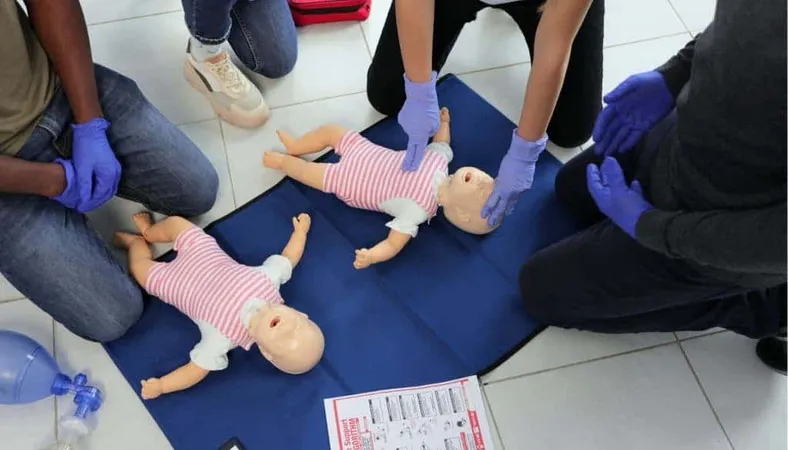
Pediatric Advanced Life Support Training Guide 2026

PALS Videos: The Complete Study Guide for Pediatric Advanced Life Support Certification
About the Author

Registered Nurse & Healthcare Educator
Johns Hopkins University School of NursingDr. Sarah Mitchell is a board-certified registered nurse with over 15 years of clinical and academic experience. She completed her PhD in Nursing Science at Johns Hopkins University and has taught NCLEX preparation and clinical skills courses for nursing students across the United States. Her research focuses on evidence-based exam preparation strategies for healthcare certification candidates.
Join the Discussion
Connect with other students preparing for this exam. Share tips, ask questions, and get advice from people who have been there.
View discussion (8 replies)