
PALS Book & Study Guide: Complete Certification Prep Hub for 2026 October
Master PALS certification with the best pals book resources, algorithms, and practice questions. Complete study guide for pediatric advanced life support. ⏳

Finding the right pals book is the single most important decision you will make at the start of your PALS certification journey. Pediatric Advanced Life Support (PALS) demands that providers master a wide range of high-stakes skills — from recognizing respiratory distress in a two-year-old to executing a cardiac arrest algorithm on a newborn — and the study materials you choose will determine whether those skills feel automatic in the exam room or fall apart under pressure. This guide consolidates everything you need to know about selecting resources, building a study plan, and walking into your certification confident and prepared.
The American Heart Association (AHA) publishes the official PALS Provider Manual, which is the authoritative source for all algorithm decisions tested on the certification exam. However, the manual alone is rarely enough. Most successful candidates layer the AHA text with supplemental resources such as algorithm flashcards, video demonstrations of pediatric intubation, and targeted practice questions that simulate the case-based scenarios used in both the written exam and the hands-on skills stations. Understanding which resources complement the official pals book — and which are simply noise — is a critical early step.
PALS certification is required for physicians, nurses, paramedics, and respiratory therapists who routinely care for critically ill pediatric patients. Unlike BLS, which focuses on basic compressions and ventilations, PALS requires providers to interpret cardiac rhythms, calculate weight-based drug doses, select appropriate airway management strategies, and lead or participate in a resuscitation team. The cognitive complexity is significant, and the AHA recommends completing pre-course work — including reading the provider manual — before attending your skills day.
One of the most effective study strategies is to organize your preparation around the six core algorithm categories tested in PALS: cardiac arrest, bradycardia with a pulse, tachycardia with a pulse, respiratory emergencies, shock, and post-resuscitation care. Each algorithm has specific decision branches, drug choices, and energy dosing thresholds that must be memorized precisely. Many candidates find that mapping these algorithms by hand — rather than just reading them — dramatically improves retention, because the motor act of writing reinforces the logical flow of each decision tree.
Practice testing is the backbone of any successful PALS study plan. Research in educational psychology consistently shows that retrieval practice — the act of forcing your brain to recall information without looking at notes — produces stronger long-term memory than re-reading or highlighting. This means that after you read each chapter of your pals book, you should immediately close it and answer practice questions on that material. If you get a question wrong, do not simply read the correct answer; trace back through the algorithm to understand exactly which step you missed and why.
Time management is another dimension that candidates often underestimate. The PALS provider course is typically delivered over two days, with the written exam administered on day two. Instructors expect students to arrive having already read the provider manual and completed any assigned HeartCode or online pre-course modules. Candidates who treat the skills day as their first exposure to the material consistently struggle with the pace of skills stations and team-based scenarios. Building a four-to-six week study schedule that gradually increases in intensity as your course date approaches is the gold standard approach recommended by most PALS educators.
This comprehensive pals study guide will walk you through every layer of certification preparation — from choosing the right pals book and understanding the exam format, to mastering algorithms, passing skills stations, and renewing your credential on schedule. Whether you are a first-time candidate or approaching a two-year renewal, the frameworks and resources in this article will give you a clear, actionable path to certification success.
PALS Certification by the Numbers
Key Facts at a Glance
| Item | Value | Details |
|---|---|---|
| Typical Course Length | 2 Days | Includes skills stations and written exam |
| Renewal Cycle | 2 Years | AHA PALS credential valid for 24 months |
| Recommended Prep Time | 4–6 Weeks | For candidates without recent pediatric clinical experience |

PALS Certification Study Schedule
- ▸Purchase or download the official AHA PALS Provider Manual (latest edition)
- ▸Read chapters covering pediatric assessment and recognition of life-threatening conditions
- ▸Review normal vital signs by age group and memorize key ranges
- ▸Complete any assigned HeartCode PALS online pre-course modules
- ▸Study the pediatric cardiac arrest algorithm in detail, including shockable vs. non-shockable rhythms
- ▸Memorize epinephrine dosing: 0.01 mg/kg IV/IO every 3–5 minutes
- ▸Learn the bradycardia with a pulse algorithm and indications for atropine vs. pacing
- ▸Answer 40+ cardiac arrest practice questions and review all incorrect answers
- ▸Distinguish SVT from sinus tachycardia using rate, P-wave morphology, and onset pattern
- ▸Learn cardioversion dosing: 0.5–1 J/kg initial, 2 J/kg for subsequent shocks
- ▸Study the three types of shock (hypovolemic, distributive, obstructive) and their initial management
- ▸Review respiratory emergency recognition: upper airway obstruction, lower airway disease, lung tissue disease
- ▸Study targeted temperature management goals following ROSC in children
- ▸Create a one-page drug dose reference card using weight-based calculations
- ▸Complete two full-length timed practice exams under test conditions
- ▸Review all flagged questions and retest on weak algorithm areas
- ▸Practice high-quality CPR technique: 100–120 compressions/min, 1/3 AP chest diameter depth
- ▸Review BVM ventilation ratios: 15:2 with two rescuers (pediatric), 30:2 with one rescuer
- ▸Practice verbally leading a mock resuscitation team using closed-loop communication
- ▸Review AED and defibrillator operation for pediatric patients with appropriate pad placement
- ▸Review all six core algorithms from memory without looking at notes
- ▸Complete a final 50-question practice exam and target score ≥80% before attending course
- ▸Pack required materials: provider manual, government-issued ID, course registration confirmation
- ▸Get adequate sleep — cognitive performance on scenario stations drops significantly with fatigue
Selecting your primary pals book should begin with the AHA PALS Provider Manual, currently in its most recent AHA Guidelines edition. This is not optional — the written exam and skills stations are built entirely around AHA-defined protocols, and any supplemental resource that contradicts AHA guidelines should be set aside or used only to understand conceptual background.
The provider manual covers pediatric assessment, rhythm recognition, algorithm execution, effective resuscitation team dynamics, and post-resuscitation care in systematic detail. Many candidates make the mistake of trying to memorize the entire manual; a more effective approach is to read it once for comprehension, then use flashcards and practice questions for the actual memorization work.
Beyond the official AHA text, several supplemental pals book options have earned strong reputations among PALS candidates. Thiagarajan's PALS Study Guide and similar independent publications organize the AHA content into more digestible formats — shorter chapters, visual algorithm maps, and built-in self-assessment questions. These are particularly valuable for candidates who find the AHA manual's clinical language dense. Visual learners benefit enormously from algorithm flowchart supplements that print each decision tree on a single laminated card, allowing for quick reference during self-quizzing sessions without searching through pages of prose.
Digital resources have become an increasingly important part of the modern PALS prep toolkit. The AHA's HeartCode PALS platform delivers the cognitive (knowledge) portion of the course online, allowing candidates to complete pre-course learning at their own pace before attending an in-person or blended skills session. HeartCode uses interactive case simulations that walk you through algorithm decisions in real time, with immediate feedback when you select an incorrect intervention. Candidates who complete HeartCode before their course day consistently report feeling more confident during skills stations because they have already rehearsed the decision logic multiple times in a low-stakes digital environment.
Video-based learning is another layer that many top-performing PALS candidates incorporate into their study routines. YouTube channels maintained by emergency medicine physicians and pediatric intensivists offer free walkthroughs of every PALS algorithm, often with clinical case narratives that make abstract protocol steps feel concrete. Watching a clinician verbalize their thought process as they work through a bradycardia case — noting the heart rate, assessing perfusion, identifying the cause, and selecting the intervention — builds the kind of clinical reasoning pattern recognition that the case-based written exam rewards.
Practice questions are the multiplier that turns passive reading into active mastery. The research on the testing effect in medical education is unambiguous: candidates who answer practice questions throughout their study period outperform those who spend equivalent time re-reading by a margin of 20–30% on final exam scores.
For PALS specifically, look for question banks that use case-vignette formats — a two-sentence clinical scenario followed by a question about the next intervention — because these mirror the actual exam format more closely than simple definition recall questions. PracticeTestGeeks.com offers multiple PALS question sets organized by algorithm category, allowing you to target your weakest areas with focused drilling sessions.
Mnemonics are a time-tested tool for locking in the specific numerical thresholds that appear repeatedly on the PALS exam. The Pediatric Assessment Triangle (PAT) — Appearance, Work of Breathing, Circulation to Skin — is the foundation of the pediatric primary assessment and appears in scenario stations as the first evaluation framework every provider is expected to apply.
The TICLS mnemonic (Tone, Interactivity, Consolability, Look/Gaze, Speech/Cry) operationalizes the Appearance component of the PAT and helps providers quickly assess neurological status in infants and toddlers who cannot describe their symptoms. Building these assessment frameworks into your mental model early in your study plan means they will feel automatic by the time you reach your skills stations.
Drug dosing is where many PALS candidates lose the most points on the written exam. The exam does not allow a drug reference card, which means you must know weight-based doses from memory.
The critical drugs to memorize are epinephrine (0.01 mg/kg IV/IO for cardiac arrest and symptomatic bradycardia), adenosine (0.1 mg/kg IV for SVT, maximum 6 mg first dose), amiodarone (5 mg/kg IV/IO for shockable rhythms or SVT refractory to adenosine), and atropine (0.02 mg/kg IV/IO for symptomatic bradycardia, minimum dose 0.1 mg). Write these doses out repeatedly from memory until you can recall all four without hesitation — they are virtually guaranteed to appear on your exam.
PALS Algorithm Categories: What to Study
The PALS cardiac arrest algorithm is the highest-stakes pathway on the exam and in clinical practice. Providers must immediately identify whether the presenting rhythm is shockable (VF or pulseless VT) or non-shockable (PEA or asystole), because this single decision determines everything that follows. Shockable rhythms receive immediate defibrillation at 2 J/kg, followed by CPR and epinephrine 0.01 mg/kg every 3–5 minutes. After a second unsuccessful shock, amiodarone 5 mg/kg or lidocaine 1 mg/kg may be added. Non-shockable rhythms receive CPR and epinephrine without defibrillation, with ongoing search for and treatment of reversible H's and T's throughout the resuscitation.
The H's and T's framework — Hypovolemia, Hypoxia, Hydrogen ion (acidosis), Hypo/Hyperkalemia, Hypothermia, Tension pneumothorax, Tamponade, Toxins, Thrombosis (pulmonary and coronary) — provides a systematic checklist for identifying reversible causes of cardiac arrest. Exam questions frequently present a scenario in which CPR and epinephrine have been given without ROSC, then ask which reversible cause should be treated next. The clinical clues embedded in the vignette — distended neck veins, absent breath sounds on one side, recent trauma, known ingestion — point directly to the correct answer. Practicing H's and T's identification with case vignettes is one of the highest-yield study strategies for the written exam.
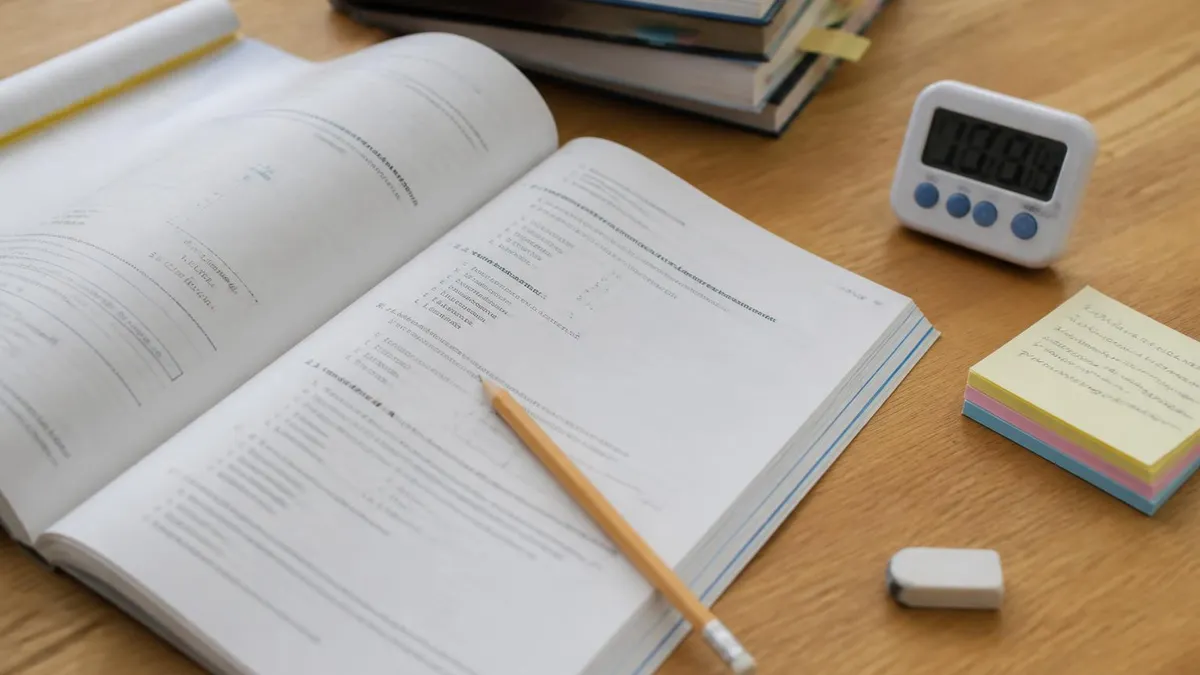
AHA PALS Provider Manual: Is It Enough on Its Own?
- +Authoritative source — all exam questions are derived directly from AHA protocols
- +Covers every algorithm tested in both the written exam and skills stations
- +Updated to reflect current AHA Guidelines for CPR and Emergency Cardiovascular Care
- +Includes case-based learning scenarios that mirror exam format
- +Available in print and digital formats for flexible study
- +Recognized credential accepted at hospitals and EMS agencies across all 50 states
- −Dense clinical language can be difficult to parse without prior pediatric experience
- −Does not include enough practice questions for adequate retrieval practice
- −Algorithm flowcharts are sometimes buried in prose rather than presented visually
- −Drug dosing tables require supplemental memorization tools for exam performance
- −No audio or video component for learners who benefit from multimedia instruction
- −Renewal editions require purchase of updated manual even for experienced providers
PALS Exam Prep Checklist: 10 Steps to Certification
- ✓Register for an AHA-authorized PALS provider course at least 6 weeks before your desired certification date.
- ✓Purchase or access the current AHA PALS Provider Manual and read all chapters before your course day.
- ✓Complete HeartCode PALS or assigned online pre-course modules if required by your training center.
- ✓Memorize all six core PALS algorithm pathways using hand-drawn flowcharts and self-testing.
- ✓Drill critical drug doses from memory: epinephrine, adenosine, amiodarone, and atropine with correct mg/kg values.
- ✓Answer at least 150 practice questions across all algorithm categories, reviewing every incorrect answer in detail.
- ✓Practice pediatric assessment using the Pediatric Assessment Triangle (PAT) and TICLS mnemonic until automatic.
- ✓Review defibrillation energy dosing (2 J/kg initial, 4 J/kg subsequent) and correct pediatric paddle/pad placement.
- ✓Complete at least one full-length timed practice exam targeting ≥80% correct before attending your course.
- ✓Pack all required materials for course day: provider manual, photo ID, registration confirmation, and pen.

Retrieval Practice Outperforms Re-Reading by 30%
Educational research consistently shows that testing yourself on PALS algorithms — rather than re-reading your pals book — produces significantly stronger long-term memory. After reading each chapter, close the manual and attempt to reconstruct the algorithm from memory before checking your work. This retrieval effort is where real learning happens, and it is the single most powerful change you can make to your study routine.
The PALS skills stations are where certification is won or lost for many candidates. Unlike the written exam, which tests knowledge in isolation, skills stations assess your ability to integrate assessment, decision-making, and intervention simultaneously — often while verbally directing a simulated resuscitation team.
There are typically four to six skills stations in a standard provider course: high-quality infant CPR, high-quality child CPR, AED and defibrillator operation, airway management, and at least two team-based resuscitation scenarios (one cardiac and one respiratory). Candidates who have never practiced talking through their clinical reasoning out loud are consistently caught off guard by the team leadership component.
High-quality CPR technique is assessed against specific AHA standards that many experienced clinicians find surprisingly strict. Compression rate must be 100–120 per minute — a range that feels faster than most untrained providers expect. Compression depth must reach one-third of the anterior-posterior chest diameter: approximately 1.5 inches in infants and 2 inches in children.
Complete chest recoil must occur between compressions, meaning the heel of your hand fully releases pressure without lifting off the chest. Ventilation rate is 1 breath every 2–3 seconds during CPR with an advanced airway in place, or a 15:2 ratio with two rescuers and a BVM before an advanced airway is secured. Being corrected on technique during a skills station is stressful; practicing with a manikin and a metronome at home before your course day eliminates most of these errors.
The team-based resuscitation scenarios test a competency that no amount of reading can replace: effective communication under pressure. The AHA emphasizes four elements of team dynamics throughout the PALS curriculum — clear roles, closed-loop communication, mutual respect, and constructive debriefing.
Closed-loop communication means that every verbal order is repeated back by the receiver and confirmed by the sender: "Epinephrine 0.5 mg IV push" — "Epinephrine 0.5 mg IV push, understood" — "Confirmed." This loop prevents administration errors and ensures that every team member shares situational awareness. Practicing this communication pattern in any clinical simulation before your PALS course will make it feel natural rather than stilted during skills stations.
Airway management scenarios in PALS skills stations evaluate both technical skill and clinical decision-making. Providers must demonstrate proper BVM technique — correct mask seal with an E-C grip, head-tilt chin-lift or jaw thrust positioning, visible chest rise with each ventilation — as well as the cognitive ability to identify when bag-mask ventilation is inadequate and escalation to an advanced airway is indicated.
Signs of inadequate BVM ventilation include absent or asymmetric chest rise, gastric distension, oxygen saturations that fail to improve, and deteriorating clinical status despite what appears to be effective technique. Knowing these failure signals and verbalizing them during scenarios shows assessors that your clinical reasoning matches your technical skill.
Post-resuscitation care is a skills station component that many candidates underestimate. Following ROSC, the PALS algorithm requires providers to target specific physiologic parameters: SaO2 94–99% (avoiding hyperoxia), normocapnia (PaCO2 35–45 mmHg), normoglycemia, and normothermia or targeted temperature management per institutional protocol. Avoiding post-resuscitation hypotension is critical, as blood pressure below the 5th percentile for age in the post-arrest period is independently associated with worse neurological outcomes. Exam questions on post-resuscitation care frequently test whether candidates know to avoid routine high-flow oxygen after ROSC — a counterintuitive recommendation that catches many providers by surprise on the written exam.
The PALS written exam consists of approximately 30–40 multiple-choice questions administered on day two of the provider course. Questions are case-vignette format: a 2–4 sentence clinical scenario followed by a question about the most appropriate next intervention. Passing typically requires a score of at least 84% (roughly 25 out of 30 correct), and candidates who fall below this threshold are given one opportunity to remediate.
The most commonly missed questions involve drug dosing calculations, differentiation between SVT and sinus tachycardia in infants, and identification of the correct shock type from a clinical vignette. Spending focused study time on these three high-yield areas in the week before your course will pay significant dividends on exam day.
Hands-on scenario performance is evaluated by AHA instructors using standardized competency checklists. Each checklist item is marked as satisfactory or requires remediation, and candidates who receive remediation on a critical step — such as failing to initiate CPR within 10 seconds of recognizing pulseless arrest — must demonstrate the skill correctly before they can leave the station.
Understanding what the checklist items are in advance allows you to rehearse those specific behaviors deliberately. The AHA publishes learning objectives for each skills station in the provider manual; reading these objectives as a checklist of behaviors to demonstrate — rather than a list of concepts to understand — is a practical reframe that top-performing candidates consistently report using.
Most AHA-authorized training centers require candidates to complete the PALS pre-course self-assessment or HeartCode online modules before attending the in-person skills day. Arriving without completing pre-course work may result in being turned away from the course, forfeiting your registration fee. Confirm pre-course requirements with your training center at least two weeks before your course date and budget 4–6 hours to complete online modules.
PALS renewal is required every two years, and the renewal course is distinct from the initial provider course in several important ways. The renewal — formally called the PALS Renewal Course — is shorter (typically one day rather than two), assumes prior familiarity with all core algorithms, and focuses on updates to AHA Guidelines since your last certification, high-quality skills demonstration, and team-based scenario performance.
Candidates who wait until the last month of their two-year credential to begin studying almost always report feeling underprepared for renewal scenarios, because clinical practice does not always expose providers to every algorithm pathway with sufficient frequency to maintain automaticity.
The most common failure mode for PALS renewal candidates is drug dose drift — the gradual erosion of precise numerical recall that occurs when a provider regularly administers a narrow range of drugs in their clinical practice but rarely uses others. An emergency department nurse who manages SVT with adenosine monthly may forget the precise epinephrine dosing for pulseless arrest, which they have never encountered clinically. Reviewing all drug doses systematically in the four to six weeks before your renewal course, using the same retrieval practice strategy described for initial certification, corrects this drift efficiently without requiring extensive time investment.
AHA Guidelines are updated on an approximately five-year cycle, with interim updates published when new high-quality evidence warrants immediate protocol changes. Between full guideline cycles, the AHA publishes focused updates that may modify specific algorithm steps, drug recommendations, or energy dosing thresholds. Renewal candidates are responsible for knowing current guidelines, not the guidelines in effect when they were first certified. Before your renewal course, check the AHA website for any updates published since your last certification date, and review the updated provider manual if a new edition has been released in the interim.
HeartCode PALS is available for renewal candidates as well as initial certification, and many training centers have shifted to a blended learning model in which HeartCode replaces the didactic portion of the renewal course, leaving the entire in-person day for skills practice and team scenarios.
This model is often more efficient for experienced providers because it allows them to move through cognitive content at their own pace, spending more time on updated or unfamiliar material and less time on concepts they already know well. If your training center offers HeartCode renewal, consider taking advantage of this option — particularly if your schedule makes it difficult to commit to a full two-day renewal course.
Candidates who let their PALS credential expire face additional administrative steps. AHA policy requires that lapsed providers retake the full initial provider course rather than the shorter renewal course, regardless of how recently the credential expired. This means that allowing your credential to lapse by even one day commits you to a full two-day course rather than a one-day renewal — a significant time cost for busy clinicians. Set a calendar reminder 90 days before your credential expiration date so you have adequate time to find an authorized training center, register, and complete any pre-course requirements before your deadline.
Some providers choose to complete a BLS renewal alongside their PALS renewal, since the two credentials are often required together for the same clinical roles and the skills overlap significantly. Completing both renewals in the same week is logistically efficient and allows you to consolidate your study time on the shared content — high-quality CPR technique, AED operation, and basic airway management — while spending separate focused time on the pediatric-specific PALS algorithm content. Many AHA training centers offer combined BLS and PALS renewal packages at a reduced total cost compared to enrolling in each course separately.
Post-certification, the most valuable thing you can do to maintain your PALS competency is to participate regularly in pediatric simulation or case review at your institution. Most hospitals with pediatric units or emergency departments conduct quarterly pediatric mock codes that allow providers to rehearse low-frequency, high-stakes scenarios in a safe learning environment.
Participation in these sessions keeps algorithm knowledge fresh, builds familiarity with your specific institutional equipment and medications, and develops the team communication habits that are just as critical in real resuscitations as technical skill. The best PALS providers are not those who study hardest every two years — they are those who practice consistently in between certifications.
The final two weeks before your PALS course are the highest-use period in your entire study plan. At this point, you should already have solid familiarity with all six algorithm pathways and basic drug dosing from your prior study weeks. The goal now is to shift from knowledge acquisition to performance consolidation — the process of making correct responses feel automatic rather than effortful.
The cognitive science behind this distinction is important: under the stress of a real skills station or a high-stakes clinical scenario, your brain defaults to automatic responses rather than deliberate reasoning. Automation is built through repetition at speed, which means your final two weeks should involve rapid-fire algorithm recall, not slow review reading.
One of the most effective final-week study techniques is the five-minute algorithm sprint. Set a timer for five minutes and attempt to reconstruct a complete PALS algorithm — all decision branches, all drug doses, all energy settings — from memory on a blank piece of paper. When the timer expires, check your work against the algorithm in the provider manual and note every error.
Repeat this exercise for each of the six algorithm categories across multiple study sessions. By day six or seven of this practice, most candidates report being able to reconstruct each algorithm correctly in under four minutes, which indicates the level of automaticity needed for confident skills station performance.
Practice exam performance in the final week should be benchmarked against the actual passing threshold. If your PALS training center requires an 84% score on the written exam, you should be consistently scoring 88–92% on practice exams before your course day — because test anxiety and unfamiliar question phrasing typically reduce performance by 5–8% in the actual testing environment.
If you are consistently scoring below 85% on practice exams in the final week, identify the specific algorithm categories where you are losing the most points and dedicate your remaining study time to those areas exclusively rather than reviewing content you have already mastered.
Nutrition, sleep, and stress management are performance variables that most PALS candidates think about only after they have already compromised them. Research on exam performance in healthcare professionals consistently shows that sleep deprivation of even one night before an exam reduces scores on clinical reasoning questions — the exact question type that appears on the PALS written exam — by a measurable margin.
The mechanism is straightforward: sleep is when the brain consolidates memories formed during waking study, and a missed night of sleep before your exam disrupts this consolidation process at the worst possible time. Protecting your sleep in the 72 hours before your PALS course is not optional self-care — it is a legitimate performance optimization strategy.
Course day logistics deserve more preparation than most candidates give them. Arrive early enough to set up your workspace, review your registration materials with the course coordinator, and locate the restrooms and water fountain before the course begins. Bring your provider manual, even if the course is blended and does not explicitly require it — having the manual available for reference during breaks allows you to quickly clarify any algorithm detail that comes up in discussion.
During skills stations, verbalize your clinical reasoning out loud even if the instructor does not explicitly ask you to, because this makes your decision-making process visible and allows instructors to identify and correct reasoning errors rather than just technical execution errors.
When you complete your PALS certification, you will receive an AHA PALS Provider Card valid for two years from your course date. Keep a digital photo of this card in your phone and a physical copy accessible at work, as many employers require proof of current certification for scheduling in pediatric-capable clinical environments.
Register your contact information with your AHA training center so they can send renewal reminders as your expiration date approaches, and note your exact expiration date in your professional development calendar immediately upon receiving your card. Proactive credential management is the mark of a competent professional — and it ensures that all the effort you invested in this certification continues to serve your patients without interruption.
The knowledge and skills you have built through PALS certification represent more than a credential on your resume. They represent a systematized, evidence-based framework for approaching every acutely ill pediatric patient — a framework that will make you calmer, more decisive, and more effective in the moments when a child's life depends on the speed and accuracy of your clinical response. Invest fully in your preparation, use the resources in this guide, and enter your certification course with the confidence that comes from genuine mastery of the material. The pediatric patients you will care for deserve nothing less.
PALS Questions and Answers

AHA Pediatric Advanced Life Support Algorithms: Complete 2026 Reference
PALS Practice Test PDF (Free Printable 2026)
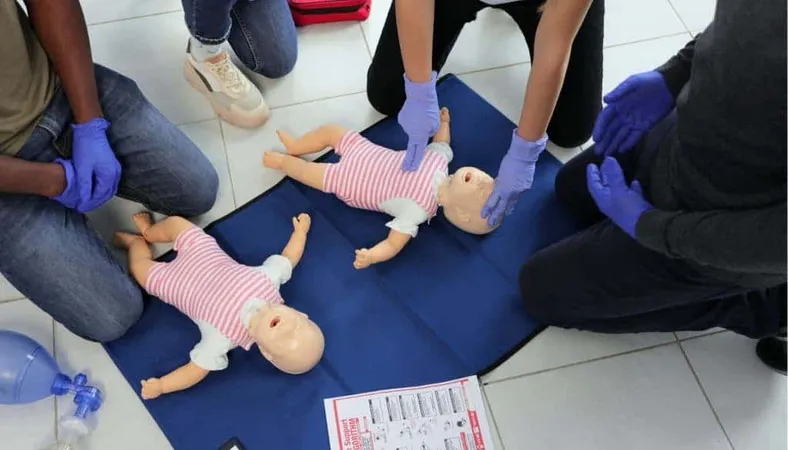
Pediatric Advanced Life Support Training Guide 2026

PALS Secondary Assessment: Complete Study Guide for Certification Prep

HeartCode PALS Answers: Olivia Lopez Case & 2026 Algorithm Guide
About the Author

Registered Nurse & Healthcare Educator
Johns Hopkins University School of NursingDr. Sarah Mitchell is a board-certified registered nurse with over 15 years of clinical and academic experience. She completed her PhD in Nursing Science at Johns Hopkins University and has taught NCLEX preparation and clinical skills courses for nursing students across the United States. Her research focuses on evidence-based exam preparation strategies for healthcare certification candidates.
Join the Discussion
Connect with other students preparing for this exam. Share tips, ask questions, and get advice from people who have been there.
View discussion (8 replies)