
OSHA Fatalities: Understanding Workplace Death Statistics, Causes, and Prevention in the US
OSHA fatalities explained: top causes, industry data, prevention strategies & compliance tips. ✅ Protect workers with this complete 2026 October guide.
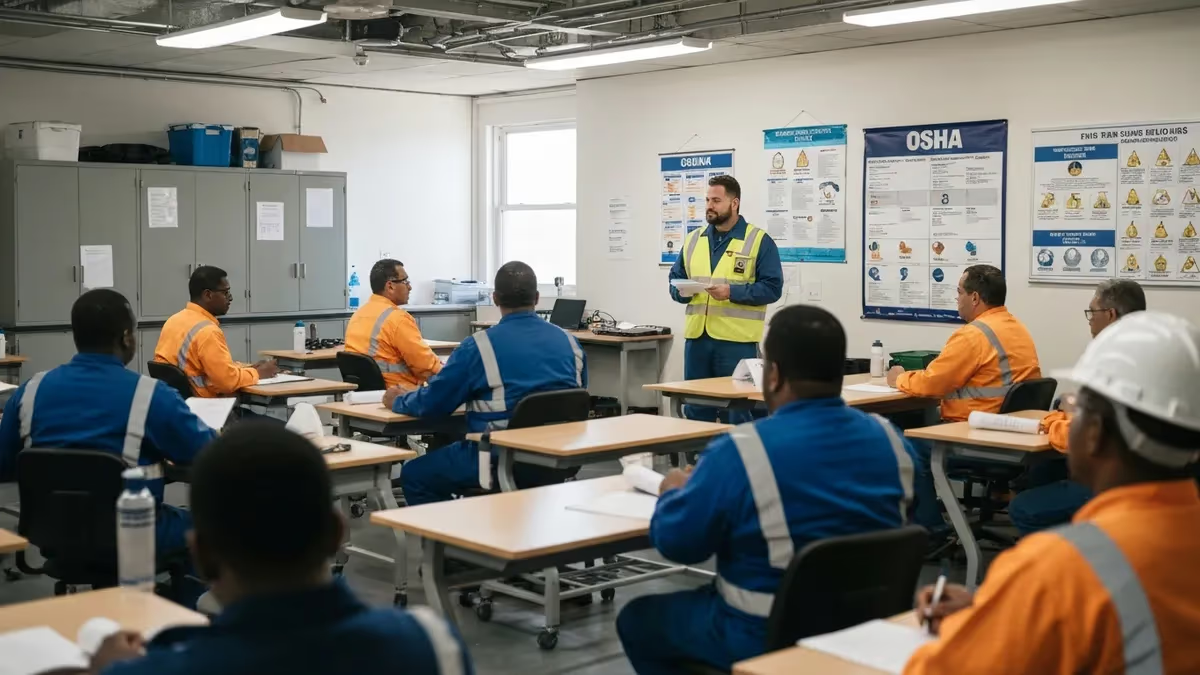
OSHA fatalities represent one of the most sobering realities of the American workplace. Each year, thousands of workers across the United States lose their lives in preventable on-the-job incidents, from construction falls and equipment crush injuries to hazardous chemical exposures and confined space accidents.
The Occupational Safety and Health Administration tracks these deaths through its annual census and fatality reports, using the data to identify trends, update standards, and enforce regulations that are designed to keep workers safe. Understanding why these deaths happen and how they can be prevented is essential knowledge for every safety professional, employer, and employee in the country.
The raw numbers are staggering. In recent years, OSHA and the Bureau of Labor Statistics have consistently documented over 5,000 worker fatalities annually in the United States. The construction industry alone accounts for roughly one in five of all workplace deaths, driven primarily by what OSHA calls the Fatal Four: falls, struck-by hazards, electrocution, and caught-in or caught-between incidents. These four hazard categories are responsible for the majority of construction fatalities each year, and eliminating them is a central priority of OSHA enforcement activity nationwide.
Beyond construction, fatalities occur in transportation and warehousing, agriculture, manufacturing, oil and gas extraction, and other high-hazard sectors. Truck drivers, logging workers, fishers, and roofers face some of the highest fatality rates per 100,000 full-time workers of any occupation in the country. Meanwhile, smaller employers — those with fewer than 10 employees — are disproportionately represented in fatality statistics, partly because they have less access to formal safety programs and training resources than larger organizations.
OSHA responds to workplace fatalities through a combination of inspections, citations, and penalties. When an employer reports a fatality — which is legally required within eight hours of the incident — OSHA typically opens a formal investigation. Investigators examine equipment, interview witnesses, review safety records, and determine whether any standards were violated. Employers found to have committed willful or repeated violations face the highest civil penalties allowed under the law, and in some cases, criminal referrals can follow. Understanding this enforcement framework is critical for anyone responsible for workplace safety compliance.
The human cost behind the statistics is immeasurable. Every fatality represents a family that has lost a breadwinner, children who have lost a parent, and a community that has been permanently changed. OSHA's mission — to assure safe and healthful working conditions for working men and women — exists precisely to prevent these tragedies. Knowing which hazards kill the most workers, which industries carry the greatest risk, and what specific interventions are most effective gives safety professionals the knowledge they need to make meaningful change on the job site and in the workplace.
This article explores OSHA fatality data in depth, examining the leading causes of workplace death, the industries most affected, the regulatory framework that governs employer responsibilities after a fatality, and the proven prevention strategies that reduce risk. Whether you are studying for an osha fatalities certification exam, managing a safety program, or simply trying to understand how American workplaces can become safer, the information here will give you a solid foundation for action.
Workplace safety is not just about compliance — it is about the fundamental right of every worker to return home at the end of the shift. By understanding the patterns behind OSHA fatalities and the regulatory mechanisms designed to address them, employers and workers alike can take the concrete steps needed to drive down the death toll and build a culture where safety is genuinely valued at every level of the organization.
OSHA Fatalities by the Numbers
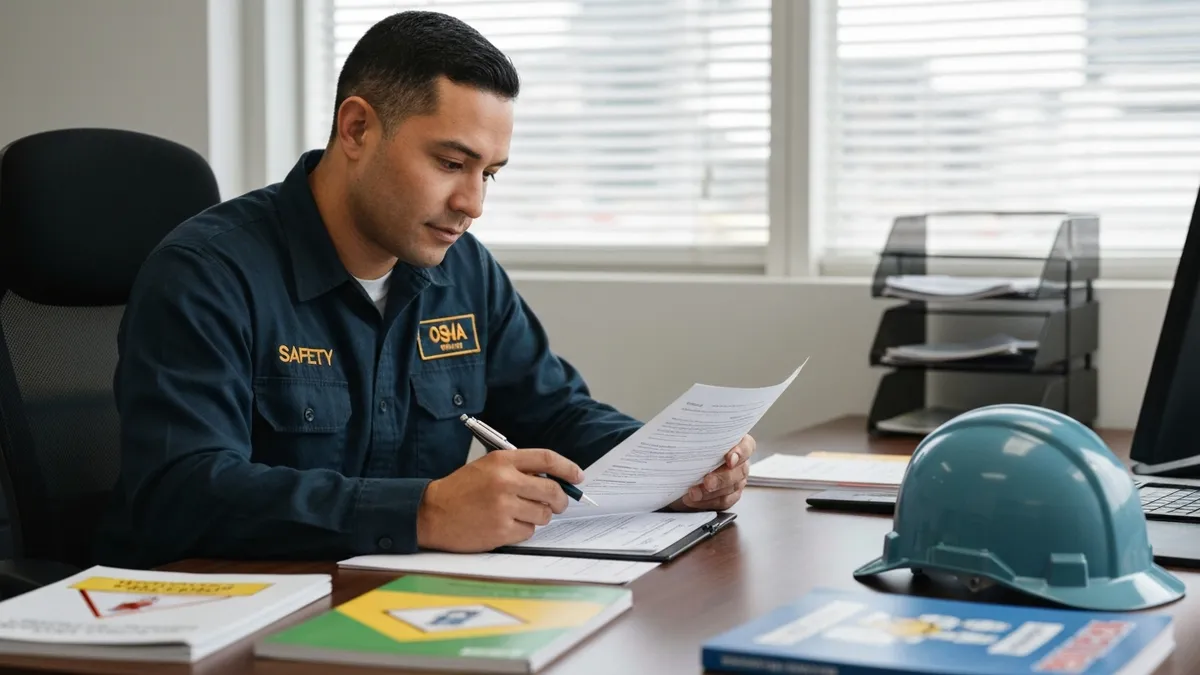
The Fatal Four: OSHA's Top Causes of Construction Fatalities
Falls from heights — roofs, scaffolding, ladders, and elevated platforms — are the single leading cause of construction fatalities, accounting for roughly 36% of all construction deaths each year. Proper fall protection systems are OSHA's most-enforced standard.
Workers struck by vehicles, flying objects, or falling materials account for approximately 11% of construction fatalities. Crane operations, aerial lifts, and heavy equipment movement are among the highest-risk scenarios for this hazard category.
Contact with overhead power lines, exposed wiring, and energized equipment causes hundreds of worker deaths annually. Electrocution is particularly dangerous because victims often show no external signs of injury, yet internal tissue damage can be fatal.
Caught-in or caught-between hazards — such as unguarded machinery, cave-ins in excavations, and pinch points between equipment — round out the Fatal Four, accounting for roughly 5.5% of construction deaths each year and requiring strict lockout/tagout procedures.
When examining OSHA fatality data by industry, the disparities between sectors are striking. Agriculture, forestry, fishing, and hunting consistently post the highest fatality rates per 100,000 full-time equivalent workers of any major industry group, with rates often exceeding 20 deaths per 100,000 workers — more than five times the national average.
Logging workers face an especially severe risk, regularly topping the list of the most dangerous occupations in America. The physical demands of the work, the remote locations, the unpredictable behavior of falling trees, and the widespread use of powerful chainsaws all contribute to an environment where a single momentary lapse in attention can be fatal.
Construction and extraction occupations are similarly represented near the top of all fatality rankings. Roofers, ironworkers, structural metal fabricators, and highway maintenance workers all face fatality rates that dwarf those of office-based occupations. The construction industry's structure — with its reliance on subcontractors, temporary workers, and job-site conditions that change daily — creates unique challenges for maintaining consistent safety standards. Workers who move from site to site may encounter different employers, supervisors, and safety cultures in a single week, making it difficult to sustain the kind of ongoing safety training and oversight that is most effective at preventing deaths.
Transportation and material moving occupations rank among the deadliest, largely driven by the sheer volume of vehicle-related fatalities. Heavy and tractor-trailer truck drivers, delivery drivers, and refuse collectors all face significant road hazard exposure as a core part of their work. According to BLS data, transportation incidents are consistently the leading event type across all industries combined, accounting for over 40% of all worker fatalities in recent years. This reflects the reality that for millions of American workers, the road itself is the most dangerous part of the job.
The oil and gas extraction industry also warrants special attention in any discussion of OSHA fatalities. Workers in this sector face a combination of hazards that is almost unmatched in its variety and severity: high-pressure equipment, flammable gases, remote locations far from emergency services, irregular shift patterns that drive fatigue, and heavy machinery operating continuously. OSHA's National Emphasis Program on oil and gas well drilling and servicing reflects the agency's recognition that targeted enforcement and outreach are needed to address the persistent fatality problem in this industry.
Manufacturing facilities present a different fatality profile, with machinery-related deaths — amputations that prove fatal, entanglement in conveyor systems, and crush injuries from press equipment — appearing frequently alongside transportation incidents within plants and warehouses. The rise of e-commerce has driven rapid expansion in the warehouse and fulfillment center sector, bringing with it a new population of workers exposed to forklift hazards, conveyor belt injuries, and ergonomic stressors that can, at their most severe, contribute to fatal outcomes.
Smaller employers and workers from disadvantaged communities are disproportionately affected by workplace fatalities. Hispanic workers, for example, have historically faced fatality rates above the national average, reflecting their concentration in high-hazard industries like construction and agriculture combined with barriers to safety training, including language access issues and immigration-related fears that can deter workers from reporting hazards. OSHA has made outreach to these communities a priority, developing training materials in multiple languages and partnering with community organizations to reach workers who might otherwise be outside the reach of traditional compliance programs.
Understanding the industry and demographic dimensions of OSHA fatality data is not just an academic exercise — it is the foundation for targeted prevention. Safety professionals who know which hazards kill the most workers in their specific industry can allocate training resources, inspection attention, and engineering controls where they will have the greatest impact. The data makes clear that while every industry carries some level of risk, a handful of industries, hazards, and worker populations account for a disproportionate share of the deaths that OSHA's standards are designed to prevent.
OSHA Fatality Reporting, Investigation, and Penalties
Federal OSHA regulations require employers to report any work-related fatality to OSHA within eight hours of learning about the death. This requirement applies to all employers covered by the OSH Act, regardless of size or industry. Reports can be made by calling the nearest OSHA area office, calling OSHA's 24-hour hotline at 1-800-321-OSHA, or submitting the report online through OSHA's website. Failure to report on time can result in significant additional citations and penalties on top of any violations discovered during the subsequent investigation.
State-plan states — the 29 states and two territories that operate their own OSHA-approved programs — may have reporting requirements that differ slightly from federal OSHA's rules. Some state plans require reporting within 24 hours rather than eight, or specify different methods of notification. Employers operating in state-plan jurisdictions must be familiar with local rules, which can be found on each state plan's official website. Importantly, the obligation to report exists even when the employer believes the incident was entirely the result of employee error or was unrelated to workplace conditions.
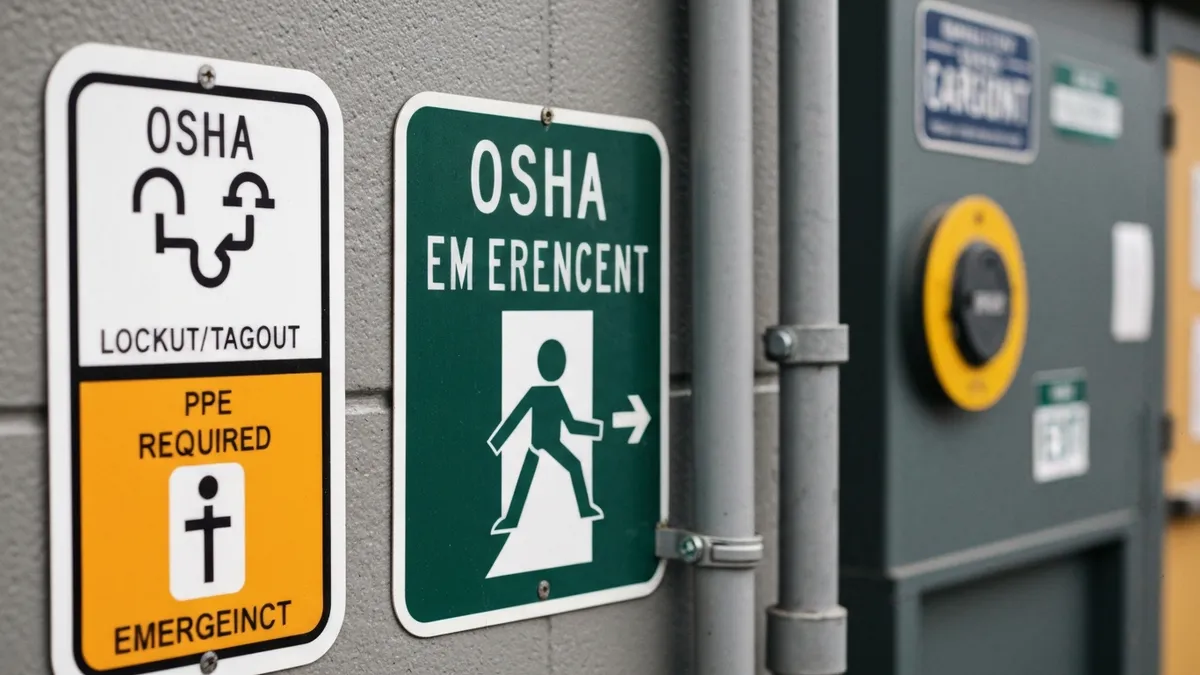
Strong Safety Programs: Benefits vs. Implementation Challenges
- +Dramatically reduces the risk of worker fatalities and serious injuries on the job
- +Lowers workers' compensation insurance premiums through demonstrated loss control
- +Reduces OSHA inspection exposure and potential citation penalties
- +Improves employee morale and retention by demonstrating that the employer values worker lives
- +Protects the organization from civil liability and criminal prosecution after incidents
- +Enhances the company's reputation with clients, partners, and the public
- −Initial implementation requires significant investment of time, money, and management attention
- −Ongoing training programs require scheduling adjustments that can disrupt productivity
- −Small employers may lack the internal expertise to develop comprehensive safety management systems
- −Worker buy-in can be difficult to achieve in high-turnover industries with transient workforces
- −Documentation and recordkeeping requirements add administrative burden to front-line supervisors
- −Safety culture change is a long-term process and results may not be immediately visible on the bottom line
OSHA Fatality Prevention: Employer Action Checklist
- ✓Conduct a comprehensive hazard assessment for every job classification and work area in your facility
- ✓Implement written fall protection plans for any work performed at heights of four feet or more in general industry or six feet in construction
- ✓Establish a formal lockout/tagout program and verify that all energy control procedures are current and followed
- ✓Train all workers in their native language on the specific hazards they will encounter in their job roles
- ✓Inspect all machinery guards, personal protective equipment, and safety systems on a documented, regular schedule
- ✓Develop and practice an emergency action plan that covers fatality and serious injury scenarios including first aid response
- ✓Establish a near-miss reporting system that allows workers to report hazards without fear of retaliation
- ✓Ensure all subcontractors working on your site meet your safety standards and verify their compliance before work begins
- ✓Review your OSHA 300 log quarterly to identify injury and illness trends that may signal emerging fatality risks
- ✓Report any fatality or in-patient hospitalization to OSHA within the required timeframe and cooperate fully with investigations
OSHA Estimates 631 Lives Could Be Saved Annually
OSHA has calculated that if the Fatal Four hazards — falls, struck-by incidents, electrocutions, and caught-in or caught-between accidents — were eliminated from construction worksites, more than 630 worker lives would be saved every single year. This figure underscores that most workplace fatalities are not accidents in the true sense; they are predictable, preventable events that result when known hazards go uncontrolled and known safeguards go unimplemented.
When a workplace fatality occurs, employers face a complex and time-sensitive set of legal obligations that extend far beyond the immediate duty to report to OSHA. The first priority is always to secure the scene and provide any possible assistance to the injured worker and their family. Employers should contact their legal counsel promptly, notify their workers' compensation insurer, and begin preserving any physical evidence and documentation that may be relevant to the investigation. Surveillance footage, equipment maintenance logs, training records, and safety inspection reports should all be secured immediately to prevent inadvertent destruction.
OSHA's investigation will likely include interviews with a wide range of individuals, from the workers who witnessed the incident to senior managers responsible for safety policy. Employers have the right to have an attorney present during these interviews and should exercise that right. It is equally important, however, to ensure that no one attempts to coach witnesses or obstruct the investigation — doing so can constitute a federal crime and will significantly worsen any enforcement outcome. The most effective approach is honest, cooperative engagement with investigators while simultaneously protecting the organization's legal interests.
Following a fatality, many employers choose to conduct their own internal investigation in parallel with OSHA's. This serves multiple purposes: it helps the organization understand what went wrong and prevent recurrence, it demonstrates to OSHA and the workforce that the employer takes the incident seriously, and it generates documentation that may be valuable in any subsequent legal proceedings. Internal investigations should be led by qualified safety professionals and, where significant legal exposure exists, conducted under the direction of legal counsel to preserve attorney-client privilege over sensitive findings.
Employers must also address the psychological impact of a workplace fatality on the surviving workforce. Workers who witness a coworker's death, or who work in close proximity to where it occurred, may experience acute stress reactions and longer-term trauma responses. Providing access to employee assistance programs, grief counseling, and mental health resources is not just a compassionate response — it is a practical one. Unaddressed trauma can lead to reduced concentration, increased error rates, and secondary incidents, compounding the tragedy of the original fatality.
The obligations of unionized employers after a fatality include specific duties to bargain with worker representatives over safety improvements and to share investigation findings with union officials who have a legal right to participate in the process. OSHA's multi-employer worksite policy creates additional complexity on construction sites and other locations where multiple employers operate simultaneously. Under this policy, the host employer, controlling employer, and individual subcontractors may each bear responsibility for violations that contributed to a fatality, even if the deceased worker was employed by a different company.
Documentation after a fatality matters enormously. Employers should create a written record of every action taken in response to the incident — every safety improvement implemented, every piece of equipment repaired or replaced, every training session conducted, and every hazard abatement measure completed. This documentation serves as concrete evidence that the employer took the fatality seriously and moved promptly to correct any hazards that may have contributed to it. OSHA compliance officers reviewing this documentation can give credit for good-faith abatement efforts when calculating final penalty amounts.
Finally, employers should use every fatality — whether it occurred in their own workplace or elsewhere in their industry — as an opportunity to learn. OSHA publishes fatality inspection data and case summaries that describe in detail how workers have died and what violations were cited. Reading these accounts with a critical eye, asking whether similar conditions exist in your own workplace, and taking corrective action before an incident occurs is the highest and most effective form of safety management. No OSHA citation, no matter how large, is worth as much as the life of a single worker.
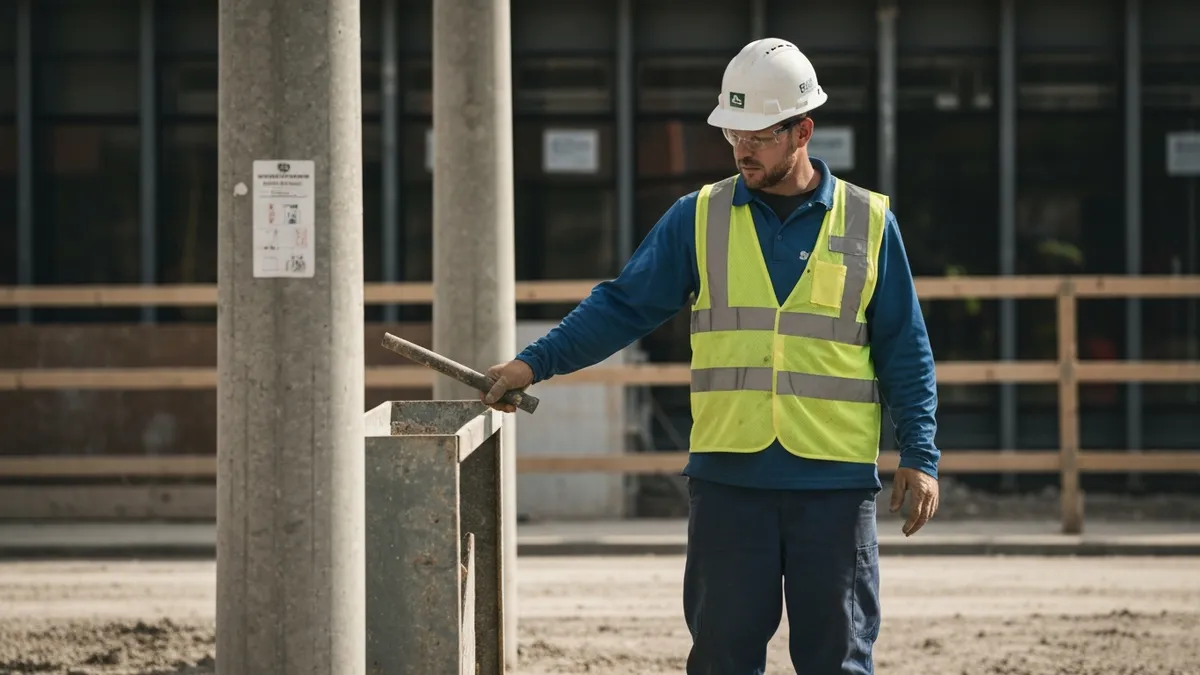
Employers who fail to report a work-related fatality to OSHA within eight hours of learning about the death face additional citations and penalties, compounding any violations found during the subsequent investigation. The clock starts when the employer — including any supervisor or manager — becomes aware that a worker has died, not when formal confirmation is received from a hospital or medical examiner. When in doubt, report immediately rather than waiting to gather more information.
Building a genuine culture of safety — one in which workers at every level feel empowered to identify hazards, report concerns, and refuse unsafe work — is the most powerful long-term strategy for reducing OSHA fatalities. Research consistently shows that organizations with strong safety cultures have lower injury and illness rates, lower fatality rates, and better overall operational performance than those that treat safety as a compliance exercise.
The difference lies not in the presence of written programs and posted rules, but in the degree to which safety is embedded in the daily decisions, conversations, and behaviors of everyone from the CEO to the newest hire on the shop floor.
Leadership commitment is the foundation of any effective safety culture. When executives and senior managers visibly participate in safety walk-throughs, ask about near-misses in operations reviews, include safety metrics in business performance dashboards, and speak publicly about the company's commitment to sending every worker home safe, the message reaches every level of the organization. Conversely, when safety is treated as someone else's problem — delegated entirely to a safety department and rarely mentioned in executive communications — workers correctly read that signal and adjust their behavior accordingly.
Worker participation is equally essential. OSHA's most effective voluntary programs — including the Voluntary Protection Programs (VPP) that recognize worksites with exemplary safety management systems — all require meaningful worker involvement as a core element. This means not just allowing workers to report hazards, but actively soliciting their input in hazard identification, job hazard analysis, safety committee deliberations, and incident investigations. Workers doing the job every day know things about the hazards they face that no outside auditor or OSHA inspector can discover from a clipboard and a walkthrough alone.
Hazard identification and control programs — often structured around the hierarchy of controls — are the operational backbone of fatality prevention. The hierarchy of controls places elimination of the hazard at the top (the most effective solution), followed by substitution, engineering controls, administrative controls, and personal protective equipment at the bottom (the least reliable solution). Too many safety programs rely heavily on PPE and training — the bottom of the hierarchy — while neglecting the engineering and elimination approaches that are far more effective at preventing deaths.
Real fatality prevention requires investing in the harder, more expensive work of redesigning processes, replacing hazardous equipment, and engineering out the conditions that put workers at risk.
Training that is relevant, frequent, and delivered in a format and language that workers can actually understand and apply is another non-negotiable element of fatality prevention. OSHA's training requirements establish minimum standards for specific hazards, but the most effective safety programs go well beyond the minimum. They use hands-on demonstrations, real-incident case studies, job hazard analyses conducted by workers themselves, and regular refresher training that keeps hazard awareness current in environments where job conditions change frequently. Critically, training must be offered in the languages spoken by all workers, not just English speakers.
Technology is increasingly playing a role in fatality prevention. Wearable sensors that monitor worker location and proximity to moving equipment, drone-based site inspections that identify fall hazards before workers are exposed to them, telematics systems that monitor driver behavior and flag fatigue or distraction, and AI-powered video analysis tools that can detect unsafe behaviors in real time are all being deployed by forward-thinking employers to supplement traditional safety management approaches.
While no technology can substitute for strong human leadership and genuine safety culture, these tools can extend the reach of safety programs and provide early warning of conditions that can turn fatal.
The goal is straightforward even when the path is difficult: every worker who walks through the door at the start of a shift should walk out again at the end of it. That outcome is not guaranteed by regulation alone — it requires sustained, active, genuine commitment from employers, workers, and the safety professionals who support them.
The OSHA fatality statistics that appear in annual reports and congressional testimony represent real people with real families. Reducing those numbers is one of the most important things any organization can do, and it starts with the decision to treat safety not as a cost or a compliance burden, but as a fundamental value.
For workers and safety professionals preparing for OSHA certification exams or simply seeking to deepen their practical knowledge of workplace fatality prevention, a few targeted study strategies will accelerate learning and build durable competence. Start by reviewing OSHA's published fatality inspection data, available through the agency's website. These case summaries describe real incidents in enough detail to illustrate how specific regulatory requirements connect to real-world safety outcomes. Reading them is a sobering but highly effective way to understand why particular OSHA standards exist and what happens when they are violated.
Familiarize yourself deeply with the Fatal Four hazards and the specific OSHA standards that govern each one. For fall protection, this means 29 CFR 1926.502 in construction and 29 CFR 1910.23 in general industry, along with the training requirements in 1926.503 and 1910.30.
For lockout/tagout — the standard most directly relevant to caught-in and caught-between fatalities — 29 CFR 1910.147 contains the complete framework for energy control procedures, including the step-by-step process for establishing and verifying zero energy state before maintenance work begins. Knowing these standards by their citation numbers and understanding their specific requirements is essential for anyone pursuing OSHA certification.
Confined space entry is another high-fatality area that deserves careful study. OSHA's permit-required confined space standard (29 CFR 1910.146 for general industry and 29 CFR 1926.1201-1213 for construction) sets out detailed requirements for atmospheric testing, ventilation, entry permits, attendant duties, and rescue procedures. Confined space fatalities frequently involve would-be rescuers who enter without proper equipment and become victims themselves — a phenomenon that OSHA's standards specifically address through requirements for non-entry rescue procedures and rescue service training.
Understanding OSHA's recordkeeping requirements (29 CFR 1904) is also essential for exam preparation and practical safety management. The distinction between recordable incidents, lost-time cases, and fatalities is tested frequently on OSHA certification exams, and the rules for determining recordability — including the work-relatedness criteria, the exceptions for personal health conditions, and the first aid exemption — can be nuanced. Practice questions that walk through specific scenarios and ask whether they are OSHA-recordable are an excellent study tool for mastering this area.
When studying for any OSHA-related certification, actively testing your knowledge with practice questions is one of the most effective methods available. Research on learning science consistently shows that retrieval practice — pulling information out of memory rather than simply re-reading notes — produces significantly better long-term retention than passive review. Timed practice exams also help build the pacing skills needed to complete certification tests within the allotted time, particularly for exams that cover a broad range of standards and require candidates to apply regulatory knowledge to novel scenarios.
Pay particular attention to OSHA's enforcement priorities and the types of violations most commonly cited in fatality investigations. Willful violations — those where the employer knew about the hazard and consciously chose not to correct it — carry the highest penalties and the most serious legal consequences.
Understanding what distinguishes a willful violation from a serious or other-than-serious one, and what evidence OSHA uses to make that determination, is important both for exam purposes and for practical safety management. The line between a tragic accident and a prosecutable willful violation often comes down to documentation: what did the employer know, and when did they know it?
Finally, connect your exam preparation to real-world application wherever possible. Volunteer for safety committee work, shadow OSHA compliance officers during voluntary consultation visits, and seek out mentorship from experienced certified safety professionals who have investigated or managed through workplace fatalities. The combination of regulatory knowledge tested on certification exams and practical wisdom gained from real safety management experience is what produces the most effective safety professionals — those who can not only pass an exam but genuinely make a difference in the number of workers who go home safe at the end of every shift.
OSHA Questions and Answers

OSHA Approved Safety Glasses: Complete 2026 Guide to ANSI Z87.1 Eye Protection Standards, Selection, and Workplace Compliance

OSHA Lightning Safety: Standards, Rules & Outdoor Worker Protection Guide for 2026

OSHA 10 Hour General Industry: Complete 2026 Guide to Training, Topics, Costs, and DOL Card

Is OSHA a Government Agency? The Federal Body Behind US Workplace Safety

How to Get OSHA Certified: Complete 2026 Guide to Training, Cards & Compliance
About the Author

Certified Safety Professional & OSHA Compliance Expert
Indiana University of Pennsylvania Safety SciencesDr. William Foster holds a PhD in Safety Science from Indiana University of Pennsylvania and is a Certified Safety Professional (CSP) and Certified Hazardous Materials Manager. With 20 years of occupational health and safety management experience across construction, manufacturing, and chemical industries, he coaches safety professionals through OSHA certification, CSP, CHST, and safety management licensing programs.
Join the Discussion
Connect with other students preparing for this exam. Share tips, ask questions, and get advice from people who have been there.
View discussion (8 replies)