
40 Hour OSHA Training: Complete 2026 October Guide to HAZWOPER, Requirements, and Certification
40 hour OSHA training explained: who needs it, what it covers, costs, and how to get certified. ✅ Full 2026 October guide.

The 40 hour OSHA training program — formally known as the HAZWOPER 40-hour course — is one of the most comprehensive and demanding safety certifications available to workers in the United States. Mandated under OSHA Standard 29 CFR 1910.120, this training is specifically designed for employees who work at hazardous waste sites, engage in emergency response operations, or handle toxic substances that pose serious health and safety risks. Understanding what this training entails, who needs it, and how to complete it is essential for workers in environmental remediation, chemical handling, and emergency response fields.
Unlike the shorter OSHA 10-hour or 30-hour programs that provide general industry or construction safety awareness, the 40-hour HAZWOPER certification is a specialized, in-depth curriculum targeting workers with direct exposure to hazardous materials. The training covers everything from toxicology and chemical hazard recognition to the proper use of personal protective equipment, air monitoring techniques, decontamination procedures, and emergency response protocols. Workers who complete this course are equipped to safely navigate some of the most dangerous occupational environments in the country.
If you are entering the environmental cleanup, hazardous waste management, or emergency response sector, the 40-hour OSHA certification is almost certainly a legal and professional requirement. Employers in these fields cannot legally deploy untrained workers to hazardous waste operations without this certification in place. Completing the course and maintaining it through annual 8-hour refresher training is a fundamental obligation under federal law, and violations can result in significant fines for both employers and organizations.
The cost and time commitment involved in 40-hour OSHA training varies depending on the provider and format. In-person courses typically run five consecutive days at a dedicated training facility, while online and blended options allow workers to complete portions of the curriculum remotely. Many employers cover the cost of training as part of onboarding, but individual workers can also enroll through OSHA-authorized training organizations found across the country. Costs generally range from $300 to $1,200 depending on the delivery format and location.
Exploring resources like osha 40 hour training guides and equipment guides can help workers prepare for the physical and procedural demands they will encounter on the job. Understanding the full scope of what is covered before you enroll helps you arrive prepared and get the most out of the training investment. Many experienced workers describe the 40-hour course as a significant experience that fundamentally changes how they perceive workplace hazards and their own safety responsibilities.
Beyond legal compliance, the 40-hour OSHA training has significant career implications. Workers who hold this certification are in high demand across several industries, including environmental consulting, federal contracting, petrochemical operations, and municipal emergency services. Certified workers often command higher wages and are given priority for advancement into supervisory or safety officer roles. The credential signals to employers that you have not only the knowledge but also the discipline and commitment required to work safely in high-stakes environments.
This guide walks you through everything you need to know about 40-hour OSHA training in 2026, including who is required to take it, what topics are covered, how long the certification is valid, what refresher training looks like, and how to find an accredited provider. Whether you are a new worker entering the field or a safety professional seeking to expand your credentials, this resource provides a clear and thorough roadmap to certification success.
40-Hour OSHA Training by the Numbers
Key Facts at a Glance
| Item | Value | Details |
|---|---|---|
| Minimum Training Hours | 40 hrs | Required by 29 CFR 1910.120 |
| Annual Refresher Required | 8 hrs | Every 12 months after initial cert |
| Typical Course Cost | $300–$1,200 | Varies by provider and format |
| Workers Required to Comply | 1.8M+ | Across HAZWOPER-covered industries |
Who Is Required to Complete 40-Hour OSHA Training?
Any employee who works at an uncontrolled hazardous waste site as defined by OSHA must complete the full 40-hour training before beginning field operations. This includes cleanup crews, soil samplers, and remediation technicians working under Superfund or RCRA site designations.
Emergency responders who are expected to handle hazardous substance releases at or above the specialist or incident commander level must hold HAZWOPER 40-hour certification. Fire departments, HazMat teams, and chemical spill responders fall squarely into this category under 29 CFR 1910.120(q).
Workers at facilities that treat, store, or dispose of hazardous waste under RCRA permits must complete 40-hour HAZWOPER training before routine job duties begin. This requirement applies to operators, technicians, and supervisors at TSD facilities across the United States.
Private sector environmental consultants and contractors hired to assess or remediate contaminated sites — including brownfields and industrial cleanup projects — must maintain 40-hour OSHA certification. Federal project sites often verify certification records before allowing access to the site.
Supervisors overseeing hazardous waste site operations must complete not just the 40-hour base training but also an additional 8 hours of supervisor-specific training. Safety officers who develop site health and safety plans for HAZWOPER operations must also meet this requirement.
The curriculum of the 40-hour OSHA HAZWOPER training is organized around the core competencies that hazardous waste workers need to perform their jobs safely and legally. The course begins with an introduction to OSHA regulations, the legal framework governing hazardous waste operations, and workers' rights under federal law. Trainees learn the history behind HAZWOPER regulations and why they were enacted following several catastrophic industrial accidents that highlighted how inadequately prepared many workers were when facing chemical emergencies. This foundational knowledge sets the context for everything that follows.
One of the most heavily weighted topics in the 40-hour curriculum is hazard recognition and chemical toxicology. Workers learn how to identify hazardous substances by their physical properties, labeling systems, Safety Data Sheets (SDS), and site-specific hazard assessments. They study how different classes of chemicals — including corrosives, flammables, reactives, and toxics — behave under various environmental conditions and how exposure can occur through inhalation, skin contact, or ingestion. Understanding the dose-response relationship and the difference between acute and chronic exposure effects is a core learning outcome that OSHA specifically requires instructors to cover thoroughly.
Personal protective equipment (PPE) forms one of the most practical and hands-on sections of the training. Students learn about the four levels of PPE protection defined by OSHA — Levels A, B, C, and D — and under what site conditions each level is appropriate. They practice donning and doffing procedures for chemical protective suits, self-contained breathing apparatus (SCBA), and other respiratory protection equipment. The training also covers the limitations of PPE, the importance of heat stress management when wearing encapsulating suits, and how to conduct pre-use inspections to ensure equipment integrity before entering a hazardous zone.
Air monitoring is another critical component of 40-hour HAZWOPER training. Workers learn to operate instruments such as photo-ionization detectors (PIDs), combustible gas indicators (CGIs), and oxygen meters that are used to characterize site conditions and determine safe entry zones.
The curriculum covers how to interpret monitoring data in real time, how to set action levels and alarm thresholds, and how to adjust PPE assignments based on changing air quality readings. Proper air monitoring is described by OSHA as the first line of defense in hazardous waste site operations, and workers must be competent in both the theory and practice of atmospheric testing before entering any confined or contaminated area.
Site control, work zones, and decontamination procedures are also thoroughly addressed. Trainees learn how to set up and manage the three-zone system — the exclusion zone, contamination reduction zone, and support zone — that governs movement and activity on hazardous waste sites. Decontamination line setup, gross decon procedures, and equipment decontamination protocols are practiced both in the classroom and through scenario-based exercises. Workers who skip or rush through decontamination procedures risk spreading contamination off-site and exposing bystanders, colleagues, and emergency responders to hazardous materials, making this section of the course particularly high-stakes.
The training also includes substantial coverage of medical surveillance requirements under HAZWOPER. Workers subject to 40-hour OSHA requirements must participate in medical monitoring programs before, during, and after their assignment on hazardous waste sites. Trainees learn what baseline medical examinations should include, how to recognize symptoms of chemical overexposure, and when to report health concerns to the site physician or occupational health nurse. Understanding medical surveillance is not just a regulatory checkbox — it is a personal safety tool that enables workers to detect early signs of occupational illness before they become serious or irreversible conditions.
Emergency response planning rounds out the major topic areas of the 40-hour HAZWOPER course. Workers learn how to respond to chemical spills, fires, and releases using the incident command system (ICS), which provides a standardized organizational structure for emergency response that is used by fire departments, environmental agencies, and industrial emergency teams across the United States. Trainees practice emergency evacuation procedures, emergency communication protocols, and the specific roles and responsibilities of different team members during a hazardous incident. This section ties together all previous topics into a cohesive framework for real-world response.
40-Hour OSHA Training Formats: Classroom, Online, and Blended
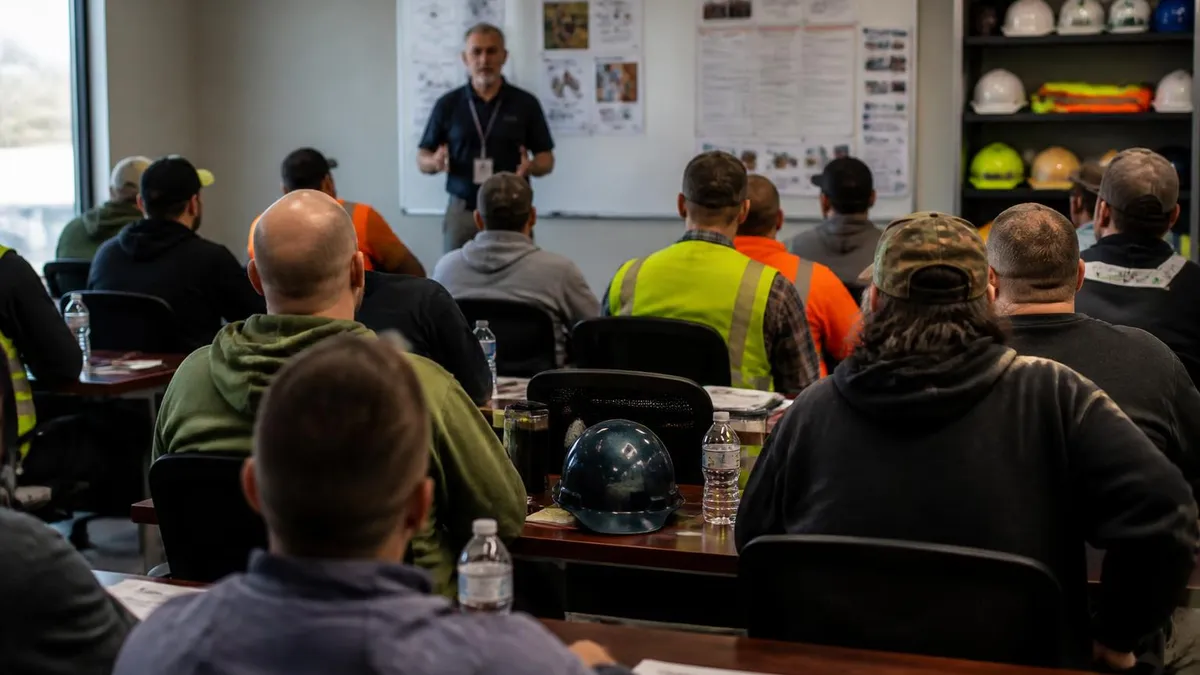
Traditional in-person 40-hour OSHA HAZWOPER training takes place over five consecutive days at a licensed training facility. Students participate in live instructor-led sessions, hands-on equipment exercises, and scenario-based drills that simulate real hazardous waste site conditions. This format is widely considered the gold standard for HAZWOPER training because the hands-on components — including PPE donning, air monitoring practice, and decontamination line exercises — are difficult to replicate in a purely digital environment.
Classroom training allows workers to ask questions in real time, receive immediate feedback on technique, and build relationships with peers who work in similar industries. Many employers require in-person classroom completion for initial 40-hour certification, reserving online formats for the annual 8-hour refresher. Costs for classroom training typically range from $600 to $1,200 per student, with group discounts available when companies enroll multiple employees at once. Training centers affiliated with OSHA's Outreach Training Program or National HAZMAT Training Center (NHTC) are preferred providers.

40-Hour OSHA Certification: Is It Worth the Investment?
- +Legally required for work at hazardous waste sites under 29 CFR 1910.120 — certification opens access to entire industry sectors
- +Significantly boosts earning potential; HAZWOPER-certified workers typically earn 15–25% more than non-certified counterparts
- +Provides comprehensive, practical safety knowledge that directly reduces your risk of injury or chemical exposure on the job
- +Recognized and respected by federal agencies, environmental contractors, and site project managers nationwide
- +Establishes a professional credential that transfers across employers and project sites without needing to retake the full course
- +Annual refresher requirement ensures your skills and knowledge stay current with evolving OSHA standards and best practices
- −Significant upfront time commitment — five full days away from regular work duties for initial certification
- −Cost ranges from $300 to over $1,000 depending on format and provider, which can be a barrier for self-paying workers
- −Requires annual 8-hour refresher training to remain valid, creating ongoing time and cost obligations every year
- −Online-only completion may not satisfy all employer or project site requirements, especially for roles with direct hazmat contact
- −The hands-on components of the course can be physically demanding, particularly PPE donning and working in heat-stress scenarios
- −Workers who let their certification lapse must complete the full 40-hour training again rather than just a refresher, at full cost
40-Hour OSHA Training Certification Checklist
- ✓Verify that your job role at a hazardous waste site legally requires HAZWOPER 40-hour certification under 29 CFR 1910.120.
- ✓Select an OSHA-authorized training provider that is IACET-accredited or affiliated with the National HAZMAT Training Center.
- ✓Confirm with your employer whether in-person, online, or blended training format is acceptable for your specific work site.
- ✓Complete all 40 hours of required instruction, including all hands-on skills components required by your provider.
- ✓Pass the final written assessment at your training provider to demonstrate comprehension of all required topic areas.
- ✓Obtain your official HAZWOPER 40-hour training certificate from your provider upon successful course completion.
- ✓Provide a copy of your certificate to your employer and ensure it is filed in your official personnel or safety training record.
- ✓Schedule your baseline medical surveillance examination if required by your employer or the site health and safety plan.
- ✓Mark your calendar for your annual 8-hour HAZWOPER refresher training, which must be completed within 12 months of your initial certification.
- ✓Review the site-specific health and safety plan (HASP) for your first assignment to connect classroom training to real site conditions.
Your 40-Hour OSHA Certificate Never Truly Expires — But Lapses Have Consequences
Technically, your initial 40-hour HAZWOPER certificate does not have a printed expiration date, but OSHA requires workers to complete an 8-hour refresher every 12 months to remain qualified for hazardous site work. If you miss a refresher year, you are considered unqualified and must complete the full 40-hour training again from scratch before returning to regulated work — so staying current with annual refreshers is far less costly than letting your certification lapse.
The financial investment required for 40-hour OSHA HAZWOPER training is real, but so is the return on that investment — both in terms of career earnings and long-term employability. Workers who hold valid HAZWOPER 40-hour certification are in consistent demand across a range of high-paying industries, including environmental remediation, petrochemical operations, federal cleanup contracting, nuclear facility support, and municipal emergency response. The Bureau of Labor Statistics reports that environmental science and hazardous materials removal workers earn median annual wages well above the national average for all occupations, with experienced HAZWOPER-certified workers often exceeding $70,000 annually.
Beyond raw salary figures, HAZWOPER certification opens doors that are simply closed to uncertified workers. Federal Superfund cleanup sites, RCRA-regulated hazardous waste facilities, and Department of Defense contaminated site projects all require workers to present valid 40-hour OSHA training certificates before they are allowed on site. This legal requirement effectively creates a credentialed labor market in which certified workers face significantly less competition for available positions than in general construction or manufacturing industries. For career-focused workers, this barrier to entry is an advantage rather than an obstacle.
Employers who bear the cost of 40-hour OSHA training for their workers typically recoup that investment many times over through reduced injury rates, lower workers' compensation claims, and improved regulatory compliance records. OSHA has documented that well-trained workforces generate significantly fewer citations, penalties, and legal costs than undertrained ones. From a business perspective, the cost of sending a team of workers through 40-hour HAZWOPER training is far less expensive than managing the aftermath of a single serious chemical exposure incident, which can involve medical costs, lost productivity, OSHA investigations, and potential civil litigation.
When evaluating training providers and costs, workers should look beyond the base tuition price to understand what is included. Some providers bundle the cost of training materials, PPE for hands-on exercises, and certificate processing fees into the listed price, while others charge for these items separately. The availability of group discounts can significantly reduce per-person costs when an employer enrolls a team of five or more workers simultaneously. Some OSHA Training Institute Education Centers (OTIECs) offer subsidized training for workers in certain industries or geographic regions, which can reduce out-of-pocket costs substantially for qualified individuals.
The career advancement opportunities associated with 40-hour OSHA certification extend well beyond entry-level site work. Many workers use their HAZWOPER 40-hour training as a foundation for additional credentials, including the OSHA 30-hour General Industry course, Certified Industrial Hygienist (CIH) preparation, or state-specific environmental certifications. Supervisors who add the required 8-hour HAZWOPER supervisor supplement to their 40-hour base training qualify for site safety officer roles that carry significantly higher compensation and greater professional responsibility. The 40-hour course is frequently described by experienced practitioners as the single most career-defining credential they ever earned.
For workers employed in industries adjacent to hazardous waste operations — such as general construction, facility maintenance, or municipal public works — the 40-hour OSHA certification can serve as a powerful differentiator in a competitive job market. Even when the certification is not legally required for a specific role, demonstrating that you have completed this rigorous training signals to employers that you take safety seriously and have the professional discipline to complete demanding coursework. Many hiring managers in safety-sensitive industries actively prefer candidates with HAZWOPER credentials over those without, all else being equal.
Financial assistance for 40-hour OSHA training is more widely available than many workers realize. State workforce development agencies, apprenticeship programs, union training funds, and federally funded job training programs often cover the cost of HAZWOPER training for eligible workers. The Department of Labor's Employment and Training Administration (ETA) has historically funded HAZWOPER training for workers transitioning from declining industries into environmental remediation careers. Workers who are uncertain about funding options should contact their state's workforce development office or an OSHA-authorized training center directly to ask about available assistance programs.
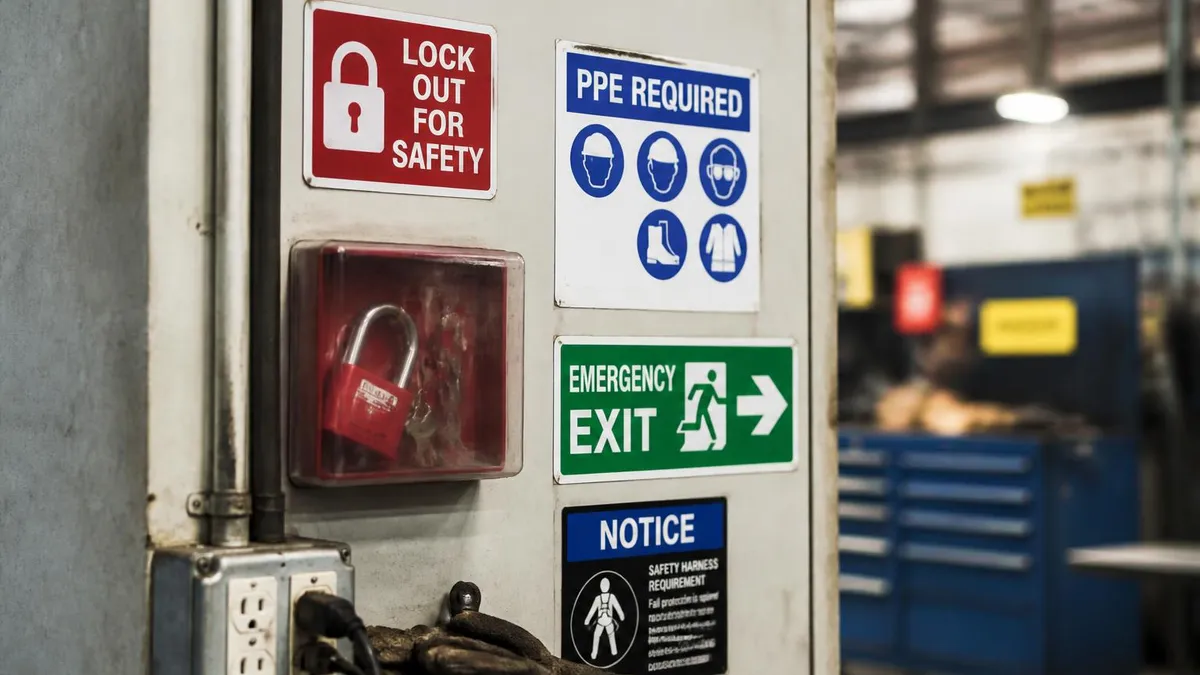
The OSHA 10-hour and 30-hour Outreach Training courses are awareness-level programs designed for general industry and construction workers — they do NOT satisfy the HAZWOPER 40-hour requirement under 29 CFR 1910.120. If your job involves work at a hazardous waste site or requires emergency response to chemical releases, only a HAZWOPER-specific 40-hour course from an authorized provider will meet the legal requirement. Presenting an OSHA 10 or 30 card in place of HAZWOPER certification could result in you being removed from a work site and your employer facing OSHA citations.
Annual refresher training is one of the most important — and most frequently overlooked — aspects of maintaining your 40-hour OSHA HAZWOPER certification. OSHA's standard at 29 CFR 1910.120(e)(8) explicitly requires that workers who are engaged in hazardous waste operations receive a minimum of 8 hours of refresher training each year to review and update their knowledge and competencies.
This is not a soft recommendation or a best practice — it is a federal regulatory mandate, and employers who fail to ensure their workforce completes annual refreshers are subject to OSHA citations, fines, and potential shutdown orders on regulated work sites.
The 8-hour annual refresher is designed to reinforce the core topics covered in initial training while also introducing updates to regulations, new chemical hazards, changes in site conditions, and lessons learned from incidents that have occurred across the industry in the preceding year.
A good refresher course does not simply replay the initial training in abbreviated form — it actively engages workers in reviewing actual incident case studies, practicing skills that may have grown rusty, and discussing new equipment or procedures that have entered the field since their last training cycle. Workers who treat the refresher as a genuine learning opportunity consistently report that it makes them meaningfully safer and more effective on the job.
Choosing a provider for your annual 8-hour refresher deserves as much attention as selecting your initial 40-hour training provider. The refresher market includes many low-cost or free online options that may technically issue a completion certificate without providing substantive instruction. OSHA evaluates training quality not just on certificate issuance but on whether the training actually prepares workers to perform their jobs safely. Workers who complete inadequate refresher training may find that their certificates are challenged by safety officers during site audits or OSHA inspections, particularly if they are unable to demonstrate competency in basic HAZWOPER skills.
Supervisors have additional annual training requirements that go beyond the standard 8-hour worker refresher. Site supervisors who hold the supplemental 8-hour supervisor training must ensure that their annual refresher covers supervisory competencies including health and safety plan development, exposure monitoring oversight, and emergency response coordination. Some large employers integrate the supervisor refresher into broader annual safety training events that also cover incident command system updates, regulatory changes, and site-specific hazard assessments. This integration approach maximizes training efficiency while meeting all applicable OSHA requirements for both workers and supervisors simultaneously.
Record keeping is a critical element of HAZWOPER compliance that workers and employers often underestimate in its importance. OSHA requires employers to maintain training records for all HAZWOPER-covered employees, including the dates of initial training, refresher completion dates, the name of the training provider, and evidence that competency was demonstrated.
These records must be available for inspection during OSHA audits, and gaps in documentation are treated as seriously as gaps in actual training completion. Workers should maintain their own personal copies of all training certificates and refresher completion records as a safeguard against employer record-keeping failures that could affect their career status.
For workers who have let their HAZWOPER certification lapse — either through missing an annual refresher or through an extended break from hazardous waste site work — the path to recertification depends on how long the lapse has been and what specific documentation is available. Workers who missed a single refresher year but have records of prior training are often able to satisfy site safety officers with an expedited refresher plus a practical skills demonstration.
Workers who have been out of the field for three or more years without any refresher documentation will typically be required to complete the full 40-hour training again. Proactively renewing your certification before a lapse occurs is always the most cost-effective and professionally sound approach.
Staying compliant with annual refresher requirements is made easier when workers take a proactive approach to tracking their certification calendar. Setting a recurring annual reminder, registering with a training provider that offers reminder notifications, or enrolling in an employer-sponsored training management system can prevent the most common cause of certification lapse — simply forgetting to schedule the refresher before the anniversary date. Many training centers now offer refresher courses on a rolling schedule with monthly availability, making it easy to find a date that works within any employer's operational calendar, even during busy seasons on active remediation or construction projects.
Preparing effectively for 40-hour OSHA HAZWOPER training — and for the work that follows — requires more than simply showing up for the course and sitting through the lectures. Workers who get the most out of their training investment come in with some baseline familiarity with OSHA's regulatory structure, key terminology, and the types of chemical hazards they are likely to encounter on their specific job sites.
Spending even a few hours reviewing OSHA's HAZWOPER standard (29 CFR 1910.120) and skimming the safety data sheets for chemicals common in your industry before the course begins will help you absorb and retain the classroom instruction far more effectively.
During the training itself, treat the hands-on exercises as seriously as the written instruction. Many workers are tempted to treat PPE donning drills or decontamination line exercises as lower-stakes activities than the formal lectures, but these practical components are where your muscle memory is built.
In a real emergency on a hazardous waste site, you will not have time to consult your training notes — you will need to execute procedures that have become second nature through repeated practice. Use every opportunity during the course to refine your technique, ask instructors for correction, and observe how more experienced classmates approach each task.
Note-taking strategy matters enormously in a five-day intensive course. Rather than trying to transcribe everything the instructor says, focus your notes on the decision-making frameworks that HAZWOPER training emphasizes: how do you determine what level of PPE is appropriate for a given exposure scenario? What are the steps you follow when air monitoring readings exceed action levels?
What is the sequence of events when an emergency requires site evacuation? These procedural frameworks are the core of what you will actually apply on the job, and understanding them deeply — not just memorizing them for the final assessment — is what separates truly prepared workers from those who passed the course but struggle in practice.
Physical preparation is often underestimated by workers attending their first 40-hour OSHA course. The hands-on exercises in Level A and Level B PPE can be extremely physically demanding, especially for workers who are not accustomed to working in heat-stress environments while wearing encapsulating suits. If your course includes field exercises or extended PPE donning sessions, arriving rested, well-hydrated, and in reasonable physical condition will significantly improve your performance and comfort during these high-intensity portions of the training. Instructors are trained to monitor participants for signs of heat stress, but self-awareness and physical preparation remain your first line of defense.
After completing your 40-hour training, do not wait for your employer or project manager to tell you when your annual refresher is due. Take personal ownership of your certification calendar by noting the date of your initial training completion and setting a reminder at the 10-month mark to schedule your first 8-hour refresher.
This gives you a two-month window to find an available course date before your 12-month anniversary, without the risk of inadvertently allowing your certification to lapse between available course dates. Workers who manage their own certification proactively never face the awkward and costly situation of arriving at a job site only to discover their credentials are out of date.
Networking with fellow trainees during your 40-hour course is an underappreciated career development strategy. Many of the workers and professionals you meet in HAZWOPER training will go on to work at the same types of sites, for the same types of contractors, and in the same regional environmental consulting community. The relationships you build over a five-day intensive training course can lead to job referrals, teaming arrangements, and mentorship opportunities that pay career dividends for years. Some experienced practitioners trace their most important professional relationships back to people they first met during their initial HAZWOPER certification training.
Finally, use every practice resource available to you as you approach your HAZWOPER training and your ongoing career in hazardous waste operations. Free practice questions, regulatory summaries, and study guides are widely available online and can help you sharpen your knowledge of OSHA standards year-round, not just in the weeks before a refresher course.
Workers who make continuous safety education a habit — rather than a once-a-year compliance exercise — consistently demonstrate higher competency, advance more quickly in their careers, and have measurably better safety records than those who treat OSHA training as a periodic obligation to be satisfied and forgotten.
Sample OSHA Safety Certificate Practice Questions
Try these questions from our free OSHA Safety Certificate practice tests. The correct answer and an explanation follow each question.
Which of the following is an employer obligation under OSHA's General Duty Clause (Section 5(a)(1))?
- A. Provide a workplace free from recognized hazards likely to cause death or serious harm
- B. Conduct annual OSHA inspections of all work areas
- C. Submit injury reports within 24 hours of any incident
- D. Provide health insurance to all full-time employees
Answer: A. Provide a workplace free from recognized hazards likely to cause death or serious harm
The General Duty Clause requires employers to maintain a workplace free from recognized serious hazards.
How many pictograms are used in the GHS labeling system under OSHA's Hazard Communication Standard?
- A. 6
- B. 9
- C. 12
- D. 4
Answer: B. 9
GHS uses nine standardized pictograms, though OSHA enforces eight of them.
Which OSHA standard governs the Hazard Communication of chemicals, sometimes called 'Right to Know'?
- A. The HazCom Standard (29 CFR 1910.1200)
- B. The Family Medical Leave Act
- C. The Clean Air Act
- D. The ADA
Answer: A. The HazCom Standard (29 CFR 1910.1200)
The Hazard Communication Standard (29 CFR 1910.1200) ensures workers know chemical hazards.
Which of the following is a key requirement for portable dockboards according to OSHA standards?
- A. They must be painted yellow for high visibility.
- B. They must be secured to prevent unintentional movement.
- C. They must be made of non-combustible material.
- D. They must have a minimum width of 5 feet.
Answer: B. They must be secured to prevent unintentional movement.
OSHA standard 1910.26(c) states that portable dockboards must be secured in position, either by anchoring or by using equipment or devices that prevent them from moving out of a safe position during use.
OSHA Questions and Answers

OSHA Approved Safety Glasses: Complete 2026 Guide to ANSI Z87.1 Eye Protection Standards, Selection, and Workplace Compliance

OSHA Lightning Safety: Standards, Rules & Outdoor Worker Protection Guide for 2026

OSHA 10 Hour General Industry: Complete 2026 Guide to Training, Topics, Costs, and DOL Card

Is OSHA a Government Agency? The Federal Body Behind US Workplace Safety

How to Get OSHA Certified: Complete 2026 Guide to Training, Cards & Compliance
About the Author

Certified Safety Professional & OSHA Compliance Expert
Indiana University of Pennsylvania Safety SciencesDr. William Foster holds a PhD in Safety Science from Indiana University of Pennsylvania and is a Certified Safety Professional (CSP) and Certified Hazardous Materials Manager. With 20 years of occupational health and safety management experience across construction, manufacturing, and chemical industries, he coaches safety professionals through OSHA certification, CSP, CHST, and safety management licensing programs.
Join the Discussion
Connect with other students preparing for this exam. Share tips, ask questions, and get advice from people who have been there.
View discussion (8 replies)