

NYSP Practice Test
Updated October 2026Facts verified Oct 29, 2026 against New York State Police
Are you considering a career with the New York State Police? This comprehensive guide will help you understand the NYSP exam process, requirements, and qualifications. We'll also explore career opportunities within the NYSP. Whether you're just starting or looking to advance in law enforcement, this article has you covered. Practice with the free NYSP - New York State Police practice test on PracticeTestGeeks (7 questions with answer explanations).
Candidates preparing for state trooper can build exam confidence with our state trooper exam 2026, which covers all key topics and question formats used in the real assessment.
Government and public-sector job candidates can also prepare with our police officer practice test 2026, which covers the same reasoning, reading comprehension, and situational judgment sections used in official exams.
The NYSP has 150 questions, takes about 2 hours and costs $44[1][2][3] (New York State Police, verified Oct 29, 2026).
- The New York State Police Trooper Entrance Examination has 150 multiple-choice questions that measure cognitive abilities, behavioral characteristics and attitudes.[1]
- The New York State Police Trooper Examination lasts two hours: 1 hour 40 minutes for the cognitive ability section and 20 minutes for the personality attributes section.[2]
- The New York State Police Trooper Examination has a $44 testing fee, which Pearson VUE collects when the candidate picks the exam time, date and location.[3]
- The New York State Police Trooper Entrance Examination is computer-based and offered at about 250 Pearson VUE test centers across the US, including more than 50 in New York State.[1]
- To take the New York State Police Trooper exam, a candidate must be a US citizen aged 20 to 43 with a high school or equivalency diploma; college credits are required for appointment to the Academy.[4]
- After the New York State Police Trooper Entrance Examination, candidates are placed on an eligibility list ranked by exam score plus any applicable veterans' credit.[1]
Numbers in brackets link to the official sources listed under Sources & last verified. Dates that have passed are removed automatically.
NYSP Exam at a Glance
| Item | Detail | Source · Verified |
|---|---|---|
| Number of questions | 150 multiple-choice questions[1] | New York State Police · Oct 20, 2026 |
| Time limit | 2 hours (1 h 40 min cognitive + 20 min personality)[2] | New York State Police · Oct 29, 2026 |
| Exam fee | $44 testing fee paid to Pearson VUE[3] | publicapps.troopers.ny.gov · Oct 21, 2026 |
| Delivery | Computer-based at Pearson VUE test centers[1] | New York State Police · Oct 20, 2026 |
| Eligibility | US citizen, age 20–43, high school or equivalency diploma[4] | New York State Police · Oct 21, 2026 |
| Score release | Ranked eligibility list by score + veterans' credit[1] | New York State Police · Oct 20, 2026 |
Free NYSP - New York State Police Exam Study Tools
Interactive NYSP - New York State Police Exam resources on PracticeTestGeeks, free to start:
- NYSP Report Writing and Documentation 1 — 7 questions with answer explanations
- NYSP - New York State Police Exam flashcards — review key terms and concepts card by card
- NYSP - New York State Police Exam study guide — topic-by-topic overview of what the exam covers
- NYSP - New York State Police Exam cheat sheet — one-page printable summary for last-minute review
According to New York State Police, “The NYSP Entrance Examination is a two-hour test consisting of 150 multiple-choice questions to measure cognitive abilities, along with behavioral characteristics and attitudes.”[1]
NYSP Practice Test Questions
Prepare for the NYSP - New York State Police Exam exam with our free practice test modules. Each quiz covers key topics to help you pass on your first try.
NYSP Community Involvement
NYSP Exam Questions covering Community Involvement. Master NYSP Test concepts for certification prep.
NYSP Legal Authority and Jurisdiction
Free NYSP Practice Test featuring Legal Authority and Jurisdiction. Improve your NYSP Exam score with mock test prep.
NYSP Mission and Core Functions
NYSP Mock Exam on Mission and Core Functions. NYSP Study Guide questions to pass on your first try.
NYSP Technology and Modernization
NYSP Test Prep for Technology and Modernization. Practice NYSP Quiz questions and boost your score.
NYSP Criminal Investigation and Evidence
NYSP Questions and Answers on Criminal Investigation and Evidence. Free NYSP practice for exam readiness.
NYSP Emergency Response and Crisis Management
NYSP Mock Test covering Emergency Response and Crisis Management. Online NYSP Test practice with instant feedback.
NYSP Ethics and Professional Conduct
Free NYSP Quiz on Ethics and Professional Conduct. NYSP Exam prep questions with detailed explanations.
NYSP Physical Fitness and Officer Wellness
NYSP Practice Questions for Physical Fitness and Officer Wellness. Build confidence for your NYSP certification exam.
Worked examples: how to reason through NYSP questions
These are practice questions written for this site, not questions from the real exam. Each explanation shows why the right answer is right and why the others are wrong.
Example 1
Question: How has the NYSP improved its communication systems through modernization?
- By using encrypted radio systems for secure communication
- By replacing police radios with public cell phones
- By installing intercoms in all patrol vehicles
- By sending handwritten notes to other agencies
Answer: A. By using encrypted radio systems for secure communication
Explanation:
A is correct. Encrypted radio systems keep police communications private by stopping outsiders from listening in. That protects officers, victims and active operations while still letting troopers share information quickly.
- B is wrong because public cell phones are less secure than dedicated police radio and cannot replace a coordinated dispatch network.
- C is wrong because intercoms in vehicles do not link officers to dispatch or to other units in the field.
- D is wrong because handwritten notes are slow and would be a step backward, not modernization.
Rule to remember: in questions about modernizing police work, the best answer usually improves both speed and security. Options that make information easier to intercept or slower to share are rarely correct.
Example 2
Question: An officer responds to a domestic dispute where no arrest is made. What type of report should typically be filed?
- No report is needed if no arrest is made
- An incident or offense report documenting the response
- Only a mental note for the officer's personal records
- A warrant application report
Answer: B. An incident or offense report documenting the response
Explanation:
B is correct. An incident or offense report records that police responded, what they saw and what they did, even when nobody was arrested. Domestic disputes often happen again, and an earlier report gives later responders, prosecutors and courts a documented history.
- A is wrong because whether to file a report depends on whether police responded, not on whether there was an arrest.
- C is wrong because a mental note is not an official record and cannot be retrieved, shared or used as evidence.
- D is wrong because a warrant application asks a court to authorize an action. It does not document a call that has already been handled.
Rule to remember: if police respond to a call, document it. Choose answers that create an accurate official record.
Example 3
Question: What does 'Locard's Exchange Principle' state?
- Every criminal leaves behind DNA
- Every contact between two objects leaves a trace
- Physical evidence alone can convict a suspect
- Witnesses are the most reliable form of evidence
Answer: B. Every contact between two objects leaves a trace
Explanation:
B is correct. Locard's Exchange Principle says that whenever two objects or people come into contact, each transfers traces to the other. Fibers, hair, soil, glass and similar trace evidence can link a suspect to a scene, a victim or a tool.
- A is wrong because the principle is about any trace material, not only DNA, and Locard stated it long before DNA analysis existed.
- C is wrong because the principle explains why evidence exists. It says nothing about whether evidence alone is enough to convict.
- D is wrong because the principle concerns physical evidence, and witness accounts are often less reliable than physical traces.
Rule to remember: contact leaves a trace. That is why scenes are secured and evidence is collected carefully, so that transfer evidence is not lost or contaminated.
How to use these practice tests
Start with the official material. Read the trooper examination study guide on joinstatepolice.ny.gov, because it describes the cognitive ability and personality attributes sections as the agency gives them. Our sets do not copy that format. They cover the work troopers do, which gives you useful context, but they do not replace the official guide.
- Get a baseline. Take the practice test once without notes and list the topics where you hesitated.
- Work on weak topics. Go to the matching sets, such as Report Writing and Documentation, Criminal Investigation and Evidence or Traffic Law and Highway Safety.
- Read every explanation, including for questions you got right. Write down the general rule, not the answer letter.
- Practise under time pressure. The cognitive section lasts 1 hour 40 minutes and the personality section 20 minutes. Do timed sessions at a steady pace so the clock feels familiar.
- Sort out logistics early. Book with Pearson VUE, budget for the $44 fee and read the cancellation wording.
On the personality section, answer honestly and consistently instead of guessing what the agency wants to hear.
Key Takeaways
Free NYSP Practice Test Online
- The NYSP exam evaluates cognitive, situational, and personality traits essential for law enforcement.
- Eligibility requirements include age, education, physical fitness, and a clean background.
- A career with NYSP offers job stability, growth opportunities, and extensive training.
- Successful candidates must possess resilience, ethical judgment, and strong communication skills.
Understanding the NYSP Exam
The (NYSP) New York State Police Exam is a critical step for those aspiring to join the New York State Police. It evaluates candidates’ cognitive abilities, decision-making skills, and ethical judgment required for effective law enforcement.
- ✓Confirm your exam appointment and location
- ✓Bring required identification documents
- ✓Arrive 30 minutes early to check in
- ✓Read each question carefully before answering
- ✓Flag difficult questions and return to them later
- ✓Manage your time — don't spend too long on one question
- ✓Review flagged questions before submitting
Key Features of the NYSP Exam:
- Cognitive Assessment: Measures reasoning, memory, and problem-solving abilities.
- Situational Judgment Test (SJT): Assesses how candidates respond to real-life policing scenarios.
- Personality and Behavioral Questions: Designed to ensure candidates align with NYSP's core values of integrity, respect, and professionalism.
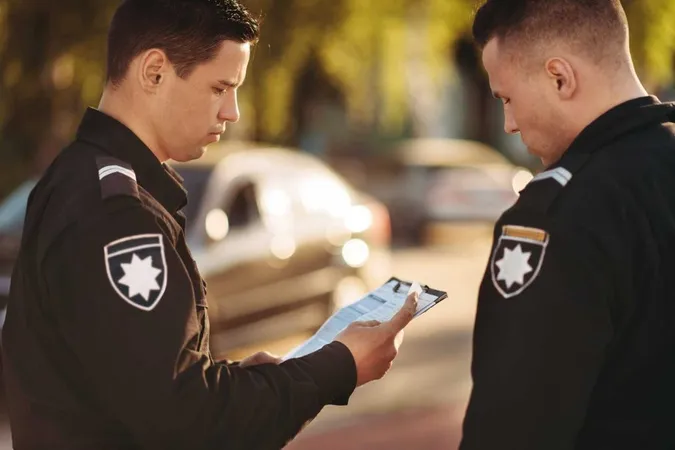
To excel in this exam, thorough preparation is essential. Practice tests and study materials focusing on these areas can significantly enhance your performance.
(NYSP) New York State Police Exam Requirements
Joining the NYSP is both an honor and a responsibility. Applicants must meet strict criteria to ensure only the most capable individuals are selected.
General Eligibility Requirements:
- Age: Applicants must be between 20 and 29 years old. Exceptions are made for active military service.
- Citizenship: U.S. citizenship is mandatory.
- Education: A high school diploma or GED is required, though a college degree is preferred.
- Driver’s License: A valid driver’s license is essential.
- Physical Fitness: Applicants must pass rigorous physical fitness tests, including running, sit-ups, and push-ups.
- Background Check: A thorough investigation into your criminal, employment, and financial history is conducted.
Building a Career with the New York State Police
Becoming a part of the NYSP opens doors to a rewarding and impactful career in law enforcement.
Benefits of Joining NYSP:
- Comprehensive Training: Recruits undergo 26 weeks of intensive training at the NYSP Academy, covering areas such as firearms, defensive tactics, and criminal law.
- Career Progression: Opportunities for advancement to specialized roles like K-9 handler, criminal investigator, or aviation unit pilot.
- Job Stability and Benefits: Competitive salary, health insurance, and retirement benefits.
Qualifications for the New York State Police
In addition to meeting general requirements, candidates must demonstrate specific qualifications to excel as a state trooper.

Essential NYSP Qualifications:
- Physical and Mental Resilience: Policing requires exceptional endurance and emotional stability.
- Ethical Judgment: Upholding the law with fairness and integrity is a cornerstone of NYSP service.
- Communication Skills: Clear and effective communication is vital when interacting with the public or coordinating with colleagues.
- Problem-Solving Abilities: Officers must assess situations quickly and implement solutions effectively.
- +Validates your knowledge and skills objectively
- +Increases job market competitiveness
- +Provides structured learning goals
- +Networking opportunities with other certified professionals
- −Study materials can be expensive
- −Exam anxiety can affect performance
- −Requires dedicated preparation time
- −Retake fees apply if you don't pass
Pros and Cons at a Glance
| Pros | Cons |
|---|---|
| Validates your knowledge and skills objectively | Study materials can be expensive |
| Increases job market competitiveness | Exam anxiety can affect performance |
| Provides structured learning goals | Requires dedicated preparation time |
| Networking opportunities with other certified professionals | Retake fees apply if you don't pass |
Sample NYSP - New York State Police Exam Practice Questions
Try these questions from our free NYSP - New York State Police Exam practice tests. The correct answer and an explanation follow each question.
What is the primary mission of the New York State Police (NYSP)?
- A. To collect taxes for the state government
- B. To protect citizens, enforce laws, and ensure public safety
- C. To provide private security for corporations
- D. To oversee federal law enforcement operations nationwide
Answer: B. To protect citizens, enforce laws, and ensure public safety
The New York State Police (NYSP) is a law enforcement agency with a broad mandate to serve the public. Its primary mission encompasses safeguarding the lives and property of New York residents, upholding state laws, and maintaining peace and order across the state. This core function is fundamental to any state police organization.
What type of jurisdiction does the New York State Police (NYSP) have?
- A. Only in urban areas
- B. Statewide, including rural, suburban, and urban regions
- C. Only on federal properties within New York
- D. Exclusively in New York City
Answer: B. Statewide, including rural, suburban, and urban regions
The New York State Police is a state-level law enforcement agency, meaning its jurisdiction extends throughout the entire state of New York. This broad authority allows them to operate in all types of geographic areas, including rural, suburban, and urban regions, supporting local agencies and enforcing state laws where local police may not have jurisdiction or sufficient resources.
What is the purpose of the New York State Intelligence Center (NYSIC), a modern tool used by the NYSP?
- A. To provide personal legal advice to citizens
- B. To analyze and share information to prevent crime and terrorism
- C. To track speeding vehicles on highways
- D. To manage payroll for NYSP officers
Answer: B. To analyze and share information to prevent crime and terrorism
The New York State Intelligence Center (NYSIC) serves as a central hub for collecting, analyzing, and disseminating intelligence related to criminal activity and potential terrorist threats. Its purpose is to facilitate information sharing among law enforcement agencies, enabling proactive measures to prevent crime and enhance statewide security.
How does the NYSP contribute to traffic safety in New York State?
- A. By installing traffic lights on highways
- B. By enforcing traffic laws and conducting highway patrols
- C. By training private citizens to manage traffic
- D. By designing vehicles for better road efficiency
Answer: B. By enforcing traffic laws and conducting highway patrols
The NYSP plays a crucial role in traffic safety by actively patrolling state highways and roads, ensuring drivers adhere to traffic laws. This enforcement includes issuing citations for speeding, impaired driving, and other violations, which deters unsafe driving practices and reduces accidents. Their visible presence also promotes safer driving behavior.
Take the full NYSP - New York State Police Exam practice test
🚓 What is the NYSP practice test and what does it cover?
The NYSP practice test mirrors the New York State Police trooper exam, covering cognitive reasoning, reading comprehension, memory, and a situational judgment test. Our free NYSP practice test online lets you rehearse the real question formats before test day so you walk in confident.
START NYSP PRACTICE TEST🎂 How old must you be to take the New York State trooper exam?
Applicants for the New York State Police must be between 20 and 29 years old, with exceptions for active military service. You must also be a U.S. citizen and hold a valid driver’s license before entering the Academy.
START NYSP PRACTICE TEST🎓 What education is required for the NYS police officer exam?
A high school diploma or GED is the minimum education required to sit the NYS police officer exam, though a college degree is preferred. Recruits then complete training at the NYSP Academy before certification.
🧠 What is the situational judgment test on the trooper exam?
The situational judgment test (SJT) presents real-life policing scenarios and asks how you would respond. It measures decision-making, ethics, and composure under pressure. Practicing SJT items on your New York State police practice exam builds the judgment scorers look for.
START ETHICS PRACTICE TEST🏃 Is there a physical fitness test for New York State troopers?
Yes. Applicants must pass a rigorous physical fitness screening that includes running, sit-ups, and push-ups. There are no fixed height or weight limits, but you must meet the fitness standards set by the New York State Police.
START FITNESS PRACTICE TEST📅 How often is the NYSP trooper exam offered?
The New York State Police trooper exam is typically offered about every four years, though exact dates vary by recruitment cycle. Check the official Become a Trooper site for the current filing window so you do not miss the application period.
START NYSP PRACTICE TEST🏫 How long is training at the NYSP Academy?
Successful recruits complete about 26 weeks of intensive residential training at the New York State Police Academy. The program covers firearms, defensive tactics, criminal law, emergency response, and report writing before troopers are sworn in.
START EMERGENCY PRACTICE TEST⚖️ What legal knowledge does the exam test?
The exam and Academy stress legal authority and jurisdiction — the powers of a trooper, lawful stops, and where NYSP authority applies statewide. Strong knowledge of criminal law and procedure is essential for both the test and the job.
START LEGAL PRACTICE TEST🔎 Does the trooper role include criminal investigation?
Yes. Troopers can advance to criminal investigator roles, and the exam tests reasoning and evidence-handling judgment. Our NYSP criminal investigation and evidence practice test rehearses chain-of-custody and case-analysis questions you may face.
START INVESTIGATION PRACTICE TEST🔁 Can you retake the NYS police officer exam if you fail?
Yes. Candidates may reapply and sit the exam again during subsequent recruitment cycles. Because filing windows open roughly every four years, use a New York State police practice exam between cycles to keep your skills sharp.
START NYSP PRACTICE TESTOfficial Resources
- New York State Police (troopers.ny.gov) — the official agency site for the NYSP, with news, divisions, and public-safety information.
- Become a Trooper (joinstatepolice.ny.gov) — the official recruitment site covering eligibility, exam filing windows, and the application process.
- New York State Department of Civil Service (cs.ny.gov) — the official body that administers many New York State and municipal police officer civil-service exams.
Sources & last verified
- New York State Police — number of questions, delivery, score release (official source). “The NYSP Entrance Examination is a two-hour test consisting of 150 multiple-choice questions to measure cognitive abilities, along with behavioral characteristics and attitudes.” Verified Oct 20, 2026.
- New York State Police — time limit (official source). “You will be given one hour and forty minutes to complete the cognitive ability section, and twenty minutes to complete the personality attributes section.” Verified Oct 29, 2026 · source checked Oct 29, 2026.
- publicapps.troopers.ny.gov — exam fee (official source). “There is a $ 44.00 testing fee collected by Pearson VUE Testing Centers when I select the time, date, and location of my examination. I…” Verified Oct 21, 2026 · source checked Oct 21, 2026.
- New York State Police — eligibility (official source). “Must be a citizen of the United States. Must be 20-43 years old. Candidates must be appointed before their 44 th birthday.” Verified Oct 21, 2026 · source checked Oct 21, 2026.
How we verify: editorial & fact-checking policy. Report an error: contact us.
How this page was made: written with AI tools and published by Nathan Beja, founder of Practice Test Geeks, who is responsible for its content. Exam facts are checked against the official sources listed below. Not reviewed by a subject-matter expert. Editorial policy
Sources & references
Exam facts on this page (fees, format, dates, passing scores) are checked against these official sources; the date is our last check. Editorial policy
- joinstatepolice.ny.gov — Time limit, eligibility, test delivery, exam format, score release · verified Oct 2026
- publicapps.troopers.ny.gov — Fees · verified Oct 2026